Kibungan and Kapangan’s Grand March Toward a Shared UHC Vision
During Module 1 of the Bayang Malusog Leadership and Governance Program (BMLGP) held on November 27–28, 2025, representatives from the municipalities of Kibungan and Kapangan in Benguet—including Kapangan Mayor Harris Dizon—came together to reflect on their leadership journeys and shape a shared vision for Universal Health Care (UHC).

By the end of the module, both groups had crafted messages that captured their hopes for their people: “Maksil ya maketing ay i-Kibungan” (Healthy and resilient people of Kibungan) and “Misyon man-aabat para sin salun-at for a healthier Kapangan” (Our mission for health—together for a healthier Kapangan).
Reflections Rooted in Community
The reflections from the group grew naturally from the Day 1 sessions, where participants explored their values, motivations, and lived experiences through the three-step Bridging Leadership framework of Ownership, Co-Ownership, and Co-Creation.
As part of the Ownership process, the group examined their “why” as leaders—what shaped them, what drives them, and how their stories connect to the health of their communities.
This grounding in personal purpose set the tone for the collective work that followed.

Bryan Alacdis, Kibinungan Municipal Accountant, explained that in their town, support for each other is deeply woven into their way of life. “Our main [quality in Kibungan] is we support each other. Awan ti milak-laksid, awan ti maibat-bati. (No one is left out, no one is left behind.)”
Dizon also connected their collective effort to a familiar cultural symbol in Benguet, the grand march, a traditional dance that brings people together across social, political, and religious lines.
In the same way, leaders from both municipalities recognized that UHC is a shared movement—everyone stepping in rhythm, carrying their role, and supporting one another.

Co-Ownership, Co-Creation, and Action Planning
On the second day, the groups moved from personal awareness to shared responsibility. Guided by the Zuellig Family Foundation’s Local Health System and BMLGP team, they practiced trust-building, stakeholder mapping, and open dialogue—activities that helped them understand the bigger system they are part of.
With this stronger sense of co-ownership, the teams drafted action plans aligned with the Benguet UHC Roadmap. These plans focused on strengthening primary care, improving coordination between offices, supporting health financing, and making sure resources are used wisely and transparently.

The two-day module ended with a meaningful moment. Participants recited the Pledge of Commitment as Bridging Leaders, affirming their promise to lead with compassion, integrity, and shared responsibility. Afterward, they joined in the grand march—a symbol of unity, community spirit, and moving forward together.
Like the grand march, the UHC journey in Benguet is a collective movement. With visions strengthened by both personal purpose and shared commitment, Kibungan and Kapangan now step forward in rhythm, carrying with them a shared hope for a healthier and stronger Benguet.
The Universal Health Care Journey in Benguet and Baguio: Celebrating Gains, Navigating Hurdles
Benguet Province and Baguio City have marked a major step forward in health governance with the successful conduct of the Practicum Assessment Activity under the Bayang Malusog Leadership and Governance Program (BMLGP) of the Zuellig Family Foundation.
Held on June 9–10, 2026 at Hotel Elizabeth Fersal in Baguio City, the event convened 27 public health leaders, including the provincial and city health teams, municipal and district health teams from the BMLGP pilot areas of Kibungan, Kapangan, City Camp, and Irisan, as well as non-communicable disease (NCD) program coordinators. Also in attendance were institutional partners from the Department of Health (DOH) Center for Health Development in the Cordillera Administrative Region and the provincial and city DOH offices.
Related articles:
- From an Empathy-Driven Learning Visit to a Stronger Commitment to Health
- From Data to Dignity: How a Bedside Visit in Kibungan, Benguet Changed a Mayor’s Approach to Universal Health Care
- Mayor Magalong Completes ‘Deep Dive’ to Assess Baguio Health System
The assessment showcased notable early successes, particularly the significant mid-year progress in the NCD roadmaps of the pilot areas. Baguio City achieved a full 100% accomplishment rate in the DOH Local Health System-Maturity Level, while Benguet came close to full integration at nearly 100%.
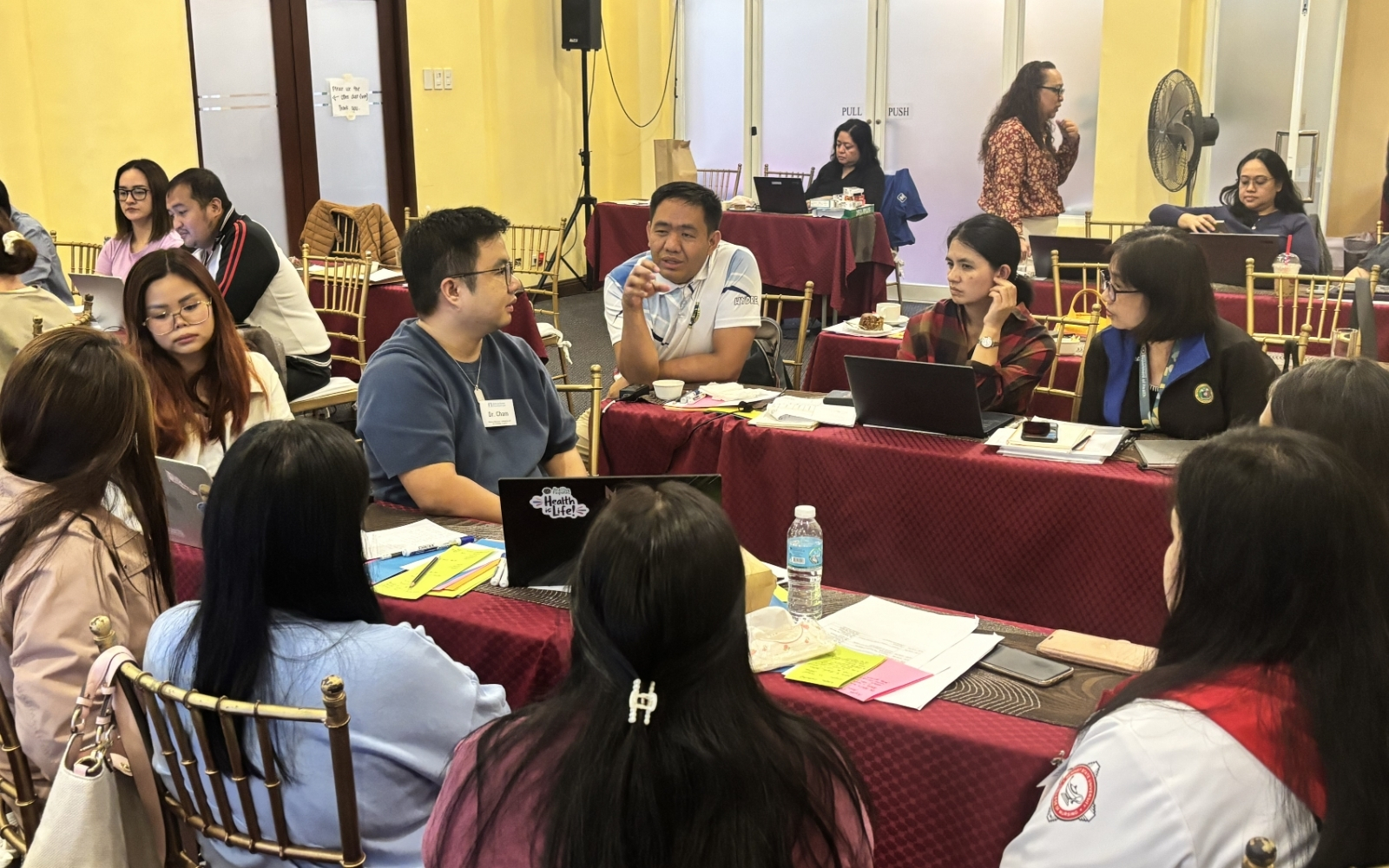
Equally encouraging, health leaders observed a meaningful shift in community behavior. More residents are now aware of the primary care packages (PhilHealth YAKAP and GAMOT packages) leading to a marked increase in self-initiated consultations at primary care facilities. This growing public trust underscores how primary health care is steadily becoming the solid foundation of Universal Health Care (UHC).
Beyond celebrating these wins, the activity served as a vital platform for reflection. It allowed the participating local government units (LGUs) to assess how their action plans and initiatives from the BMLGP training—backed by concrete data and system improvements—have translated into real-world results.
A central feature of the workshop was a comprehensive competency assessment, designed to ensure that ZFF’s Bridging Leadership principles are not just theoretical but are actively shaping better health outcomes for communities. The session also provided a transparent space for consolidating key insights, identifying emerging challenges, and documenting best practices drawn from the actual experiences of the partner sites.
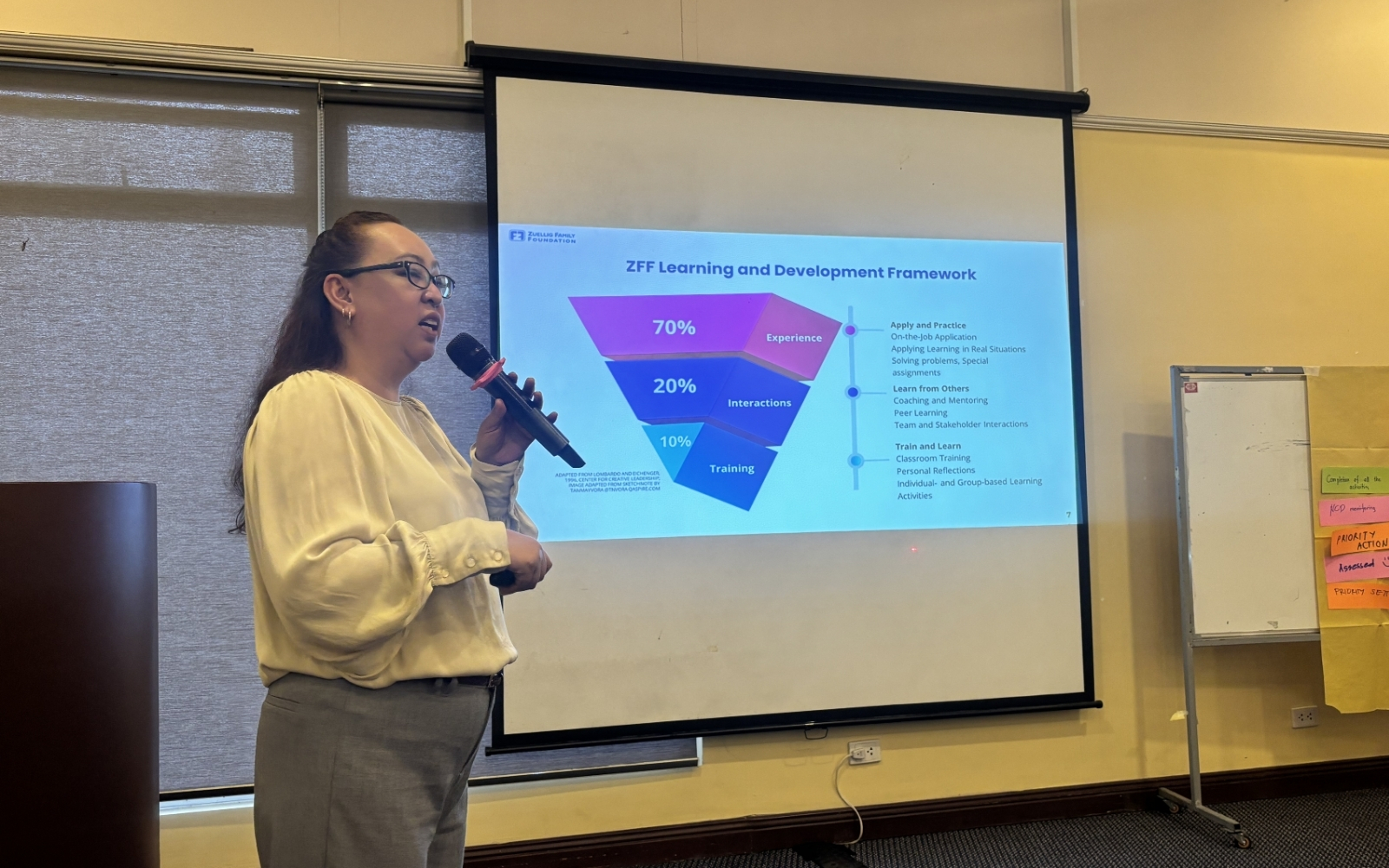
Despite the geographic and structural differences between urban Baguio and rural Benguet, participants found striking common ground. The sharing sessions revealed that both settings face similar systemic hurdles in NCD program implementation and overall UHC rollout. These shared challenges sparked action-oriented discussions and fostered a sense of unity in addressing them.
What stood out most in the reflections, however, was the deep human element driving these institutional changes. Leaders expressed genuine appreciation for how their personal leadership competencies directly influenced their LGUs’ health outputs, enabling continuous personal growth and more effective governance. A recurring theme was the immense value of empowering frontline health workers, especially Barangay Health Workers, who serve as the critical ground implementers of these programs. Ultimately, participants voiced pride in how Benguet and Baguio are steadily advancing UHC, emphasizing that every small victory along the path to health equity deserves recognition and celebration.
To sustain this momentum, the workshop concluded with concrete, actionable blueprints aimed at advancing UHC and NCD programs across all governance levels. By aligning provincial, city, and municipal strategies, participants clearly defined how higher-level governments can better support the pilot sites.
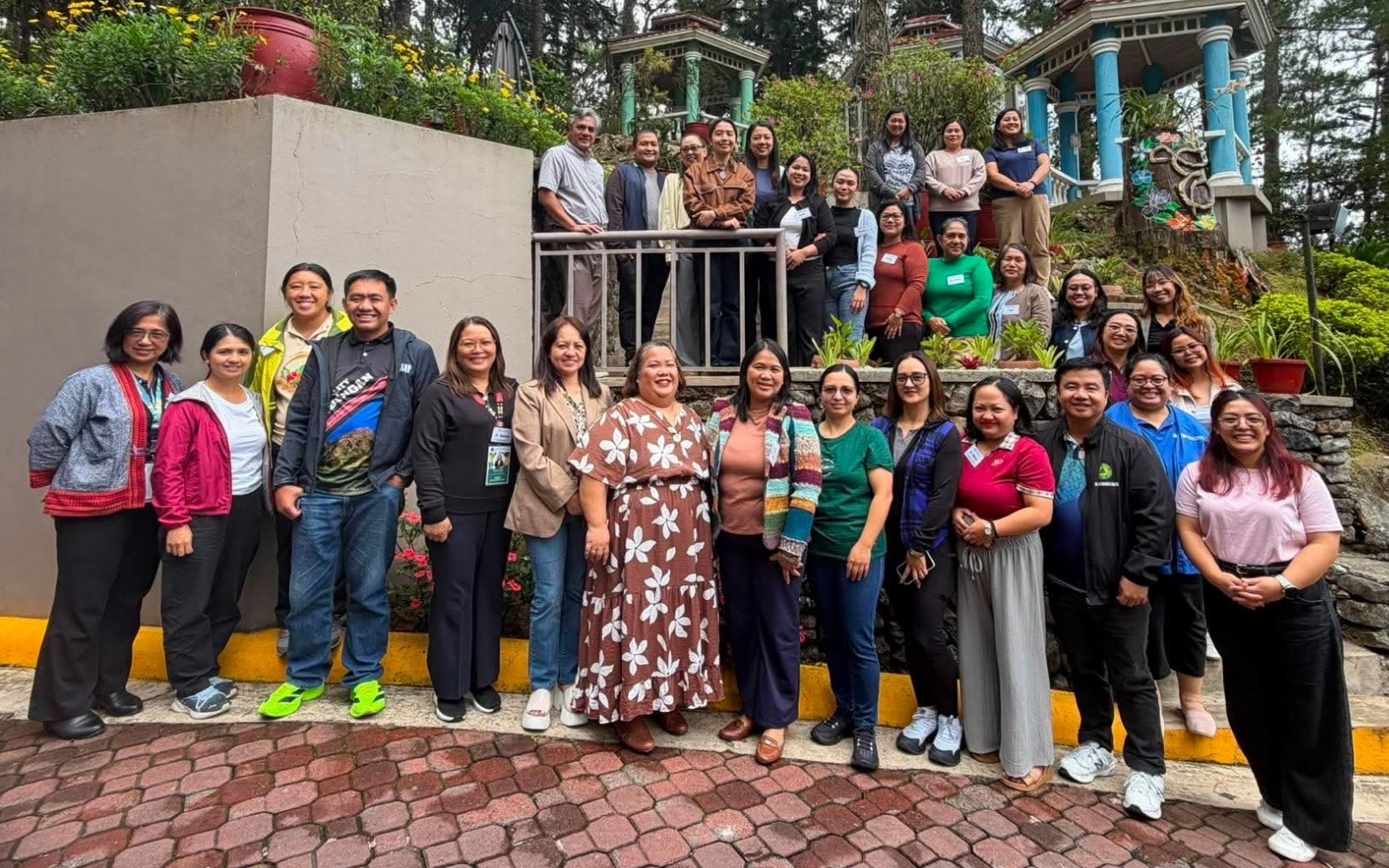
Looking ahead, the outputs from this session—assessment findings, reflections, and priority actions—will serve as a roadmap for future implementation. They will also guide targeted coaching and inform the next phases of the program, ensuring that province-wide and city-wide UHC and NCD outcomes are not only achieved but sustained.