From Awareness to Action: A Young Leader’s Journey in Advancing EYLGP in Macrohon
Junley Gallardo
Sangguniang Kabataan (SK) Federation President, Municipality of Macrohon, Southern Leyte
For Junley Gallardo, addressing adolescent pregnancy is not simply a program responsibility. It is a commitment to create a safer and better future for the young people in his community.
During a colloquium held on September 25, 2026, Gallardo shared Macrohon’s journey in implementing the Expanded Youth Leadership and Governance Program (EYLGP) of the Zuellig Family Foundation, in partnership with UNFPA, and the efforts of the municipality to strengthen youth participation, adolescent health, and community-based interventions.
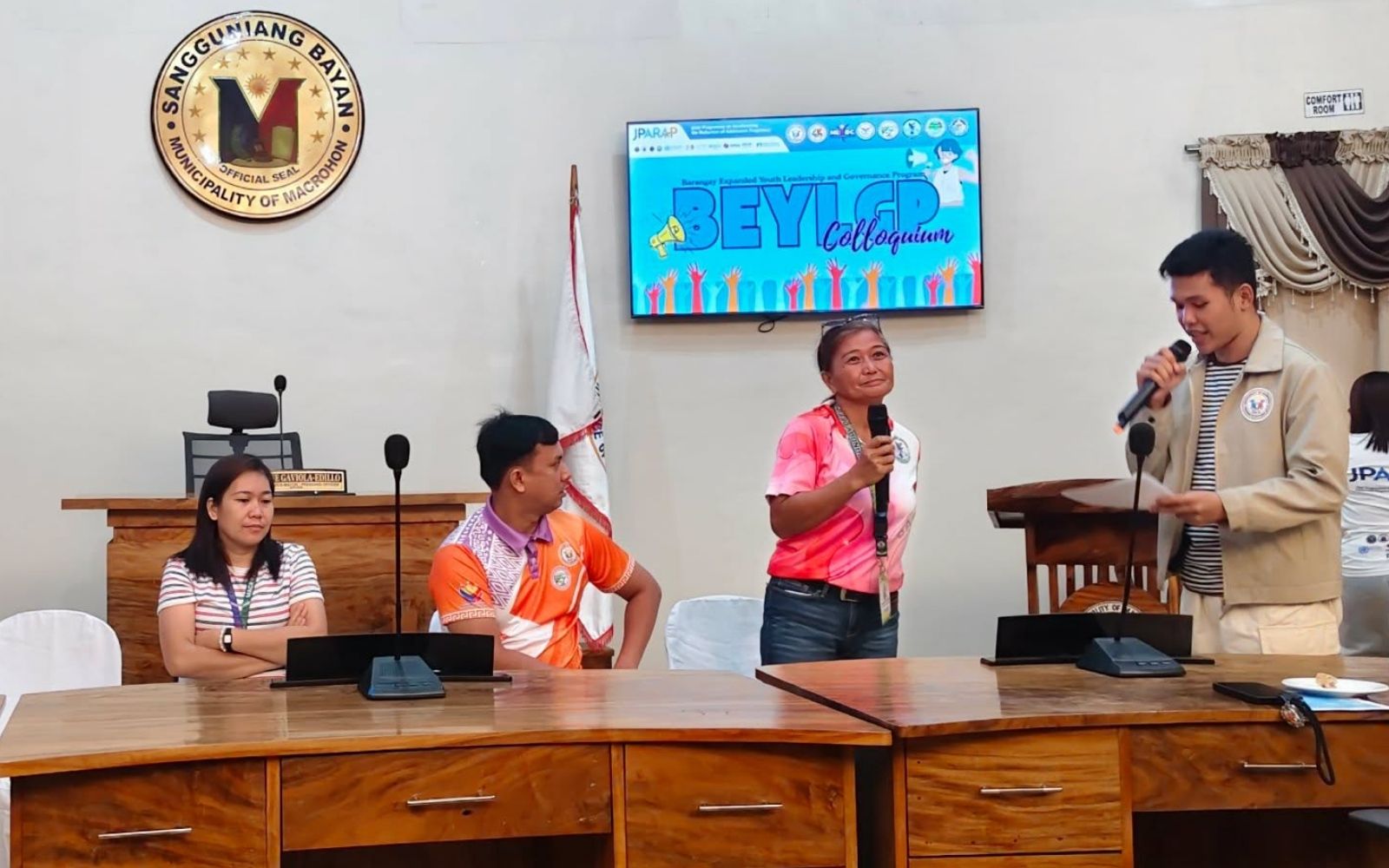 Barangay officials and youth leaders from Macrohon, Southern Leyte, share their experiences and progress in addressing adolescent pregnancy during the Barangay EYLGP Colloquium on September 25, 2026.
One of the significant initiatives highlighted was the establishment and utilization of the Behavior Change and Design (BCD) Center, which became a venue for conducting forums, dialogues, and symposiums for young people. These activities provided adolescents with opportunities to access relevant information on adolescent health, responsible decision-making, prevention of early pregnancy, and other concerns affecting their well-being.
Recognizing that young people can also be effective partners in reaching their peers, Macrohon also invested in the training of Youth Peer Educators. Through peer-to-peer engagement, trained young people help disseminate accurate information, encourage healthy behaviors, and create a more approachable space where adolescents can discuss concerns and seek guidance.
For Gallardo, these initiatives demonstrate that meaningful change begins when young people are given the opportunity to participate and take ownership of issues that directly affect their lives.
However, the journey has not been without challenges. During the colloquium, Macrohon also acknowledged the emergence of a 13-year-old adolescent pregnancy case associated with gender-based violence. The municipality has initiated the appropriate case management and legal processes, with a case filed against the alleged perpetrator, who remains at large. The situation reinforced the need for stronger child protection mechanisms, timely referral systems, adolescent-friendly health services, and closer coordination among local stakeholders.
Rather than seeing these challenges as setbacks, Gallardo emphasized the importance of continuing and strengthening the interventions already established in the community.
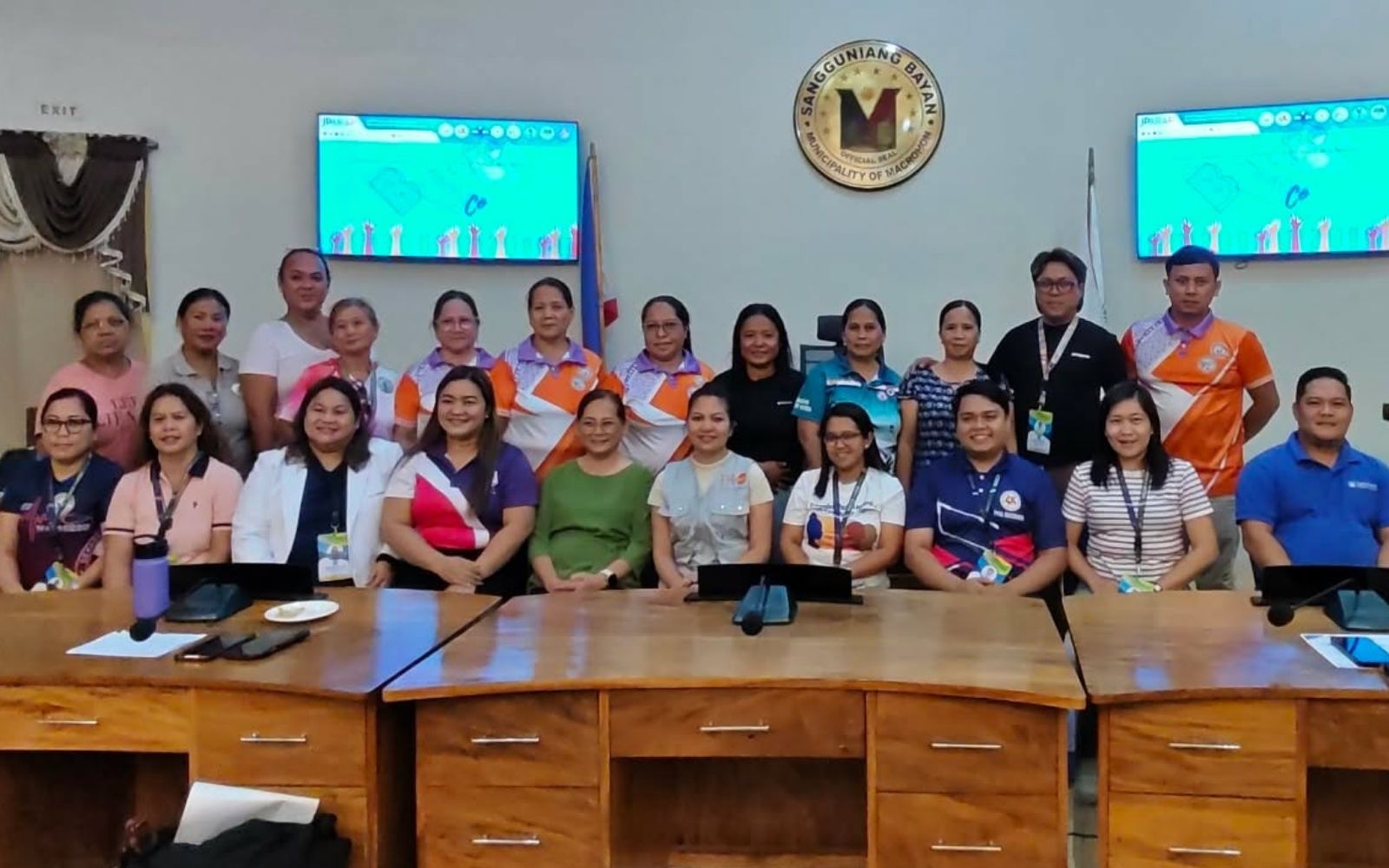 Participants of the Barangay EYLGP Colloquium in Macrohon, Southern Leyte, reaffirm their commitment to advancing adolescent health through youth participation.
Macrohon is now looking beyond its current four covered barangays. The municipality intends to expand EYLGP to at least two additional barangays every year, strengthen adolescent-friendly health service points, and ensure that young people have easier access to accurate and appropriate health information and services.
Another important milestone is the proposed Child, Early, and Forced Marriage and Unions (CEFMU) Ordinance, which is already under second reading. Once enacted, the ordinance is expected to strengthen the municipality’s policy framework in addressing vulnerabilities associated with early pregnancy and child, early, and forced marriage.
For Gallardo, the progress made so far is significant, but there is still much work to be done. His message reflects both humility and determination: “Layo pa, pero layo na ta.” The journey toward eliminating adolescent pregnancy and creating a truly supportive environment for young people may still be long, but Macrohon has already taken important steps forward.
Junley Gallardo’s story is a reminder that progress does not always mean reaching the finish line. Sometimes, it means recognizing how far the community has already come—and having the courage and commitment to keep moving forward.
—
The Expanded Youth Leadership and Governance Program is a 24-month capability development initiative launched by the Zuellig Family Foundation (ZFF) in partnership with UNFPA under the Joint Program on Accelerating the Reduction of Adolescent Pregnancy (JPARAP). Operating in Samar and Southern Leyte since 2023, EYLGP trains local leaders to strengthen adolescent and youth sexual and reproductive health (AYSRH) systems.
Author: Armand Duque, ZFF EYLGP Associate
From “Normal” to Taking Action: How EYLGP Changed a Barangay Leader’s Perspective on Adolescent Pregnancy
Jonathan Cabugao
Barangay Kagawad, Barangay Poblacion, Liloan, Southern Leyte
“No’ng hindi ko pa alam ang mga programa ng ZFF (Zuellig Family Foundation) about EYLGP (Expanded Youth Leadership and Governance Program), sa amin parang normal lang. May nabubuntis nang maaga, pero hindi namin alam na hindi pala ito maganda,” Jonathan Cabugao admitted.
For him, early pregnancy was initially viewed as an ordinary occurrence in the community. However, his participation in EYLGP Modules 1 and 2 changed his perspective and helped him recognize the important role of barangay officials in preventing adolescent pregnancy and supporting young people.
Through the EYLGP sessions, he realized that addressing adolescent pregnancy requires more than simply responding when a case occurs. It requires prevention, education, youth participation, supportive policies, access to health information, and collective action from the community.
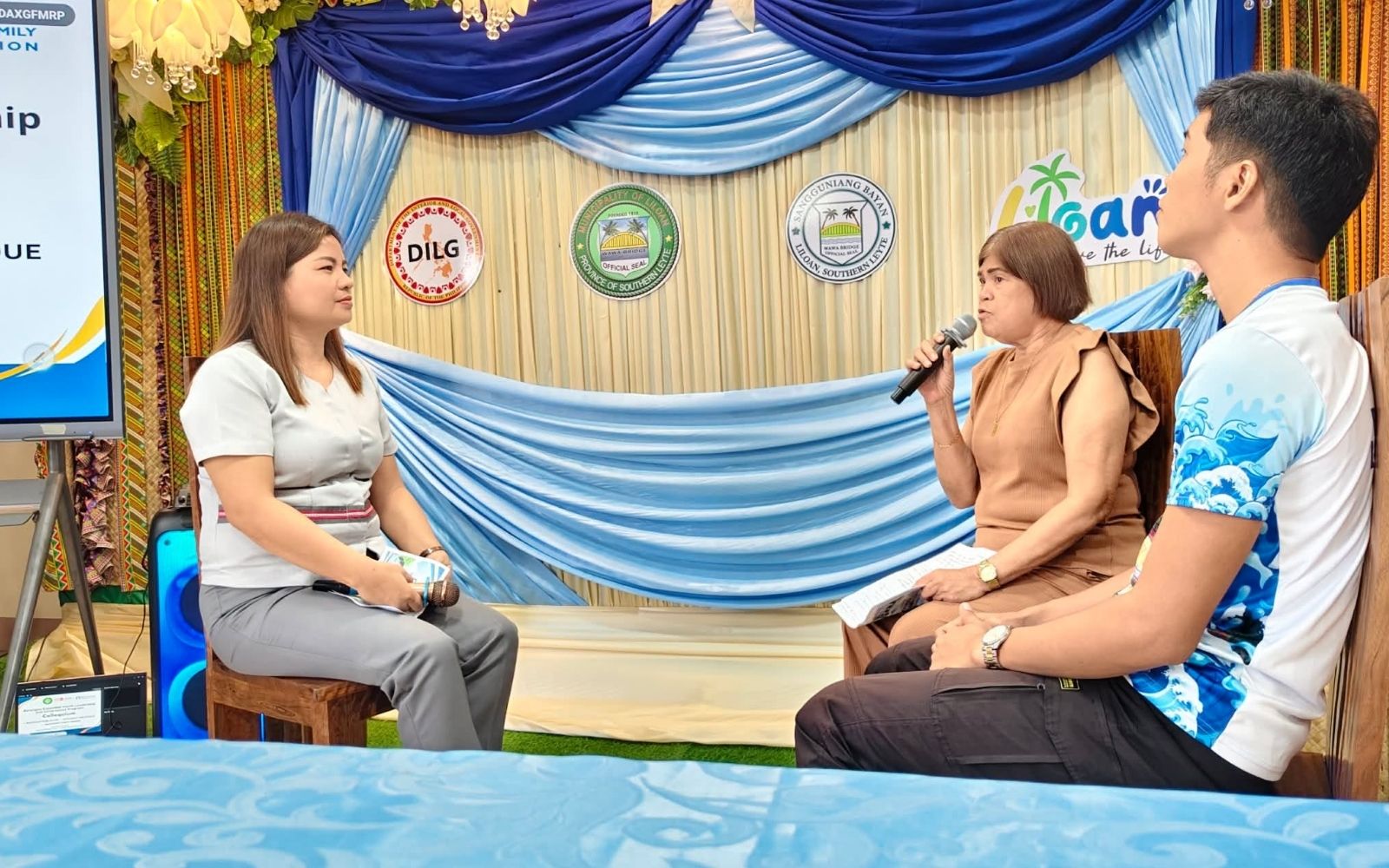 Barangay officials and youth leaders from Liloan, Southern Leyte, discuss local efforts and plans to address adolescent pregnancy during the Barangay EYLGP Colloquium on September 30, 2026.
After completing the EYLGP training sessions, Cabugao and the barangay team began translating their learning into concrete actions. The barangay conducted youth forums and symposiums, coordinated with the Rural Health Unit (RHU) to provide appropriate information, education, and communication (IEC) materials and adolescent health information, and implemented a barangay curfew policy. They also adopted the Key Assistance for Developing Adolescents (KADA) Network Ordinance and allocated an annual budget for activities focused on adolescents and youth, particularly through the Sangguniang Kabataan.
Recognizing that parents also play an important role in preventing adolescent pregnancy, the barangay strengthened its coordination with the Municipal Link to involve parents through Family Development Sessions (FDS).
These efforts were accompanied by a notable decline in reported adolescent pregnancy cases in Barangay Poblacion. From six cases in 2023, the number decreased to four in 2024, two in 2025, and only one case in 2026, involving a 17-year-old adolescent.
For Cabugao, the goal is not simply to reduce the number of cases but to sustain the interventions and eventually achieve zero adolescent pregnancy cases in the barangay. “Mahirap ma-zero, pero ginagawa namin ang aming makakaya para ma-sustain ang programa.”
His experience demonstrates how capacity-building can transform the perspective of local leaders, from seeing adolescent pregnancy as a normal occurrence to recognizing it as an issue that requires proactive leadership, community action, and sustained intervention.
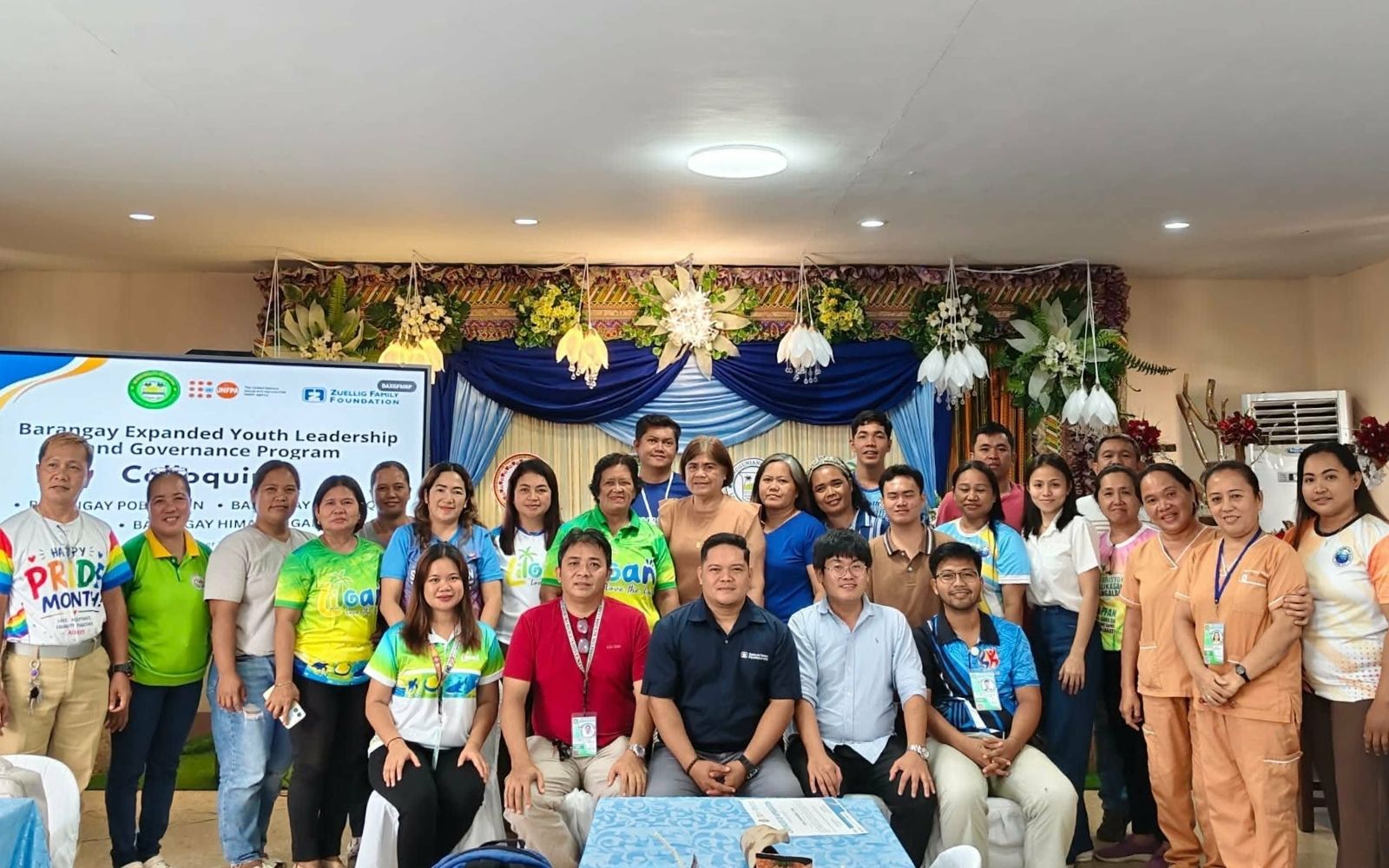 Participants of the Branagay EYLGP Colloquium in Liloan, Southern Leyte, stand together in support of local efforts to prevent adolescent pregnancy and promote youth well-being.
Cabugao’s story also highlights the importance of empowering barangay officials with the knowledge and tools to act. Through EYLGP, the barangay has strengthened its youth programs, policies, partnerships, and resource allocation to create a more supportive environment for adolescents.
For Jonathan Cabugao, the journey is a continuing commitment: to learn, to act, and to ensure that young people in the community have the right information, support, and opportunities they need to make informed decisions about their health and future.
—
The Expanded Youth Leadership and Governance Program is a 24-month capability development initiative launched by the Zuellig Family Foundation (ZFF) in partnership with UNFPA under the Joint Program on Accelerating the Reduction of Adolescent Pregnancy (JPARAP). Operating in Samar and Southern Leyte since 2023, EYLGP trains local leaders to strengthen adolescent and youth sexual and reproductive health (AYSRH) systems.
Author: Armand Duque, ZFF EYLGP Associate
Local Governments in Samar and Southern Leyte Convene to Translate Child Marriage Study into Local Policy
The Zuellig Family Foundation (ZFF), in partnership with the United Nations Population Fund (UNFPA), convened a three-day workshop for partner LGUs in Samar and Southern Leyte. The Final Child, Early and Forced Marriage and Unions (CEFMU) Study Results Dissemination and Policy Development Workshop, held August 24-26, 2026, at Bayview Park Hotel in Manila, aimed to transform research findings on CEFMU into actionable local policies.
The workshop engaged legislative and executive representatives from ZFF Expanded Youth Leadership and Governance Program (EYLGP) partner LGUs, who play complementary roles in policy development and implementation. Technical resource persons from the University of San Carlos-Office of Population Studies Foundation, Inc. (USC-OPSFI) and the Philippine Legislators’ Committee on Population and Development (PLCPD) provided expert guidance throughout the event.
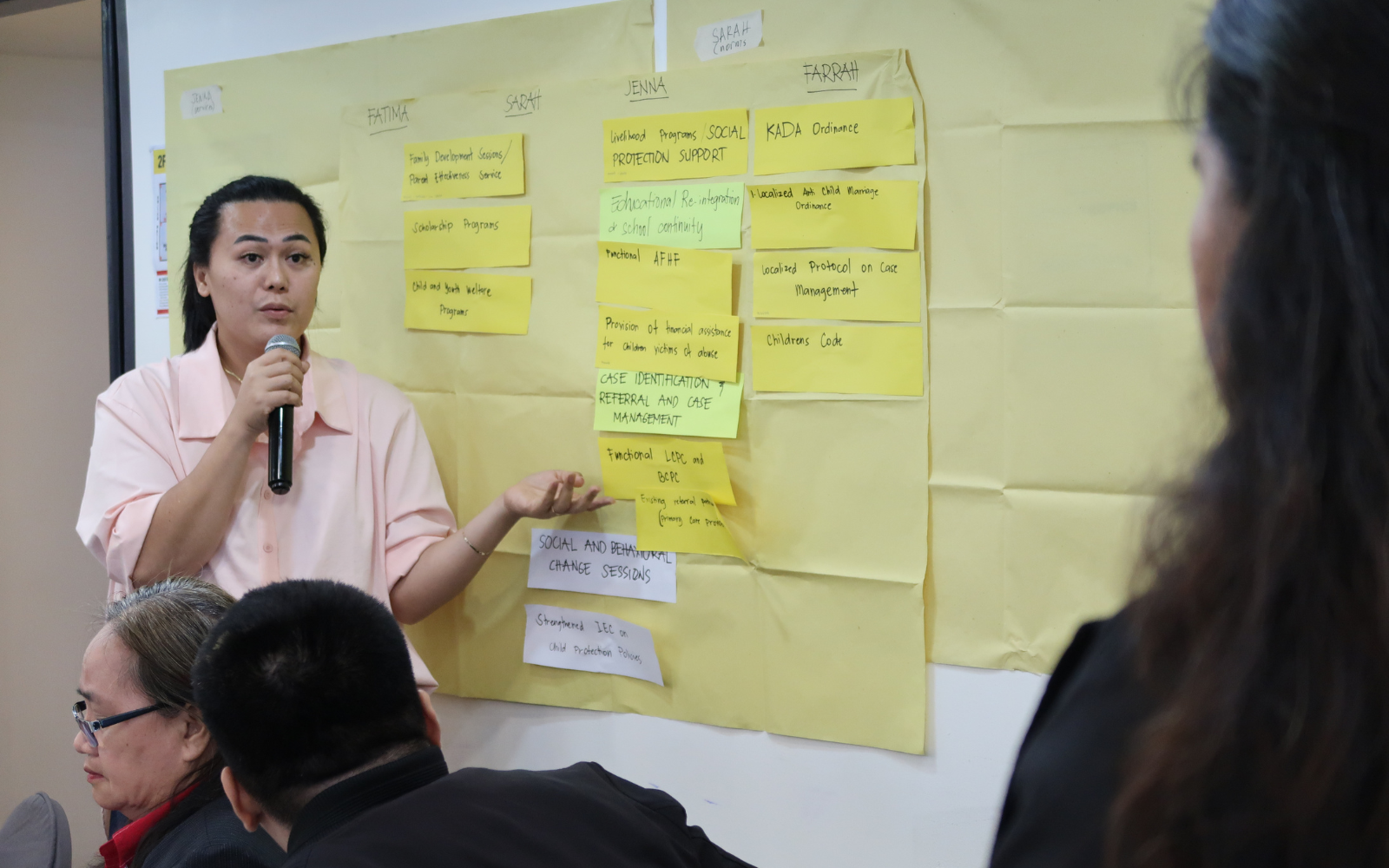 Photo above: Participant presents group activity output mapping their communities’ existing policies, programs, and service gaps around the “four faces of CEFMU”: Fatima (child empowerment), Sarah (shifting socio-cultural norms), Jenna (strengthening services and systems), and Farrah (supportive policy and governance).
The first day focused on disseminating the final findings of the CEFMU study. Researchers from USC-OPSFI presented key findings from both the qualitative study conducted in Samar and Southern Leyte and the quantitative Longitudinal Cohort Study on the Filipino Child (LCSFC). The afternoon session transitioned from understanding evidence to identifying local policy gaps. PLCPD resource persons oriented participants on the local legislative process and advocacy access points, preparing them for the policy-writing sessions to follow.
On the second and third days, PLCPD provided a draft CEFMU policy as a starting point. The resource persons guided participants through the parts of the ordinance, explaining the structure, key provisions, and critical considerations for effective local legislation. LGU teams then engaged in writeshop sessions where they discussed and refined the model policy, adapting provisions to reflect their community’s unique realities, existing programs, available resources, and specific vulnerabilities. LGU teams presented their refined policies, receiving technical feedback from resource persons.
 Photo above: Participants edit and refine the draft CEFMU policy provided by PLCPD.
The workshop concluded with an emotional commitment session where LGU representatives voiced their promises to champion the cause of vulnerable children and youth. As one participant declared, “I promise to stand firm with the girls and all the victims of the child marriage. And I will continue to raise my voice, to use myself to advocate.”
As participants departed with refined policy drafts and concrete action plans for advocacy and adoption, the workshop marked a milestone in the ongoing effort to end CEFMU in the Philippines. The activity, part of ZFF and UNFPA’s continuing partnership under the Joint Programme on Accelerating the Reduction of Adolescent Pregnancy (JPARAP), represents a model for evidence-based policy development that can be replicated across the country.
Listening First, Leading Next: A Local Hero for Youth in Southern Leyte
For over ten years, Keisha Batalon served the people of Padre Burgos, Southern Leyte, as a Medical Technologist at the local Rural Health Unit. She knew the community’s health challenges intimately. In 2023, she felt a calling to reach beyond clinical care and engage directly with young people.
When she was named Local Youth Development Officer and Health Education and Promotion Officer, Keisha saw an opportunity to not only provide health services, but to listen, guide, and empower adolescents to take part in shaping their own futures.
Her journey with the Zuellig Family Foundation (ZFF) under its Expanded Youth Leadership and Governance Program (EYLGP) began with learning spaces that shifted her perspective. “I can say that before EYLGP, I already had passion in youth leadership,” she shares. “But after EYLGP that ‘passion’ to lead activities turned into leading with purpose. For me, it was no longer about just programs, it is now about transforming lives. I began to understand that leadership is not about title, it’s about service. EYLGP was such a blessing because since then my heart for youth empowerment became more grounded in humility, accountability, and purpose.”
Related articles:
- Southern Leyte Shows Progress in Reducing Teen Pregnancies
- Serving One’s Community Has No Age Limit: Improving Adolescent Health and Rights in Leyte
- Emilio Galangue: Empowering Youth in Basey, Samar
Keisha deepened her understanding of the struggles and hopes of young people. She discovered that real change begins not with programs imposed from above, but with listening closely. “I have observed that when young people feel safe, they are more likely to openly talk about their thoughts, ideas, concerns, and struggles without fear of judgment, discrimination, or harm.” This insight became the foundation for her work, designing initiatives that respond to their lived experiences.
By mid-2024, she was translating these lessons into action. She led community roll-outs of EYLGP modules in several barangays. That same year, she helped open the Padre Burgos Teen Center, a safe space where adolescents could access health services, talk freely about their concerns, and feel seen. She also spearheaded the local adaptation of TrucKABATAAN, a mobile medical mission that brought essential health services directly to adolescents who might otherwise go without.
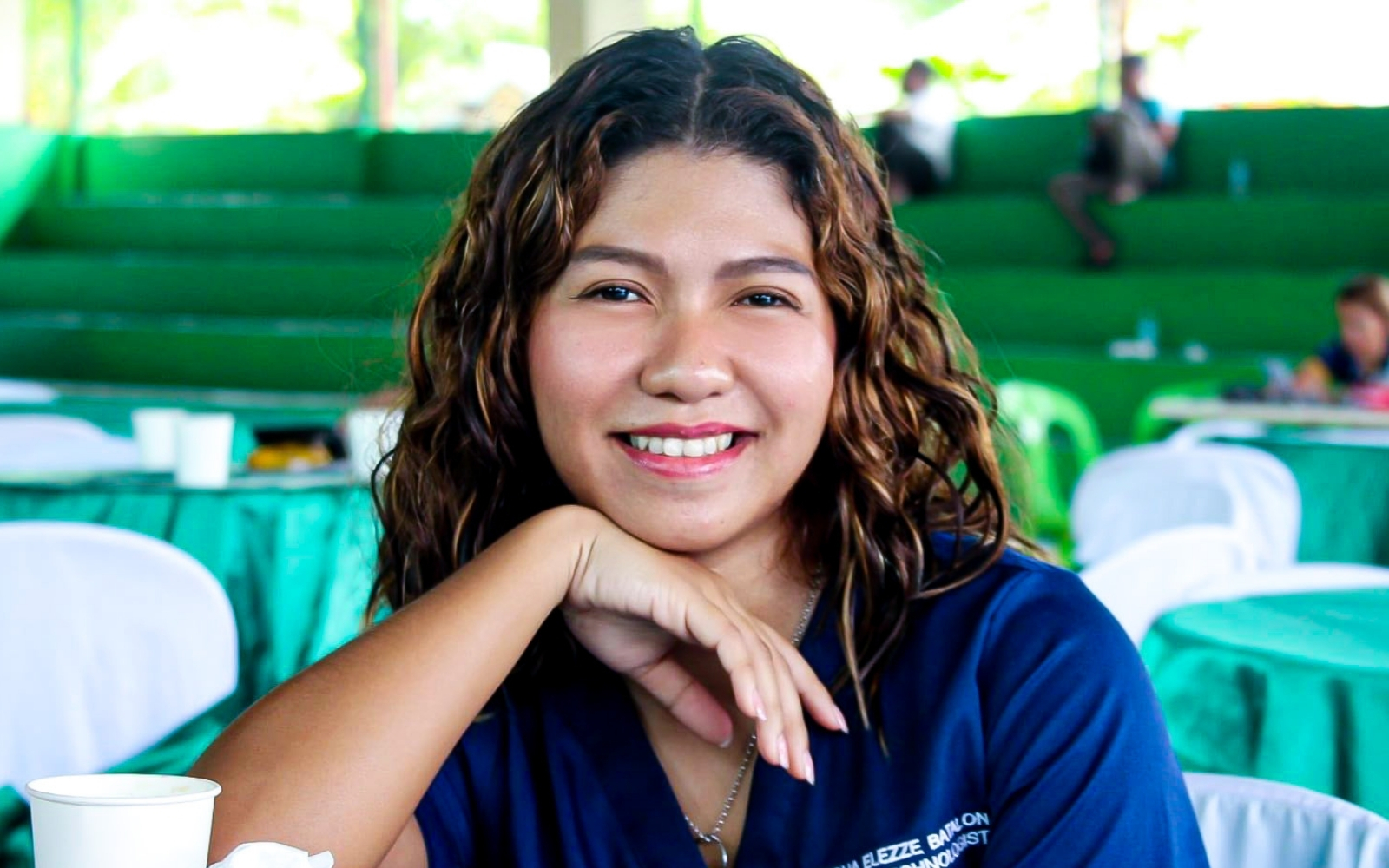
Keisha’s approach was always personal. She mentored youth in Barangay Cantutang as they ran their own version of the Commission on Population and Development project, “Isip-isip Before You Unzip,” creating spaces for honest conversations about relationships, sexuality, and life choices. She organized events to celebrate youth contributions, and worked alongside the Local Youth Development Council to advocate for ordinances that protected young people—on curfews, internet access, and safe spaces in their community. Slowly, she saw more adolescents stepping forward and voicing their ideas.
For Keisha, the true reward is found in these connections. “What I am most proud of as a youth leader isn’t the awards, titles, or recognition but it’s the trust, connection and relationship I’ve built with the youth,” she reflects. “It warms my heart that many of them see me not just as an officer, but as their ‘ate’—someone they can approach whenever they need assistance, advice, or simply someone who will listen. Receiving messages, either personally or via social media, saying that I’ve inspired them, even in small ways, to become better students and leaders reminds me that leadership is influence, and I’m grateful to be part of their journey.”
By 2025, the impact was visible. Attendance at youth events doubled, and trust between the community and young people grew. Most strikingly, the number of live births among 15 to 19-year-olds in the municipality dropped from 13 in 2022 to just four in 2025.
Yet Keisha knew the work was far from over. She faced challenges in engaging youth who felt apathetic, reaching out-of-school adolescents, and sustaining participation over time. Still, she remained guided by a simple principle: empathy matters more than criticism.
“My hope for the youth of Padre Burgos is that they grow into confident, compassionate, and purpose-driven leaders. Young people who don’t just dream of change, but become the change for our community,” she adds, “And as long as I am given the opportunity to serve, I will continue walking beside them, guiding, mentoring, and believing in them.”
Photos from: Municipal Local Government Unit of Padre Burgos, Southern Leyte
Authors: Krizzia Esperanza, ZFF Corporate Communications Associate; Armand Duque, ZFF EYLGP Associate
Samar and Southern Leyte Mobilize to Maximize PhilHealth Resources for Youth Health
Tacloban City — Local government leaders from Samar and Southern Leyte gathered for a two-day workshop last September 16–17, 2025, that focused on a shared goal: making the most of PhilHealth resources to support adolescent health.
The Zuellig Family Foundation (ZFF) organized the activity under its Expanded Youth Leadership and Governance Program (EYLGP). The workshop formed part of the Joint Programme on Accelerating the Reduction of Adolescent Pregnancy (JPARAP) supported by the United Nations Population Fund (UNFPA), and funded by the Korea International Cooperation Agency (KOICA).
Dr. Ofelia Alcantara, a public health advocate and former mayor of Tolosa, Leyte, facilitated the sessions. Over 20 participants from nine municipalities joined:
- Southern Leyte: Sogod, Libagon, Bontoc, Liloan, Malitbog
- Samar: Marabut, Basey, Sta. Rita, Villareal
A Shared Vision for Young People’s Health
The gathering highlighted the commitment of local government units (LGUs) to reduce adolescent pregnancy and promote youth leadership in health governance. The discussions built on the Universal Health Care (UHC) Act of 2019, which guarantees access to quality and affordable health services.
Dr. Alcantara encouraged LGUs to view PhilHealth funds as a lifeline. “PhilHealth reimbursements are not just numbers, they’re lifelines for our communities. We need to ensure that every peso translates into better care, especially for our youth,” she said.
Related articles:
- Learning and Working Together: Insights from the Youth Leadership Colloquiums in Southern Leyte and Samar
- Youth and Local Leaders Join Forces to Prevent Teen Pregnancies in Samar
- Southern Leyte Shows Progress in Reducing Teen Pregnancies
Strengthening Local Capacity
The UNFPA-ZFFproject in partnership with the Department of Health (DOH), Philhealth, and provincial governments of Samar and So. Leyte has already helped several LGUs secure Maternity Care Package (MCP) and accreditation, and ensure Primary Care Facilities (PCFs) are licensed. Despite these gains, LGUs still face challenges in managing funds, navigating PhilHealth’s online portal, and aligning reimbursements with their local health priorities.
To address these issues, the workshop introduced a four-part strategy:
- Assess current practices and barriers in PhilHealth income use;
- Develop a local fund management framework linked to UHC and adolescent health;
- Deliver tailored mentoring and technical tools for LGUs; and
- Produce a monograph to guide expansion and institutionalization.
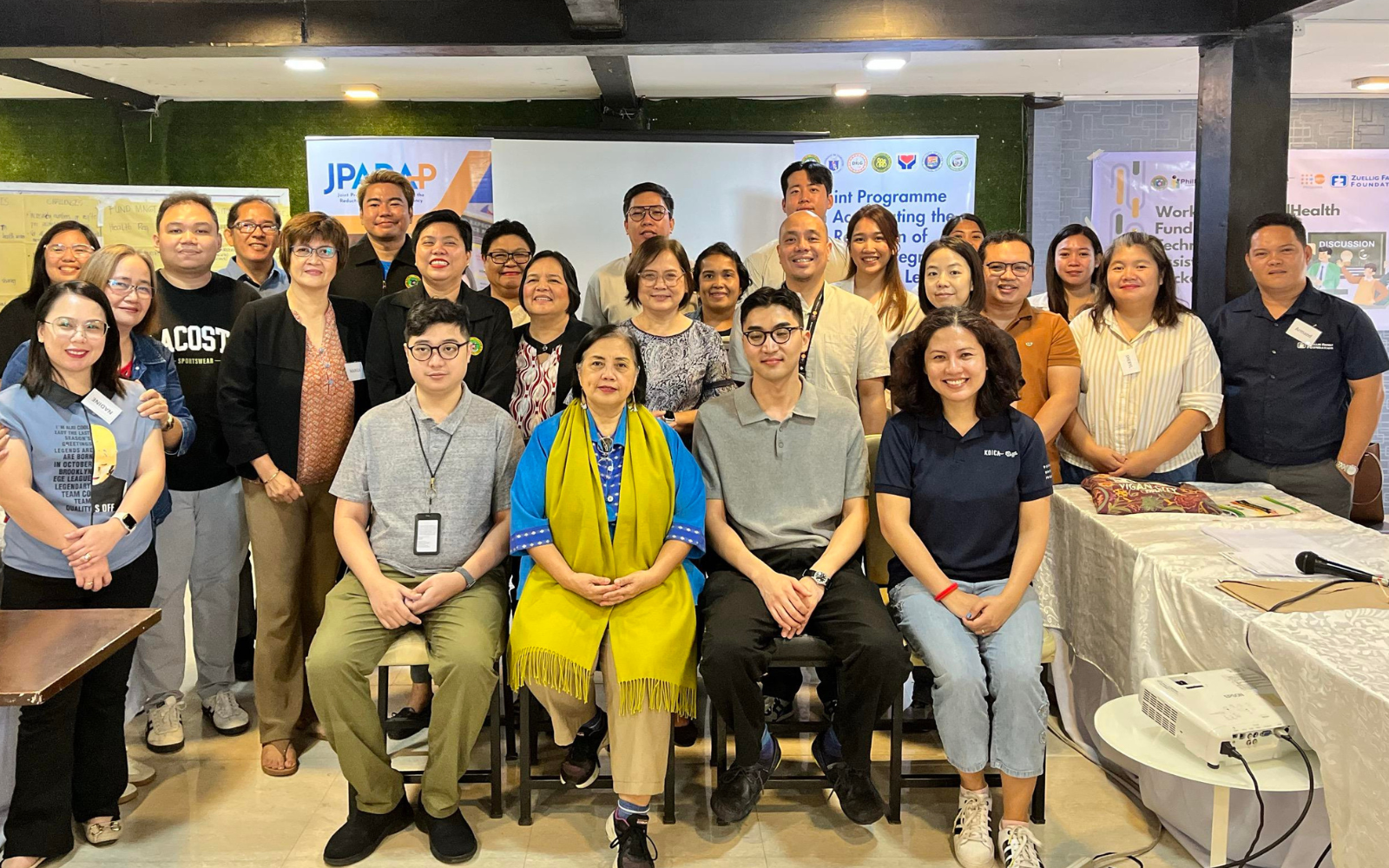
The workshop opened a series of capacity-building activities for Samar and Southern Leyte. Municipal Health Officers, PhilHealth focal persons, and Provincial Development Management Officers actively joined the discussions. Partners from UNFPA and KOICA also expressed support.
LGUs in Samar and Southern Leyte now move forward with a stronger plan to maximize PhilHealth financing. Together with ZFF and its partners, they aim to turn adolescent reproductive health from a policy promise into a lived reality for young people in their communities.
Author: Floro Acaba Jr., ZFF EYLGP Provincial Account Officer for Samar
Learning and Working Together: Insights from the Youth Leadership Colloquiums in Southern Leyte and Samar
Two provinces in Eastern Visayas reflected on how young people and local leaders can work side by side to address adolescent health.
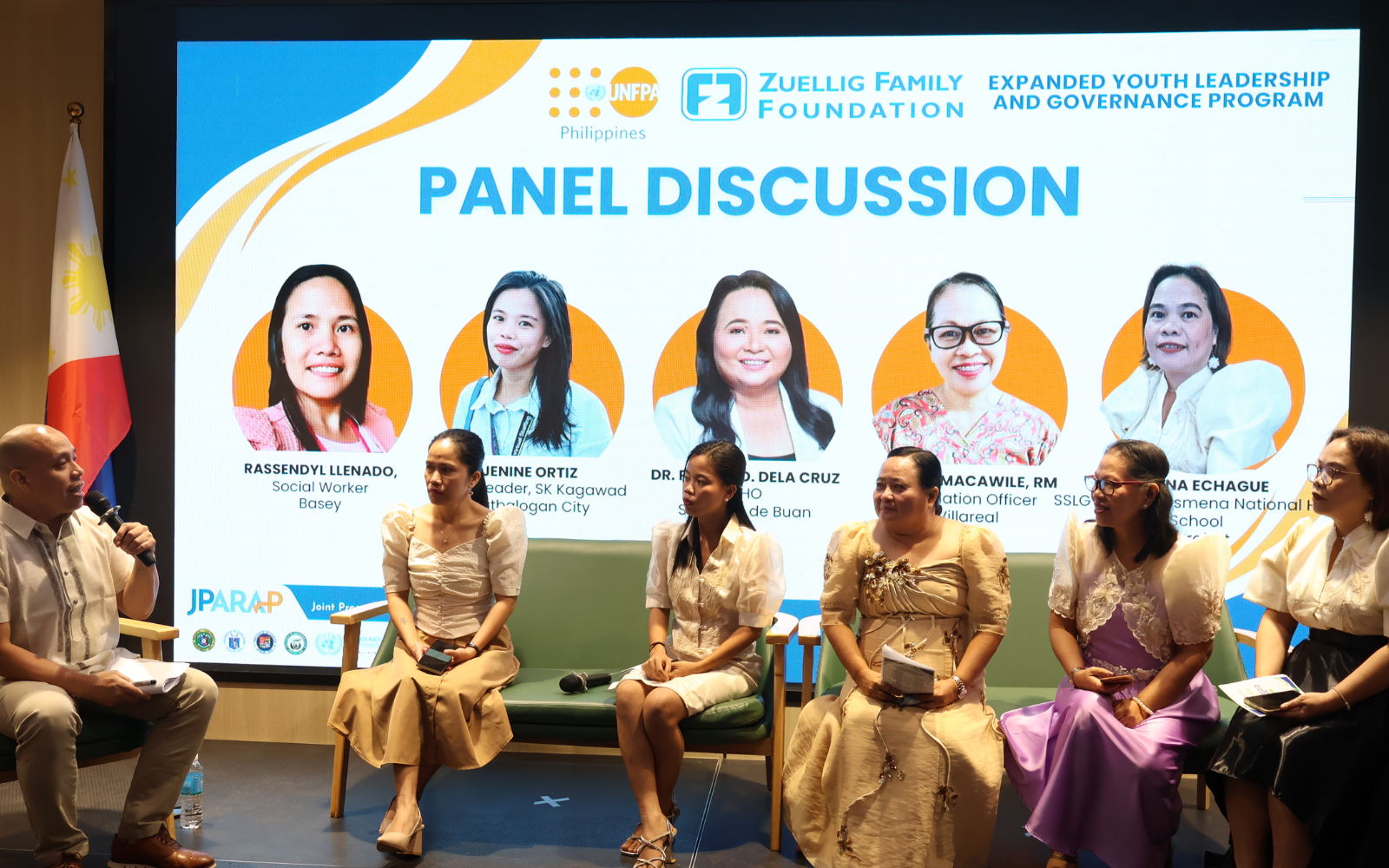
Through the Expanded Youth Leadership and Governance Program (EYLGP) of the Zuellig Family Foundation in partnership with the United Nations Population Fund, Southern Leyte and Samar shared lessons, successes, and remaining challenges during their colloquiums held in August 2025.
In less than two years, our program cohort in Southern Leyte cut its adolescent birth rate by 29%, with the municipalities of Liloan and Tomas Oppus reporting zero teen births in 2024. Samar also moved forward, lowering its adolescent birth rate in partner municipalities by 5% and doubling contraceptive use among teens. Both provinces strengthened adolescent-friendly health facilities, supported peer education, and created local committees that regularly meet to tackle youth concerns.
Despite progress, both provinces face similar challenges. Births among very young girls aged 10 to 14 years old increased, often tied to gender-based violence and exposure to harmful online content. In Samar, education completion rates are also declining, while poverty continues to put many adolescents at risk. These issues show that reducing teen pregnancies is not only a health concern but also a matter of child protection, education, and community support.
Related articles:
- Youth and Local Leaders Join Forces to Prevent Teen Pregnancies in Samar
- Southern Leyte Shows Progress in Reducing Teen Pregnancies
Key Insights
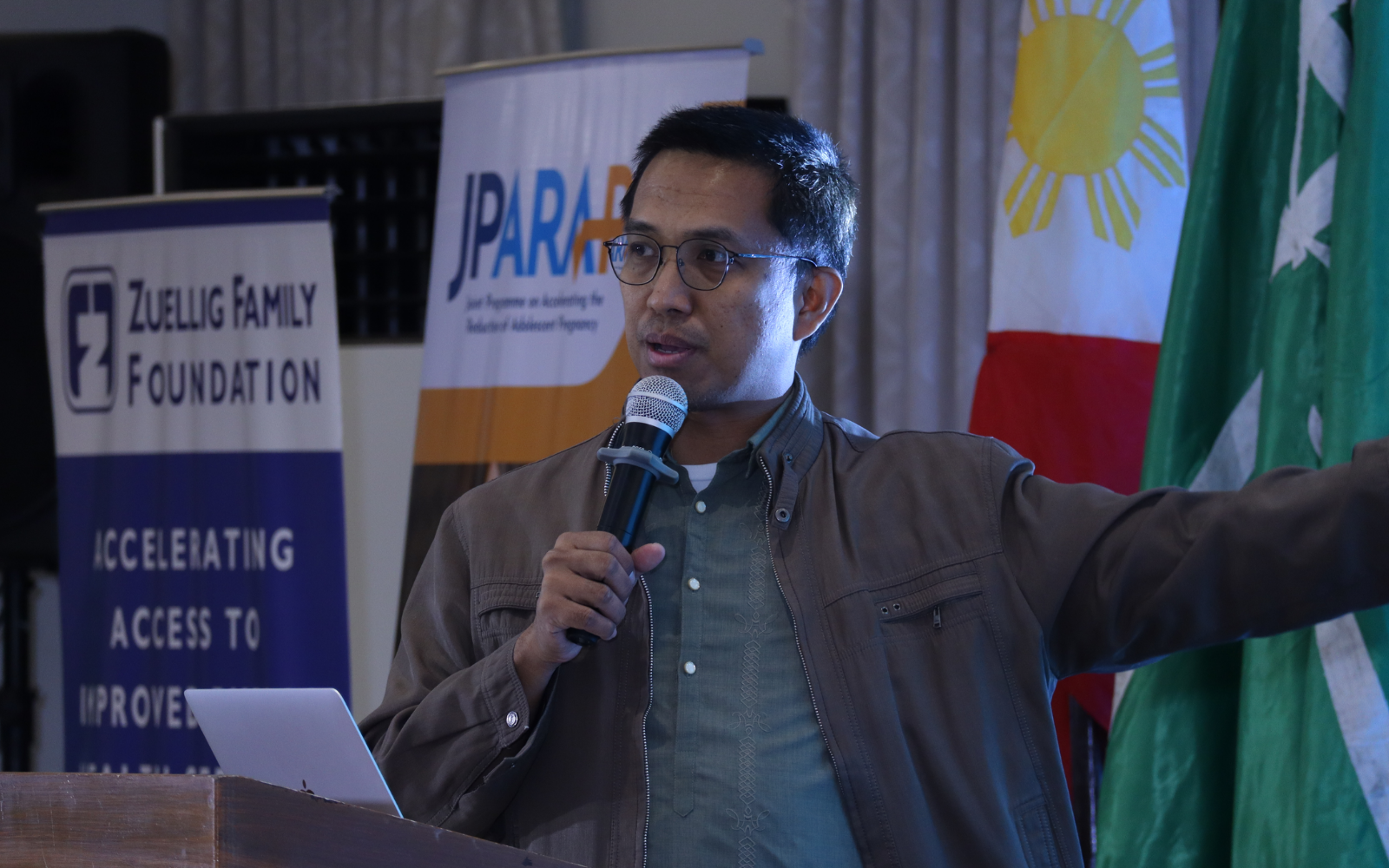
Dr. Ramir Blanco, public health specialist, synthesized the insights from both colloquiums, and noted that while each province has a unique context, some common lessons stand out:
- Partnership works best when youth are seen as equal partners. Adolescents bring energy and ideas that make health programs more effective.
- Local governments need to back policies with real budgets. Commitments become meaningful only when resources follow.
- Health services must be accessible and friendly to teens. Both provinces showed that when facilities are welcoming, more adolescents use them.
- The challenge of early adolescent pregnancies requires stronger systems. This goes beyond health and must involve education, social welfare, and community protection.
As the colloquiums showed, the most powerful change comes when young people and leaders share responsibility. When adolescents are given a voice and communities stand behind them, reducing teen pregnancies becomes not just a goal, but a shared achievement for healthier, brighter futures.
Youth and Local Leaders Join Forces to Prevent Teen Pregnancies in Samar
On August 15, 2025, Samar leaders, health workers, youth representatives, and development partners came together for the Expanded Youth Leadership and Governance Program (EYLGP) Colloquium.
Implemented by the Zuellig Family Foundation (ZFF) with support from the United Nations Population Fund (UNFPA) and the Korea International Cooperation Agency (KOICA), the EYLGP builds the leadership of both young people and local governments. The program was first piloted in Mindanao and has since expanded to Samar and Southern Leyte, where it is showing promising results.
Samar’s EYLGP journey began in April 2023 when Governor Sharee Ann Tan, together with mayors and municipal health officers, met with the Zuellig Family Foundation (ZFF) to tackle the province’s high rate of teen pregnancies. At this meeting, the mayors and health officers signed learning contracts to affirm their commitment to the program.
Two years later, in Samar, EYLGP has trained 81 municipal leaders, along with youth leaders and representatives from the Department of Health (DOH), Department of Education, and Department of the Interior and Local Government. Together, they improved local governance systems that directly affect adolescent health.
Related article:
The results are encouraging. In partner cities and municipalities, the adolescent birth rate (ABR) went down by 5% from 2022 to 2024: from an ABR of 38.1 per 1,000 girls aged 15 to 19 in 2022 to 36.1 in 2024. The use of modern contraceptives among adolescents also more than doubled in the same period. These numbers mean more young people are getting the right information and services to protect their health and future.
However, challenges remain:
- Provincial ABR is still higher than the national target of 30 at 33.7 per 1,000 in 2024, and the overall trend for Samar shows an increase from 27.33 (2022) to 28.28 (2023) to 33.7 (2024).
- Young adolescents (10 to 14 years old) experienced a 28% rise in births from 2022–2024.
- Education completion rates are declining: Elementary school completion dropped from 99.55% (2022) to 87.6% (2024), and high school completion went from 100% to 51.35% over the same period.
- Poverty remains high at 24.9% in 2023, affecting adolescent risk.
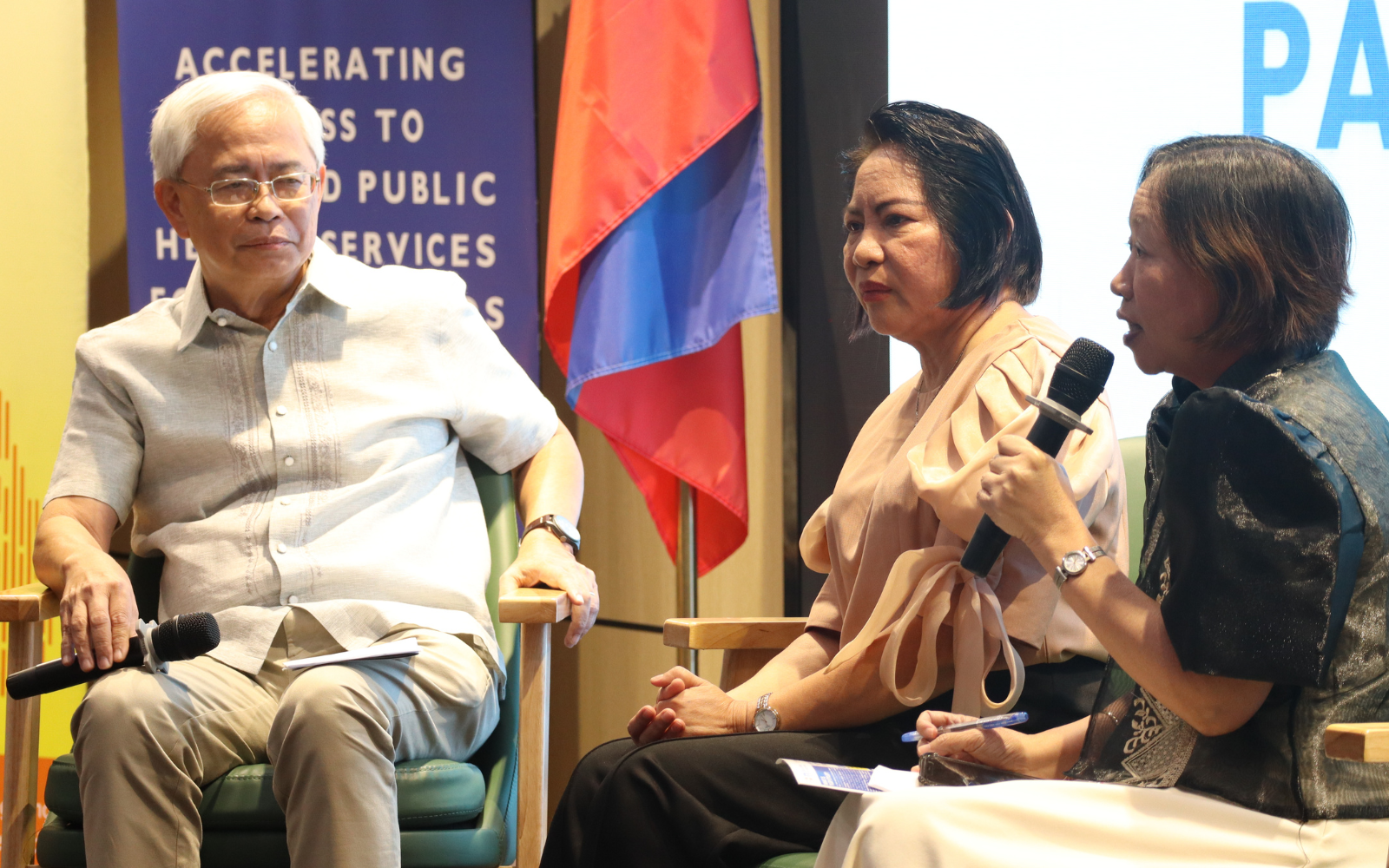
During the Colloquium, participants shared what worked best in Samar:
- Functional local committees that regularly meet to address adolescent health issues.
- Local policies backed by real budgets to support teen pregnancy prevention.
- Adolescent-friendly health facilities and services in communities.
- Active involvement of youth leaders in peer education and information campaigns.
- Supportive mayors who invest in programs that keep young people in school.
To sustain these gains, ZFF and partners will continue coaching local governments until 2026. New initiatives include the Masayang Pamilya Parent-Teen Program in Calbayog and Catbalogan, and helping five LGUs integrate adolescent health and development into their long-term plans.
Zuellig Family Foundation (ZFF) President and Executive Director Austere Panadero challenged Samar to look ahead: “Over the last two years, you have shown remarkable support and commitment, but the question now is whether these efforts are enough to fully address adolescent pregnancy. Sapat na ba? This is an important moment to reflect on our gains and consider how we can move forward faster and more effectively.”
Southern Leyte Shows Progress in Reducing Teen Pregnancies
The Expanded Youth Leadership and Governance Program (EYLGP) in Southern Leyte is helping young people and local officials work together to reduce adolescent pregnancies.
A joint initiative of the Zuellig Family Foundation (ZFF) with support from the United Nations Population Fund (UNFPA) and the Korea International Cooperation Agency (KOICA), EYLGP equips both youth leaders and local governments to work side by side in improving adolescent health.
When the program started in 2022, Southern Leyte already had a lower adolescent birth rate (ABR) than the national average. UNFPA challenged the province to aim higher: bring adolescent births down to zero by 2026. With this ambitious goal, the EYLGP scaled up lessons from Mindanao—where ZFF’s youth leadership programs helped lower teen pregnancies—by also including mayors, health officers, and community leaders in capacity-building. The idea was that with both youth champions and competent local governments, results could be achieved faster.
Now on its 22nd month, the program has shown strong results:
- All 10 partner local government units (LGUs) reduced adolescent births, with the provincial cohort ABR dropping by 29%—from 35.8 per 1,000 girls aged 15 to 19 in 2022 to 25.4 in 2024.
- This decline is nearly triple the national target rate of 10% per year, showing that Southern Leyte is moving faster than expected.
- Liloan and Tomas Oppus reported zero adolescent births in 2024, while six other LGUs are already below the 2026 program target of 21 per 1,000.
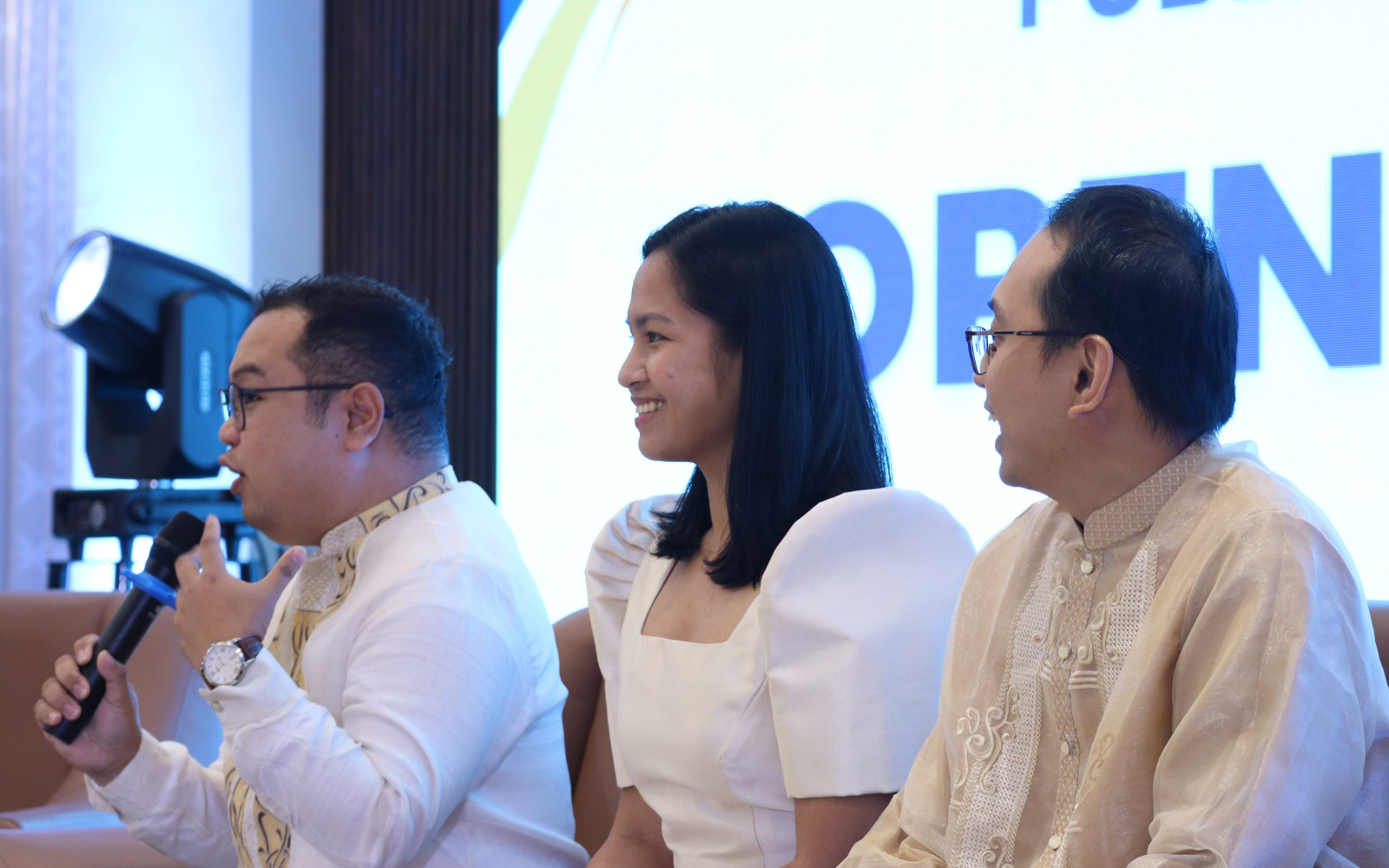
On contraceptive use, the province’s modern contraceptive prevalence rate (mCPR) for adolescents reached 3.6%. This is already enough to cover adolescent mothers but shows room to expand access so that sexually active teens who are not yet mothers can prevent their first pregnancies.
Much of this success came from innovations, including the TrucKabataan mobile health service, wider access to adolescent-friendly health facilities, and stronger multi-sectoral governance bodies that meet regularly to address youth concerns.
Youth are at the center of the program. They lead peer education, information campaigns, and initiatives to keep girls in school, showing that when given the chance, adolescents can be powerful advocates for their own health and future.
Despite these gains, challenges remain. Births among girls aged 10 to 14 years old increased, often linked to gender-based violence and access to harmful online content. These cases show the need for stronger child protection policies and community awareness.
The program will continue until 2026, with ZFF and partners coaching LGUs to sustain and expand initiatives. Technical support will also be provided so municipalities can strengthen their health facilities, access PhilHealth reimbursements, and integrate adolescent health into broader development plans.
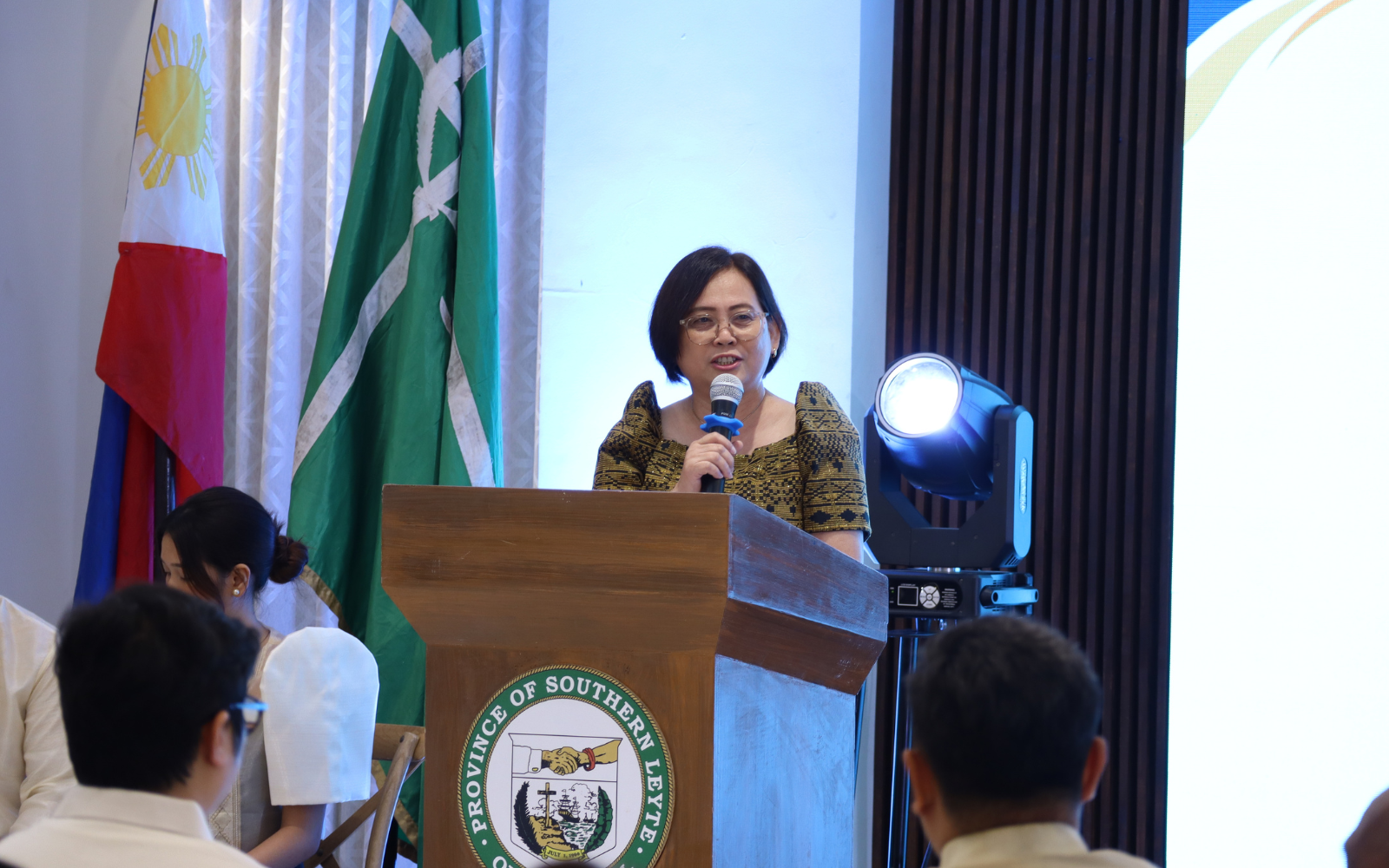
As Dr. Dorie Lyn Balanoba, EYLGP Director at ZFF, emphasized during the EYLGP Colloquium in Southern Leyte last August 13, 2025, the ultimate goal goes beyond reducing pregnancies: “We also look forward to more empowered adolescents making healthy choices that allow them to achieve their goals and bright future.”
Southern Leyte’s experience shows that the EYLGP model—youth leaders working with responsive LGUs—can deliver results and transform local systems for adolescent health.
Coming Together for Young People’s Health and Rights on August 13 and 15
EYLGP Colloquium on Adolescent Health in Southern Leyte and Samar
On August 13 and 15, 2025, we will gather online for the Expanded Youth Leadership and Governance Program (EYLGP) Colloquium focused on Adolescent Sexual and Reproductive Health and Rights (ASRHR) in Southern Leyte and Samar.
These virtual events will bring together youth leaders, local government unit (LGU) partners, and multisectoral stakeholders to share stories and lessons from the ground. Through public narratives and forums, we will highlight how young people and local leaders are working together to improve adolescent health and rights in their communities.
Join us on Zoom:
- August 13, 1:00 p.m.: Southern Leyte Colloquium (Register here)
- August 15, 1:00 p.m.: Samar Colloquium (Register here)
What to expect:
- Stories from youth champions and local leaders
- Panel discussions with municipal and provincial health officers, youth development officers, and ASRHR focal persons
- Videos from partner LGUs showcasing their local efforts
- Insights from the Department of Health, Commission on Population and Development, Department of Social Welfare and Development, Department of Education, and Department of the Interior and Local Government
Be part of the conversation. Celebrate progress and inspire the next wave of youth leadership in health governance.