Beyond the Referral: Connecting Adolescents to Coordinated Care in Quezon City
An adolescent may ask a teacher for help, visit a health center, speak with a barangay worker, or raise a concern during a community activity. The first response matters. The person they approach needs to listen, identify what support is needed, and guide them to the appropriate service. The offices involved then need to coordinate so the adolescent can continue receiving support.
This was the focus of a planning workshop between Quezon City and the Zuellig Family Foundation (ZFF) on the Quezon City Unified Services and Information (QUSI) Teen Network last September 21, 2026. Representatives from the city’s health, social services, education, youth development, and barangay coordination offices reviewed the network’s proposed Manual of Procedures alongside the services and referral processes they already use.
The discussion brought forward three practical lessons for connecting adolescents to care.
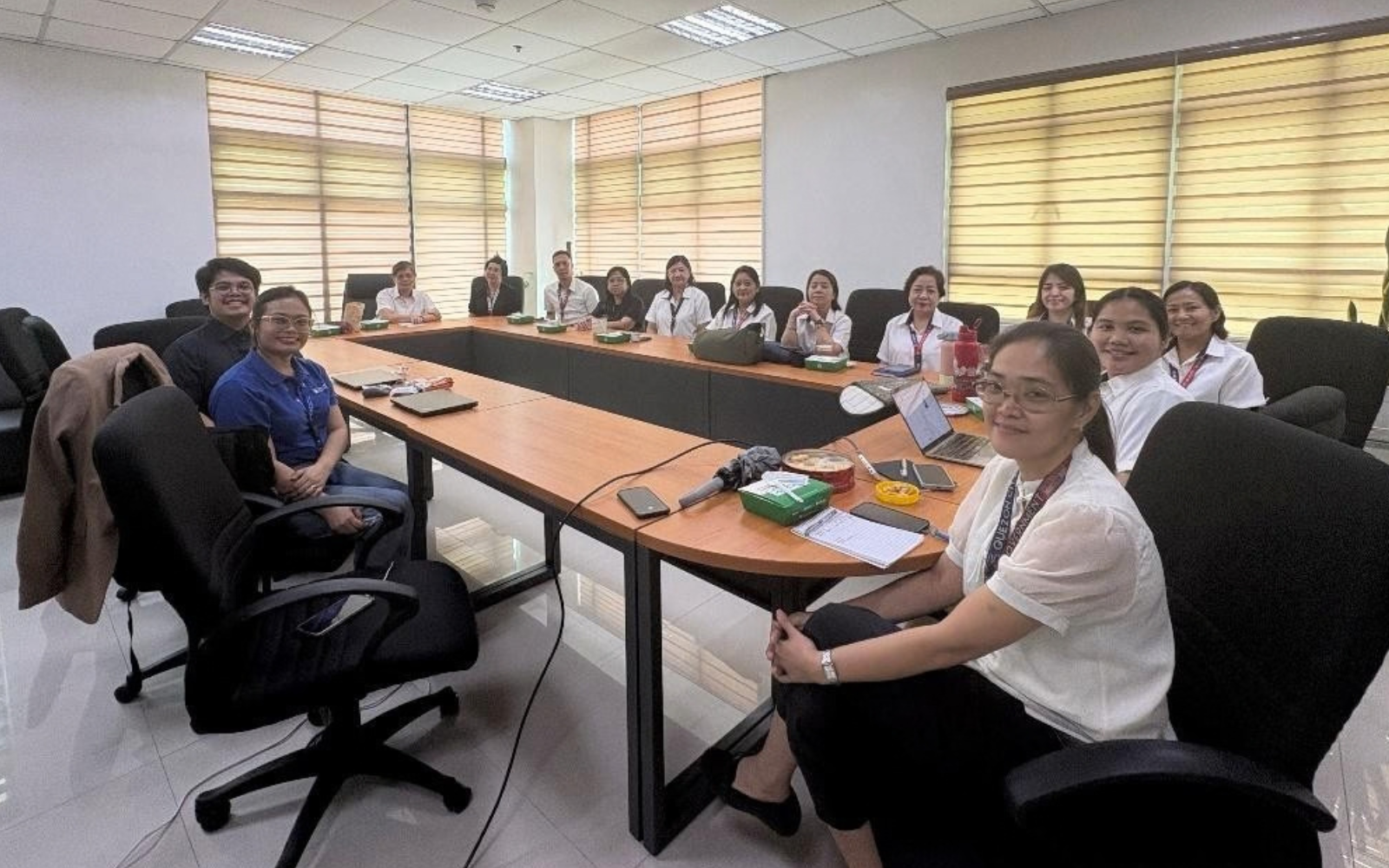 Participants gather with the Zuellig Family Foundation for the QUSI Teen Network planning workshop.
Respond to the adolescent’s full situation
A pregnant learner may need prenatal care and a hospital referral. She may also need support to continue her education. If she faces bullying or feels uncomfortable returning to school, decisions about her learning arrangement need to consider both her well-being and her opportunity to keep studying.
Quezon City representatives discussed how schools, health providers, and social services can coordinate this support. They also examined how concerns identified during school and community activities should enter the appropriate health or child protection process.
The discussion widened the lens beyond the pregnant adolescent. The Quezon City Health Department (QCHD) shared that it began including information about partners in adolescent pregnancy profiling this year, following an observed increase in cases involving adolescent fathers. This creates an opportunity to consider what support and prevention efforts adolescent boys may need. It also calls for careful assessment of each adolescent’s circumstances, including safety and child protection concerns, before deciding how partner information should be used.
Make the next step clear at every point of contact
Adolescents do not all approach the same office first. The QUSI procedures therefore need to guide teachers, barangay workers, health providers, and other partners on what to do when an adolescent seeks help.
For example, participants clarified that a private lying-in clinic may be the first facility to identify a pregnant adolescent. Its role in the pathway is to refer her to the appropriate hospital for delivery. The workshop also examined how concerns found through community outreach and school activities can enter existing referral procedures.
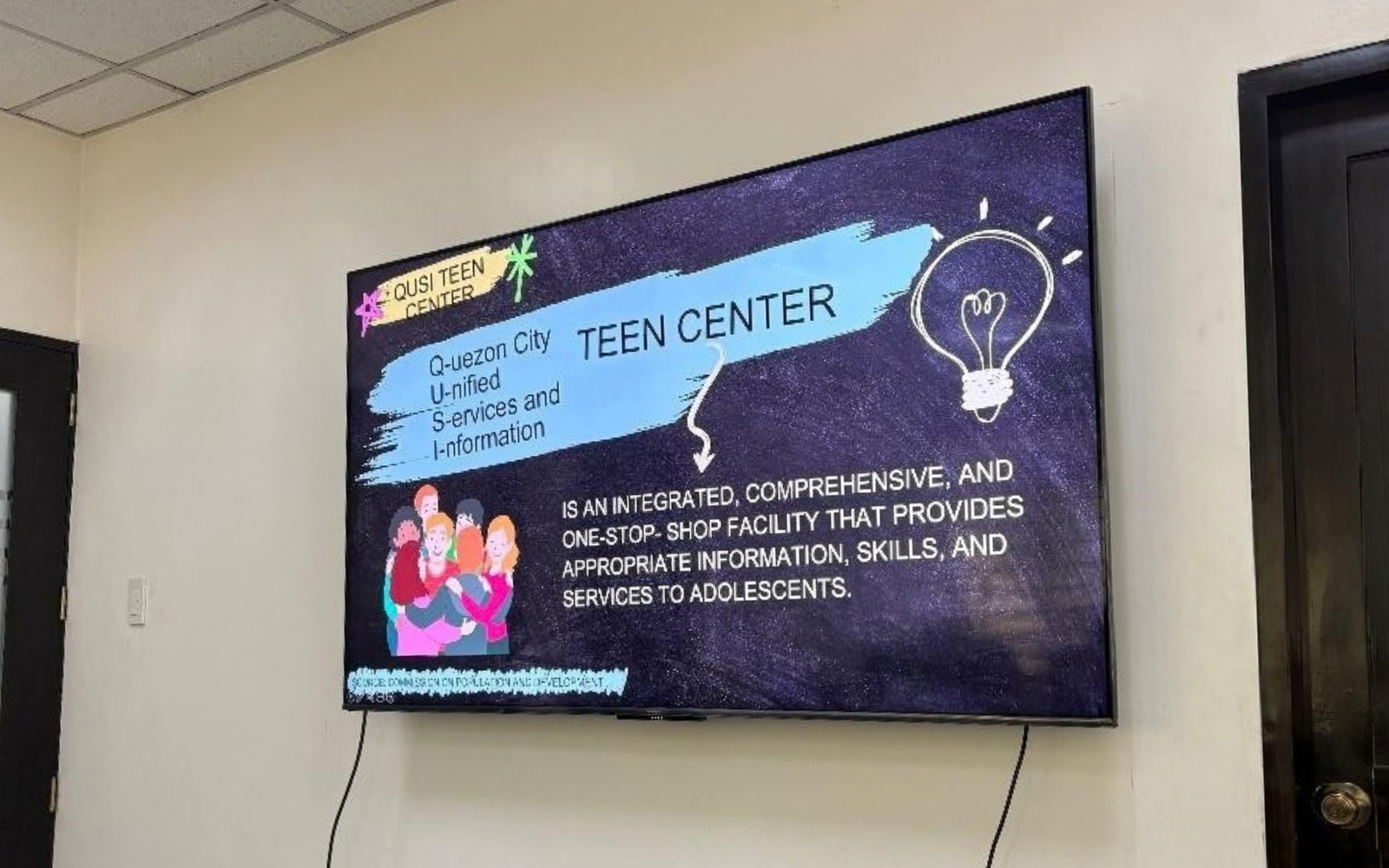 The QUSI Teen Center’s primary objective to connect adolescents to coordinated care and support services.
Follow through on referrals
A referral should give the receiving service the information it needs to respond, while protecting the adolescent’s privacy. It should also be possible to check whether the adolescent reached that service and whether further coordination is needed.
Quezon City’s Health Care Provider Network already uses electronic referral and feedback for maternal health, HIV, and family planning services. Navigators monitor referrals among participating providers. QCHD and ZFF will explore how this experience could inform the wider QUSI Teen Network, including referrals that begin on paper or involve services outside the provider network.
The workshop identified details that Quezon City and ZFF will continue to refine: who records each referral, who monitors it, how receiving services provide feedback, and which office coordinates follow-up. Service contacts, responsibilities, and safeguards in the proposed procedures also require confirmation before the manual is finalized.
The QUSI Teen Network brings together services that adolescents may need at different points in their lives. Its Manual of Procedures aims to make those connections clear to the people providing care—and easier for adolescents to navigate when they ask for help.
Author: KC Lyn Razon-Gadon, ZFF Adolescent and Youth Sexual and Reproductive Health (AYSRH) Learning and Development Associate
It Takes a Village: Lessons from Valenzuela City’s Whole-of-System Approach to Protecting Children and Adolescents
Preventing adolescent pregnancy among younger adolescents requires more than health services. It calls for communities where children are protected, families are supported, and institutions work together to respond before risks become crises.
Valenzuela City’s experience offers valuable insights into what this collective effort can look like.
Photo above: The Zuellig Family Foundation (ZFF) Adolescent and Youth Sexual and Reproductive Health (AYSRH) team tours the Valenzuela Sentro Health Hub, witnessing how the city integrates adolescent-friendly health services into its broader child protection system.
Local Civil Registry data reflect encouraging progress. Live births among girls aged 10 to 14 remained low, with five cases in 2023, none in 2024, and six in 2025. Births among adolescents aged 15 to 19 also declined substantially from 218 in 2023 to 136 in 2025. Yet city leaders emphasize that every pregnancy among younger adolescents represents a child in need of protection, making even a single case one too many.
This perspective has shaped how Valenzuela City designs its response placing child protection, rather than adolescent pregnancy alone, at the center of its interventions.
Related articles:
- Listening Earlier, Protecting Earlier: Lessons from Quezon City’s Efforts to Support Adolescents
- Ground-Level Insights on Adolescent and Youth Sexual and Reproductive Health from Paranas, Samar
One important learning from the Valenzuela City Child Protection Center (CPC) is that even the language used in adolescent pregnancy prevention can shape how children are viewed and supported. Dr. Soidemer Claire Grecia, Pediatrician and Child Protection Specialist of Valenzuela City CPC, explained, “For 10 to 14-year-olds, we should not use the term family planning because they are not expected to be planning a family—they should be studying.”
This seemingly small shift in language reflects a larger shift in perspective. Children aged 10 to 14 should first be recognized as children—with rights to protection, education, and healthy development. Framing interventions through a child protection lens helps ensure that programs, messages, and services remain developmentally appropriate and responsive to their realities.
The experience underscores an important lesson for local governments: preventing pregnancy among younger adolescents is not solely a health concern but a child protection and governance issue. Effective strategies require coordinated leadership across sectors, with health, education, social welfare, justice and communities working to prevent risk before they escalate into harm.
Across the city, this perspective is reflected in a network of coordinated initiatives involving multiple sectors.
Health services are supported by 49 adolescent-friendly facilities, adolescent health focal persons, and more than a hundred dedicated staff known as barangay population managers who are trained to help bring information and services on adolescent health closer to communities. At the same time, youth listening sessions and youth organizations provide opportunities for adolescents to express their concerns and contribute to programs designed for them.
Child protection is likewise strengthened through close collaboration among schools, health facilities, social welfare offices, barangays, law enforcement agencies, civil society organizations, and the justice sector. Schools serve as important referral points for children needing protection, while partnerships with organizations and offices such as LAMP-SINAG (Libreng Abogado Para sa Maralitang Panlungsod-Sumbungan ng Inaaping Nanay, Anak, at Ginang) help ensure legal assistance for child victims throughout court proceedings.
Prevention efforts also begin early, recognizing that safe and nurturing homes are essential to children’s healthy development. Personal Safety Lessons are introduced in daycare centers and schools to teach children about body safety, protective behaviors, and help-seeking skills. Parents and caregivers are engaged through parenting modules which the local government customized based on inputs from partner non-government organizations and the Department of Social Welfare and Development (DSWD).
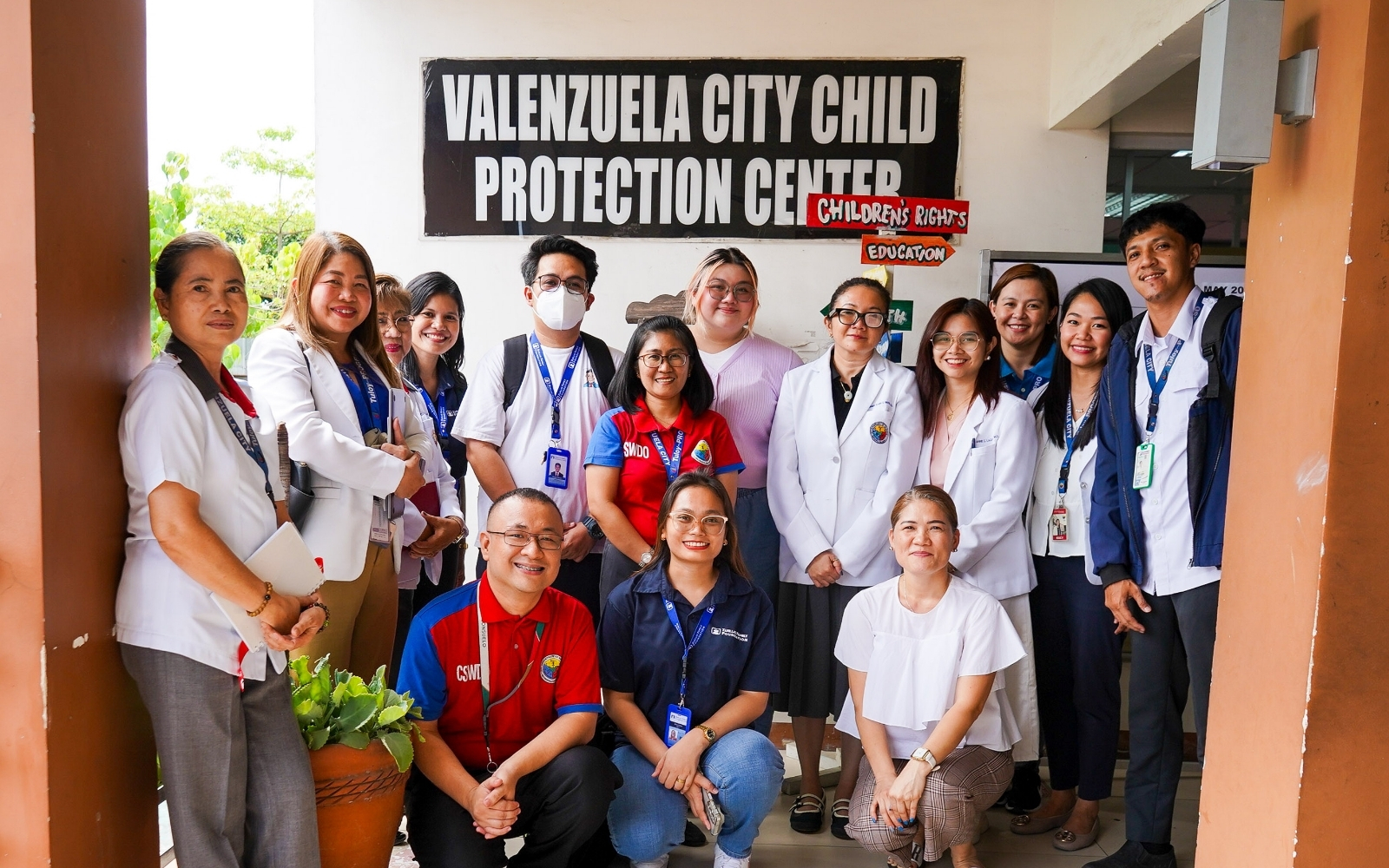 Photo above: At the Valenzuela Child Protection Center, the ZFF AYSRH team meets the people who turn the city’s whole-of-system vision into action for every child.
According to Kristina Ramos, head of the Valenzuela City CPC, “‘Pag nakalubog ka talaga dito, malalaman mo ang needs ng parents.” (Once you are fully immersed here, you will know the needs of the parents.) Parenting initiatives are taught through the Nanay-Teachers Camp in collaboration with the day care center teachers. These initiatives reflect an understanding that preventing adolescent pregnancy cannot rest on one office or one program alone. It requires a coordinated system where different sectors contribute according to their roles while keeping the best interests of the child at the center.
Valenzuela City’s experience also highlights that strong systems continue to face evolving challenges. Local leaders pointed to issues such as the influence of social media, peer pressure, migration, and the emotional demands placed on frontline workers. High attrition in learning sessions and rapid turnover among social workers require continuous innovation—from providing transportation support for participants to ensuring that critical positions are filled quickly so that services remain uninterrupted.
Rather than slowing progress, these challenges have reinforced the city’s commitment to continuous learning and adaptation. Local stakeholders continue to refine programs, strengthen partnerships, and explore new ways of responding to the changing realities faced by children, adolescents, and families.
One lesson stands out from Valenzuela City’s experience: protecting younger adolescents is not the responsibility of a single institution. It is a shared commitment among families, schools, communities, service providers, civil society, and local government.
When every sector plays its part, children are better protected, families become stronger sources of support, and communities are better equipped to ensure that every young person can grow, learn, and thrive in a safe and nurturing environment. The city’s experience reminds us that protecting children is never the work of one institution, it truly takes a village.
Author: KC Lyn Razon, ZFF AYSRH Learning and Development Associate
POSTER: Building Better Youth Programs Through Evidence: The YPAR-DMS Innovation
The Youth Participation Action Record Data Management System (YPAR-DMS) is an innovative tool developed to strengthen youth programs in the Philippines through evidence-based planning. Designed in collaboration with the Province of Sarangani and supported by UNFPA, the YPAR-DMS allows youth leaders to collect and analyze data on participation across nine key areas, including health, education, economic empowerment, governance, and social inclusion. Piloted in seven local government units, the system has already helped identify emerging trends, gaps, and priority concerns among youth, enabling timely interventions such as community-based mental health support and youth counseling programs.
The Zuellig Family Foundation shared this innovation at the 18th Association of Pacific Rim Universities Global Health Conference, held at Universiti Malaya, Kuala Lumpur, Malaysia, on October 28–31, 2025.