Expanding Horizons: General Santos City’s Drive for Accessible Long-Acting Contraceptives
Stories
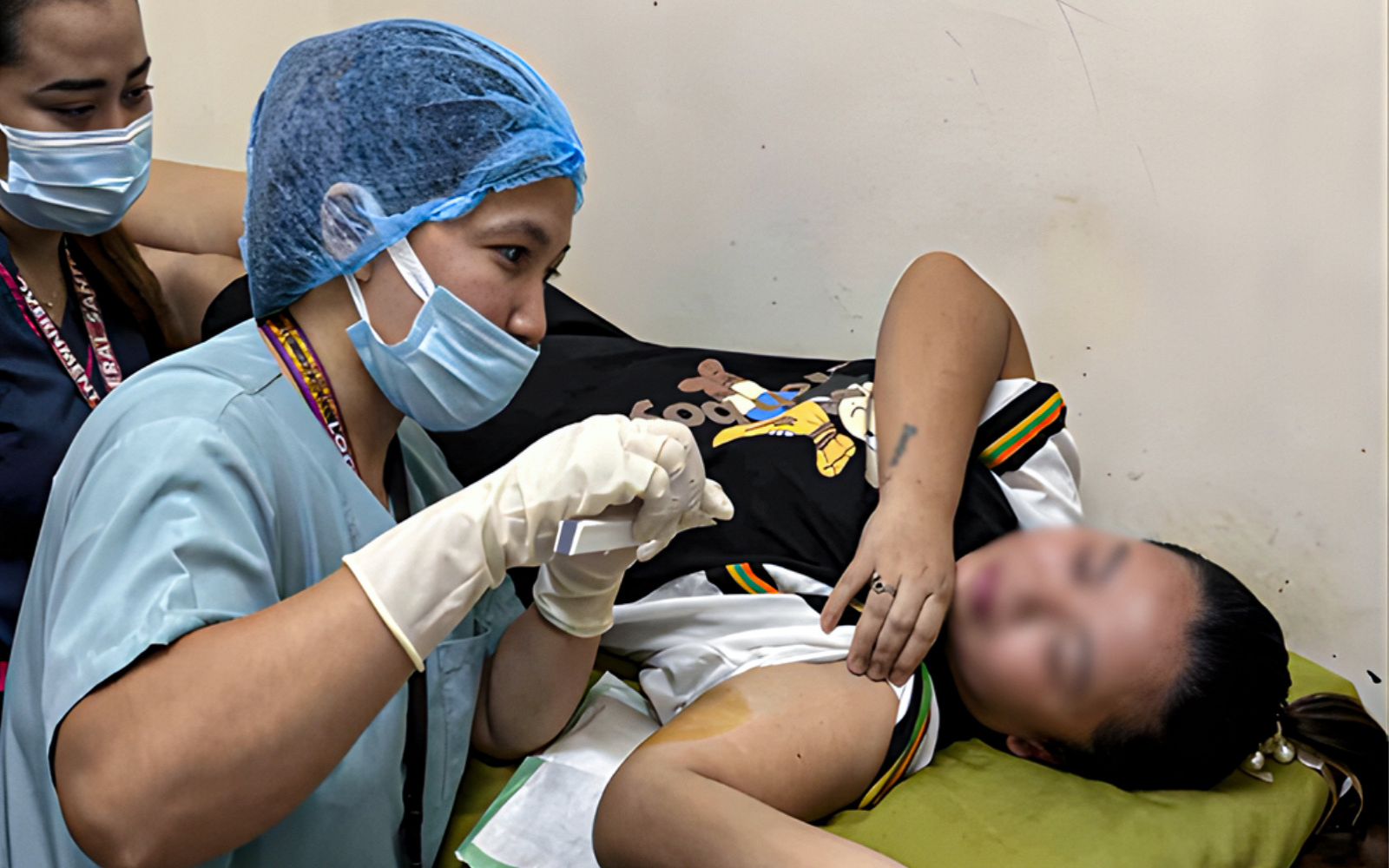
General Santos City (GenSan) had trained health workers, functioning facilities, and national support for family planning (FP). Still, many families—especially in far communities—had limited access to modern contraceptives, particularly long-acting reversible contraceptives (LARCs), which can protect women for years.
During the pandemic in 2020, modern contraceptive use was only 30%, and LARC use was low across the city. Beyond distance, a key problem was that offices worked in silos, leading to fragmented services and unclear data.
City leaders and advocates also saw gaps in data. Judith Janiola, Head of the City Population and Management Office (CPMO); Desiree Garganian, Regional Director (RD) of the Commission on Population and Development (CPD) Region XII; and Angelina Paule, President of the United Private Midwives of GenSan City, Inc. (UPM), shared that weak and inconsistent reporting hid the real picture of contraceptive use and adolescent pregnancy. This made it harder to design programs based on evidence.
Related article:
In 2023, the city issued Executive Order No. 95-A creating the Family Planning Itinerant Team (FPIT) to reach underserved areas.
With support from the Zuellig Family Foundation through The Challenge Initiative (TCI)-Philippines, the Department of Health (DOH)-Region XII, and CPD-Region XII, GenSan also revived its City Leadership Team (CLT). Backed by former Mayor Ronnel Rivera and Mayor Lorelie Pacquiao, the CLT brought together health, education, social services, youth leaders, and community groups. The review confirmed that offices were not sharing data and that adolescent needs were often overlooked.

GenSan responded by aligning departments around shared data and goals. As RD Garganian noted, “General Santos was willing to lead, build capacity, and maximize TCI’s role in addressing these fundamental challenges.” A city directive required offices to share health data, helping teams see gaps and plan together. Providers were trained through the Family Planning Competency-Based Training (FPCBT), which gave hands-on skills in LARC insertion and removal, and strengthened adolescent-friendly, respectful care.
Trust and community outreach were central. “Earning the trust of clients is crucial,” Paule shared. “Our Enhanced Usapan sessions worked well because they didn’t just inform people about family planning—they also connected them directly to services.” Janiola added, “Family planning is not just about providing methods. It’s about improving quality of life. That’s why we emphasize informed choice and voluntarism.” Barangay nutrition scholars conducted house-to-house visits, and all facilities were upgraded to meet DOH standards for adolescent-friendly services.
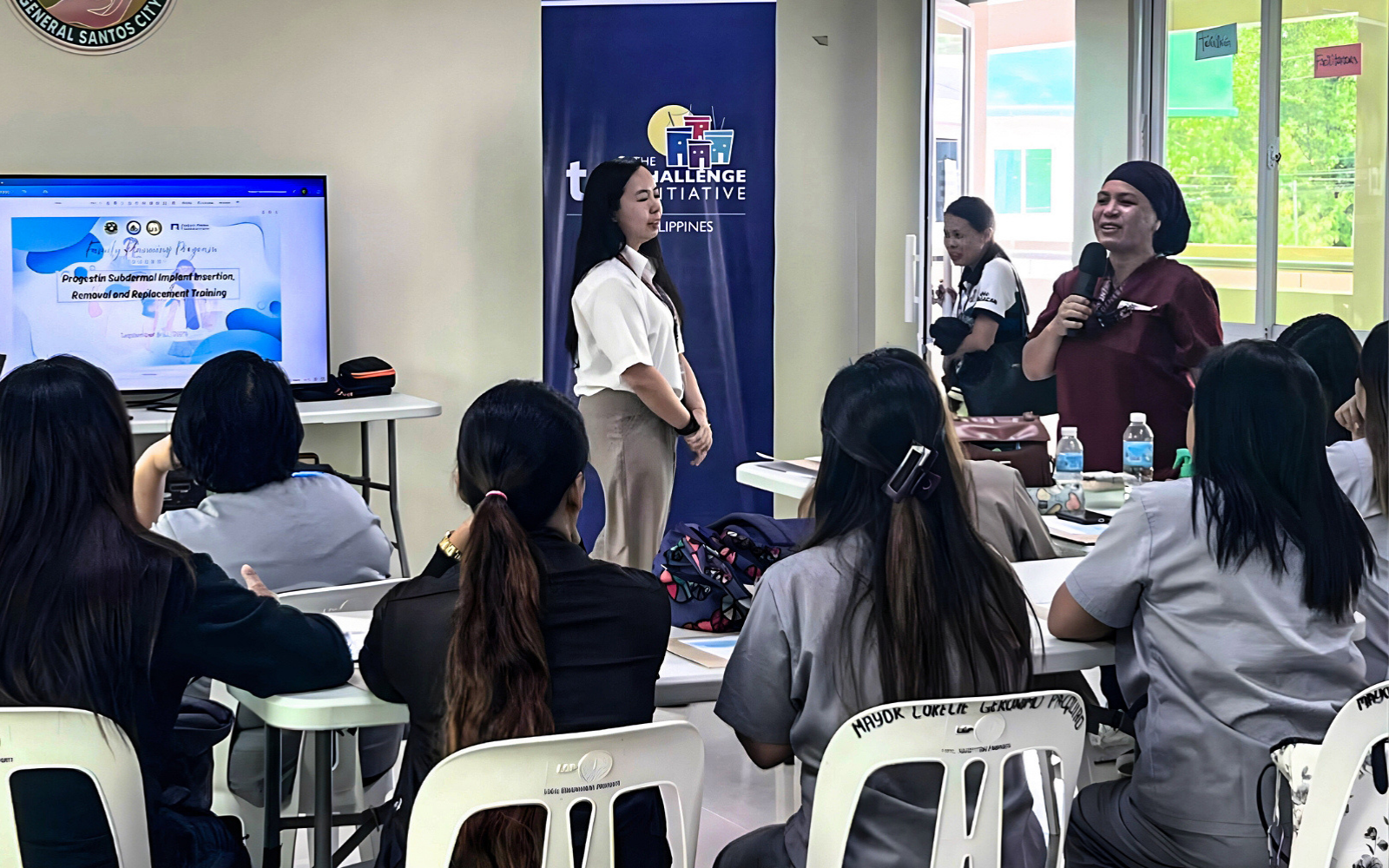
The results were clear. All 46 identified providers completed postpartum FP training, and all health facilities earned DOH certification as adolescent-friendly. With cleaned and harmonized data, GenSan established accurate baselines. Modern contraceptive prevalence rate (mCPR) rose from 30% in 2020 to 34% in 2024, exceeding the national target of 30%. LARC use more than doubled—from about 8,000 users in early 2021 to over 20,000 by mid-2025.
GenSan’s experience shows that lasting gains come from system-wide coordination, strong leadership, trained providers, and shared data. As RD Garganian emphasized, “The GenSan experience was unique… showing that the city’s sustainability can go beyond external support.” For Janiola, the work continues: “With General Santos in such a strong position, we can only hope for more—more policies supporting family planning and adolescent health, and more advanced data collection and monitoring systems.”