Kalinga Leaders Embark on Health Leadership Journey with Roberto R. Romulo Program
News
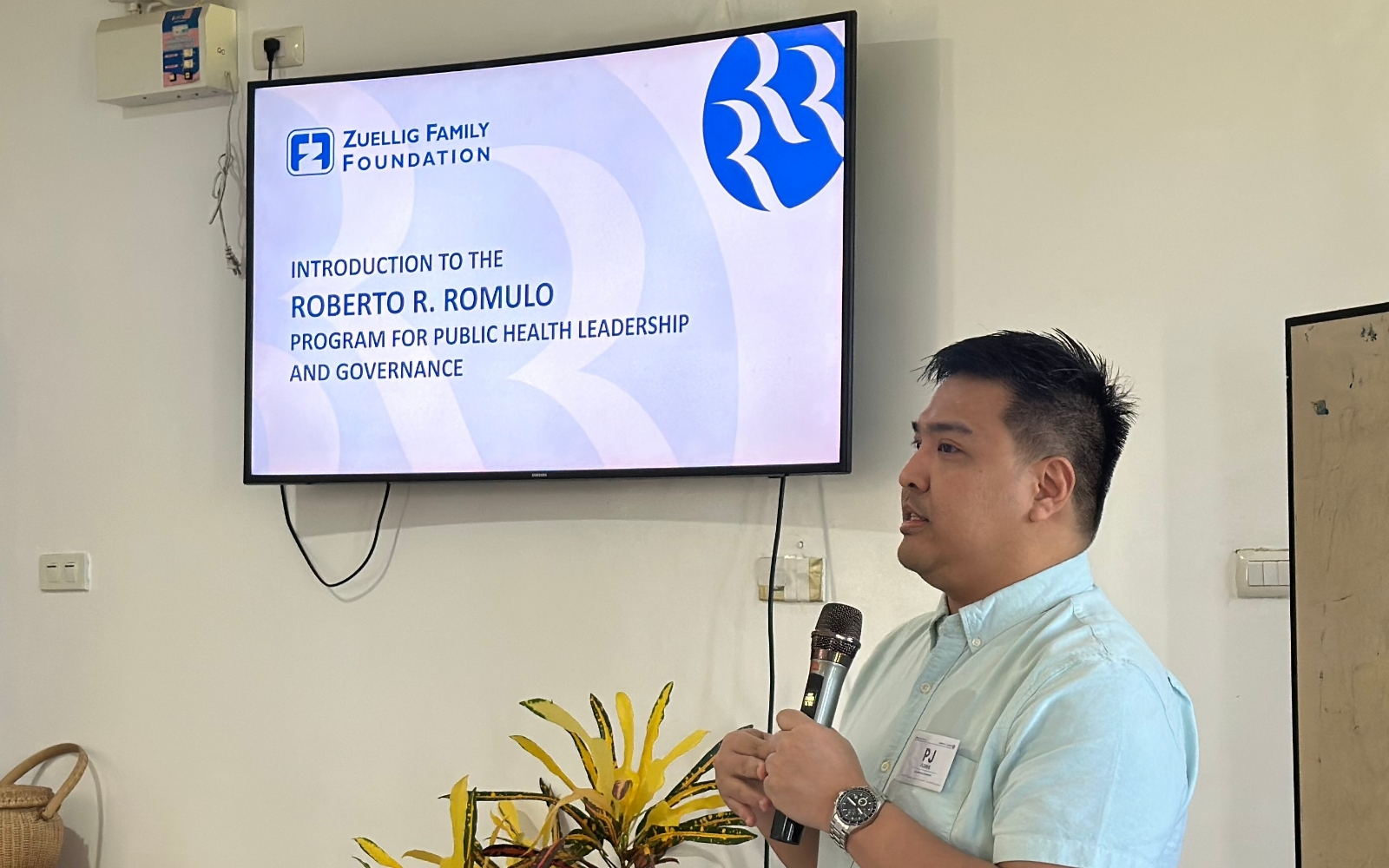
Local health officials from Kalinga’s city and municipal governments gathered on June 18, 2026 for the start of a structured reform journey that promises to reshape primary health care delivery in their communities.
The Zuellig Family Foundation (ZFF), through its Institute for Health Leadership, officially onboarded the participants into the Roberto R. Romulo (RRR) Program for Public Health Leadership and Governance through an orientation and baseline assessment activity. The program carries the name of Roberto R. Romulo, ZFF’s founding chair, and honors his legacy by empowering local leaders to take ownership of health system improvements.
Related article:
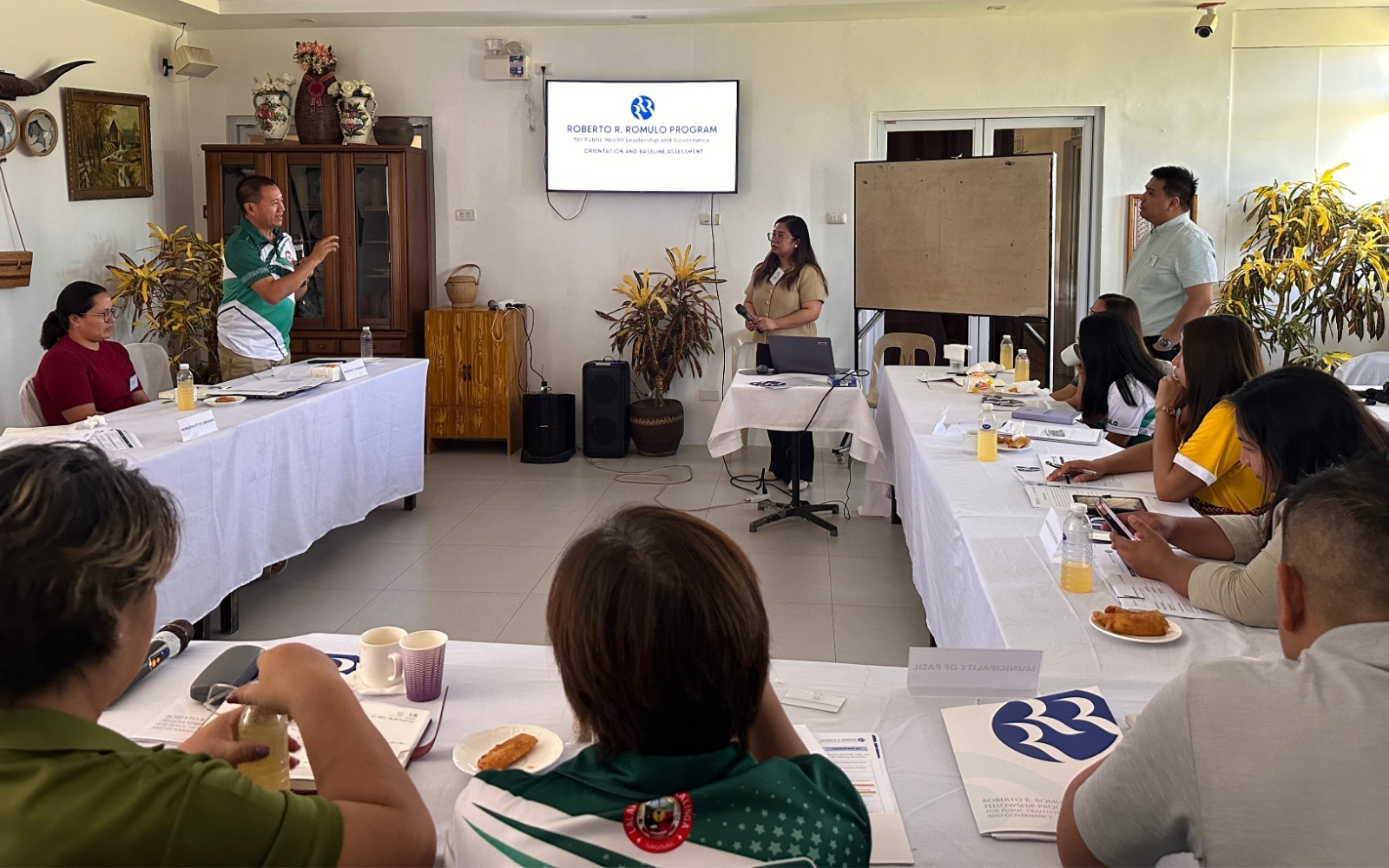
This rollout marks an expansion from the program’s 2023 iteration, which previously worked exclusively with governors and provincial health officers. Now, the Foundation directs its focus toward city and municipal health systems, the frontline of primary care delivery. Kalinga proudly serves as the pilot site for this new direction, with the Provincial Government of Kalinga and the Kalinga Provincial Department of Health partnering closely with ZFF to make the initiative a success.
During the orientation, participants explored the program’s core objectives, familiarized themselves with baseline assessment tools, and mapped out their implementation pathway. These foundational steps will guide them through a leadership development process squarely aimed at achieving Universal Health Care (UHC) targets. By strengthening governance structures at the local level, the RRR Program equips health leaders with the skills and strategies needed to build more responsive, efficient, and sustainable health systems for their constituents.
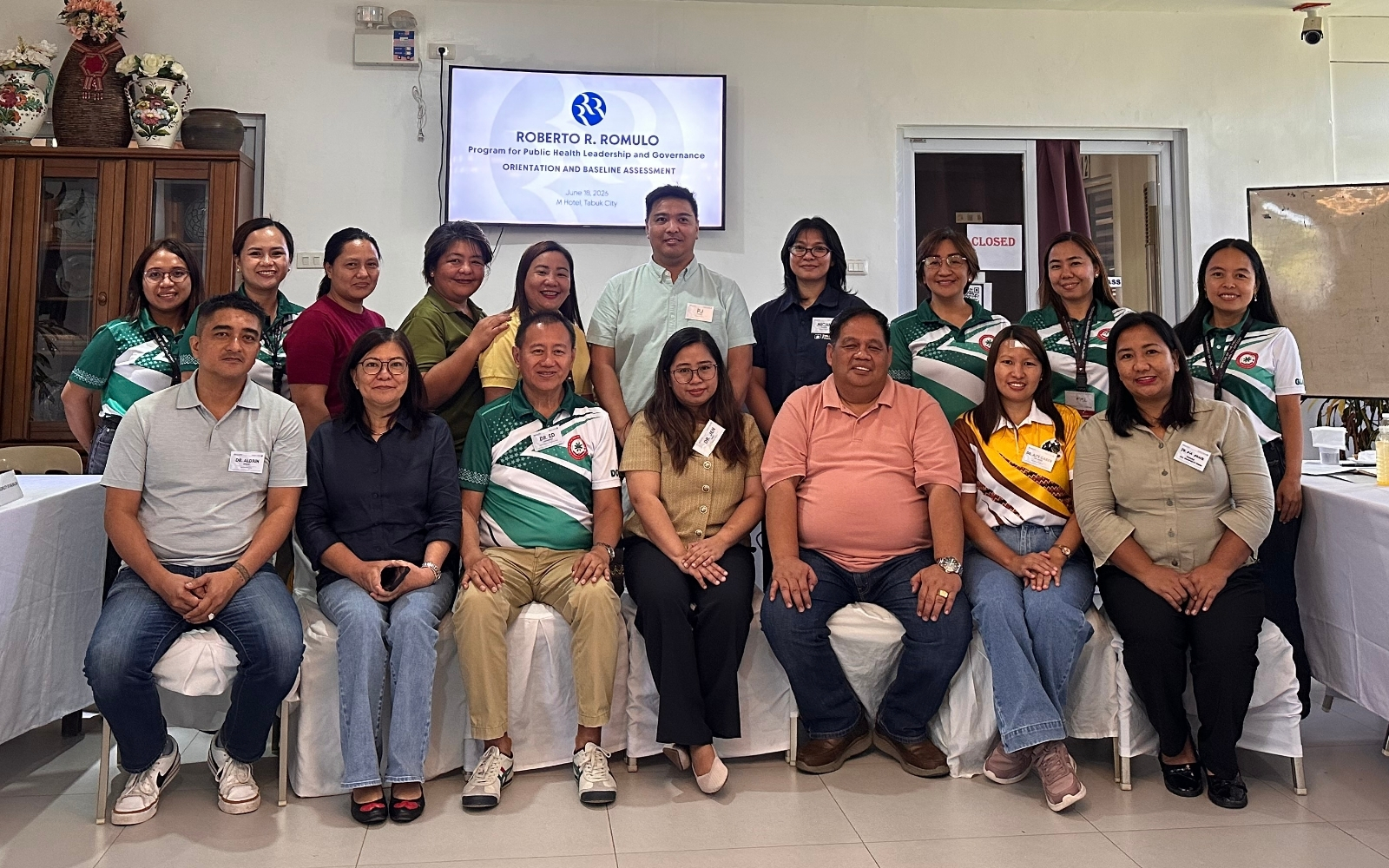
As Kalinga takes the lead in this pilot, the program sets its sights on creating a replicable model that other provinces can eventually adapt, ensuring that the lessons learned here will benefit health systems across the country.