Learning from the Baguio Experience: Advancing Toward an Interoperable Health Information System
News
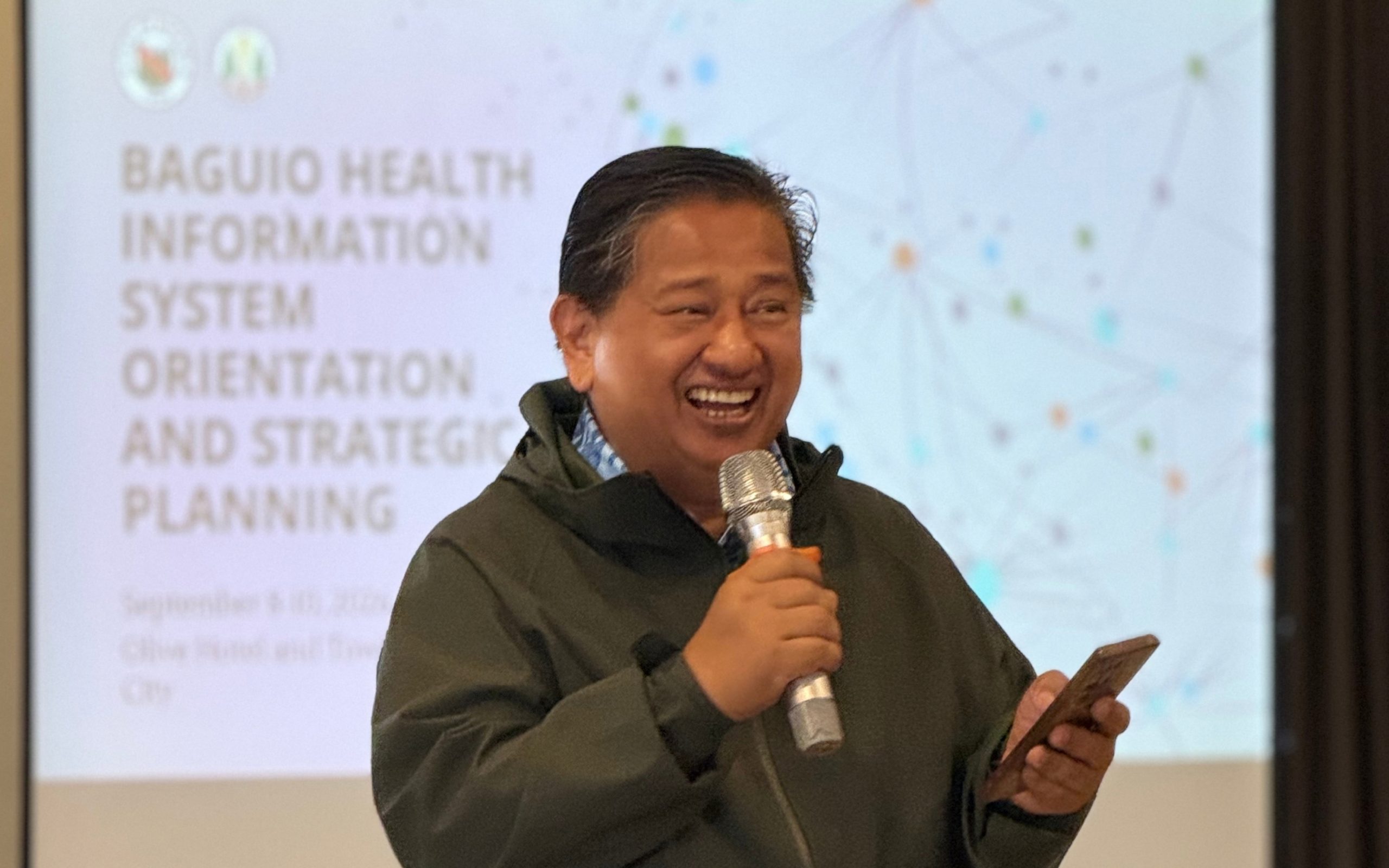
For years, health workers in Baguio City managed health information across paper-based records, electronic medical records (EMRs), and government platforms that were not fully integrated. While data was routinely collected, its availability in usable and timely forms for patient care, planning, reporting, and decision-making remained a persistent challenge.
Photo above: Elmer Datuin, Chair for the Committee on Health and Sanitation of Baguio City, in his message commits to institutionalize BMRS through a resolution and ensure appropriation.
This experience became an important impetus for the city to develop a health information system (HIS) responsive to its local context and the needs of its health workers.
Today, Baguio City is taking further steps toward a more integrated and interoperable HIS through the continued development of its Baguio Medical Record System (BMRS) and the strengthening of the governance, standards, and processes needed to sustain it.
From Fragmented Systems to a Homegrown Solution
With the implementation of the Universal Health Care (UHC) Law placing greater emphasis on functional HIS as part of local health system strengthening, Baguio City initially explored available solutions, including the Department of Health (DOH)’s iClinicSys and other third-party EMR platforms.
However, challenges in system usability, access to information, integration, and technical support underscored the need for a solution more responsive to the city’s operational realities.
The city eventually pursued the development of its own system.
Under the leadership of Mayor Benjamin Magalong and Francis Camarao, head of the city’s Management Information and Technology Division, the city developed the Baguio Medical Record System (BMRS), a locally developed platform designed around the needs of Baguio’s health facilities and frontline health workers.
Related article:
The development of BMRS represents an important shift from simply digitizing records toward making health information more accessible and useful for clinical care, reporting, planning, and management.
The system has since supported PhilHealth’s Yakap and eClaims packages and has been validated at Level 2 under PhilHealth’s EMR standards. The city is likewise preparing for DOH EMR certification.
While full interoperability with other HIS remains a continuing objective, Baguio is taking steps to establish the standards, policies, security measures, and governance mechanisms necessary to support this direction.
Creating Space for Strategic Reflection
From September 8 to 10, 2026, the Baguio City Health Services Office (HSO) convened a three-day orientation and strategic planning workshop focused on strengthening the city’s HIS.
Led by Dr. Vanessa Polig-Fagcangan, HSO ICT Coordinator, the workshop brought together key local health leaders and representatives from the city government, health facilities, national health agencies, development partners, and the BMRS development team.
Among the key local participants were Elmer Datuin, Chair for the Committee on Health and Sanitation, and Dr. Maria Lourdes Pakoy, Assistant City Health Officer, together with representatives from the HSO, city health facilities, planning team, and BMRS development team.
Representatives from the PhilHealth Regional Office-CAR, PhilHealth Local Health Insurance Office, and the DOH Center for Health Development (CHD)-CAR also participated in the discussions.
Providing technical expertise from PhilHealth’s Information Technology Management Department (ITMD) were Emma Ilagan and Stephanie Gavino, who shared perspectives on EMR standards, accreditation, and the technical requirements relevant to the city’s HIS. Their participation helped situate Baguio’s local efforts within the broader requirements and direction of the national health insurance program.
Dr. Ayedee Ace Domingo, HIS expert and ZFF consultant, provided technical guidance throughout the workshop, helping participants examine the HIS not only from a technology perspective but also in relation to health system governance, implementation, and sustainability.
The Zuellig Family Foundation (ZFF) was represented by Dr. Catherine Chung, Local Health Systems Director, together with Joan Kidatan and Ayeza De Mesa, program associates under the Bayang Malusog Leadership and Governance Program (BMLGP). Their participation formed part of ZFF’s continuing technical assistance to Baguio City through its partnership under BMLGP.
The workshop covered the role of HIS in UHC implementation, relevant national and international standards and frameworks, experiences and good practices from other local government units, and PhilHealth’s EMR accreditation process.
Participants subsequently assessed Baguio’s current HIS landscape, developed a shared vision for the city’s HIS, identified and prioritized strategic interventions, and translated these priorities into a roadmap and action plan.
The workshop resulted in two key outputs: an HIS Strategic Plan and a six-month short-term action plan.
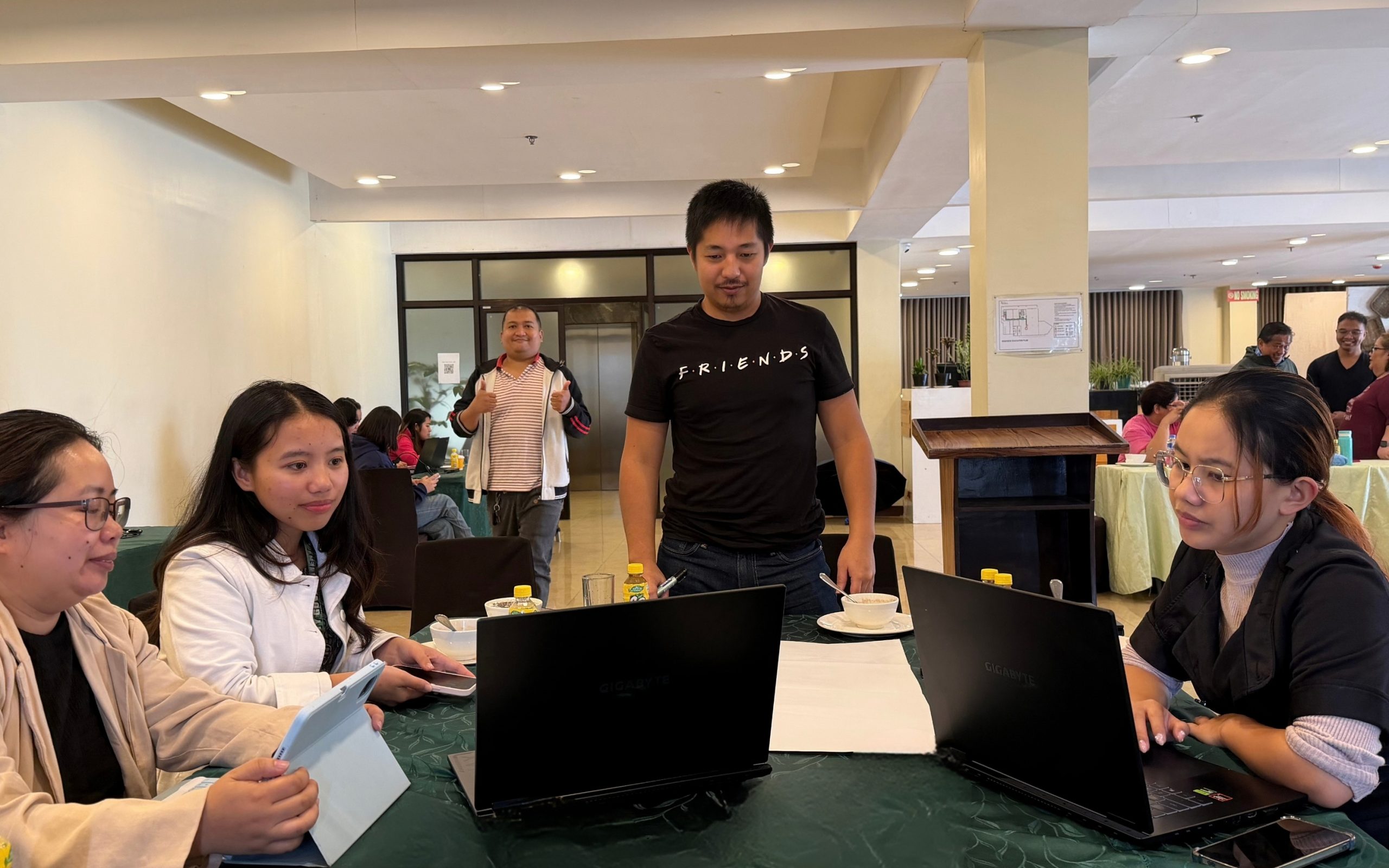 Photo above: Stakeholders from the Baguio Local Government Unit (HSO and Management Information and Technology Department) together with DOH-CHD CAR and PhilHealth Regional Office-CAR participate in the workshop.
Strengthening Local Capacity through Partnership
ZFF’s engagement in the activity stemmed from a request from Baguio City through the BMLGP partnership. HIS had been identified as an area where technical coaching and mentoring could contribute to the city’s continuing efforts to strengthen its local health system.
ZFF supported the preparation and design of the workshop and facilitated access to technical expertise from relevant institutions and practitioners, including the PhilHealth ITMD team and Dr. Domingo.
The engagement reflects ZFF’s broader approach to supporting local governments in advancing UHC: strengthening local leadership and governance while helping build the systems and capacities required to translate health policies and investments into improved health outcomes.
HIS is a critical component of this work. Reliable and accessible health information enables health workers and leaders to better understand the needs of their communities, monitor health service delivery, identify gaps, allocate resources, and make evidence-informed decisions.
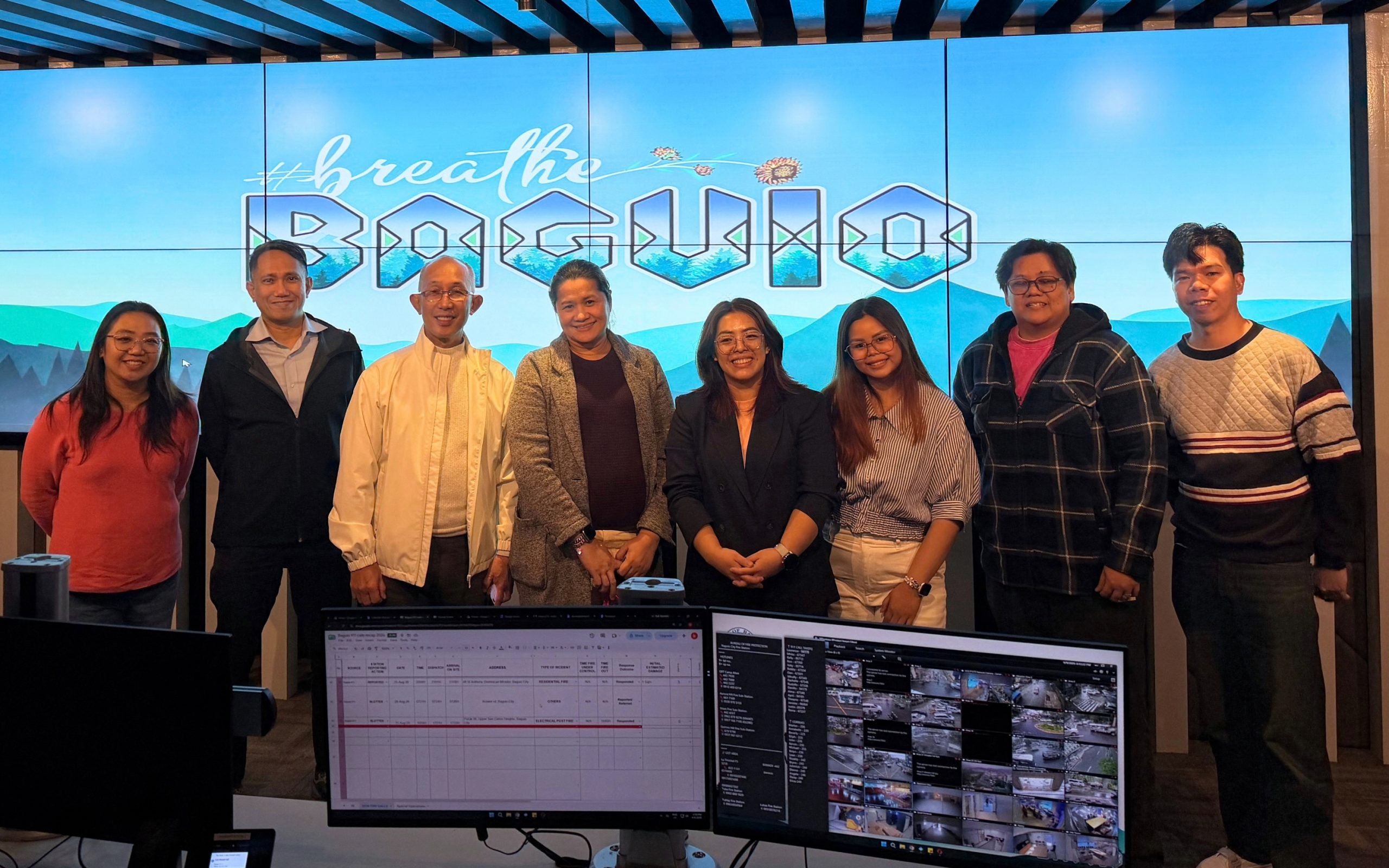 Photo above: Mayor Benjamin Magalong (third from the left) and Dr. Vanessa Polig-Fagcangan (leftmost), Medical Officer IV, brings the ZFF and PhilHealth teams to Baguio’s SMART City.
Seeing the Impact at the Frontline
The value of BMRS is most evident in the experience of the health workers who use it.
Dr. Nathazha Franco described how the system has changed the way patient information is managed: “Our patient record keeping has drastically changed because of BMRS. The time spent for finding records has been minimized including the time to prepare reports. We can now also see patients’ records digitally and help us decide better for patient care, especially now that we can also see records of the referrals we made.”
For City Camp nurse Mr. Ferrer, the locally developed system has likewise contributed to improvements in frontline work: “Having a homegrown EMR is the best decision our city made, which helped us frontliners in many ways, especially with the continuous improvement in our system.”
These experiences demonstrate that the value of an HIS extends beyond digitizing records. Its effectiveness ultimately depends on whether health workers can use the information to improve service delivery and make better decisions for patients and communities.
From System Development to Institutionalization
Despite the progress made, Baguio recognizes that significant work remains.
The next phase of development requires attention not only to the technology itself but also to the institutional structures that will sustain it. Key priorities include formalizing HIS governance through appropriate policies and an ordinance, establishing a dedicated organizational structure and personnel, ensuring sustainable funding, strengthening capacity-building, and improving compliance with data privacy requirements.
These are essential foundations for achieving the city’s longer-term goal of interoperability.
As the experience of Baguio demonstrates, developing a functional EMR is only one part of the journey. Sustaining and integrating the system requires clear governance, defined responsibilities, adequate resources, capable people, and adherence to standards.
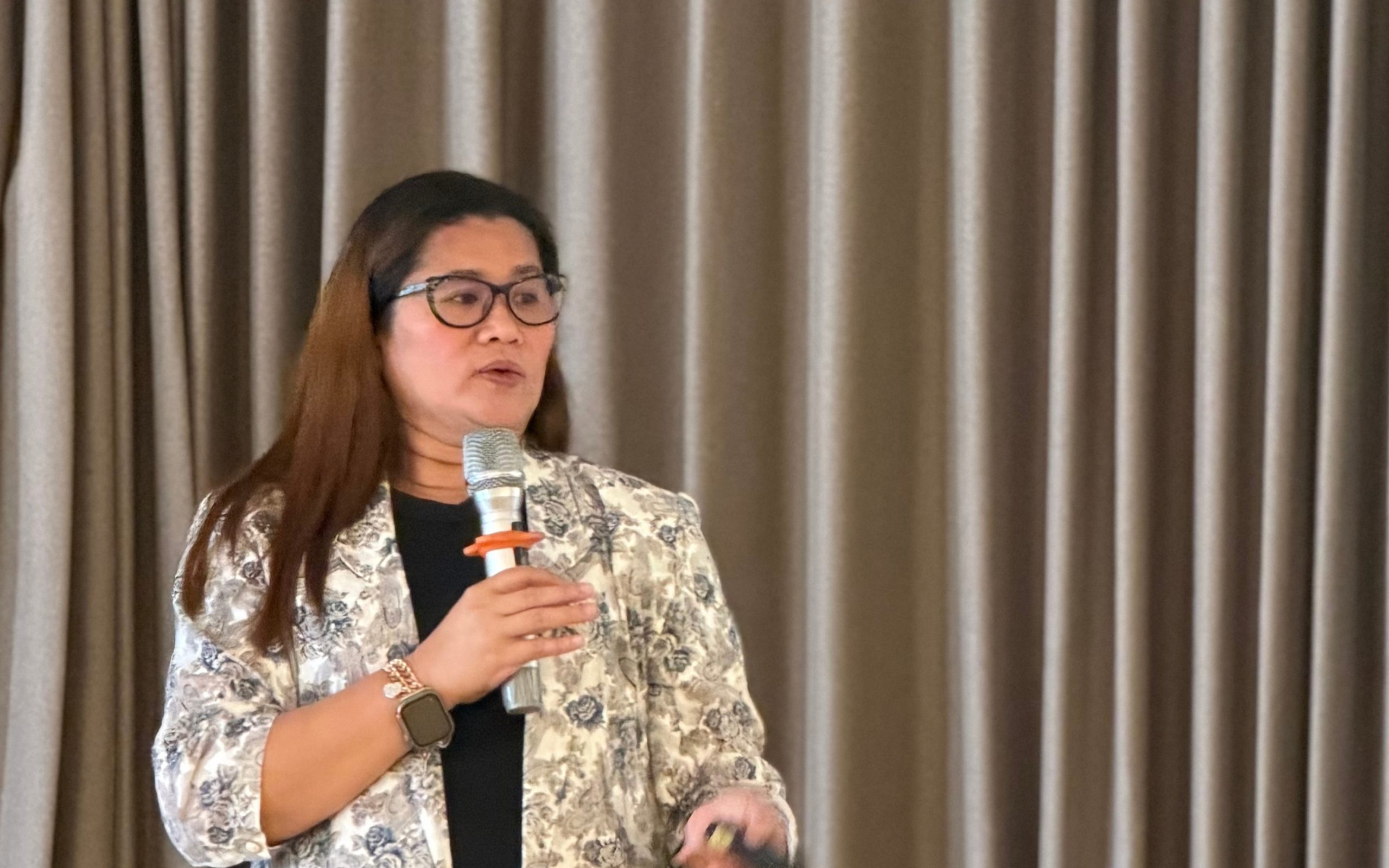 Photo above: Emma Ilagan, Unified PhilHealth Electronic Claims System Chair, provides guidance to Baguio City on software certification and onboarding process.
Building Systems That Work for People
One of the key lessons shared during the workshop was that there is no single “best” HIS. For Dr. Domingo, the best system is one that people actually use.
For local governments, this means that technology choices should be grounded in the realities of their health systems and the needs of the people who will use them. At the same time, systems need to be designed with standards, security, privacy, and interoperability in mind from the outset.
Baguio’s experience illustrates both the opportunities and challenges of taking this approach.
The decision to develop BMRS emerged from the limitations of existing systems. Its continued development, however, has demonstrated that technology alone cannot address the full range of challenges involved in building a sustainable HIS.
The work must also extend to governance, organizational capacity, financing, data stewardship, and continuous improvement.
Continuing the Journey
Baguio City’s experience is not a story of an HIS that has already reached its endpoint.
It is a story of a local government that recognized a persistent problem, developed a locally responsive solution, and is now working to strengthen the foundations needed to take that solution further.
The journey toward interoperability will require sustained commitment and collaboration among the city government, health workers, national government agencies, technology teams, and development partners.
As Dr. Fagcangan aptly expressed during the workshop, “Malayo na, pero malayo pa.” Baguio has made significant progress, but much remains to be done.
The next steps will be critical: institutionalizing governance, strengthening standards and data protection, investing in people and resources, and ensuring that health information can move securely and meaningfully across systems.
Ultimately, the goal is not interoperability for its own sake. It is to ensure that health information is available when it is needed, understood when it is received, and used to support better decisions, better services, and better health outcomes for every community.
For Baguio City, the work continues. And its experience offers a valuable reference for other local governments navigating their own journey toward stronger, more responsive, and interoperable health information systems.
Authors: Joan Kidatan, ZFF BMLGP Associate for Baguio City