Beyond Technical Assistance: What Value Do We Bring to Our UHC Partners?
Insights from the Field
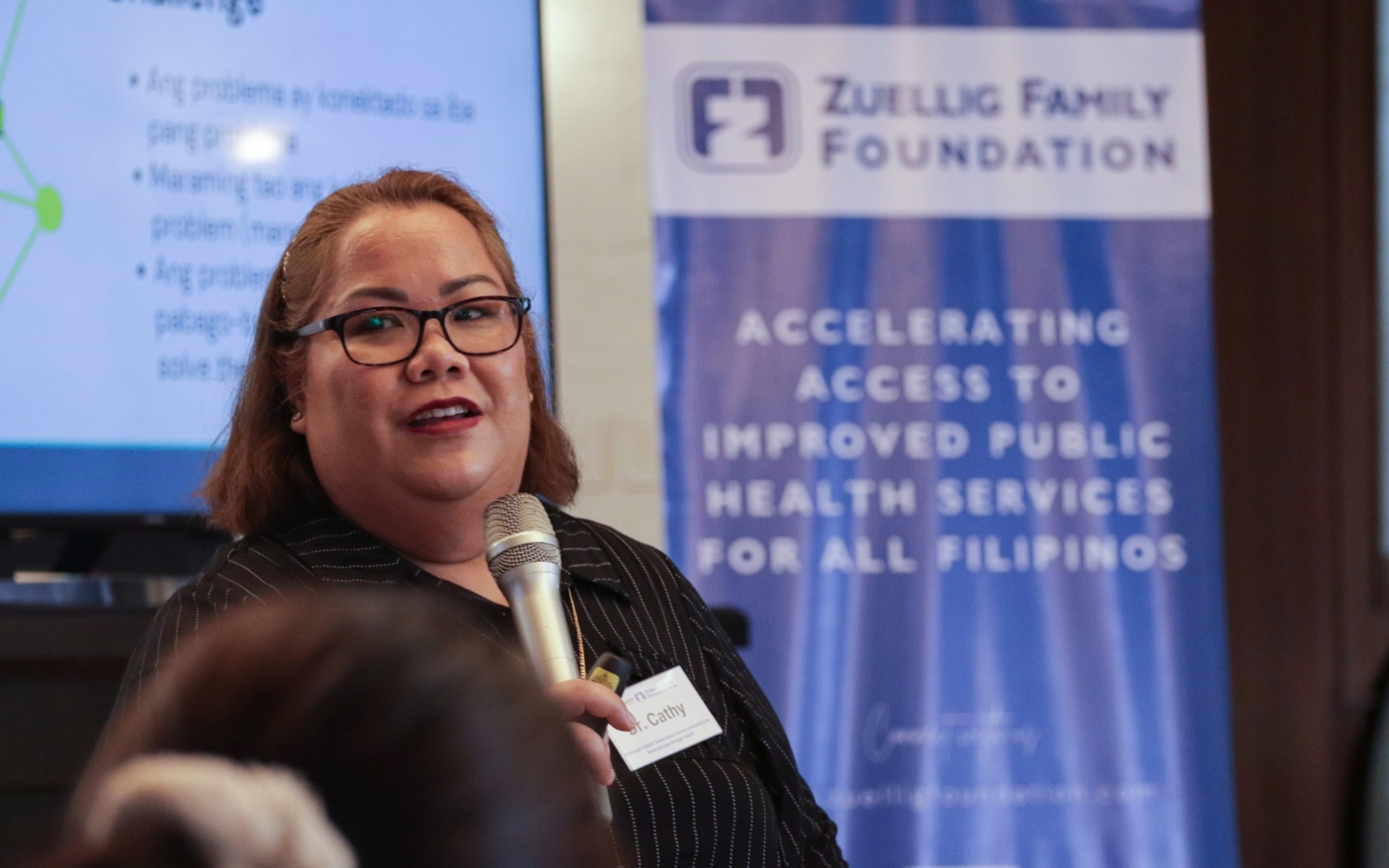
Dr. Catherine Chung, Local Health Systems (LHS) Director at Zuellig Family Foundation (ZFF), reflects on what effective technical assistance truly means: not just transferring knowledge, but building local partners’ capacity, connections, and accountability. Drawing on the recent Governance and Accountability for Better Access through YAKAP Implementation (GABAY) pilot for Universal Health Care (UHC), she argues that development partners should aim to become less necessary over time, walking alongside local governments until UHC becomes a lived reality for every Filipino.
—
With close to 19 years working in public health and local health systems strengthening, I have continually asked myself: What is the most effective technical assistance we can provide to our partners—one that goes beyond knowledge transfer and truly adds value to their work?
This question became even more relevant after we concluded the pilot implementation of GABAY (Governance and Accountability for Better Access through YAKAP Implementation), held on September 22–24, 2026, in Baguio City.
The pilot brought together our partner areas from Benguet Province, the municipalities of Kapangan and Kibungan, and Baguio City, together with the PhilHealth Social Health Insurance Academy (SHIA) team, Regional and Provincial PhilHealth teams and the Department of Health-Center for Health Development in the Cordillera Administrative Region. Provincial, city, and municipal health officers, budget officers, accountants, treasurers, and planning officers also participated. The initiative was co-designed to support Universal Health Care (UHC) implementation, particularly by strengthening financial integration at the local level.
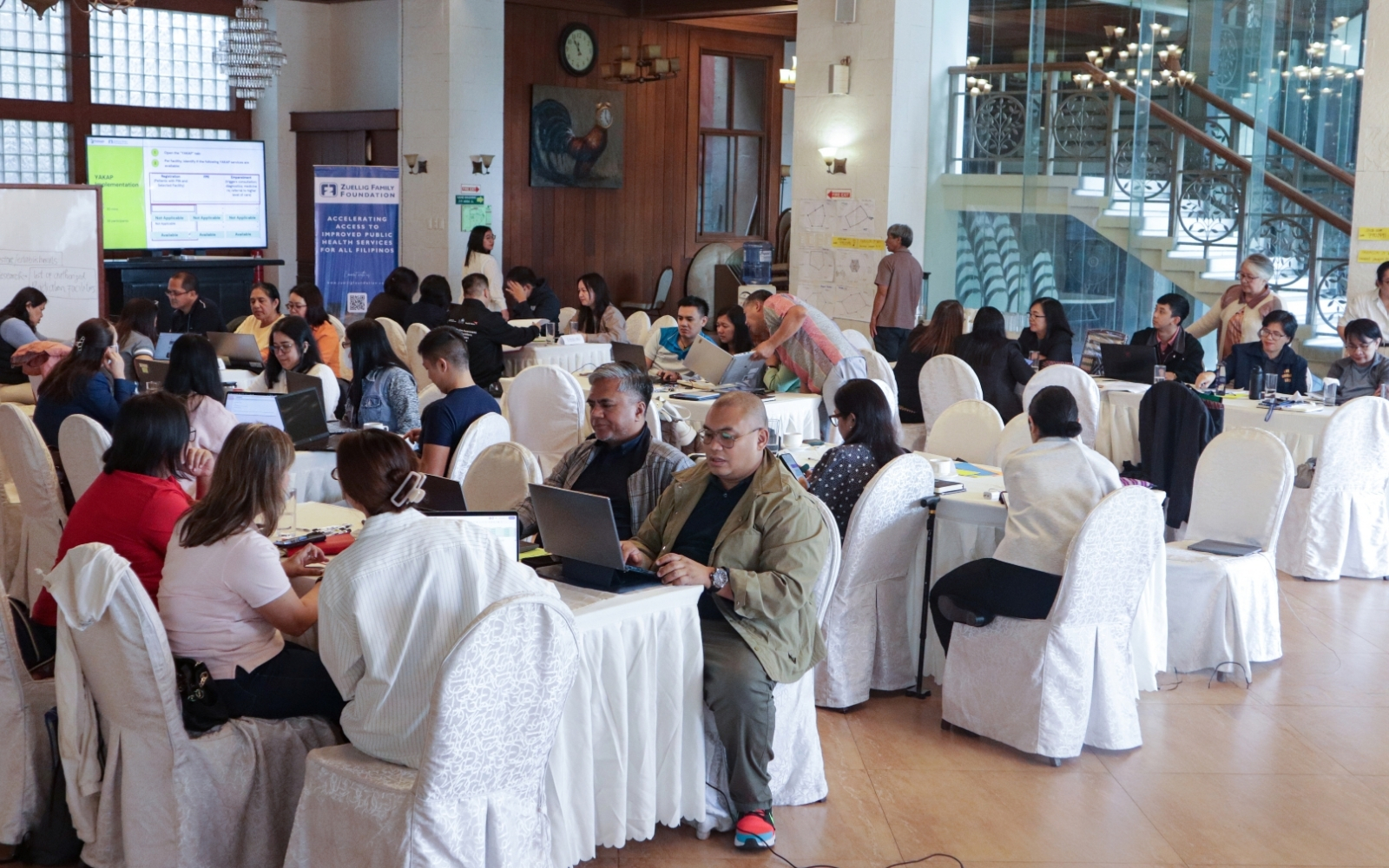 Photo above: Participants work together in small groups during the GABAY pilot.
As we work toward full province- and city-wide health systems integration, one of the most challenging areas has consistently been health financing. Financial integration is not simply a matter of understanding policies and processes. It requires specialized knowledge, strong governance, coordinated planning, and the ability of different stakeholders to work together around a shared understanding of local needs and priorities.
This is where technical assistance must evolve.
Effective technical assistance should not merely provide answers or introduce new tools. It should bring the right people together, build their capacity to analyze their own challenges, strengthen decision-making, and enable them to develop solutions that are responsive to their local context.
The PhilHealth GABAY pilot experience reinforced for me that financing decisions ultimately affect people. Resources must be planned and allocated strategically to ensure that essential health services are sustained, primary care remains accessible, and no one is left behind, including the health workers who serve at the frontline of the health system.
For technical assistance providers, therefore, the question should not only be “What technical support can we give?” but rather “What capabilities, connections, and values can we help our partners build so that they can lead, plan better, utilize resources effectively, and deliver quality health care services, ensuring that UHC is felt even in the farthest communities?”
Financial integration is one of the critical components that will bind together and strengthen effective UHC implementation. Primary care financing, in particular, has historically been one of the more difficult areas to navigate because it involves multiple stakeholders, systems, processes, and layers of accountability.
The GABAY pilot is therefore not an endpoint. It is one of many learning opportunities and technical assistance initiatives that our partners will undertake as they move toward greater financial maturity and stronger local health systems.
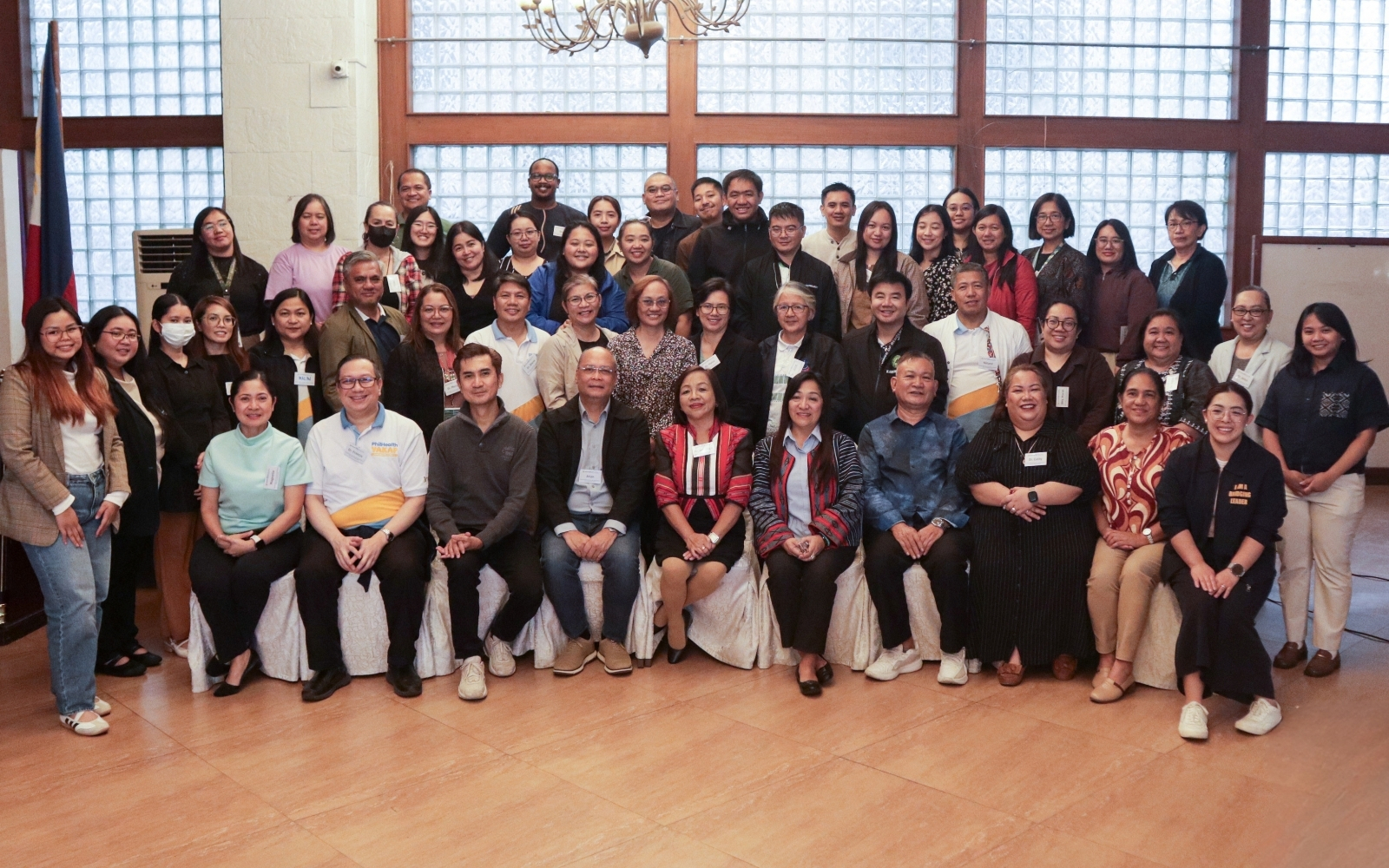 Photo above: Stakeholders from across the Cordillera Administrative Region together with PhilHealth SHIA and ZFF gather for a group photo, symbolizing shared commitment and partnership needed to advance UHC.
Perhaps this is the real measure of effective technical assistance: not how much we provide, but how much stronger, more capable, and more accountable our partners become because of it, and how sustainable the reforms become when we are no longer there as partners.
Our goal as development partners should be to make ourselves less necessary over time, not because local governments need less support, but because they have gained the capability, confidence, and systems to lead their own change.
This is the essence of our work as development partners: to walk alongside our partners, strengthen their capacity, and help build systems that can sustain progress beyond our engagement.
We will continue this noble work until, together, Universal Health Care becomes not only a policy or aspiration, but a reality that is felt by every Filipino, even in the farthest communities.