Beyond the Referral: Connecting Adolescents to Coordinated Care in Quezon City
Insights from the Field
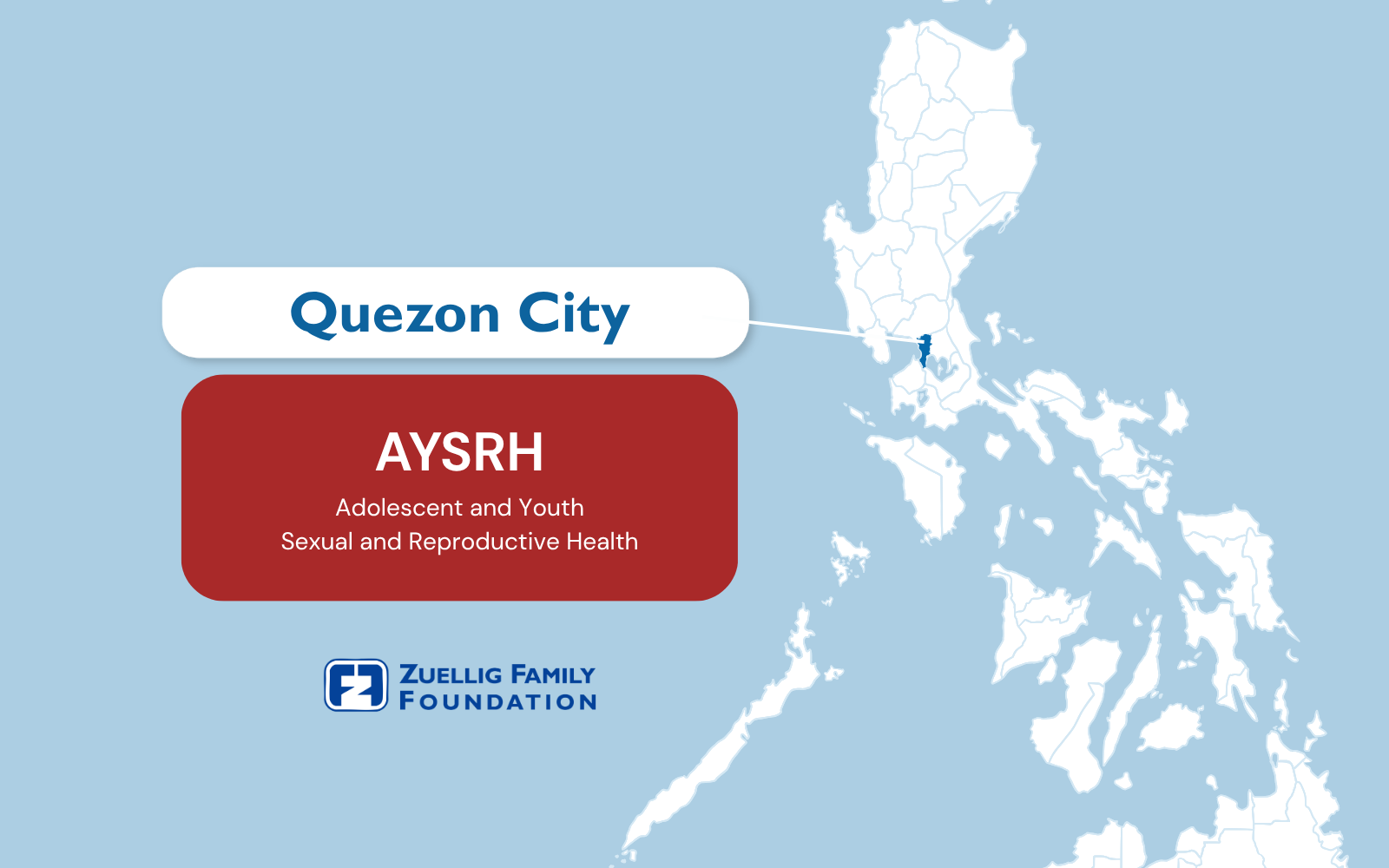
An adolescent may ask a teacher for help, visit a health center, speak with a barangay worker, or raise a concern during a community activity. The first response matters. The person they approach needs to listen, identify what support is needed, and guide them to the appropriate service. The offices involved then need to coordinate so the adolescent can continue receiving support.
This was the focus of a planning workshop between Quezon City and the Zuellig Family Foundation (ZFF) on the Quezon City Unified Services and Information (QUSI) Teen Network last September 21, 2026. Representatives from the city’s health, social services, education, youth development, and barangay coordination offices reviewed the network’s proposed Manual of Procedures alongside the services and referral processes they already use.
The discussion brought forward three practical lessons for connecting adolescents to care.
 Participants gather with the Zuellig Family Foundation for the QUSI Teen Network planning workshop.
Respond to the adolescent’s full situation
A pregnant learner may need prenatal care and a hospital referral. She may also need support to continue her education. If she faces bullying or feels uncomfortable returning to school, decisions about her learning arrangement need to consider both her well-being and her opportunity to keep studying.
Quezon City representatives discussed how schools, health providers, and social services can coordinate this support. They also examined how concerns identified during school and community activities should enter the appropriate health or child protection process.
The discussion widened the lens beyond the pregnant adolescent. The Quezon City Health Department (QCHD) shared that it began including information about partners in adolescent pregnancy profiling this year, following an observed increase in cases involving adolescent fathers. This creates an opportunity to consider what support and prevention efforts adolescent boys may need. It also calls for careful assessment of each adolescent’s circumstances, including safety and child protection concerns, before deciding how partner information should be used.
Make the next step clear at every point of contact
Adolescents do not all approach the same office first. The QUSI procedures therefore need to guide teachers, barangay workers, health providers, and other partners on what to do when an adolescent seeks help.
For example, participants clarified that a private lying-in clinic may be the first facility to identify a pregnant adolescent. Its role in the pathway is to refer her to the appropriate hospital for delivery. The workshop also examined how concerns found through community outreach and school activities can enter existing referral procedures.
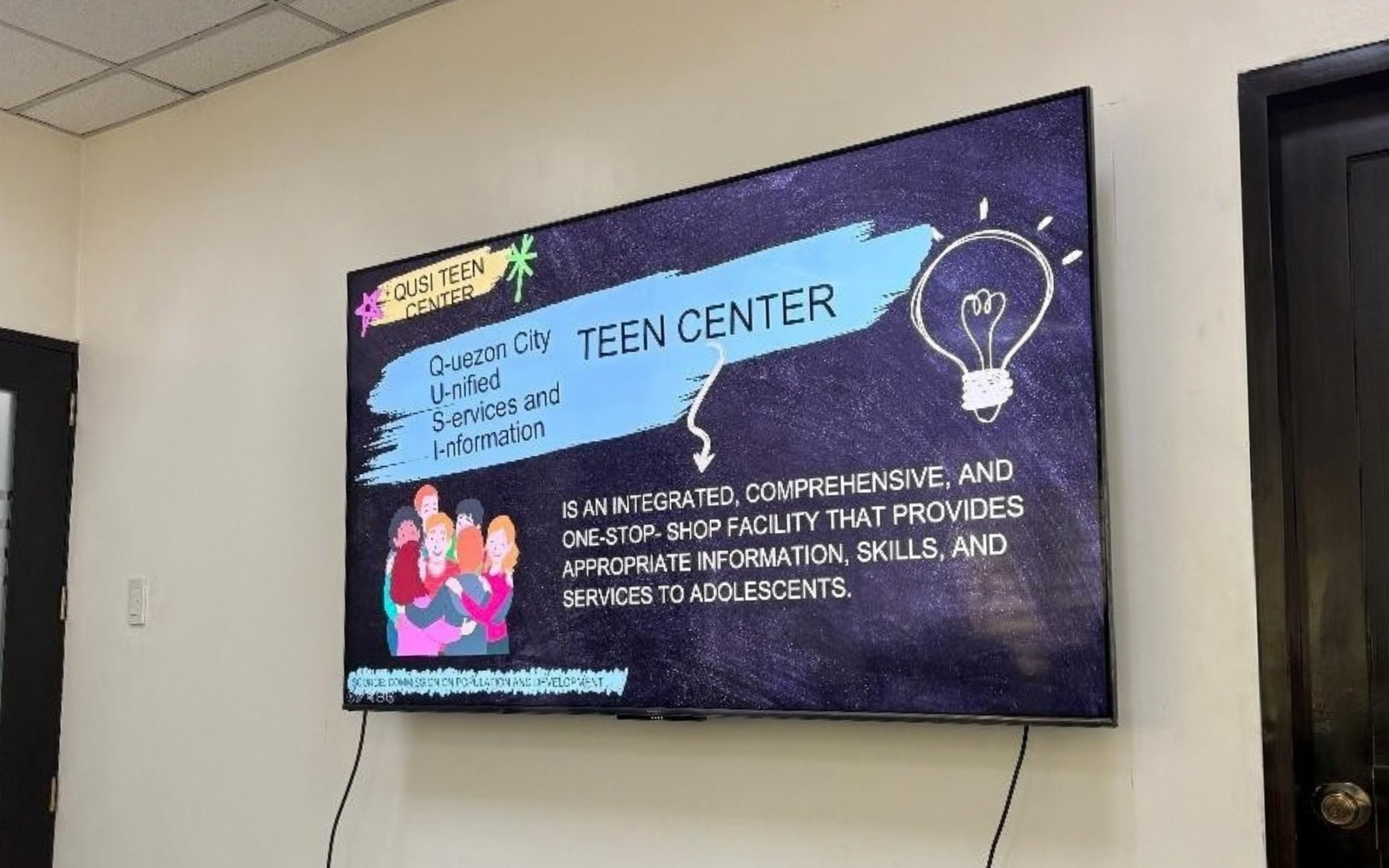 The QUSI Teen Center’s primary objective to connect adolescents to coordinated care and support services.
Follow through on referrals
A referral should give the receiving service the information it needs to respond, while protecting the adolescent’s privacy. It should also be possible to check whether the adolescent reached that service and whether further coordination is needed.
Quezon City’s Health Care Provider Network already uses electronic referral and feedback for maternal health, HIV, and family planning services. Navigators monitor referrals among participating providers. QCHD and ZFF will explore how this experience could inform the wider QUSI Teen Network, including referrals that begin on paper or involve services outside the provider network.
The workshop identified details that Quezon City and ZFF will continue to refine: who records each referral, who monitors it, how receiving services provide feedback, and which office coordinates follow-up. Service contacts, responsibilities, and safeguards in the proposed procedures also require confirmation before the manual is finalized.
The QUSI Teen Network brings together services that adolescents may need at different points in their lives. Its Manual of Procedures aims to make those connections clear to the people providing care—and easier for adolescents to navigate when they ask for help.