Grassroots Champions: Barangay Health Workers Lead the Way to Reduce Adolescent Pregnancy in Lapu-Lapu
Stories

Lapu-Lapu City in Central Visayas faced a rising adolescent birth rate (ABR), increasing from 14 births per 1,000 adolescents in 2020 to 23 in 2023. At the same time, modern contraceptive prevalence rate (mCPR) dropped from 31% to 21%. Local health officials saw that, while women continued to seek services, many still relied on short-acting family planning methods. Uptake of long-acting options was growing but needed stronger community support.
To respond to the alarming numbers, the city partnered with The Challenge Initiative (TCI), a global program implemented in the Philippines by the Zuellig Family Foundation that helps local governments scale proven family planning and adolescent and youth sexual and reproductive health (AYSRH) solutions.
Related articles:
- Nine Cities Recognized as Global Self-Reliant Cities in Reproductive Health
- Lapu-Lapu City’s Path to Strengthening Family Planning and Adolescent Health
The city formed the Lapu-Lapu City Leadership Team to unite health, education, youth, and social welfare sectors. Barangay nurses and midwives then began integrating meaningful conversations into routine services. They learned that many adolescents lacked parental guidance and reliable reproductive health information, while many adult women feared modern methods because of misconceptions. These issues showed that rising adolescent pregnancies and declining contraceptive use stemmed from the same need: trusted, judgment-free health information within the community.
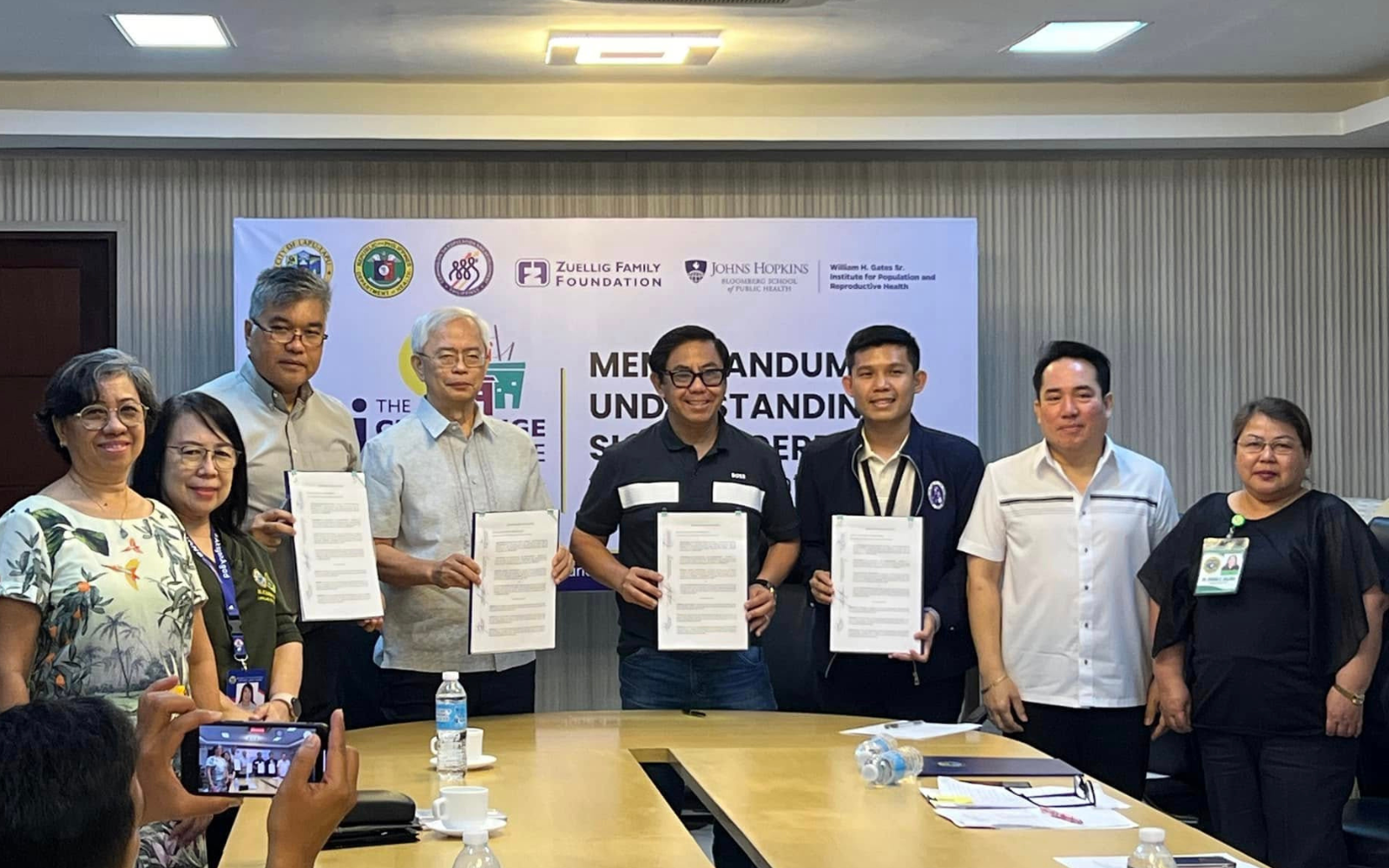
Lapu-Lapu City placed communities at the center of its strategy. Awareness efforts shifted the conversation from contraceptives alone to responsible parenthood.
Barangay Health Workers (BHWs)—trusted members of each neighborhood—played a central role. Through house-to-house visits, they profiled households, explained family planning options, and corrected myths using simple materials. BHW Coordinator Jovy Alonzo emphasized that all BHWs are trained in adolescent health and development and uphold confidentiality and nonjudgmental support. Their strong performance earned Lapu-Lapu’s BHWs the Performance-Based Incentive (PBI) Award for two consecutive years, making them PBI Champions in Central Visayas. As Nurse Grace Mary Chan-Carunggay shared, “This recognition is a testament to their exceptional service and dedication.”
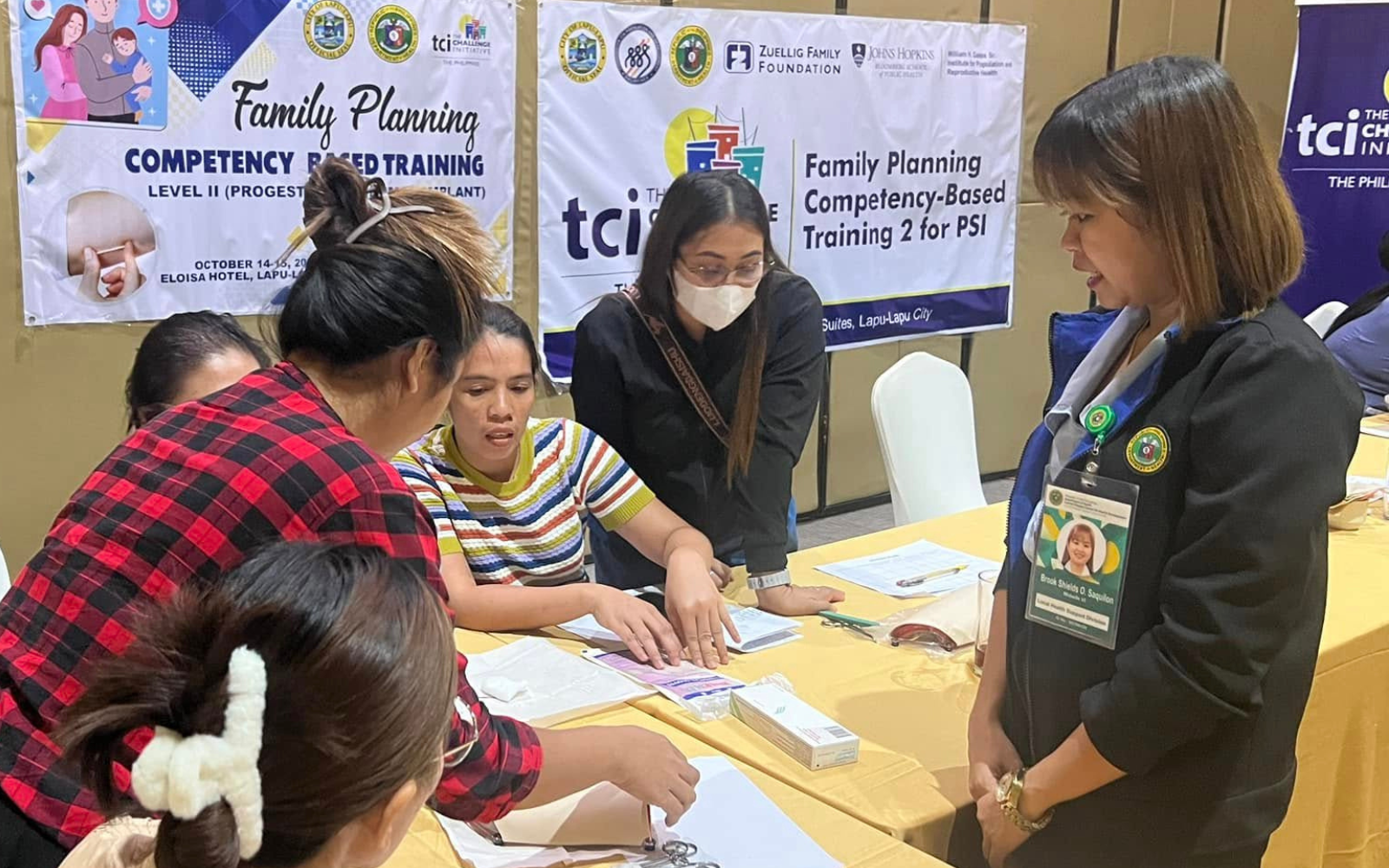
The city also strengthened its service delivery system by training more providers through Family Planning Competency-Based Training (FPCBT), especially in barangays with limited access. This allowed more health centers to offer long-acting reversible contraceptives (LARC), including the Progestin Subdermal Implant. City leaders supported these improvements by funding BHW incentives and training, conducting regular barangay visits, and ensuring data quality for planning. According to City Health Officer Dr. Agnes Cecilia Realiza, “Adolescent parents are now coming to our health centers. They no longer feel stigmatized, and they seek prenatal care, ensuring the safety of both mother and child during delivery.”
In 2024, the city recorded only one additional adolescent pregnancy case, showing early signs of progress. The drop in mCPR was largely due to data cleaning, which corrected the number of women counted in the program. Lapu-Lapu is also adjusting to the shift in national indicators—from mCPR to “demand satisfied”, or the share of women with a need for family planning who use modern methods. The City Health Office continues to improve staff capacity for accurate data use and coaching.
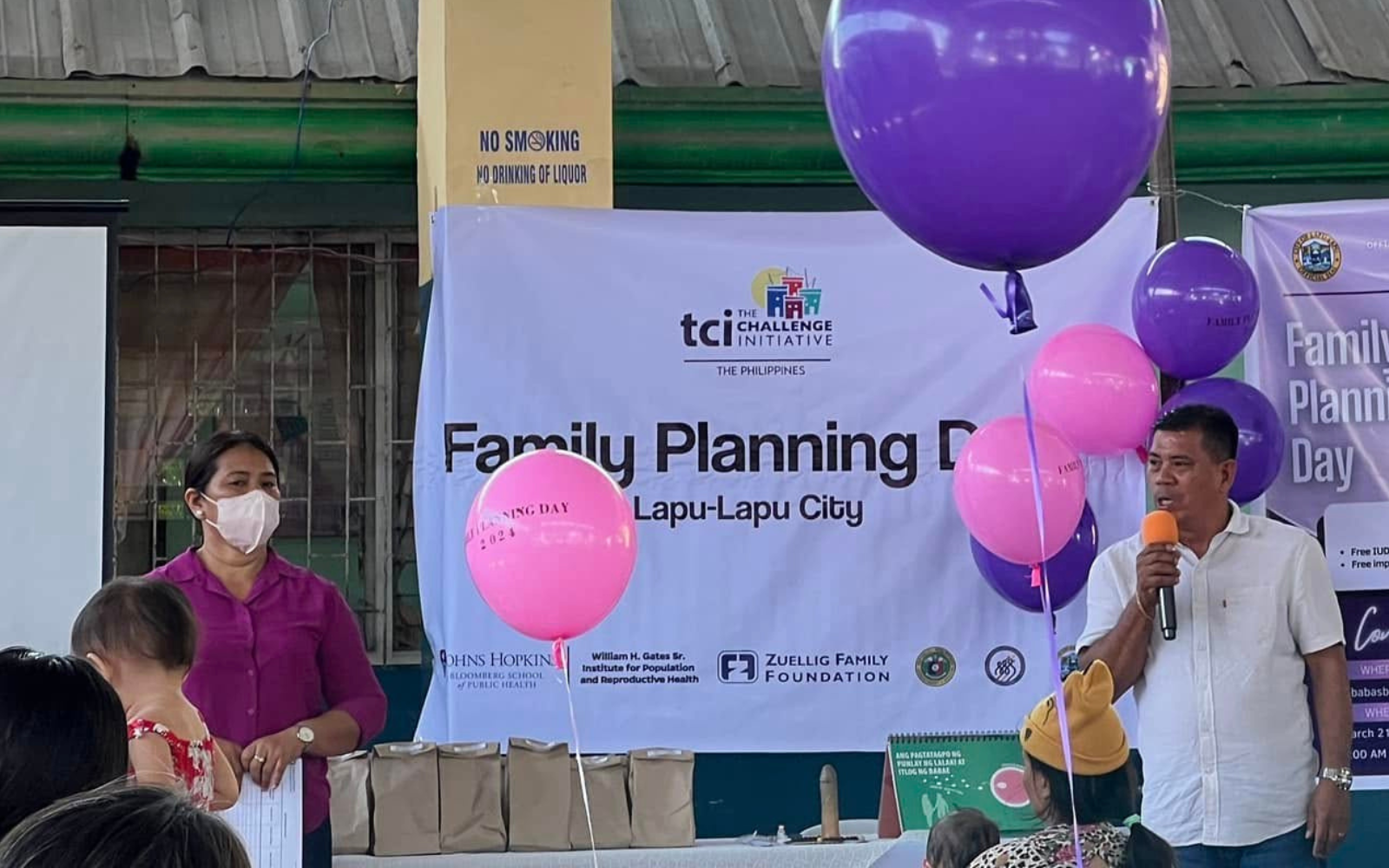
Lapu-Lapu’s experience shows the power of community-centered, data-driven leadership. By investing in AYSRH and allocating dedicated budgets, the city has strengthened the work of BHWs and sustained community engagement. With a 22% increase in AYSRH budget commitments, based on TCI-Philippines monitoring, Lapu-Lapu demonstrates that empowering frontline workers creates lasting impact—helping young people make informed choices for their health and future.