After the Law Is Passed: The Hard Work of Health Reform
Seven years after the Universal Health Care Act’s passage, Dr. Anthony Faraon, Chief of Party of The Challenge Initiative (TCI)-Philippines at Zuellig Family Foundation, argues that the real challenge is no longer about passing new laws but understanding why existing policies falter at the local level. Drawing from the Jesse M. Robredo Foundation’s GoodGov Exchange Round Table Discussion last July 30, 2026, he emphasizes that meaningful reform requires bridging the gap between national mandates and the on-the-ground realities of local governments, health workers, and the Filipino families they serve.
—
I went to the GoodGov Exchange Round Table Discussion expecting to give a short presentation on strengthening local health systems. I ended up learning as much from the conversation that followed.
Around the table were eight members of the House of Representatives, many of them relatively young legislators. Earlier that morning, they had heard from the Department of Health about two persistent challenges: health facilities and our health workforce. My task was to share what we at Zuellig Family Foundation (ZFF) have learned from working with local governments, and what these experiences might mean for Universal Health Care (UHC).
I presented familiar realities: fragmented services, shortage of health workers, financing constraints, weak referral systems, and the different capacities of local government units (LGUs) to implement national policies.
But the more interesting part came after the slides.
The discussion moved from UHC implementation to malnutrition, the health workforce, hospitals and primary care, medicines and new technologies, and even whether some devolved health services should be returned to the national government.
Different issues, but one question kept coming back: Why do good policies sometimes struggle when they reach the ground?
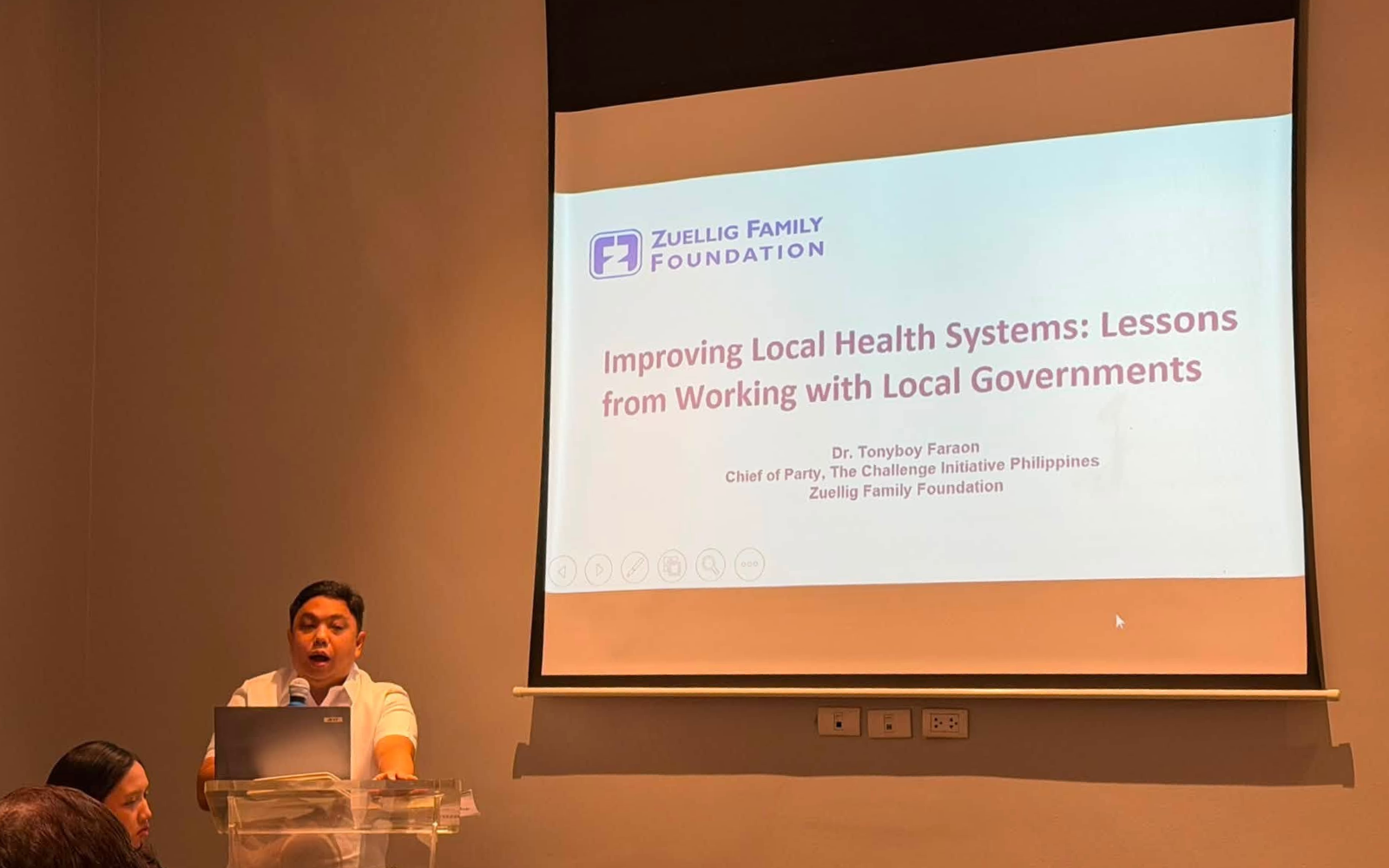 Photo above: Dr. Faraon shares lessons from the ZFF’s work with LGUs on strengthening health systems.
Seven years of UHC: what have we learned?
The UHC Act gave the country a strong framework for reform. Seven years after its passage, however, implementation remains uneven.
We see this in our work with LGUs. Some local governments have moved much further in integrating their health systems, strengthening primary care, using data, and mobilizing resources. Others continue to struggle with workforce shortage, financing, referrals, and governance.
Perhaps the UHC conversation now needs to move beyond asking, “What new law do we need?” We should also ask, “What have we learned from implementing the law we already have?”
There may be provisions Congress needs to revisit. But any amendments should be informed by what governors, mayors, health officers, frontline workers, and patients are actually experiencing.
Sometimes the problem is the law. Sometimes it is the implementing rules or financing. And sometimes local institutions simply do not yet have the capacity to do what national policy expects of them.
Knowing the difference matters.
The learning crisis may begin before school
One discussion that particularly stayed with me was malnutrition.
Despite the First 1,000 Days Law, stunting remains disturbingly high. Recent national data cited by the Second Congressional Commission on Education (EDCOM 2) showed that 25.3 percent of Filipino children under five are stunted, roughly one in four, and that the rate had increased for the first time in a decade.
This should concern not only those working in health and nutrition. It should concern everyone working in education.
EDCOM 2 has highlighted how poor nutrition in early childhood affects children’s readiness and ability to learn. We often discuss the learning crisis in terms of classrooms, teachers, textbooks, and curriculum. All are important. But some children arrive at school already disadvantaged by what happened, or failed to happen, during pregnancy and their first two years of life.
Health, nutrition, and education cannot be treated as separate problems when they converge in the same child.
 Photo above: A rural health unit staff member conducts a check-up on an infant, a critical primary care service for early detection of malnutrition and other health issues.
We don’t just need more health workers
The usual health workforce conversation focuses on numbers: How many doctors, nurses, and midwives do we lack?
But our discussion went further. We also need to ask where health workers are located, whether their competencies match population needs, what they are legally allowed to do, and whether our different professional laws work together as a coherent health workforce policy.
The laws governing medicine, nursing, midwifery, and other professions were enacted at different times and developed largely within their respective professions. Perhaps it is time to examine them together.
Could a comprehensive review, or even an omnibus health workforce framework, address outdated or conflicting provisions and clarify task sharing, career pathways, deployment, and emerging roles in primary care?
This is not about lowering professional standards. It is about asking whether our regulatory framework still matches the health system we are trying to build.
Hospitals matter, but so does what happens before the hospital
There will always be pressure to build and upgrade hospitals. Understandably so. People can see a new hospital and immediately recognize the government’s investment in health.
But UHC cannot be built around hospitals alone.
For most Filipinos, the health system should begin much closer to home: the health center, barangay health station, or primary care provider.
That is where children should receive vaccines, women should have access to family planning and maternal care, hypertension and diabetes should be detected early, malnutrition should be identified, and common illnesses should be managed before they become emergencies.
So yes, let us continue improving hospitals. But we should be equally serious about strengthening the front door of the health system.
A new facility without enough health workers, medicines, diagnostics, information systems, or a working referral network is not yet a functioning primary care system.
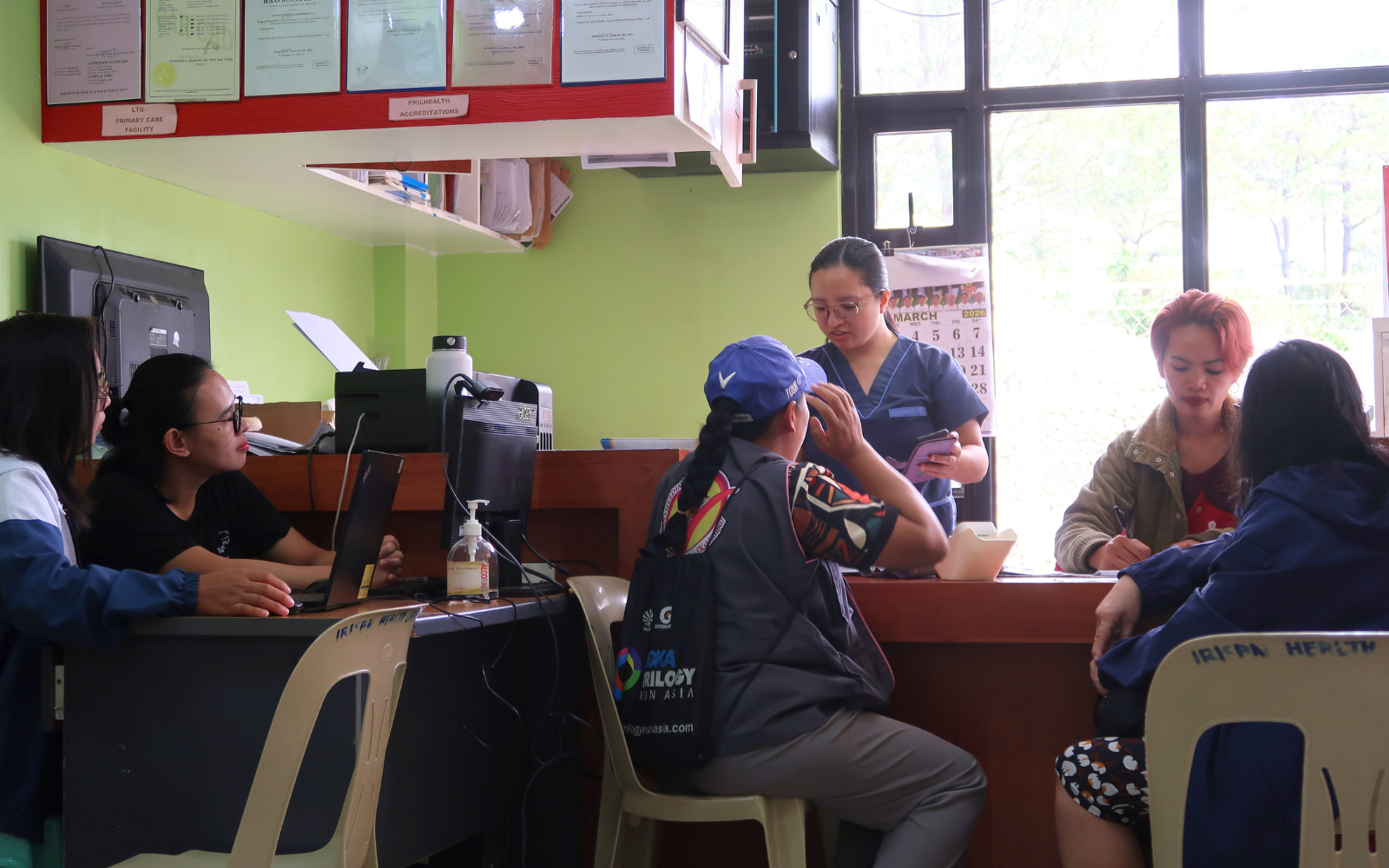 Photo above: Barangay health workers assist with patient registration at a primary care facility.
Innovation must eventually reach the patient
Our conversation on medicines raised another difficult question: How can Filipinos gain earlier access to innovative medicines and technologies while ensuring rational use, affordability, and value for limited public resources?
We need to look at the whole pathway: FDA regulation, health technology assessment, formulary decisions, procurement, financing, and ultimately whether the medicine reaches the patient.
Innovation and rational use need not be opposing goals. We need institutions capable of evaluating new technologies rigorously but efficiently. When something provides meaningful benefit and value, the health system should be able to make it accessible beyond those who can afford to pay out of pocket.
Congress can help by looking at where existing processes have become unnecessarily slow, fragmented, duplicative, or no longer fit for purpose.
National or local?
At one point, we discussed whether provincial hospitals and other devolved health services should simply be returned to the national government.
I understand the attraction. LGUs vary enormously in resources and management capacity.
But simply changing who owns a hospital will not automatically solve weak financing, management, or accountability.
Perhaps the better question is: What should the national government do, what should LGUs do, and what should they do together?
The UHC Act points toward integration, pooled financing, provider networks, and shared accountability. Before reversing devolution, we should understand why these mechanisms have not worked as well or as quickly as intended.
 Photo above: Participants of the July 30 GoodGov Exchange round table discussion pose following a productive exchange on UHC implementation.
Where reform becomes real
I left the session encouraged, not because we agreed on everything. We didn’t. That was precisely what made the exchange worthwhile.
The legislators asked practical questions. They challenged assumptions. More importantly, they seemed interested not only in what another law could mandate, but in what happens after Congress passes one.
From years of working with local governments, we know that the better-performing LGUs are not necessarily the wealthiest. What often distinguishes them is committed leadership, functioning institutions, good use of data, strong partnerships, and the ability to translate resources into services people actually experience.
Congress has an important role in creating the laws, budgets, and incentives that make this possible. But local governments also have something valuable to offer Congress: evidence from implementation.
Perhaps we need more conversations where those two worlds meet.
Because Filipinos do not experience Universal Health Care through the text of a law.
They experience it when the health center is open, when a health worker is available, when a child receives the right nutrition and vaccines, when medicines are in stock, when referrals actually work, and when getting sick does not push a family into poverty.
That is where health reform becomes real.
From Reports to Results: Making Family Planning Data Work for Local Decisions
As local governments work to strengthen family planning programs, the ability to turn routine data into timely, actionable insights has become just as important as collecting the data itself. In this thought piece, Dr. Anthony Faraon, Chief of Party of The Challenge Initiative (TCI)-Philippines at Zuellig Family Foundation (ZFF), examines a TCI Community of Learning brown bag session that featured promising practices from Central Luzon.
Photo above: TCI-Philippines’ first Community of Learning exchange last July 21, 2026.
—
During our recent Community of Learning brown bag session, Dr. Dhick Talion, Regional Family Planning Program Manager, Department of Health-Center for Health Development Central Luzon, shared how the region transformed the way it manages family planning data. What stayed with me was not the dashboard itself, but the thinking behind it.
Central Luzon manages family planning data across seven provinces, two highly urbanized cities, 13 component cities, 115 municipalities, more than 3,000 barangays, and over 300 rural health units. With almost 13 million people, the region processes thousands of service statistics every quarter. Collecting the data was never the problem. The real challenge was helping health workers and managers make sense of it and use it for better decisions.
Many frontline staff spent too much time preparing reports, checking computations, and reconciling figures. By the time the reports reached managers, there was little time left to ask the more important questions. What do these numbers tell us? Which communities need attention? What should we do differently?
The shift from the modern contraceptive prevalence rate to the demand satisfied indicator made the work even more challenging. Demand satisfied* gives a better picture of whether women who want modern family planning are actually receiving it. But it also requires new computations and a different way of interpreting data. For already overworked health workers, it added another layer of complexity.
Instead of simply building another dashboard, the Central Luzon team stepped back and redesigned the whole reporting process.
They developed an Excel-based M1 reporting tool that requires data to be entered only once and automatically generates monthly, quarterly, and annual reports. Provincial templates then consolidate reports while checking for inconsistencies, such as differences between the previous month’s ending current users and the next month’s beginning count.
Only after the data have been recorded, consolidated, and validated are they presented through the barangay level dashboard. That sequence is worth emphasizing. The dashboard is not the innovation. It is the result of a system that produces reliable information.
Looking at data by barangay also changes the conversation. A municipality may appear to be performing well overall, yet several barangays may still have low demand satisfied, a large number of women with unmet need, or performance that has remained flat for several quarters. Some areas may even report unusually high figures that deserve another look.
This allows managers to focus their attention where it is needed most. One barangay may benefit from stronger demand generation or supportive supervision. Another may need better referral systems, more providers, or simply a review of reporting practices. High performing barangays can also offer lessons that others can adapt.
Equally important, the dashboard was never meant to rank or blame health workers. It starts conversations. It encourages managers to ask why performance differs, what challenges frontline staff are facing, and what support they need. It also reinforces that planning targets are meant to guide resource allocation, not become quotas that compromise informed choice.
Several factors helped make the system work.
Regional leadership recognized that implementers needed help adjusting to a new indicator and invested in practical solutions. Capacity building did not end after introducing the tools. Staff received coaching through program implementation reviews, training activities, and regular coordination meetings until they became comfortable using them. Standardized reporting processes reduced unnecessary variation across provinces and cities. Most importantly, local governments saw the dashboard as a management tool for their own planning rather than another compliance requirement.
The discussion that followed also reminded us that technology alone is never enough. Many local governments still rely on nurses, midwives, designated staff, or job order personnel to manage data while carrying several other responsibilities. Frequent staff turnover makes it difficult to sustain gains. Strengthening monitoring and evaluation capacity, investing in people, and recognizing data management as an essential health system function remain just as important as improving technology.
Perhaps the biggest lesson from Central Luzon is that innovation does not always require expensive software. Excel and Google Sheets were enough because they responded to real operational problems and were supported by leadership, coaching, and local ownership.
At the end of the day, the most important outcome is not a better dashboard. It is a healthier culture of using data. Reports are no longer prepared simply because they are required. They become tools for asking better questions, directing limited resources where they are needed most, supporting frontline workers, and improving services for families.
As Dr. Tallion reminded us, the dashboard was never the destination. It simply helped bridge routine reporting and better decisions. For local governments working to strengthen family planning programs, that may be the lesson worth remembering. Collect less for compliance. Understand more for action. And let data make the work of health workers, and the lives of the families they serve, a little better.
—
* Demand satisfied refers to the percentage of women of reproductive age who want to delay or avoid pregnancy and are actually using a modern contraceptive method.
Author: Dr. Anthony Faraon, ZFF TCI-Philippines Chief of Party
Beyond the Success, What Bangladesh’s Family Planning Journey Teaches Us Next
In this field note, Dr. Anthony Faraon, Chief of Party of The Challenge Initiative (TCI)-Philippines at Zuellig Family Foundation (ZFF), reflects on Bangladesh’s family planning success and the need to adapt as progress plateaus. Observing a TCI workshop in Dhaka, he notes that sustaining gains now requires stronger urban governance, local ownership, and coordination—shifts he saw emerging among city leaders, with lessons drawn from the Philippines’ experience.
—
Bangladesh has long been recognized as one of the world’s family planning (FP) success stories. Despite many social and economic challenges, the country achieved impressive gains in contraceptive use and fertility reduction through strong national leadership, an extensive community based workforce, and consistent support from government and development partners.
After spending a week in Dhaka supporting The Challenge Initiative (TCI) Bangladesh’s first Master Training of Trainers (MTOT), I came away with a deeper appreciation of how health systems must continue to evolve. Bangladesh has built a solid foundation in FP, but like many countries, it is now facing a different set of challenges. The question is no longer simply how to increase access to services, but how to sustain progress in rapidly growing cities.
Related articles:
- Why The Challenge Initiative and Evidence-based Strategies for Family Planning Matter More Than Ever
- TCI-Philippines Draws Lessons from Indonesia’s Family Planning Landscape
What struck me most was not the technical discussions on FP, but how the health system is organized.
Compared with the Philippines, Bangladesh has a different way of delivering urban health services. Responsibilities are shared among several national ministries, city corporations, specialized agencies, and a large number of non-government organizations (NGOs). Together they have built a system that has delivered results for many years. At the same time, this arrangement also means that improving services depends not only on good technical interventions but also on strong coordination among many different actors.
In many ways, Bangladesh was once the poster country for FP. Today, however, it appears to be entering a new phase where earlier gains have started to level off. This does not diminish what the country has accomplished. Rather, it suggests that the strategies which worked well in the past may now need to be complemented by approaches that strengthen urban governance, local ownership, and health system performance.
Throughout the workshop, three topics kept coming up during discussions and group work: data, leadership, and financing. These themes reflected many of the issues identified in the baseline assessment. While facilities continue to serve large numbers of clients, most clients still use short acting methods. NGOs continue to provide a significant share of urban FP services. Gaps also remain in counselling, facility infrastructure, and provider capacity. These findings suggest that improving FP is no longer just about increasing service volume. It is about improving quality, expanding method choice, strengthening systems, and helping cities use data to guide decisions.
One observation stayed with me throughout the workshop.
The MTOT brought together the leadership of the Dhaka South City Corporation. During the different workshop exercises, I saw how discussions gradually shifted from identifying problems to recognizing the city’s own role in addressing them. There was a noticeable sense of ownership developing as participants discussed what they themselves could do moving forward.
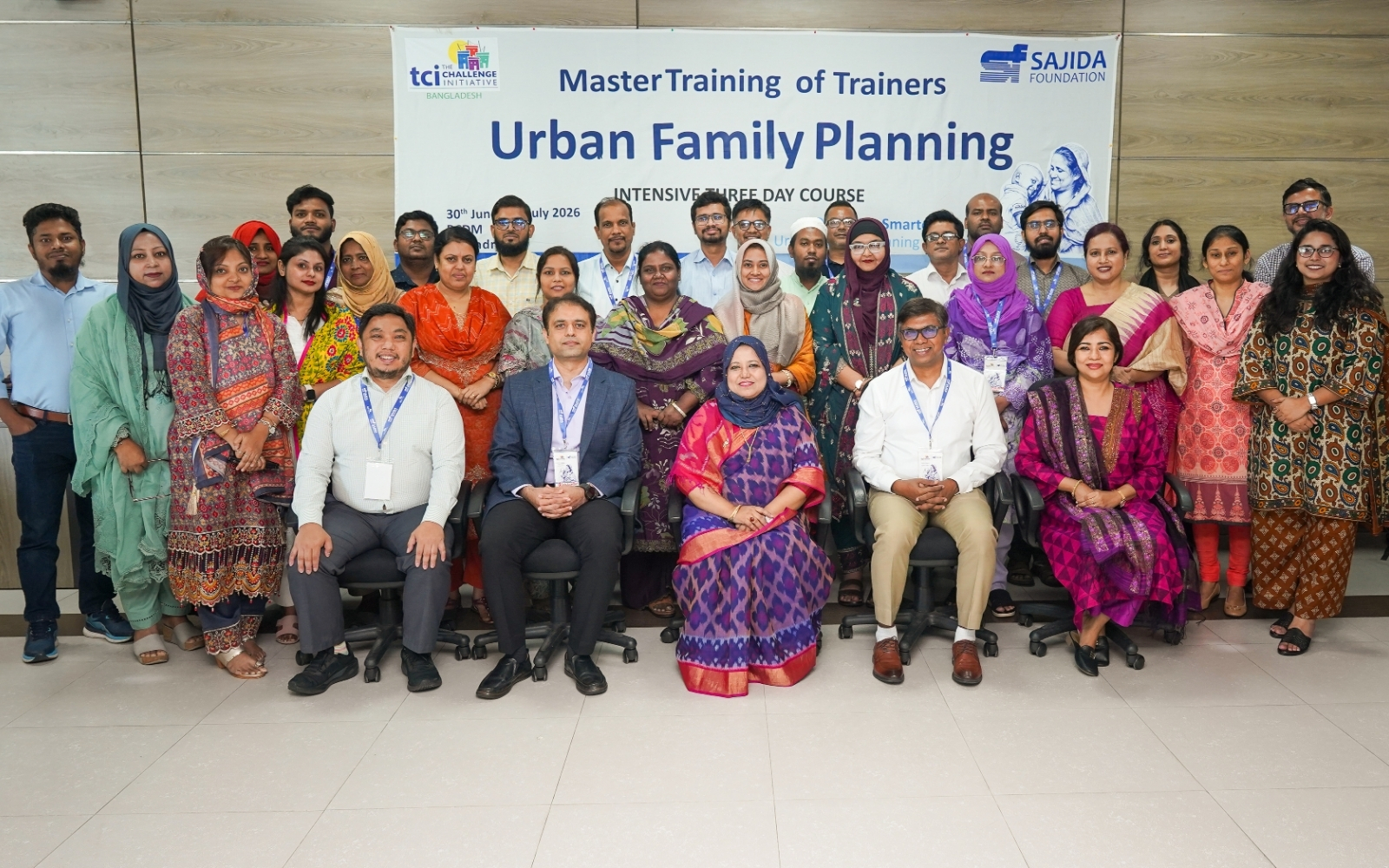 Photo above: City leaders and TCI facilitators gather in Dhaka, representing the collaborative network sustaining Bangladesh’s urban family planning gains.
Another reflection relates to the role of NGOs.
Bangladesh’s FP achievements would not have been possible without them. NGOs have expanded access, introduced new approaches, and reached communities that government services alone may not have been able to serve. Their contribution remains one of the country’s greatest strengths. Looking ahead, however, there may be an opportunity to continue strengthening public institutions so that government and NGOs work side by side as partners, rather than having public services depend heavily on external support. This is not about reducing the role of NGOs. It is about building a system where both sectors continue to complement one another in a sustainable way.
This is where I saw an interesting comparison with the Philippines.
Over the years, the Philippine health system has gradually strengthened local government ownership, planning, financing, and accountability. Bangladesh, on the other hand, has shown how partnerships with NGOs can significantly expand reach and service delivery. Neither approach is better than the other because each reflects its own history and context. Instead, both countries have something to learn from one another. The Philippines can continue improving how it works with NGOs as long term implementation partners. Bangladesh may find opportunities to further strengthen city leadership, local financing, and institutional ownership of urban health services.
Perhaps my biggest takeaway was that sustaining success often requires different solutions from those that created the success in the first place.
Bangladesh’s earlier achievements were built on strategies that responded well to the country’s needs at that time. As cities grow and health systems evolve, the next phase may require renewed attention to governance, financing, coordination, and the use of data. It is less about introducing entirely new programs and more about helping existing institutions work better together and strengthening the capacity of cities to lead improvements themselves.
As I left Dhaka, I was reminded that health systems strengthening is not only about better policies or better technologies. It is also about helping institutions work together, building local ownership, and creating conditions where improvements can continue long after projects have ended.
Bangladesh has already shown the world what is possible through sustained investment in family planning. The next chapter may be about helping cities build on that foundation and take greater ownership of the gains they have worked so hard to achieve.
If the discussions and commitment I witnessed during the MTOT are any indication, that next chapter is already beginning.
Author: Dr. Anthony Faraon, ZFF TCI-Philippines Chief of Party
What Happens When a City Owns the Solution: Health Systems Strengthening and Governance in Mandaue City
A recent learning visit to Mandaue City provided an opportunity to showcase how local governments can strengthen health systems to improve outcomes for women, adolescents, and families. Originally envisioned as a site visit focused on maternal and child health, the discussions quickly expanded into a broader conversation on governance, leadership, financing, service delivery, and sustainability.
The visit included discussions with the City Health Office and members of the city core group, followed by a field visit to Barangay Cabancalan. Together, these engagements offered a practical demonstration of how local governments can move beyond implementing isolated health activities and instead build systems that enable sustained improvements in health outcomes.
Related articles:
- Mandaue City’s Path Toward Sustainable Family Planning and Adolescent Health
- Mandaue City Redefines Reproductive Care through Women’s Health Caravan
One theme emerged consistently throughout the discussions: transformation begins when local governments own both the problem and the solution.
City officials reflected on how their partnership with the Zuellig Family Foundation through The Challenge Initiative (TCI)-Philippines differed from traditional development assistance. Rather than introducing a predefined package of interventions, the approach focused on helping the city understand its own challenges, strengthen local capacities, and design solutions that fit its unique context. Family planning (FP) and adolescent and youth sexual reproductive health (AYSRH) served as entry points, but the broader objective was strengthening the systems that support health service delivery.
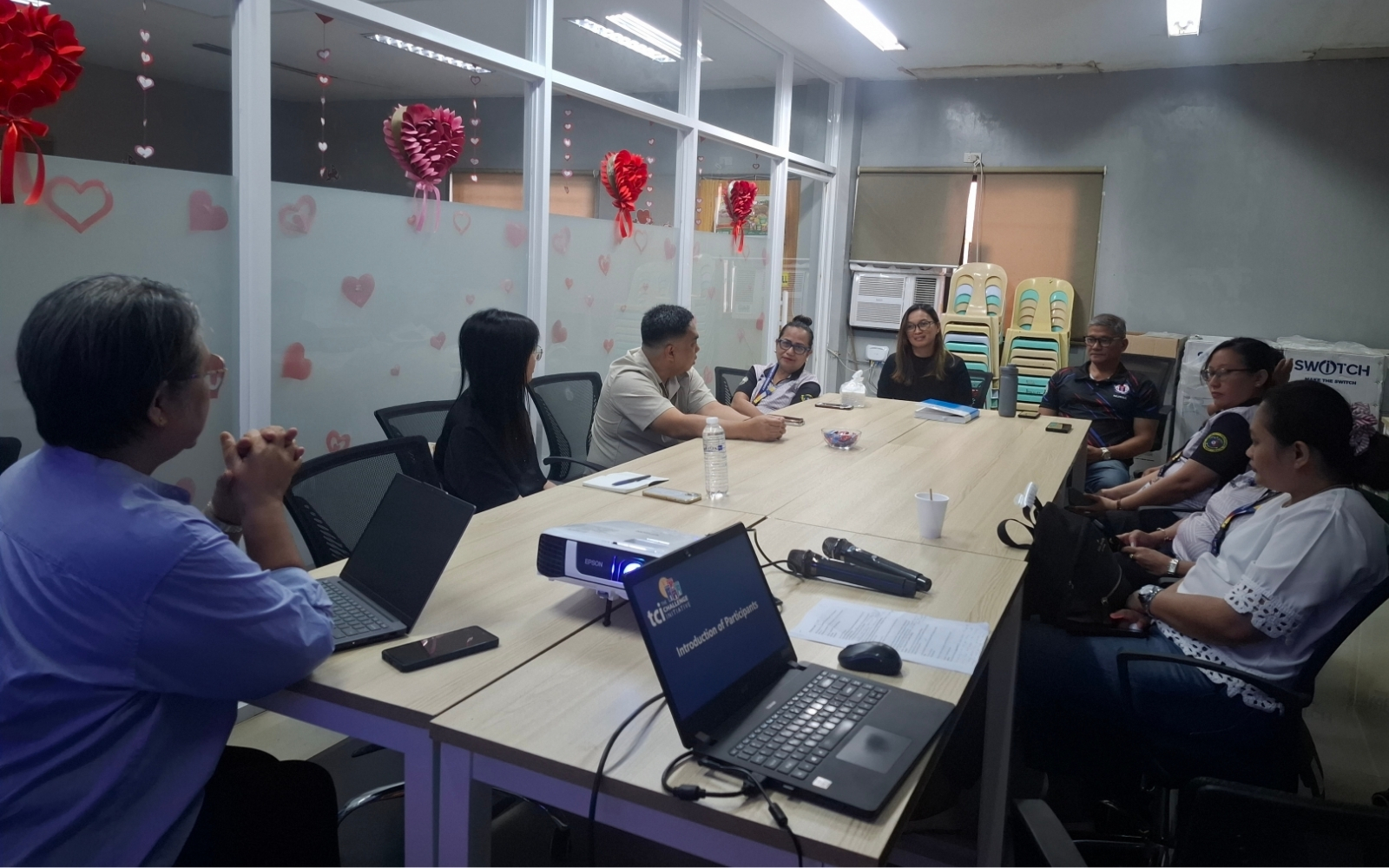
Among the most significant changes cited by city leaders was the establishment of the City Leadership Team. By bringing together representatives from health, education, social welfare, youth development, and barangay governments, the city created a platform for collective problem solving and shared accountability. Health challenges that were once viewed as the responsibility of a single office became shared concerns across sectors.
The city also highlighted the value of leadership development in enabling systems change. Stakeholders described how leadership approaches centered on stakeholder engagement, root cause analysis, and collaborative action helped build confidence in addressing complex and often sensitive issues such as FP and AYSRH.
Another recurring theme was accessibility.
The Women’s Health Caravan demonstrated how health services can be brought closer to communities rather than expecting clients to navigate barriers related to transportation cost, convenience, and stigma. What began as a family planning initiative has evolved into a more comprehensive platform delivering maternal health, AYSRH, human immunodeficiency virus and other sexually transmitted infection services, mental health support, and cancer screening. The model reflects an understanding that community needs rarely fit neatly into a single program area.
The discussions also highlighted how systems strengthening can directly improve access to services. Prior to the city’s engagement with TCI, FP services requiring specialized providers were available only at limited times and locations. Through provider training, services are now available much closer to where women live, reducing missed opportunities and improving access across communities.
The field visit to Barangay Cabancalan brought these concepts to life.
Conversations with barangay leaders and frontline providers underscored the importance of local ownership in sustaining health programs. Barangay officials described their active role in identifying community needs, mobilizing residents, supporting outreach activities, and allocating local resources. The visit demonstrated how city level policies and investments are translated into community level action through strong partnerships between local governments and frontline implementers.

The debriefing discussion reinforced the value of governance and systems strengthening approaches. While investments in leadership, governance, planning systems, and financing mechanisms may appear less tangible than direct service delivery, they often have greater long term impact because they influence how decisions are made, how resources are allocated, and how programs are sustained.
Particular interest was expressed in understanding the relationship between city governments and barangays, especially in areas such as planning, budgeting, and shared accountability. These discussions highlighted the importance of cultivating ownership at multiple levels of the local health system.
The conversation also explored how lessons from successful cities can be adapted and replicated elsewhere. Knowledge products such as implementation playbooks and city case stories generated interest because they provide practical guidance for other local governments seeking to strengthen health systems and improve outcomes in their own settings.
An important reflection from the visit was the natural alignment between maternal and child health and broader human development objectives. While sectors and organizations may use different language and frameworks, many are ultimately working toward the same goal: improving the well-being of children, families, and communities.
The visit reinforced a lesson that has consistently emerged across TCI cities. Sustainable improvements in health outcomes are rarely the result of a single project or intervention. They are achieved when local governments strengthen leadership, governance, financing, service delivery systems, and community ownership in ways that endure beyond external support.
Mandaue City provided a compelling example of how this approach can work in practice. More importantly, it demonstrated that when systems are strengthened, the benefits extend far beyond any single health program and create conditions for lasting impact across the broader health and development agenda.
Author: Dr. Anthony Faraon, ZFF TCI-Philippines Chief of Party
Why The Challenge Initiative and Evidence-based Strategies for Family Planning Matter More Than Ever
The Challenge Initiative (TCI) is a global platform that supports cities and local governments to rapidly and sustainably scale up proven primary health care solutions, particularly family planning. Rather than introducing new or parallel interventions, TCI transfers evidence-based strategies that are already known to work and supports local governments in institutionalizing these approaches within their own systems. By strengthening leadership, management, and data use at the local level, TCI achieves strong results at scale while promoting long-term sustainability. At a time of shrinking global health funding, this direction offers exceptional value for money—protecting past gains while enabling countries to expand impact with fewer external resources.
The year 2025 marked a challenging transition for TCI with its project completion. For country teams, including ours in the Philippines, 2025 raised critical questions about continuity, expectations, and sustainability. How would momentum be sustained? What would the next phase demand in terms of focus and capacity? And how could gains in family planning and adolescent, youth, and sexual and reproductive health be protected amid tighter global financing?
These questions were very much present as I travelled to Senegal to attend the TCI Global Chief of Party Meeting. There was a strong need for clarity on strategic direction, operating models, and performance expectations. Like many colleagues from other hubs, we arrived seeking reassurance and a clearer understanding of how TCI would move forward.
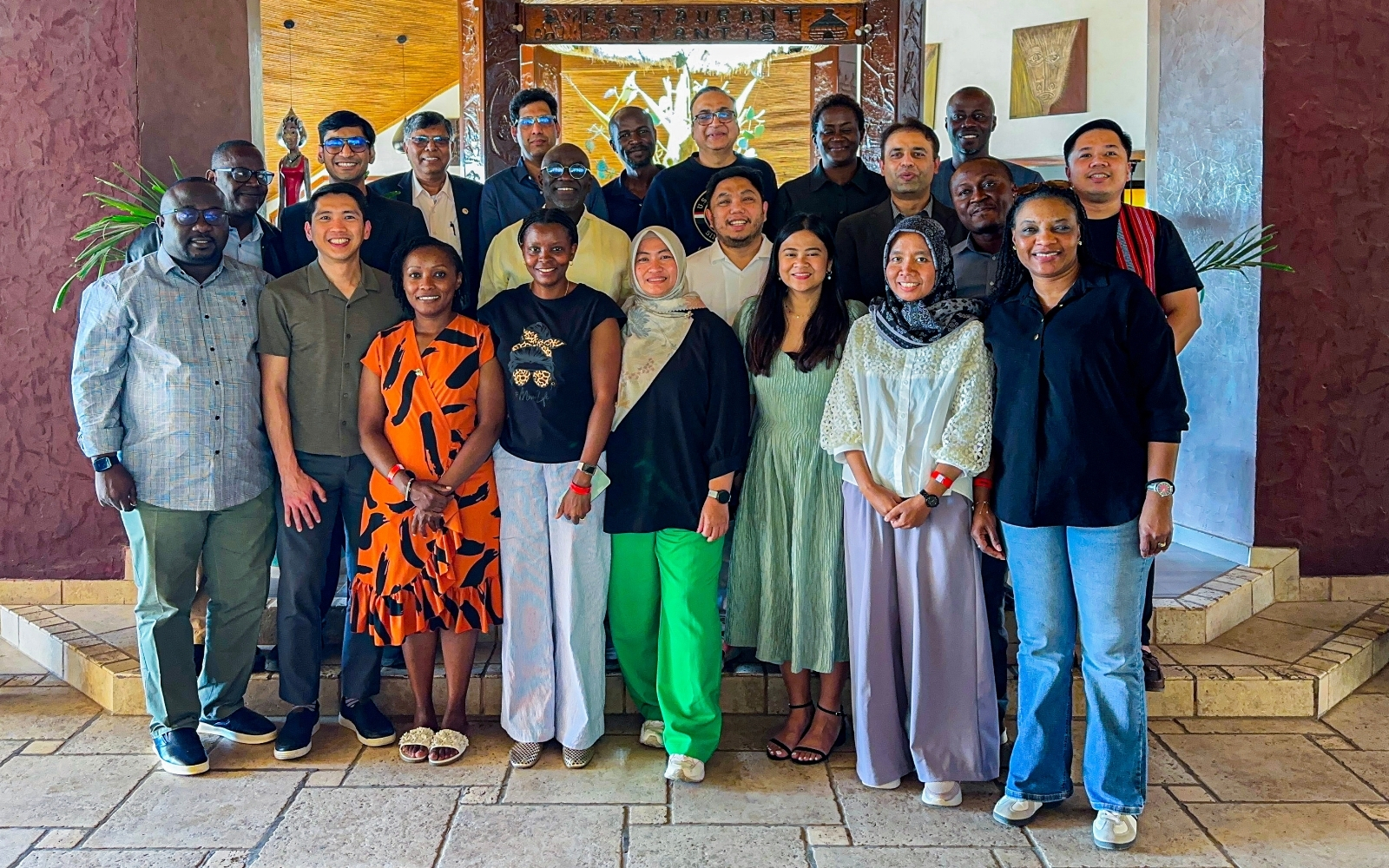
What the meeting ultimately provided was a shared perspective. Listening to the experiences of other hubs across Africa and Asia made it clear that the Philippines was not alone in navigating uncertainty. Many teams had faced similar transitions, pressures, and doubts. At the same time, they shared stories of adaptation, resilience, and continued impact. This collective reflection helped normalize the challenges of the past year and reinforced a shared sense of purpose across the global TCI community.
The discussions were grounded in realism. TCI is operating in a global environment where development assistance for health is increasingly constrained, making efficiency and focus more critical than ever. The meeting acknowledged these realities openly, including leaner global support structures and the need for greater hub-level autonomy. Importantly, this shift was framed not as a setback, but as an evolution toward a more mature and sustainable operating model.
For the Philippines, this message resonated strongly. Over the past years, TCI, in partnership with the Zuellig Family Foundation, has demonstrated its role as a powerful scale-up engine, enabling cities to rapidly expand access to modern family planning services using proven approaches. By working through local governments, TCI strengthens health systems, builds institutional capacity, and embeds data-driven decision-making where it matters most. These are not short-term wins, but foundational improvements designed to endure beyond external support.
This is precisely why TCI matters now more than ever. In a context of shrinking global health budgets, TCI’s model delivers high impact at relatively low cost. By leveraging existing systems, local leadership, and tested practices, TCI maximizes return on investment while reducing long-term dependence on donor funding. It protects what has already been achieved and enables countries to do more with less.
The global meeting reinforced this value proposition. Despite the uncertainties experienced in 2025, the collective results from the NextGen phase demonstrate TCI’s credibility and global reach. Across multiple countries, TCI-supported cities have reached millions of women with family planning services, contributing to healthier families and stronger communities. These results are measurable, well documented, and replicable across diverse contexts.
Encouragingly, the meeting also brought clarity and optimism about the future. Continued funding from Bayer, alongside ongoing discussions with other partners, signals sustained confidence in TCI’s approach. While resource mobilization remains a shared responsibility, the opportunity ahead is clear. TCI offers a compelling platform for donors seeking efficient, scalable, and sustainable investments in primary health care and family planning.
For our team in the Philippines, the meeting was both affirming and energizing. It validated the strategic direction we are taking under TCI 20.30, with an emphasis on prioritization, operational efficiency, and strong local ownership. Approaches such as clustered city support, streamlined reporting, and practical, on-demand access to knowledge at the facility level align well with the global push to simplify systems while safeguarding results.
Leaving the meeting, the uncertainty that characterized much of 2025 gave way to clarity, reassurance, and confidence. TCI is entering its next phase not as an untested initiative, but as a proven mechanism for translating global evidence into local impact. For governments, partners, and donors committed to advancing primary health care and family planning, TCI represents an opportunity to protect past investments and scale what works in a way that is efficient, locally led, and built to last.
Author: Dr. Anthony Faraon, ZFF TCI-Philippines Chief of Party
TCI-Philippines Draws Lessons from Indonesia’s Family Planning Landscape
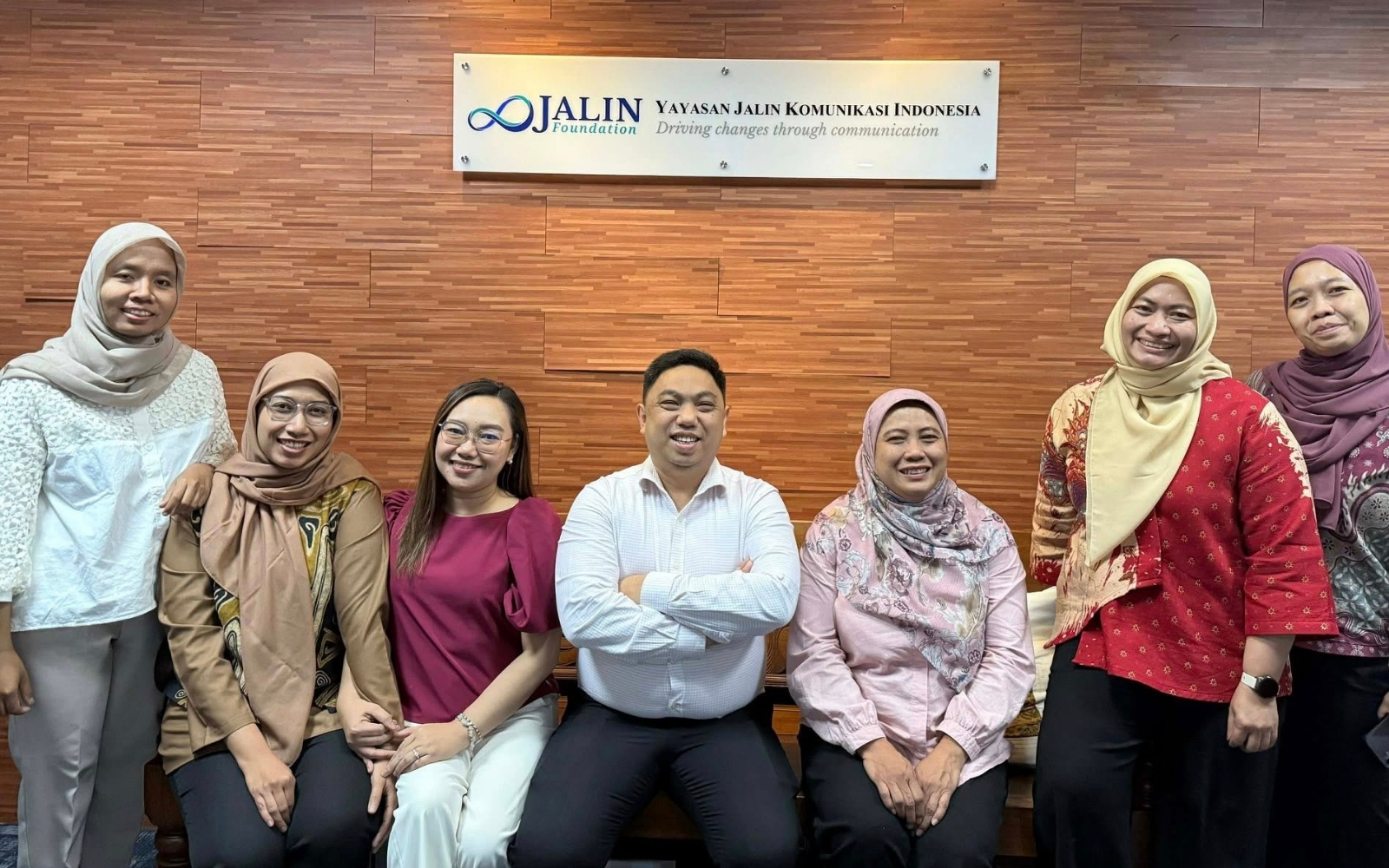
The Indonesia landscaping workshop last December 2025, in partnership with Jalin Foundation and supported by The Challenge Initiative (TCI)-Philippines and global colleagues, offered a rare glimpse into a country with a rich family planning (FP) history and a health system in active transition. Designed to help local partners prepare for the launch of the new TCI Indonesia Hub, the workshop surfaced valuable insights about Indonesia’s strengths, complexities, and emerging opportunities for impact.
A Strong National FP Foundation
Indonesia’s national FP program reflects decades of progress and remains one of the strongest in the region. The 2024 Family Data Update highlights a modern contraceptive prevalence rate (mCPR) of 62.38% among married women, alongside a stable method mix dominated by injectables and pills, with gradual growth in implants and IUDs. These indicators demonstrate a solid foundation on which cities and districts can continue expanding FP access and strengthening quality of care.
A notable structural feature is that these indicators apply only to married women, as public facilities provide FP services exclusively to married clients. Adolescents and unmarried women typically rely on private providers and pay out of pocket—a big difference from the Philippine context, where FP services in public facilities are universally available regardless of marital status.
City-Level Diversity as an Opportunity
Beneath Indonesia’s strong national picture lies significant variation across cities, not as weaknesses, but as opportunities for more tailored, context-driven strategies. mCPR among married women ranges from 37.9% in Central Jakarta to 61.2% in Bandung, while unmet need* ranges from 16.0% to 35.0%. Several cities are already surpassing national targets for long-acting reversible contraceptives (LARC) uptake, while others show steady upward trajectories.
This diversity underscores the value of localized action plans and city-led decision-making—precisely the environment where TCI’s coaching approach can help accelerate progress.
Urban Realities: A Unique Set of Challenges and Strengths
Indonesia’s cities present a mix of robust service platforms and distinct implementation challenges. With more than 53,000 FP service points, the country benefits from wide availability of services. A unique feature is the strong presence of independent midwife practices, which provide FP services to 36.46% of married women, a larger share than in the Philippines, where public health centers are the primary FP providers.
Workshop discussions highlighted several key opportunities for Indonesia’s cities:
- Supporting FP method continuation in fast-paced urban environments.
- Strengthening counselling and side-effect management to reduce switching and discontinuation of FP methods.
- Enhancing postpartum FP, especially given the country’s high postpartum visit coverage (77.63% nationally).
These are natural challenges in any large, diverse urban setting—the very challenges that TCI aims to help cities address through practical tools, coaching, and evidence-based interventions.
A Decentralized System With Parallels, and Distinctive Features
Indonesia, like the Philippines, operates a decentralized governance system where districts and cities oversee FP implementation. The two countries share common experiences related to varying local priorities, the importance of local champions, and the need for strong coordination across sectors.
However, Indonesia’s system also has distinct characteristics, including:
- Centralized procurement of FP commodities handled by BKKBN (Badan Kependudukan dan Keluarga Berencana Nasional, “National Population and Family Planning Board”), ensuring national-level consistency in supply.
- Implementation led by district and city health offices, creating a clear division between national procurement and local service delivery.
- Strong community-based cadres, such as the TPK (Tim Pendamping Keluarga, “Family Support Team”), who play an active role in family development and outreach.
These features shape Indonesia’s FP landscape in unique ways and offer a clear structure for where TCI support can add value.
FP at the Center of Human Capital Development
One of Indonesia’s strongest assets is its ability to position FP within a broader development vision. Under BKKBN’s 2025–2029 Transformation Priorities, FP is deeply connected to:
- reducing stunting,
- supporting youth development,
- strengthening family resilience,
- driving digital innovation through tools like SIGA (Sistem Informasi Keluarga, “Family Information System”), and
- advancing community-based behavior change.
This framing aligns FP with Indonesia’s long-term human capital goals, creating a powerful foundation for TCI to build upon as it supports cities in designing integrated, family-centered FP strategies.
Looking Ahead
The workshop revealed a country that is not only committed to FP, but also fully prepared to take its next strategic leap. Indonesia’s strong policy environment, extensive service delivery platforms, and energized local actors create an ideal landscape for the establishment of the TCI Indonesia Hub.
The momentum is clear: city leaders, local health offices, community cadres, and national counterparts all demonstrate readiness to adopt practical, and scalable approaches. With TCI’s coaching support, Indonesia is well-positioned to accelerate the translation of national priorities into city-level results, particularly in expanding choice, improving service quality, and reaching underserved urban populations.
* Unmet need refers to the proportion of women of reproductive age who want to delay or stop childbearing but are not using any method of contraception.
Author: Dr. Anthony Faraon, ZFF TCI-Philippines Chief of Party
Reflections on Strengthening Local Leadership and Governance Practice
Serving as a panelist for two institutions undergoing Performance Governance System (PGS) assessments—the Local Government Unit (LGU) of Limay and Navotas City Hospital (NavCH)—offered me a rare vantage point into how governance, when taken seriously, becomes a living system that shapes culture, performance, and ultimately, the well-being of communities. These experiences, grounded in the work of the Institute for Solidarity in Asia (ISA), provided valuable insights that deeply align with the health governance principles we advance in the Zuellig Family Foundation (ZFF). They affirmed a central truth: governance is essential, and there is a replicable system that helps leaders translate aspirations into measurable progress.
Leadership Ownership as the Foundation
One of the most striking observations from both Limay and NavCH was the strong ownership shown by senior leaders. In Limay, the mayor and department heads demonstrated not only familiarity with their strategies but also a commitment to embedding these into the LGU’s day-to-day governance. In NavCH, the hospital director and management team exhibited similar dedication—an understanding that achieving proficiency under PGS is not merely a compliance exercise but a strategic shift in how the institution envisions its role in delivering quality health services.
This leadership ownership is not symbolic; it is operational. At both institutions, strategies were cascaded down to staff, creating alignment across units and ensuring that the work of frontline personnel was directly tied to broader institutional goals. This echoes one of ZFF’s long-held principles: transformation happens when leaders champion the change and empower others to carry the vision.
The Power of Multisectoral Engagement
Both Limay and NavCH demonstrated the value of multisectoral councils—a core requirement of the PGS. These councils provided governance structures with breadth and diversity, enabling a wider range of stakeholders to co-own the institution’s goals. The councils asked thoughtful questions, brought in external perspectives, and reinforced transparency and accountability.
For ZFF, this reinforces what we have long practiced in our Health Leadership and Governance Program (HLGP): sustainable health outcomes require whole-of-community engagement. The PGS experience affirms that multisectoral structures remain essential—not as peripheral advisory bodies but as strategic partners in steering direction and sustaining momentum.
Integration: A Natural Area for Strengthening

In both Limay and NavCH, one area that emerged as part of their ongoing governance journey is the need to further harmonize the many strategies, programs, and performance requirements that institutions must manage. This is not a shortcoming; rather, it is a common reality for dynamic organizations operating in complex environments. As priorities expand and new mandates are introduced, institutions are continually challenged to ensure that their strategies remain coherent and mutually reinforcing.
Similarly, the refinement of outcome measurement continues to evolve. Both institutions have already established solid foundations for tracking progress, and they are now at the stage of sharpening how these metrics can more clearly reflect the quality and impact of their work. This is a natural progression—moving from counting activities to capturing meaningful changes in the lives of the people they serve.
These insights resonate with what we observe in our work at ZFF: institutions that are growing and maturing often reach a point where aligning strategies and deepening measurement become opportunities for greater clarity and acceleration. Rather than obstacles, they signal that an organization is ready to move to the next level of governance practice.
What This Means for ZFF’s Work
My experience as a panelist affirms that the PGS model has elements that are highly relevant to ZFF’s approach to health governance. Several insights stand out:
- A structured governance framework accelerates transformation. The discipline of strategy maps, scorecards, and accountability mechanisms strengthens institutions’ ability to operationalize reforms—a lesson ZFF can integrate more deliberately in helping LGUs sustain health systems improvements.
- Cascading strategies to frontline workers must be intentional. Just as PGS requires, ZFF can encourage LGUs and health facilities to ensure that midwives, nurses, barangay health workers, and administrative staff all understand how their roles contribute to health outcomes.
- Multisectoral bodies must evolve from being consultative to being strategic partners. The PGS Governance Council offers a model for how ZFF-supported local health boards and local health teams can deepen their engagement, shift from compliance to stewardship, and anchor decisions on evidence.
- Measurement should be simplifiable and meaningful. ZFF’s metrics for health leadership and systems development can benefit from the PGS discipline of focusing on indicators that truly reflect progress and impact.
A Replicable System for Better Governance
What makes the PGS experience compelling is its replicability. While the contexts of Limay and NavCH differ, both institutions benefited from a governance system that is structured, strategic, and grounded in accountability. For ZFF, this reinforces our core belief that effective governance is not accidental—it is built, practiced, and continually refined.
As we continue working with LGUs and health facilities across the country, integrating these insights can help strengthen our approach and deepen the impact of our leadership and systems development programs. The PGS experience is a reminder that governance is not only possible, but transformative, when leaders embrace a clear system and commit to sustaining it.
Photos from: ISA
Author: Dr. Anthony Faraon, ZFF The Challenge Initiative-Philippines Chief of Party
Leading from the Future: Reflections from the International Conference on Family Planning
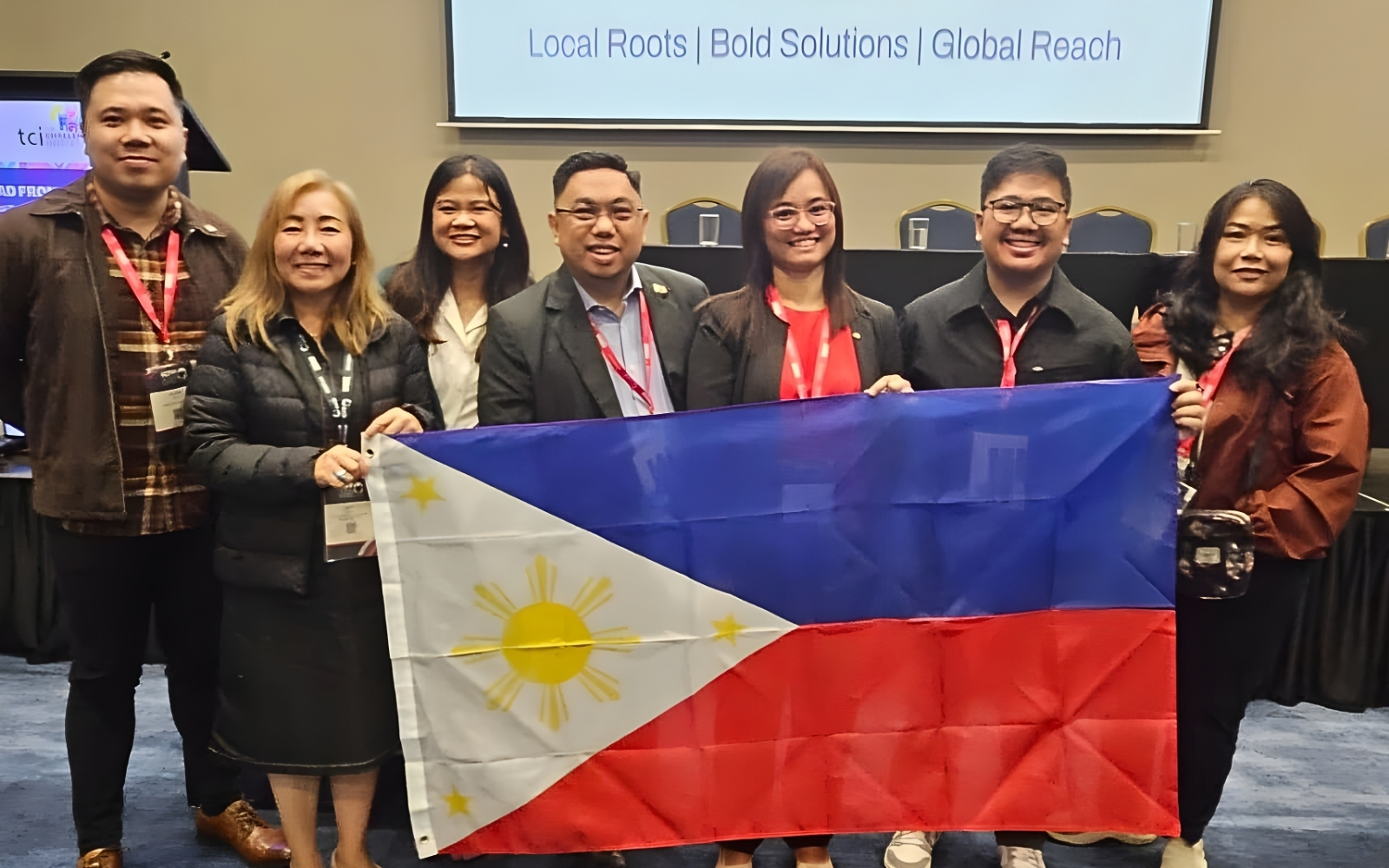
When our team boarded the flight to Bogotá for the 2025 The Challenge Initiative (TCI) Annual Meeting and the International Conference on Family Planning (ICFP), we carried more than presentations and data sets. We carried the stories of 24 Philippine cities that have chosen to lead boldly in family planning (FP) and adolescent sexual and reproductive health (ASRH). As a relatively young hub in the global TCI network, the Philippines has always been both a learner and a contributor. This year, however, felt different. For the first time, we arrived not merely to listen but to help shape the direction of the Initiative.
Related articles:
- Nine Cities Recognized as Global Self-Reliant Cities in Reproductive Health
- Eight Cities Share Success in Family Planning and Adolescent Health
A Gathering Shaped by Urgency and Imagination
The theme of the Annual Meeting, “Lead from the Future,” captured the spirit of the meeting. Representatives from six TCI hubs across 13 countries came together, each navigating shrinking donor resources, political transitions, and data challenges. Yet despite these pressures, the mood was determined and forward-looking.
In his opening message, TCI Executive Director Kojo Lokko reminded us that the Initiative’s evolution—from Good to Great and Growth Mindset to Reaching New Heights—has always pointed toward long-term sustainability. Leading from the future, he explained, requires clarity about what we hope to achieve and the discipline to act today in ways that bring that vision closer to reality.
Listening to him, I saw how closely this reflects the Philippine journey. In five years, we moved from launching a hub at the height of a lockdown to establishing governance, leadership development, data use, and sustainable financing as the backbone of city programs. Our experience has been a constant cycle of learning, adapting, and improving—often under constraints but always grounded in the belief that cities can lead the change themselves.
Local Leadership at the Center
Our delegation brought this story to the global stage through five scientific presentations at ICFP and through the voices of two city partners: Dr. Benson Panaguiton, City Health Officer of Dipolog City, and Judith Catalan Janiola, City Population Officer of General Santos (GenSan) City.
Judith’s presentation on GenSan’s experience captured attention. She described how local leaders use data not only to monitor performance but also to solve problems, realign priorities, and motivate teams. She highlighted practical actions driven by partnerships with youth organizations, faith leaders, barangay officials, and civil society groups. These efforts helped reduce teenage pregnancies and strengthened community ownership.
A Shifting Global Landscape
Across sessions—from Bayer’s keynote to discussions on domestic financing—a consistent message emerged: the global environment for FP is changing rapidly. Donor funding is tighter, pronatalist and anti-rights movements are gaining momentum, and climate disruptions are affecting service delivery. Health systems must now be more resilient, adaptable, and grounded in local ownership.
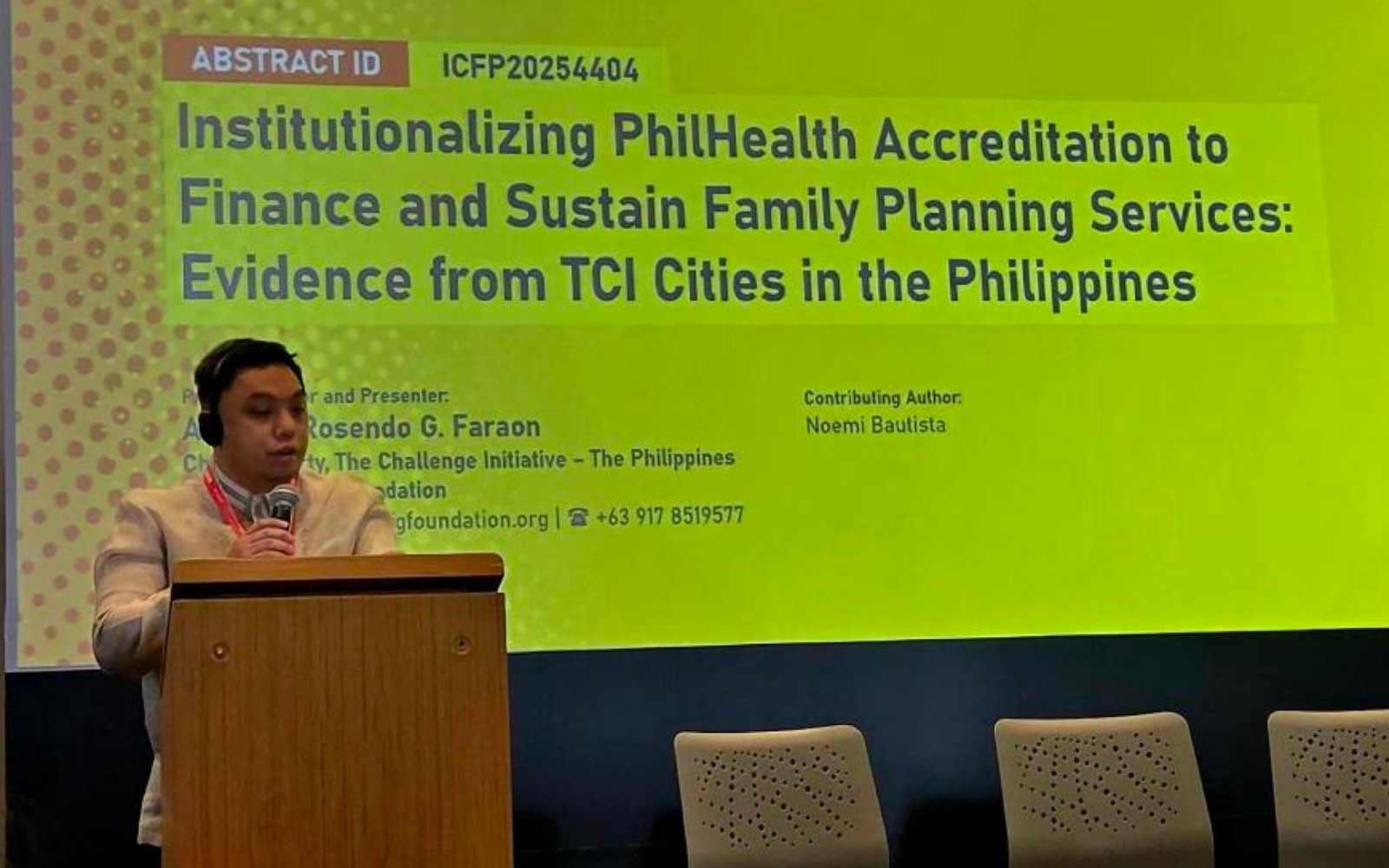
During a flash-oral presentation, I shared how Philippine cities are beginning to tap PhilHealth reimbursements to finance FP services. This drew interest, especially from teams exploring sustainable financing models. The idea that a national insurance system can support FP programs illustrates the potential of strengthening and fully utilizing local systems.
Our Monitoring, Evaluation, and Learning Manager, John David, also shared how standardized data presentations transformed city leadership meetings. Data became easier to understand and discuss, encouraging more leaders—from mayors to youth representatives—to use evidence as the basis for decisions.
Expanding the Philippine Contribution Through Posters
The delegation also presented three posters highlighting how TCI-Philippines strengthens city systems:
- Deputy Chief of Party Pamela Mangilin showcased the Leadership for Adolescent and Youth-Friendly Cities (LAYFC) youth engagement model, demonstrating how trained young leaders create safe spaces and support adolescent reproductive health.
- City Team Leader Teresa Ferrolino presented how inclusive leadership, multisector collaboration, and community involvement enable cities to integrate FP and ASRH into development plans.
- John David examined inconsistencies between local and national FP data and recommended improvements in data governance.
Collectively, these posters highlighted how the Philippine hub advances youth leadership, governance, and data quality to support sustainable FP programs.
Leading From the Future in the Philippine Context
Some of the most meaningful exchanges happened outside formal sessions. Colleagues from other countries asked how a small Philippine team expanded to 24 cities while maintaining cost-efficiency. They inquired about City Leadership Teams, budget protection, and governance reforms aligned with national systems.
These conversations confirmed that the Philippines is becoming a source of global learning. Our strength lies in combining leadership development, system integration, and practical governance tools—elements that help cities continue performing even in uncertain environments.
To lead from the future in the Philippine context means focusing on what works: building strong leaders, institutionalizing coaching and onboarding, optimizing PhilHealth financing, integrating routine data use, partnering with youth and communities, and preparing FP systems to withstand political and environmental change. It means trusting local governments to lead while providing the right support and accountability mechanisms.
A Future Already Emerging
As our delegation left Bogotá, I felt a renewed sense of direction. The future that TCI envisions is already visible in Dipolog, General Santos, Iligan, and across the other 21 partner cities. These local governments are proving that FP does not survive because of projects; it thrives because leaders take responsibility for it.
Author: Dr. Anthony Faraon, ZFF TCI-Philippines Chief of Party
Mandaue City’s Path Toward Sustainable Family Planning and Adolescent Health
The Zuellig Family Foundation, through its The Challenge Initiative (TCI)-Philippines team, met with Mandaue City Mayor Thadeo Jovito “Jonkie” Ouano, City Health Officer Dr. Debra Maria Catulong, and the dedicated staff of the City Health Office. The discussion highlighted the city’s steady progress in advancing family planning and adolescent health services over the past two years, while also laying out a shared vision to sustain and build on these gains in the years to come.
Bringing Services Closer to Families
When Mandaue City first joined TCI in 2023, access to family planning was limited. Only five midwives in the entire city had the skills to provide certain contraceptive services, and residents often had to travel far or wait for schedules to receive care. Today, that situation has been transformed. All 27 barangay health centers now have trained midwives, nurses, and doctors who can provide modern contraceptives on a daily basis.
This decentralization of services has had a direct impact on families. The city’s modern contraceptive prevalence rate has risen from 19 percent in 2020 to 30 percent in 2024—meeting the national target. Behind these numbers are women who are better able to space their pregnancies, parents who can provide for their families with greater stability, and adolescents who can make informed choices about their futures.
Related articles:
- Mandaue City Redefines Reproductive Care through Women’s Health Caravan
- Eight Cities Share Success in Family Planning and Adolescent Health
Making Services Adolescent-Friendly
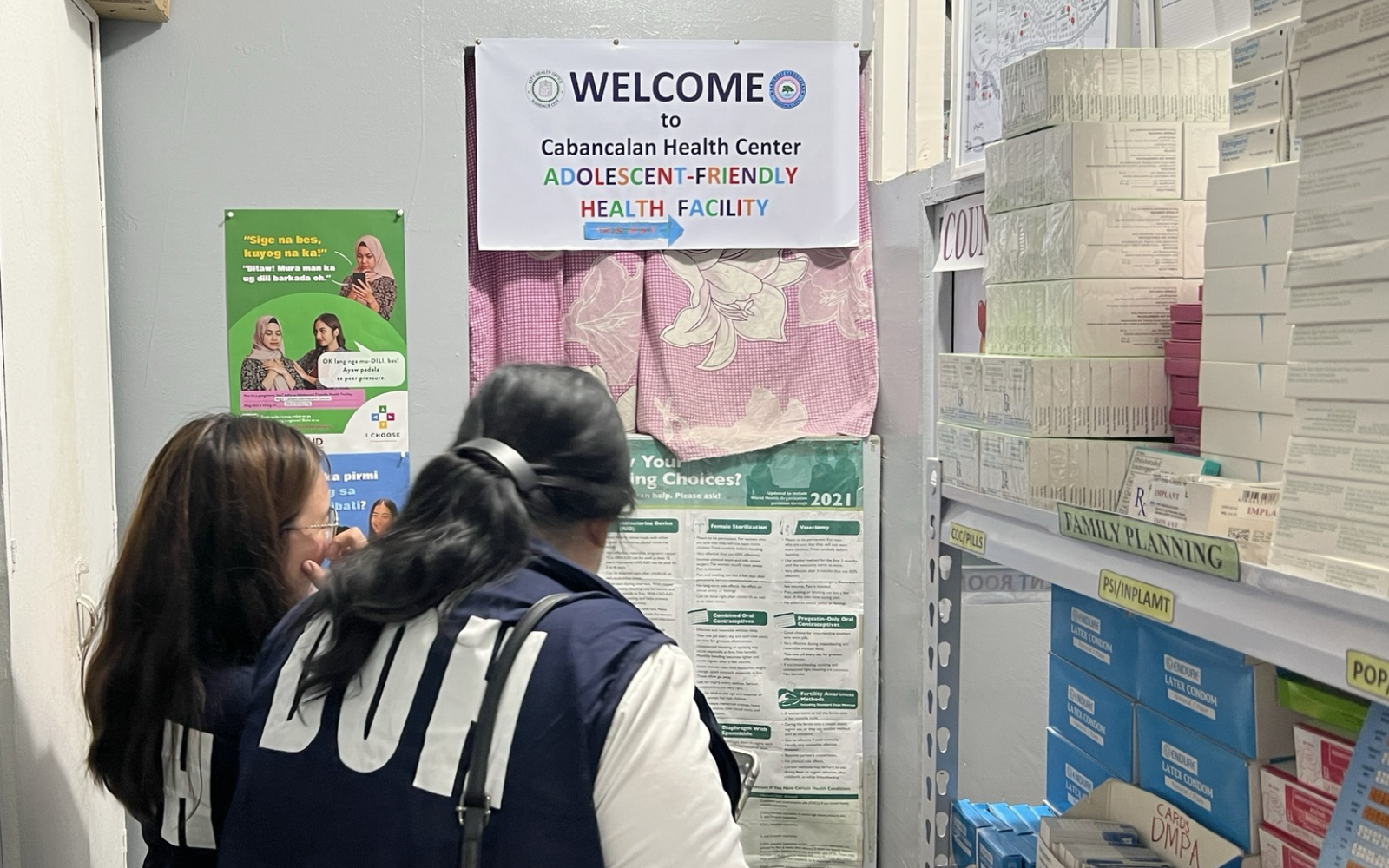
The city also recognized early on that adolescents face distinct barriers when seeking health services. Young people often hesitate to ask for help because of stigma or fear of being judged. To address this, Mandaue invested in adolescent-friendly health services (AFHS), redesigning facilities to ensure privacy and training staff to listen and respond without judgment.
As of today, ten barangays have already achieved certification from the Department of Health as adolescent-friendly, and the rest are moving toward the same goal. With these changes, adolescents in Mandaue are finding spaces where they feel welcome, safe, and respected.
Integrating Family Planning into Everyday Care
A significant innovation in Mandaue has been the integration of family planning into the full range of health activities. Whether through immunization drives, cancer screenings, or women’s health check-ups, family planning has become part of routine care. This approach helps normalize conversations about reproductive health and ensures that no opportunity is missed to provide information and services.
Investing in Sustainability
The city has also demonstrated strong political and financial commitment. From 2.5 million pesos in 2024, the budget for family planning and adolescent health rose to 12 million pesos in 2025—a fivefold increase. This reflects both the prioritization of reproductive health and the recognition of its importance in improving overall well-being.
At the same time, Mandaue is pursuing PhilHealth accreditation for its facilities and providers. This will allow reimbursements to flow back into the health system, creating a financial cycle that sustains services over time. Coupled with the Special Health Fund under Universal Health Care, the city is positioning itself for long-term continuity of family planning and adolescent health programs.
Key Lessons from Mandaue’s Experience
Several lessons stand out from Mandaue City’s journey. Strong local leadership, led by the mayor and supported by the city council, has been central to accelerating reforms. Systems change is possible when local governments commit to decentralization, integration, and youth-friendly service delivery. Listening to adolescents and families has helped ensure that services are relevant and stigma-free. Finally, financial sustainability must be built deliberately, as demonstrated by the city’s budget increases and its pursuit of PhilHealth reimbursements.
Looking Ahead
Despite these successes, challenges remain. The city aims to achieve adolescent-friendly certification across all barangays, expand peer education networks, and continue strengthening data quality and use. Ensuring a consistent supply of commodities and fully utilizing available budgets will also be critical to sustaining progress.
What is most notable is the sense of ownership within Mandaue City. Local leaders, health workers, and communities see these programs not as external projects but as their own responsibility. This perspective is the clearest sign that sustainability is within reach.

Mandaue City’s story is one of determination, innovation, and leadership. From expanding access to family planning, to creating youth-friendly spaces, to embedding sustainability through financing, the city has demonstrated how local governments can drive meaningful health reforms.
By making services more accessible to families and more welcoming to adolescents, Mandaue is showing what it means to build a healthier and more empowered community. Its experience serves as a model for other cities in the Philippines—and beyond—on how to combine political will, systems strengthening, and community-centered design to achieve lasting impact.
Meeting photos from: Mandaue City Public Affairs Office