Baguio City Advance Universal Health Plans
Baguio City is moving closer to making Universal Health Care (UHC) a reality.
Dr. Catherine Chung, Local Health Systems Director at Zuellig Family Foundation (ZFF), noted that the city has nearly completed the accreditation of all its district health centers under PhilHealth’s Yaman ng Kalusugan Program (YAKAP). Only two centers remain, while the city is also improving its electronic medical records and preparing to operationalize contracts with three private hospitals. These steps, she said, put Baguio in a strong position to shift toward a mixed health provider network that uses both public and private facilities.
These insights came during the Executive Session for Mayor Benjamin “Benjie” Magalong on August 12, 2025, organized by ZFF through its Bayang Malusog Leadership and Governance Program.
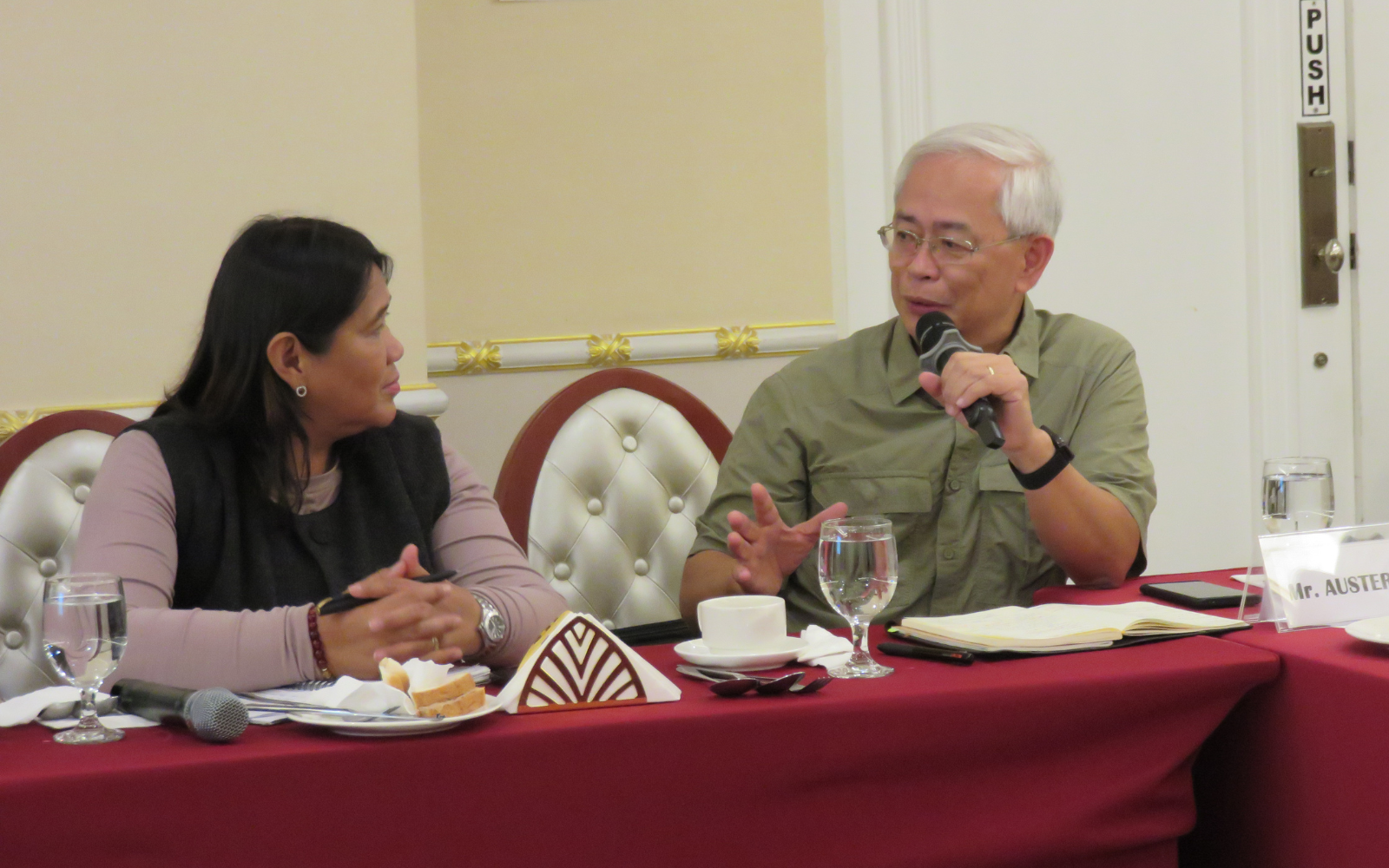
City Health Officer Dr. Celia Flor Brillantes laid out Baguio’s roadmap to UHC. PhilHealth President and CEO Dr. Edwin Mercado shared updates on YAKAP and advised the city to prepare solid contracting rules, clear fund-sharing arrangements, and even explore public-private partnership models. Austere Panadero, ZFF President and Executive Director, reminded the group of the urgency of their shared task, stressing: “We need to reach more, serve more. We need to prepare the system.” The Department of Health (DOH)-CAR also committed its full support.
Dr. Chung underscored that while Baguio is ahead, the transition will not be easy. Building a mixed-provider network demands strong governance, especially in handling contracts and finances. There is a need for local accountability systems to ensure that health funds are used properly and transparently. At the same time, she affirmed that Baguio has the right building blocks—committed leadership, technical support from PhilHealth and DOH, and active collaboration with partners.
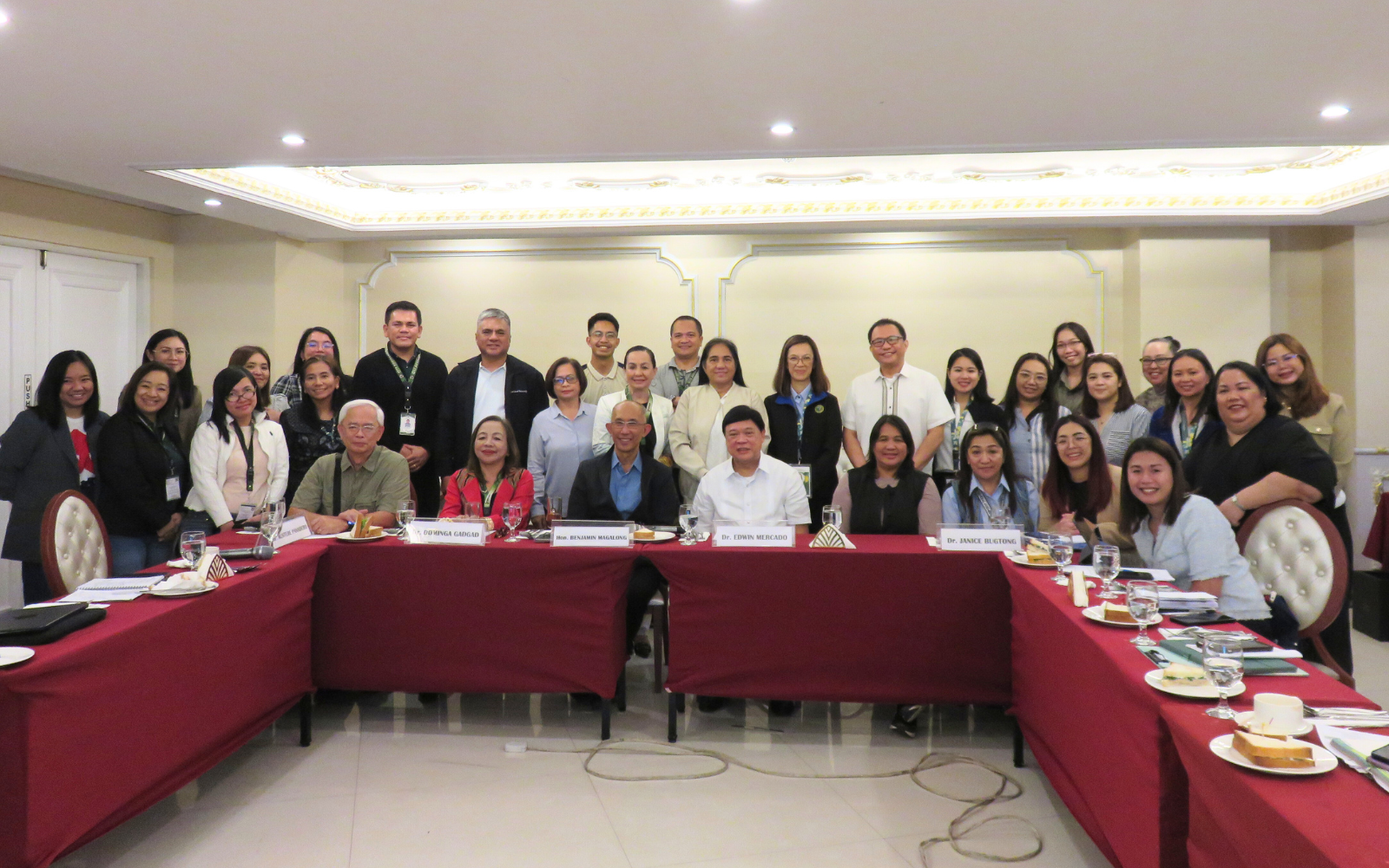
With these efforts, Baguio City is showing that local governments can lead the way in building a health system that truly works for every resident.
Southern Leyte Shows Progress in Reducing Teen Pregnancies
The Expanded Youth Leadership and Governance Program (EYLGP) in Southern Leyte is helping young people and local officials work together to reduce adolescent pregnancies.
A joint initiative of the Zuellig Family Foundation (ZFF) with support from the United Nations Population Fund (UNFPA) and the Korea International Cooperation Agency (KOICA), EYLGP equips both youth leaders and local governments to work side by side in improving adolescent health.
When the program started in 2022, Southern Leyte already had a lower adolescent birth rate (ABR) than the national average. UNFPA challenged the province to aim higher: bring adolescent births down to zero by 2026. With this ambitious goal, the EYLGP scaled up lessons from Mindanao—where ZFF’s youth leadership programs helped lower teen pregnancies—by also including mayors, health officers, and community leaders in capacity-building. The idea was that with both youth champions and competent local governments, results could be achieved faster.
Now on its 22nd month, the program has shown strong results:
- All 10 partner local government units (LGUs) reduced adolescent births, with the provincial cohort ABR dropping by 29%—from 35.8 per 1,000 girls aged 15 to 19 in 2022 to 25.4 in 2024.
- This decline is nearly triple the national target rate of 10% per year, showing that Southern Leyte is moving faster than expected.
- Liloan and Tomas Oppus reported zero adolescent births in 2024, while six other LGUs are already below the 2026 program target of 21 per 1,000.

On contraceptive use, the province’s modern contraceptive prevalence rate (mCPR) for adolescents reached 3.6%. This is already enough to cover adolescent mothers but shows room to expand access so that sexually active teens who are not yet mothers can prevent their first pregnancies.
Much of this success came from innovations, including the TrucKabataan mobile health service, wider access to adolescent-friendly health facilities, and stronger multi-sectoral governance bodies that meet regularly to address youth concerns.
Youth are at the center of the program. They lead peer education, information campaigns, and initiatives to keep girls in school, showing that when given the chance, adolescents can be powerful advocates for their own health and future.
Despite these gains, challenges remain. Births among girls aged 10 to 14 years old increased, often linked to gender-based violence and access to harmful online content. These cases show the need for stronger child protection policies and community awareness.
The program will continue until 2026, with ZFF and partners coaching LGUs to sustain and expand initiatives. Technical support will also be provided so municipalities can strengthen their health facilities, access PhilHealth reimbursements, and integrate adolescent health into broader development plans.
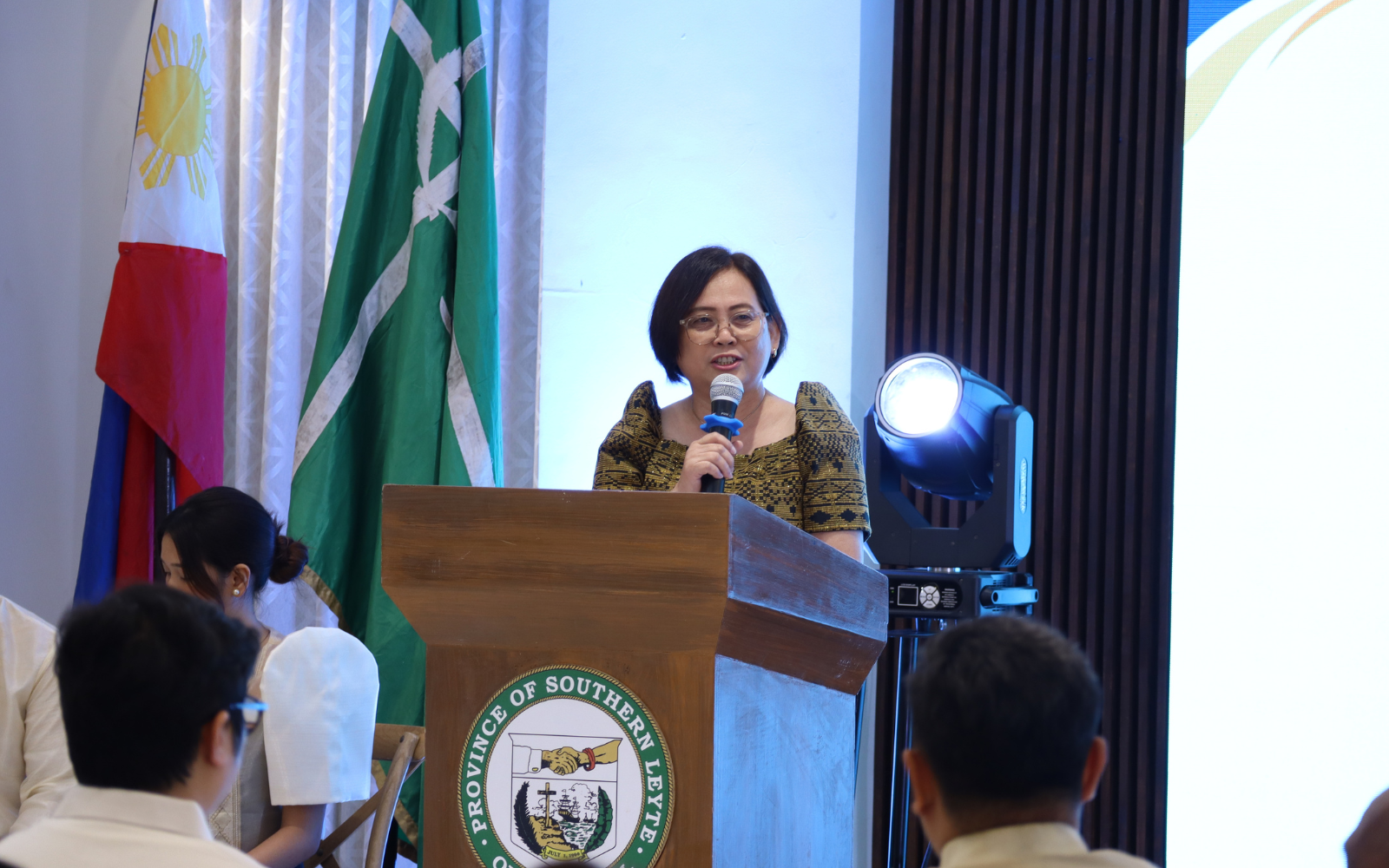
As Dr. Dorie Lyn Balanoba, EYLGP Director at ZFF, emphasized during the EYLGP Colloquium in Southern Leyte last August 13, 2025, the ultimate goal goes beyond reducing pregnancies: “We also look forward to more empowered adolescents making healthy choices that allow them to achieve their goals and bright future.”
Southern Leyte’s experience shows that the EYLGP model—youth leaders working with responsive LGUs—can deliver results and transform local systems for adolescent health.
Moving Forward with Health Reforms in Benguet
Benguet is making progress in its journey toward Universal Health Care, but much work still lies ahead.
During the August 12, 2025 review of the province’s Health Care Provider Network (HCPN) and Special Health Fund (SHF), the Provincial Government of Benguet under Governor Melchor Diclas met with PhilHealth, the Department of Health (DOH), and the Zuellig Family Foundation (ZFF) to assess progress and challenges. PhilHealth President and CEO Dr. Edwin Mercado, PhilHealth-CAR Regional Vice President Dr. Dominga Gadgad, and DOH Provincial Health Team Leader Dr. Mercedes Calpito all reaffirmed support for the province.
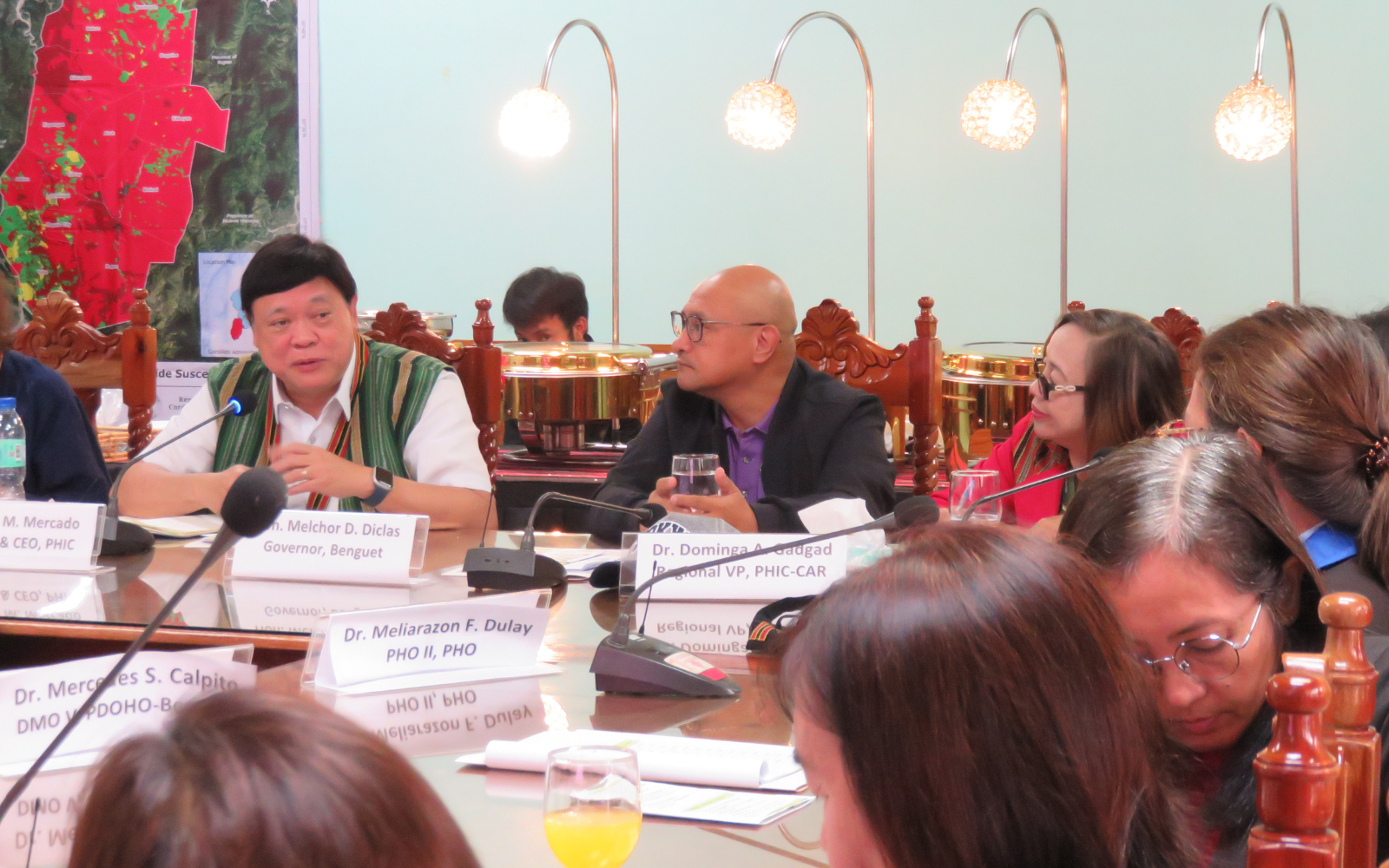
Dr. Catherine Chung, Local Health Systems Director at Zuellig Family Foundation, shared key insights on where Benguet stands and what still needs to be done.
The province has already formed an SHF Technical Working Group and engaged local finance committees, an important step in operationalizing the SHF. The Provincial Health Office also began discussions with municipalities and is planning to expand the Provincial Health Board, especially with new local leaders now in place. However, unfinished tasks such as completing the SHF manual, updating the patient navigation manual, and finalizing operational guidelines continue to hold back the full roll-out.
Related articles:
- Making Health a Shared Mission in Benguet
- Benguet Charts Path to Stronger Health Governance
- Building a Healthier Benguet: Integrating Health Information, Financing, and Service Delivery to Achieving Universal Health Care
Digital health adoption is also growing. Seven out of 13 municipalities are now using the eMed electronic medical record (EMR) system, but with hospitals still relying on multiple other EMR systems, patient tracking and financial monitoring remain fragmented. Dr. Chung stressed the need to standardize EMRs so that data can be integrated and patients can be tracked across facilities—critical for monitoring the SHF.
On the financing side, PhilHealth’s updates on claims pre-validation, expanded Konsulta benefits, and more accredited primary care facilities show positive momentum. But Dr. Chung noted that clearer roles between DOH and PhilHealth must be established, especially on who should lead technical support to local government units (LGUs) for SHF operations.
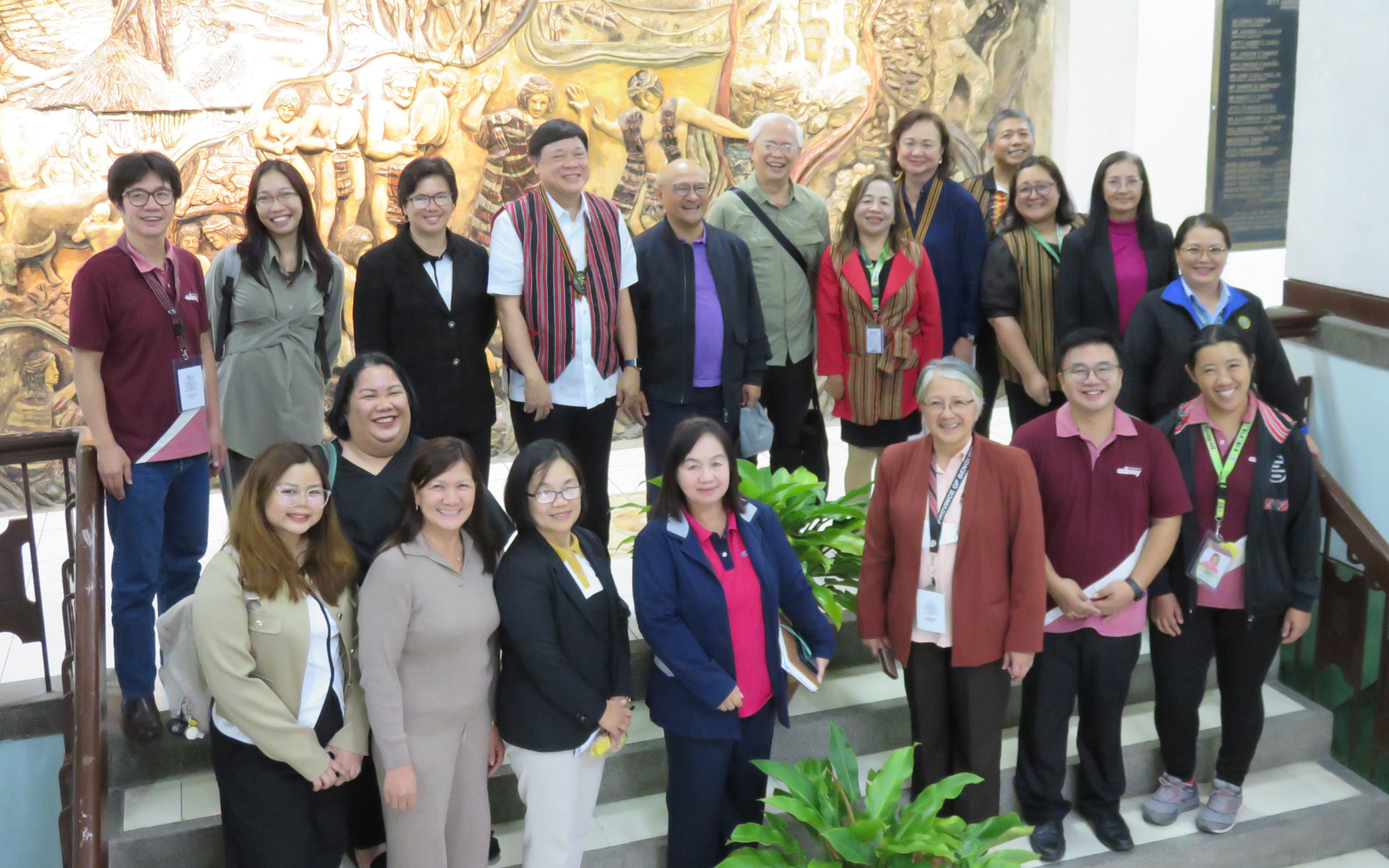
In summary, Benguet is moving forward but must accelerate its efforts: finalize SHF guidelines, set rules on health provider costs and pricing, integrate district hospitals as an entry point, and strengthen financial management in preparation for prospective payments in 2026.
For Dr. Chung, these next steps will be crucial:
- Without a strong financial system, the SHF cannot be sustained.
- Data integration through standard EMRs will make patient care and fund monitoring possible.
- Collaboration between PhilHealth, DOH, and LGUs must be clearer if reforms are to succeed.
With these insights, Benguet has a clear path: strengthen its financial and digital systems, clarify institutional roles, and continue building a health system that delivers accessible and sustainable care to its people.
Coming Together for Young People’s Health and Rights on August 13 and 15
EYLGP Colloquium on Adolescent Health in Southern Leyte and Samar
On August 13 and 15, 2025, we will gather online for the Expanded Youth Leadership and Governance Program (EYLGP) Colloquium focused on Adolescent Sexual and Reproductive Health and Rights (ASRHR) in Southern Leyte and Samar.
These virtual events will bring together youth leaders, local government unit (LGU) partners, and multisectoral stakeholders to share stories and lessons from the ground. Through public narratives and forums, we will highlight how young people and local leaders are working together to improve adolescent health and rights in their communities.
Join us on Zoom:
- August 13, 1:00 p.m.: Southern Leyte Colloquium (Register here)
- August 15, 1:00 p.m.: Samar Colloquium (Register here)
What to expect:
- Stories from youth champions and local leaders
- Panel discussions with municipal and provincial health officers, youth development officers, and ASRHR focal persons
- Videos from partner LGUs showcasing their local efforts
- Insights from the Department of Health, Commission on Population and Development, Department of Social Welfare and Development, Department of Education, and Department of the Interior and Local Government
Be part of the conversation. Celebrate progress and inspire the next wave of youth leadership in health governance.
Investing in a Healthier Future: Local Nutrition Planning for Basilan Towns
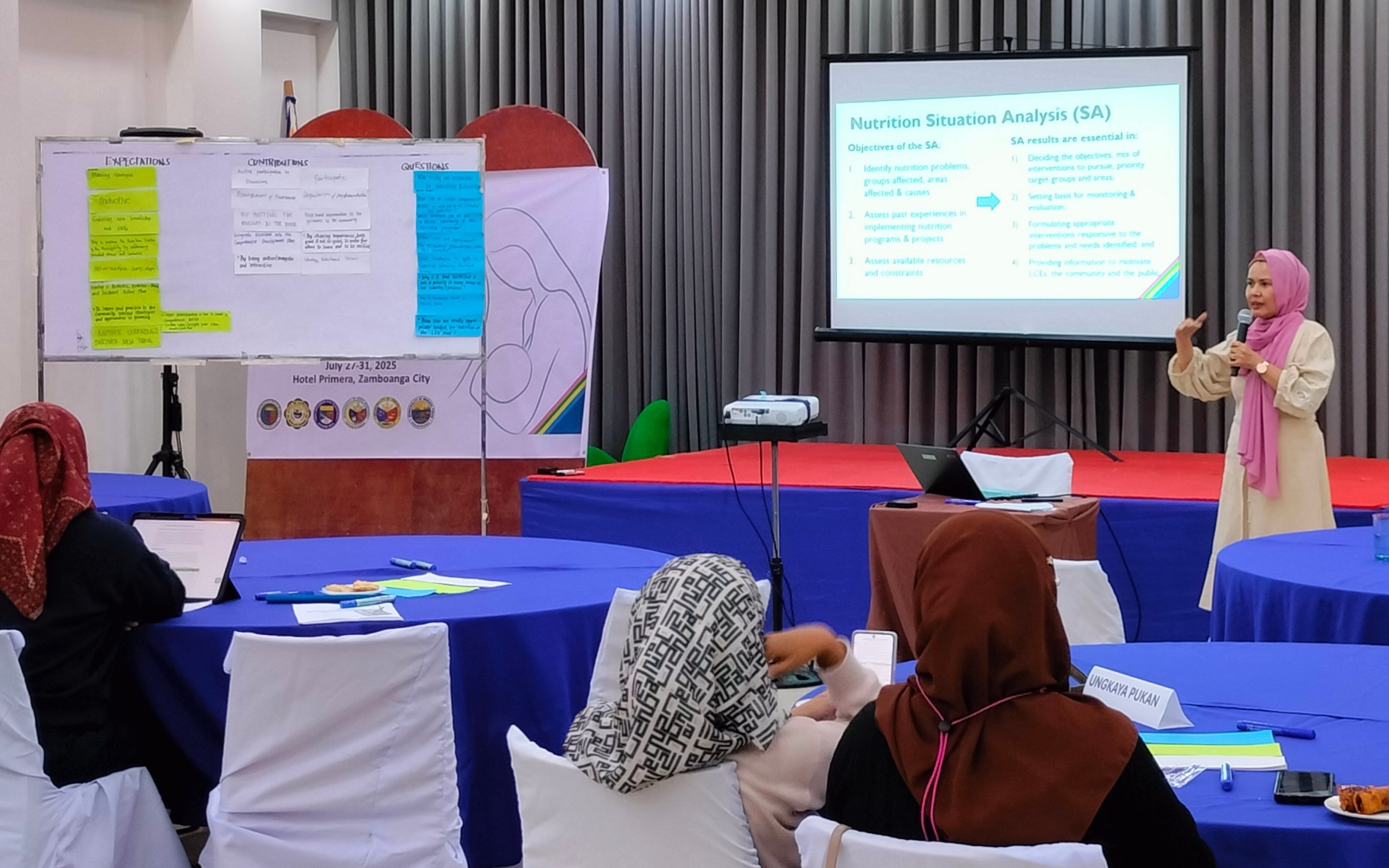
From July 28 to 30, 2025, Planning, Budget, Health, and Nutrition Officers from Lamitan City, and from the second batch of the Municipal Nutrition Governance Program (MNGP) representing five Basilan municipalities of Al-Barka, Hadji Muhtamad, Hadji Mohammad Ajul, Tabuan Lasa, and Ungkaya Pukan gathered in Zamboanga City for a three-day Local Nutrition Action Planning Workshop.
The workshop focused on one goal: helping each municipality invest in its people’s health, especially children. The theme, Investing for my Municipality’s Future, guided participants in shaping practical and evidence-based Local Nutrition Action Plans (LNAPs).
With support from the Zuellig Family Foundation, the sessions covered nutrition data analysis, problem tree exercises, target-setting, activity planning, and funding strategies. By the end of the workshop, LGUs were on track to finalize strong, multisectoral plans that tackle malnutrition and promote child development.
Related article:
This aims to support the Basilan HELPS program, the flagship initiative of Governor Mujiv Hataman. HELPS stands for Health, Education and Environmental Protection, Livelihood and Economic Development, Public Safety and Security, and Social Cohesion—key pillars of inclusive development in the province.
Throughout the workshop, Nadzwa Sabandal, Provincial Nutrition Action Officer, and Minsara Muarip, OIC-Provincial Planning and Development Officer, provided guidance grounded in local experience. Their involvement helped ensure that the plans were realistic, responsive, and aligned with provincial goals.
The workshop sent a strong message: nutrition is not just a health agenda, but a key part of local development. It is a shared responsibility across all levels of government.
Author: Rio Fe Del Valle, ZFF Nutrition Monitoring, Evaluation and Learning Expert
Making Health a Shared Mission in Benguet
“We commit again that we will continue prioritizing health. Tuloy-tuloy tayo dito.” – Hon. Melchor Diclas, Benguet Governor
In local governments, health often competes with other urgent needs. For health officers, one big question remains: How can we make sure that political leaders keep prioritizing health—now and in the future? For the Provincial Health Office (PHO) of Benguet, the answer lies in co-creation of solutions and pathways.
A Shared Journey for Health
Benguet, led by Governor Melchor Diclas and Dr. Meliarazon Dulay, is part of the Bayang Malusog Leadership and Governance Program (BMLGP). The program is supported by the Zuellig Family Foundation (ZFF) and the Department of Health-Cordillera Administrative Region (DOH-CAR).
Now in its second cycle, the PHO has gone beyond workshops. They have built a strong shared vision, aligned their values, and created a clear plan for the next three years. They call it the Healthier Benguet Roadmap.
In one key session, ZFF facilitated a reflective activity based on ikigai—a Japanese concept about purpose. It helped the Benguet health team reconnect with why they chose public health in the first place. “What I love about being in public health service is knowing people, their story, and being able to help them,” said one participant.
Governor Diclas: Leading with Purpose
On July 21, 2025, the Benguet health team presented the roadmap to Governor Diclas. He responded with clear and strong support.
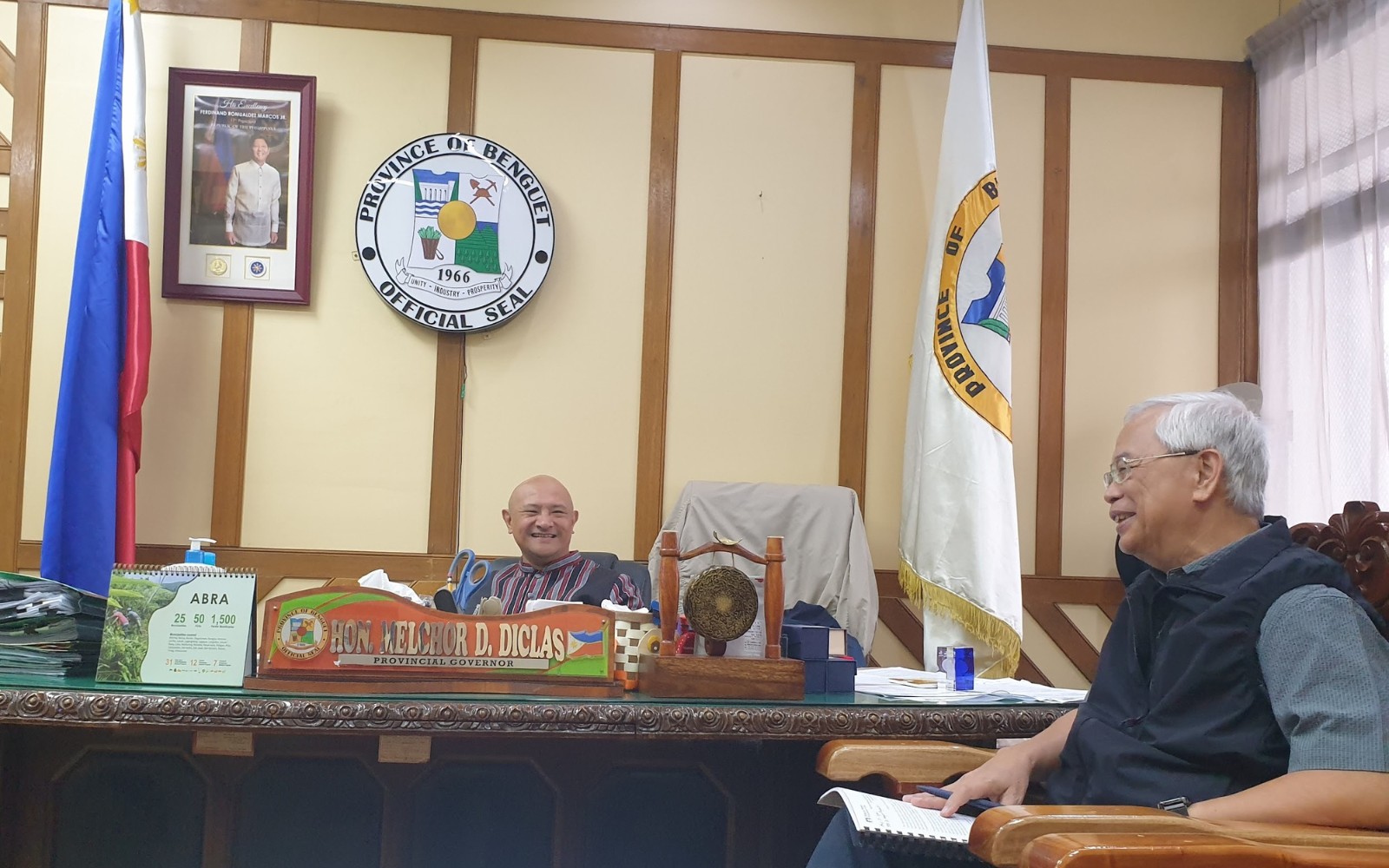
He stressed the need for alignment with Benguet’s mayors. “Kung iba-iba ang priorities natin, hindi tayo makakapagtulong-tulungan,” he said, “Let us convince everyone to prioritize health.” He also suggested enrolling all newly elected mayors, and those who missed the first round, in the Bayong Malusog Municipal Leadership and Development Program.
Now on his third term, Governor Diclas’ commitment turns the roadmap into a legacy plan, one that could shape health governance in Benguet for years to come.
Related articles:
- Benguet Charts Path to Stronger Health Governance
- Building a Healthier Benguet: Integrating Health Information, Financing, and Service Delivery to Achieving Universal Health Care
The Healthier Benguet Roadmap
The roadmap is both bold and practical. More than just a static plan, the roadmap is a shared promise to make health services better for every resident of Benguet. Among its pillars are:
- Institutionalizing the Healthier Benguet Caravan and SHAYAW (Stellar Health Achievement Yearly Awards), bringing services directly to communities,
- Establishing an integrated Health Care Provider Network (HCPN),
- Strengthening data-driven decision-making at all levels,
- Ensuring sustainable health financing, and
- Expanding community participation and Human Resources for Health (HRH) capacity-building.
Support that Makes a Difference
DOH-CAR continues to give technical support and push for clearer alignment with the national office. PhilHealth helps by sharing data that supports equity and better program decisions.
ZFF, aside from its leadership training, also provides mentoring, coaching, technical sessions, and grants. It is now working on building an executive dashboard to help local leaders make smarter, data-informed choices.
A Call to Co-Create
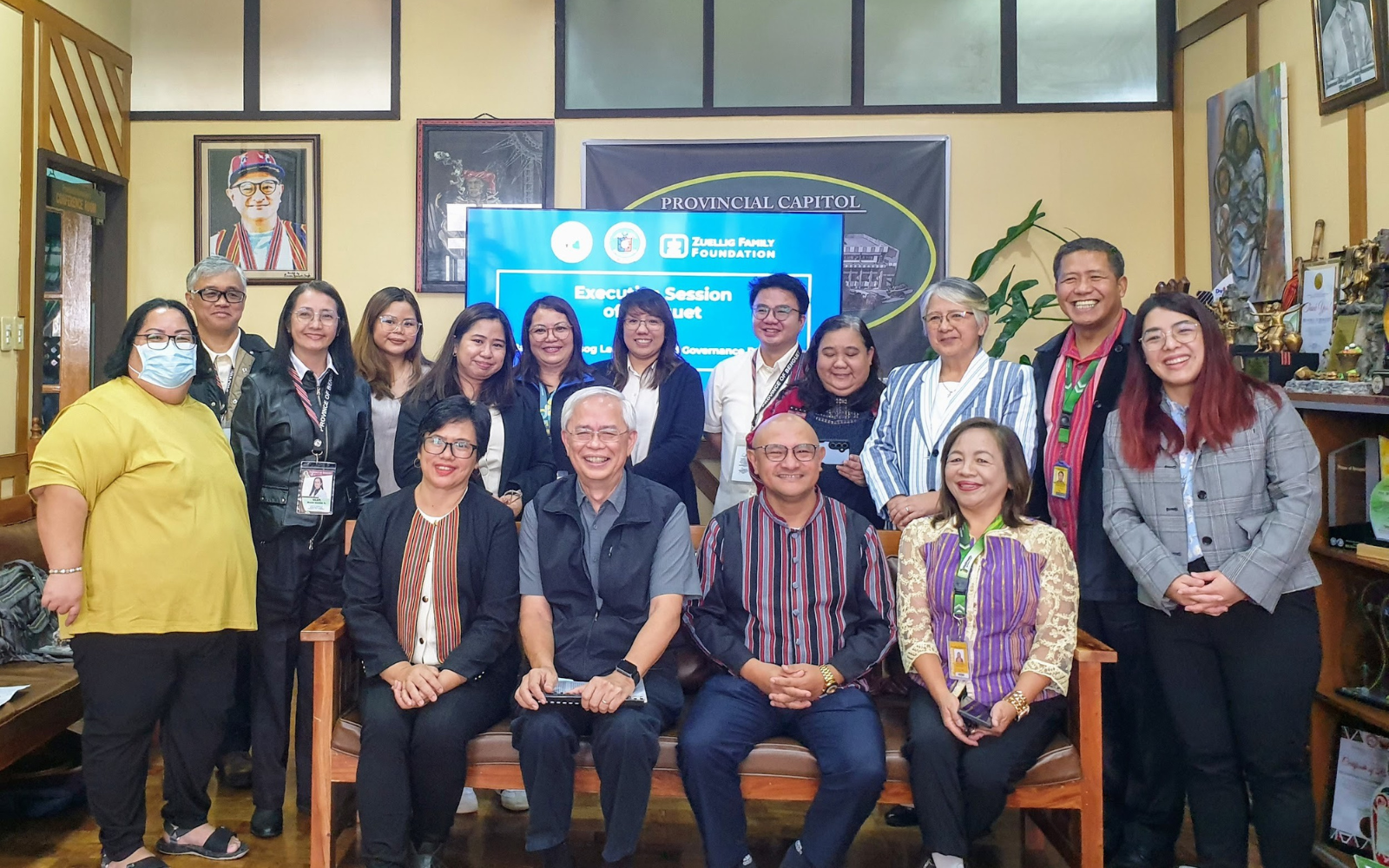
Benguet is moving forward, and they are inviting everyone to join. Health cannot be improved by the government alone. It takes a whole-of-society effort: national agencies, local leaders, civil society, private organizations, and citizens, all working together.
The roadmap is ready. The leaders are committed. And the people are hopeful.
Authors: Joan Kidatan, ZFF LHS Provincial Associate for Baguio City; Krizzia Esperanza, ZFF Corporate Communications Associate
The State of Nutrition in the Philippines: 2023 Findings and Next Steps
The Department of Science and Technology–Food and Nutrition Research Institute (DOST-FNRI) held the 2025 National Nutrition Summit on June 5, 2025 at Dusit Thani Manila, unveiling the results of the 2023 Expanded National Nutrition Survey. Covering 36,703 households and 115,651 individuals nationwide, the survey provides updated, evidence-based insights into the country’s nutrition landscape.
The findings serve as a critical resource for policymakers, program planners, and implementers, offering timely data to guide national and regional efforts. They highlight both the progress made and the persistent challenges in achieving the Philippines’ health and nutrition goals, reaffirming the urgency of sustained, evidence-based, and locally driven action.
The 2023 Expanded National Nutrition Survey reports that stunting among children under five has declined from 26.7% in 2021 to 23.6% in 2023. However, the burden remains significant, with one in five children still affected. Wasting, an indicator of acute malnutrition, continues to be a concern at 5.6% among children under five and 6.8% among those under two.
These figures point to persistent nutrition gaps, particularly during the critical First 1,000 Days (F1KD) of life. Only 50.4% of infants less than 6 months old are exclusively breastfed, and just 13.9% of children aged 6–23 months receive a minimum acceptable diet. Vitamin A deficiency remains a moderate public health concern, particularly among preschool children aged 6 months to 5 years. Additionally, only 26.6% of infants and preschoolers in this age group meet the recommended energy intake, highlighting significant nutritional gaps in early childhood.
The proportion of nutritionally-at-risk pregnant women has risen to 19.1%, signaling growing concern. While prenatal care coverage is improving, only 22.7% complete the WHO-recommended eight visits for comprehensive care. Alarmingly, just 13.7% of pregnant women meet their recommended daily energy intake.
In addition, three in every ten households experience moderate to severe food insecurity, often forced to reduce meal quality or skip meals altogether. Dietary diversity remains low, particularly among low-income families reliant on staple foods like rice, while food waste is rising, with households discarding an average of 130 grams daily, mostly rice, vegetables, and fish.
These findings call for urgent and coordinated actions. Local Government Units (LGUs) are in a strong position to improve community nutrition. Efforts should focus on the following areas:
- Prioritize the F1KD and sustain nutrition through the next 1,000 days (up to age five) by strengthening maternal and child nutrition programs, breastfeeding support, complementary feeding services, and timely micronutrient supplementation.
- Improve access to quality maternal care by ensuring timely and consistent prenatal visits, comprehensive nutrition counseling, and access to essential supplements such as iron, folic acid, and calcium.
- Invest in local food systems by promoting household food production, improving access to affordable nutritious food, and regulating local food environments. LGUs should integrate nutrition-sensitive agriculture and livelihood programs to enhance dietary diversity and food security, especially in vulnerable communities.
- Promote data-driven, multisectoral governance by strengthening local nutrition committees, utilizing data for planning and accountability, and coordinating across health, agriculture, and social services to effectively sustain and scale nutrition interventions at the community level.
Meeting our national and global nutrition targets by 2030 demands empowered local leadership, evidence-based decision-making, and integrated, multisectoral action that begins with coordinated efforts at the community level today.
—
The Zuellig Family Foundation (ZFF)’s Pook Malusog program helps communities support children’s nutrition. Learn more: https://zuelligfoundation.com/programs/nutrition/
Author: Rio Fe Del Valle, ZFF Nutrition Monitoring, Evaluation and Learning Expert
Digital Tool in Pilar, Siargao Improves Nutrition Tracking
“Gusto kong gumanda ‘yung buhay ng mga kababayan ko. Kung puro sila masakitin, how can they farm, fish, or study?” says Liza Resurreccion, former Mayor and current Vice Mayor of the municipality of Pilar in Siargao Island, Surigao del Norte.
This 4th class municipality at the center of the beach and surfing island of Siargao is often caught in the push to modernize and develop for tourism, but Vice Mayor Resurreccion chose to prioritize the health and well-being of Pilar, especially its youngest residents. With 163 cases of stunting in the municipality in 2024, malnutrition tops Pilar’s health priorities.
In 2024, the Zuellig Family Foundation (ZFF) introduced the Pook Malusog Dashboard to Pilar. By 2025, this digital health and nutrition information system was used in all 15 barangays of Pilar to record the height and weight measurements of children under the nationwide Operation Timbang (OPT) program. Then Mayor Resurreccion procured 15 tablet computers for each barangay to support the use of the Dashboard.
The Dashboard detects malnutrition early through its automatic calculation of inputted health indicators. It can be used without internet connection, and has a geo-tagging feature that helps in the tracking of families that need nutrition support.
“With the Dashboard, we want to improve the way [health and nutrition] data is gathered, analyzed, and utilized,” says Dr. Joyce Ann Viar, Nutrition Director at ZFF. Since the old pen-and-paper data gathering approach exposes data to human errors, Dr. Viar adds, “It is better na meron talaga tayong application or tool wherein hindi na kailangang isulat. It can be automatically encoded into a system that can then automatically process the information and give you more real-time analysis.”
Related articles:
- Real-Time Health Data: How Pilar, Siargao is Using the ZFF Pook Malusog Dashboard
- Empowering Barangays and Communities through Nutrition Governance: Pilar’s Journey
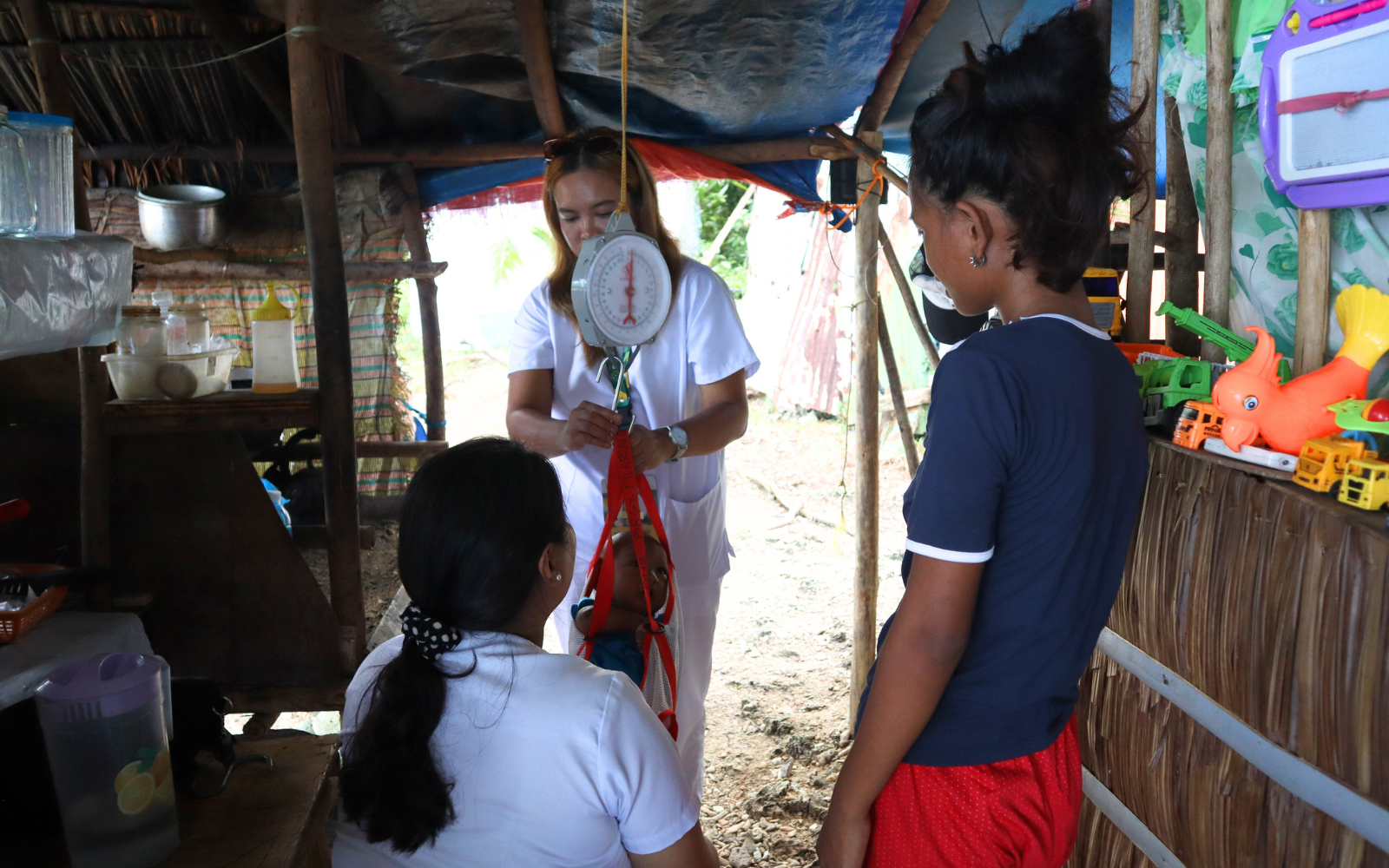
Ginaflor Minguita, Database Manager for Pilar, shares, “Sa [Pook Malusog Dashboard], madaling ma-identify kung ‘yung bata ay malnourished. Kasi pag-[enter] mo ng data, malalaman mo agad ‘yung result.” This allows them to provide intervention as soon as malnutrition is detected, compared to the process before the Dashboard was introduced and used. John Mar Virtudazo, Public Health Nurse of Pilar, notes, “After OPT, ma-receive namin ‘yung final output one month after pa. Kung may ma-identify na MAM/SAM (moderate/severe acute malnourished), it’s late na talaga para magbigay ng intervention.”
ZFF provides hands-on one-on-one sessions and coaching on the use of the Dashboard for the foot soldiers of OPT, the Barangay Nutrition Scholars (BNSs). Dr. Viar considers user acceptability—BNSs’ reluctance to use digital tools—as the primary challenge of the Dashboard rollout. “They have to understand why we need to go digital, why we need to use this application.
“No’ng una [mahirap], no’ng nagte-training pa kami, pero ngayon okay na,” says Joela Balunan, the BNS for Barangay Pilaring, Pilar. She shares that each of the 15 barangays of Pilar has at least one designated BNS, and they would work as a team, in small groups, to make their OPT work easier. “Dito [sa Dashboard], automatic na. Mas nakagaan po ito sa trabaho namin,” adds Ruth Coñado, BNS for Barangay Maasin, Pilar.
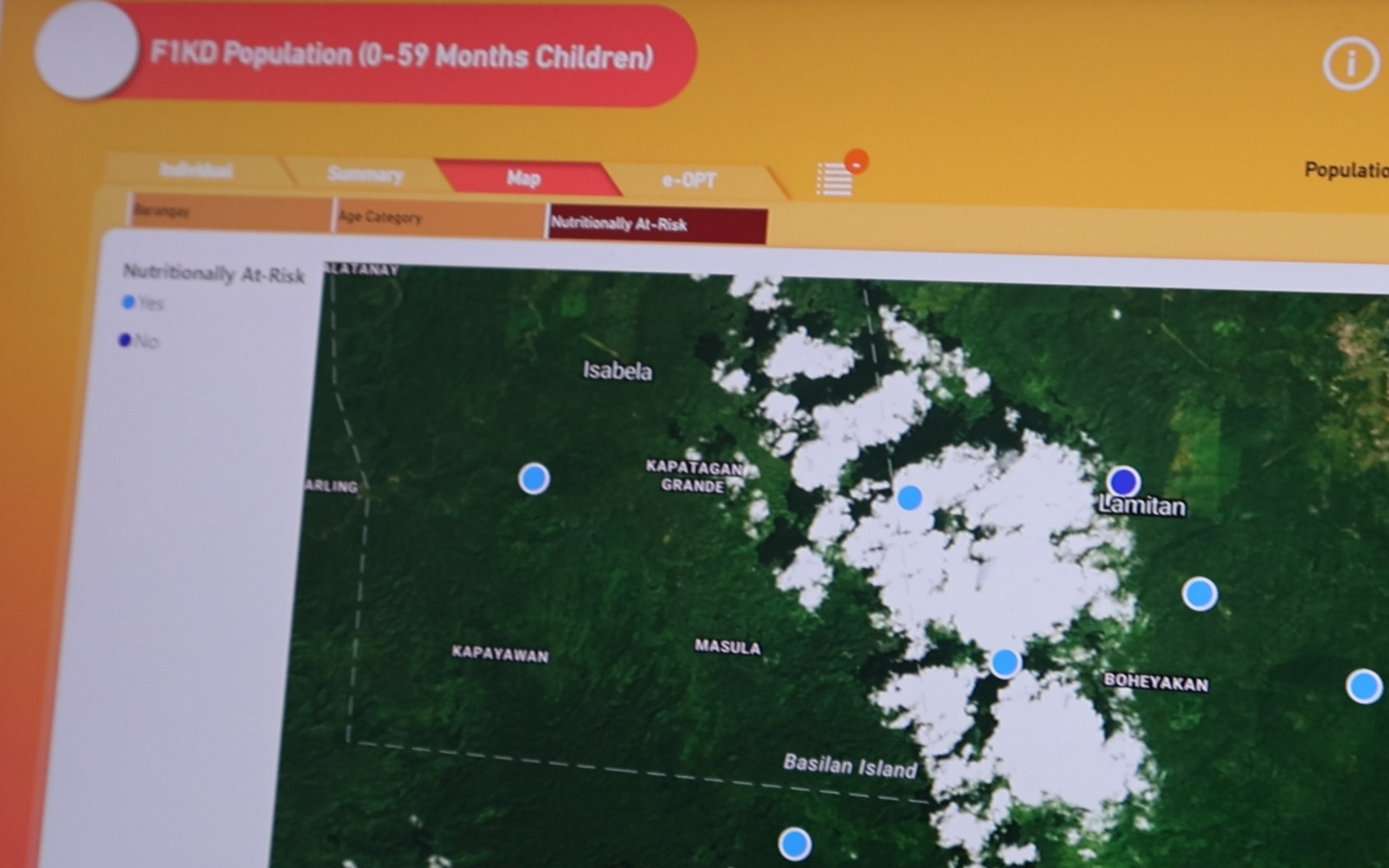
The ZFF Pook Malusog Dashboard, after its successful pilot implementation in Pilar, alongside Tipo-Tipo and Lamitan in Basilan, is set to be introduced in Del Carmen, another Siargao Island municipality, and other Basilan cities and municipalities within the year. “We saw a positive effect of using the tool, and positive feedback, not only from the users, but from the communities,” Dr. Viar says.
“We want more people to experience this. Having accurate data, [we get] higher chances our communities will be able to respond to malnutrition better and faster.”
Eastern Visayas Pushes Forward with Universal Health Care
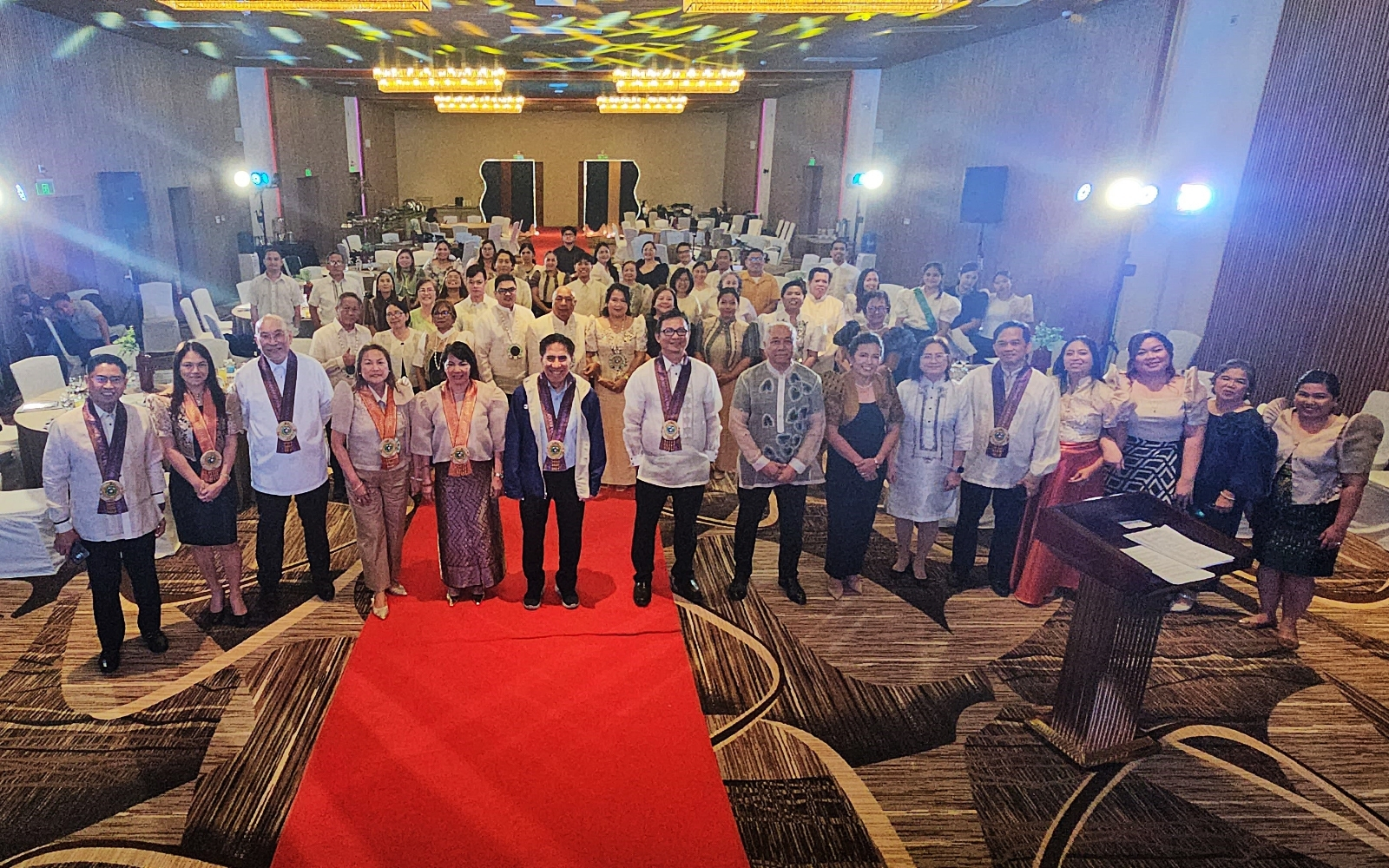
“Is there a way of digitizing preventive care?” Dr. Manuel M. Dayrit, Chair of the Zuellig Family Foundation, asks during the Provincial Leadership and Development Program (PLDP) Colloquium in Eastern Visayas on July 3, 2025. He continued, “Because if you can get a big picture, bring the spectrum—of clinical care and preventive care—together, then you have a total approach to UHC (Universal Health Care).”
The colloquium marked the completion of the Bayang Malusog PLDP (2022–2024) run in Eastern Visayas, a partnership between the Department of Health (DOH) Eastern Visayas, University of the Philippines Manila School of Health Sciences, and Zuellig Family Foundation. The program supported provincial leaders in all six provinces—Leyte, Southern Leyte, Northern Samar, Samar, Eastern Samar, and Biliran—to lead local health reforms as part of their push for UHC. Each province made its own progress, with efforts focused on improving nutrition, and adolescent and youth sexual and reproductive health (AYSRH).
Related article:
Among the gains celebrated were integrated provincial UHCroadmaps, 70% achievement of organizational targets, and progress in qualifying nearly all provinces for Health Care Provider Network (HCPN) contracting. Dr. Dayrit pointed out that the program’s strength lies in developing both political and technical leadership—a combination essential to navigating demographic, economic, and system-level challenges.
Keynote speaker Dr. Alvin Marcelo, Professor, Lecturer, and Program Lead for the Standards and Interoperability Lab (SILab), noted that achieving UHC requires seamless interoperability of health information systems. He stressed the need to address governance, technical, and programmatic gaps through a structured framework: teaming, tooling, training, testing, and transfer.
Local leaders also shared real results. Southern Leyte Vice Governor Rosa Emilia Mercado highlighted how an immersion activity, the Deep Dive, inspired policy changes. After meeting a 15-year-old mother, Governor Damian Mercado and his team passed ordinances that funded AYSRH programs and strengthened pregnancy prevention.
Leyte Governor Carlos Petilla introduced the Quick Medical Record (QMeR) system, which connects patient records, referral services, and PhilHealth claims in one digital platform. This system now powers efficient healthcare across multiple facilities, with potential for wider rollout.
Despite these successes, DOH Eastern Visayas Regional Director Dr. Exuperia Sabalberino reminded participants that more work lies ahead. She called for scaling up innovations, deepening partnerships, and ensuring equitable access to health services for every Eastern Visayan. With strong foundations laid, the region’s leaders are now tasked with turning the full promise of UHC into reality.