Transforming Public Health: Governors and Health Officers Convene at Roberto R. Romulo Fellowship 2 for Universal Health Care
On May 9-10, 2024, the second module of the Roberto R. Romulo (RRR) Fellowship for Public Health Leadership and Governance took place at Bayview Park Hotel Manila. This event brought together governors and provincial health officers from Aklan, Dinagat Islands, Davao de Oro, and Kalinga. The fellowship is an ongoing initiative aimed at fostering transformative leadership in public health, with a strong focus on innovative and inclusive strategies to achieve Universal Health Care (UHC).
Representing the four provinces in the event were Aklan Governor Jose Enrique Miraflores and Dr. Leo Magallanes Ismael, Dinagat Islands Governor Nilo Demerey Jr. and Dr. Vinjohan S. Manlapaz, Davao de Oro Governor Dorothy Gonzaga and Dr. Antonio P. Ybiernas Jr., and Kalinga Governor James Edduba and Dr. Edward Tandingan.
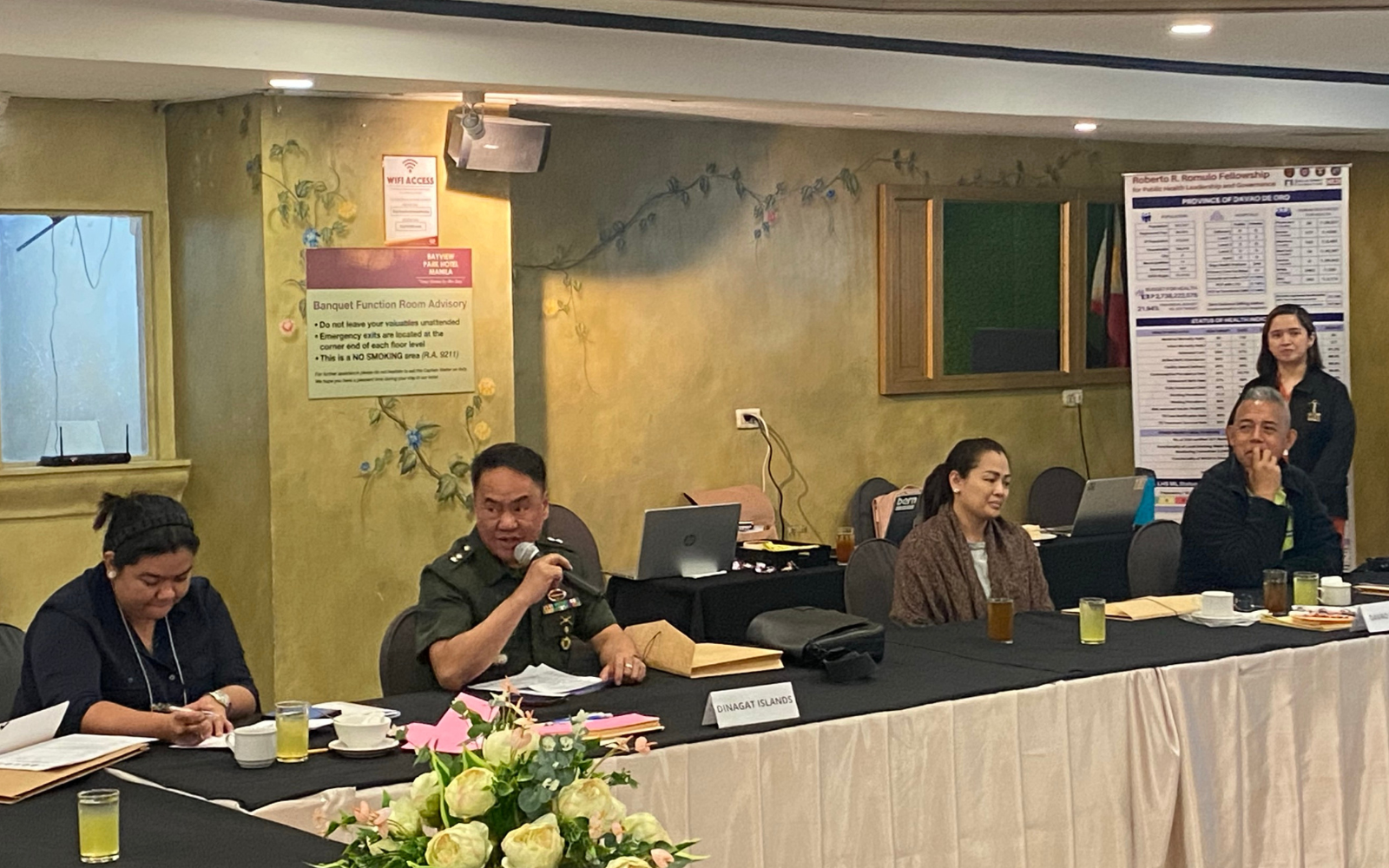
During the event, participants shared their successes and addressed the challenges they face in their respective provinces. Prof. Ernesto D. Garilao, Chairman of ZFF, highlighted the importance of governors having a comprehensive understanding of the health system and data. “Health is an investment, and returns should be measured through better health indicators,” he stated.
The second day of the module focused on crafting innovations and developing communication strategies for UHC implementation. As a synthesis, Prof. Garilao reviewed the Bridging Leadership framework, integrating the provincial narratives of the fellows and encouraged them to foster cooperation, joint action, and co-ownership among stakeholders for a collaborative response to health challenges. “Analysis of data points, insighting, and bringing different sectors together are all imperative,” Prof. Garilao emphasized, underscoring the importance of these elements in effective public health leadership.

The RRR Fellowship Program, established in memory of Zuellig Family Foundation (ZFF)’s founding chair, is a collaborative effort with the University of the Philippines College of Public Health and the National College of Public Administration and Governance. It aims to equip public health leaders with the skills needed to tackle local and national health challenges, fostering champions of UHC.
Nourishing Minds, Nurturing Lives: Zuellig Family Foundation Hosts Webinar on Nutrition Governance
Believing that leadership, governance, and action are the key ingredients to combat malnutrition, the Zuellig Family Foundation (ZFF) invited municipal and provincial government health and nutrition officers, partners, and stakeholders to a webinar on nutrition governance last April 26, 2024.
Gathering around 130 participants, the activity titled “Nourishing Minds, Nurturing Lives” aimed to introduce ZFF’s Nutrition Governance Program, Pook Malusog, and to explore the importance of strong and driven leadership and governance in addressing the problem of malnutrition. Dr. Joyce Ann Viar, ZFF Nutrition Portfolio Director, led the discussion, followed by Dr. Ma. Esmeralda Silva, Professor at the Department of Health Policy and Administration of UP Manila College of Public Health, who tackled nutrition governance in Sarangani.
“Comparing the Philippines to neighboring countries in Southeast Asia, we are in the top 5 with the highest stunting rates, and given this current reality, there really is a need to boost and beef up our nutrition programs,” Dr. Viar presented. She gave emphasis to programs addressing malnutrition during the First 1,000 Days (F1KD) of life—a critical stage in brain development.
While interventions to malnutrition are outlined in the Philippine Nutrition Action Plan, including the focus on F1KD, she explained that “the added value of ZFF is ensuring that provinces, municipalities, and barangays have these [health and nutrition] services in place.” Dr. Viar shared that Pook Malusog is ZFF’s program for local and community leaders, and frontline workers to enhance their technical and leadership skills, to improve local health and nutrition system, and ultimately achieve better health and nutrition outcomes. ZFF has a package of interventions tailored for each level of governance—for provinces, cities, municipalities, barangays, and even for families.

In her presentation, Dr. Silva emphasized the pivotal role of nutrition governance in supporting accelerated improvements in nutrition particularly in the case of Sarangani. In a study that they did, the province and its 7 municipalities showed substantial improvements in malnutrition prevalence rates among 0-59 months old children and nutritionally-at-risk pregnant mothers. Among the factors identified as contributing to this positive outcome, she highlighted the strong support of provincial, municipal, and barangay officials. “This is attributed to their deeper appreciation of nutrition and its underlying systems, and the [Local Chief Executives] acknowledge the significant role that ZFF’s Nutrition Governance Program played in helping them in this aspect,” Dr. Silva remarked.
Invited reactors, Dr. Catalino P. Dotollo Jr. of the National Nutrition Council Region VIII and Ms. Blessile G. Par of the Manila Water Foundation, agreed with the presenters that good governance, action leadership, multi-sectoral approach and political will and support are at the heart of nutrition efforts. Ms. Par said, “We can see the power of the LGUs (Local Government Units) when they prioritize [nutrition], when it is top of mind, we can see the change over time. The private sector will always be here to help and support the LGUs, but it is more important that they are open and are willing to jump in with us.”
Towards the end of the webinar, one of the questions raised was how ZFF were able to secure political commitment—get leaders on board. Dr. Viar responded, “You have to have good data. You have to present to your leaders the reality, what is happening on the ground. Part of ZFF’s work is to show our leaders the urgency to act on the nutrition situation.” Mr. Austere A. Panadero, ZFF President and Executive Director, in his synthesis, called upon leaders to reexamine their systems and advocated for nutrition to be considered as a “major development outcome that local governments through their leaders would want to address and improve.”
Replay the webinar here: https://bit.ly/ZFFNutritionWebinar-Replay

Championing Health Together: Zuellig Family Foundation Launches Bayang Malusog Community of Practice
Last April 12, 2024, the Zuellig Family Foundation (ZFF) hosted the event titled “Championing Health Together”, marking the launch of the Bayang Malusog Community of Practice (CoP). The gathering served as a venue for learning exchanges, fostering a culture of collaboration to advance the implementation of the Universal Health Care (UHC) Law.
Mr. Austere Panadero, ZFF President, in his opening address, remarked, “The kind of transformation UHC requires from everyone is increasingly becoming clearer, especially those in the ‘advanced stage’.” The one-day event gathered the pioneer batch of the Bayang Malusog CoP comprising 9 areas: Aklan, Apayao, Baguio City, Benguet, Biliran, La Union, Laguna, Northern Samar, and Quezon. Their respective Provincial Health Teams, Provincial PhilHealth Licensing Officers, as well as Department of Health (DOH) Regional UHC Coordinators in Regions 1, 4-A, 6, 8 and Cordillera Administrative Region participated in the activity. This diverse representation welcomed exchange of ideas, aimed at accelerating progress towards UHC and ensuring equitable access to quality healthcare services for every Filipino. “The heart of Bayang Malusog is really to achieve better health outcomes,” Dr. Catherine Chung, ZFF Local Health Systems Portfolio Director, summarized.
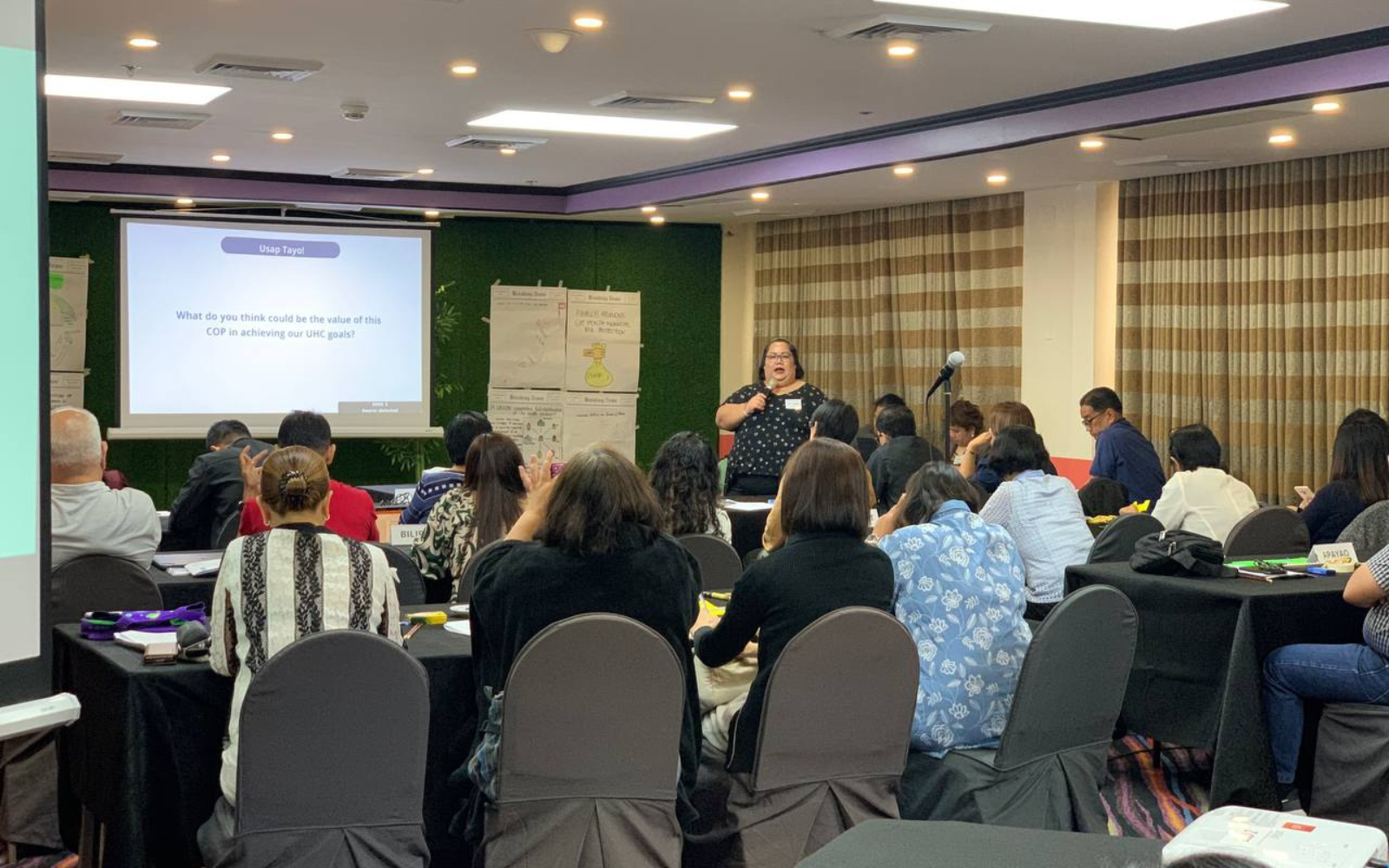
Emphasizing “collective learning”, Dr. Meredith Labarda of the Social Innovation in Health Initiative Philippines introduced InnovEx. This online platform is designed to facilitate knowledge sharing and networking among local health innovators, researchers, and stakeholders. “The only way to innovate is to collaborate,” Dr. Labarda remarked. Accessible at https://healthinnovex.org/, InnovEx serves as a dynamic space where ideas can flourish, conversations can spark innovation, and collaborations can thrive, further amplifying the impact of collective efforts towards advancing health outcomes.
During the event, Provincial Health Officers (PHO) from Aklan, La Union, and Northern Samar shared their respective challenges and successful practices in implementing UHC within their communities. Dr. Leo Ismael of Aklan highlighted the province’s Governance Model for Special Health Fund (SHF), which prioritizes the institutionalization of District Health Systems to streamline healthcare delivery. In La Union, Dr. Ellen Baustista, consultant, sharing on behalf of PHO Dr. Dan William Dacanay and Dr. Eduardo Posadas, emphasized the importance of enhancing primary care services through improved patient navigation and health information systems. Nurse Alfred Bambao unveiled the successful digitization of healthcare services in Bauang, La Union. Meanwhile, in Northern Samar, Dr. Aurora Vicencio and Dr. Blessie Noroña showcased the province’s initiatives to maximize health resources and invest in community healthcare. Ms. Joanna Manalili, PhilHealth Local Health Insurance Officer in Catarman, Northern Samar, shared the municipality’s successful capitation of Php 9.4 million for first person encounters in 2023.
Insights shared during the panel discussion shed light on the evolving landscape of healthcare delivery in the Philippines. Invited experts were: Dr. Manuel Dayrit, ZFF Trustee and former Secretary of the Department of Health; Dr. Leonita Gorgolon, Assistant Secretary of Health; and Mr. Manuel Pawig of PhilHealth.Key themes included the transformative impact of structural and mechanistic adjustments, the correlation between investment levels and health outcomes, and the imperative of maximizing resources to yield maximal returns. The discussion emphasized the need for proactive adaptation to change and the potential for enhanced political capital through prioritizing health services improvement. Dr. Dayrit closed, “Given all of the learnings you have provided to us, I think the next step is really to rigorously understand your success factors. Through this, we can understand how the whole system fulfills our theory of change.”
As ZFF continues to champion health together with its partners, the launch of the Bayang Malusog CoP signifies a bold step towards building a healthier and more resilient Philippines. By harnessing the power of collective learning, collaboration, and innovation, the CoP holds the promise of creating a Bayang Malusog where every Filipino can thrive.
Unveiling Health Realities in Batangas
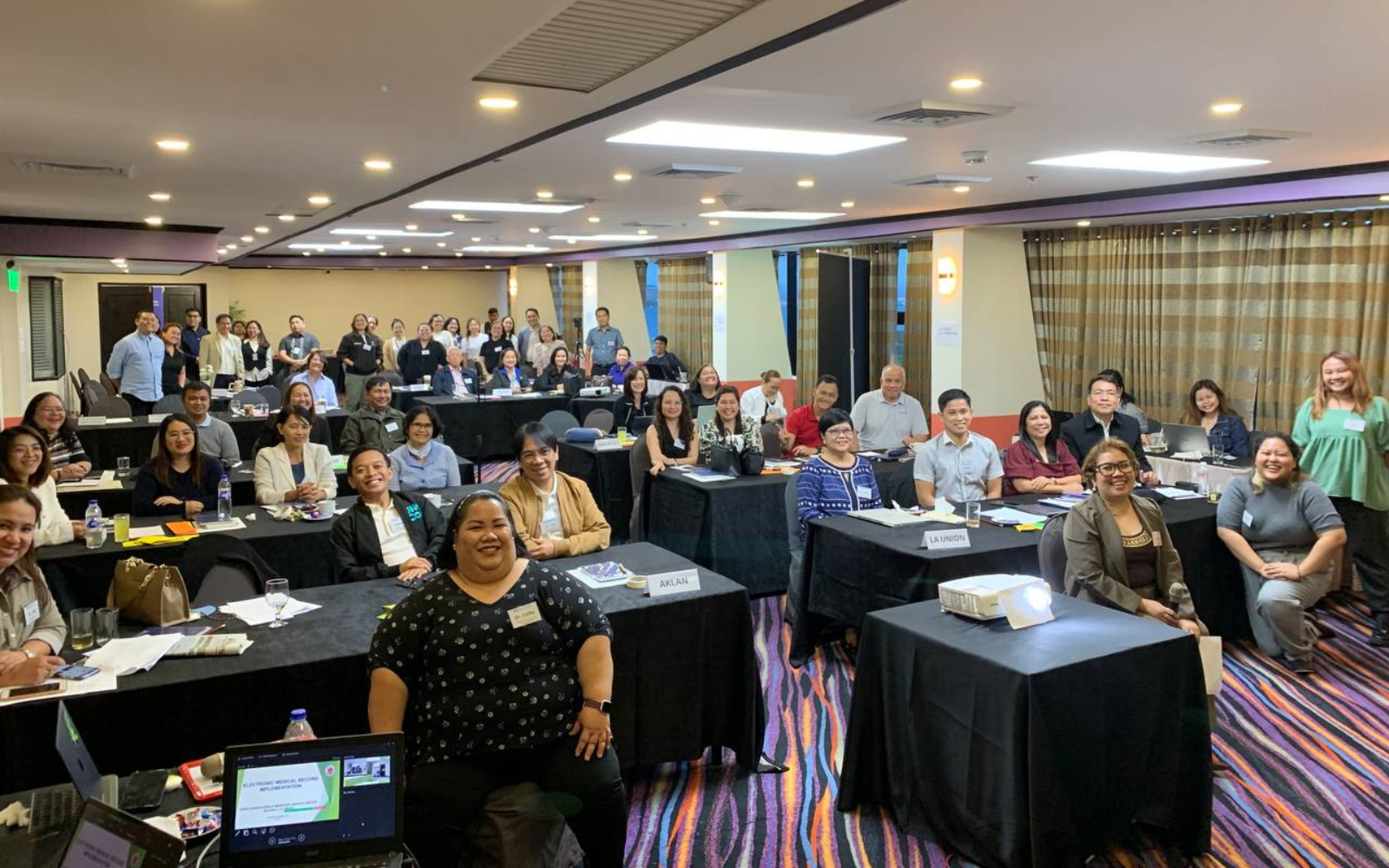
On April 1, 2024, a remarkable journey unfolded in Barangay Putol, Balayan, Batangas as diverse stakeholders, including Batangas Vice Governor Jose Antonio “Mark” Leviste II, dived deep into the heart of health challenges facing the underserved communities in the province. Supported by the Department of Health – Center for Health Development (DOH-CHD) Calabarzon, Batangas Provincial Health Office, the Local Government Unit and Municipal Health Office of Balayan, and the Zuellig Family Foundation (ZFF), this Deep Dive activity, a guided community immersion, aimed to shed light on critical health issues and chart a course toward meaningful change.
The essence of the Deep Dive activity in the province was to deepen understanding of health inequity and empower Bridging Leadership competencies. This included enhancing awareness and comprehension of prevailing health disparities, fostering dialogue, and shaping a vision for a healthier Batangas.
Leviste remarked, “In my years as Vice Governor, this is the first time for me to experience the Deep Dive. I am looking forward to knowing more about this process.”
Immersed in the realities of Barangay Putol, encounters with expectant mothers highlighted the importance of health education and communication in dispelling misconceptions about healthcare practices. In Batangas, while healthcare is accessible, maternal mortality remains a concern due to cultural practices and socioeconomic disparities. Leviste observed, “‘Di maiwasan ang pagtitiwala sa kinagisnan tulad ng ‘hilot’. Maraming realizations in immersions like these—when leaders are brought to an unfamiliar environment to learn about the problems faced by the poor.”
Reflecting on the Deep Dive experience, Leviste said, “I feel like we need to do something about health information, education and making health services available and of quality.” Stakeholders echoed the need for comprehensive policies and collaborative efforts to bridge gaps in health services and promote reproductive health.
As the activity concluded, participants rallied around a shared vision of inclusive healthcare and empowered communities. With renewed determination, they pledged to advocate for policy reforms and intensify health promotion efforts, envisioning a future where every Batangueño has access to quality care towards the full realization of the Universal Health Care (UHC).
Armed with newfound insights and strengthened partnerships, the province is poised to journey towards a healthier, more equitable Batangas.
Southern Leyte’s Commitment to Health Sector Transformation: A Step Towards Universal Healthcare
In the recent Zuellig Family Foundation (ZFF)’s Executive Session 2 for Governors (ESG 2) last March 15, 2024, Southern Leyte’s dedication to the health sector stood out as a motivating force amidst challenges. University of the Philippines Manila – School of Health Sciences facilitated this session for the Provincial Government of Southern Leyte, represented by Vice Governor Rosa Emilia Mercado.
Department of Health (DOH) Region 8 Director (RD) Exuperia Sabalberino observed how the province of Southern Leyte showcased remarkable resilience despite the hurdles of the COVID-19 pandemic and natural calamities such as typhoon Odette. Southern Leyte’s leaders and healthcare professionals remain steadfast in their pursuit of better health outcomes for their communities.
She called upon Vice Governor Mercado and others to strengthen partnerships, particularly in the full implementation of Universal Health Care (UHC). She said, “Dapat ang objective is for UHC na maramdaman ng bawat Pilipino, bawat komunidad, at bawat healthcare worker. Kahit nasa GIDA (Geographically Isolated and Disadvantaged Area) or far-flung barangay, there is access to quality health care and no one is left behind, communities are prepared and with systems in place to address health challenges.”
Dr. Feliciano John Matibag, Southern Leyte Provincial Health Officer (PHO), emphasized collaborative efforts with development partners to address pressing issues like teenage pregnancy. This challenge has been exacerbated by recent events but remains a top priority for the province. Strategies such as investment in supplemental feeding programs and ensuring access to quality healthcare services reflect Southern Leyte’s proactive approach to improving health outcomes.
Proactive measures, like the legislative initiatives by Provincial Health Board member Napoleon Regis, are crucial in addressing teenage pregnancy. Collaborations with the religious sector and advocacy for modern family planning methods are encouraged steps towards comprehensive solutions. Vice Governor Mercado sought the data on teenage pregnancies, highlighting the need for evidence-based decision-making.
RD Sabalberino also recognized the limitations faced in disseminating accurate information on Adolescent Sexual and Reproductive Health (ASRH) in schools, stating: “There is still a portion of teens who do not have access to the right information and services on ASRH. Unfortunately, nangyayari pa rin ang mga ito sa schools.” She stressed the importance of aggressive advocacy and strengthening local health systems to bridge gaps in education and services.
Looking ahead, Southern Leyte’s focus on education and awareness campaigns, leveraging youth organizations like the Sangguniang Kabataan (SK), is promising. Collaborations with the DOH’’s Health Promotion Unit underscore a unified effort towards realizing a transformed healthcare landscape in the province.
As they navigate challenges and seize opportunities, Southern Leyte sets an inspiring example for other regions striving towards UHC and sustainable health outcomes.

Collaborations for Health: Insights from Bayang Malusog in Leyte and Southern Leyte
From March 13 to 14, 2024, at Oriental Hotel in Palo, Leyte, Zuellig Family Foundation (ZFF)’s Bayang Malusog Provincial Leadership Development Program’s Module 2 unfolded, focusing on “Strengthening Collaboration for Universal Health Care (UHC), Nutrition, and Adolescent Sexual and Reproductive Health Rights (ASRHR).” This two-day workshop, facilitated by the University of the Philippines Manila – School of Health Sciences, aimed to deepen the collaborative efforts of ten provincial leaders from Southern Leyte and Leyte in accelerating progress in health care and nutrition across their regions.
The module facilitated reflective learning and strategic planning sessions, enabling participants to revisit and refine strategies for implementing UHC, Nutrition, and ASRHR programs. Experienced facilitators guided discussions on ZFF’s Bridging Leadership Framework and Systems Thinking among others, empowering participants to address challenges and drive sustainable change.
In Southern Leyte, Napoleon Regis of the Committee on Health has shared crafted resolutions and ordinances to address teenage pregnancy, including the creation of the Policy Board for Adolescent Health, with implementation support through mobile clinics and hiring of nurses. Furthermore, there are efforts towards poverty alleviation through agriculture, budget allocation for services related to teenage pregnancy, and recognition and collaboration with the religious sector in honing character-building skills to prevent teenage pregnancy. Notably, there is no objection to the use of modern family planning methods within these initiatives.
Reflecting on the event, Department of Health Region 8 Director Exuperia Sabalberino emphasized the importance of Deep Dives and guided community immersion into understanding regional health challenges, highlighting the need for collective efforts beyond government agencies alone. She said, “A Deep Dive is an important process to have a deeper understanding of what’s happening on the ground. Hindi lang basta-basta maso-solve ang problema, we really need everyone. Health is everybody’s concern.”
The program’s emphasis on building synergy and strategic planning resonated during Day 2, as participants created action plans tailored to their provinces’ unique needs, aiming to enhance financial integration, fortify health information systems, and bolster workforce development.
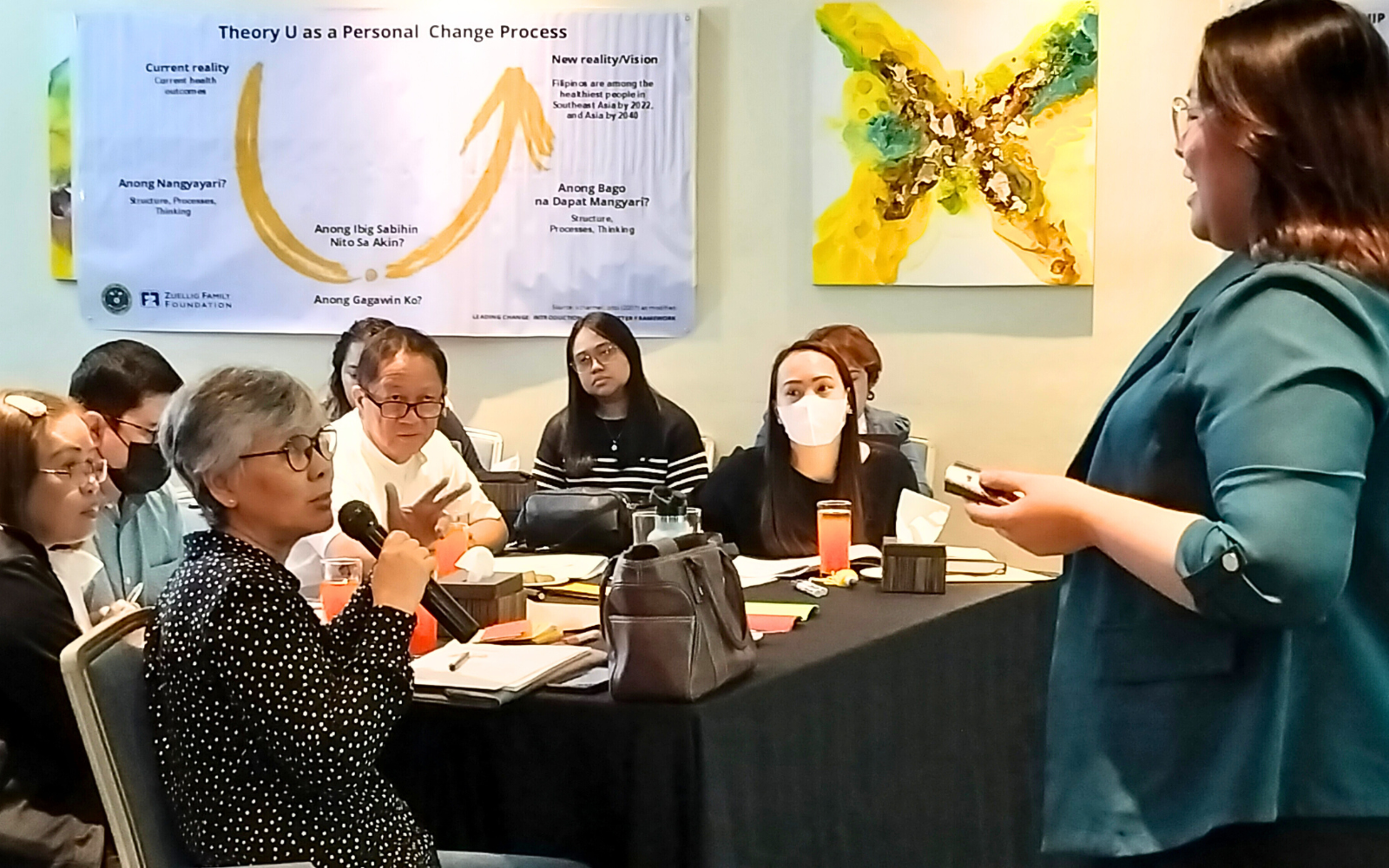
As Module 2 concluded, participants left with strengthened leadership competencies and actionable plans to drive progress in UHC, Nutrition, and ASRHR initiatives. ZFF’s Bayang Malusog program continues to empower leaders, fostering partnerships for sustainable change and a healthier future for communities.
Bayang Malusog Program Empowers Ilocos Health Leaders in Redesigning Health Services
The Zuellig Family Foundations (ZFF)’s Bayang Malusog Provincial Leadership Development Program (PLDP), Module 3 training at Farmers’ Hall in Vigan City last March 12 to 14, 2024 marked a milestone in the Ilocos region’s journey towards Universal Health Care (UHC). Provinces under the program showcased remarkable accomplishments and a united front in addressing the region’s healthcare challenges.
Collaborating with the Department of Health – Center for Health Development (DOH-CHD) Ilocos and University of the Philippines – College of Public Health (UP-CPH), health officers from the provinces of Ilocos Norte, Ilocos Sur, Pangasinan, and La Union engaged in discussions, analyses, and practical exercises in this training aimed at addressing challenges and redesigning health services to meet the region’s UHC objectives.

The design of Module 3 facilitated cross-learning and resources sharing among provinces. This approach ensured that as one region, they leveraged collective expertise and experiences, maximizing the impact of their efforts towards the shared goal of achieving UHC. Dr. Dan William Dacanay, Provincial Health Officer of La Union remarked, “Healthcare is a dynamic process that we need to constantly calibrate.”
The provinces, uplifted by regional support, made significant progress in enhancing healthcare accessibility, quality, and responsiveness. Ilocos’ UHC preparatory phase achieved an impressive 100% target level, with organizational readiness reaching 81%. Moreover, across all provinces, the percentage of accredited primary care facilities increased from 35% to 42%.
The culmination of the program’s efforts was also evident in the tangible improvements in health outcomes in the region. Maternal mortality rates plummeted well below the threshold at 52%, while facility-based maternal deliveries reached a commendable 100%.
During the Executive Session for Ilocos Sur on the third and last day, Governor Jeremias Singson expressed trust in the region’s collective capacity in realizing UHC, stating: “Hopefully, through the completion of all the modules, we have achieved everything necessary for the successful implementation of UHC. Together with the other provinces of Region 1, we are confident that we will be fully prepared for the rollout of UHC. We are united as one in Region 1.”

Moving forward, the program will continue to support the provinces through practicum implementation, coaching, mentoring, and a forthcoming colloquium in September. This ongoing collaboration ensures that the momentum gained in UHC is sustained and that challenges are collectively addressed, reinforcing the region’s position as a leader in promoting equitable and accessible healthcare for all.
Nutrition and Health Leadership: Envisioning Healthy Surigaonon Communities
“Malnutrition-free community,” Malimono dreams for their town. Malimono is one of the three Municipalities, alongside Del Carmen and San Francisco, in Surigao Del Norte that undertook Zuellig Family Foundation (ZFF)’s Nutrition and Health Leadership (NutriHeaL) for Resilience Module 1 training on February 13-16, 2024.
The NutriHeaL training is part of ZFF’s larger project, the Project Transdisciplinary Approach for Resilience and Environmental Sustainability through Multistakeholder Engagement (Project TRANSFORM), which seeks to foster resilient communities through improved health, education, and social protection. ZFF partnered with the Department of Environment and Natural Resources (DENR), Philippine Business for Social Progress (PBSP), Peace Equity Foundation (PEF), and other civil society organizations to implement the project in Surigao del Norte.
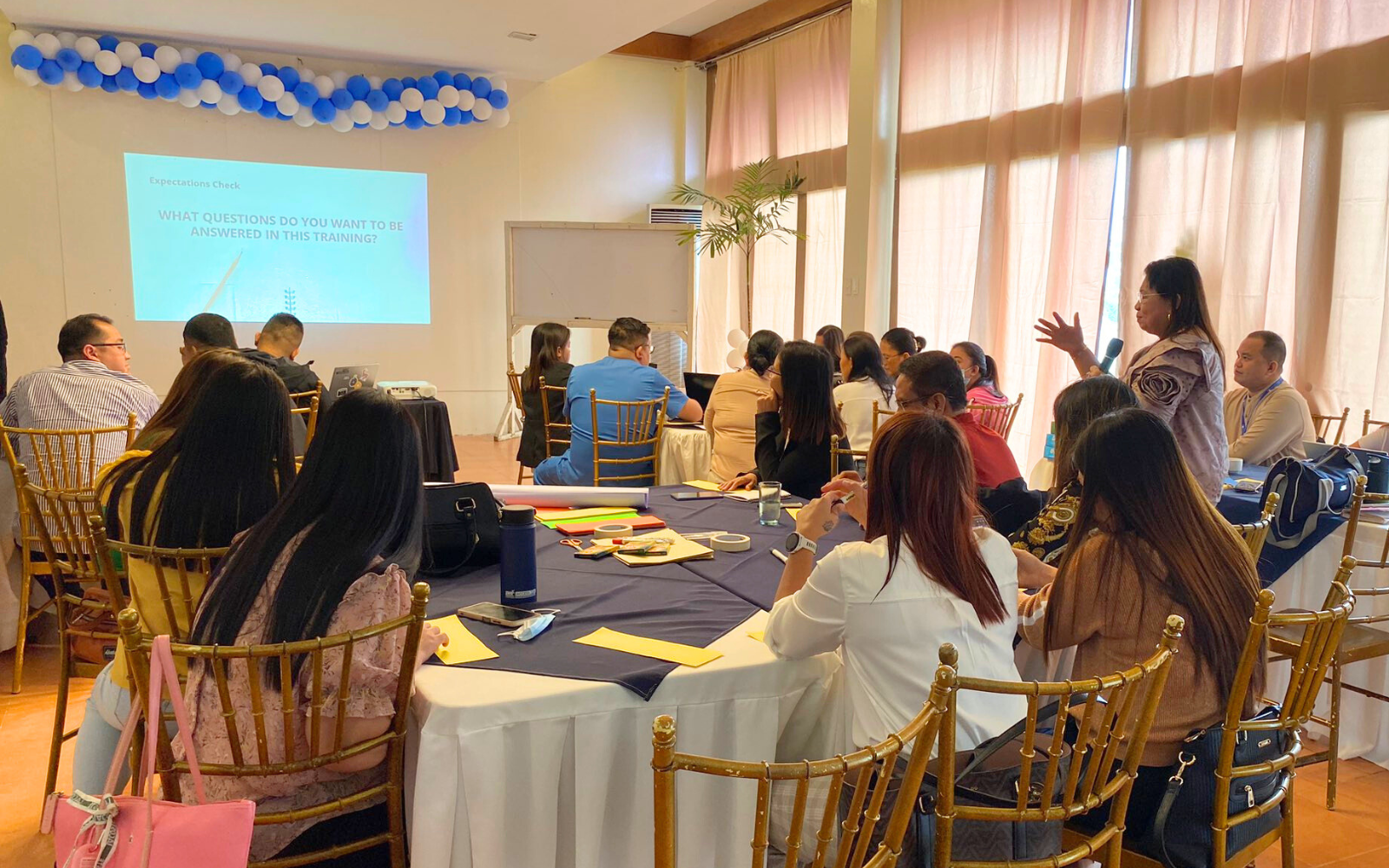
NutriHeal for Resilience Module 1 focuses on “Deepening Ownership and Accountability for Nutrition,” inviting municipal health leaders to delve into community realities and the various factors influencing nutrition which would then enable them to craft individual visions and actionable plans aimed at improving health, food, and nutrition systems within their municipalities. Mr. Ray Banglos of ZFF led a discussion on understanding global and national malnutrition landscape, while Nutrition Officer Ms. Hare Britney Jasmin National Nutrition Council Caraga Region, delivered a session on nutrition systems in emergencies.
One of the key highlights of the training was the emphasis on holistic, systems-based approaches to addressing malnutrition. ZFF Nutrition Portfolio Director, Dr. Joyce Viar, MHA, navigated through the complexity of malnutrition, and introduced ZFF’s Bridging Leadership as a response to this challenge. Mr. Jescir Crescencio of ZFF also facilitated a session on harnessing the power of Systems Thinking. In these sessions, rather than viewing nutrition in isolation, participants were encouraged to consider the interconnectedness of various factors, including healthcare access, education, environmental sustainability, and socio-economic conditions, empowering local leaders to devise comprehensive strategies.
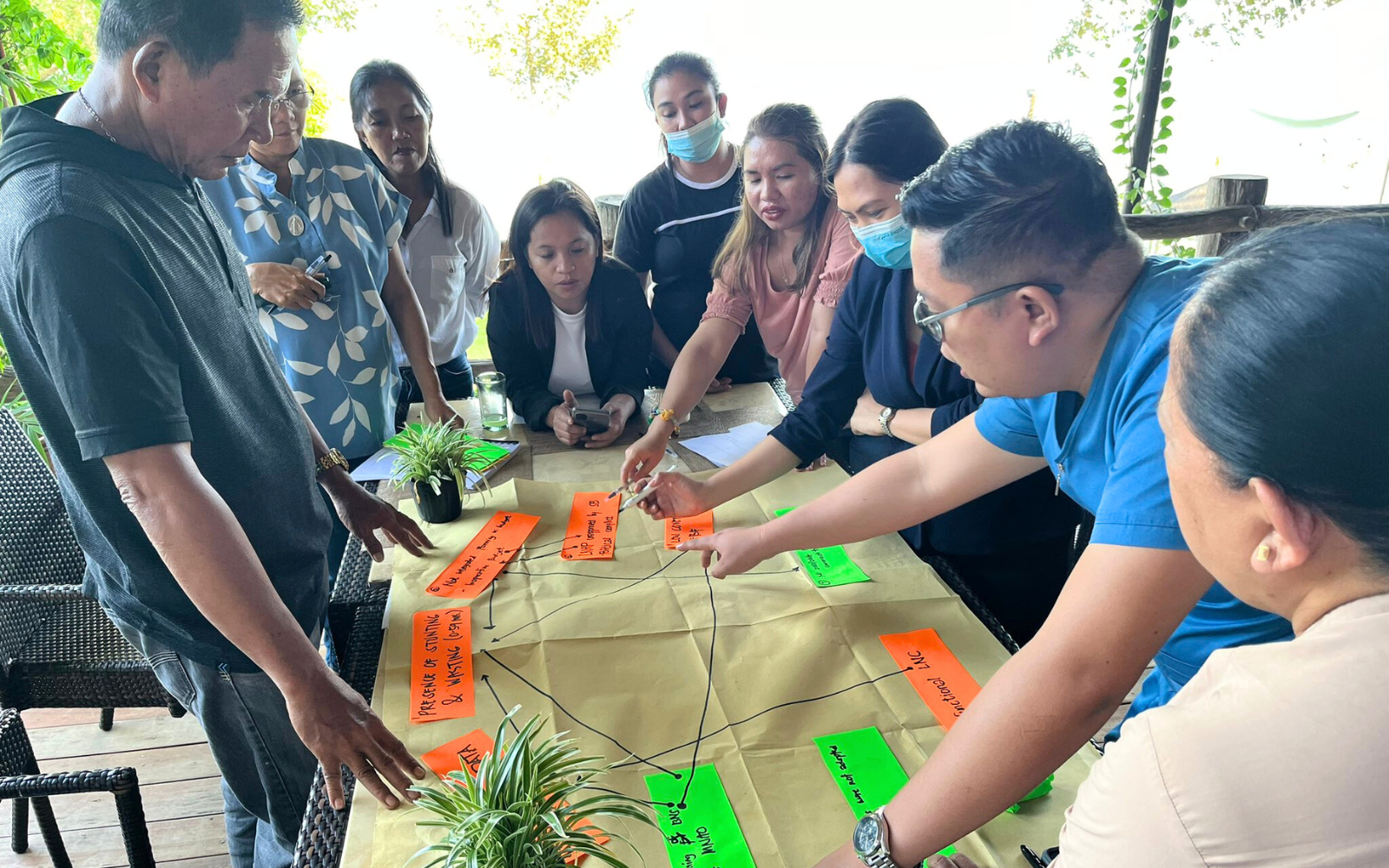
Moreover, the training emphasized multisectoral engagement processes, recognizing the need for collaboration across various domains to achieve optimal nutrition outcomes. Through dialogue and brainstorming, core teams generated innovative strategies to combat malnutrition, fostering a sense of collective responsibility and ownership.
ZFF dreams with Surigao del Norte for a community “where every individual has access to adequate, nutritious and safe food.” Through collective action, we can create a future where every Surigaonon has the opportunity to lead a healthy, fulfilling life.
Strengthening Indigenous Nutrition Practices: Health and Culture Can Thrive Side By Side
In a diverse archipelago like the Philippines, ensuring equal access to healthcare and nutrition services is a significant challenge, particularly among Indigenous Peoples (IPs) who often face unique cultural and geographical barriers. Recognizing this imperative, the Zuellig Family Foundation (ZFF) has launched the IP Inclusive Barangay Nutrition Governance Program (IPIBNGP) to address the specific needs of IPs in marginalized communities.
The IPIBNGP is part of a broader initiative, the Provincial Nutrition Governance Program (PNGP), aimed at improving the lives of vulnerable children and women in selected provinces across the Philippines. Collaborating with the Kristian Gerhard Jebsen Foundation (KGJF), ZFF is committed to enhance maternal, infant, child, and adolescent nutrition and health services, particularly within the critical First 1,000 Days (F1KD).
On February 13-14, 2024, ZFF initiated its pilot IPIBNGP roll-out training for the municipalities of Leon Postigo and Siayan, home to the Subanen, a large ethnic group in the Zamboanga peninsula area in Mindanao.
The two-day training, led by experts from ZFF-KGJF and Davao Medical School Foundation Inc. (DMSFI), engaged barangay and indigenous leaders, health workers, and nutrition scholars in interactive discussions on holistic nutrition governance. The participants delved into the fundamental concepts of nutrition, insights into the root causes of malnutrition and child health issues within the Subanen communities. This foundational knowledge serves as their springboard for crafting locally relevant interventions.
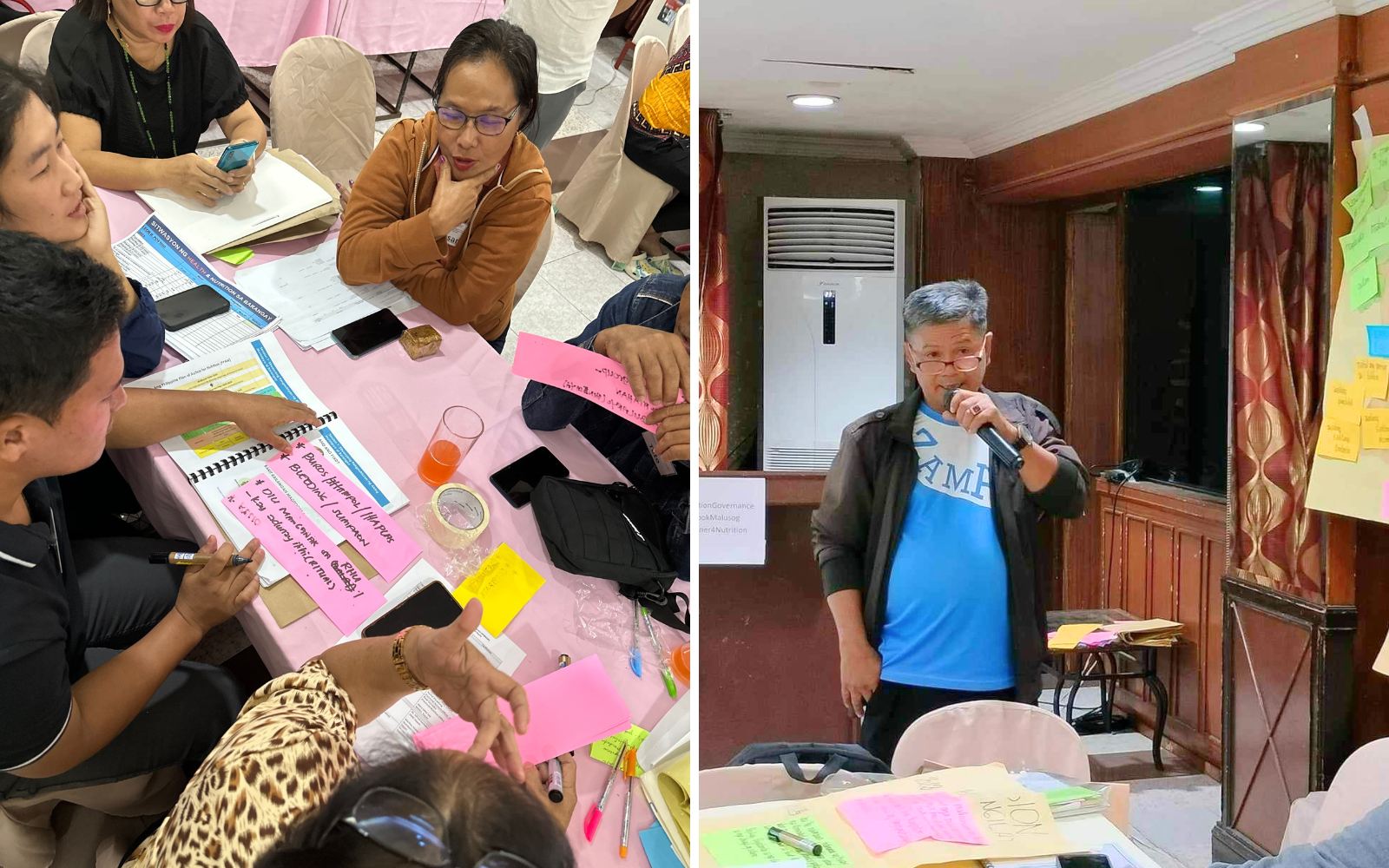
At the core of the program’s framework lies a participatory approach that places utmost importance on amplifying the voices and agency of the Subanen people in crafting their own health journey. Sessions on community participation and engagement underscored the importance of inclusivity in driving sustainable change. By integrating indigenous practices and beliefs into formal governance structures—local planning and budgeting cycles—the program seeks to create a sense of ownership and accountability among community members.
Representatives from Barangay Mangilay, Siayan, in their vision board wrote: “Nagkahiusa nga kumonidad bisan paman sa nagkalain-lain nga kultura ug pagtuo tumong sa usa ka malambuon, malinawon himsog ug hamugaway nga barangay.” (A united community despite differences in beliefs and culture working together towards a peaceful, prosperous, healthy and comfortable barangay.)
In Zamboanga del Norte, the Subanen people are keepers of tradition and symbols of hope. With the IPIBNGP guiding them, they stride towards a healthier, brighter future—one deeply rooted in their rich heritage and nourished by collective action. As the program continues to expand its reach across the Philippines, it not only underscores inclusivity and cultural sensitivity but also serves as a reminder of the resilience and strength inherent within indigenous communities. With their traditions as a guide, they are building a tomorrow where health and culture thrive side by side.