Pasig City: Bridging Governance through a Needs and Rights-Based Information and Service Delivery Network
The nation admires Pasig City for its progressive governance. However, it faces a complex problem: while the adolescent birth rate (ABR) is declining overall, the age of pregnant girls is getting younger.
Mayor Vico Sotto acknowledges this gap. “We commend the efforts of the city officials, barangays, and partner NGOs—the programs and projects look good and promising. But we go back to the reality and recognize that there is a chink in the armor. Even if Pasig is wealthy, we still fall short.”
Related article:
Urban Flux and Hidden Inequities
Pasig’s location attracts migrants, which complicates healthcare delivery. Many young people live in precarious arrangements, missing school and health services.
Mayor Sotto calls for unity to solve this: “The Philippines is a ‘third-world country’—our resources will not be enough. But what’s great about us Filipinos is that what we lack in arms, we compensate with strength in unity.”
At the program launch in September 2023, City Health Officer Dr. Joseph Panaligan highlighted the value of partnership. “The city government will be providing its full support to this powerful and worthy endeavor… Ang pangarap mo ay pangarap ko rin (Your dream is also the dream I carry).”
The Information and Service Delivery Network (ISDN) as a Rights- and Needs-Based Response
Pasig’s priority response is the Information and Service Delivery Network (ISDN). It breaks down silos among departments to create a coordinated safety net for adolescents, ensuring no young person falls through the cracks.
The city designed the ISDN to be both needs-based and rights-based. The City Leadership Team (CLT), established through Pasig’s engagement with the Zuellig Family Foundation (ZFF) through The Challenge Initiative (TCI)-Philippines, identified four priority issues:
- Violence against Women and Children (VAWC)
- Mental Health
- Sexually Transmitted Infection (STI) and Human Immunodeficiency Virus (HIV)
- Substance Abuse
Violence against Women and Children
The ISDN is guided by the Responsible Parenthood and Reproductive Health Act of 2012 (Republic Act [RA] 10354) and a 2021 law, RA 11648, which raised the minimum age of sexual consent from 12 to 16. When screening identifies an adolescent in a relationship with an adult, the City Social Welfare Office provides protection and manages the case.
Mental Health
Following the Mental Health Act of 2018 (RA 11036), the city empowers non-specialist providers to identify and manage mental health issues at the community level. It uses the World Health Organization’s (WHO) Mental Health Gap Action Programme Intervention Guide (mhGAP-IG) to scale up services.
STI and HIV
Anchored on the Philippine HIV and AIDS Policy Act of 2018 (RA 11166), the city’s social hygiene clinics ensure universal access to services. These facilities are adolescent-friendly, uphold strict confidentiality, and are sensitive about parental consent for minors.
Substance Abuse
Guided by the Comprehensive Dangerous Drugs Act of 2002 (RA 9165) and the Juvenile Justice and Welfare Act (RA 9344), the city emphasizes community-based rehabilitation over punitive measures for minors. The Substance Abuse Treatment and Outreach Program provides services for persons who use drugs (PWUDs), including adolescents.
From Policy to Practice
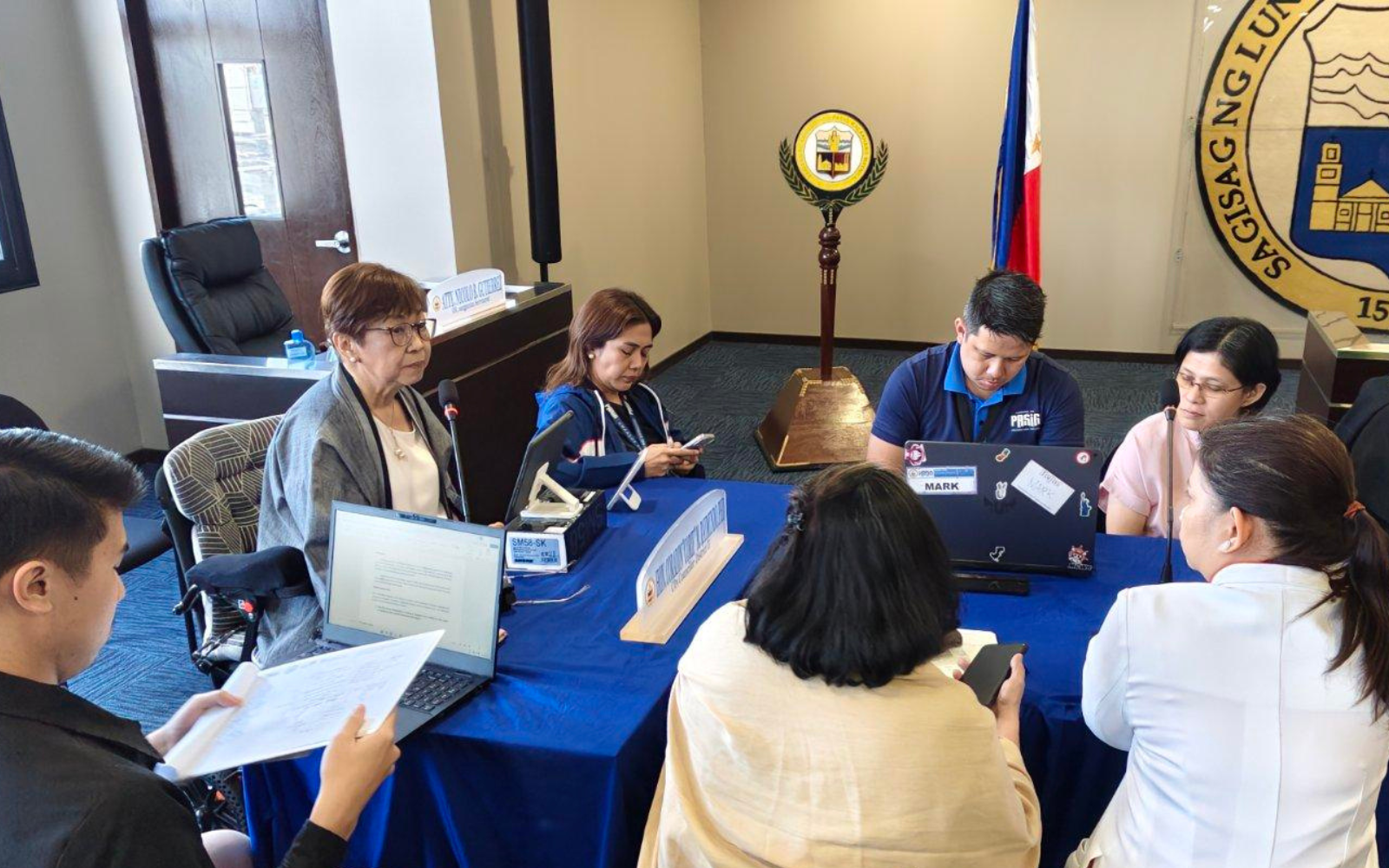
Young people helped map out the issues and streamline office roles. This ensures continuity of care and prevents
adolescents from retelling their trauma to multiple agencies. The team applied bridging leadership: owning the problem, co-owning the solution, and co-creating across boundaries.
To earn young people’s trust, the team worked with the Sangguniang Kabataan (SK) to ensure peers delivered the information. To tackle conservative beliefs, they push for open, age-appropriate conversations.
Mark Ernest Ferrer, Adolescent Health and Development Program Nurse Coordinator, shared: “We believe that adolescents have self-determination to make responsible choices, when given accurate information, but parents also need support to guide them to have conversations about these confidently.”
Complementing Services and Messaging
Pasig trains frontline providers to deliver adolescent-friendly services. Barangay youth leaders co-develop communication plans. Assistant City Health Officer Dr. Stuart Santos noted: “We were introduced to the concept of Bridging Leadership [by ZFF and TCI]… This has resulted in the implementation of a more responsive health program, one that is truly aimed at advancing social equity.”
For Pasig, the ISDN is a litmus test. It asks whether the city’s reputation for good governance can translate into equity and care for its most vulnerable young people.
Banner photo: Communications Planning Workshop with SK Officers
Breaking Down Silos: How Quezon City Improved Adolescent Health Services
Quezon City is one of the Philippines’ most progressive cities in social development. It has consistently won awards for good governance, transparency, innovation, and climate action. Quezon City has become a national model for inclusive and environmentally conscious leadership. These achievements are significant, especially given the challenges the city faces.
In the past, departments often worked in isolation, with little awareness of each other’s programs. A teenager seeking reproductive health assistance might start at one facility only to be referred elsewhere, often without a clear handover. Many adolescents got lost in this process, falling through the gaps of an uncoordinated system. This fragmentation highlighted a key challenge: even as Quezon City kept its adolescent birth rate below target, many young people still missed out on timely care.
Then City Health Officer Dr. Verdades Linga explained their vision: “I dream of an effective and efficient system that gives our adolescents the care they need, when and where they need it—a system they can trust and rely on.”
Related article:
Building Bridges: Creation of the QUSI Teen Network
Recognizing that no single office could meet all the health needs of adolescents, Quezon City took a top-down approach. The city first passed City Ordinance No. SP-3128, s. 2021. This law, titled “An Ordinance Providing for the Prevention Programs to Address the Increasing Adolescent Pregnancy,” created the legal basis for coordinated action.
Through its Implementing Rules and Regulations, the city formally adopted the Information and Service Delivery Network for Adolescent Health and Development (ISDN4AHD). The ISDN4AHD is a network of facilities and providers across different levels that work together to offer information, training, and a core package of health and social services for adolescents. It acts as a way for various groups to collaborate and ensure their efforts are aligned.
In Quezon City, this network is called the Quezon City Unified Services and Information Teen Network (QUSI Teen Network). It includes member institutions, referral pathways, and tools to strengthen coordination, making adolescent health services more seamless and responsive.
Building the network required a full map of available services across all departments that support adolescents, from social and financial help to mental and physical health care. After identifying these services, the city streamlined them to reduce duplication and unnecessary referrals, especially for sensitive cases. To ensure clarity, they created flowcharts showing which department handles each service, what it offers, and where to refer adolescents. These pathways went through many reviews with service providers before being finalized.
Maria Cecilia Magtalas, the Population Program Supervisor, described the shift: “Before, we worked in our own bubbles. Now, through the ISDN, we know exactly who to call, where to refer, and how to follow up. It feels like we’re finally working as one team for the young people.”
Enforcing Foundations: Training Frontliners of the ISDN
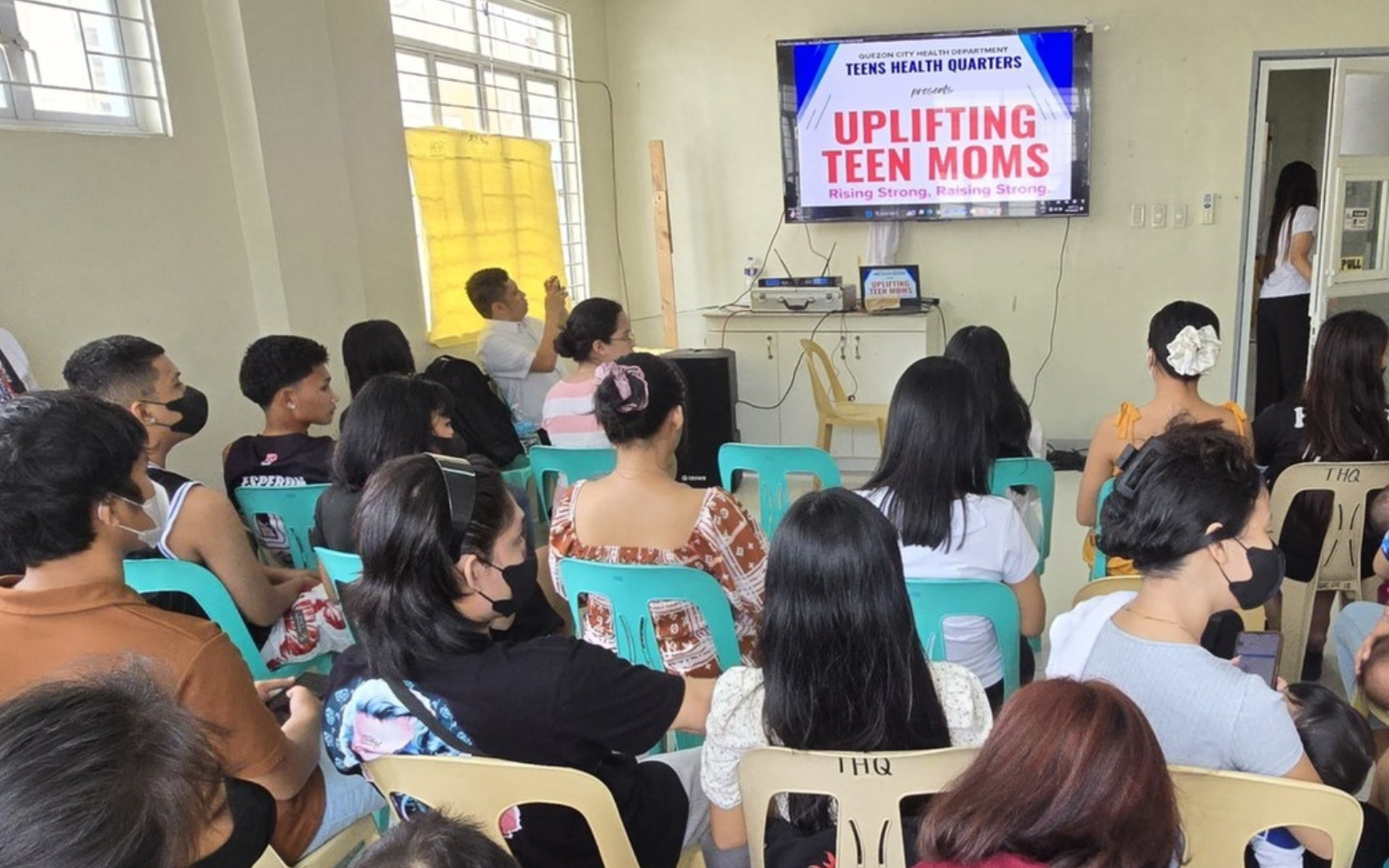
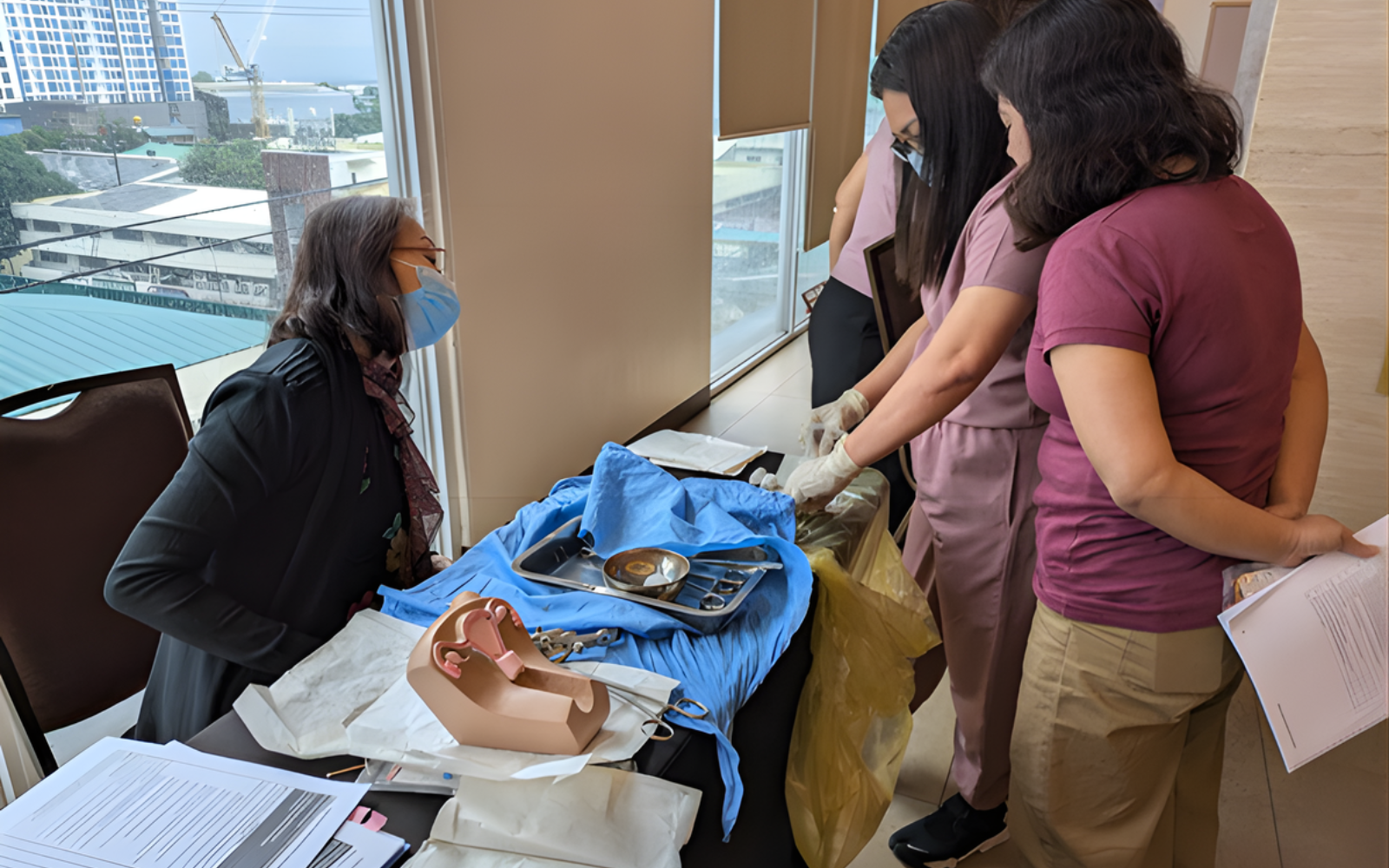
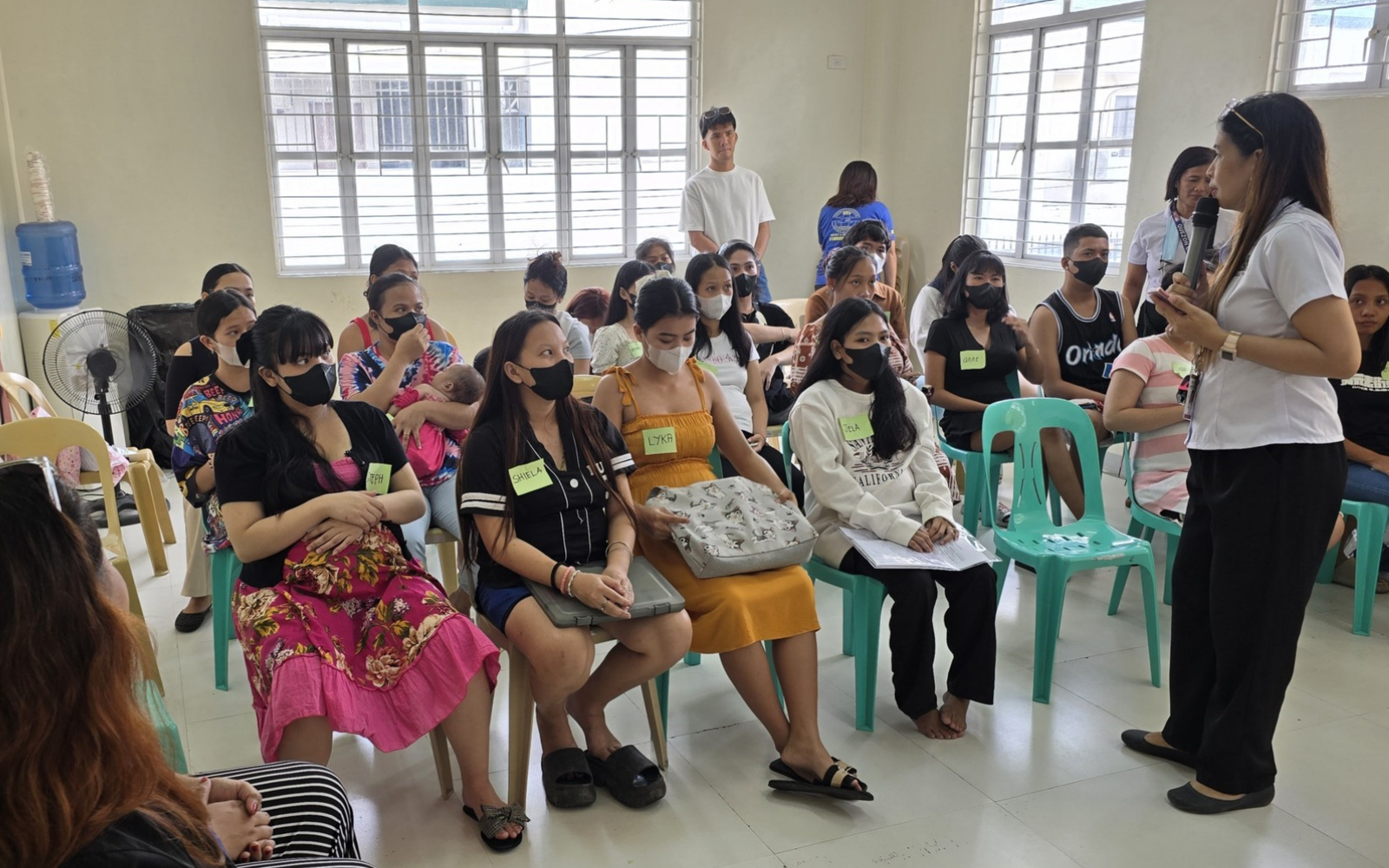
To make the referral network work, The Challenge Initiative (TCI)-Philippines, together with Quezon City’s Population Program Supervisors, created a structured training program for ISDN frontliners. Frontliners are the staff who directly assist adolescents seeking help, such as health center coordinators, social workers, and guidance counselors. The training aimed to introduce the Adolescent Health and Development (AHD) Program framework, increase awareness of adolescent issues, and build skills for managing the referral system.
The training covered several key areas. It started with an Adolescent Situationer and the Framework of the AHD Program. Next, participants learned about Managing a Referral System, including the networks and procedures agreed upon in departmental meetings. A key part was introducing the HEADSSS tool, a structured guide to assess risks in adolescents. This acronym stands for Home, Education/Employment, Eating, Activities, Drugs, Sexuality, Suicide/Depression, and Safety. It helps providers screen for other concerns and refer to the right channels.
Finally, they covered Essential Skills of a Responder, including sessions on inclusivity and sensitivity. This included discussions on Sexual Orientation, Gender Identity, and Expression (SOGIE), Data Privacy, Confidentiality, and Active Listening to ensure respectful communication.
One social worker shared how the training changed their approach: “The training changed how I see my role. Before, I just handled the concern right in front of me. Now, I know how to listen for what’s not being said and guide them to the right help.”
The Road Ahead
While the ISDN has already closed many coordination gaps, its continued success will depend on regular monitoring, ongoing training for staff, and using digital tools to track referrals. This will make the system even more efficient and responsive.
Quezon City is already seeing results. The adolescent birth rate remains within target levels, and modern contraceptive use is rising. By breaking down silos and taking progressive steps, the city has improved young people’s lives and become a model for transformed adolescent health services—showing that innovation, collaboration, and political will can drive lasting change.
Banner photo: Physicians completed training on Postpartum IUD insertion, facilitated by the Quezon City Health Department.
How Tacurong City Transformed Adolescent Health
Tacurong City sits at a crossroads in South Central Mindanao, serving as Sultan Kudarat’s commercial hub. It’s the smallest but most crowded area in the province, with over 109,000 people. As the main center for healthcare and education, it draws communities from nearby provinces. Yet growth brings challenges, especially in security and public health. The city urgently needs more accessible and complete family planning services.
Finding the Gaps
In 2021, Tacurong joined The Challenge Initiative (TCI), a global program implemented in the Philippines by the Zuellig Family Foundation (ZFF). It helps local governments launch and sustain effective family planning (FP) and adolescent and youth sexual and reproductive health (AYSRH) solutions.
Related article:
Through a Program Design Workshop, leaders examined what blocked AYSRH and identified action items to improve the status quo:
- Strengthening the AYSRH committee. It existed in Tacurong City but needed clearer structure and purpose.
- Enhancing training for health staff on AYSRH. Providers needed skills to talk comfortably with teens.
- Developing adolescent-specific strategies beyond DOH (Department of Health) programs as most services focused on adults and children.
Building Stronger Leadership
After the workshop, former Mayor Lino Montilla formed the City Leadership Team (CLT). This created a strong inter-agency system that united different departments and mobilized barangay officials and youth groups. Gary Bañas, Social Worker and Population Program Officer, recalled, “The program design was followed consistently, which integrated adolescent programs across different sectors, especially schools and communities. Collaboration between the LGU (Local Government Unit), Commission on Population and Development (CPD), DOH, and partners made it possible to accelerate adolescent-friendly health services in the city.”
Through TCI, the city built both structure and skills. Coaching helped the CLT lead and sustain changes. Current Mayor Lina Montilla credits TCI for knowledge that strengthened her leadership and helped Tacurong champion AYSRH more effectively.
Creating Services Teens Can Trust
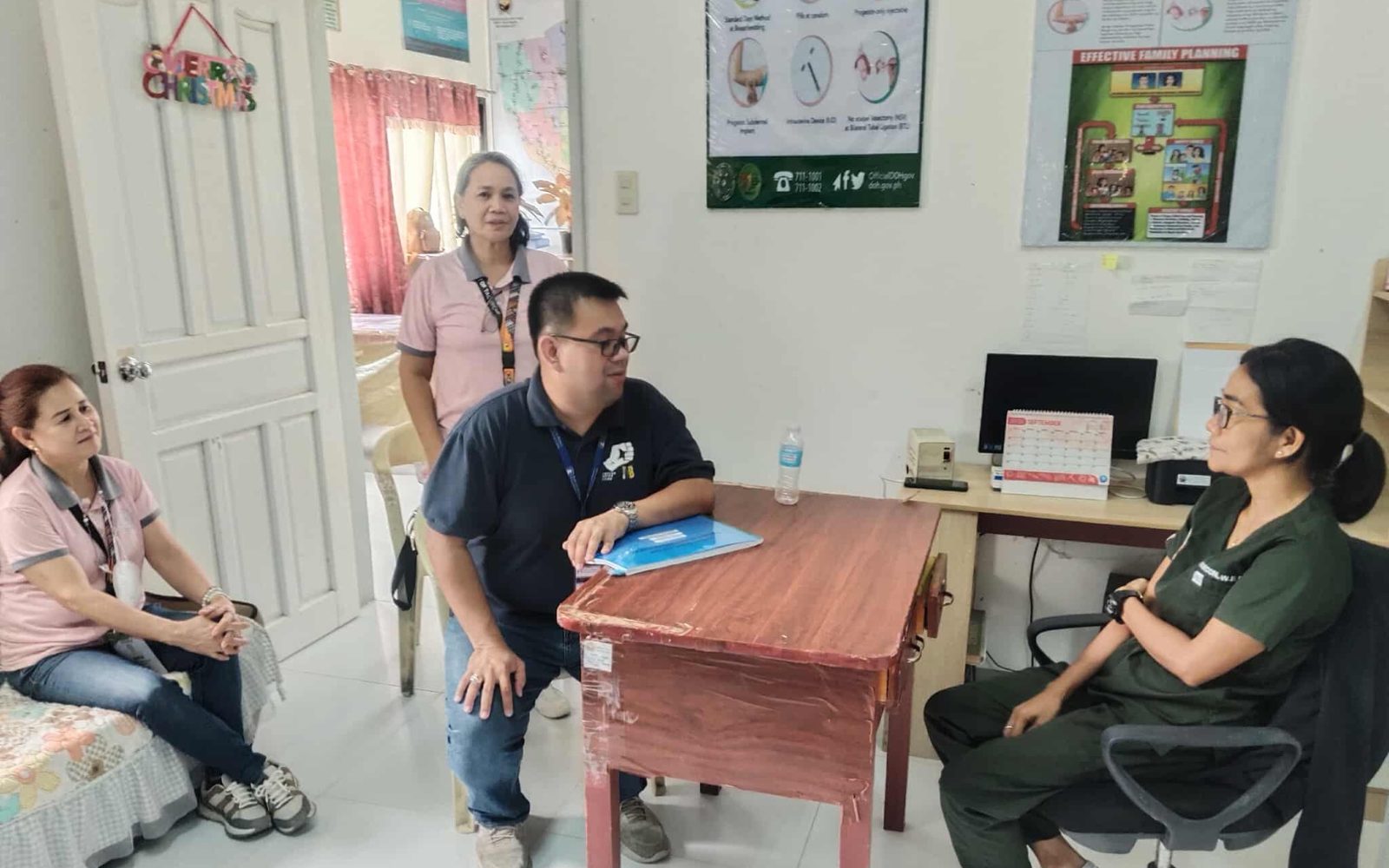
A major step was establishing adolescent-friendly health facilities (AFHFs). These provided resources and trained staff ready to serve without judgment. Nurse and Family Planning Coordinator Gina Ramiscal noted that few young people sought care before. “They either didn’t know services existed or were afraid they would be judged,” she recalled. Adolescent Sexual and Reproductive Health Coordinator Richyle Mae Gallenta added, “Young people used to visit health centers alongside regular patients, which created discomfort because there was no privacy.”
The city expanded programs including the Buntis Class and Healthy Young Ones, giving young people health information and safe spaces to learn.
Young mothers felt the impact directly. Ana*, 19, and Bella*, 22, shared their stories. A felt fear, regret, and uncertainty when she discovered her pregnancy. She felt grateful for Laarni Ecalla, midwife from the Upper Katungal Health Center and President of Midwives in Tacurong. Together with Kagawad (“barangay councilor”) Expedito Ramay Jr., Chairperson on Health, Ecalla provided counseling and seminars for young mothers. B learned from her experience to delay pregnancy, warning it can be extremely difficult both physically and financially.
Kagawad Ramay expressed hope for livelihood programs for teenage mothers with the Department of Social Welfare and Development (DSWD). “We believe young mothers should become champions who can encourage and support other teenage mothers in our community,” he said.
Mayor Lina Montilla stressed working closely with the Department of Education (DepEd). Guidance counselors and teachers became key allies in reproductive health education. As she emphasized, “By working with schools and guidance counselors, we ensure that young people find trusted adults they can turn to for advice on health and family planning.”
Reducing Reliance on Outside Help
To secure lasting impact, Tacurong passed local ordinances that institutionalized AYSRH. The city set aside dedicated funds for family planning and adolescent health.
“Family planning and adolescent health are now priorities in Tacurong. These programs are embedded in the Gender and Development (GAD) funds and the city’s budget. We are assured of sustainability because policies are in place,” Mr. Bañas noted.
Mayor Montilla echoed this commitment: “Our ordinances and teen centers are not just policies on paper; they are lifelines. We invested city funds so that services will continue regardless of changes in administration or external programs.”
Seeing Real Results
By 2024, Tacurong’s adolescent birth rate (ABR) dropped significantly compared to 2020, from 34 births to 26. The modern contraceptive prevalence rate (mCPR) stayed above the national target of 30%, showing greater trust in available services.
Community education and youth symposiums shifted attitudes at home. As Ms. Ecalla shared, “Pregnancies among very young girls have dropped. Parents are more open to talking about reproductive health. The conversations are happening in barangays where adolescents visit health facilities together with their parents and are directed to counselling rooms for additional support.”
Today, all health facilities in Tacurong are certified as adolescent-friendly. Every staff member is trained to provide these services.
The city also invested in data monitoring. Regular checks helped the team track progress and adjust. As Ms. Gallenta put it, “Data has become our guide. It tells us what is working, where we need to improve, and how we can better serve young people.”
Making It Last
Tacurong’s transformation is not temporary. With supportive policies, dedicated budgets, and teen centers, the city built a system meant to endure. Challenges remain. Ms. Ramiscal noted, “Program coordinators wear several hats. No one has a role specific to family planning and adolescent health.” Still, the city stays determined to reduce adolescent pregnancies and prevent repeats among young mothers.
Tacurong’s journey shows that sustainable progress is possible. The city moved from fragmented, externally dependent programs to a resilient, locally led system. The lesson is simple yet powerful: when leaders prioritize adolescent health and invest in both people and systems, communities thrive.
As Mayor Montilla concluded, “Every adolescent deserves the knowledge, services, and support to build a healthier future. When we empower young people with knowledge about reproductive health, we don’t just protect them, we secure the future of Tacurong’s families.”
* Name has been changed to protect the identity of the young mothers.
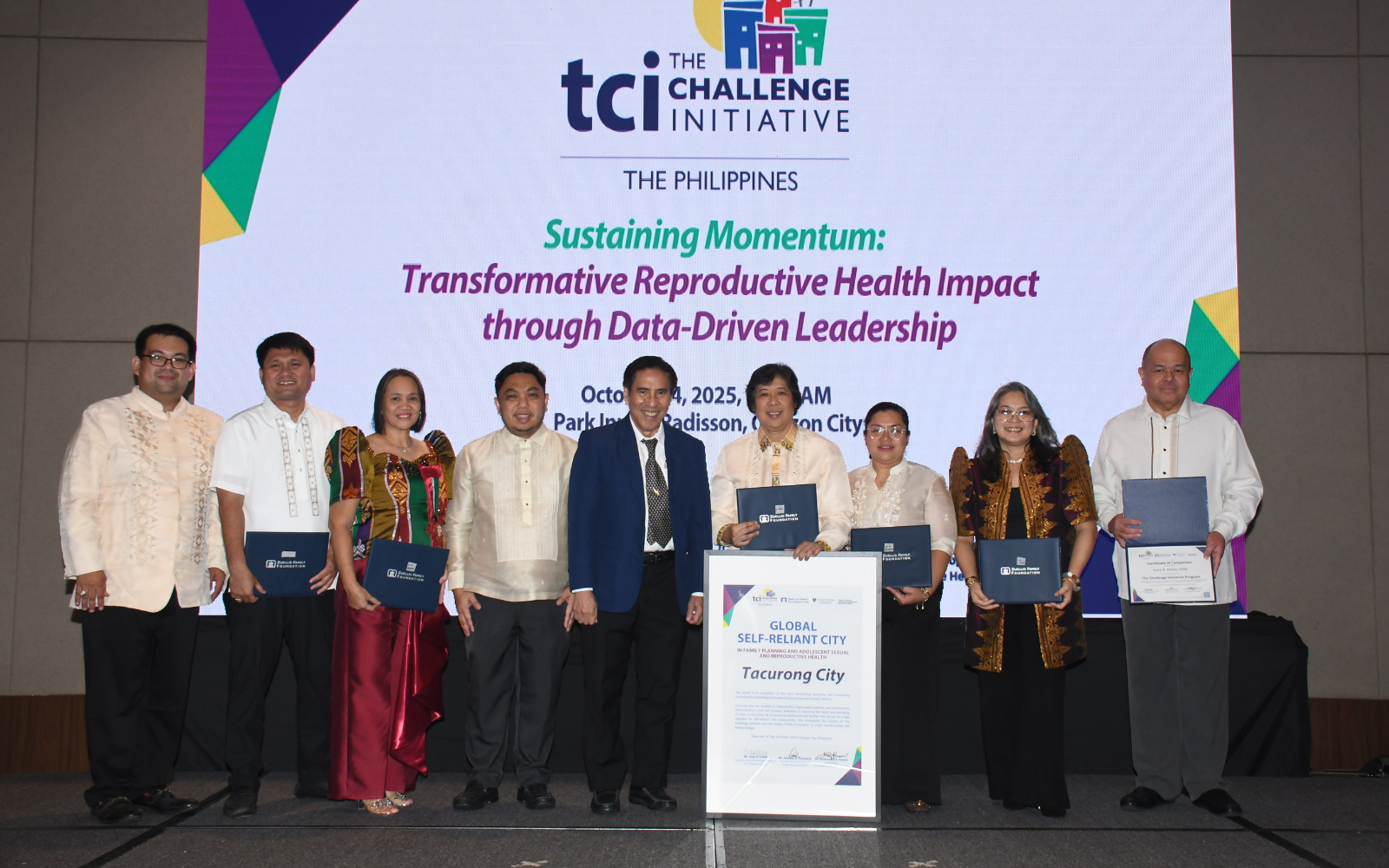
Banner photo: Courtesy visit to Tacurong City, where Barangay Enrique JC Montilla Health Center and Grino Super Health Center were recognized for delivering high-quality family planning services to women of reproductive age and adolescents. They were welcomed by City Councilor for Population Lalaine Montilla, together with Councilor Harvey Legas of the Health Committee.
Listening First, Leading Next: A Local Hero for Youth in Southern Leyte
For over ten years, Keisha Batalon served the people of Padre Burgos, Southern Leyte, as a Medical Technologist at the local Rural Health Unit. She knew the community’s health challenges intimately. In 2023, she felt a calling to reach beyond clinical care and engage directly with young people.
When she was named Local Youth Development Officer and Health Education and Promotion Officer, Keisha saw an opportunity to not only provide health services, but to listen, guide, and empower adolescents to take part in shaping their own futures.
Her journey with the Zuellig Family Foundation (ZFF) under its Expanded Youth Leadership and Governance Program (EYLGP) began with learning spaces that shifted her perspective. “I can say that before EYLGP, I already had passion in youth leadership,” she shares. “But after EYLGP that ‘passion’ to lead activities turned into leading with purpose. For me, it was no longer about just programs, it is now about transforming lives. I began to understand that leadership is not about title, it’s about service. EYLGP was such a blessing because since then my heart for youth empowerment became more grounded in humility, accountability, and purpose.”
Related articles:
- Southern Leyte Shows Progress in Reducing Teen Pregnancies
- Serving One’s Community Has No Age Limit: Improving Adolescent Health and Rights in Leyte
- Emilio Galangue: Empowering Youth in Basey, Samar
Keisha deepened her understanding of the struggles and hopes of young people. She discovered that real change begins not with programs imposed from above, but with listening closely. “I have observed that when young people feel safe, they are more likely to openly talk about their thoughts, ideas, concerns, and struggles without fear of judgment, discrimination, or harm.” This insight became the foundation for her work, designing initiatives that respond to their lived experiences.
By mid-2024, she was translating these lessons into action. She led community roll-outs of EYLGP modules in several barangays. That same year, she helped open the Padre Burgos Teen Center, a safe space where adolescents could access health services, talk freely about their concerns, and feel seen. She also spearheaded the local adaptation of TrucKABATAAN, a mobile medical mission that brought essential health services directly to adolescents who might otherwise go without.
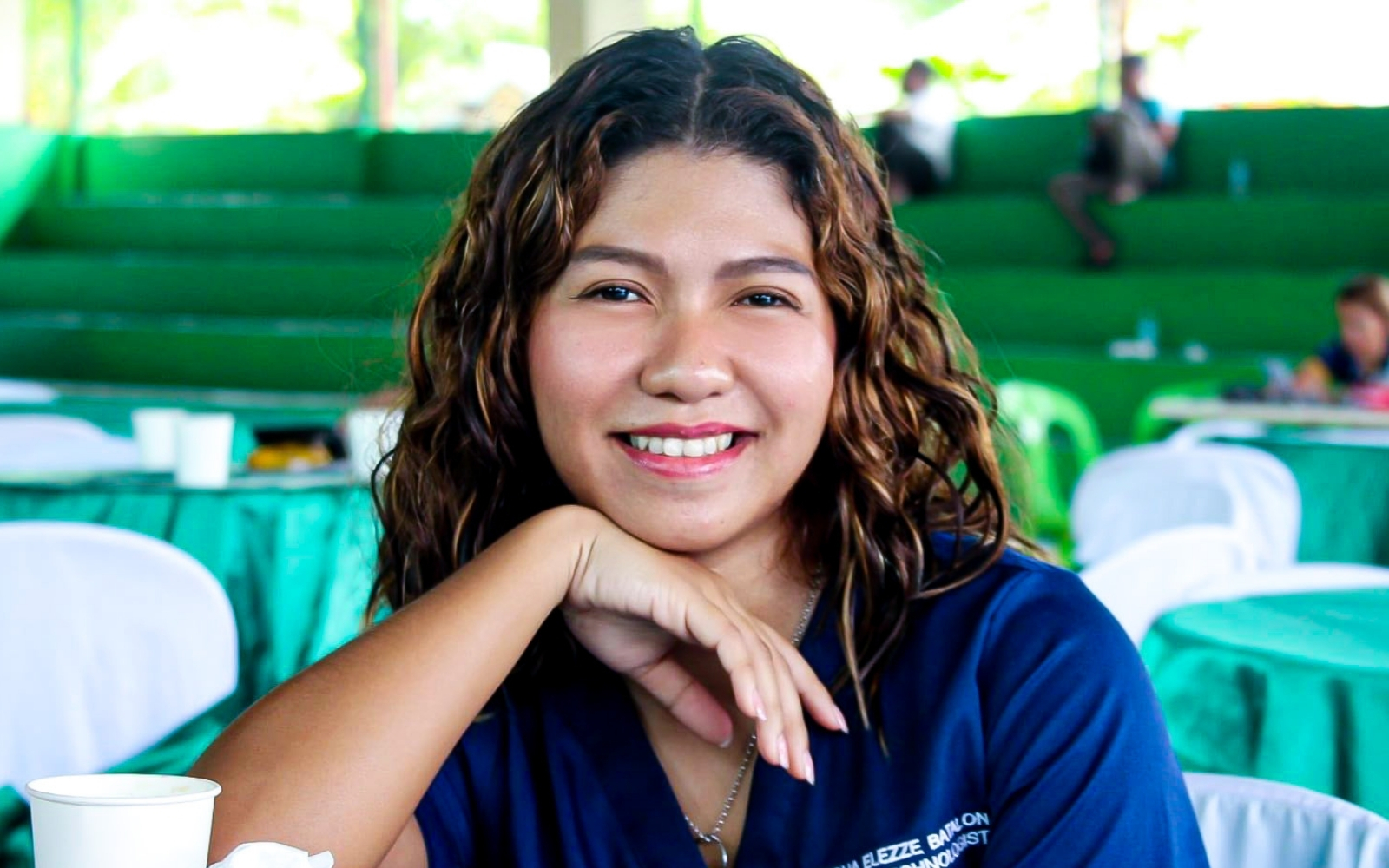
Keisha’s approach was always personal. She mentored youth in Barangay Cantutang as they ran their own version of the Commission on Population and Development project, “Isip-isip Before You Unzip,” creating spaces for honest conversations about relationships, sexuality, and life choices. She organized events to celebrate youth contributions, and worked alongside the Local Youth Development Council to advocate for ordinances that protected young people—on curfews, internet access, and safe spaces in their community. Slowly, she saw more adolescents stepping forward and voicing their ideas.
For Keisha, the true reward is found in these connections. “What I am most proud of as a youth leader isn’t the awards, titles, or recognition but it’s the trust, connection and relationship I’ve built with the youth,” she reflects. “It warms my heart that many of them see me not just as an officer, but as their ‘ate’—someone they can approach whenever they need assistance, advice, or simply someone who will listen. Receiving messages, either personally or via social media, saying that I’ve inspired them, even in small ways, to become better students and leaders reminds me that leadership is influence, and I’m grateful to be part of their journey.”
By 2025, the impact was visible. Attendance at youth events doubled, and trust between the community and young people grew. Most strikingly, the number of live births among 15 to 19-year-olds in the municipality dropped from 13 in 2022 to just four in 2025.
Yet Keisha knew the work was far from over. She faced challenges in engaging youth who felt apathetic, reaching out-of-school adolescents, and sustaining participation over time. Still, she remained guided by a simple principle: empathy matters more than criticism.
“My hope for the youth of Padre Burgos is that they grow into confident, compassionate, and purpose-driven leaders. Young people who don’t just dream of change, but become the change for our community,” she adds, “And as long as I am given the opportunity to serve, I will continue walking beside them, guiding, mentoring, and believing in them.”
Photos from: Municipal Local Government Unit of Padre Burgos, Southern Leyte
Authors: Krizzia Esperanza, ZFF Corporate Communications Associate; Armand Duque, ZFF EYLGP Associate
ZFF Receives Drs. Jess and Trining de la Paz Award from Ateneo de Davao University
On behalf of the Zuellig Family Foundation, Chairman Dr. Manuel Dayrit accepted the Drs. Jess and Trining de la Paz Award from Ateneo de Davao University on February 14, 2026. In his speech, he honored the couple’s pioneering spirit in community health. He recalled how, as a young intern in Davao, he was welcomed into their home, where conversations over breakfast and dinner stretched from healthcare to community life.
Related article:
“They would welcome me, and it was just like yesterday when I recall we would be seated for dinners and breakfasts in their veranda dining room in Matina, and we would be discussing all sorts of things—from healthcare, to ordinary things that happen in the country, to community health.”

“Jess and Trining de la Paz were visionaries, and their legacy lives on,” he emphasized, noting that the recognition belongs not only to the Foundation, but to the mayors, health officers, youth leaders, and community workers who have walked with ZFF in advancing community health.
As he closed, Chairman Dayrit reaffirmed ZFF’s mission: “As we accept this award, we recommit ourselves to the values of compassion, service, and integrity.
Banner photo, from left to right: Benjamin Lizada, Chair of the Ateneo de Davao University Board of Trustees; Rev. Karel San Juan, University President; Alma de la Paz; Dr. Manuel Dayrit, Chair of the Zuellig Family Foundation; Dr. Joyce Viar, Rachel Paradiang, and Samantha Morales, ZFF Representatives; and Daniel de la Paz.
Photos from: Ateneo de Davao University
Author: Kristine Paula Bautista, ZFF Public Engagement Associate
Faith, Culture, and Care in Isabela de Basilan
Isabela de Basilan draws strength from its diversity. The city is home to 130,379 people who speak Chavacano, Tausug, Yakan, and other languages. Many residents practice Islam, while others come from Indigenous and Christian communities. This mix of cultures now shapes how the city delivers family planning (FP) and adolescent and youth sexual and reproductive health (AYSRH) services.
In August 2023, Isabela de Basilan joined The Challenge Initiative (TCI), implemented in the Philippines by the Zuellig Family Foundation (ZFF). TCI supports local governments in strengthening FP and AYSRH programs. Earlier that year, Mayor Sitti Djalia Turabin-Hataman, known as Mayor Dadah, had already set the direction. In February 2023, she signed Executive Order No. 005, creating the City Leadership Team (CLT) to guide and coordinate reforms across the city.
Instead of treating faith and culture as obstacles, city leaders chose to work with them.
Related article:
- Nine Cities Recognized as Global Self-Reliant Cities in Reproductive Health
- Ang Pamilyang Planado, Panalo: Isabela de Basilan’s Efforts in Family Planning
Naming the Challenges
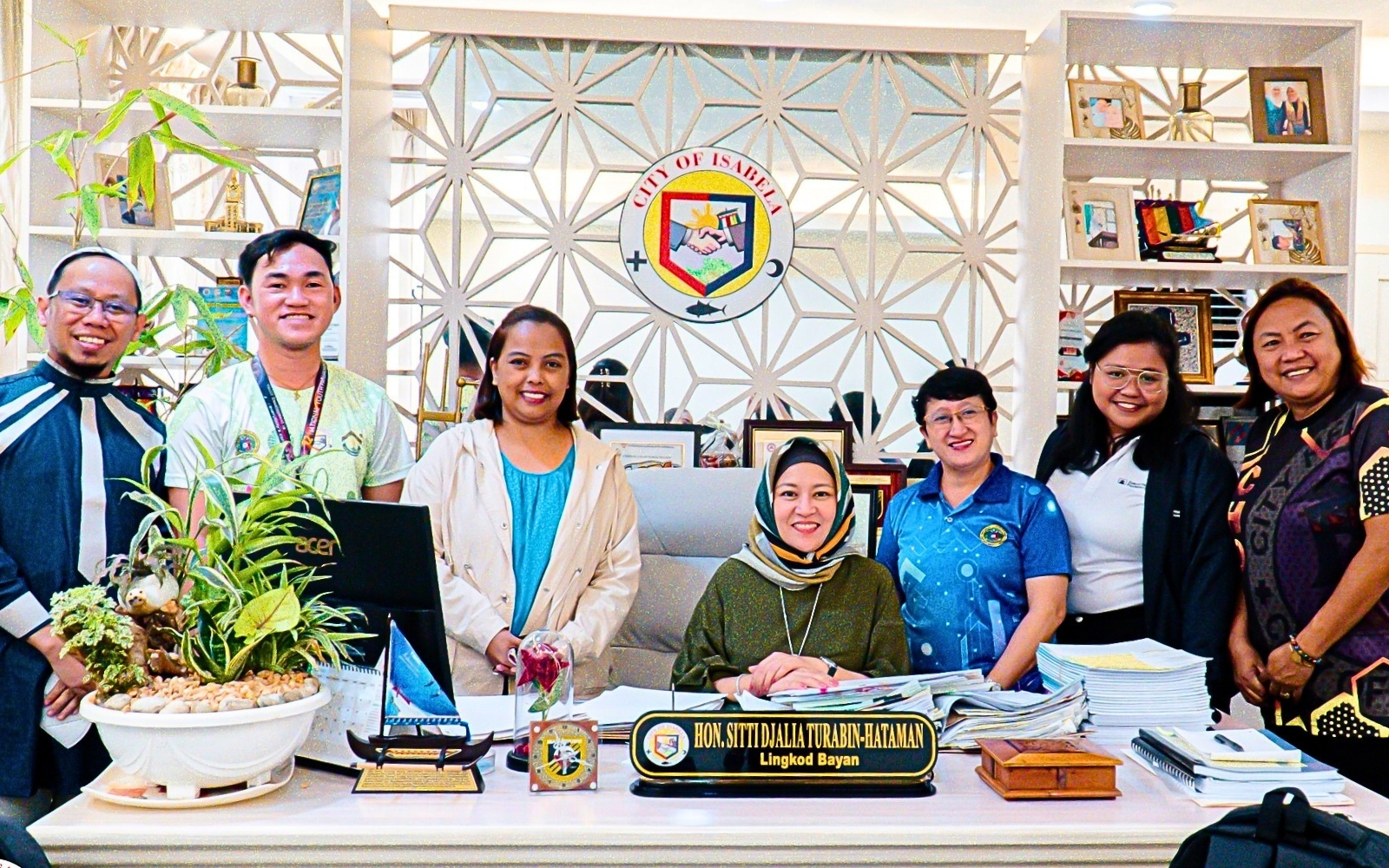
In October 2023, 21 members of the CLT took part in a Program Design Workshop. During the sessions, they openly examined gaps in the local health system. By November 2023, the team translated these discussions into an approved Work and Financial Plan.
The workshop surfaced several concerns:
- Governance gaps: The city lacked a permanent body focused on FP and AYSRH. Offices worked in silos, and the city had no digital health information system.
- Service delivery issues: Health workers needed more training to counsel clients and provide modern contraceptive methods such as Progestin Subdermal Implants (PSI) and Intrauterine Devices (IUDs). Island communities struggled with irregular access to supplies. The city also had too few Levels 1 and 2 Adolescent-Friendly Health Facilities (AFHF).
- Social and cultural barriers: Advocacy activities reached only some communities. Early marriage and teenage pregnancy remained sensitive and deeply rooted concerns.
- Youth support gaps: The city had limited numbers of trained peer educators and safe spaces where adolescents could seek help.
These gaps affected island and remote communities the most.
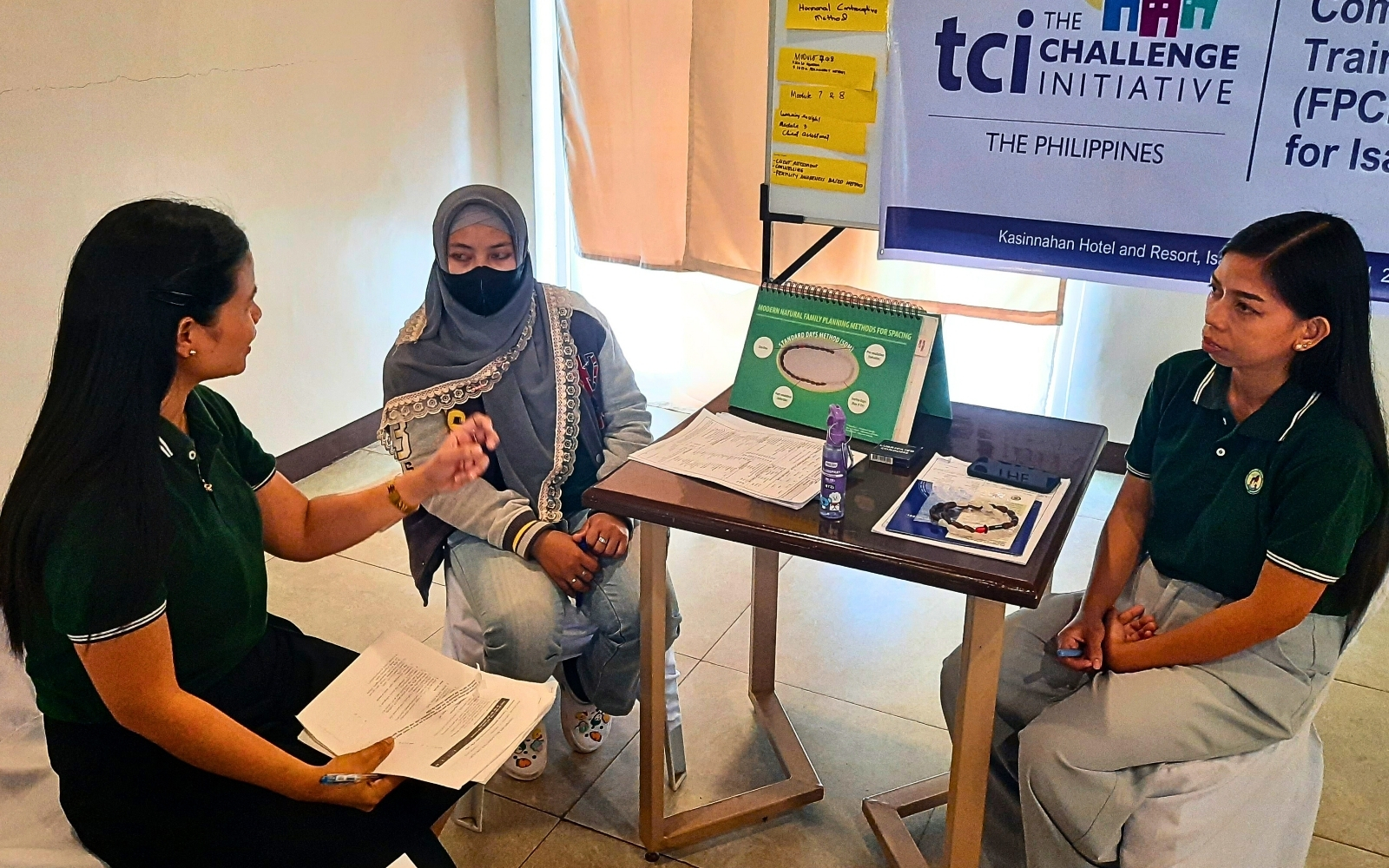
The city united around a shared vision: “By 2029, young Isabeleños will be empowered, responsible, well-informed and engaged in AYSRH and FP with good governance and through a collaborative, intercultural, and sustainable approach towards living their lives to the fullest.”
Using Technology to Improve Care
The city strengthened its response by adopting Wireless Access for Health (WAH), a digital platform that now serves as its first Electronic Medical Records (EMR) system. Health workers now use real-time data, track family planning counseling sessions more accurately, and link records with PhilHealth eClaims.
Health indicators show early progress. Since 2020, the adolescent birth rate has steadily declined and remains within the national target of fewer than 37 births per 1,000 adolescents. Although the modern contraceptive prevalence rate has not yet reached the 30% benchmark, earlier gains point to strong potential if the city sustains its investments.
Creating Space for Faith and Dialogue
In 2024, during the 2nd Indigenous Peoples Celebration, the city organized its first Adolescent Pregnancy Summit under the theme “Empowering Leaders: Indigenous Voices in Adolescent Pregnancy Prevention.” The event brought together community leaders, Islamic scholars, and health advocates for open and respectful dialogue.
Atty. Nur-Aiza Gagarra, Provincial Cooperative Officer and FP champion, presented “Early Pregnancy and Islamic Belief (Fatwa)” and linked Islamic teachings with Republic Act No. 11596. Jasmin Teodoro, Executive Director of Pinay Kilos Inc., led sessions on AYSRH and facilitated a “speed dating” activity to help participants practice healthy communication.
Participants ended the summit with a hand-painting ceremony led by Miriam Suacito, Executive Director of Nagdilaab Foundation Inc., to affirm their shared commitment to protecting young people.
Letting Young People Lead
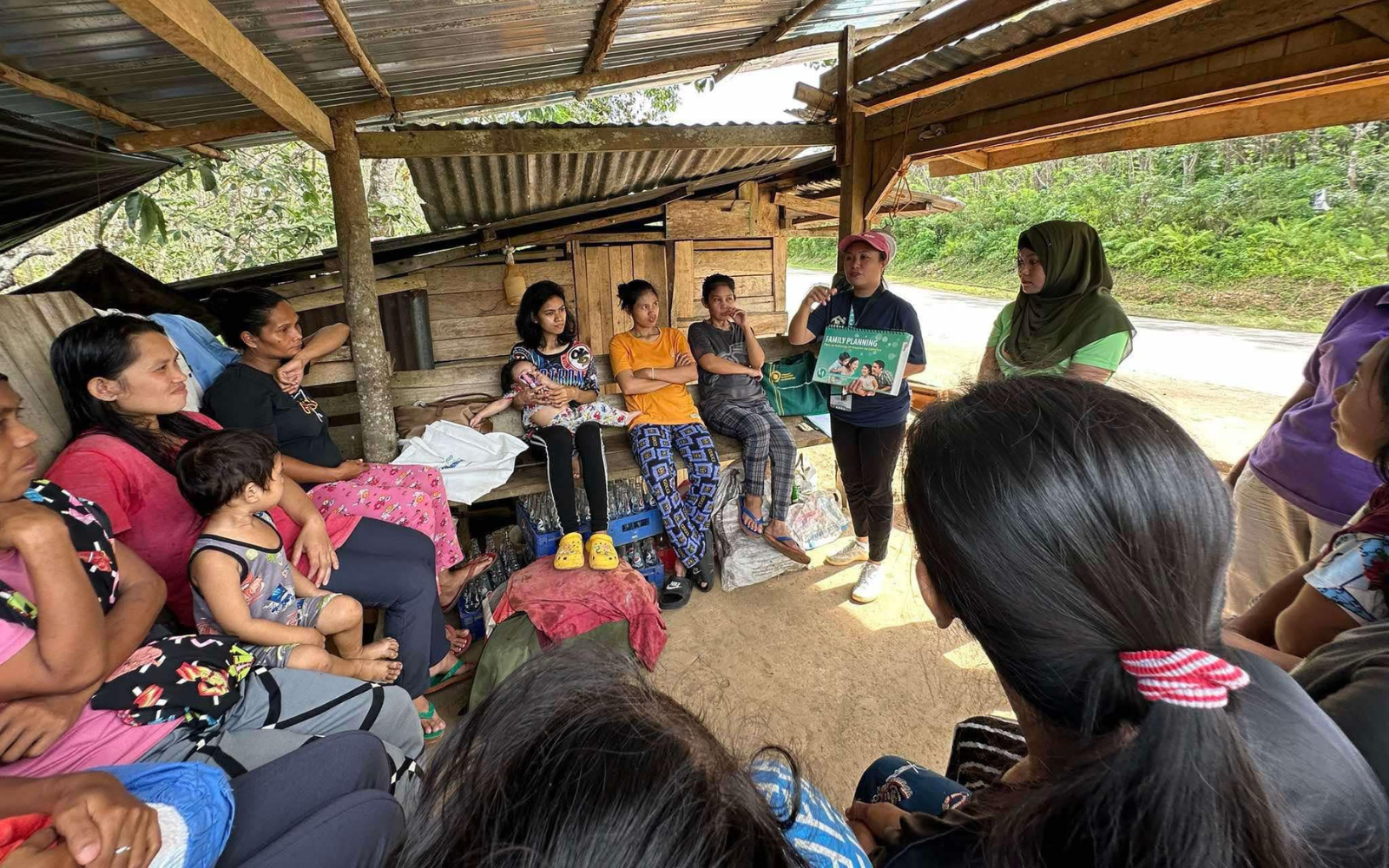
The Local Youth Development Office and the Sangguniang Kabataan (SK) Federation mobilized youth groups, especially on Malamawi Island, to address early pregnancy and other adolescent concerns. SK chairpersons allocated funds through their Comprehensive Barangay Youth Development Plans and Annual Barangay Youth Investment Programs.
These investments strengthened Teen Centers, School-Based Teen Centers, and the Information Service Delivery Network (ISDN) for Adolescent Health and Development. These spaces allow adolescents to seek services without fear or judgment and help peer educators reach other young people in culturally sensitive ways.
Building Systems That Respect Diversity
Today, the CLT functions as a strong coordinating body. City offices use Gender and Development (GAD) funds to sustain programs across communities. At the same time, the EMR system records not only medical data but also language needs and cultural considerations, helping providers deliver more responsive care.
Isabela de Basilan shows that cities can pair modern systems with cultural respect. Its experience proves that progress does not require communities to abandon their beliefs. Instead, it calls on health systems to listen, adapt, and work closely with the people they serve.
Breaking the Cycle: How Mandaluyong is Addressing Adolescent Pregnancy
Mandaluyong City often stands out as a story of economic growth. In 2002, the Department of Trade and Industry (DTI) and the Asian Institute of Management Policy Center named it the “Tiger City” of Metro Manila. More than two decades later, the city continues to rank among the top five highly urbanized cities (HUCs) in per capita gross domestic product.
As the city grows, many residents still struggle. Migration continues to rise, informal settlements expand, and a large transient population makes long-term programs harder to sustain. One of the city’s most urgent concerns is adolescent pregnancy.
Related article:
- Nine Cities Recognized as Global Self-Reliant Cities in Reproductive Health
- From Momentum to Milestone: Mandaluyong City’s TCI Journey
Mandaluyong has kept its adolescent birth rate (ABR) below the national target, but progress has remained uneven. The ABR reached 19% in 2020, dropped to 13% in 2021, then climbed again to 18% in 2022. Poverty, unstable housing, and cultural differences linked to migration place adolescents at greater risk. For many young people, this reality means broken families, stigma when seeking health services, and limited spaces to talk openly about adolescent and youth sexual and reproductive health (AYSRH).
The city also struggles to improve the use of modern contraceptives. Uptake remains below the national target of 37%. National policies restrict adolescents’ access to contraception, allowing only age- and development-appropriate counseling, which limits prevention options.
Working with Communities
City Health Officer Dr. Arnold Abalos partnered with The Challenge Initiative (TCI), implemented in the Philippines by the Zuellig Family Foundation, to strengthen the city’s response to adolescent pregnancy. Together, they advanced Community Group Engagement, an approach that brings communities together through dialogue and education to promote healthy sexual relationships and influence social norms.
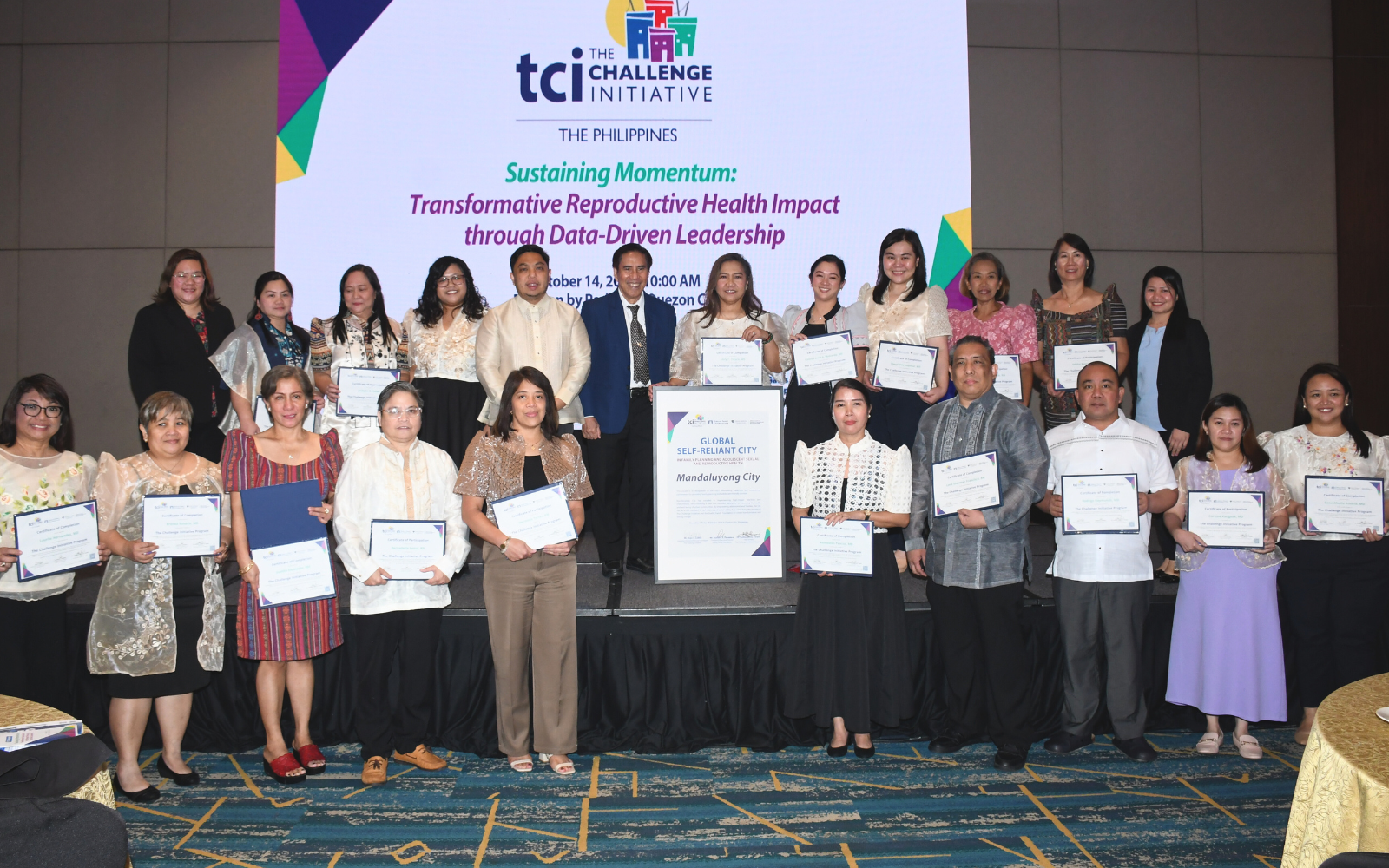
The city focused its efforts on three groups: adolescents, their peers, and the care providers who serve them.
Adolescent Health and Development (AHD) Program Coordinator Dr. Camille Almodiente-Mascardo shared, “Finding the right balance is really the key. One of our key messages is: they still have a choice and a future.”
Reaching Adolescents Where They Are
Mandaluyong invested in community-centered strategies that respect adolescents’ age, development, and lived realities. One key initiative, the annual Adolescent Congress, brings together around 1,000 public school students from across the city.
The congress gives young people a safe space to talk openly about sexuality, reproductive health, and life skills. Sessions on AYSRH and development help students understand physical, mental, and sexual changes. Activity booths run by peers, health workers, and local leaders add practical and relatable insights. The event also serves as a one-stop medical mission, offering dental services, vision screening, and physical exams. Over time, students have come to look forward to the congress not only for its services, but also for the chance to connect with peers.
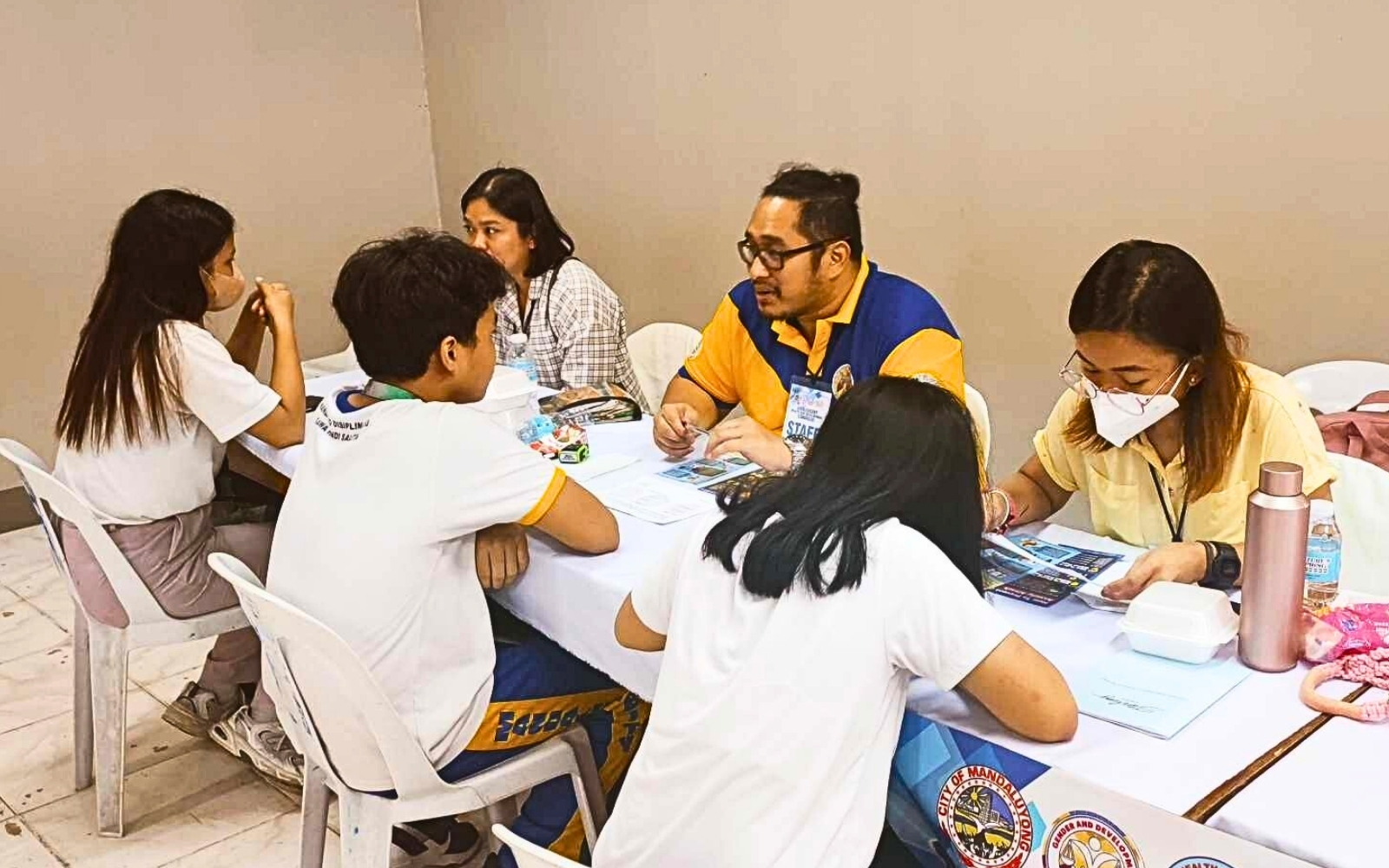
The city also runs the Healthy Young Ones (HYO) lecture series, an information, education, and communication program for adolescents aged 10 to 19. The series covers eight modules, including puberty, sexual health, sexual orientation and gender identity, sexually transmitted infections, human immunodeficiency virus (HIV), acquired immunodeficiency syndrome (AIDS), and personal safety and well-being.
Over the past three years, with support from TCI, the Mandaluyong City AHD Program unit, in collaboration with the City Population Development Office, has implemented the lecture series in schools.
Youth Leading Youth
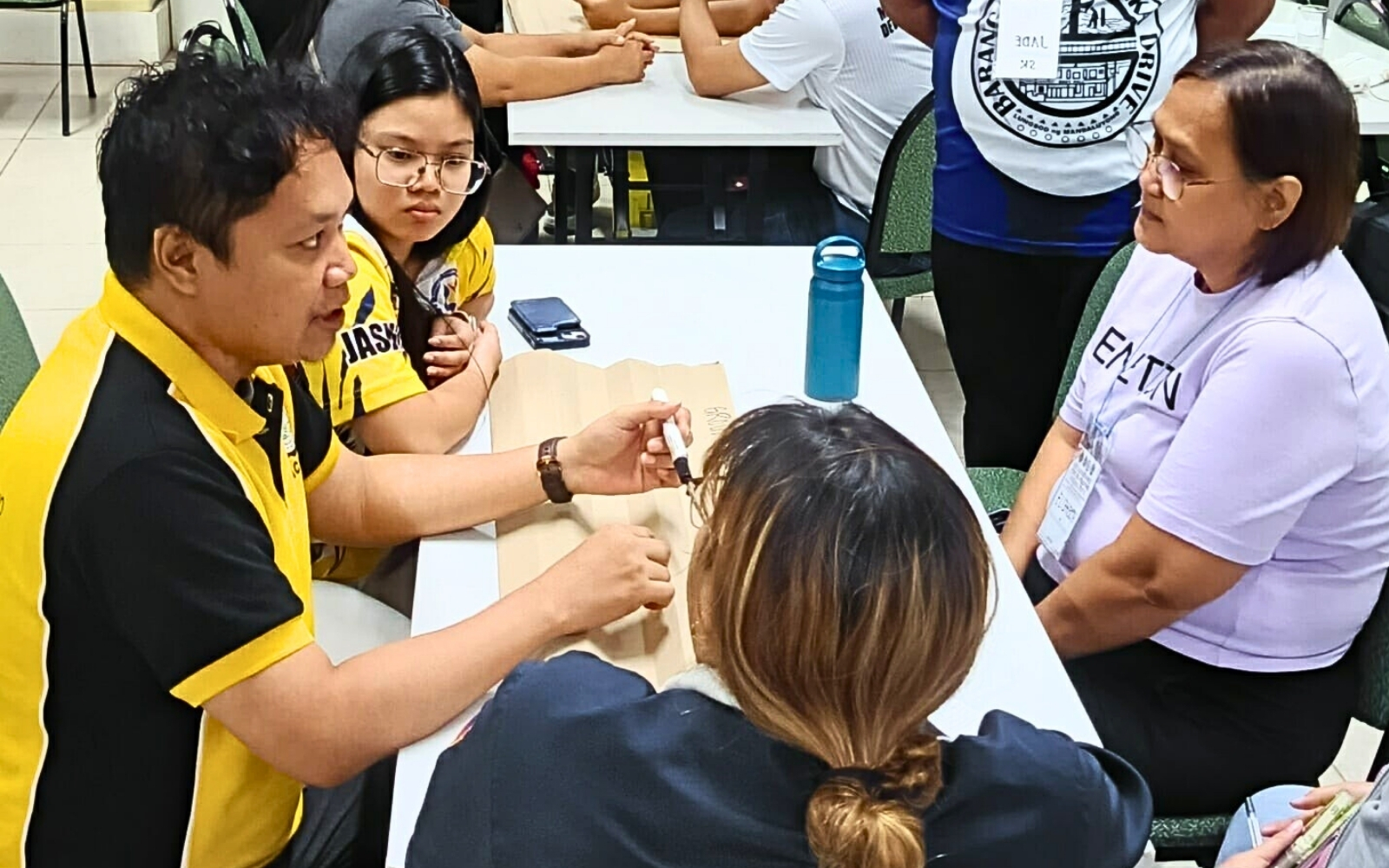
The city also strengthened the role of the Sangguniang Kabataan (SK). Mandaluyong trained SK officials and barangay youth leaders as peer educators, allowing them to share AYSRH information in ways that feel familiar and credible to their peers.
The city also encouraged SK leaders to act as governance partners. With access to resources and the authority to design programs, they launched youth-centered activities that complement the AHD Program, address physical and mental health concerns, and reduce stigma around seeking care. This approach connected formal governance with community action and ensured that youth voices shaped services.
Building Adolescent-Friendly Services
Mandaluyong recognized that adolescents will only seek care if services feel safe and welcoming. The city trained health workers, teachers, and school personnel to strengthen communication skills, address personal bias, practice empathy, and protect confidentiality—alongside technical competencies.
The city also invested in program leadership. Managers of adolescent health programs joined Health Leadership and Management Training (HLMT) to clarify their vision, take ownership of adolescent pregnancy challenges, and work together on practical and sustainable solutions.
Signs of Change
Progress has not followed a straight line, and challenges such as poverty and migration remain. Still, the city has begun to shift its approach. Adolescents now take on roles as educators, leaders, and advocates. Health workers act as allies rather than gatekeepers. Communities increasingly understand that adolescent pregnancy is a public health issue that calls for care, understanding, and shared responsibility.
Recent data show early gains. ABR has stabilized at 13%, while modern contraceptive use has steadily increased to 24%. Although more work lies ahead, these results show that Mandaluyong has made real progress in protecting adolescents’ health and future.
For Mandaluyong, the story continues. But in the voices of young leaders and adolescents who now claim their right to health, one thing is clear: the cycle can be broken.
Negros Occidental Builds Stronger Nutrition Leadership
“The strength of our workforce, the potential of our children, and the dignity of every Negrense family are closely intertwined with the quality of life that we are able to provide.”
Negros Occidental is now part of Zuellig Family Foundation (ZFF)’s Nutrition Leadership and Equity Acceleration Program (NutriLEAP). Governor Eugenio Jose “Bong” Lacson, together with mayors and other local leaders and health officers in the province participated in the Executive Session under NutriLEAP, in partnership with Kain Tayo Pilipinas supported by the Philippine Business for Social Progress, last February 3, 2026. The session centered on building a shared understanding of challenges and creating strategies to improve nutrition outcomes in Negros Occidental.
Dr. Joyce Viar, Nutrition Director at ZFF, provided context and framing, guiding the participants through the activity’s objectives: to analyze the provincial nutrition landscape, articulate personal and shared leadership commitments, and co-create strategies for priority nutrition challenges. ZFF’s approach emphasized practical, systems-focused processes rather than abstract discussions, ensuring that every activity was tied to measurable action.
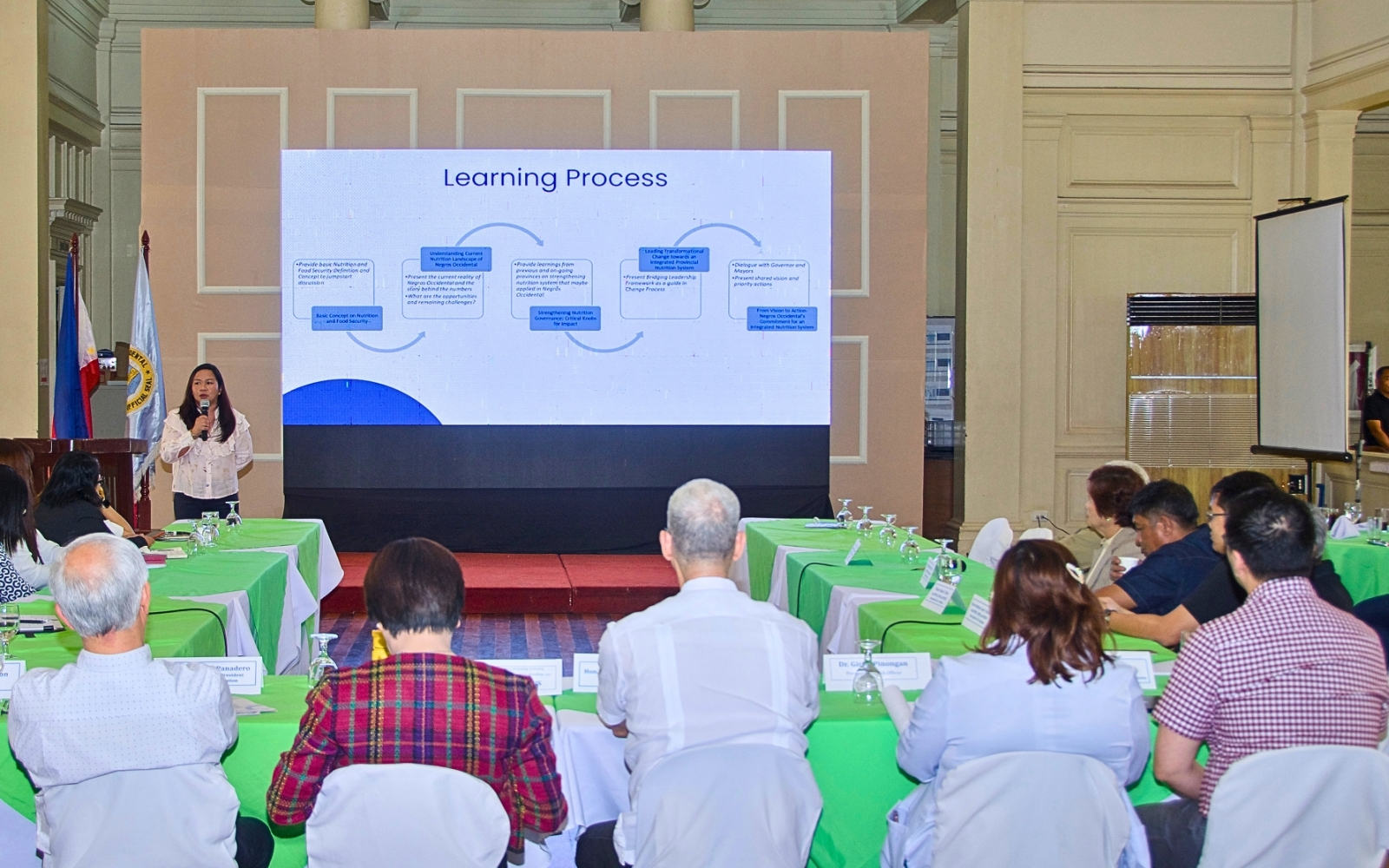
Participants reviewed key data on nutrition in the region. Western Visayas has a malnutrition prevalence rate of 6.4%, affecting 33,832 children aged 0–5. Negros Occidental is included among the 34 priority areas under the Philippine Plan of Action for Nutrition (PPAN). Within the province, stunting among children 0–5 stands at 3.15% (7,134 children), while wasting affects 0.59% (1,327 children) as of 2025. Areas with the highest stunting rates include Salvador Benedicto at 14.18%, the City of La Carlota at 8.74%, and Calatrava at 8.68%.
Austere Panadero, ZFF President and Executive Director, noted that undernutrition in the Philippines is decreasing, but the change remains minimal—around 1–2 percentage points annually for stunting. He introduced ZFF’s 8 Critical Knobs for Nutrition Governance, offering a structured approach to strengthen nutrition programs across multiple levels of government.
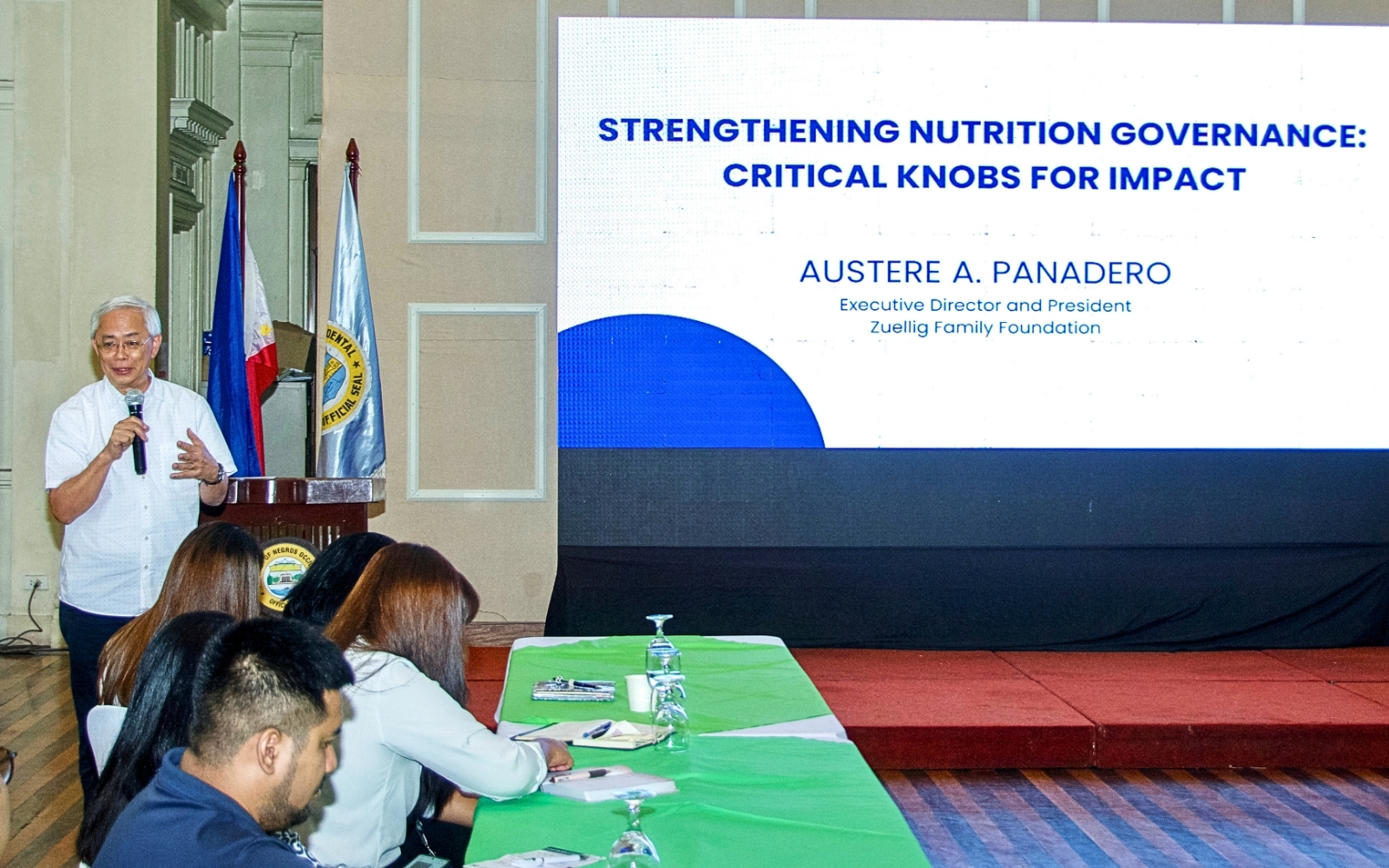
Using this framework, the session included a workshop facilitated by Hadji Balajadia, faculty at Ateneo de Davao University and ZFF consultant, where participants reflected on their priorities, defined guiding principles, and developed concrete action plans, from institutionalizing provincial nutrition programs and securing dedicated funding to coordinating multi-sector efforts at the city, municipal, and barangay levels.
Governor Lacson reinforced the process by translating these discussions into a rough provincial action plan. He stressed data-driven governance, investment in frontline health workers, sustained financing, and community-centered programs as critical steps toward a responsive, integrated nutrition system.
In closing, Governor Lacson said with encouragement, “Let this session mark not the end of our discussions, but the beginning of a deeper and more deliberate alignment of our efforts.”
Facing the Reality of Malnutrition: Tarlac Governor’s Deep Dive
As part of the Zuellig Family Foundation’s (ZFF) Nutrition Leadership and Equity Acceleration Program (NutriLEAP), Tarlac Governor Christian Yap took part in a guided community immersion, known as Deep Dive, to better understand the realities of malnutrition in the province’s most isolated areas. NutriLEAP, supported by the League of Provinces of the Philippines, helps provincial leaders strengthen leadership and governance to address malnutrition, especially among the most vulnerable communities.
The Deep Dive brought the Governor to two remote communities, where he met families and listened to their stories. “It was more intimate in terms of engaging with their needs and wants,” Governor Yap shared during the debrief. “I’m exposed to these areas, but to really get a deeper grasp on their health issues, their eating habits, their monetary habits, it’s different.”
Related article:
ZFF designed the Deep Dive to help leaders encounter the current reality “facially and frontally”. Guided by the Bridging Leadership Framework, the immersion encouraged reflection on how systems work—or fail—at the household level. For Governor Yap, the experience reinforced the urgency of improving nutrition, especially during the first 1,000 days (F1KD) of a child’s life.
“They really show how we can intervene in their growth, in their nutrition, in their health,” he said. “How can we extend services more proactively, especially in the critical stages of the young ones?”
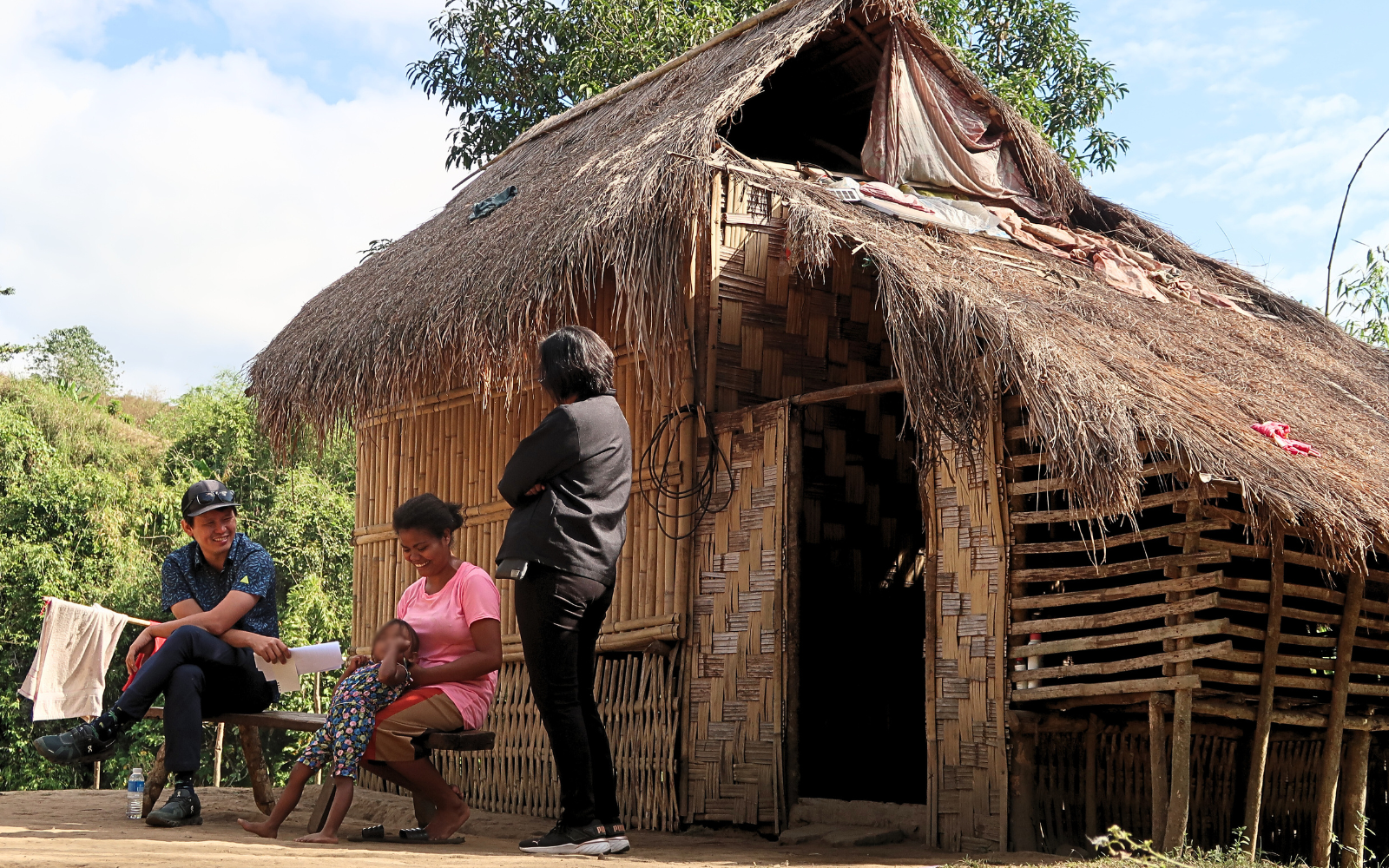
The visit also revealed how geography and access shape people’s choices. Families live hours away from the city, often without reliable roads, water, or sanitation facilities. Livelihoods depend on fishing or seasonal farm work. Despite these challenges, Governor Yap noticed opportunities to engage communities more effectively.
“There’s Facebook, there’s internet there,” he noted. “So how do we reach out? If there’s something to learn, they’re immediately engaged.”
At the same time, the Governor recognized that government resources are limited, making prioritization essential. “As much as we want to address everyone and help everybody, the resources are limited,” he said. “So how do you make it more efficient? How do you target those ones who are really in dire need?”
For him, the response must combine short-term and long-term actions. In the immediate term, he stressed the need to address severe malnutrition among young children.
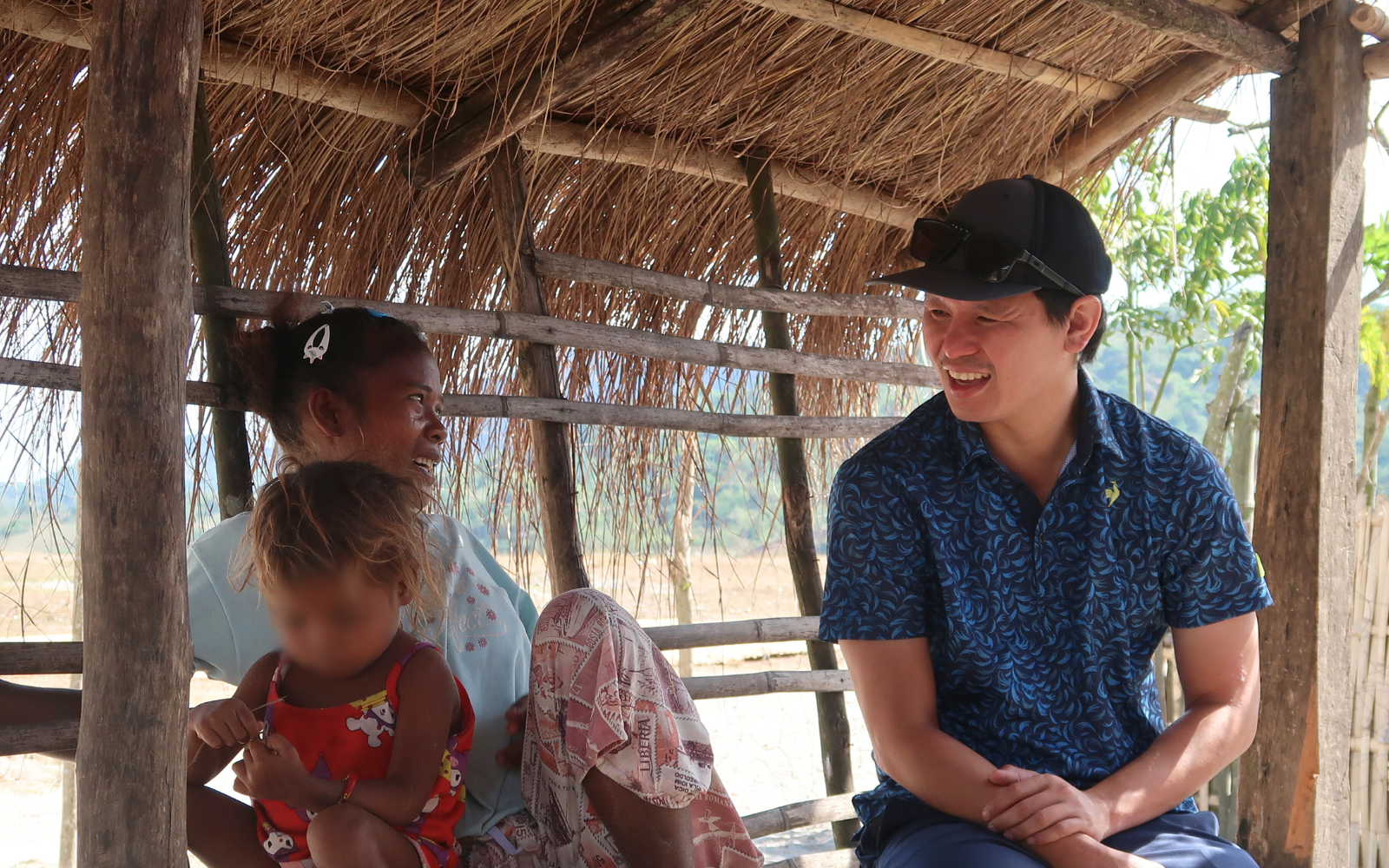
“We have to address it now,” Governor Yap said. “If we do not address it, this has long-term permanent effects on their growth.”
He pointed to sustained feeding programs as a necessary step, even as longer-term solutions take shape. “While we’re growing their gardens or building that behavior, we’re still addressing the current problem now,” he explained. “At least we have action plans in the next months that we can implement.”
Looking ahead, he shared a clear aspiration: to make nutrition a lasting priority in Tarlac, beyond any single administration. “I want it institutionalized,” he said. “Whoever is the governor, it’s a continuing social program targeting malnutrition.”
Through NutriLEAP, ZFF continues to support leaders in turning these encounters into action, grounded in reality, guided by empathy, and focused on building systems that truly work for those who need them most.