ZFF Receives Drs. Jess and Trining de la Paz Award from Ateneo de Davao University
On behalf of the Zuellig Family Foundation, Chairman Dr. Manuel Dayrit accepted the Drs. Jess and Trining de la Paz Award from Ateneo de Davao University on February 14, 2026. In his speech, he honored the couple’s pioneering spirit in community health. He recalled how, as a young intern in Davao, he was welcomed into their home, where conversations over breakfast and dinner stretched from healthcare to community life.
Related article:
“They would welcome me, and it was just like yesterday when I recall we would be seated for dinners and breakfasts in their veranda dining room in Matina, and we would be discussing all sorts of things—from healthcare, to ordinary things that happen in the country, to community health.”
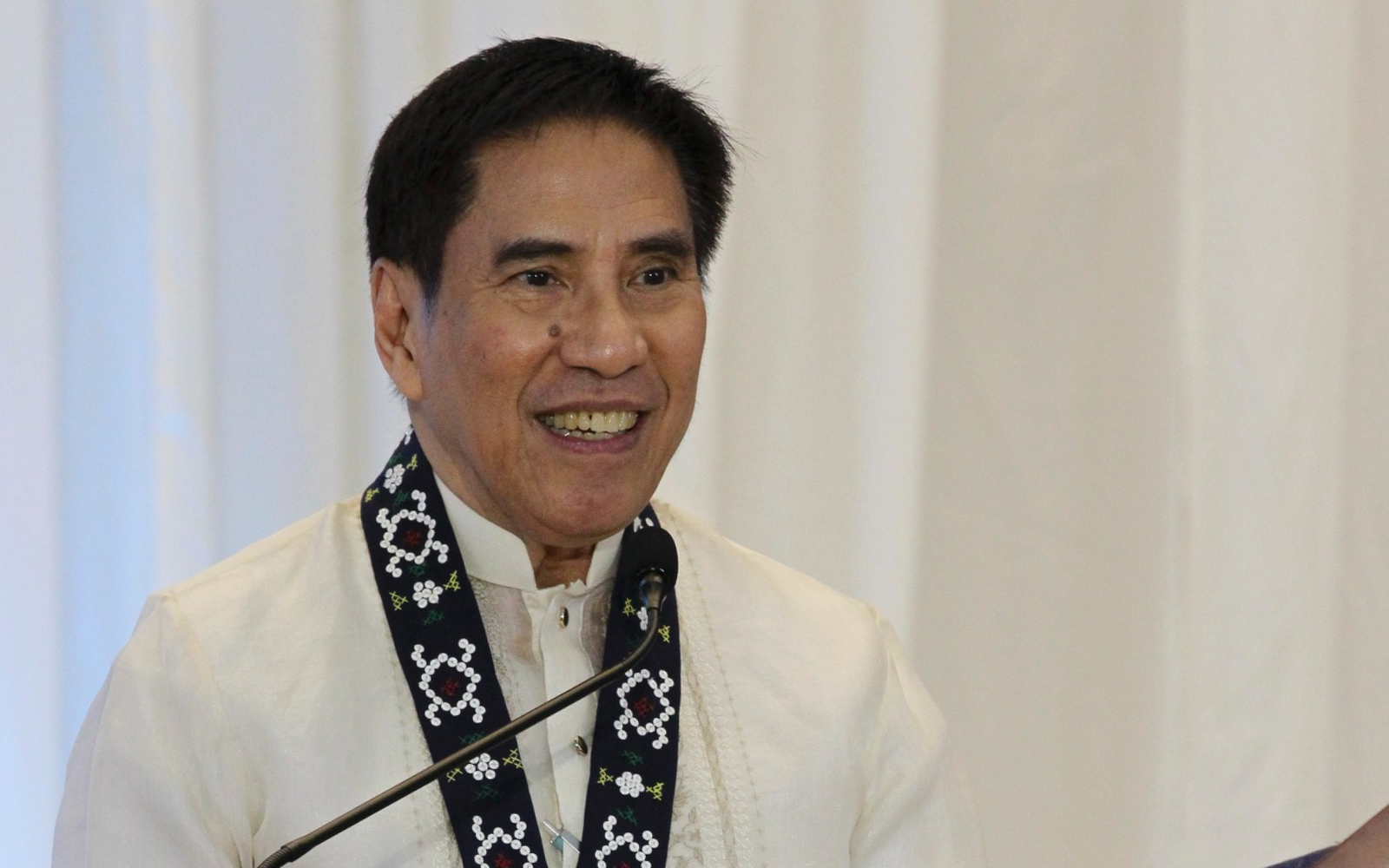
“Jess and Trining de la Paz were visionaries, and their legacy lives on,” he emphasized, noting that the recognition belongs not only to the Foundation, but to the mayors, health officers, youth leaders, and community workers who have walked with ZFF in advancing community health.
As he closed, Chairman Dayrit reaffirmed ZFF’s mission: “As we accept this award, we recommit ourselves to the values of compassion, service, and integrity.
Banner photo, from left to right: Benjamin Lizada, Chair of the Ateneo de Davao University Board of Trustees; Rev. Karel San Juan, University President; Alma de la Paz; Dr. Manuel Dayrit, Chair of the Zuellig Family Foundation; Dr. Joyce Viar, Rachel Paradiang, and Samantha Morales, ZFF Representatives; and Daniel de la Paz.
Photos from: Ateneo de Davao University
Author: Kristine Paula Bautista, ZFF Public Engagement Associate
Negros Occidental Builds Stronger Nutrition Leadership
“The strength of our workforce, the potential of our children, and the dignity of every Negrense family are closely intertwined with the quality of life that we are able to provide.”
Negros Occidental is now part of Zuellig Family Foundation (ZFF)’s Nutrition Leadership and Equity Acceleration Program (NutriLEAP). Governor Eugenio Jose “Bong” Lacson, together with mayors and other local leaders and health officers in the province participated in the Executive Session under NutriLEAP, in partnership with Kain Tayo Pilipinas supported by the Philippine Business for Social Progress, last February 3, 2026. The session centered on building a shared understanding of challenges and creating strategies to improve nutrition outcomes in Negros Occidental.
Dr. Joyce Viar, Nutrition Director at ZFF, provided context and framing, guiding the participants through the activity’s objectives: to analyze the provincial nutrition landscape, articulate personal and shared leadership commitments, and co-create strategies for priority nutrition challenges. ZFF’s approach emphasized practical, systems-focused processes rather than abstract discussions, ensuring that every activity was tied to measurable action.
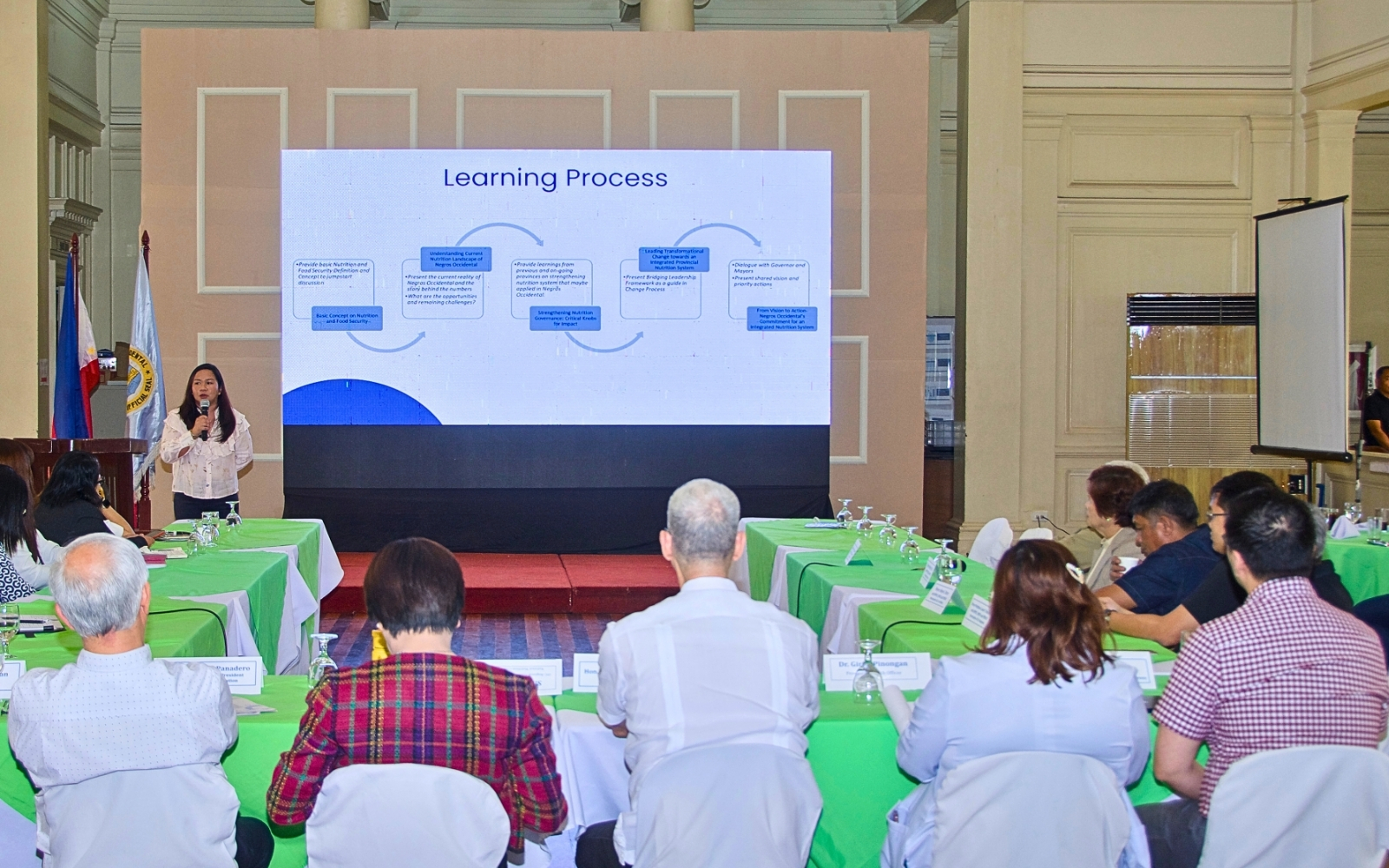
Participants reviewed key data on nutrition in the region. Western Visayas has a malnutrition prevalence rate of 6.4%, affecting 33,832 children aged 0–5. Negros Occidental is included among the 34 priority areas under the Philippine Plan of Action for Nutrition (PPAN). Within the province, stunting among children 0–5 stands at 3.15% (7,134 children), while wasting affects 0.59% (1,327 children) as of 2025. Areas with the highest stunting rates include Salvador Benedicto at 14.18%, the City of La Carlota at 8.74%, and Calatrava at 8.68%.
Austere Panadero, ZFF President and Executive Director, noted that undernutrition in the Philippines is decreasing, but the change remains minimal—around 1–2 percentage points annually for stunting. He introduced ZFF’s 8 Critical Knobs for Nutrition Governance, offering a structured approach to strengthen nutrition programs across multiple levels of government.
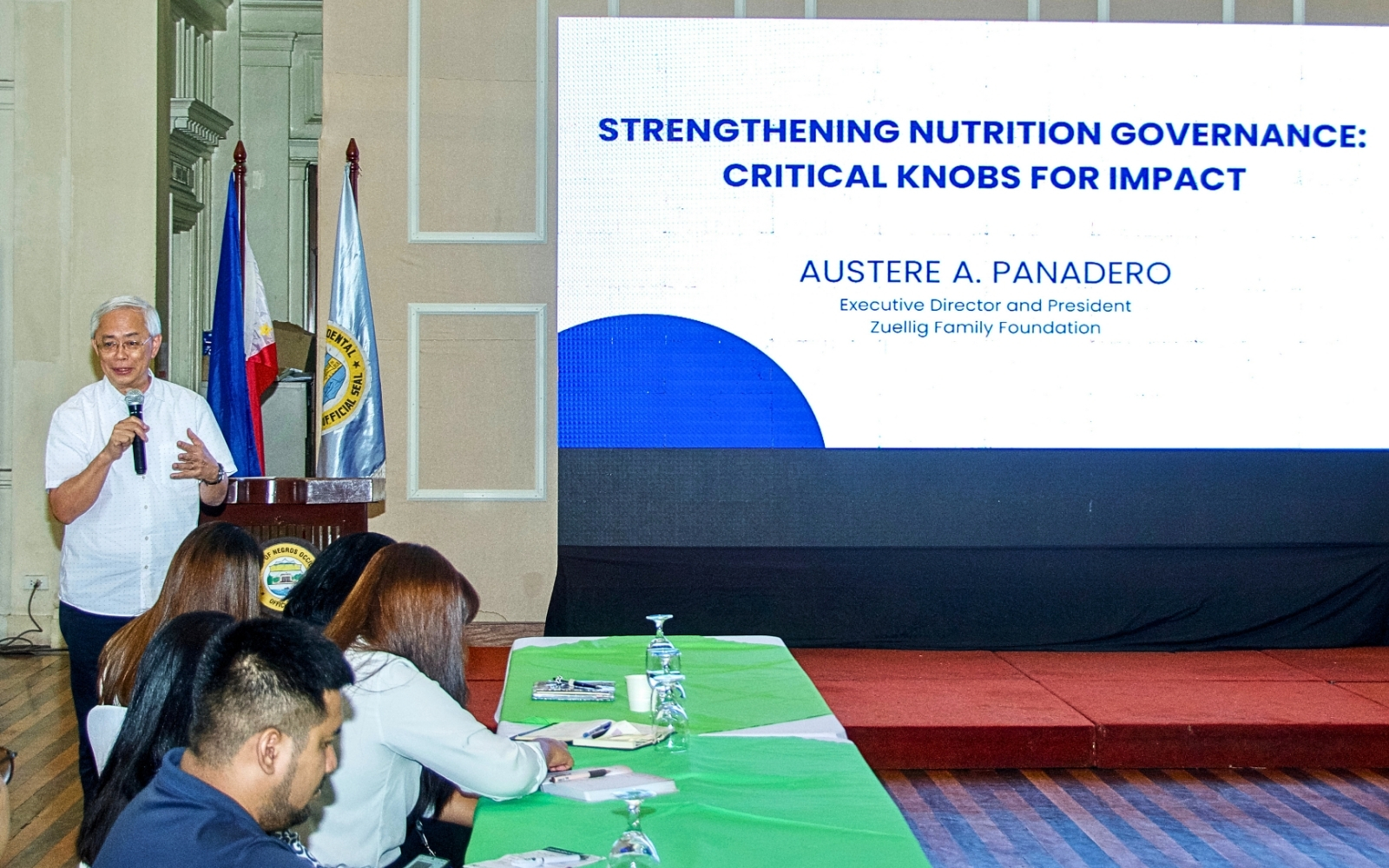
Using this framework, the session included a workshop facilitated by Hadji Balajadia, faculty at Ateneo de Davao University and ZFF consultant, where participants reflected on their priorities, defined guiding principles, and developed concrete action plans, from institutionalizing provincial nutrition programs and securing dedicated funding to coordinating multi-sector efforts at the city, municipal, and barangay levels.
Governor Lacson reinforced the process by translating these discussions into a rough provincial action plan. He stressed data-driven governance, investment in frontline health workers, sustained financing, and community-centered programs as critical steps toward a responsive, integrated nutrition system.
In closing, Governor Lacson said with encouragement, “Let this session mark not the end of our discussions, but the beginning of a deeper and more deliberate alignment of our efforts.”
Facing the Reality of Malnutrition: Tarlac Governor’s Deep Dive
As part of the Zuellig Family Foundation’s (ZFF) Nutrition Leadership and Equity Acceleration Program (NutriLEAP), Tarlac Governor Christian Yap took part in a guided community immersion, known as Deep Dive, to better understand the realities of malnutrition in the province’s most isolated areas. NutriLEAP, supported by the League of Provinces of the Philippines, helps provincial leaders strengthen leadership and governance to address malnutrition, especially among the most vulnerable communities.
The Deep Dive brought the Governor to two remote communities, where he met families and listened to their stories. “It was more intimate in terms of engaging with their needs and wants,” Governor Yap shared during the debrief. “I’m exposed to these areas, but to really get a deeper grasp on their health issues, their eating habits, their monetary habits, it’s different.”
Related article:
ZFF designed the Deep Dive to help leaders encounter the current reality “facially and frontally”. Guided by the Bridging Leadership Framework, the immersion encouraged reflection on how systems work—or fail—at the household level. For Governor Yap, the experience reinforced the urgency of improving nutrition, especially during the first 1,000 days (F1KD) of a child’s life.
“They really show how we can intervene in their growth, in their nutrition, in their health,” he said. “How can we extend services more proactively, especially in the critical stages of the young ones?”
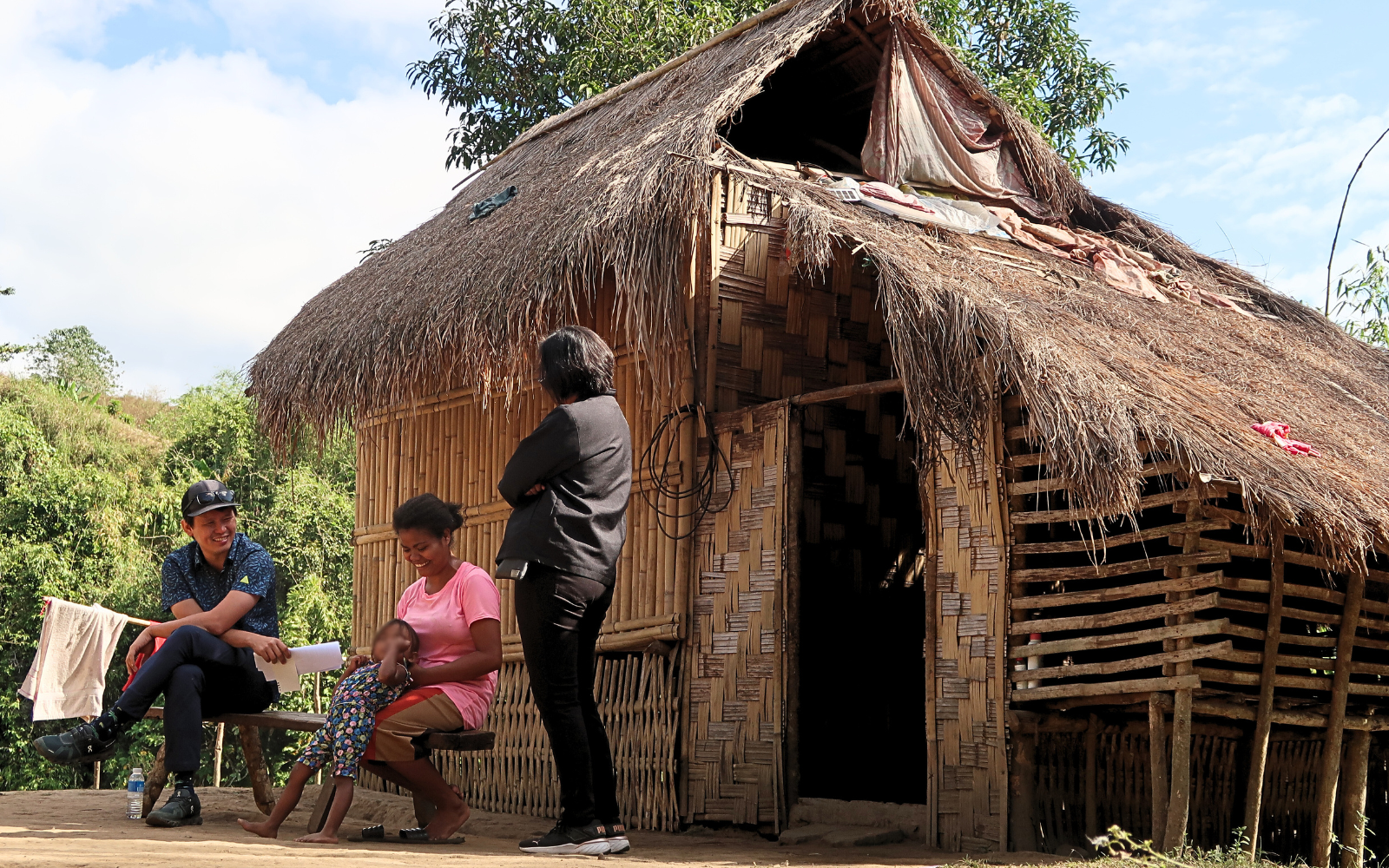
The visit also revealed how geography and access shape people’s choices. Families live hours away from the city, often without reliable roads, water, or sanitation facilities. Livelihoods depend on fishing or seasonal farm work. Despite these challenges, Governor Yap noticed opportunities to engage communities more effectively.
“There’s Facebook, there’s internet there,” he noted. “So how do we reach out? If there’s something to learn, they’re immediately engaged.”
At the same time, the Governor recognized that government resources are limited, making prioritization essential. “As much as we want to address everyone and help everybody, the resources are limited,” he said. “So how do you make it more efficient? How do you target those ones who are really in dire need?”
For him, the response must combine short-term and long-term actions. In the immediate term, he stressed the need to address severe malnutrition among young children.
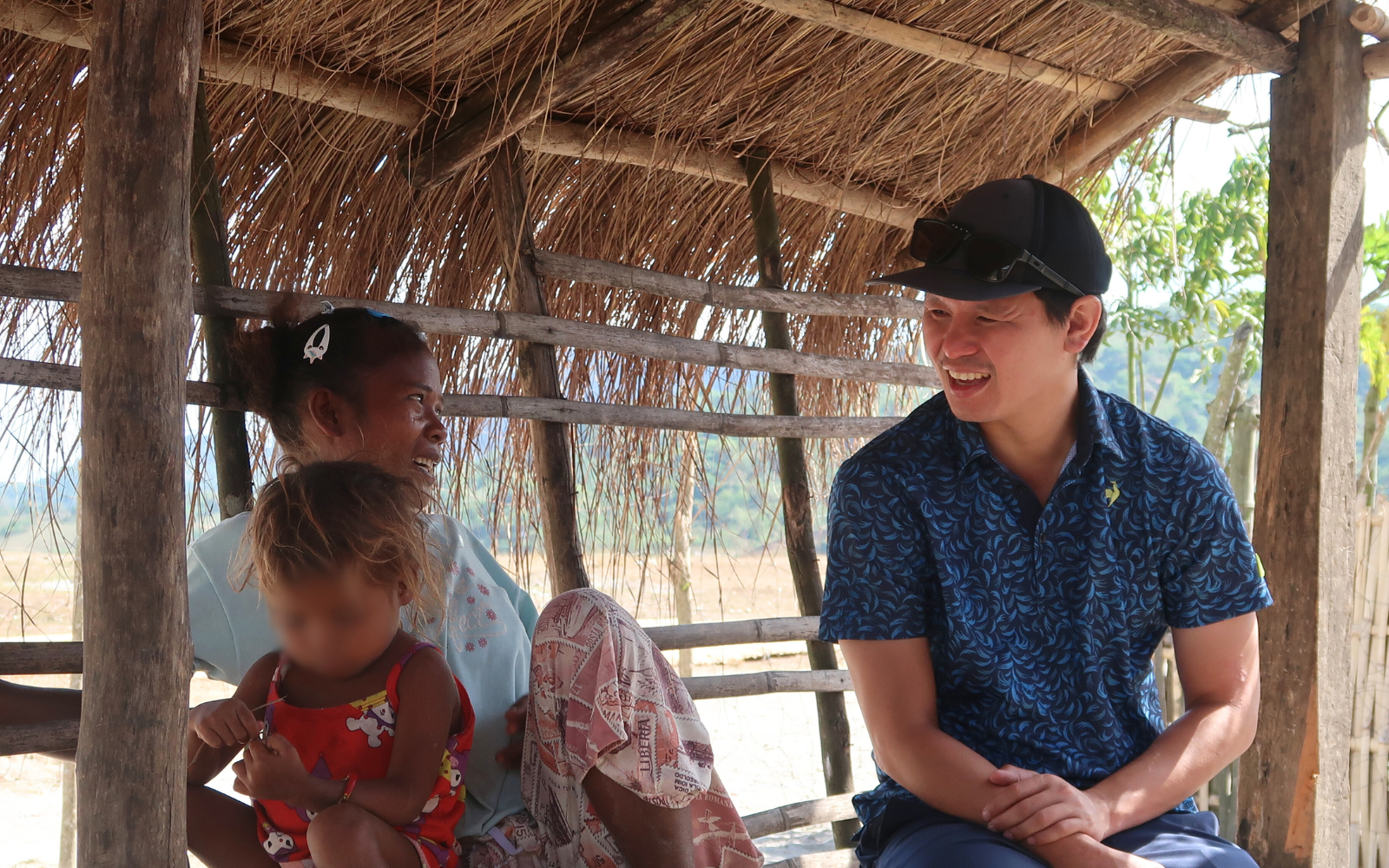
“We have to address it now,” Governor Yap said. “If we do not address it, this has long-term permanent effects on their growth.”
He pointed to sustained feeding programs as a necessary step, even as longer-term solutions take shape. “While we’re growing their gardens or building that behavior, we’re still addressing the current problem now,” he explained. “At least we have action plans in the next months that we can implement.”
Looking ahead, he shared a clear aspiration: to make nutrition a lasting priority in Tarlac, beyond any single administration. “I want it institutionalized,” he said. “Whoever is the governor, it’s a continuing social program targeting malnutrition.”
Through NutriLEAP, ZFF continues to support leaders in turning these encounters into action, grounded in reality, guided by empathy, and focused on building systems that truly work for those who need them most.
ZFF Strengthens Primary Care to Advance UHC in Benguet and Baguio City
The Zuellig Family Foundation (ZFF), through its Bayang Malusog Leadership and Governance Program (BMLGP), is helping strengthen primary health care (PHC) systems in Kapangan and Kibungan in Benguet and Baguio City to support the country’s Universal Health Care (UHC) goals.
Guided by the UHC Act’s vision of accessible, equitable, and people-centered health services, the Bayang Malusog Program focuses on improving local leadership and governance so that government units can effectively manage integrated primary care networks. To support this, ZFF provided partnership grants to the City Camp and Irisan District Health Centers in Baguio City, and the Rural Health Units of Kapangan and Kibungan in Benguet.
Related articles:
- Kibungan and Kapangan’s Grand March Toward a Shared UHC Vision
- Baguio City Advance Universal Health Plans
- Moving Forward with Health Reforms in Benguet
The grants help frontline health workers deliver better care through:
- Home visit kits for community outreach;
- Personal protective equipment (PPE) for Barangay Health Workers (BHWs);
- Essential primary health care equipment; and
- Health Information System (HIS) support.
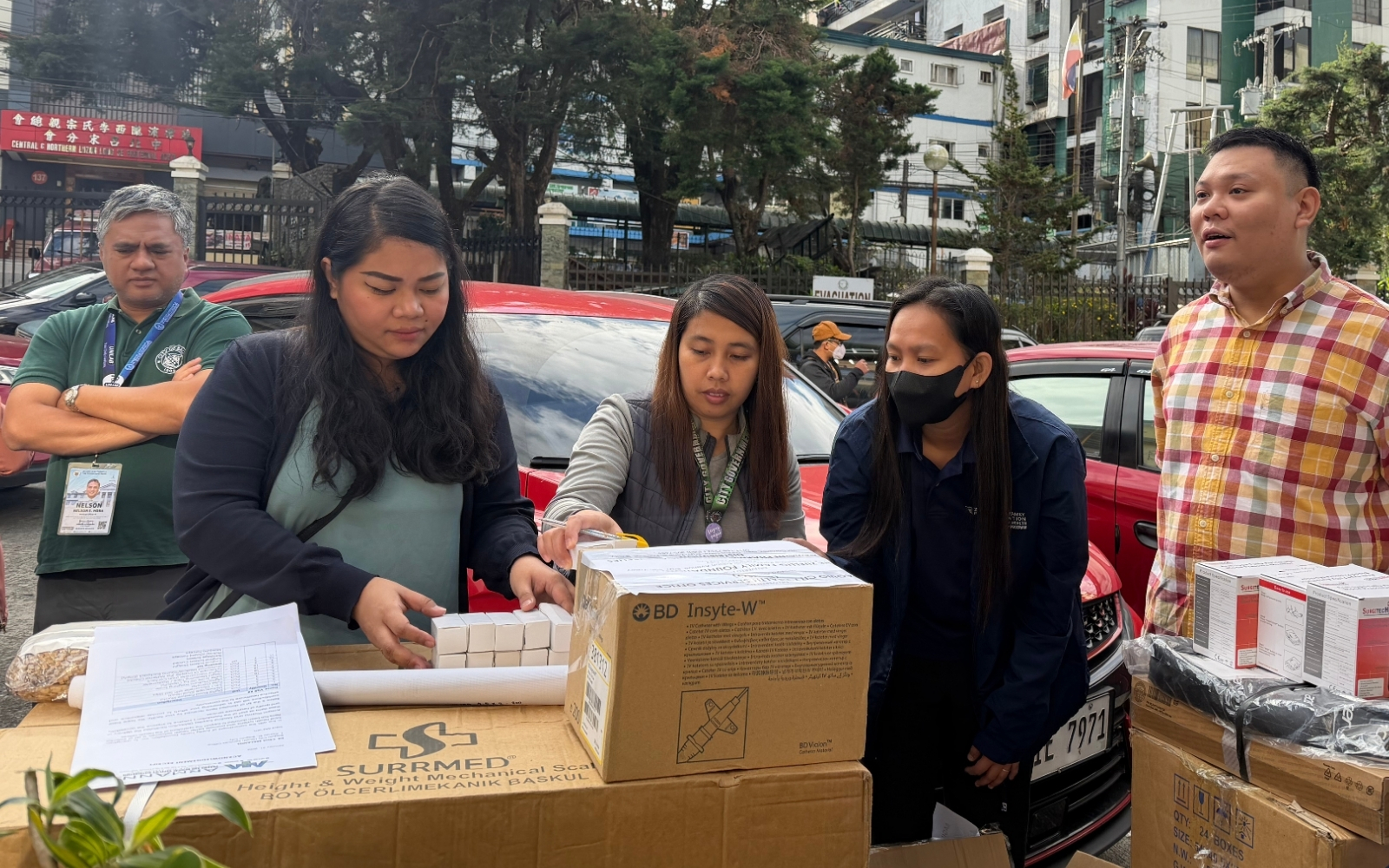
These tools enable continuous, quality care at the community level.
The turnover ceremony on January 22, 2025, marked a shared commitment to making primary care facilities strong and functional. Baguio City officials present were Dr. Ma. Lourdes Pakoy, Assistant City Health Officer; Dr. Nelson Hora, City Camp District Health Center Medical Officer; and Dr. Vanessa Fagcangan, Irisan District Health Center Medical Officer. From Benguet, Dr. Meliarazon Dulay and Dr. Jocelyn Legaspi, Provincial Health Officers, and Ms. Rubelyn Tomas, Senior Health Program Officer, attended, along with Dr. Joy Fermin, Municipal Health Officer of Kapangan. Department of Health-Cordillera Administrative Region officials Dr. Janice Bugtong and Dr. Mercedes Calpito also joined.
Through the Bayang Malusog Program, ZFF continues to show that strong leadership, well-supported health workers, and integrated primary care systems form the foundation of UHC—ensuring every Filipino family can access quality, responsive, and people-centered health services.
Banner photo: Provincial Health Office of Benguet
Authors: Joan Kidatan, ZFF BMLGP Associate for Baguio City
PhilHealth Leads New Partnership with ZFF to Strengthen Local Health Systems
The Zuellig Family Foundation (ZFF) formalized a new partnership with the Philippine Health Insurance Corporation (PhilHealth) on December 3, 2025, through a Memorandum of Understanding (MOU) that strengthens ZFF’s ongoing work in building local health leadership and improving primary care systems in the Cordillera Administrative Region.
PhilHealth President Dr. Edwin Mercado highlighted the significance of the partnership. “This collaboration with ZFF will help us close gaps in the system. By educating providers, empowering local governments, and leveraging data, we can better align supply and demand in primary care and ensure communities get the services they need,” he said.

Related articles:
The MOU allows ZFF to work closely with PhilHealth’s Social Health Insurance Academy in co-developing and delivering training on social health insurance, supporting Provincial Health Boards and teams, and putting in place a joint monitoring and evaluation framework. These efforts will help improve registration to PhilHealth’s Yaman ng Kalusugan Program (YAKAP), first patient encounters, and the utilization of PhilHealth benefits—key areas aligned with ZFF’s mission to strengthen primary healthcare.
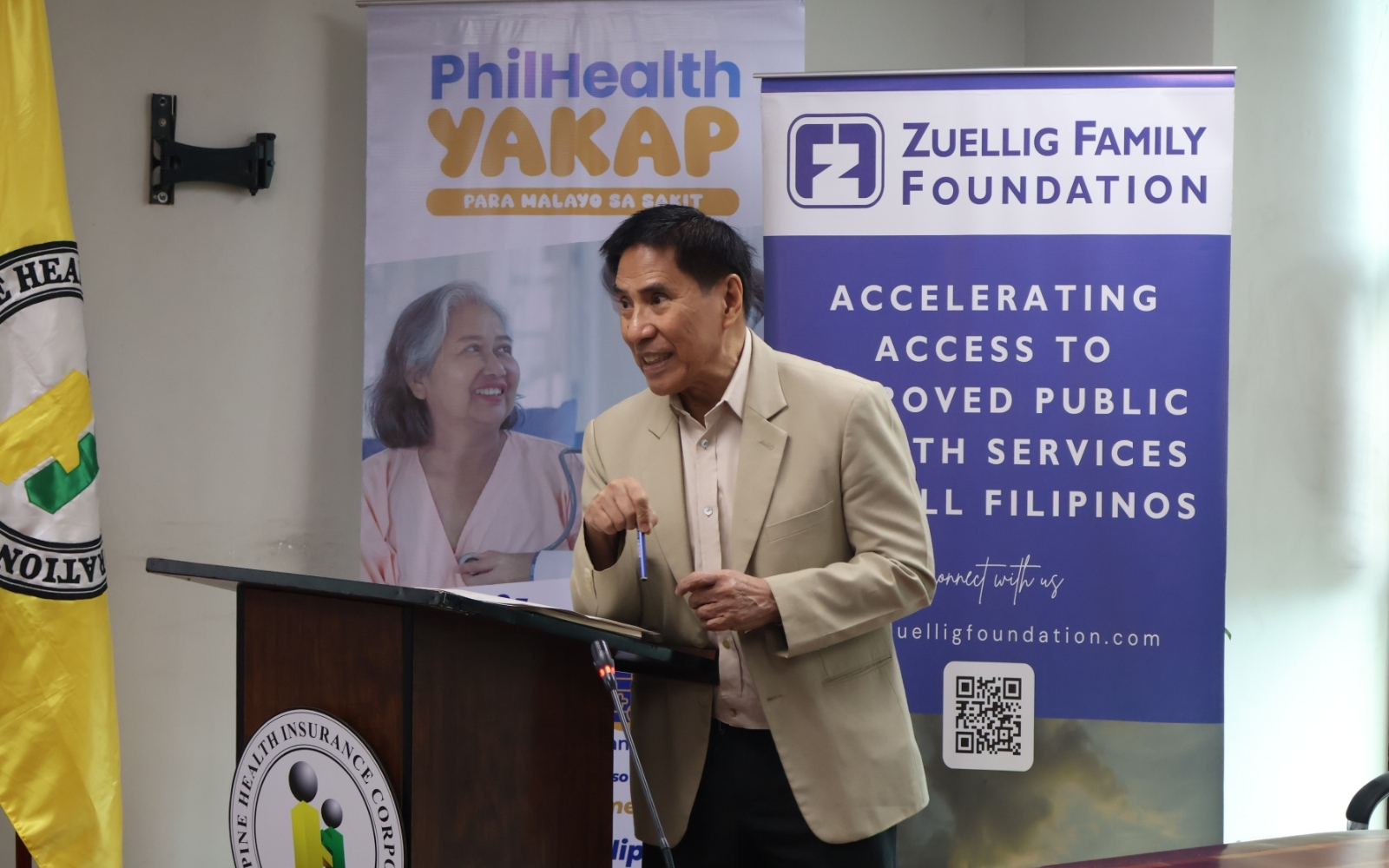
ZFF Chair Dr. Manuel Dayrit added, “This signing reflects our shared compassion and faith in serving communities. Even with limited resources, we can work together to transform primary health care. That transformation—the miracle we seek—is about comprehensive, connected, and continuous first-contact care that truly reaches those who need it.”
The signing marks another step in ZFF’s commitment to helping local governments build sustainable, community-centered health systems that ensure accessible and quality care for all.
ZFF Receives Recognition for Advancing Healthier Benguet
The Zuellig Family Foundation (ZFF) received recognition at Benguet’s SHAYAW (Stellar Health Achievements Yearly Awards) for its partnership in advancing a healthier Benguet.
Benguet conferred a Certificate of Recognition on ZFF in appreciation of the Foundation’s initiatives and continued support of the province’s HEALTHIER Benguet agenda. This agenda works to improve health across all life stages by strengthening equitable, efficient, and responsive health systems for I-Benguet communities.
Related articles:
- Kibungan and Kapangan’s Grand March Toward a Shared UHC Vision
- Bridging Leadership in Action: Benguet’s Mayors Reaffirm Commitment to UHC Integration
- Moving Forward with Health Reforms in Benguet
The Benguet Provincial Health Office (PHO) leads SHAYAW to recognize partners and local government units that contribute to the province’s health goals. The awards highlight the role of good governance, collaboration, and shared responsibility in improving health outcomes.
ZFF earned recognition for its sustained partnership with the Province of Benguet through the Bayang Malusog Leadership and Governance Program (BMLGP). Through this program, ZFF works with provincial and municipal leaders to strengthen health systems by building leadership and governance capacities.
This partnership builds on earlier efforts, including Benguet’s completion of ZFF’s Provincial Leadership and Development Program (PLDP) in 2024, achieved through the leadership of Governor Melchor Diclas and Provincial Health Officer II Dr. Meliarazon Dulay.
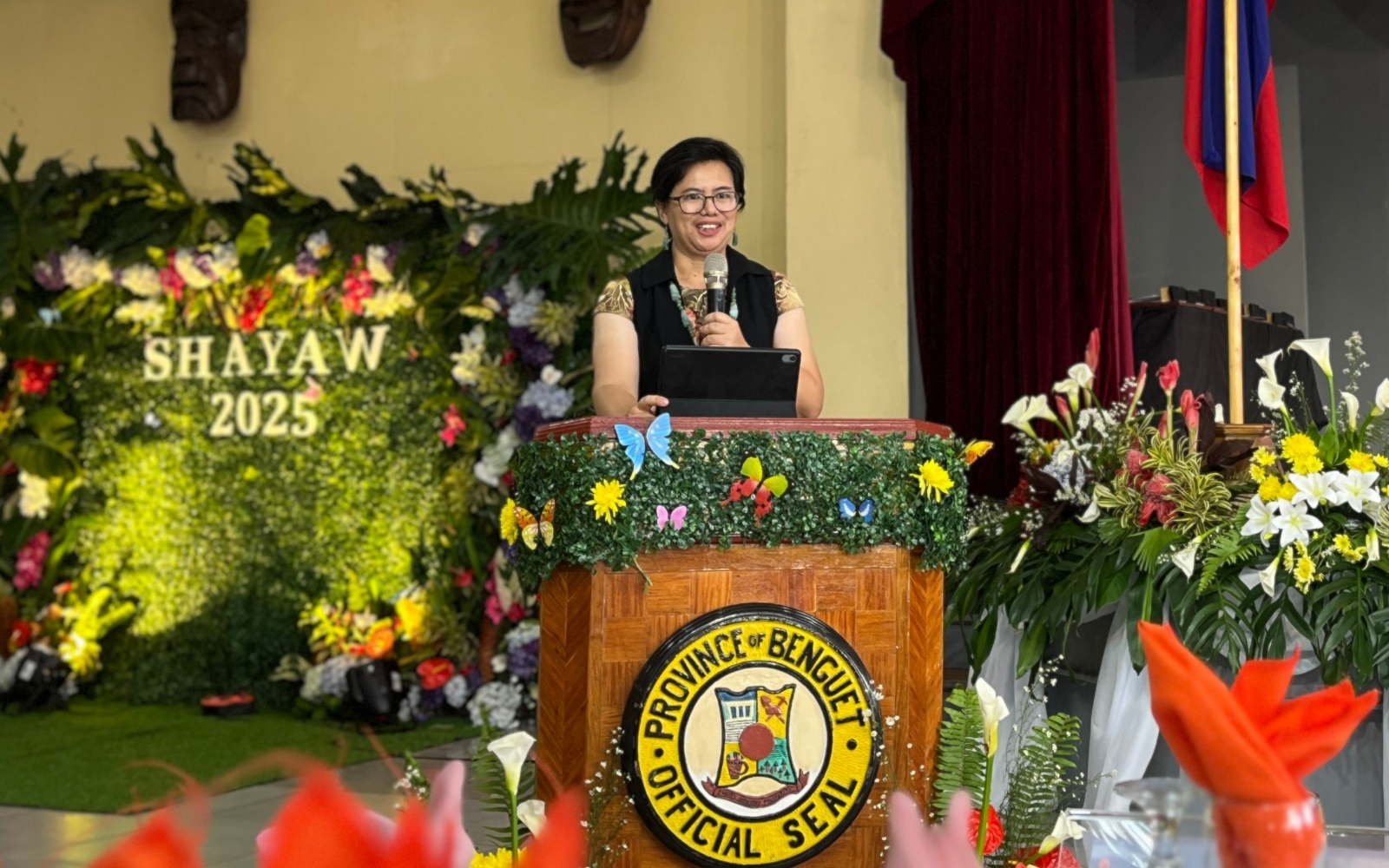
In her opening message, Dr. Dulay underscored the importance of unity and collective responsibility in advancing health outcomes, describing SHAYAW as a celebration of Benguet’s shared journey, where significant challenges are addressed through small, consistent acts of service carried out together with purpose.
The recognition affirms ZFF’s commitment to working closely with local governments and health leaders to strengthen leadership and governance for health.
Through continued collaboration, ZFF supports Benguet’s efforts to build more equitable, efficient, and responsive health systems for its communities.
Banner photo: (from left to right) Dr. Andrew Chamson Bacuso, Rural Health Physician, Dr. Jocelyn Legaspi, Provincial Health Officer I, and Dr. Meliarazon Dulay, Provincial Health Officer II, Benguet PHO; Ayeza de Mesa, ZFF BMLGP Associate; Erickson Manuel Pawig, ZFF BLMLGP Manager; Hon. Dr. Melchor Diclas, Provincial Governor, Benguet; Hon. Lady Charmain Molintas-Likigan, Sangguniang Panlalawigan Chair for Committee on Health, Benguet
Author: Ayeza De Mesa, ZFF BMLGP Associate
Building Stronger Nutrition Governance Across Basilan LGUs
The Zuellig Family Foundation (ZFF) conducted field monitoring and assessment visits in Lamitan City, Maluso, Ungkaya Pukan, Hadji Mohammad Ajul, and Al-Barka, five of the ten Local Government Units (LGUs) as part of the Municipal Nutrition Governance Program (MNGP) under ZFF’s Basilan Assistance Program (BAP). The visits aimed to check the LGUs’ practicum implementation, track accomplishments based on their plans, and identify areas where they need additional support to strengthen local nutrition governance.
LGU nutrition core teams shared their experiences, challenges, and learnings. Their reflections offered a clearer picture of their progress and the guidance they still need. The visit also allowed them to plan for the upcoming Operation Timbang, validate performance milestones, and make sure their strategies align with their nutrition goals.
Across all sites, local leaders are taking concrete actions to place nutrition at the center of development. LGUs strengthened their systems by issuing policies and ordinances that encourage multi-sectoral work and formalize support for community workers. Increased budget allocations now reinforce these policy gains and reflect a more stable commitment to reducing malnutrition.

At the barangay level, improvements continue to take shape. Many barangays formed Barangay Nutrition Committees and drafted Barangay Nutrition Action Plans to guide nutrition initiatives. Barangay Nutrition Workers—including former combatants now serving as community frontliners—received training and built confidence in their roles. They now reach more families and deliver essential services more consistently, which supports more timely management of moderate and severe acute malnutrition cases.
The following key developments across LGUs were observed:
- LGUs issued policies and ordinances that strengthen multi-sectoral nutrition work.
- LGUs now have dedicated and prioritized budgets covering more comprehensive nutrition programs and services.
- Barangays formed Barangay Nutrition Committees to organize community actions.
- Selected barangays developed Barangay Nutrition Action Plans to guide interventions.
- Barangay Nutrition Workers received training on Nutrition Assessment and Basic Management of Acute Malnutrition and now work more confidently and effectively.
- Communities observed more responsive management of acute malnutrition cases. In Lamitan City, the local government hired additional IT support to strengthen the implementation of the Health and Nutrition Information System (HNIS).
- Improved community access by ensuring regular deployment of medical personnel in strategic barangay posts beyond the barangay health stations.
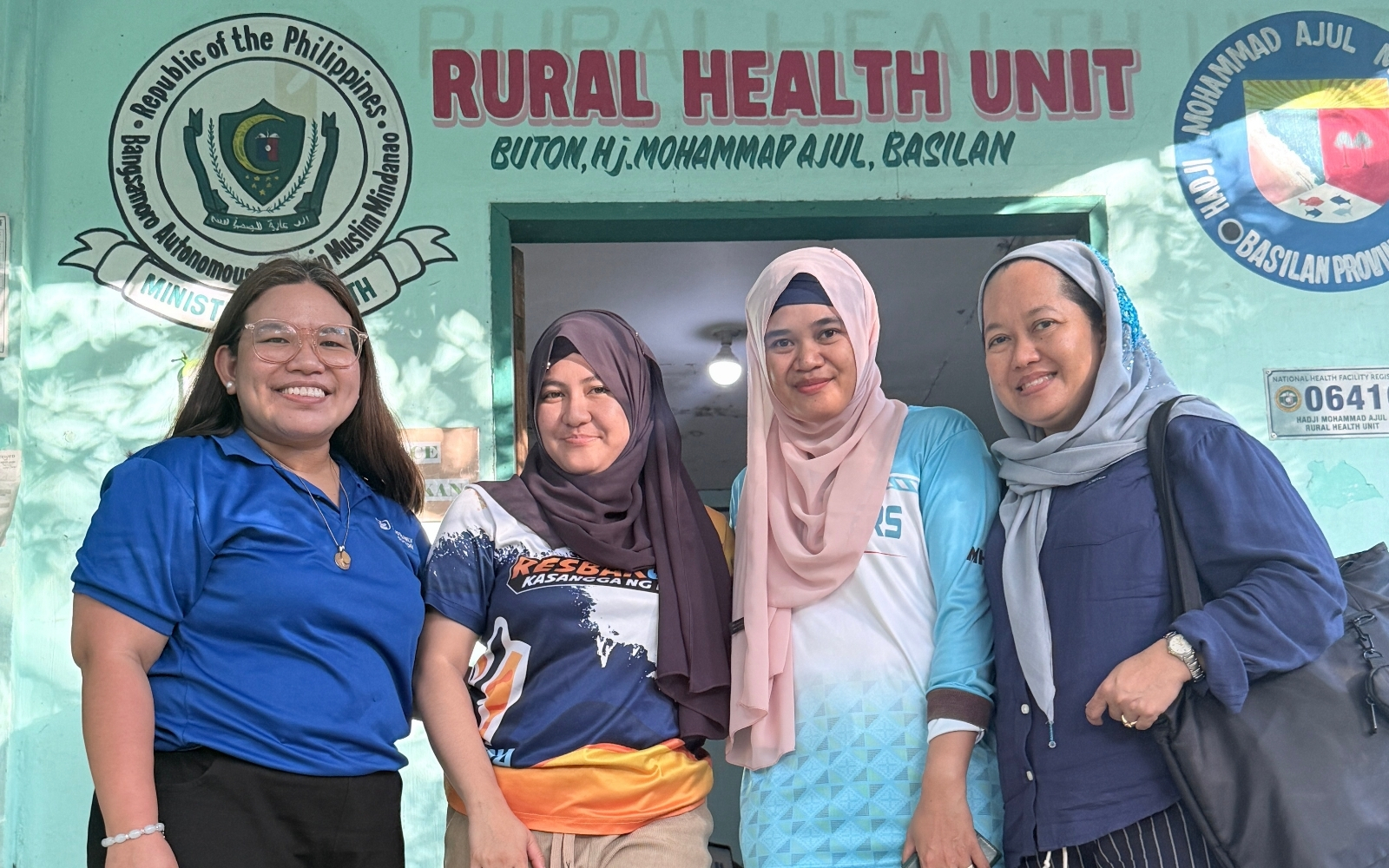
When LGUs invest in nutrition, they help build a healthier foundation for the next generation. The progress in Basilan shows that prioritizing nutrition is not only a health response, but a long-term investment in peace, stability, and human development.
Author: Rio Fe Del Valle, ZFF Nutrition Monitoring, Evaluation and Learning Expert
Tarlac Leaders Commit to Better Nutrition for All
“What I want to leave is a system that works even if we are not here. Even if there is a leadership change that does not prioritize nutrition, the institution is still effectively delivering the nutritional programs that are needed by the province.”
Tarlac Governor Christian Yap shared this vision during the Executive Session for Governors (ESG) held on December 11, 2025, at the Provincial Capitol in Tarlac City. The session formed part of the Zuellig Family Foundation (ZFF)’s Nutrition Leadership and Equity Acceleration Program (NutriLEAP).
Austere Panadero, ZFF President and Executive Director, opened the conversations by stressing that good nutrition is only possible when different sectors work together. Referring to ZFF’s 8 Critical Knobs for Nutrition Governance, he said, “The challenge is you don’t really handle one knob at a time, but to move all at the same time to find the mix of interventions that will move your strategy forward… to get all the towns and barangays to be part of the entire process.”
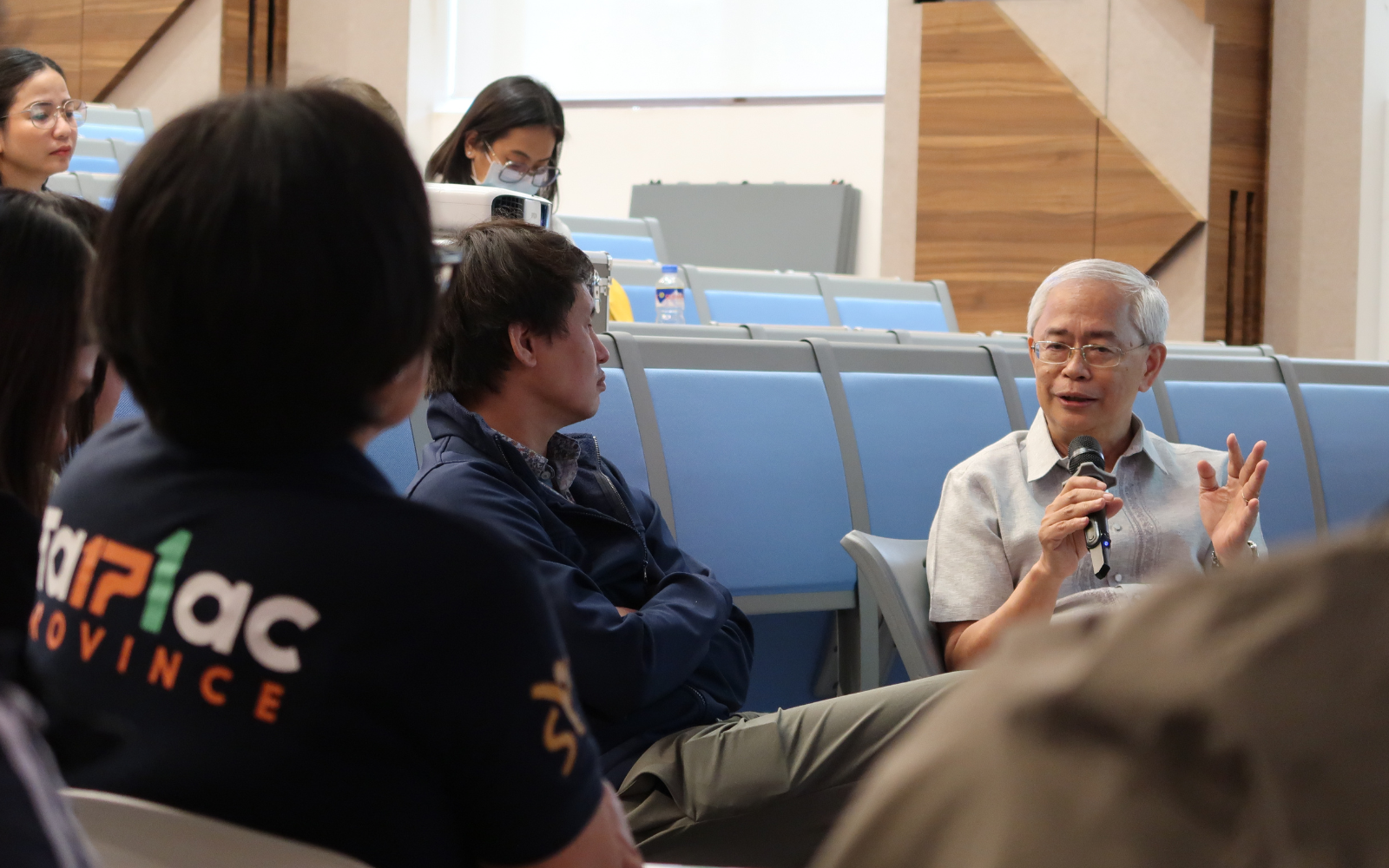
Prof. Hadji Balajadia of Ateneo de Davao University, who serves as a ZFF consultant, facilitated the session and guided Governor Yap and the participating heads of provincial offices to reflect on their own roles in improving nutrition. Using the Bridging Leadership Framework, they walked the participants through Ownership, Co-Ownership, and Co-Creation as steps toward shared solutions.
As the discussions deepened, Governor Yap explained how Tarlac is working toward a system grounded in evidence and sustainability. “We can spend so much, we can do so many feeding programs, but we don’t know if it is delivering results if there is no measure. Tarlac is okay in terms of the rankings nationally, but we are not content with what we have, and still want to improve.”
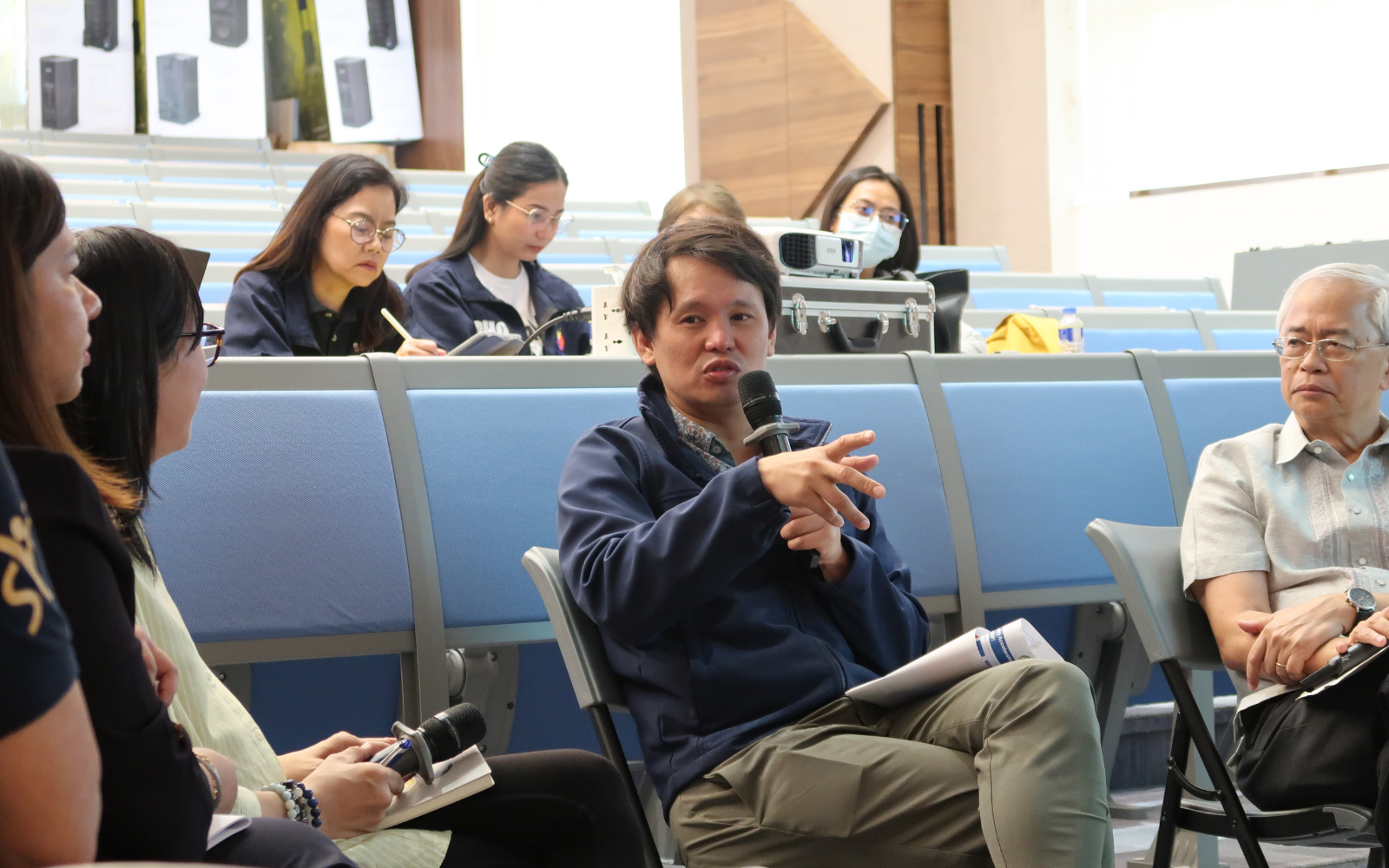
Together with the Governor, the heads of provincial offices identified key actions across major sectors:
- Health and Nutrition: Shift from reactive to preventive care; improve nutrition services for vulnerable groups; focus on early childhood nutrition and brain development; support caregivers with livelihood opportunities.
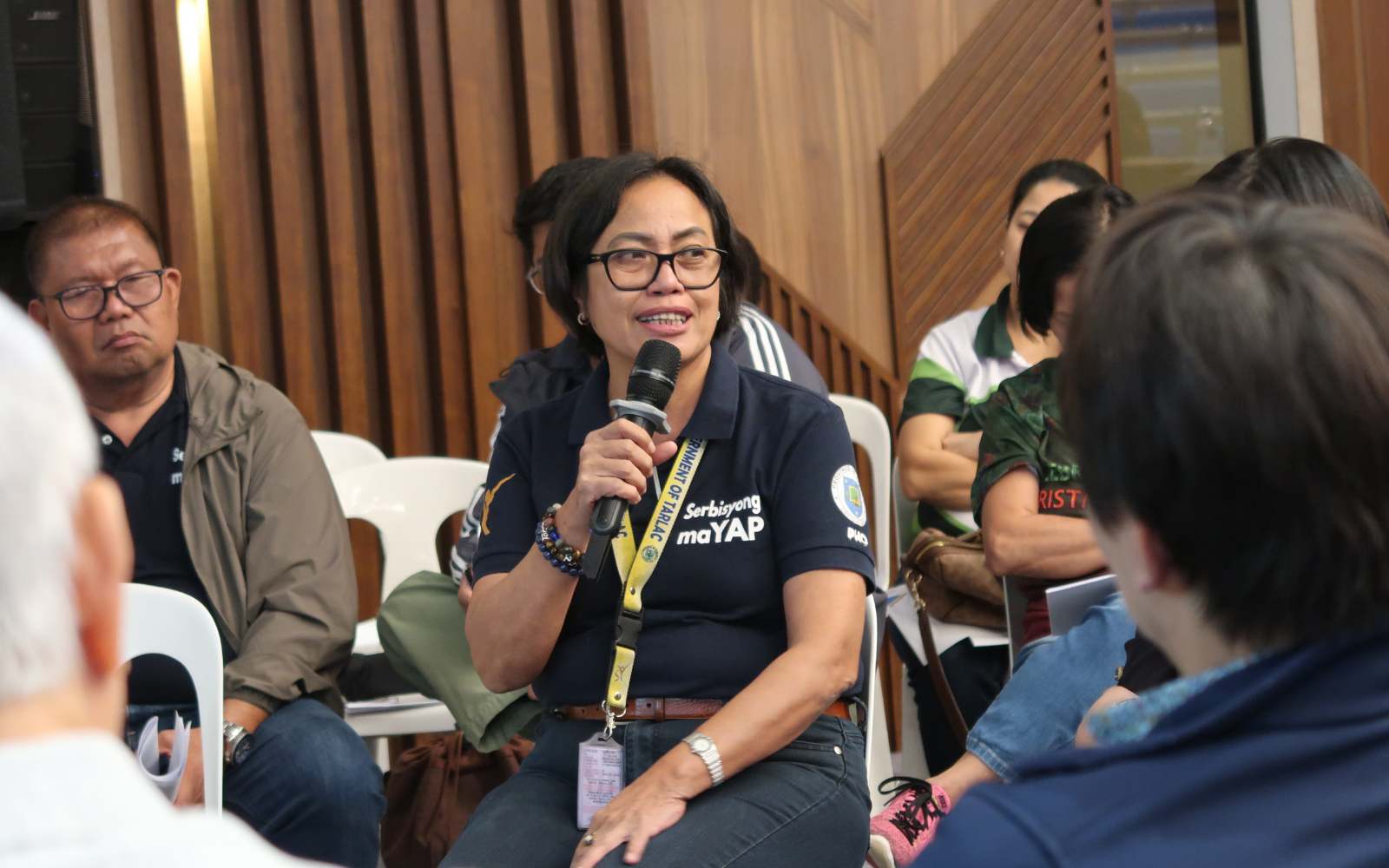
- Youth and Adolescents: Address teenage pregnancy; create youth-centered programs including peer counseling and community outreach; implement mental and reproductive health initiatives in schools.
- Education: Continue and expand school-based feeding programs; involve local government units (LGUs) to assist teachers in meal preparation; strengthen daycare programs for literacy, nutrition, and holistic child development.
- Agriculture and Food Security: Promote sustainable farming, reduce chemical inputs, and diversify crops; increase farmers’ income while ensuring nutritious food production; adopt long-term, environmentally responsible practices.
- Collaborative and Institutional: Build partnerships across health, social welfare, education, and agriculture sectors; use local and national data for planning; expand feeding, wellness, and youth programs to underserved areas.
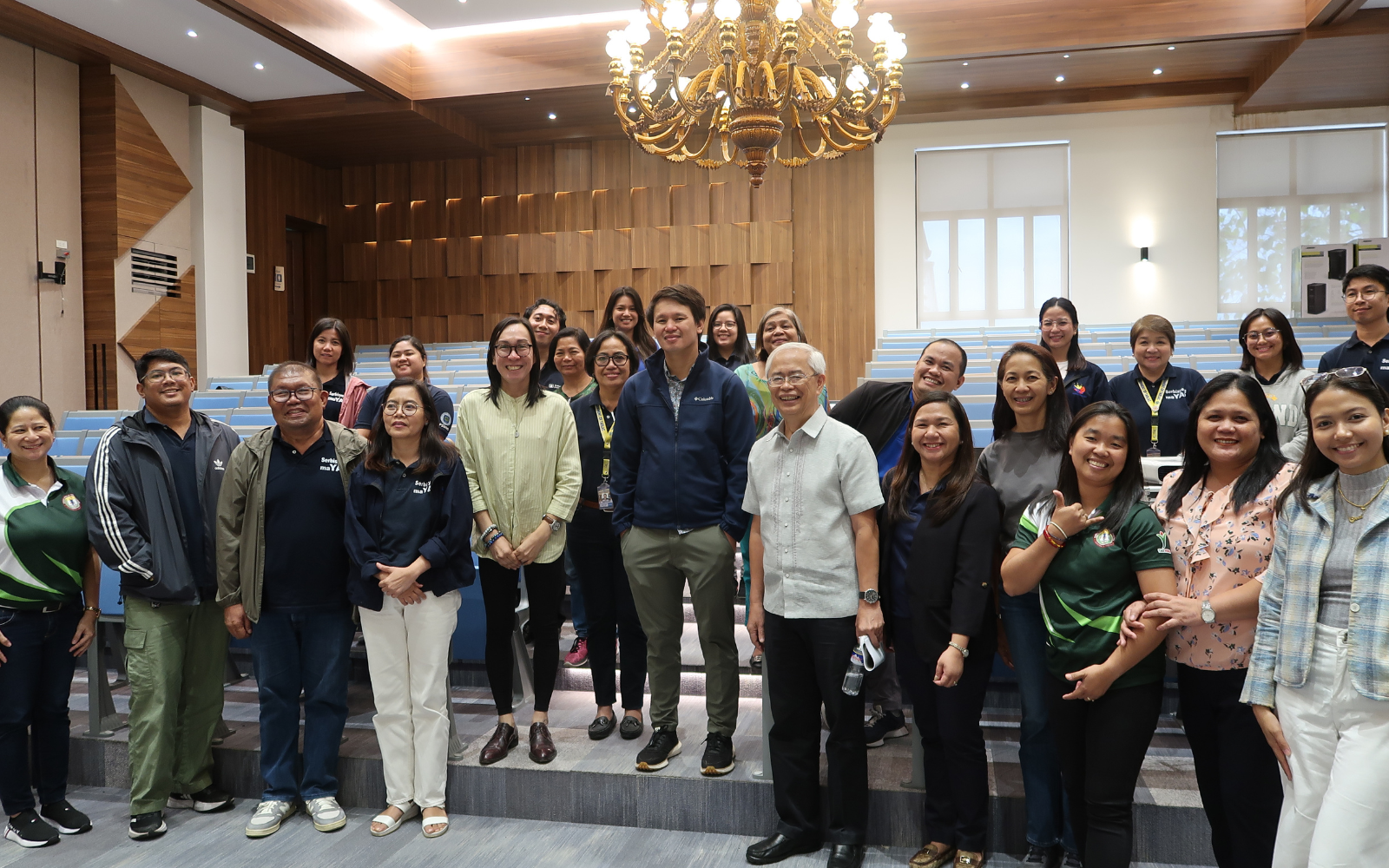
With shared goals and practical steps ahead, Tarlac’s leaders hope to bring their vision of a Pook Malusog to life—a province where every child, every family, in every community, can grow healthy and well.
Strengthening Baguio’s Health System through Shared Leadership and Reflection
The Zuellig Family Foundation (ZFF), together with the Department of Health-Cordillera Administrative Region (DOH-CAR) and the City Government of Baguio, hosted a two-day City Health System Strengthening Program (CHSSP) workshop on November 20–21, 2025 at Mines View Park Hotel, Baguio City. The activity, part of the Bayang Malusog Leadership and Governance Program, brought the Baguio Local Health Board and health leaders from the City Camp and Irisan District Health Centers into one space to reflect on the city’s health challenges and opportunities.
Baguio’s Health Situation: Key Points
The workshop began with a grounding on Baguio’s 2024 health situation—a clear picture of both progress and continuing gaps. The leading causes of illness (acute respiratory infections, dental cavities, and hypertension) and the main causes of death (vascular diseases, cancer, and heart disease) showed the city’s dual burden of infectious and lifestyle-related conditions.
Dr. Celia Flor Brillantes, City Health Officer, added other important concerns. Maternal deaths remain high; antenatal care and full immunization percentages are still below national targets; and procurement delays have limited the availability of medicines for people with hypertension and diabetes. Partnerships—such as Abbott’s support for viral load testing—continue to enhance HIV services, but mental health cases increased sharply from 241 in 2023 to 525 in 2024, pointing to urgent psychosocial needs.
The city also faces staffing gaps, with 11 more health workers needed across facilities. Accreditation efforts under the Yaman at Kalusugan Para sa Pamilyang Pilipino (YAKAP) Program continue, supported by better population registration. The Mines View Health Center is preparing for accreditation by the end of the year.
Workshop Learning Sessions

Given this context, participants joined sessions on Universal Health Care (UHC), PhilHealth benefits, systems thinking, visioning, and ZFF’s Bridging Leadership Framework. Resource persons from DOH-CAR, PhilHealth, the Baguio Health Services Office (HSO), and ZFF guided the discussions, which helped deepen appreciation for shared leadership and collective action.
Throughout the workshop, health leaders shared reflections that captured the spirit of the program.
“Change does not happen overnight, but we can always start with our own,” said Dr. Vanessa Fagcangan of the Irisan District Health Center.
Dr. Ma. Lourdes Pakoy of the HSO spoke about the need to widen their perspective: “Ang lawak pala ng kailangan naming punan. Even with UHC, the problem of strengthening primary care facilities is still the same today. We really need to step up and unite.”
Meanwhile, Dr. Nelson Hora of the City Camp District Health Center emphasized adaptability in a changing health landscape: “We are in a changing world… you always have to grow your capital. Invest in your expertise. Kung ano ang meron ka, pagyamanin mo para madali mong i-offer.”

The workshop closed with a renewed sense of co-ownership—the third and last phase of ZFF’s Bridging Leadership Framework—between the Baguio Health Services Office and the Local Health Board. Both teams committed to addressing health inequities through coordinated leadership and stronger engagement with communities and partners.
ZFF and its partners continue to nurture health leaders who demonstrate technical skill, grounded leadership, and a shared commitment to strengthen Baguio’s health system—one collaborative step at a time.