Faith, Trust, and Health: Reflections from Dr. Manuel Dayrit
Zuellig Family Foundation (ZFF) Chairman Dr. Manuel M. Dayrit shares his reflections in the Georgetown-Lancet Commission on Faith, Trust, and Health, drawing from five decades of public health leadership in the Philippines and abroad.
Dr. Dayrit recalls his early work in rural Mindanao, where he learned that trust begins with listening. “We built a community of kindred spirits,” he said. “We learned to speak the language of the heart by listening to their needs and aspirations.”
As a former Secretary of Health and World Health Organization (WHO) Director, he led efforts to strengthen health systems and unite people around a shared mission. Now as ZFF Chair, he continues to guide programs that build local leadership and advance Universal Health Care (UHC)—work that he sees as both technical and spiritual.
“Promoting [UHC] requires attention not only to political and technical issues, but also to the spiritual journey of individuals and communities toward compassion, fairness, and peace,” he said.
Excerpt from the feature:
Why did you want to join a commission focused on faith, trust, and health, and what are you hoping it will achieve?
The invitation to join the Commission came at an auspicious moment. I had recently returned from Southern Philippines [Mindanao], where I met with Imams to discuss teenage pregnancy prevention in a culture where girls are married off as soon as their monthly periods begin. I also met Catholic educators who were teaching Muslim children about health at school. I saw that our local efforts could be shared and amplified by joining a global Commission that seeks to bring faith and health communities together to improve health care for marginalized populations.
Related article:
ZFF and DOH-Eastern Visayas Partner to Strengthen Family Nutrition
The Zuellig Family Foundation (ZFF) and the Department of Health (DOH)-Eastern Visayas formalized its continuing collaboration to strengthen family health and nutrition in the region. On October 29, 2025, ZFF President and Executive Director Austere Panadero and DOH-Eastern Visayas Regional Director Dr. Exuperia Sabalberino signed a Memorandum of Understanding (MOU) for the implementation of the Pook Malusog Family Stunting Reduction (FaStR) Program.
The Pook Malusog FaStR Program focuses on supporting families during the first 1,000 days (F1KD) of life—a crucial period for a child’s growth and development. It seeks to strengthen the knowledge and practices of families in preventing stunting, while enhancing the leadership and technical capacity of health and nutrition frontliners.
Through this partnership, the Pook Malusog FaStR Program will be piloted in four municipalities of Eastern Visayas: Gandara and San Jose De Buan in Samar Province, and Mapanas and Lope De Vega in Northern Samar Province from 2025 to 2026.
Under the agreement, ZFF will provide coaching, mentoring, and technical assistance to DOH-Eastern Visayas and the pilot municipalities to guide them in effectively implementing the Pook Malusog FaStR model. By working together to localize the Pook Malusog approach, both institutions aim to build lasting systems of care that empower families, strengthen local leadership, and sustain progress in reducing child stunting across Eastern Visayas.
Zuellig Family Foundation Receives Gawad Kalusugan Award from DOH-Cordillera
The Department of Health-Cordillera Administrative Region (DOH-Cordillera) honored the Zuellig Family Foundation (ZFF) with the Gawad Kalusugan Award for its contribution to advancing Universal Health Care (UHC) in the region. The recognition took place during the Am-among for Health and Gawad Kalusugan on October 28–29, 2025, in Baguio City.
DOH-CAR recognized ZFF for its partnership in implementing the Bayang Malusog Leadership and Development Program (BMLDP), a joint initiative that builds the capacity of local leaders to strengthen health systems and improve health outcomes. The Bayang Malusog program continues to make an impact in its Community of Practice member areas, including Apayao, Mountain Province, Kalinga, Ifugao, and current Bayang Malusog Leadership and Governance Program sites Benguet and Baguio City, where empowered leaders sustain health reforms and deliver better services for their communities.
In her message, DOH-Cordillera Regional Director Amelita Pangilinan commended the efforts of partners like ZFF in empowering local government units (LGUs), saying, “The LGU is the lifeline of reform.” She encouraged continued collaboration to strengthen primary health care, improve facilities, and invest in the health workforce.
Related articles:
- Bridging Leadership in Action: Benguet’s Mayors Reaffirm Commitment to Universal Health Care Integration
- ZFF Bayang Malusog Community of Practice in 2025: A Renewed Commitment to UHC Learning
DOH Undersecretary Glenn Mathew Baggao urged participants to view UHC “not merely as a law, but as a commitment to collective effort for better health access.” He added that a ‘Healthier Cordillera’ requires building an inclusive, accessible, and resilient health system.
Through the Gawad Kalusugan, DOH-Cordillera also recognized outstanding LGUs, national agencies, civil society organizations, and private partners who help advance UHC in the region.
The recognition affirms ZFF’s commitment to work with DOH and LGUs in strengthening leadership and governance for health toward the shared goal of ensuring equitable and quality health care for every Filipino.
Main photo from: DOH-Cordillera
Author: Joan Kidatan, ZFF Local Health Systems Provincial Associate for Baguio City
Nine Cities Recognized as Global Self-Reliant Cities in Reproductive Health
The Zuellig Family Foundation (ZFF) celebrated the graduation of nine cities under The Challenge Initiative (TCI)-Philippines: General Santos, Iriga, Isabela de Basilan, Lapu-Lapu, Pasig, Mandaluyong, Quezon City, Tacurong, and Tagum.
The Batch 3 Colloquium, themed “Sustaining Momentum: Transformative Reproductive Health Impact through Data-Driven Leadership,” took place on October 14, 2025, at the Park Inn by Radisson in Quezon City. The event gathered local government leaders, health officers, and partners from across the country to celebrate how cities strengthened their family planning (FP) and adolescent and youth sexual and reproductive health (AYSRH) programs through evidence-based leadership.
ZFF President and Executive Director Austere Panadero congratulated the cities for their progress. Across the nine cities, data show significant gains: all surpassed the national target for adolescent birth rates or incidence of teenage pregnancy (below 37 births per 1,000 women) and most exceeded the 30% modern contraceptive prevalence rate (mCPR) benchmark. “These are not just numbers,” said Panadero, “Ito ay mga kwento ng pagbabago—of stronger systems, more capable leaders, and communities that now make informed and empowered choices.”
Dr. Anthony Faraon, Chief of Party of TCI-Philippines at ZFF, presented key reproductive health trends, warning that while births among 15–19-year-olds are declining, births among girls below 15 are increasing. He challenged the audience: “Will we act now with the urgency this crisis demands or will we wait until the effects are irreversible?”
Related articles:
- Batch 1: Five Cities Celebrate Milestone in Adolescent Health and Family Planning Efforts
- Batch 2: Eight Cities Share Success in Family Planning and Adolescent Health
Panel 1: Family Planning Demand Generation and Service Innovations
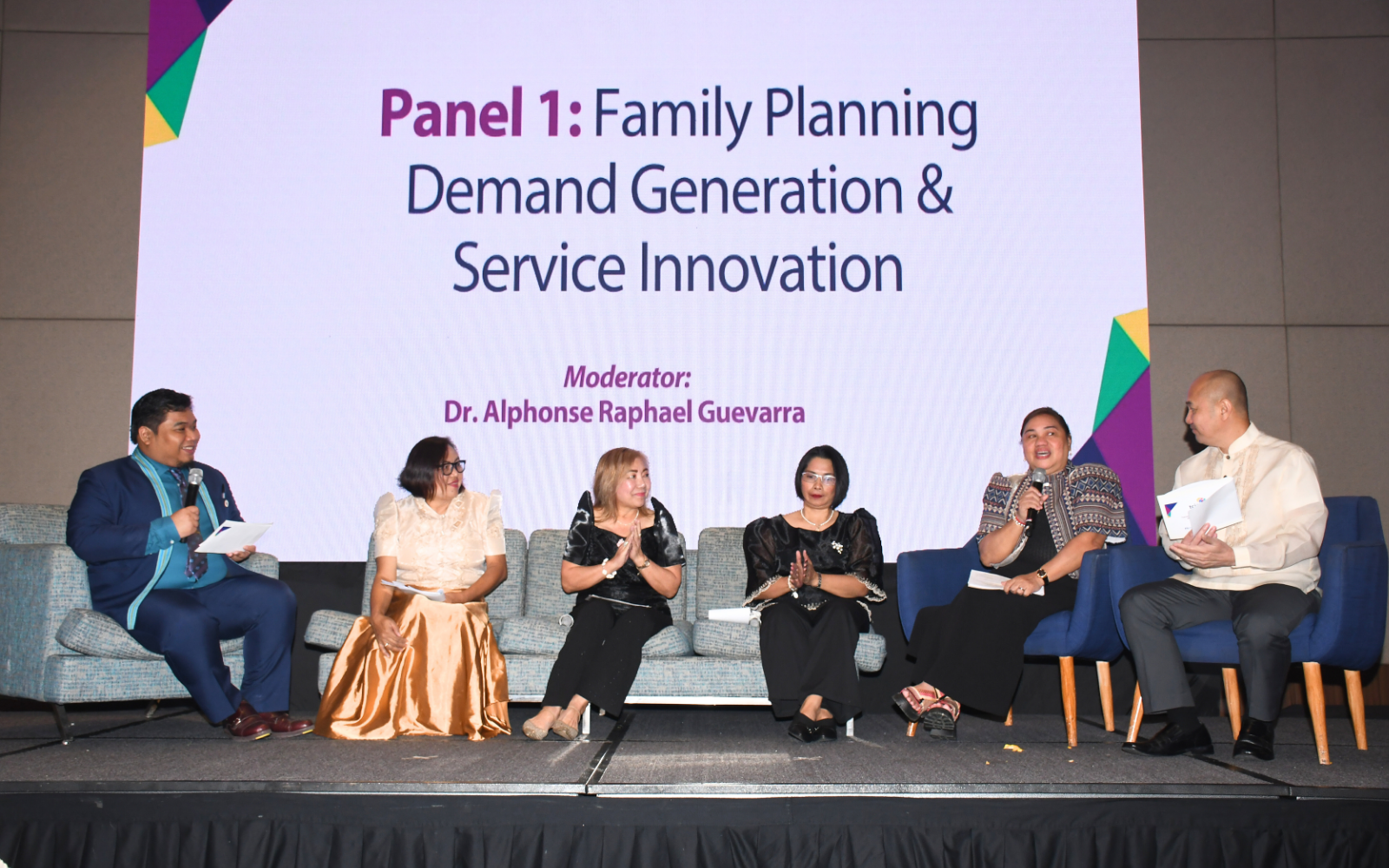
Cities showcased innovative approaches that expanded access and inclusivity in family planning services:
- Tagum City – Mobilized grassroots leaders and youth advocates through Usapang Youth and KATROPA sessions, engaging men and youth as champions of reproductive health.
- General Santos City – Expanded outreach to underserved women through Family Planning Itinerant Teams and long-acting reversible contraceptives (LARCs).
- Lapu-Lapu City – Empowered barangay health workers as frontline FP service providers.
- Iriga City – Promoted culturally sensitive family planning among 21 Indigenous Peoples (IP) tribes.
- Isabela de Basilan – Localized reproductive health materials into 16 languages to reach more communities.
Panel 2: Adolescent Sexual and Reproductive Health (ASRH) Innovations
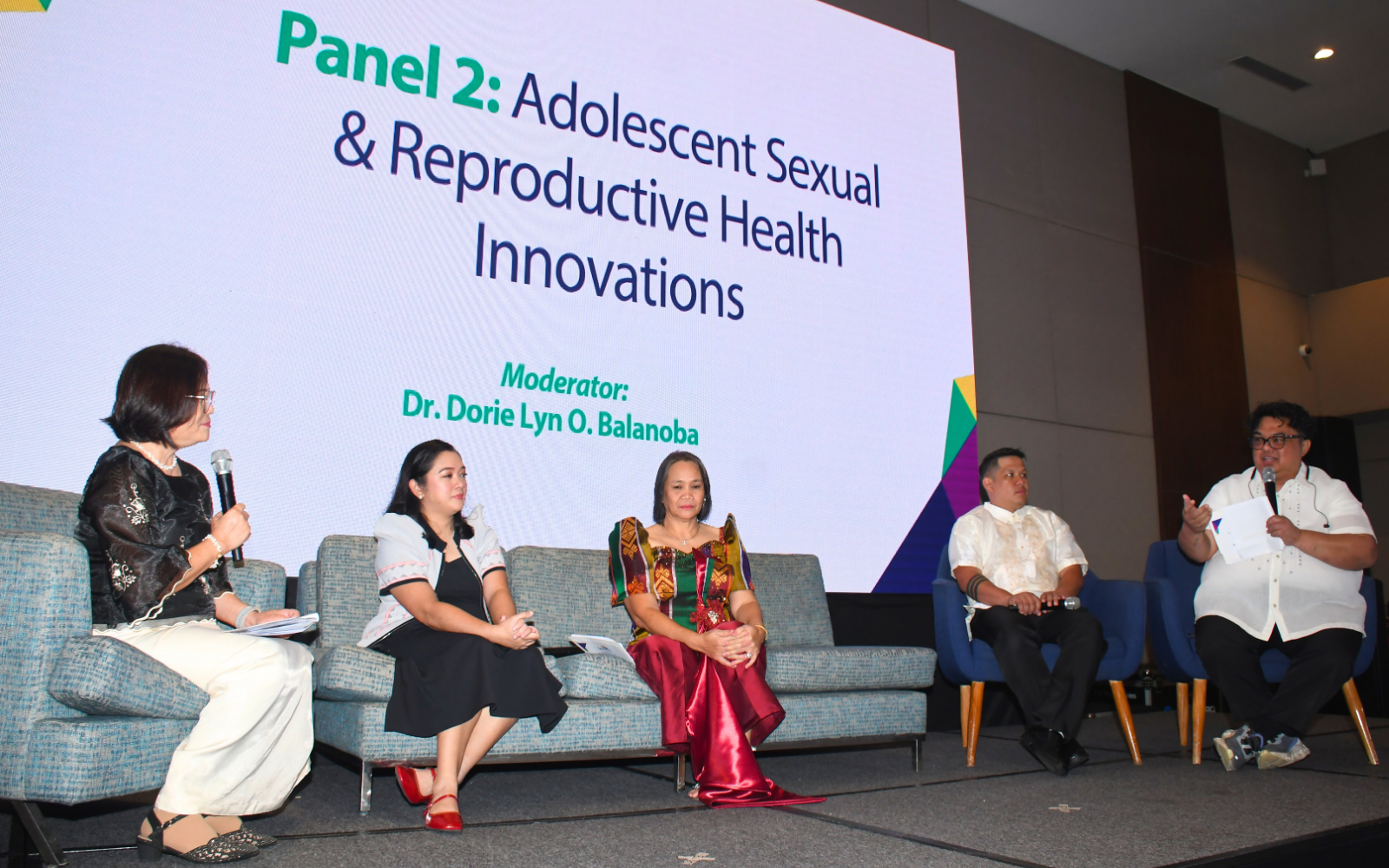
Cities also implemented programs that placed young people at the center of reproductive health advocacy:
- Mandaluyong City – Organized Healthy Young Ones lectures and the Adolescent Congress to create peer-driven learning spaces.
Quezon City – Institutionalized prevention programs through Ordinance No. SP-3128, s. 2021, establishing the Information and Service Delivery Network for Adolescent Health and Development (ISDN4AHD). - Pasig City – Developed a rights-based referral system to link services across agencies.
- Tacurong City – Integrated adolescent-friendly health services across all barangay centers.
Representatives from the graduating cities shared Leadership Narratives, reflecting on their efforts to sustain reproductive health reforms amid political transitions. They emphasized collaboration, data use, and strong community partnerships as key to their success.
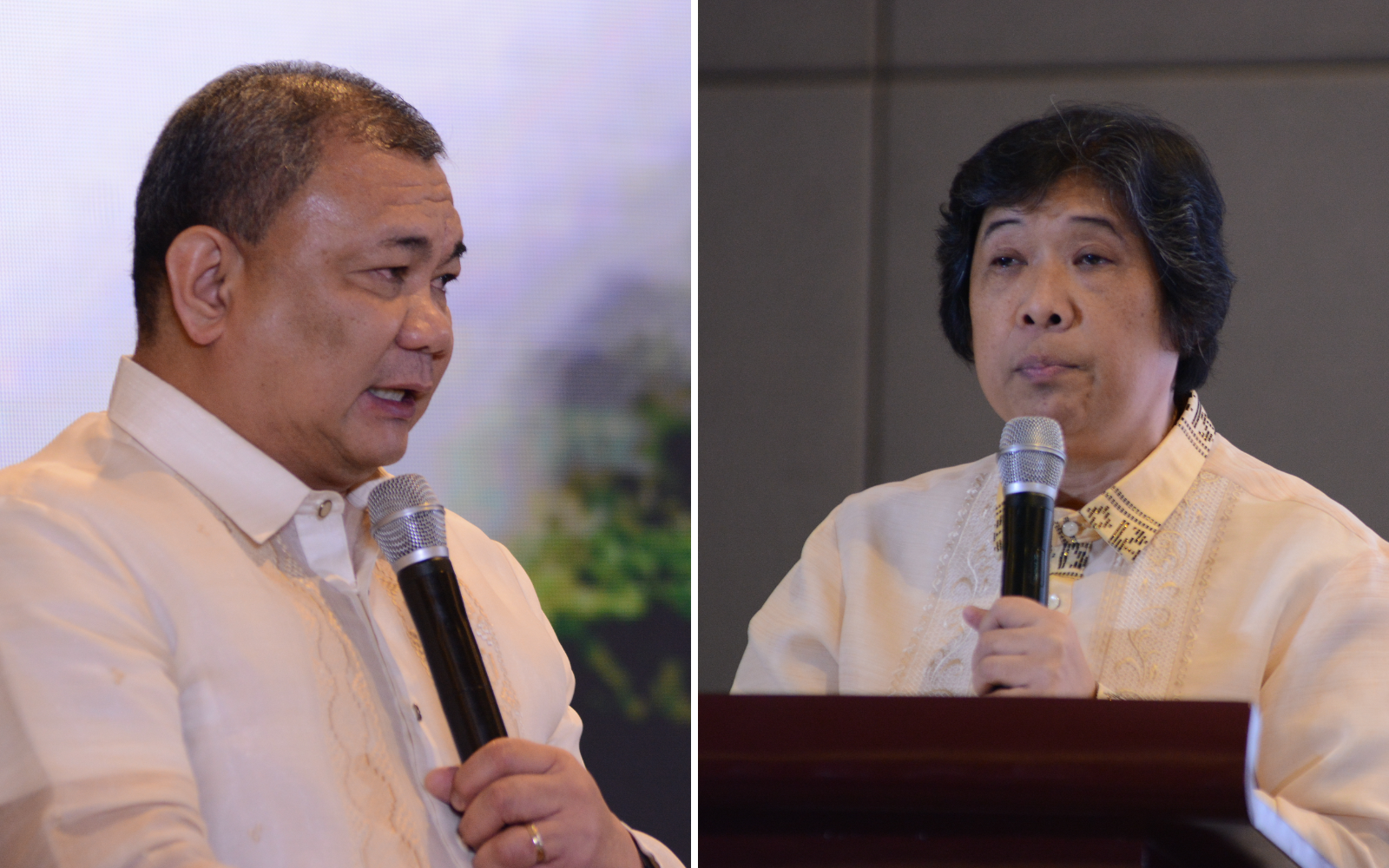
In his closing message, Dr. Manuel M. Dayrit, ZFF Chairman, congratulated the cities for achieving global self-reliance: “You are all part of a global movement called TCI, covering hundreds of cities worldwide. Our local experience has global significance.”
As of September 2025, ZFF and its partners under TCI-Philippines recorded the following results across 24 cities:
- 947 Master Coaches trained nationwide;
- 209,574 additional family planning clients served;
- 21,589 outreach and demand-generation activities conducted;
- 577 health facilities certified as adolescent-friendly; and
- 780 facilities offering post-pregnancy family planning services.
These accomplishments reflect a shared lesson from the colloquium: that locally led, evidence-based, and community-rooted approaches can sustain reproductive health gains and inspire other local governments across the country.
Bridging Leadership in Action: Benguet’s Mayors Reaffirm Commitment to UHC Integration
The province of Benguet renewed its commitment to building an integrated and people-centered local health system during the 2nd Universal Health Care (UHC) Conference held on October 14, 2025, at the Benguet Sports Complex in La Trinidad.
With the theme “All Feathers, One Fly: Integrating Systems for a Healthier Benguet,” the three-day event brought together health leaders and partners to strengthen collaboration and uphold the province’s shared vision of “health for all.”
The Provincial Health Office (PHO) led the activity, with participants from the Department of Health-Cordillera Administrative Region (DOH-CAR), Provincial DOH Office (PDOHO) Benguet, PhilHealth, Department of the Interior and Local Government (DILG), Philippine Information Agency (PIA) Benguet, and the Provincial Local Government Unit (PLGU) of Benguet. The Zuellig Family Foundation (ZFF) joined as a development partner supporting Benguet’s ongoing leadership journey in implementing Universal Health Care.
Related articles:
Reaffirming Commitment and Shared Responsibility
The conference served as a space for Benguet’s municipal mayors to reaffirm their commitment to UHC integration and to strengthen their collective resolve to deliver accessible, equitable, and sustainable health services to their communities.
In her opening remarks, Provincial Health Officer II Dr. Meliarazon Dulay emphasized that the strength of the Health Care Provider Network (HCPN) lies in teamwork, “one cannot function alone.” She reminded everyone that UHC is not just a policy but a promise to ensure that no one is left behind, urging all partners to sustain their shared purpose and collaboration.
Leadership and Partnership for Sustainable Health Systems
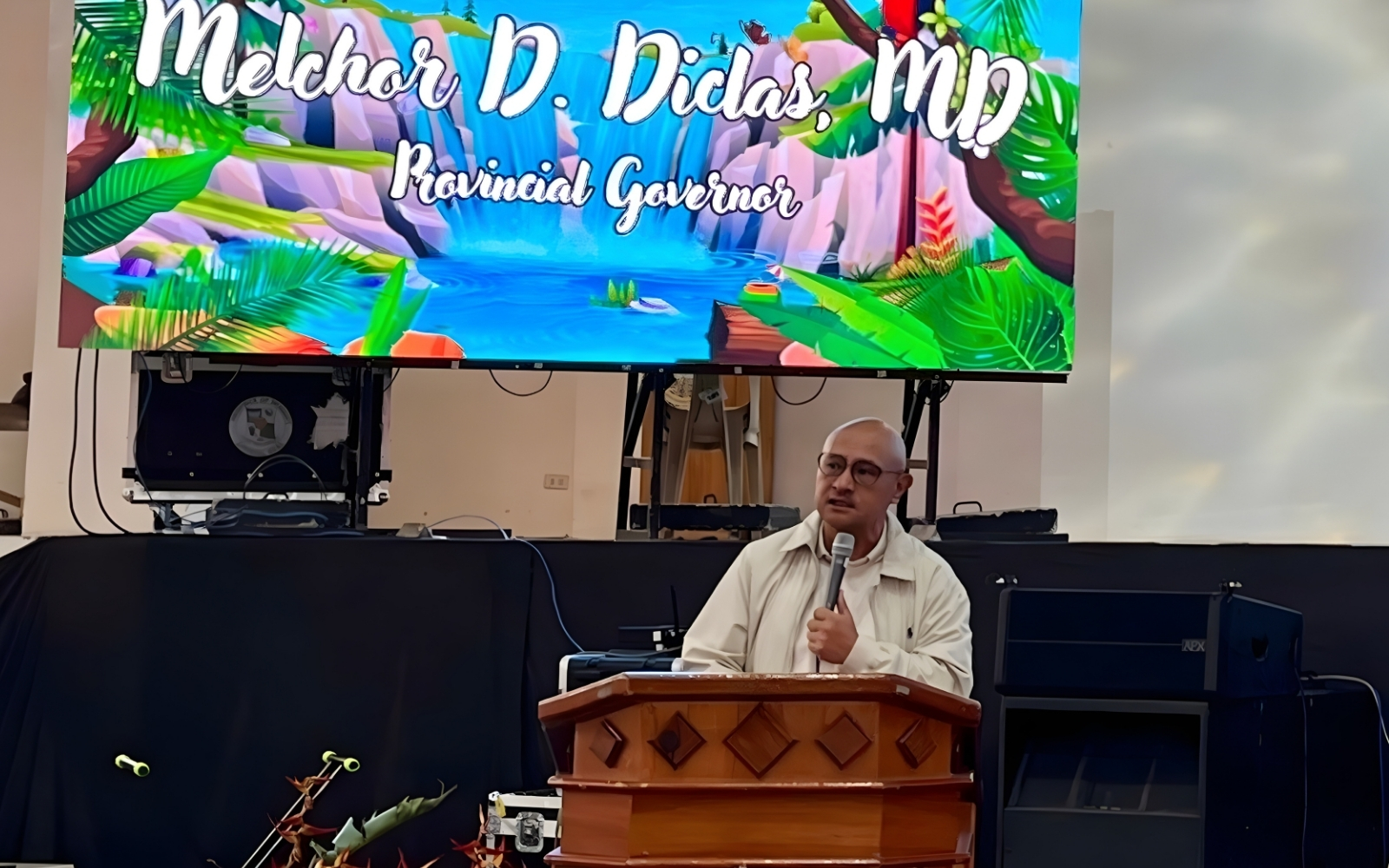
Governor Melchor Diclas, a graduate of ZFF’s Provincial Leadership and Governance Program (PLGP), highlighted the continuing partnerships that strengthen Benguet’s UHC initiatives. He shared the province’s ongoing efforts to enhance health facilities and reiterated the importance of cooperation among municipalities and partners while awaiting the release of the Special Health Fund (SHF).
Governor Diclas said that Benguet’s health progress continues because of strong collaboration and shared ownership among leaders—proof that collective action drives a healthier province.
“Uray Bassit Basta Agtultuloy” (Continuing the Journey Together)
In her keynote address, DOH-CAR Regional Director Dr. Amelita Pangilinan, a graduate of ZFF’s Regional Leadership and Governance Program (RLGP), praised Benguet’s leaders for “choosing collaboration over isolation.” She noted that nine of the province’s 13 mayors are newly elected and have pledged their full support to continue the integration efforts started by their predecessors.
“Uray bassit basta agtultuloy. No matter how small the steps, what’s important is that we continue,” Dr. Pangilinan encouraged.
She shared three key messages inspired by ZFF’s Bridging Leadership approach:
- Health integration works best when it is people-centered. Systems must serve communities, not the other way around.
- Partnerships are our greatest resource. When stakeholders move in harmony, the impact multiplies.
- Sustainability begins with shared ownership. Real change happens when leaders co-own and co-integrate their health goals.
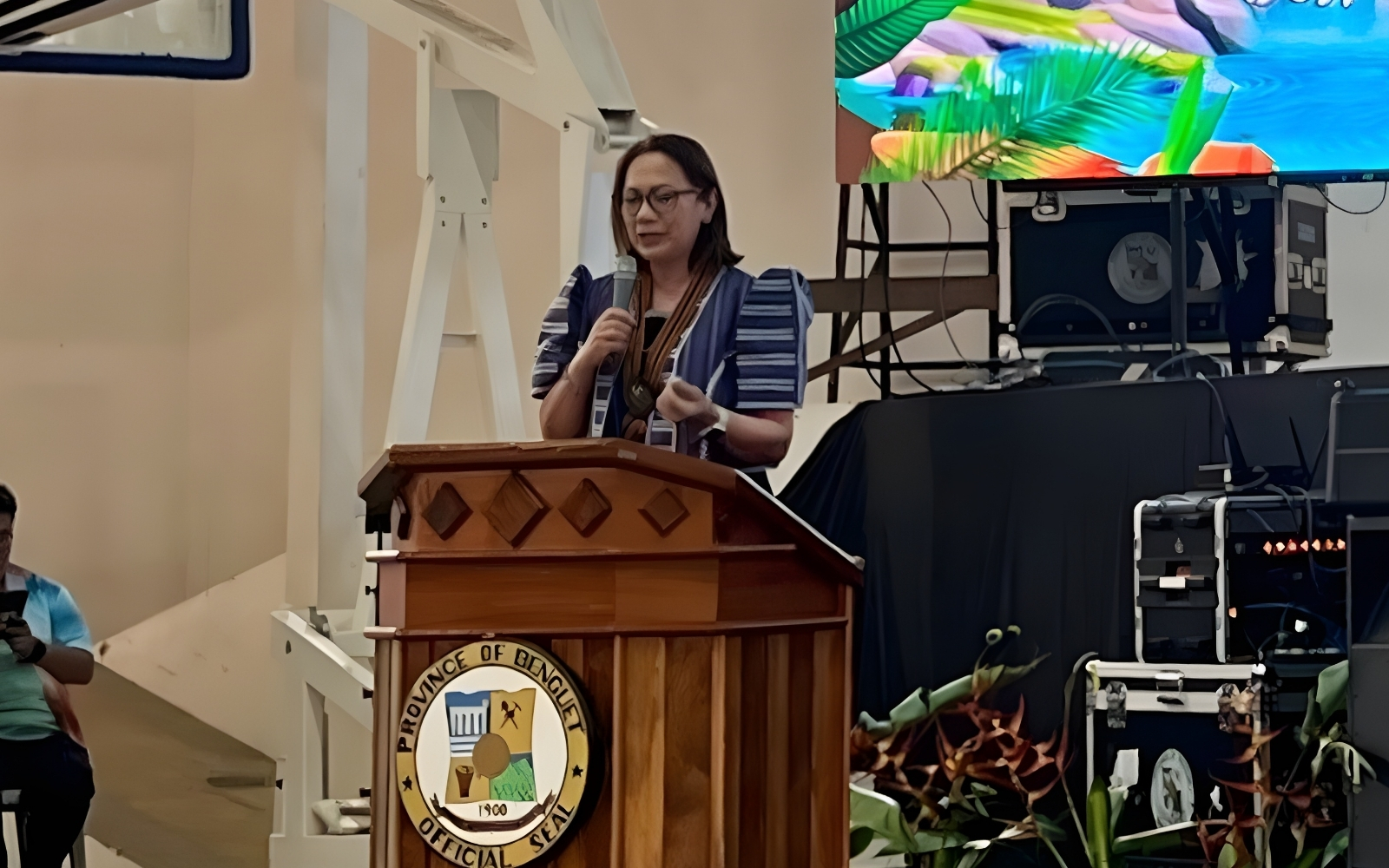
Dr. Pangilinan reminded everyone that UHC is not a distant goal but a shared journey, built one step, one partnership, and one act of service at a time.
Showcasing Local Good Practices
Rural Health Units (RHUs) from Atok, Bokod, Buguias, Mankayan, and Tuba also shared local good practices and innovations that contribute to Benguet’s Province-Wide Health System (PWHS). These stories show how each municipality contributes to a stronger, more responsive health system for Benguet.
Bridging Leadership in Benguet’s Health Journey
For Benguet, the 2nd UHC Conference was more than just an event, but a renewal of trust, partnership, and shared ownership among provincial and municipal leaders. It reflected how Benguet continues to apply the Bridging Leadership framework, a core principle of ZFF’s leadership programs that helps leaders recognize interconnectedness, build trust, and co-own health outcomes.
Both CAR and the Benguet Provincial Health Team, including Governor Diclas and Dr. Dulay, are graduates of ZFF’s leadership and governance programs. As UHC champions, they continue to show that sustainable health systems are built not by individual institutions, but by leaders and communities moving forward together.
Benguet’s UHC journey stands as a testament to the power of partnerships, perseverance, and shared responsibility, proving that meaningful change begins when everyone works hand in hand.
“Uray bassit basta agtultuloy.” Small steps, strong partnerships, and a shared vision for a healthier Benguet and a healthier Cordillera.
Author: Ayeza De Mesa, ZFF Bayang Malusog Leadership and Governance Program Associate
Healthy Beginnings, Stronger Tomorrows: Pook Malusog Community of Practice Conference 2025
The Zuellig Family Foundation (ZFF) continues to promote shared learning and collaboration through the Pook Malusog Community of Practice (CoP), a platform that enables local government units (LGUs) to exchange experiences, innovations, and lessons on nutrition leadership and governance.
Held on October 7, 2025, this year’s conference, themed “Healthy Beginnings, Stronger Tomorrows: Advancing Nutrition Resilience from the First 2,000 Days and Beyond,” gathered local chief executives, local legislative council members, health and nutrition action workers, volunteers, private sector partners, representatives from the academe, and national government agencies, including Regional Nutrition Program Coordinators of the National Nutrition Council.
Participants from the five alumni provinces of the Pook Malusog Provincial Nutrition Governance Program (PNGP), Siargao Islands, and Manila shared how leadership and governance can build sustainable nutrition systems that remain strong despite political changes and crises.
The program featured three main plenary discussions and breakout learning sessions:
- Generating Sustained Political Commitment for Nutrition. Shared experiences from the PNGP cohort (Northern Samar, Samar, Basilan, Zamboanga del Norte, and Sarangani) on translating political will into institutionalized systems. This panel discussion highlighted key leadership acts that established institutional arrangements, policies, and plans and budgets that enabled these provinces to reduce malnutrition prevalence and strengthen mechanisms to sustain these improvements on the ground.
- Building Resilient Nutrition Systems, the TRANSFORM (Transdisciplinary Approach for Resilient and Sustainable Communities) Experience. Showcased how leaders in Siargao Islands, Surigao del Norte and the Caraga Region strengthened resilience through people-centered, data-driven approaches, noting that resilience is a continuous process of transformation.
- Beyond the First 1,000 Days, Seamless Pathways to the First 2,000 Days. Featured the municipality of Malungon, Sarangani and the provinces of Basilan and Sarangani, responding to what’s next after F1KD efforts, centering on Early Childhood Care and Development (ECCD) in ensuring continuity of care and support for children beyond infancy.
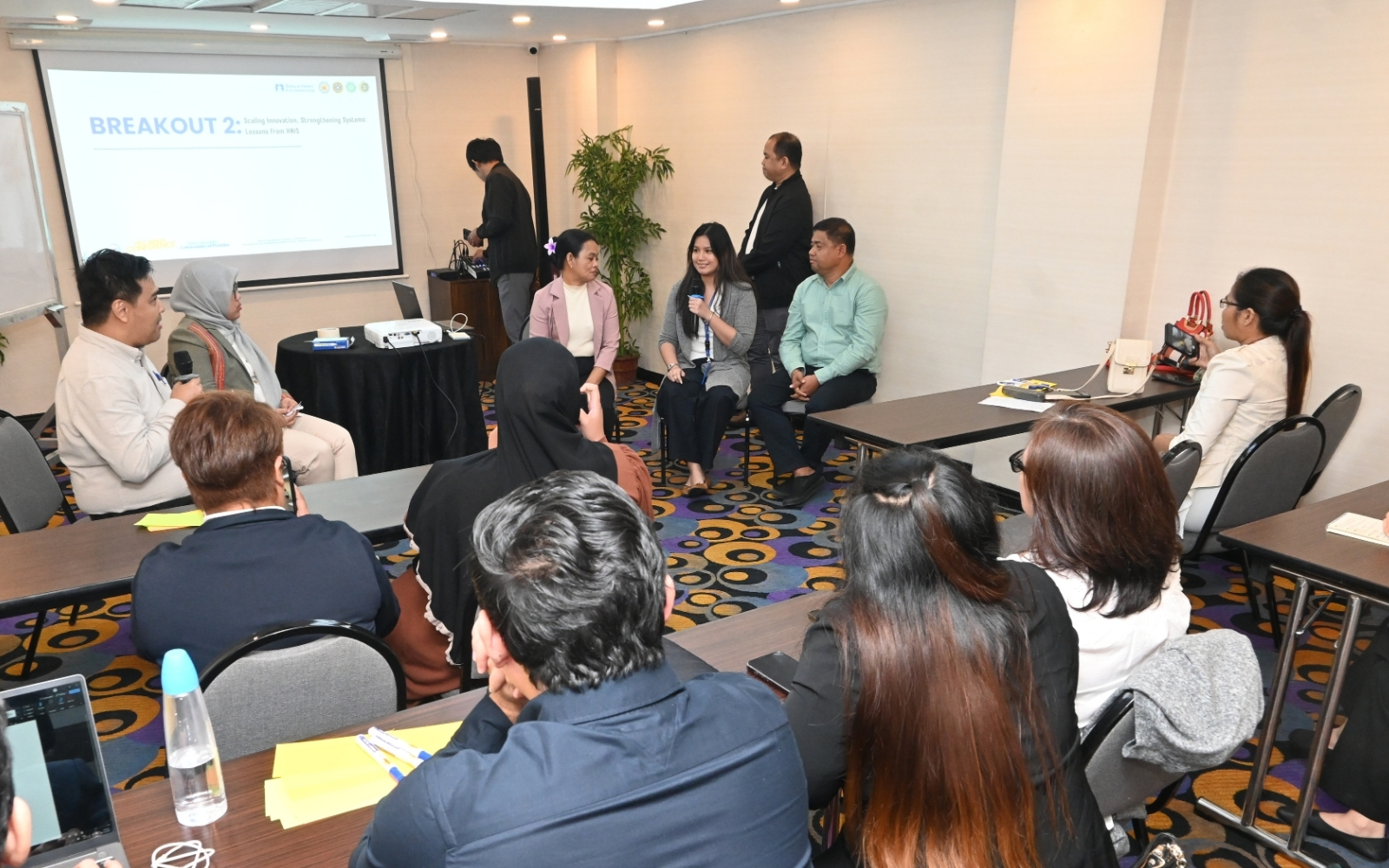
- Breakout Sessions: Scaling Innovation, Strengthening Systems. Focused on ZFF’s key programs—Pook Malusog Dashboard, ZFF’s health and nutrition information system (HNIS), and the Family Stunting Reduction (FaStR) program, a family-centered approach to addressing malnutrition. LGU implementers sat on the panel and responded to questions from participants, sharing ongoing learnings and best practices from pilot implementations, as well as their priority actions moving forward.
Discussions showed that political will is critical—it sets direction, drives the right systems, and ensures that budgets are allocated for nutrition. But political will must be backed by more support. It needs to evolve into strong, institutionalized systems that can sustain progress across political terms.
Provincial leaders shared how creating permanent positions for nutrition officers, integrating nutrition into local development plans, and mobilizing diverse sectors can embed accountability and continuity. Municipalities, on the other hand, demonstrated how community co-ownership, data utilization, and frontline worker empowerment ensure that nutrition efforts reach even the most vulnerable families.
Nutrition expert, Dr. Cecilia Acuin, in her synthesis, said that nutrition resilience requires long-term, systemic investment. Improving nutrition outcomes must focus on, quoting Mayor Alfredo Coro II of Del Carmen, Siargao Islands, “the least, the last, and the lost”—families and communities that remain hardest to reach. Dr. Acuin pointed out that while political commitment is vital, equally important are strong governance systems, responsive service delivery, and community ownership. “Our focus should be on building systems, not one-time solutions,” she said, calling for convergence among LGUs and partners.
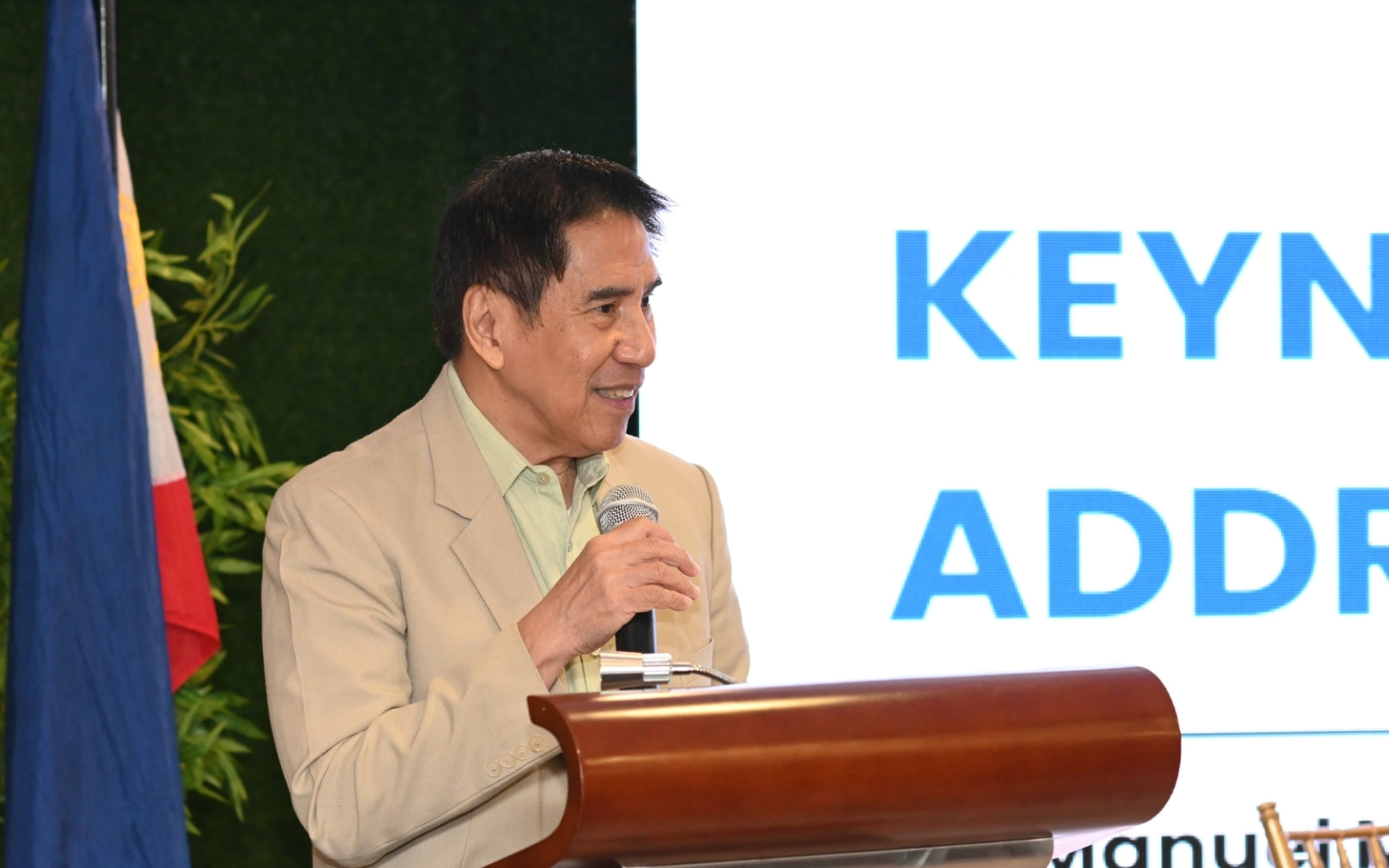
In his keynote message, Dr. Manuel Dayrit, ZFF Chairman, reminded attendees that the CoP represents “a microcosm of what needs to happen nationally: leaders listening, learning, and acting together.” The conference ended with a hopeful call: when leaders and communities work together, every Filipino child can have a healthy beginning and a stronger tomorrow.
Transforming Health in Baguio: Leading Change through Shared Action
The City Health Services Office of Baguio, led by Dr. Celia Flor Brillantes, is taking meaningful steps to strengthen and make health care more inclusive for the city. On September 24–25, 2025, 23 medical officers and staff completed Module 1 of the Bayang Malusog Leadership and Governance Program (BMLGP).
BMLGP, a partnership between the City of Baguio and the Zuellig Family Foundation (ZFF), aims to build the knowledge, skills, and values of local health leaders so they can champion Universal Health Care (UHC) and address long-standing gaps in access to quality services.
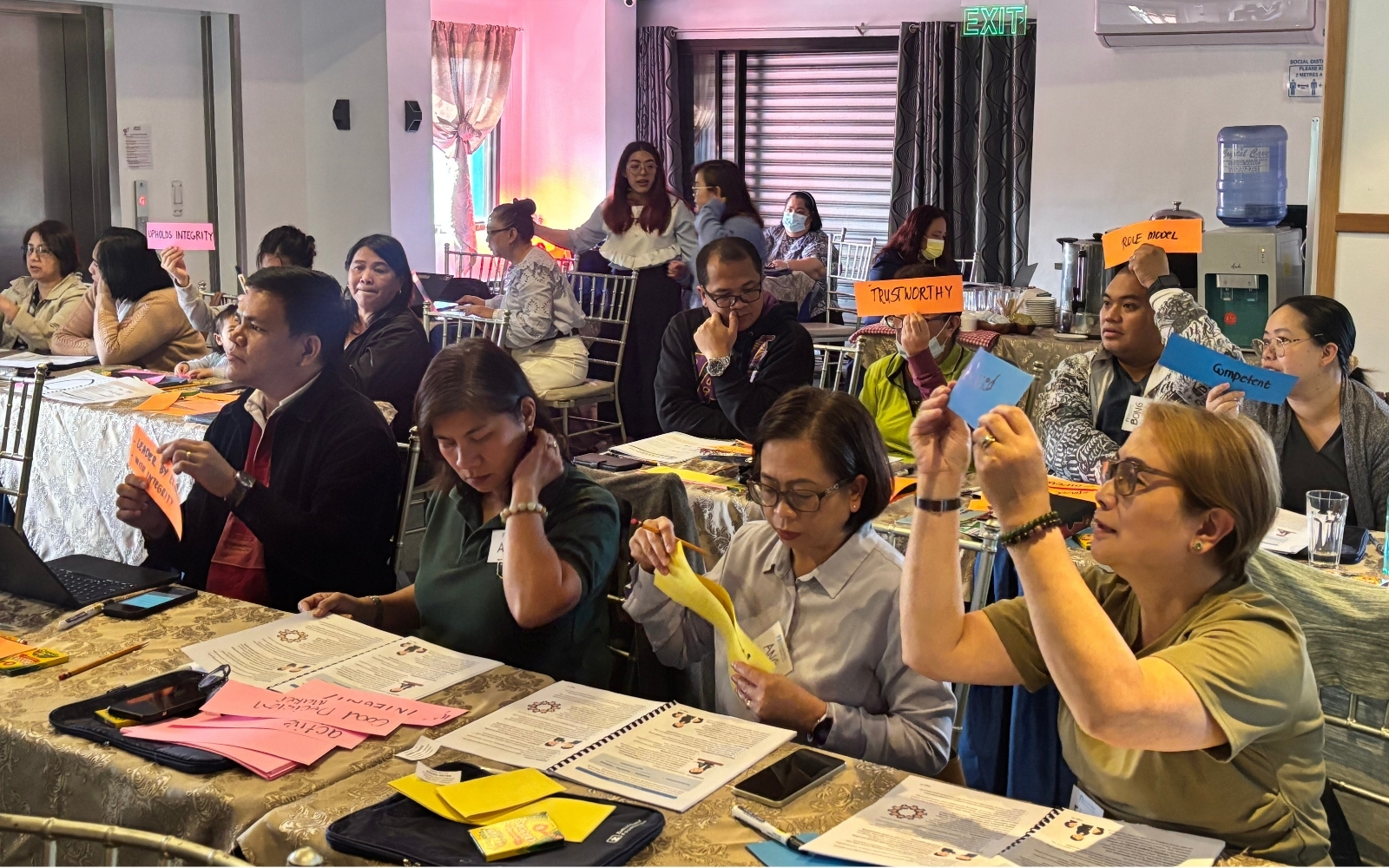
During the two-day training, participants reflected on the health inequities in Baguio and studied the Bridging Leadership Framework, which highlights ownership, co-ownership, and co-creation in solving complex health challenges. They also learned practical approaches such as systems thinking, multi-sector collaboration, building and sustaining trust, and dialogue-based planning—tools essential for effective health leadership and governance.
Related article:
Moving forward, the city has identified key activities to strengthen collaboration in support of its Health Care Provider Network (HCPN), including:
- Stakeholder mapping and analysis to better understand the roles and needs of different partners;
- Training workshops to build the capacity of local health teams;
- Technical working group meetings to align efforts and monitor progress; and
- Crafting of a special health fund manual to guide resource use and sustainability.
These activities are aligned with the city’s UHC Roadmap, advancing its vision of becoming a “livable, inclusive, and creative city.”
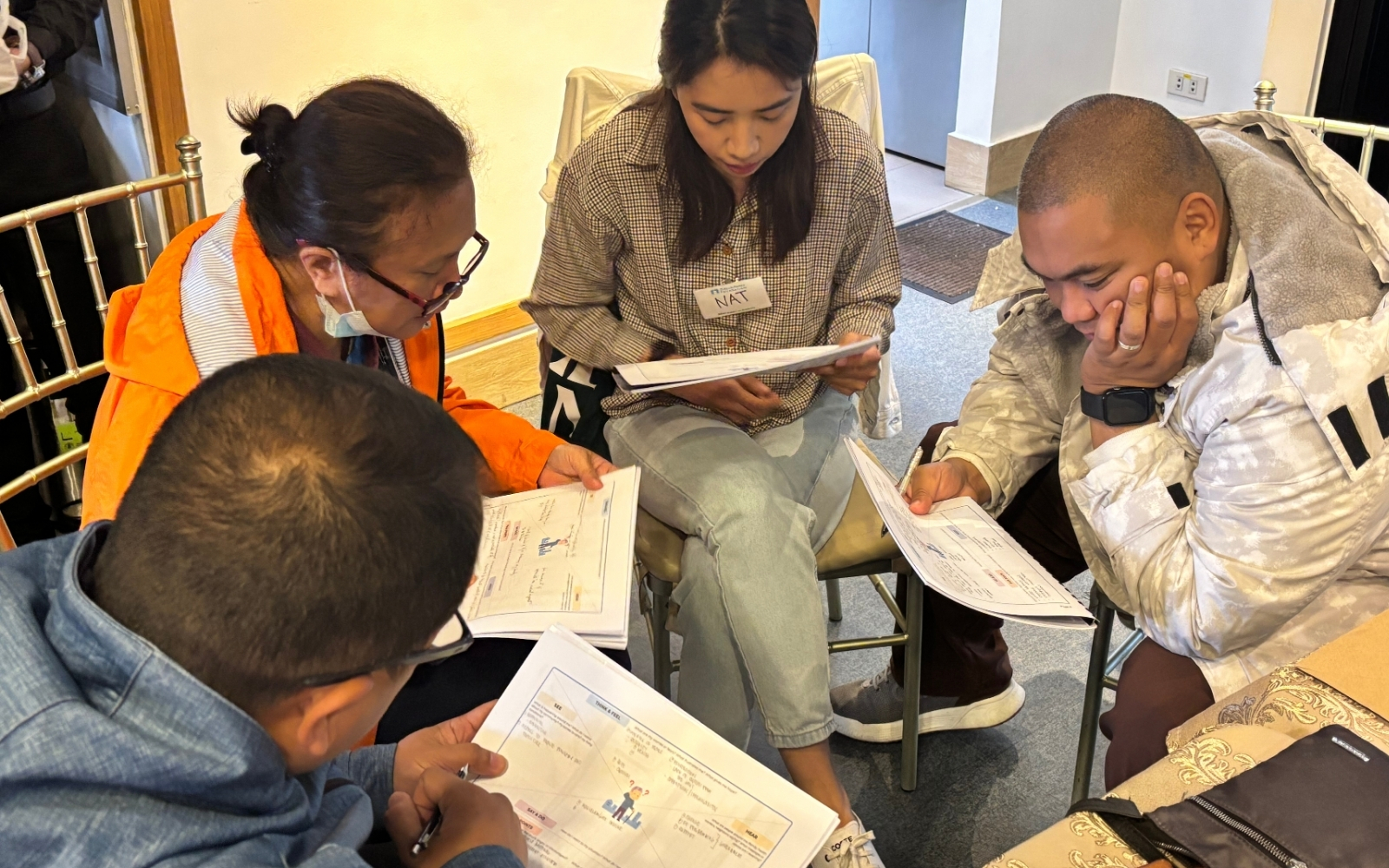
In her closing remarks, Dr. Catherine Chung, Director of the Local Health Systems of ZFF, recognized the participants’ active involvement and highlighted the value of shared effort. “In the complexity of public health and UHC, no one person holds the answer, but together as Bridging Leaders, we create solutions,” she said.
For Dr. Brillantes and her team, more than just a training, the program is a call to action. By practicing shared leadership, they are reaffirming their commitment to transform health in Baguio with compassion, innovation, and collaboration, ensuring a healthier future for every resident.
Authors: Joan Kidatan, ZFF LHS Provincial Associate for Baguio City; Krizzia Esperanza, ZFF Corporate Communications Associate
Surigao del Norte Strengthens Preparedness for Reproductive Health in Emergencies
Surigao City — Surigao del Norte leaders reinforced their commitment to protect communities during disasters by aligning strategies for Sexual and Reproductive Health (SRH) in emergencies.
The Zuellig Family Foundation (ZFF), in partnership with the United Nations Population Fund (UNFPA) and with support from Australian Aid, led a two-day Project Alignment and Technical Roadmapping Workshop on September 11–12, 2025 at the Provincial Conference Hall in Surigao City. The event brought together provincial officials, health leaders, and development partners to craft a unified roadmap for implementing the Minimum Initial Service Package for SRH (MISP-SRH).
Provincial leaders signaled their commitment by joining the sessions. Atty. Rise Faith Recabo, Provincial Administrator, represented Governor Robert Lyndon Barbers. Dr. Maria Isabel Makinano, Provincial Health Officer, and Fe Saumat, Provincial Social Welfare and Development Officer, also joined, along with other department heads and staff. Their presence showed the province’s determination to strengthen SRH services in its disaster response plans.

During the alignment session, Emmanuelle Pabalate, OIC-Project Manager for MISP-SRH at ZFF, urged stakeholders to set measurable milestones and align local efforts with national frameworks. She urged participants to:
- Set measurable milestones, strengthen governance, and mobilize resources; and
- Build lasting partnerships with civil society organizations to sustain reforms and ensure that provincial strategies remain aligned with national frameworks.
In the technical session, ZFF MISP-SRH staff, Elaine Joyce Diaz and Loriegrace Mindoro, guided participants through a structured process of reviewing achievements, identifying gaps, and mapping out strategies with timelines. Diaz underscored that:
- Evidence-based planning strengthens accountability;
- Proper monitoring helps track progress and sustain services; and
- Aligning actions with the DRRM framework ensures readiness during emergencies.
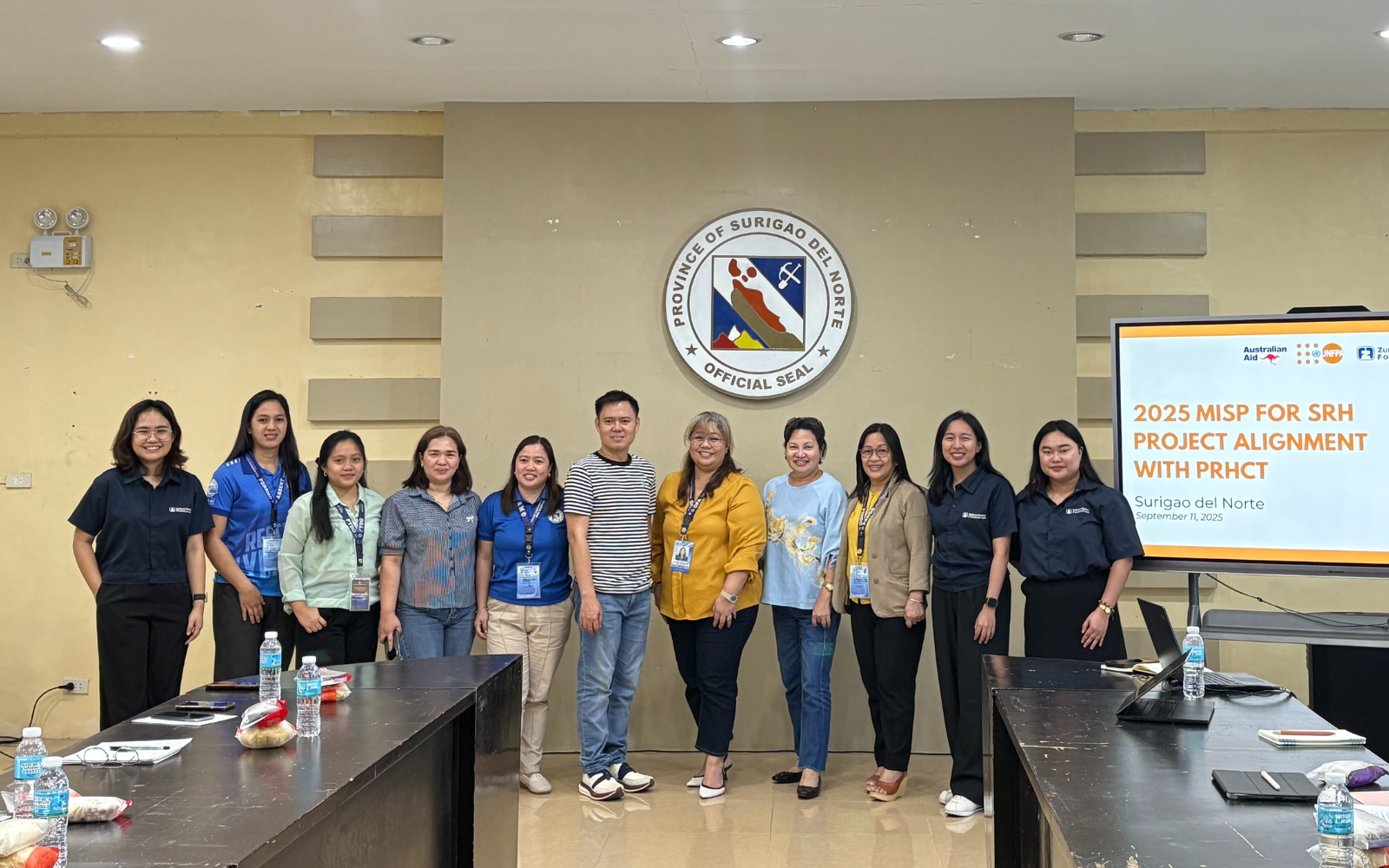
The workshop ended with an actionable roadmap and renewed partnerships among provincial stakeholders. While challenges remain, Surigao del Norte signaled its readiness to institutionalize reforms, mobilize resources, and strengthen governance systems.
These efforts aim to build a resilient and inclusive SRH system that protects families, especially women and girls, during disasters.
Authors: Loriegrace Mindoro, ZFF Provincial Account Officer for Catanduanes and Surigao del Norte; Krizzia Esperanza, ZFF Corporate Communications Associate
Putting People First: Data Spurs Local Governments to Rethink Priorities
Tacloban City — Local leaders from Samar and Southern Leyte closed a three-day workshop on September 19, 2025, with a firm pledge to put people at the center of their development plans. The release of the 2022 Community-Based Monitoring System (CBMS) data prompted the workshop, revealing serious gaps in education, food security, jobs, and health across eight municipalities in Eastern Visayas.
Participants admitted that despite years of government investments, fragmented programs and infrastructure-heavy spending left many services underfunded. During the workshop, they treated the CBMS data not only as a report but as a wake-up call.
Troubling Gaps in Human Development
| Municipality | No Elementary Education (%) | Food Insecurity (%) | Not in Labor Force (%) | Sick in Past Year (%) | PhilHealth Coverage (%) |
|---|---|---|---|---|---|
| San Jose de Buan, Samar | 50.7 | 45.13 | 46.8 | 43 | 1.75 |
| Calbiga, Samar | 31.68 | 56.88 | 44.67 | 41.6 | 8.28 |
| Maasin City | 14.8 | 41.26 | 50.85 | 36.24 | 9.35 |
| Catbalogan City | 20.05 | 48.44 | 47.53 | 32.85 | 10.36 |
| Limasawa, Southern Leyte | 10.9 | 34.87 | 50.69 | 20.46 | 6.86 |
| Tomas Oppus, Southern Leyte | 16.3 | 55.08 | 50.82 | 62.2 | 6.6 |
| Padre Burgos, Southern Leyte | 12.45 | 36.84 | 51 | 30.48 | 9.09 |
| Macrohon, Southern Leyte | 13.13 | 55.65 | 52.67 | 13.86 | 11.86 |
Source: Community-Based Monitoring System, Philippine Statistics Authority, 2022.
The CBMS numbers highlighted urgent challenges which contribute to local human capital development:
- Education: In San Jose de Buan, half of adults in unions had not completed elementary school. Calbiga, Catbalogan, and Maasin also showed large education gaps that continue to trap families in poverty.
- Food Security: Hunger persists in many areas. Calbiga reported the highest food insecurity at 56.88%, with Macrohon, Tomas Oppus, and Catbalogan also recording alarming rates.
- Health: Illness rates reached 62.2% in Tomas Oppus and 43% in San Jose de Buan. Yet PhilHealth coverage stayed critically low, with no municipality surpassing 12% and San Jose de Buan reporting only 1.75%.
Related articles:
- Learning and Working Together: Insights from the Youth Leadership Colloquiums in Southern Leyte and Samar
- Youth and Local Leaders Join Forces to Prevent Teen Pregnancies in Samar
- Southern Leyte Shows Progress in Reducing Teen Pregnancies
Turning Data Into Action
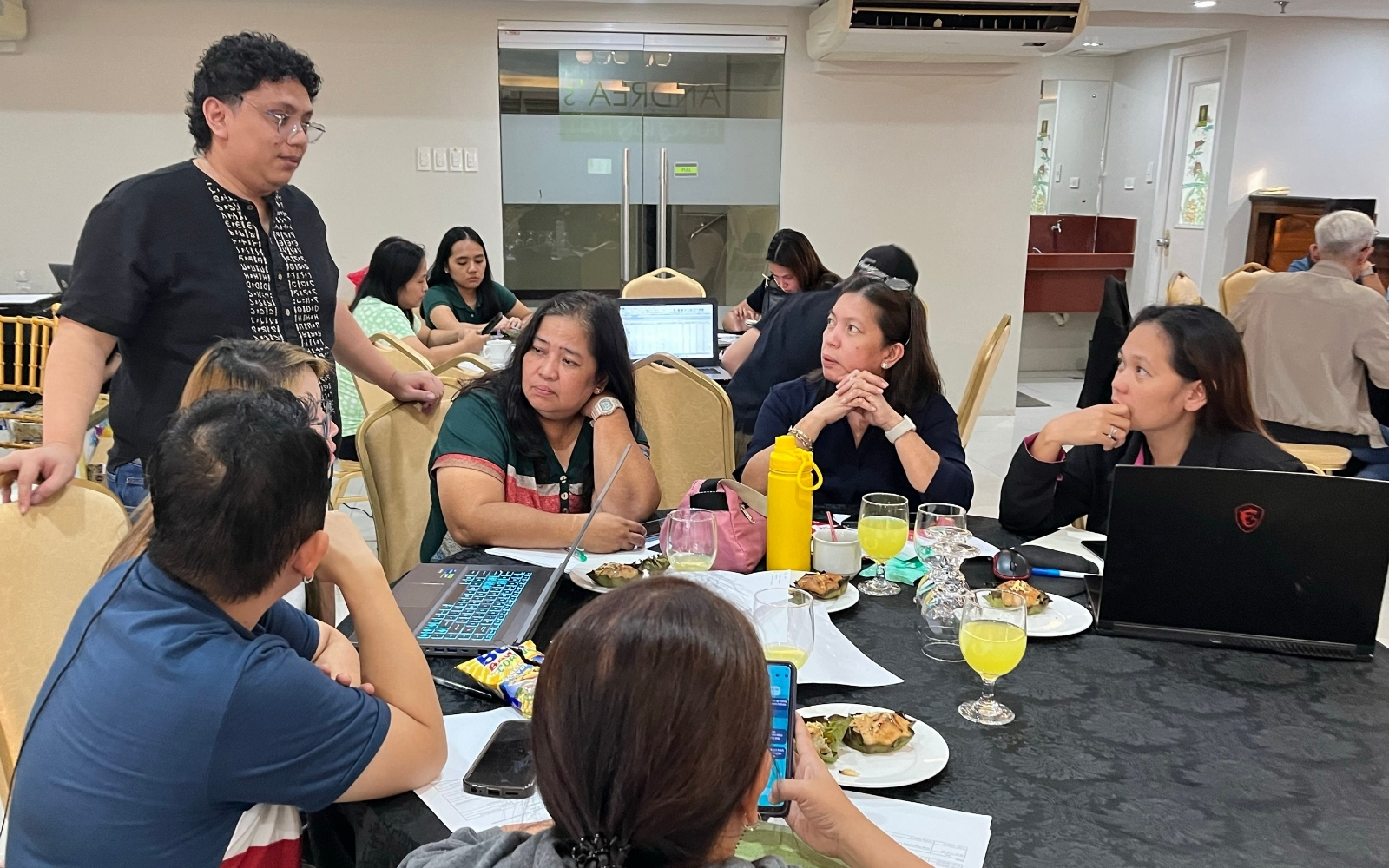
The Zuellig Family Foundation (ZFF) organized the workshop under the Joint Programme on Accelerating the Reduction of Adolescent Pregnancy (JPARAP) with support from the United Nations Population Fund (UNFPA). ZFF guided participants in aligning their development priorities with the Philippine Population and Development Plan of Action (PPD-POA) and measuring their success thru a developed local human development index
Health, planning, budget, nutrition, and population officers reviewed their draft Municipal Population and Development Plans of Action through focused sessions. Participants committed to carry forward people-centered priorities in their respective local government unit (LGU)’s planning cycles.
A Call for People-Centered Governance
By the end of the workshop, participants were united in one message: CBMS data must not gather dust in filing cabinets. It should serve as a mirror, reflecting the real needs of communities. Progress, they said, should no longer be measured by the number of buildings or roads completed, but by how many lives are improved.
The challenge now lies with LGUs: to show that governance is not about scattered projects or token budgets, but about truly putting people first.