Cebu’s Zero Hunger Agenda: Governor Champions a Whole-of-Government Response to Malnutrition
News

Cebu’s response to malnutrition commits to go beyond feeding programs and address the conditions that determine whether families can consistently access nutritious food.
During the Zuellig Family Foundation (ZFF)–League of Provinces of the Philippines (LPP) Executive Session with Cebu Governor Pamela Baricuatro under the Nutrition Leadership and Equity Acceleration Program (NutriLEAP), the Governor proposed integrating a Zero Hunger initiative into the province’s Comprehensive Nutrition Action Plan, recognizing that food security and nutrition are deeply interconnected.
Related article:
For Governor Baricuatro, addressing malnutrition means looking beyond nutrition-specific interventions and confronting the broader conditions that shape nutrition outcomes, including poverty, food insecurity, access to health services, and the availability of nutritious food. “Zero Hunger should be integrated in the whole Comprehensive Nutrition Action Plan because food security should be prioritized too—they are interrelated.”
The Executive Session, held at the Executive Conference Room of the Provincial Capitol, brought together provincial health and nutrition officials, the National Nutrition Council (NNC) Region VII, the Department of Health Center for Health Development Region VII, ZFF, and LPP to examine Cebu’s nutrition situation and identify concrete actions for the provincial government.
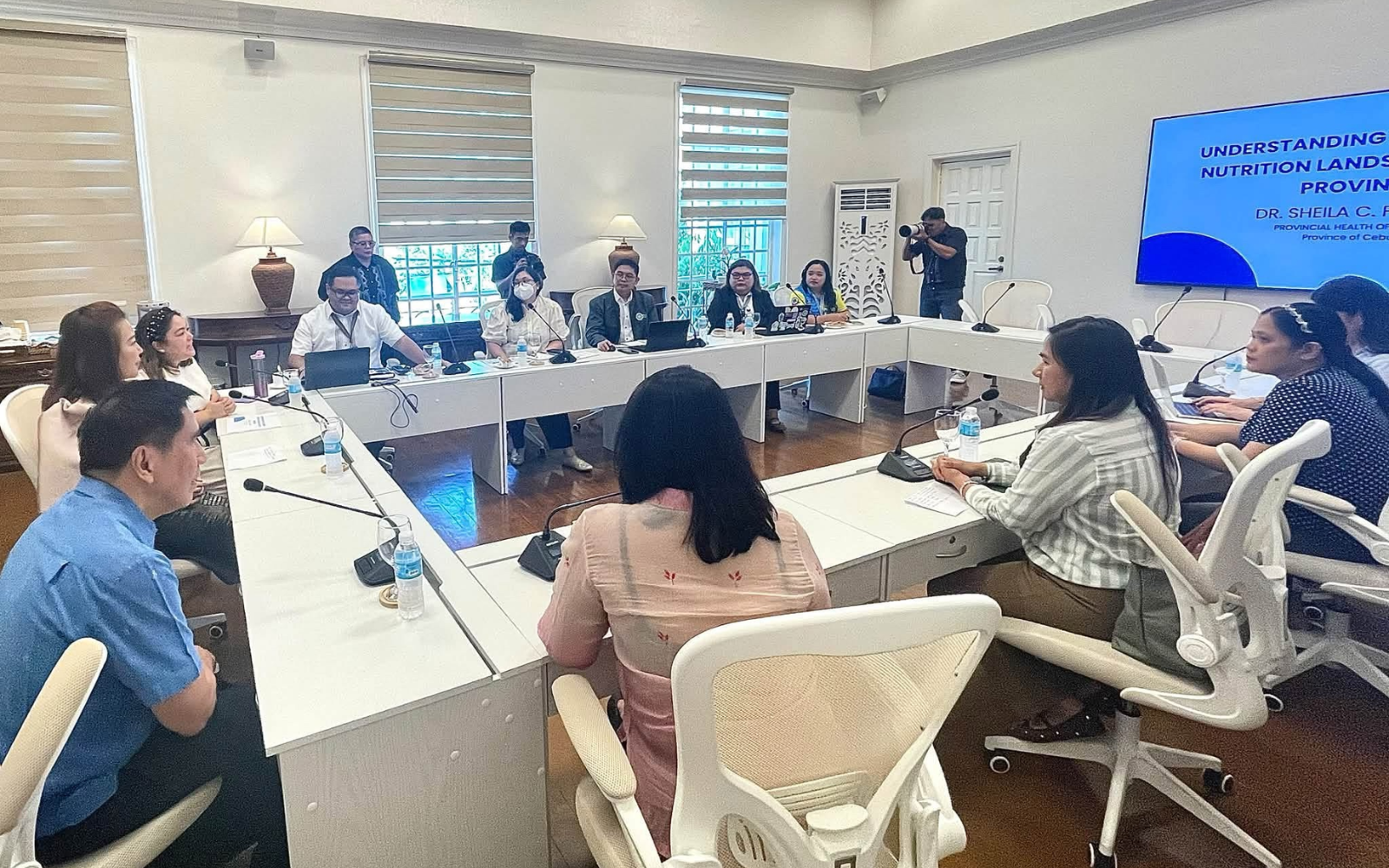 Photo above: Provincial health and nutrition officials, national government agencies, and development partners gather at the Provincial Capitol Executive Conference Room for the ZFF-LPP Executive Session on Cebu’s nutrition situation.
Cebu’s nutrition challenge: beyond the numbers
Dr. Sheila Faciol, Provincial Health Officer II, presented the province’s nutrition situation, highlighting both progress and persistent gaps in financing, human resources, service delivery, and nutrition outcomes.
Cebu’s scale makes the challenge particularly significant. The province is composed of 44 municipalities, six cities, and 1,066 barangays, with a population of more than 3.4 million.
The province has also allocated substantial resources to health, with health programs accounting for around 40.8 percent of the provincial budget. However, nutrition-specific spending has historically faced challenges in utilization. Following previous underspending from the original Php 100 million nutrition allocation, the 2026 budget was adjusted to Php 75 million. At the same time, budget utilization has improved, reaching 65.6 percent as of September 2026.
The discussion underscored, however, that nutrition-specific investments alone cannot solve malnutrition. Nutrition-sensitive interventions, including food security, water and sanitation, social protection, agriculture, education, livelihood, and poverty reduction, must also form part of Cebu’s strategy.
This is particularly important given the province’s continuing burden of child stunting. Recent data show that Cebu continues to account for the country’s highest magnitude of stunting cases. The province recorded 20,659 stunted children, highlighting the scale of the challenge despite recent progress in reducing the number of affected children. The magnitude of the problem, coupled with Cebu’s large and geographically diverse population, reinforces the need for a response that is strategic, targeted, and coordinated across government.
Targeting where the need is greatest
For Governor Baricuatro, the response must begin with identifying where the burden is greatest, and then directing resources and partnerships toward those communities.
Following the presentation, the Governor supported a whole-of-government approach focused initially on the 10 local government units (LGUs) with the highest magnitude of stunting, which together account for nearly half of the province’s total cases. These communities also represent areas where poverty and geographic accessibility remain significant barriers to health and nutrition services. “We identify where they are, and then we will partner with them.”
The approach reflects a shift toward data-informed prioritization, where interventions and resources are concentrated in communities with the greatest burden and the greatest barriers to accessing services.
The Governor also emphasized that malnutrition cannot be viewed simply as a feeding problem. “Poverty incidence is directly related to nutrition outcomes delivery. This is not merely a feeding program.” Her proposed Zero Hunger initiative reinforces this perspective by placing food security alongside nutrition as a central concern of the provincial government.
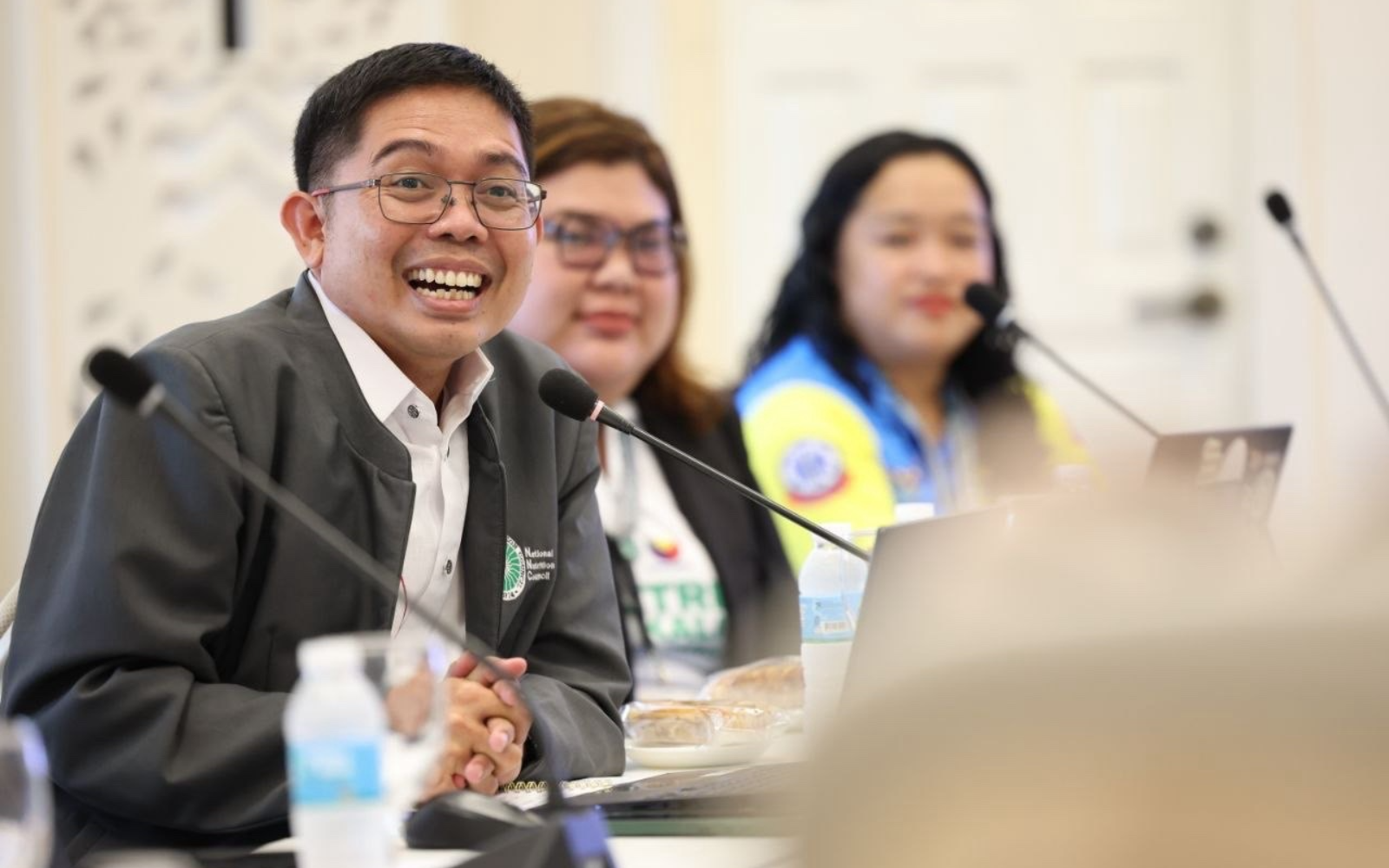 Photo above: Dr. Niño Archie Labordo, Regional Nutrition Program Coordinator, NNC-7
From political commitment to nutrition governance
Dr. Manuel Dayrit, Chairman of ZFF, emphasized that Cebu’s nutrition challenge is multifactorial and therefore requires a multifaceted response. He pointed to four critical areas that must come together: financing, information, human resources, and technical capacity.
The province needs to know where children are being affected, ensure that resources reach those communities, strengthen the workforce, including Barangay Nutrition Workers, and equip local governments with the technical knowledge necessary to respond effectively. He also commended the province’s move toward a 12-month operational plan and stressed the importance of rallying mayors behind the provincial nutrition agenda. “You really have to rally the mayors with you on this advocacy.”
Dr. Joyce Ann Viar, Nutrition Director of ZFF, presented the Foundation’s 8 Critical Knobs of Nutrition Governance as a framework for strengthening the systems that enable local governments to deliver better nutrition outcomes. These include:
- Strong governance structures for health and nutrition;
- Sustained strategic planning and financing for nutrition;
- An adequate and competent health and nutrition workforce;
- Responsive information management systems and community feedback mechanisms; and
- Competent LGU officials and staff in nutrition governance.
These governance mechanisms support interventions such as First 1,000 Days client-centered care, healthier diets at the community and household level, and behavior-centered approaches to food, health, and nutrition.
For Cebu, the challenge is therefore not simply to introduce another nutrition program, but to build the governance conditions that allow nutrition and food-security interventions to reach families consistently and at scale.
 Photo above: ZFF Chairman Dr. Manuel Dayrit
Bringing nutrition to the grassroots
Governor Baricuatro expressed her commitment to strengthening collaboration among the provincial government, LGUs, national government agencies, and development and private-sector partners. “That is why we are here, and we want to focus on serving whatever programs we have at the national, and private sector—making sure that we can reach the grassroots, right away.”
The session also surfaced opportunities to bring nutrition interventions closer to households. Among these is the potential establishment of community kitchens at the barangay level, particularly in areas where households face difficulties accessing nutritious food. Rather than functioning solely as feeding sites, the proposed community kitchens could become community-based spaces where families can access and learn to prepare healthy, nutritious, and affordable food. ZFF will explore potential private-sector partnerships, including through its existing engagements with the Jollibee Foundation and the League of Corporate Foundations, to help advance this initiative.
The discussion also highlighted opportunities to strengthen nutrition interventions among adolescents and young mothers, including schools and youth caravans targeting nutritionally at-risk pregnant women and addressing concerns around teenage pregnancies. Emerging concerns around vaccine hesitancy and community trust were likewise recognized as issues requiring stronger engagement at the local level.
Strengthening the provincial nutrition workforce
The Governor also recognized that stronger nutrition outcomes will require a stronger local workforce. As part of the province’s commitment, Governor Baricuatro expressed support for hiring a nutritionist-dietitian within the provincial government who can be deployed to municipalities and cities. The proposed investment responds to identified gaps in human resources, including medical doctors, Municipal Nutrition Action Officers, and barangay health and nutrition workers. Strengthening this workforce will be essential in ensuring that provincial plans translate into sustained action within communities.
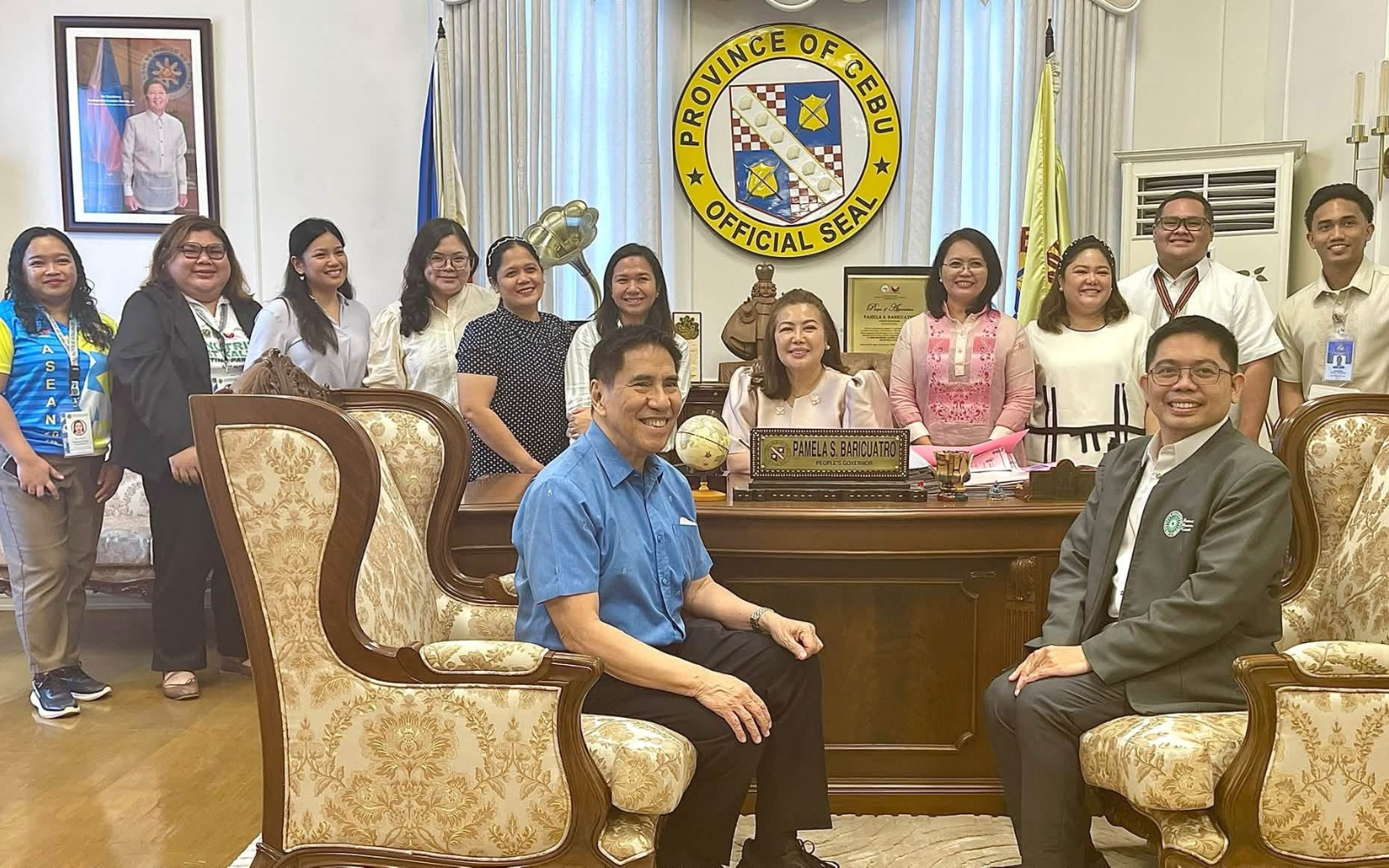 Photo above: Governor Pamela Baricuatro joins ZFF, LPP, NNC-7, and provincial officials in a show of shared commitment to Cebu’s Zero Hunger agenda.
Institutionalizing the provincial response
The Executive Session also highlighted the importance of institutionalizing nutrition governance within the provincial government. Among the proposed next steps is the strengthening of the Provincial Nutrition Council, supported by a provincial ordinance and executive order that will establish the technical working group and identify focal persons across sectors to take action on malnutrition.
The experience of Sarangani, which has undergone eight years of strengthening nutrition governance through leadership, organizational structures, policy environment, resource capacity, and political commitment, also provided a reference point for Cebu.
For Governor Baricuatro, this institutionalization is critical because nutrition often competes with other priorities at the local level. The challenge, therefore, is to make nutrition and food security a sustained political and development priority, not simply an activity implemented when resources or programs become available.
A shared commitment for Cebu
The Executive Session underscored a shared understanding: Cebu’s nutrition challenge cannot be solved by one office, one program, or one sector. The province has an opportunity to build on recent progress while directing greater attention to the communities where the burden remains highest.
Governor Baricuatro’s proposal to integrate Zero Hunger into Cebu’s Comprehensive Nutrition Action Plan provides a broader platform for bringing together food security, nutrition, health, poverty reduction, and local governance. The next challenge is to translate this commitment into action: identify where the need is greatest, bring the right partners together, strengthen local capacity, and ensure that resources reach the grassroots.
For Cebu, the ambition is not simply to reduce the number of children affected by malnutrition. It is to address the conditions that produce malnutrition in the first place, and build a provincial system capable of sustaining that response. At the heart of this effort is a clear direction from the Governor: Zero Hunger must become part of Cebu’s collective response to malnutrition, because ensuring that families have access to nutritious food is inseparable from ensuring that children have the opportunity to grow, learn, and thrive.
Photos from: Provincial Government of Cebu