Faith, Culture, and Care in Isabela de Basilan
Stories
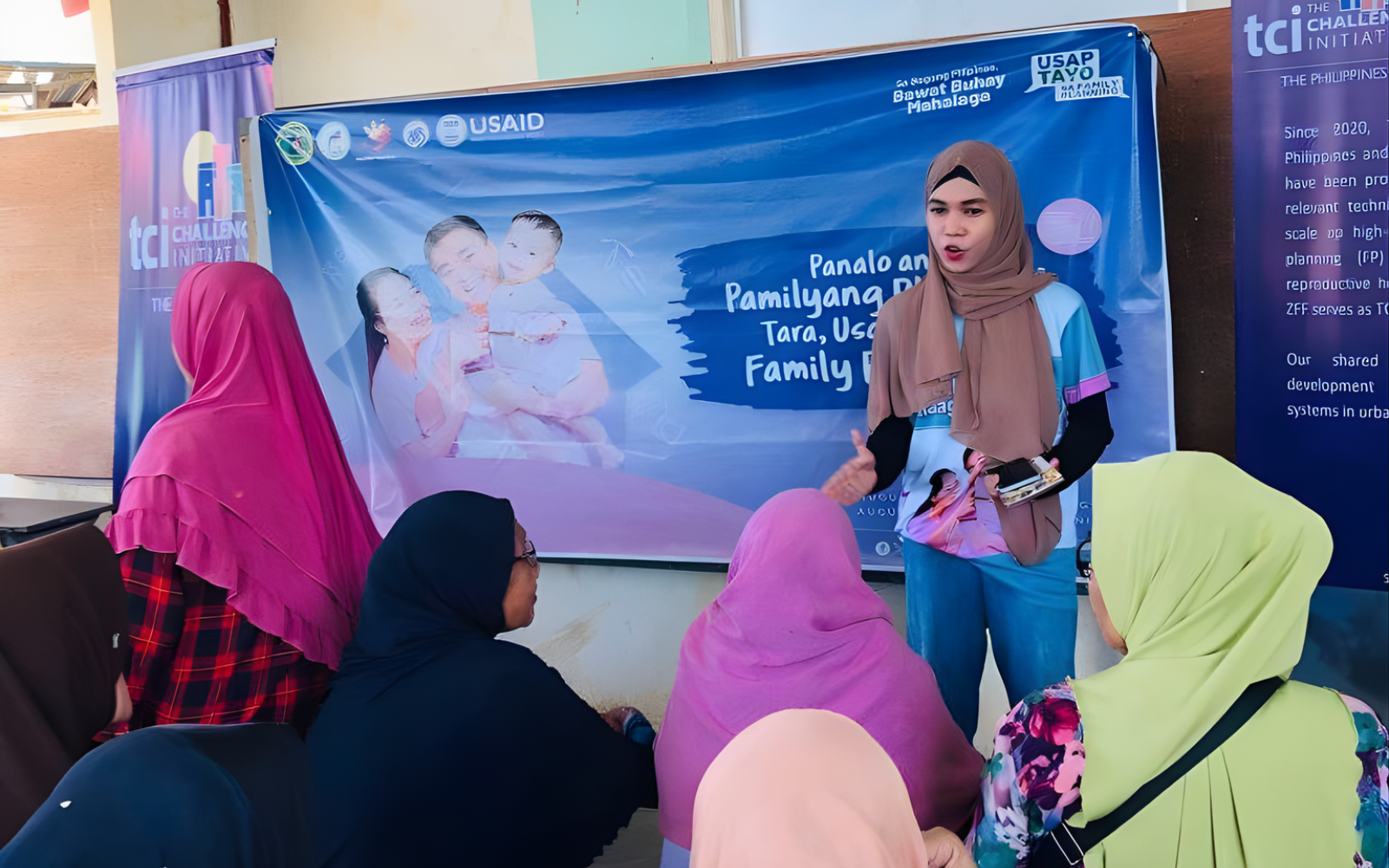
Isabela de Basilan draws strength from its diversity. The city is home to 130,379 people who speak Chavacano, Tausug, Yakan, and other languages. Many residents practice Islam, while others come from Indigenous and Christian communities. This mix of cultures now shapes how the city delivers family planning (FP) and adolescent and youth sexual and reproductive health (AYSRH) services.
In August 2023, Isabela de Basilan joined The Challenge Initiative (TCI), implemented in the Philippines by the Zuellig Family Foundation (ZFF). TCI supports local governments in strengthening FP and AYSRH programs. Earlier that year, Mayor Sitti Djalia Turabin-Hataman, known as Mayor Dadah, had already set the direction. In February 2023, she signed Executive Order No. 005, creating the City Leadership Team (CLT) to guide and coordinate reforms across the city.
Instead of treating faith and culture as obstacles, city leaders chose to work with them.
Related article:
- Nine Cities Recognized as Global Self-Reliant Cities in Reproductive Health
- Ang Pamilyang Planado, Panalo: Isabela de Basilan’s Efforts in Family Planning
Naming the Challenges
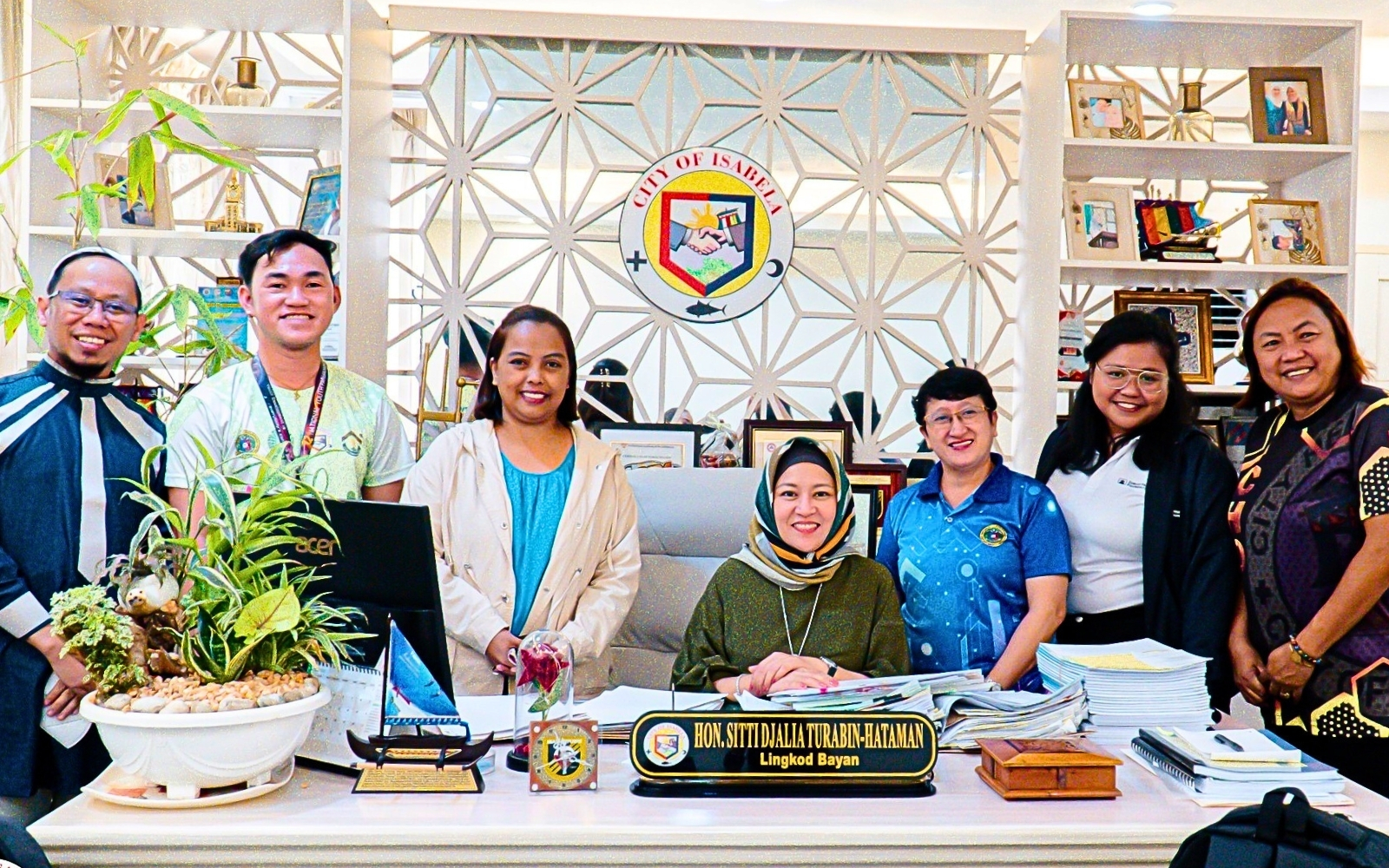
In October 2023, 21 members of the CLT took part in a Program Design Workshop. During the sessions, they openly examined gaps in the local health system. By November 2023, the team translated these discussions into an approved Work and Financial Plan.
The workshop surfaced several concerns:
- Governance gaps: The city lacked a permanent body focused on FP and AYSRH. Offices worked in silos, and the city had no digital health information system.
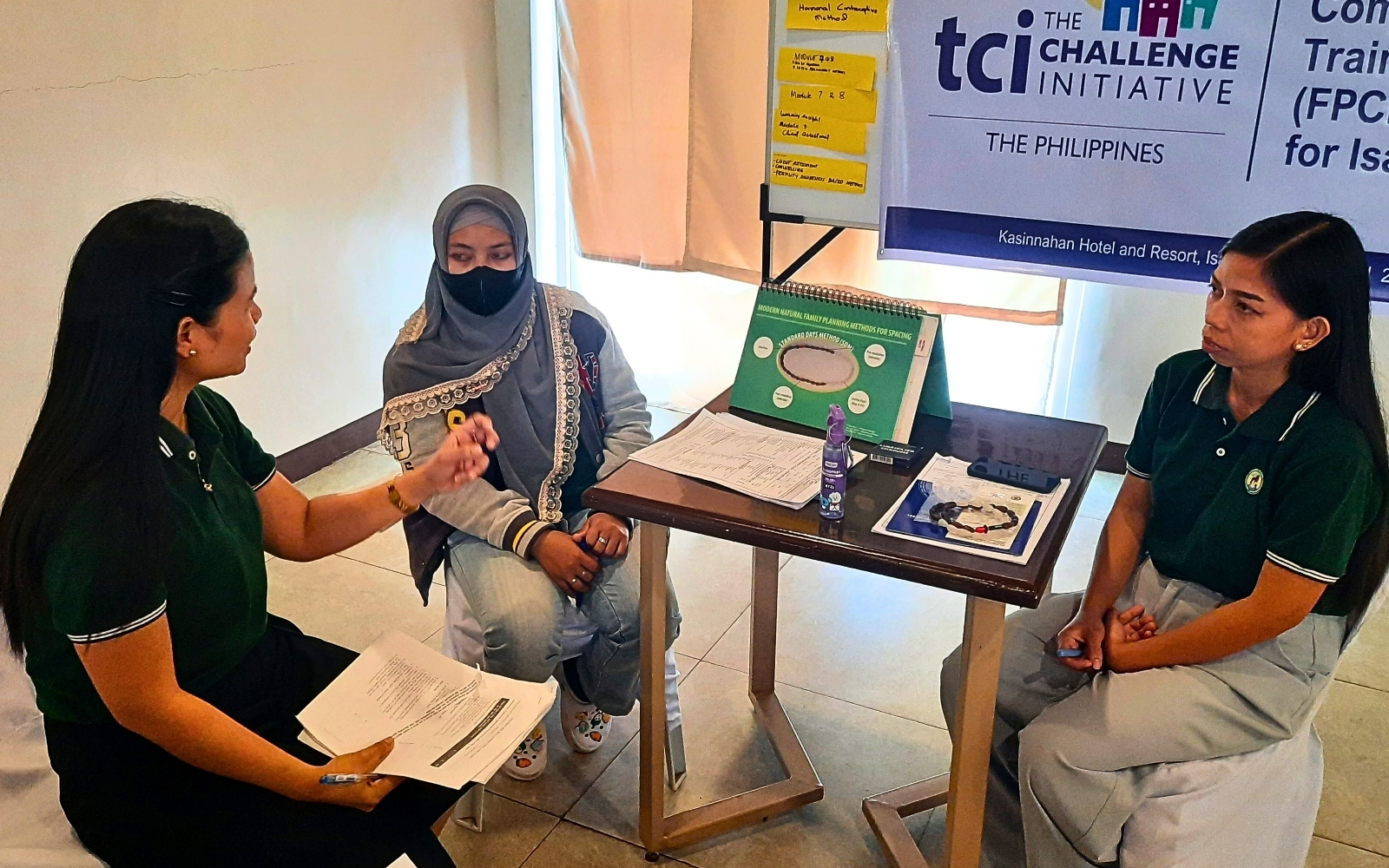
- Service delivery issues: Health workers needed more training to counsel clients and provide modern contraceptive methods such as Progestin Subdermal Implants (PSI) and Intrauterine Devices (IUDs). Island communities struggled with irregular access to supplies. The city also had too few Levels 1 and 2 Adolescent-Friendly Health Facilities (AFHF).
- Social and cultural barriers: Advocacy activities reached only some communities. Early marriage and teenage pregnancy remained sensitive and deeply rooted concerns.
- Youth support gaps: The city had limited numbers of trained peer educators and safe spaces where adolescents could seek help.
These gaps affected island and remote communities the most.
The city united around a shared vision: “By 2029, young Isabeleños will be empowered, responsible, well-informed and engaged in AYSRH and FP with good governance and through a collaborative, intercultural, and sustainable approach towards living their lives to the fullest.”
Using Technology to Improve Care
The city strengthened its response by adopting Wireless Access for Health (WAH), a digital platform that now serves as its first Electronic Medical Records (EMR) system. Health workers now use real-time data, track family planning counseling sessions more accurately, and link records with PhilHealth eClaims.
Health indicators show early progress. Since 2020, the adolescent birth rate has steadily declined and remains within the national target of fewer than 37 births per 1,000 adolescents. Although the modern contraceptive prevalence rate has not yet reached the 30% benchmark, earlier gains point to strong potential if the city sustains its investments.
Creating Space for Faith and Dialogue
In 2024, during the 2nd Indigenous Peoples Celebration, the city organized its first Adolescent Pregnancy Summit under the theme “Empowering Leaders: Indigenous Voices in Adolescent Pregnancy Prevention.” The event brought together community leaders, Islamic scholars, and health advocates for open and respectful dialogue.
Atty. Nur-Aiza Gagarra, Provincial Cooperative Officer and FP champion, presented “Early Pregnancy and Islamic Belief (Fatwa)” and linked Islamic teachings with Republic Act No. 11596. Jasmin Teodoro, Executive Director of Pinay Kilos Inc., led sessions on AYSRH and facilitated a “speed dating” activity to help participants practice healthy communication.
Participants ended the summit with a hand-painting ceremony led by Miriam Suacito, Executive Director of Nagdilaab Foundation Inc., to affirm their shared commitment to protecting young people.
Letting Young People Lead
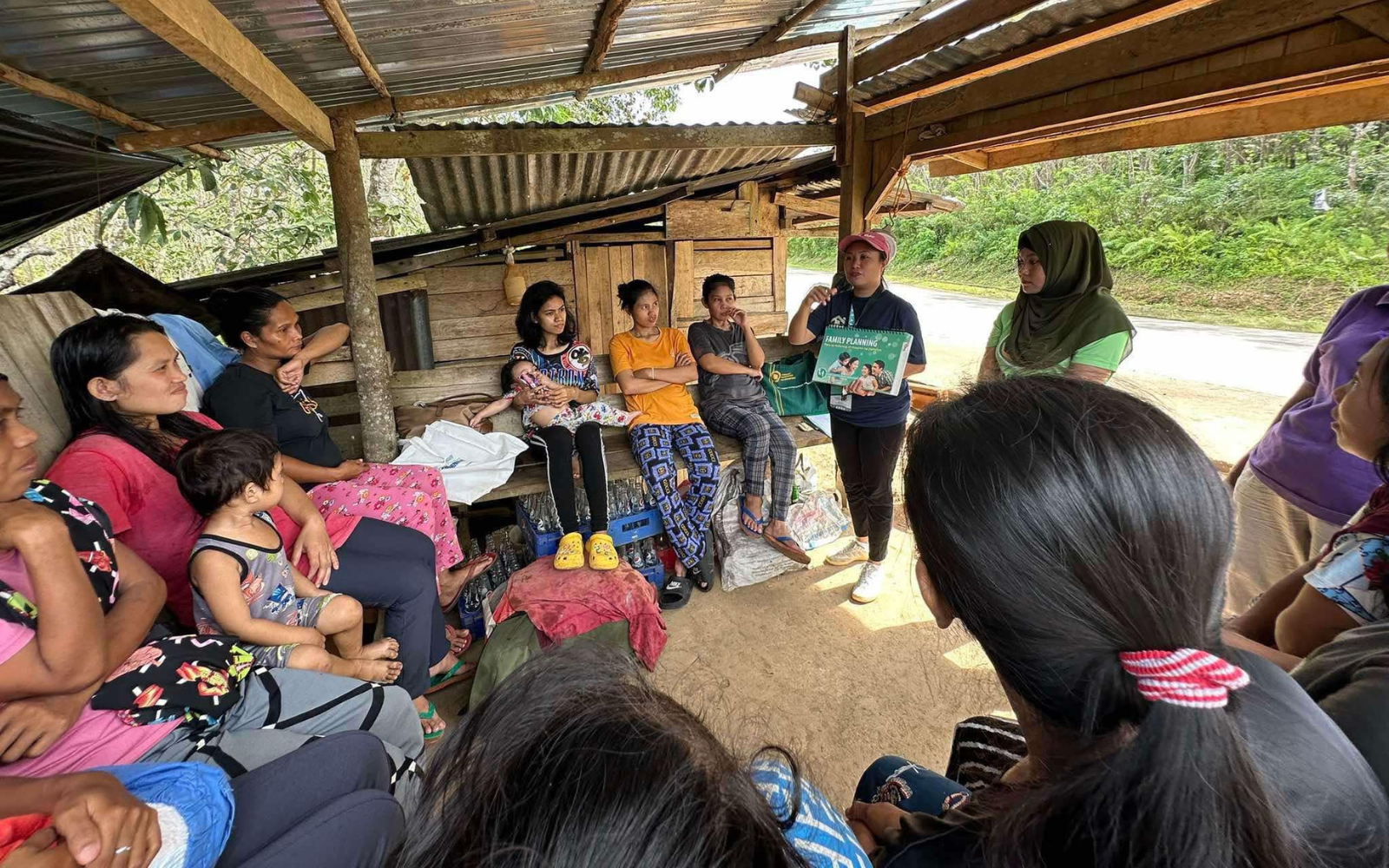
The Local Youth Development Office and the Sangguniang Kabataan (SK) Federation mobilized youth groups, especially on Malamawi Island, to address early pregnancy and other adolescent concerns. SK chairpersons allocated funds through their Comprehensive Barangay Youth Development Plans and Annual Barangay Youth Investment Programs.
These investments strengthened Teen Centers, School-Based Teen Centers, and the Information Service Delivery Network (ISDN) for Adolescent Health and Development. These spaces allow adolescents to seek services without fear or judgment and help peer educators reach other young people in culturally sensitive ways.
Building Systems That Respect Diversity
Today, the CLT functions as a strong coordinating body. City offices use Gender and Development (GAD) funds to sustain programs across communities. At the same time, the EMR system records not only medical data but also language needs and cultural considerations, helping providers deliver more responsive care.
Isabela de Basilan shows that cities can pair modern systems with cultural respect. Its experience proves that progress does not require communities to abandon their beliefs. Instead, it calls on health systems to listen, adapt, and work closely with the people they serve.