Breaking the Cycle: How Mandaluyong is Addressing Adolescent Pregnancy
Stories

Mandaluyong City often stands out as a story of economic growth. In 2002, the Department of Trade and Industry (DTI) and the Asian Institute of Management Policy Center named it the “Tiger City” of Metro Manila. More than two decades later, the city continues to rank among the top five highly urbanized cities (HUCs) in per capita gross domestic product.
As the city grows, many residents still struggle. Migration continues to rise, informal settlements expand, and a large transient population makes long-term programs harder to sustain. One of the city’s most urgent concerns is adolescent pregnancy.
Related article:
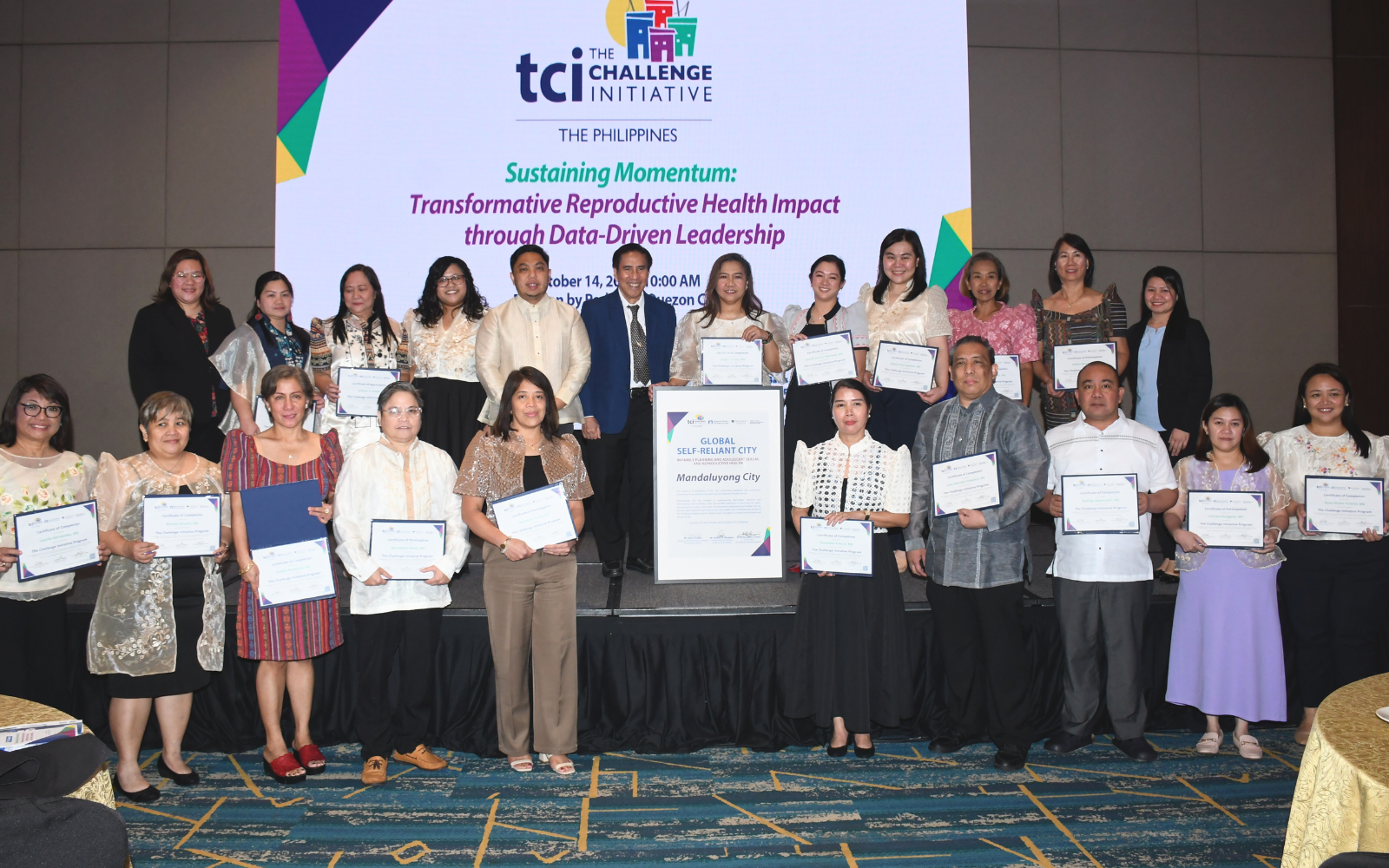
- Nine Cities Recognized as Global Self-Reliant Cities in Reproductive Health
- From Momentum to Milestone: Mandaluyong City’s TCI Journey
Mandaluyong has kept its adolescent birth rate (ABR) below the national target, but progress has remained uneven. The ABR reached 19% in 2020, dropped to 13% in 2021, then climbed again to 18% in 2022. Poverty, unstable housing, and cultural differences linked to migration place adolescents at greater risk. For many young people, this reality means broken families, stigma when seeking health services, and limited spaces to talk openly about adolescent and youth sexual and reproductive health (AYSRH).
The city also struggles to improve the use of modern contraceptives. Uptake remains below the national target of 37%. National policies restrict adolescents’ access to contraception, allowing only age- and development-appropriate counseling, which limits prevention options.
Working with Communities
City Health Officer Dr. Arnold Abalos partnered with The Challenge Initiative (TCI), implemented in the Philippines by the Zuellig Family Foundation, to strengthen the city’s response to adolescent pregnancy. Together, they advanced Community Group Engagement, an approach that brings communities together through dialogue and education to promote healthy sexual relationships and influence social norms.
The city focused its efforts on three groups: adolescents, their peers, and the care providers who serve them.
Adolescent Health and Development (AHD) Program Coordinator Dr. Camille Almodiente-Mascardo shared, “Finding the right balance is really the key. One of our key messages is: they still have a choice and a future.”
Reaching Adolescents Where They Are
Mandaluyong invested in community-centered strategies that respect adolescents’ age, development, and lived realities. One key initiative, the annual Adolescent Congress, brings together around 1,000 public school students from across the city.
The congress gives young people a safe space to talk openly about sexuality, reproductive health, and life skills. Sessions on AYSRH and development help students understand physical, mental, and sexual changes. Activity booths run by peers, health workers, and local leaders add practical and relatable insights. The event also serves as a one-stop medical mission, offering dental services, vision screening, and physical exams. Over time, students have come to look forward to the congress not only for its services, but also for the chance to connect with peers.
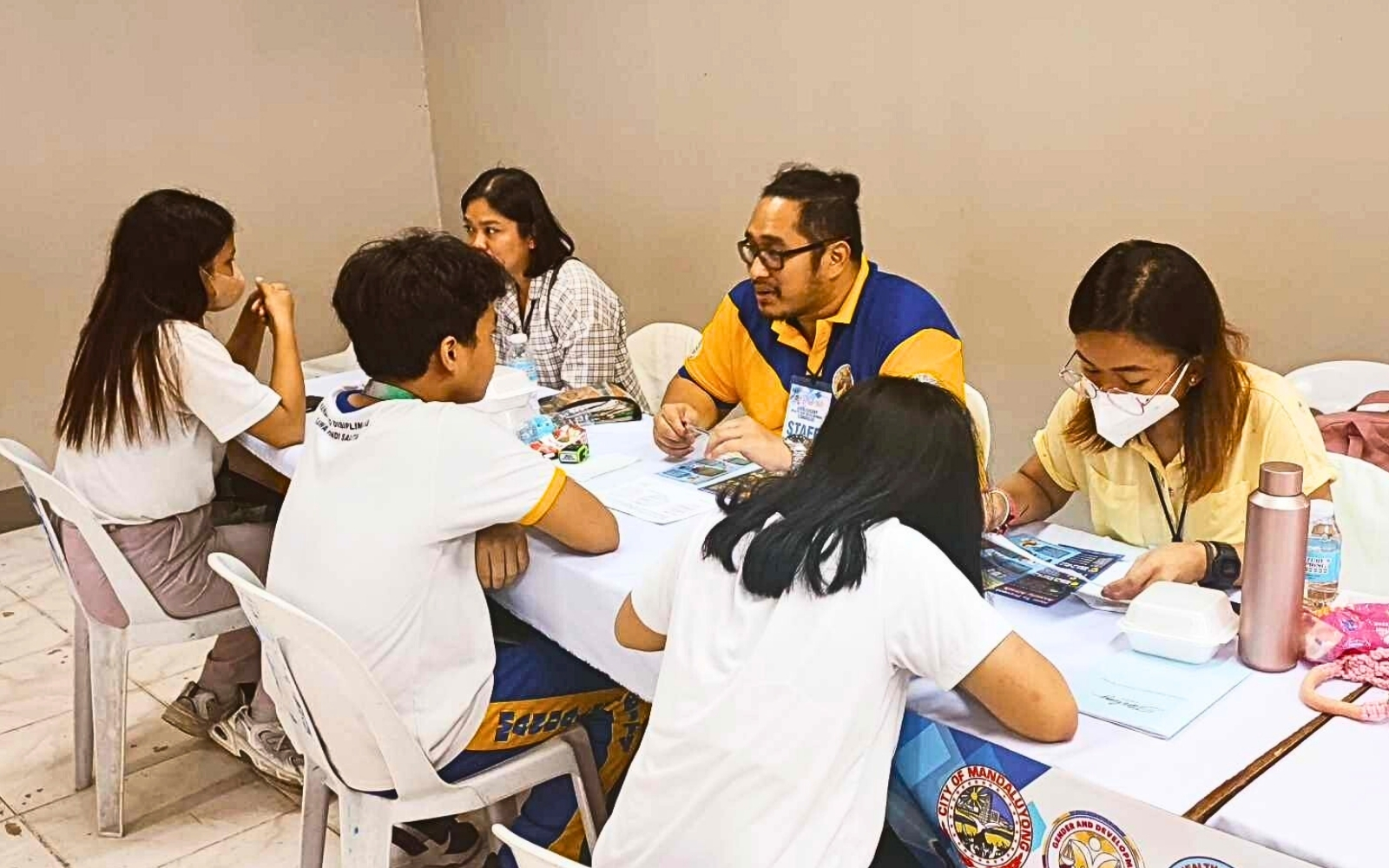
The city also runs the Healthy Young Ones (HYO) lecture series, an information, education, and communication program for adolescents aged 10 to 19. The series covers eight modules, including puberty, sexual health, sexual orientation and gender identity, sexually transmitted infections, human immunodeficiency virus (HIV), acquired immunodeficiency syndrome (AIDS), and personal safety and well-being.
Over the past three years, with support from TCI, the Mandaluyong City AHD Program unit, in collaboration with the City Population Development Office, has implemented the lecture series in schools.
Youth Leading Youth
The city also strengthened the role of the Sangguniang Kabataan (SK). Mandaluyong trained SK officials and barangay youth leaders as peer educators, allowing them to share AYSRH information in ways that feel familiar and credible to their peers.
The city also encouraged SK leaders to act as governance partners. With access to resources and the authority to design programs, they launched youth-centered activities that complement the AHD Program, address physical and mental health concerns, and reduce stigma around seeking care. This approach connected formal governance with community action and ensured that youth voices shaped services.
Building Adolescent-Friendly Services
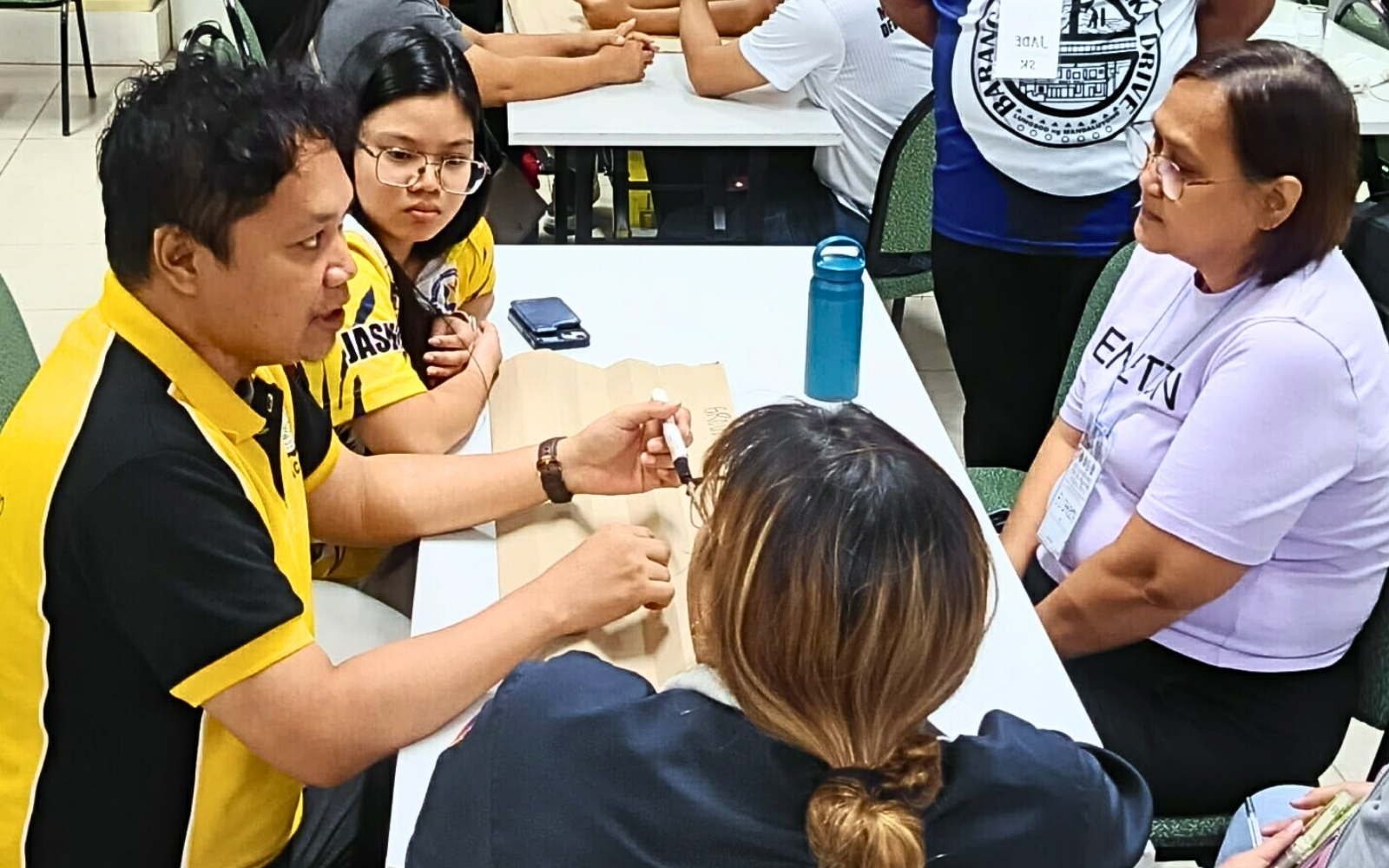
Mandaluyong recognized that adolescents will only seek care if services feel safe and welcoming. The city trained health workers, teachers, and school personnel to strengthen communication skills, address personal bias, practice empathy, and protect confidentiality—alongside technical competencies.
The city also invested in program leadership. Managers of adolescent health programs joined Health Leadership and Management Training (HLMT) to clarify their vision, take ownership of adolescent pregnancy challenges, and work together on practical and sustainable solutions.
Signs of Change
Progress has not followed a straight line, and challenges such as poverty and migration remain. Still, the city has begun to shift its approach. Adolescents now take on roles as educators, leaders, and advocates. Health workers act as allies rather than gatekeepers. Communities increasingly understand that adolescent pregnancy is a public health issue that calls for care, understanding, and shared responsibility.
Recent data show early gains. ABR has stabilized at 13%, while modern contraceptive use has steadily increased to 24%. Although more work lies ahead, these results show that Mandaluyong has made real progress in protecting adolescents’ health and future.
For Mandaluyong, the story continues. But in the voices of young leaders and adolescents who now claim their right to health, one thing is clear: the cycle can be broken.