Breaking Down Silos: How Quezon City Improved Adolescent Health Services
Stories
Quezon City is one of the Philippines’ most progressive cities in social development. It has consistently won awards for good governance, transparency, innovation, and climate action. Quezon City has become a national model for inclusive and environmentally conscious leadership. These achievements are significant, especially given the challenges the city faces.
In the past, departments often worked in isolation, with little awareness of each other’s programs. A teenager seeking reproductive health assistance might start at one facility only to be referred elsewhere, often without a clear handover. Many adolescents got lost in this process, falling through the gaps of an uncoordinated system. This fragmentation highlighted a key challenge: even as Quezon City kept its adolescent birth rate below target, many young people still missed out on timely care.
Then City Health Officer Dr. Verdades Linga explained their vision: “I dream of an effective and efficient system that gives our adolescents the care they need, when and where they need it—a system they can trust and rely on.”
Related article:
Building Bridges: Creation of the QUSI Teen Network
Recognizing that no single office could meet all the health needs of adolescents, Quezon City took a top-down approach. The city first passed City Ordinance No. SP-3128, s. 2021. This law, titled “An Ordinance Providing for the Prevention Programs to Address the Increasing Adolescent Pregnancy,” created the legal basis for coordinated action.
Through its Implementing Rules and Regulations, the city formally adopted the Information and Service Delivery Network for Adolescent Health and Development (ISDN4AHD). The ISDN4AHD is a network of facilities and providers across different levels that work together to offer information, training, and a core package of health and social services for adolescents. It acts as a way for various groups to collaborate and ensure their efforts are aligned.
In Quezon City, this network is called the Quezon City Unified Services and Information Teen Network (QUSI Teen Network). It includes member institutions, referral pathways, and tools to strengthen coordination, making adolescent health services more seamless and responsive.
Building the network required a full map of available services across all departments that support adolescents, from social and financial help to mental and physical health care. After identifying these services, the city streamlined them to reduce duplication and unnecessary referrals, especially for sensitive cases. To ensure clarity, they created flowcharts showing which department handles each service, what it offers, and where to refer adolescents. These pathways went through many reviews with service providers before being finalized.
Maria Cecilia Magtalas, the Population Program Supervisor, described the shift: “Before, we worked in our own bubbles. Now, through the ISDN, we know exactly who to call, where to refer, and how to follow up. It feels like we’re finally working as one team for the young people.”
Enforcing Foundations: Training Frontliners of the ISDN
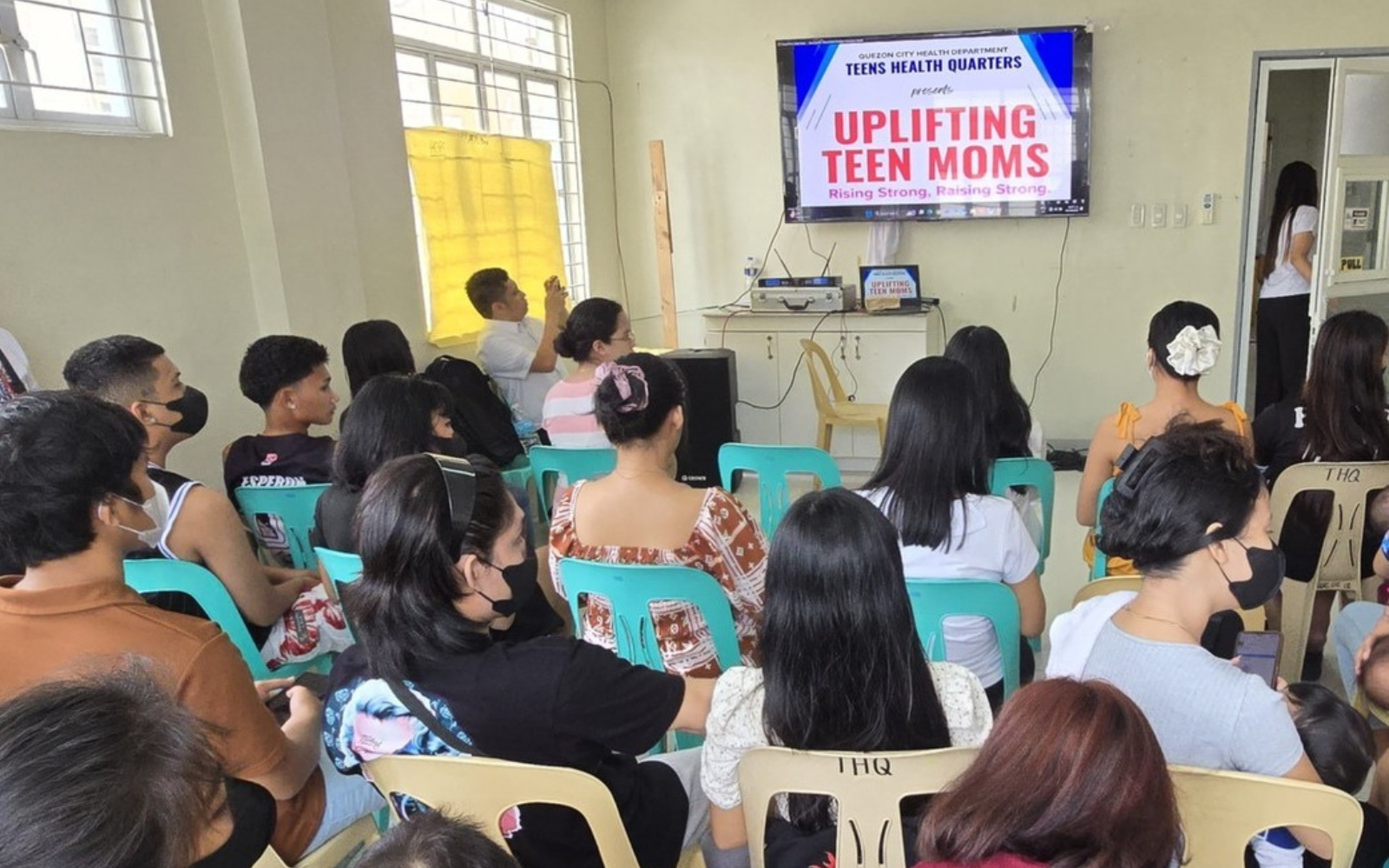
To make the referral network work, The Challenge Initiative (TCI)-Philippines, together with Quezon City’s Population Program Supervisors, created a structured training program for ISDN frontliners. Frontliners are the staff who directly assist adolescents seeking help, such as health center coordinators, social workers, and guidance counselors. The training aimed to introduce the Adolescent Health and Development (AHD) Program framework, increase awareness of adolescent issues, and build skills for managing the referral system.
The training covered several key areas. It started with an Adolescent Situationer and the Framework of the AHD Program. Next, participants learned about Managing a Referral System, including the networks and procedures agreed upon in departmental meetings. A key part was introducing the HEADSSS tool, a structured guide to assess risks in adolescents. This acronym stands for Home, Education/Employment, Eating, Activities, Drugs, Sexuality, Suicide/Depression, and Safety. It helps providers screen for other concerns and refer to the right channels.
Finally, they covered Essential Skills of a Responder, including sessions on inclusivity and sensitivity. This included discussions on Sexual Orientation, Gender Identity, and Expression (SOGIE), Data Privacy, Confidentiality, and Active Listening to ensure respectful communication.
One social worker shared how the training changed their approach: “The training changed how I see my role. Before, I just handled the concern right in front of me. Now, I know how to listen for what’s not being said and guide them to the right help.”
The Road Ahead
While the ISDN has already closed many coordination gaps, its continued success will depend on regular monitoring, ongoing training for staff, and using digital tools to track referrals. This will make the system even more efficient and responsive.
Quezon City is already seeing results. The adolescent birth rate remains within target levels, and modern contraceptive use is rising. By breaking down silos and taking progressive steps, the city has improved young people’s lives and become a model for transformed adolescent health services—showing that innovation, collaboration, and political will can drive lasting change.
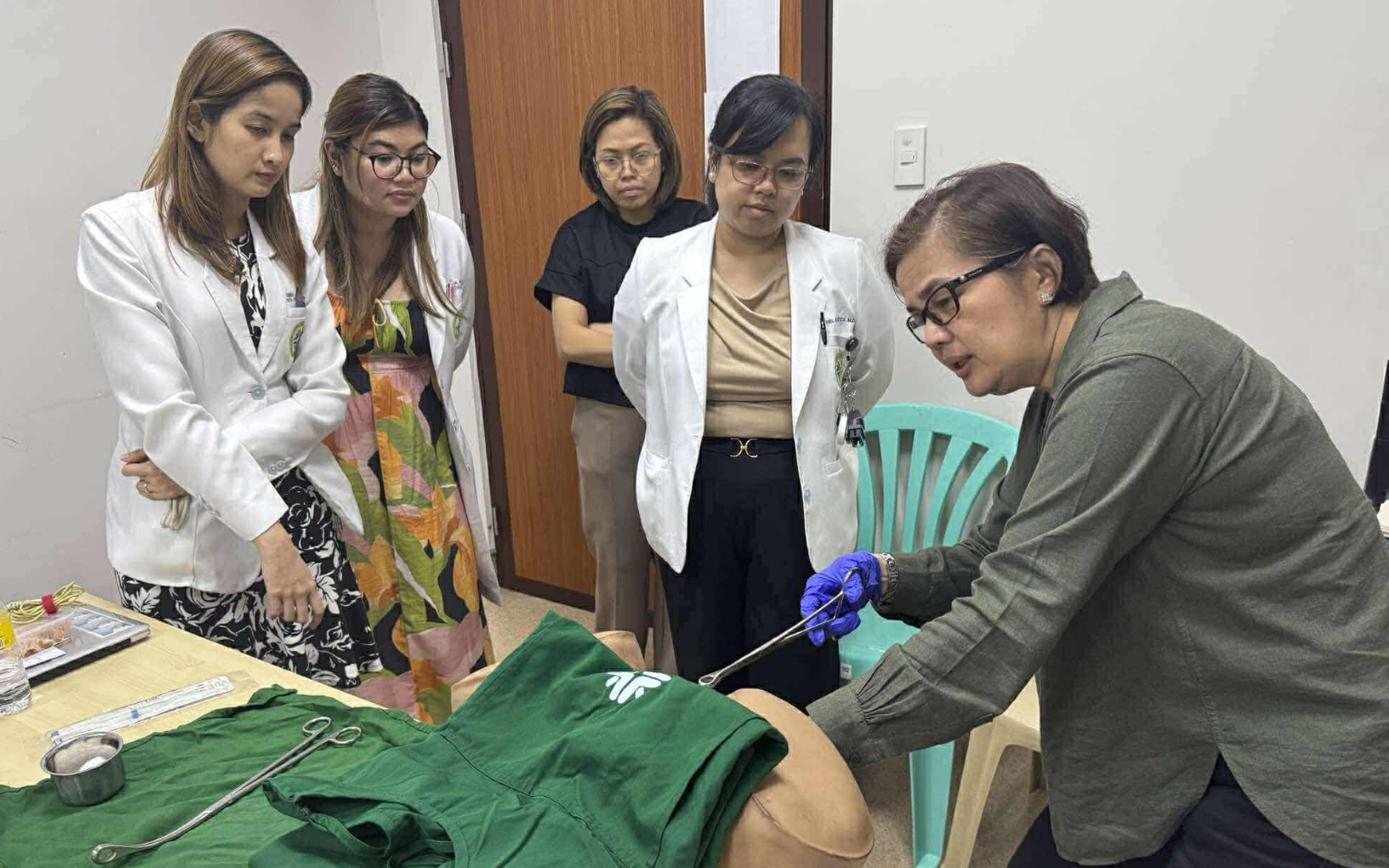
Banner photo: Physicians completed training on Postpartum IUD insertion, facilitated by the Quezon City Health Department.