How Tacurong City Transformed Adolescent Health
Stories
Tacurong City sits at a crossroads in South Central Mindanao, serving as Sultan Kudarat’s commercial hub. It’s the smallest but most crowded area in the province, with over 109,000 people. As the main center for healthcare and education, it draws communities from nearby provinces. Yet growth brings challenges, especially in security and public health. The city urgently needs more accessible and complete family planning services.
Finding the Gaps
In 2021, Tacurong joined The Challenge Initiative (TCI), a global program implemented in the Philippines by the Zuellig Family Foundation (ZFF). It helps local governments launch and sustain effective family planning (FP) and adolescent and youth sexual and reproductive health (AYSRH) solutions.
Related article:
Through a Program Design Workshop, leaders examined what blocked AYSRH and identified action items to improve the status quo:
- Strengthening the AYSRH committee. It existed in Tacurong City but needed clearer structure and purpose.
- Enhancing training for health staff on AYSRH. Providers needed skills to talk comfortably with teens.
- Developing adolescent-specific strategies beyond DOH (Department of Health) programs as most services focused on adults and children.
Building Stronger Leadership
After the workshop, former Mayor Lino Montilla formed the City Leadership Team (CLT). This created a strong inter-agency system that united different departments and mobilized barangay officials and youth groups. Gary Bañas, Social Worker and Population Program Officer, recalled, “The program design was followed consistently, which integrated adolescent programs across different sectors, especially schools and communities. Collaboration between the LGU (Local Government Unit), Commission on Population and Development (CPD), DOH, and partners made it possible to accelerate adolescent-friendly health services in the city.”
Through TCI, the city built both structure and skills. Coaching helped the CLT lead and sustain changes. Current Mayor Lina Montilla credits TCI for knowledge that strengthened her leadership and helped Tacurong champion AYSRH more effectively.
Creating Services Teens Can Trust
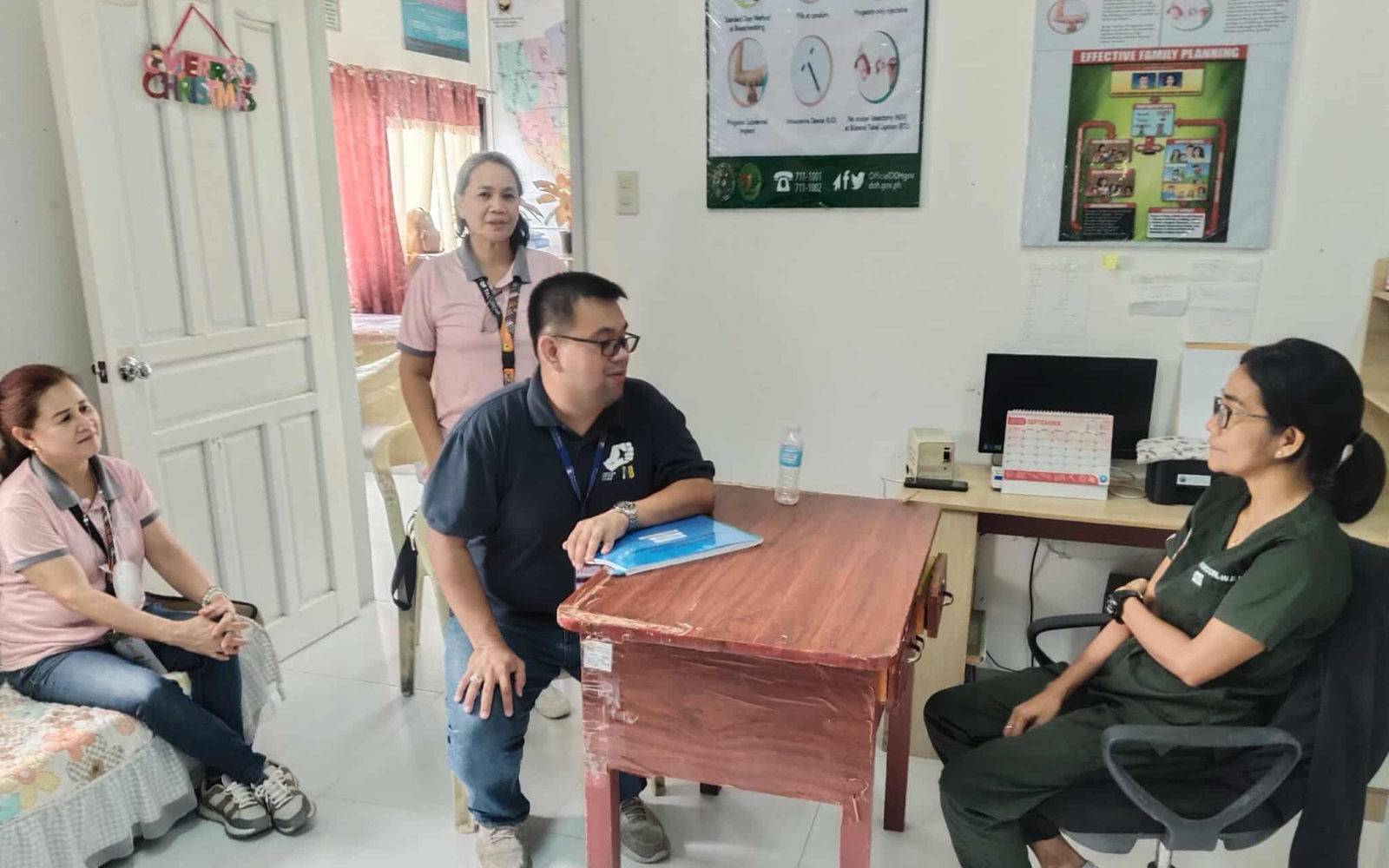
A major step was establishing adolescent-friendly health facilities (AFHFs). These provided resources and trained staff ready to serve without judgment. Nurse and Family Planning Coordinator Gina Ramiscal noted that few young people sought care before. “They either didn’t know services existed or were afraid they would be judged,” she recalled. Adolescent Sexual and Reproductive Health Coordinator Richyle Mae Gallenta added, “Young people used to visit health centers alongside regular patients, which created discomfort because there was no privacy.”
The city expanded programs including the Buntis Class and Healthy Young Ones, giving young people health information and safe spaces to learn.
Young mothers felt the impact directly. Ana*, 19, and Bella*, 22, shared their stories. A felt fear, regret, and uncertainty when she discovered her pregnancy. She felt grateful for Laarni Ecalla, midwife from the Upper Katungal Health Center and President of Midwives in Tacurong. Together with Kagawad (“barangay councilor”) Expedito Ramay Jr., Chairperson on Health, Ecalla provided counseling and seminars for young mothers. B learned from her experience to delay pregnancy, warning it can be extremely difficult both physically and financially.
Kagawad Ramay expressed hope for livelihood programs for teenage mothers with the Department of Social Welfare and Development (DSWD). “We believe young mothers should become champions who can encourage and support other teenage mothers in our community,” he said.
Mayor Lina Montilla stressed working closely with the Department of Education (DepEd). Guidance counselors and teachers became key allies in reproductive health education. As she emphasized, “By working with schools and guidance counselors, we ensure that young people find trusted adults they can turn to for advice on health and family planning.”
Reducing Reliance on Outside Help
To secure lasting impact, Tacurong passed local ordinances that institutionalized AYSRH. The city set aside dedicated funds for family planning and adolescent health.
“Family planning and adolescent health are now priorities in Tacurong. These programs are embedded in the Gender and Development (GAD) funds and the city’s budget. We are assured of sustainability because policies are in place,” Mr. Bañas noted.
Mayor Montilla echoed this commitment: “Our ordinances and teen centers are not just policies on paper; they are lifelines. We invested city funds so that services will continue regardless of changes in administration or external programs.”
Seeing Real Results
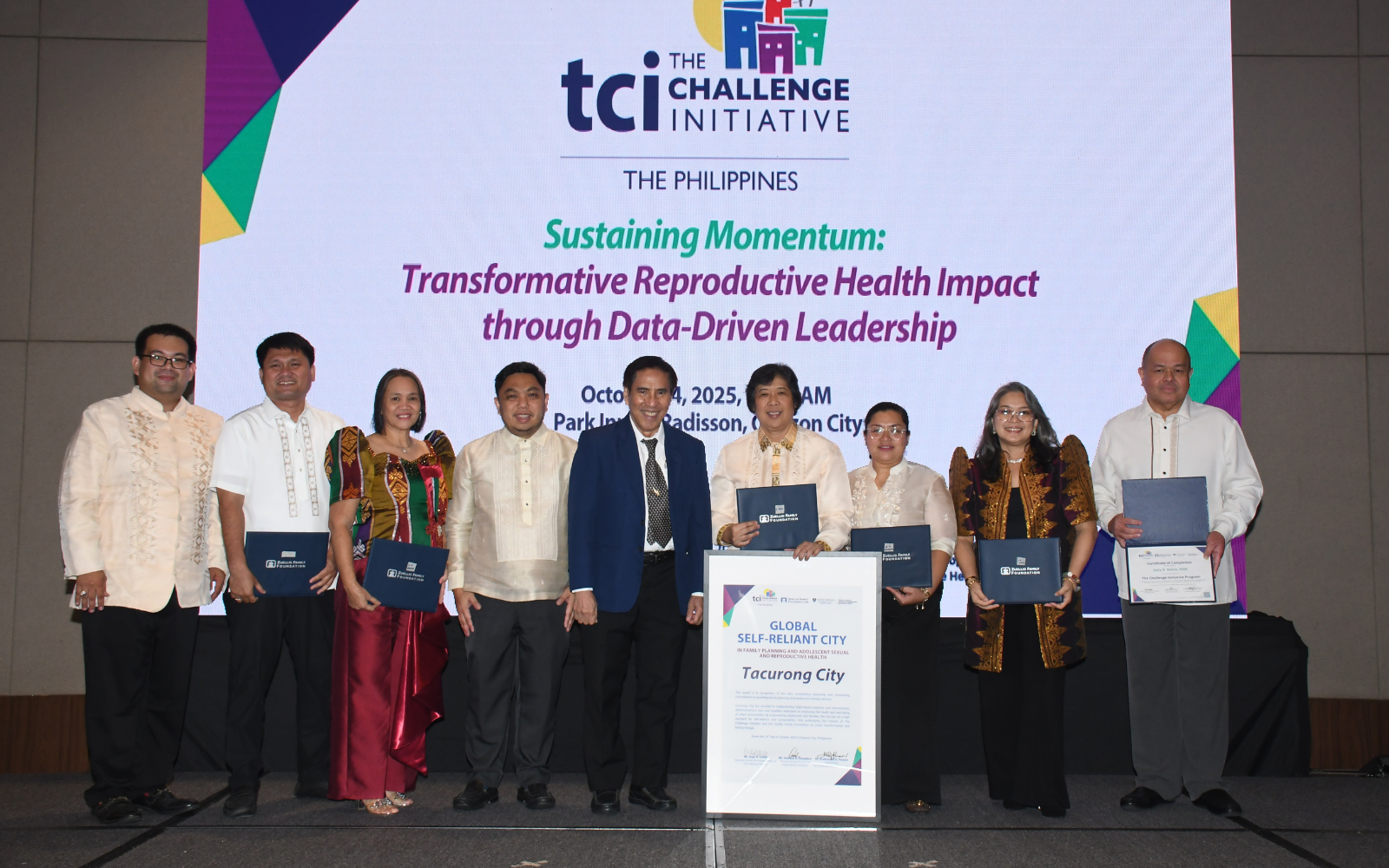
By 2024, Tacurong’s adolescent birth rate (ABR) dropped significantly compared to 2020, from 34 births to 26. The modern contraceptive prevalence rate (mCPR) stayed above the national target of 30%, showing greater trust in available services.
Community education and youth symposiums shifted attitudes at home. As Ms. Ecalla shared, “Pregnancies among very young girls have dropped. Parents are more open to talking about reproductive health. The conversations are happening in barangays where adolescents visit health facilities together with their parents and are directed to counselling rooms for additional support.”
Today, all health facilities in Tacurong are certified as adolescent-friendly. Every staff member is trained to provide these services.
The city also invested in data monitoring. Regular checks helped the team track progress and adjust. As Ms. Gallenta put it, “Data has become our guide. It tells us what is working, where we need to improve, and how we can better serve young people.”
Making It Last
Tacurong’s transformation is not temporary. With supportive policies, dedicated budgets, and teen centers, the city built a system meant to endure. Challenges remain. Ms. Ramiscal noted, “Program coordinators wear several hats. No one has a role specific to family planning and adolescent health.” Still, the city stays determined to reduce adolescent pregnancies and prevent repeats among young mothers.
Tacurong’s journey shows that sustainable progress is possible. The city moved from fragmented, externally dependent programs to a resilient, locally led system. The lesson is simple yet powerful: when leaders prioritize adolescent health and invest in both people and systems, communities thrive.
As Mayor Montilla concluded, “Every adolescent deserves the knowledge, services, and support to build a healthier future. When we empower young people with knowledge about reproductive health, we don’t just protect them, we secure the future of Tacurong’s families.”
* Name has been changed to protect the identity of the young mothers.
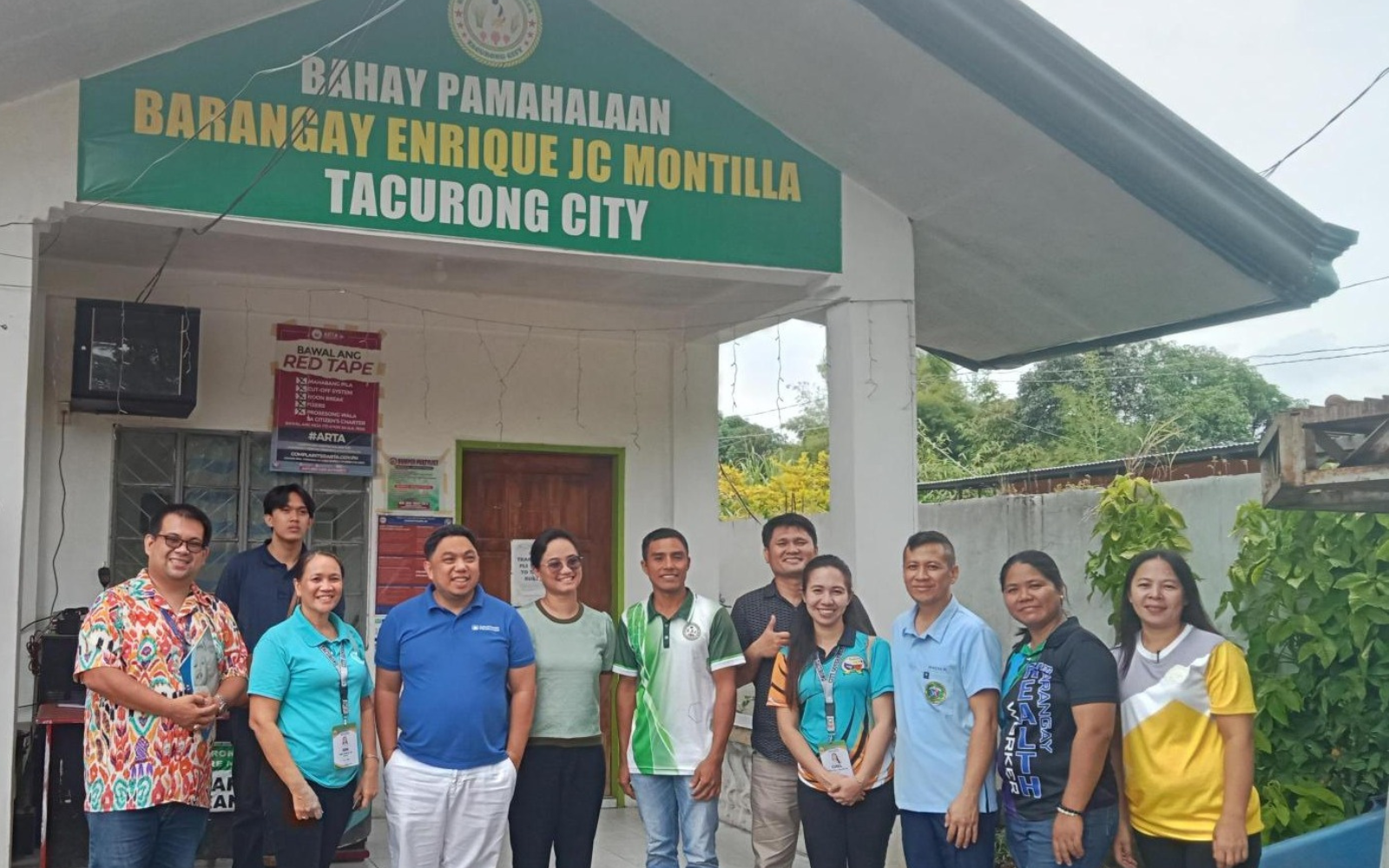
Banner photo: Courtesy visit to Tacurong City, where Barangay Enrique JC Montilla Health Center and Grino Super Health Center were recognized for delivering high-quality family planning services to women of reproductive age and adolescents. They were welcomed by City Councilor for Population Lalaine Montilla, together with Councilor Harvey Legas of the Health Committee.