Faith, Culture, and Care in Isabela de Basilan
Isabela de Basilan draws strength from its diversity. The city is home to 130,379 people who speak Chavacano, Tausug, Yakan, and other languages. Many residents practice Islam, while others come from Indigenous and Christian communities. This mix of cultures now shapes how the city delivers family planning (FP) and adolescent and youth sexual and reproductive health (AYSRH) services.
In August 2023, Isabela de Basilan joined The Challenge Initiative (TCI), implemented in the Philippines by the Zuellig Family Foundation (ZFF). TCI supports local governments in strengthening FP and AYSRH programs. Earlier that year, Mayor Sitti Djalia Turabin-Hataman, known as Mayor Dadah, had already set the direction. In February 2023, she signed Executive Order No. 005, creating the City Leadership Team (CLT) to guide and coordinate reforms across the city.
Instead of treating faith and culture as obstacles, city leaders chose to work with them.
Related article:
- Nine Cities Recognized as Global Self-Reliant Cities in Reproductive Health
- Ang Pamilyang Planado, Panalo: Isabela de Basilan’s Efforts in Family Planning
Naming the Challenges
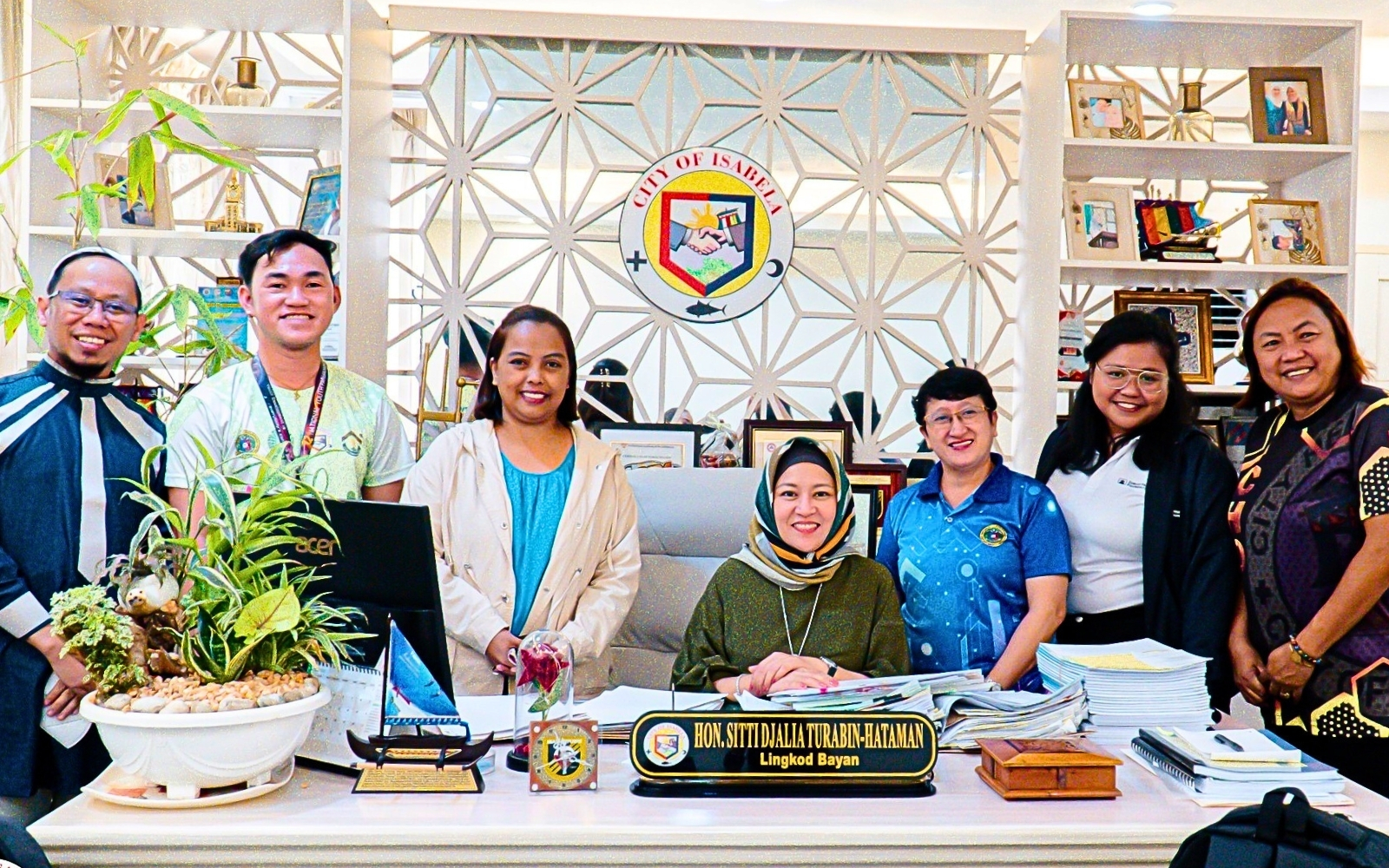
In October 2023, 21 members of the CLT took part in a Program Design Workshop. During the sessions, they openly examined gaps in the local health system. By November 2023, the team translated these discussions into an approved Work and Financial Plan.
The workshop surfaced several concerns:
- Governance gaps: The city lacked a permanent body focused on FP and AYSRH. Offices worked in silos, and the city had no digital health information system.
- Service delivery issues: Health workers needed more training to counsel clients and provide modern contraceptive methods such as Progestin Subdermal Implants (PSI) and Intrauterine Devices (IUDs). Island communities struggled with irregular access to supplies. The city also had too few Levels 1 and 2 Adolescent-Friendly Health Facilities (AFHF).
- Social and cultural barriers: Advocacy activities reached only some communities. Early marriage and teenage pregnancy remained sensitive and deeply rooted concerns.
- Youth support gaps: The city had limited numbers of trained peer educators and safe spaces where adolescents could seek help.
These gaps affected island and remote communities the most.
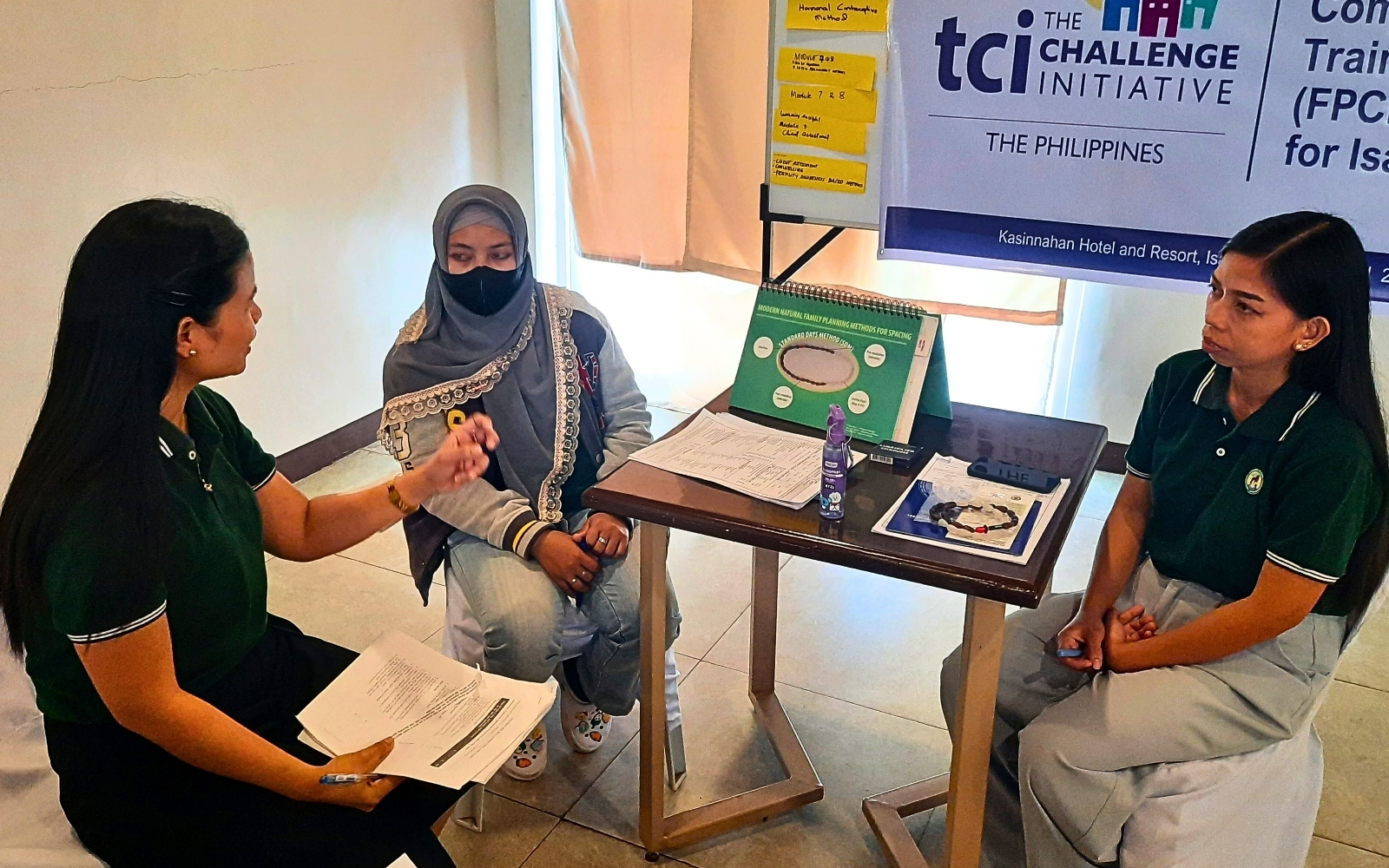
The city united around a shared vision: “By 2029, young Isabeleños will be empowered, responsible, well-informed and engaged in AYSRH and FP with good governance and through a collaborative, intercultural, and sustainable approach towards living their lives to the fullest.”
Using Technology to Improve Care
The city strengthened its response by adopting Wireless Access for Health (WAH), a digital platform that now serves as its first Electronic Medical Records (EMR) system. Health workers now use real-time data, track family planning counseling sessions more accurately, and link records with PhilHealth eClaims.
Health indicators show early progress. Since 2020, the adolescent birth rate has steadily declined and remains within the national target of fewer than 37 births per 1,000 adolescents. Although the modern contraceptive prevalence rate has not yet reached the 30% benchmark, earlier gains point to strong potential if the city sustains its investments.
Creating Space for Faith and Dialogue
In 2024, during the 2nd Indigenous Peoples Celebration, the city organized its first Adolescent Pregnancy Summit under the theme “Empowering Leaders: Indigenous Voices in Adolescent Pregnancy Prevention.” The event brought together community leaders, Islamic scholars, and health advocates for open and respectful dialogue.
Atty. Nur-Aiza Gagarra, Provincial Cooperative Officer and FP champion, presented “Early Pregnancy and Islamic Belief (Fatwa)” and linked Islamic teachings with Republic Act No. 11596. Jasmin Teodoro, Executive Director of Pinay Kilos Inc., led sessions on AYSRH and facilitated a “speed dating” activity to help participants practice healthy communication.
Participants ended the summit with a hand-painting ceremony led by Miriam Suacito, Executive Director of Nagdilaab Foundation Inc., to affirm their shared commitment to protecting young people.
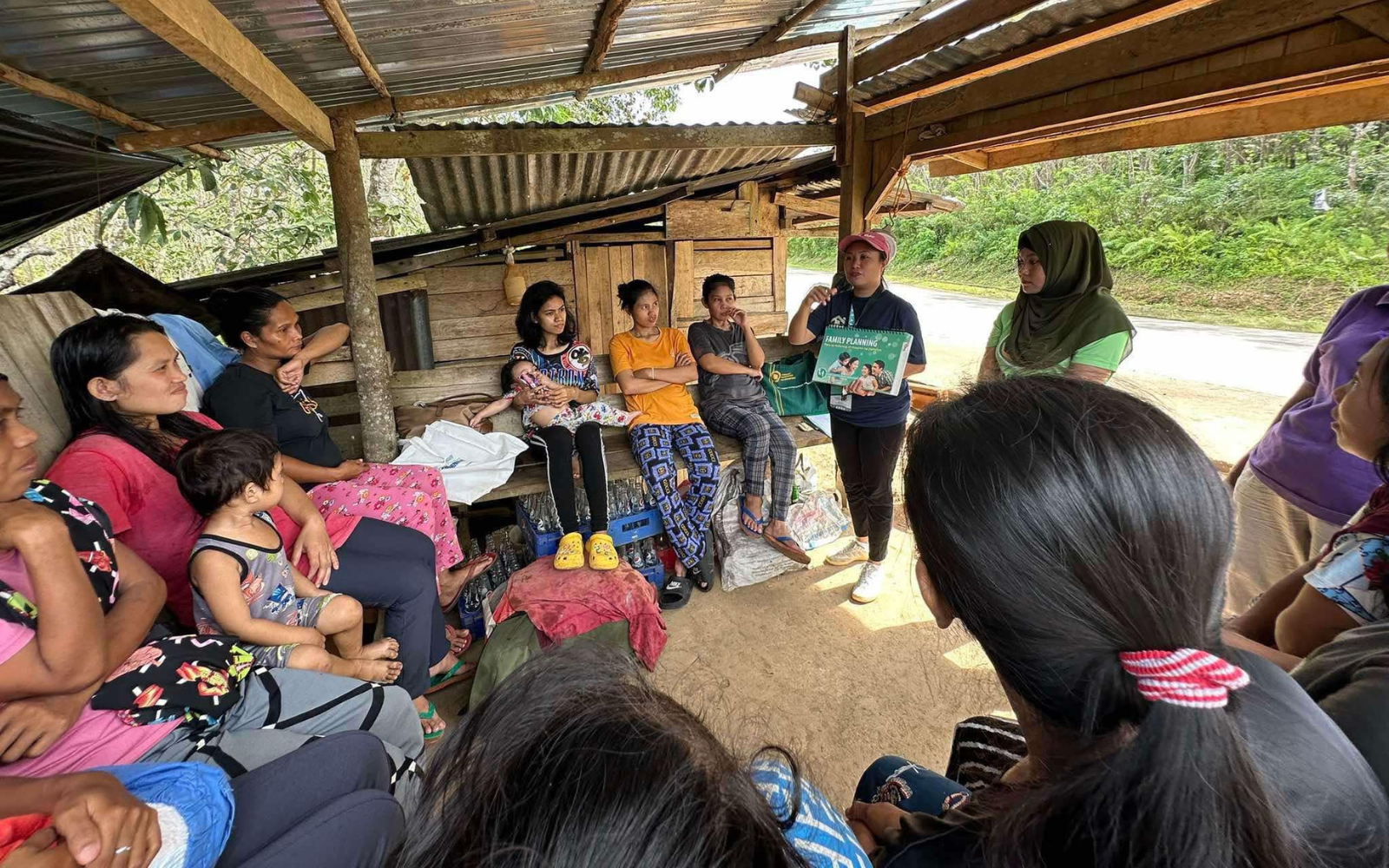
Letting Young People Lead
The Local Youth Development Office and the Sangguniang Kabataan (SK) Federation mobilized youth groups, especially on Malamawi Island, to address early pregnancy and other adolescent concerns. SK chairpersons allocated funds through their Comprehensive Barangay Youth Development Plans and Annual Barangay Youth Investment Programs.
These investments strengthened Teen Centers, School-Based Teen Centers, and the Information Service Delivery Network (ISDN) for Adolescent Health and Development. These spaces allow adolescents to seek services without fear or judgment and help peer educators reach other young people in culturally sensitive ways.
Building Systems That Respect Diversity
Today, the CLT functions as a strong coordinating body. City offices use Gender and Development (GAD) funds to sustain programs across communities. At the same time, the EMR system records not only medical data but also language needs and cultural considerations, helping providers deliver more responsive care.
Isabela de Basilan shows that cities can pair modern systems with cultural respect. Its experience proves that progress does not require communities to abandon their beliefs. Instead, it calls on health systems to listen, adapt, and work closely with the people they serve.
Breaking the Cycle: How Mandaluyong is Addressing Adolescent Pregnancy
Mandaluyong City often stands out as a story of economic growth. In 2002, the Department of Trade and Industry (DTI) and the Asian Institute of Management Policy Center named it the “Tiger City” of Metro Manila. More than two decades later, the city continues to rank among the top five highly urbanized cities (HUCs) in per capita gross domestic product.
As the city grows, many residents still struggle. Migration continues to rise, informal settlements expand, and a large transient population makes long-term programs harder to sustain. One of the city’s most urgent concerns is adolescent pregnancy.
Related article:
- Nine Cities Recognized as Global Self-Reliant Cities in Reproductive Health
- From Momentum to Milestone: Mandaluyong City’s TCI Journey
Mandaluyong has kept its adolescent birth rate (ABR) below the national target, but progress has remained uneven. The ABR reached 19% in 2020, dropped to 13% in 2021, then climbed again to 18% in 2022. Poverty, unstable housing, and cultural differences linked to migration place adolescents at greater risk. For many young people, this reality means broken families, stigma when seeking health services, and limited spaces to talk openly about adolescent and youth sexual and reproductive health (AYSRH).
The city also struggles to improve the use of modern contraceptives. Uptake remains below the national target of 37%. National policies restrict adolescents’ access to contraception, allowing only age- and development-appropriate counseling, which limits prevention options.
Working with Communities
City Health Officer Dr. Arnold Abalos partnered with The Challenge Initiative (TCI), implemented in the Philippines by the Zuellig Family Foundation, to strengthen the city’s response to adolescent pregnancy. Together, they advanced Community Group Engagement, an approach that brings communities together through dialogue and education to promote healthy sexual relationships and influence social norms.
The city focused its efforts on three groups: adolescents, their peers, and the care providers who serve them.
Adolescent Health and Development (AHD) Program Coordinator Dr. Camille Almodiente-Mascardo shared, “Finding the right balance is really the key. One of our key messages is: they still have a choice and a future.”
Reaching Adolescents Where They Are
Mandaluyong invested in community-centered strategies that respect adolescents’ age, development, and lived realities. One key initiative, the annual Adolescent Congress, brings together around 1,000 public school students from across the city.
The congress gives young people a safe space to talk openly about sexuality, reproductive health, and life skills. Sessions on AYSRH and development help students understand physical, mental, and sexual changes. Activity booths run by peers, health workers, and local leaders add practical and relatable insights. The event also serves as a one-stop medical mission, offering dental services, vision screening, and physical exams. Over time, students have come to look forward to the congress not only for its services, but also for the chance to connect with peers.
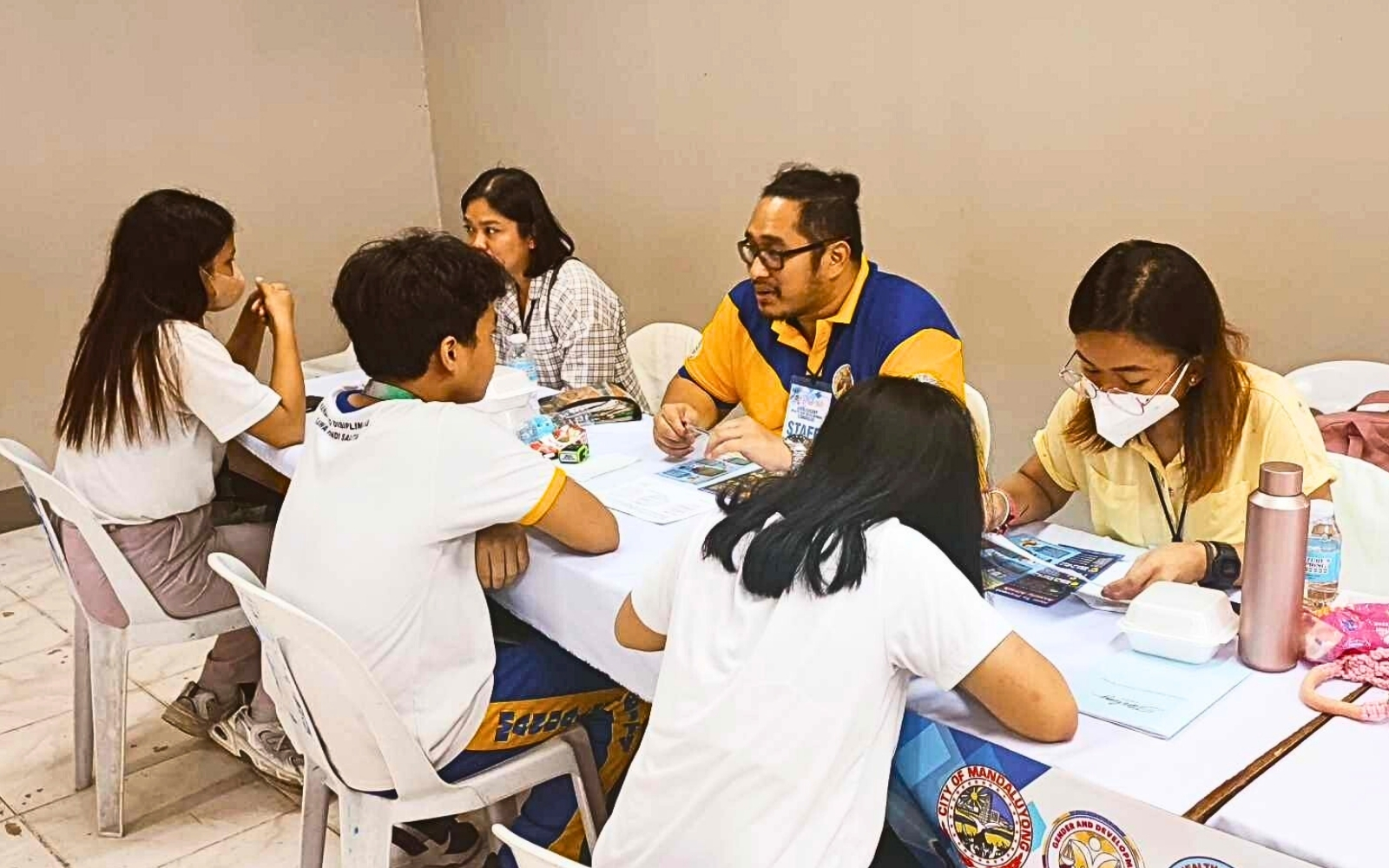
The city also runs the Healthy Young Ones (HYO) lecture series, an information, education, and communication program for adolescents aged 10 to 19. The series covers eight modules, including puberty, sexual health, sexual orientation and gender identity, sexually transmitted infections, human immunodeficiency virus (HIV), acquired immunodeficiency syndrome (AIDS), and personal safety and well-being.
Over the past three years, with support from TCI, the Mandaluyong City AHD Program unit, in collaboration with the City Population Development Office, has implemented the lecture series in schools.
Youth Leading Youth
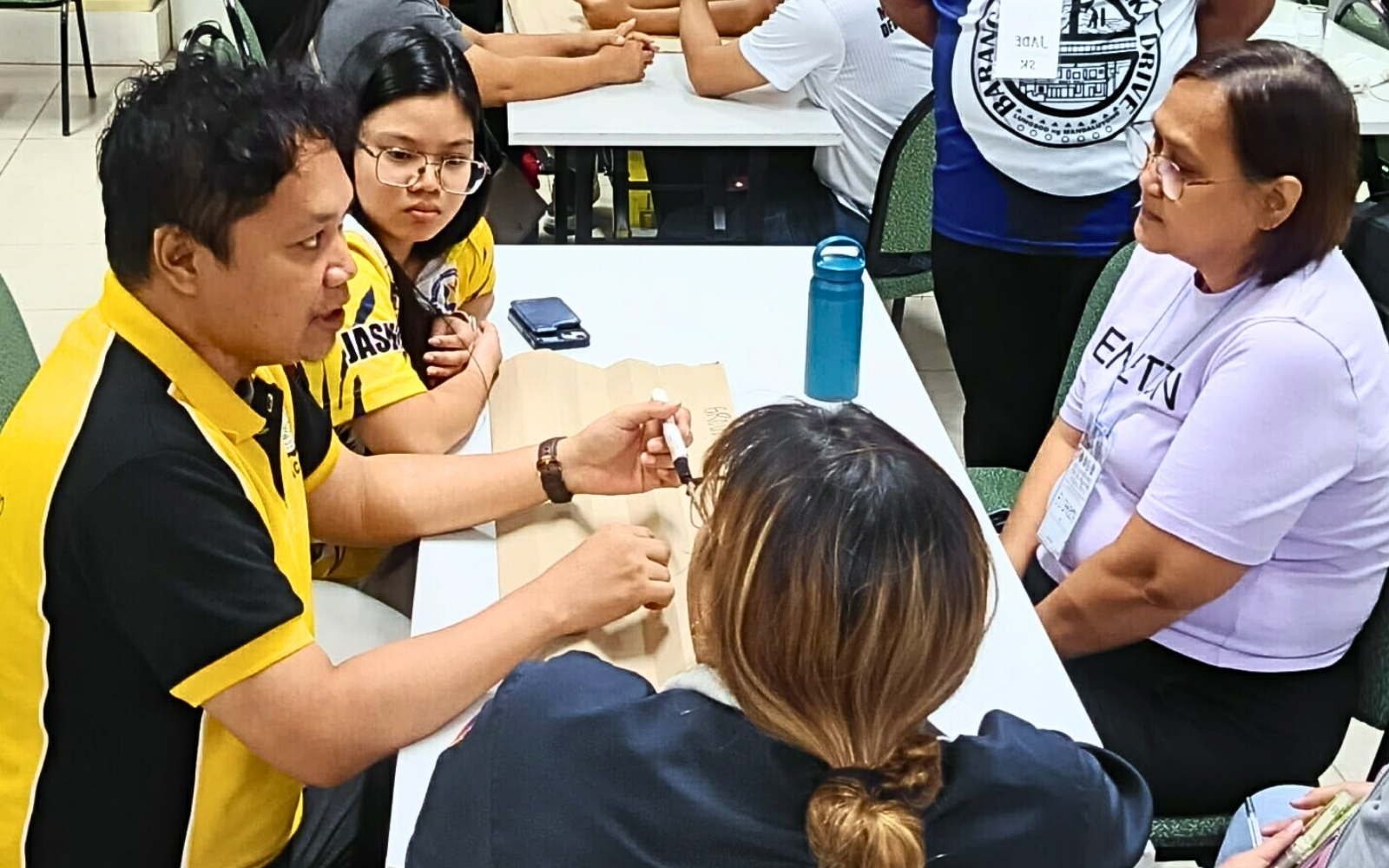
The city also strengthened the role of the Sangguniang Kabataan (SK). Mandaluyong trained SK officials and barangay youth leaders as peer educators, allowing them to share AYSRH information in ways that feel familiar and credible to their peers.
The city also encouraged SK leaders to act as governance partners. With access to resources and the authority to design programs, they launched youth-centered activities that complement the AHD Program, address physical and mental health concerns, and reduce stigma around seeking care. This approach connected formal governance with community action and ensured that youth voices shaped services.
Building Adolescent-Friendly Services
Mandaluyong recognized that adolescents will only seek care if services feel safe and welcoming. The city trained health workers, teachers, and school personnel to strengthen communication skills, address personal bias, practice empathy, and protect confidentiality—alongside technical competencies.
The city also invested in program leadership. Managers of adolescent health programs joined Health Leadership and Management Training (HLMT) to clarify their vision, take ownership of adolescent pregnancy challenges, and work together on practical and sustainable solutions.
Signs of Change
Progress has not followed a straight line, and challenges such as poverty and migration remain. Still, the city has begun to shift its approach. Adolescents now take on roles as educators, leaders, and advocates. Health workers act as allies rather than gatekeepers. Communities increasingly understand that adolescent pregnancy is a public health issue that calls for care, understanding, and shared responsibility.
Recent data show early gains. ABR has stabilized at 13%, while modern contraceptive use has steadily increased to 24%. Although more work lies ahead, these results show that Mandaluyong has made real progress in protecting adolescents’ health and future.
For Mandaluyong, the story continues. But in the voices of young leaders and adolescents who now claim their right to health, one thing is clear: the cycle can be broken.
Grassroots Champions: Barangay Health Workers Lead the Way to Reduce Adolescent Pregnancy in Lapu-Lapu
Lapu-Lapu City in Central Visayas faced a rising adolescent birth rate (ABR), increasing from 14 births per 1,000 adolescents in 2020 to 23 in 2023. At the same time, modern contraceptive prevalence rate (mCPR) dropped from 31% to 21%. Local health officials saw that, while women continued to seek services, many still relied on short-acting family planning methods. Uptake of long-acting options was growing but needed stronger community support.
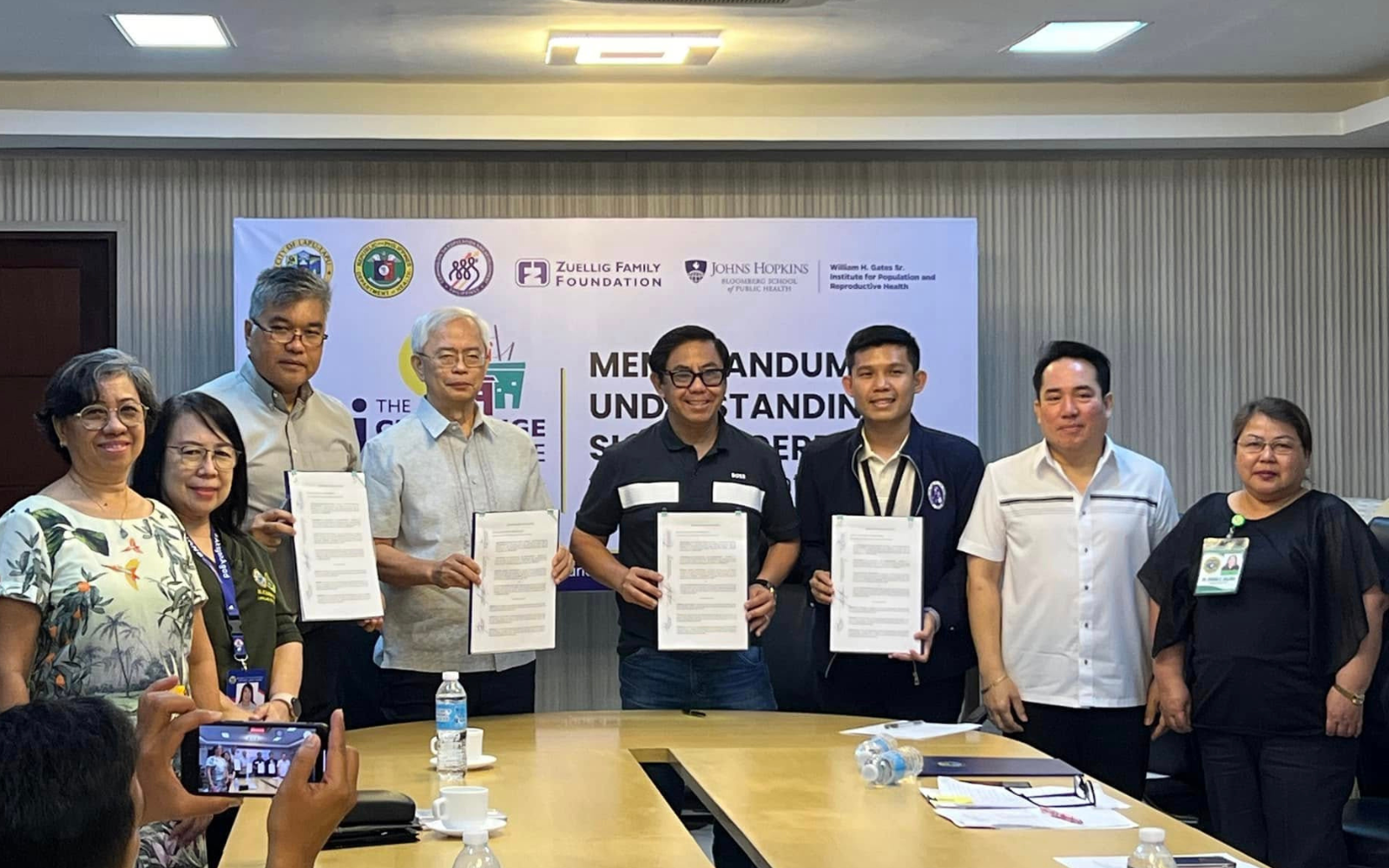
To respond to the alarming numbers, the city partnered with The Challenge Initiative (TCI), a global program implemented in the Philippines by the Zuellig Family Foundation that helps local governments scale proven family planning and adolescent and youth sexual and reproductive health (AYSRH) solutions.
Related articles:
- Nine Cities Recognized as Global Self-Reliant Cities in Reproductive Health
- Lapu-Lapu City’s Path to Strengthening Family Planning and Adolescent Health
The city formed the Lapu-Lapu City Leadership Team to unite health, education, youth, and social welfare sectors. Barangay nurses and midwives then began integrating meaningful conversations into routine services. They learned that many adolescents lacked parental guidance and reliable reproductive health information, while many adult women feared modern methods because of misconceptions. These issues showed that rising adolescent pregnancies and declining contraceptive use stemmed from the same need: trusted, judgment-free health information within the community.
Lapu-Lapu City placed communities at the center of its strategy. Awareness efforts shifted the conversation from contraceptives alone to responsible parenthood.
Barangay Health Workers (BHWs)—trusted members of each neighborhood—played a central role. Through house-to-house visits, they profiled households, explained family planning options, and corrected myths using simple materials. BHW Coordinator Jovy Alonzo emphasized that all BHWs are trained in adolescent health and development and uphold confidentiality and nonjudgmental support. Their strong performance earned Lapu-Lapu’s BHWs the Performance-Based Incentive (PBI) Award for two consecutive years, making them PBI Champions in Central Visayas. As Nurse Grace Mary Chan-Carunggay shared, “This recognition is a testament to their exceptional service and dedication.”
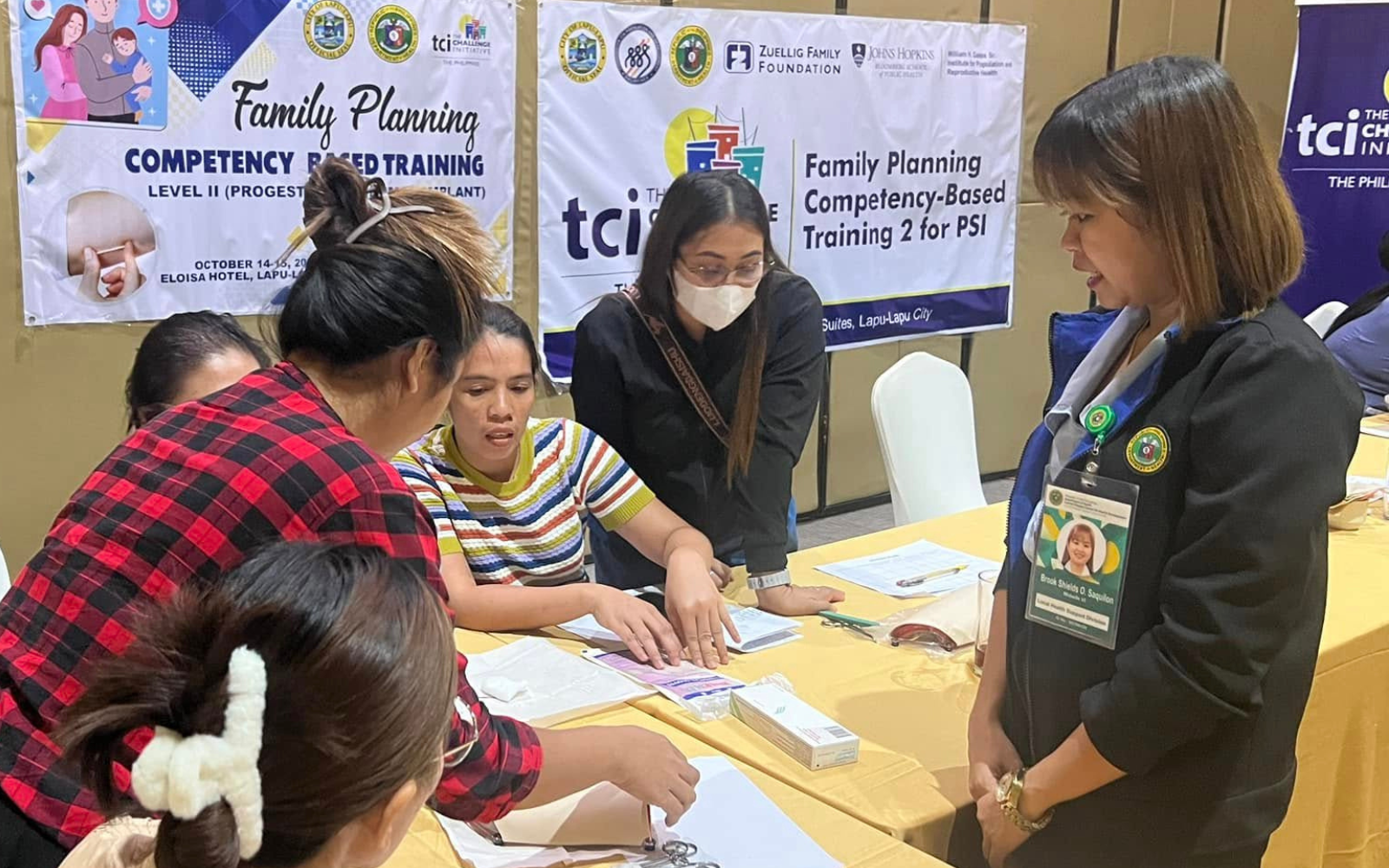
The city also strengthened its service delivery system by training more providers through Family Planning Competency-Based Training (FPCBT), especially in barangays with limited access. This allowed more health centers to offer long-acting reversible contraceptives (LARC), including the Progestin Subdermal Implant. City leaders supported these improvements by funding BHW incentives and training, conducting regular barangay visits, and ensuring data quality for planning. According to City Health Officer Dr. Agnes Cecilia Realiza, “Adolescent parents are now coming to our health centers. They no longer feel stigmatized, and they seek prenatal care, ensuring the safety of both mother and child during delivery.”
In 2024, the city recorded only one additional adolescent pregnancy case, showing early signs of progress. The drop in mCPR was largely due to data cleaning, which corrected the number of women counted in the program. Lapu-Lapu is also adjusting to the shift in national indicators—from mCPR to “demand satisfied”, or the share of women with a need for family planning who use modern methods. The City Health Office continues to improve staff capacity for accurate data use and coaching.
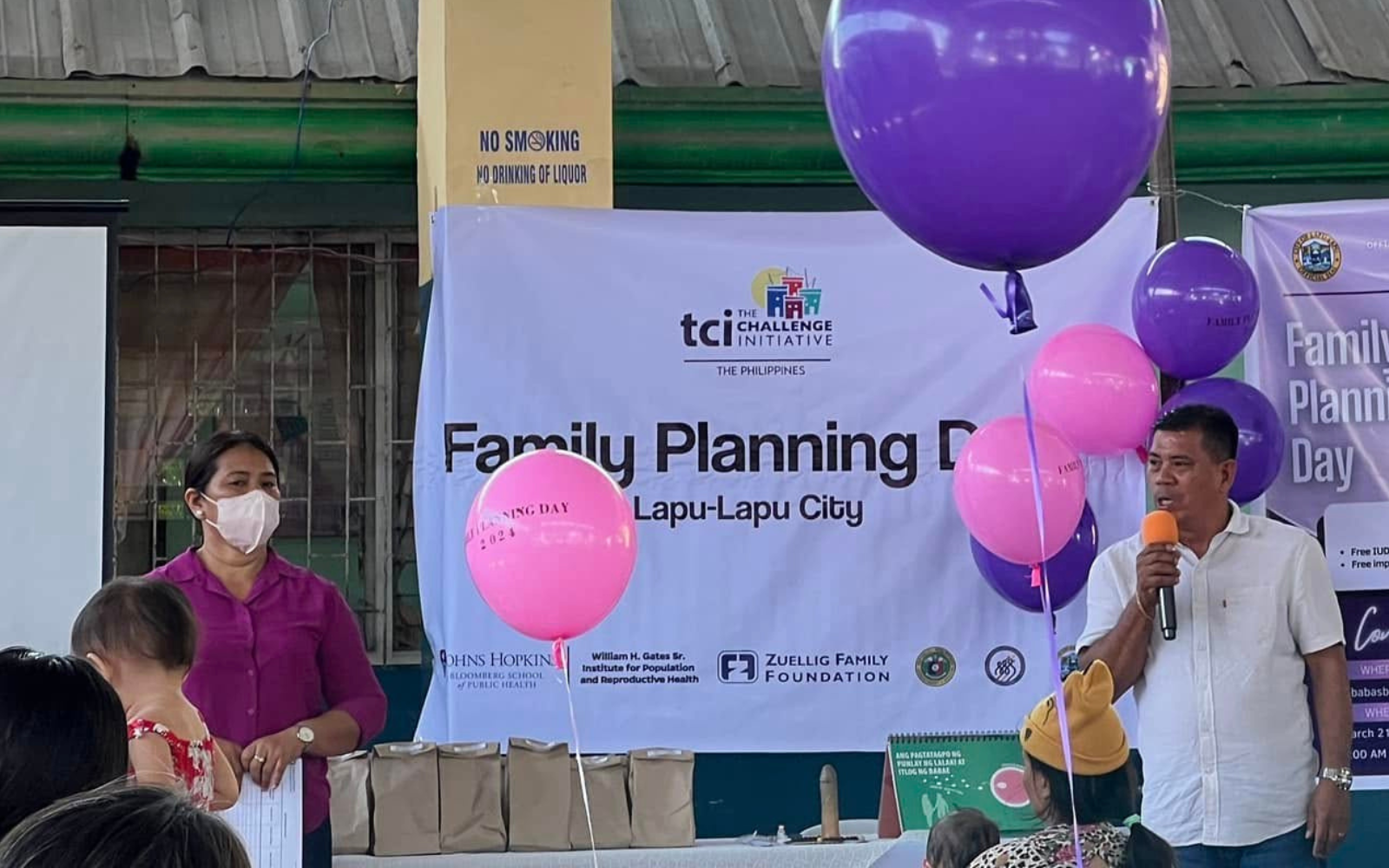
Lapu-Lapu’s experience shows the power of community-centered, data-driven leadership. By investing in AYSRH and allocating dedicated budgets, the city has strengthened the work of BHWs and sustained community engagement. With a 22% increase in AYSRH budget commitments, based on TCI-Philippines monitoring, Lapu-Lapu demonstrates that empowering frontline workers creates lasting impact—helping young people make informed choices for their health and future.
Slowly but Surely: Iriga City’s Inclusive Path to Family Planning among Indigenous Peoples
Iriga City is home to diverse communities, including many indigenous peoples (IPs). Like other areas, the city faces reproductive health challenges such as misconceptions about family planning (FP), cultural hesitations, and difficulty reaching families in geographically isolated and disadvantaged areas (GIDAs).
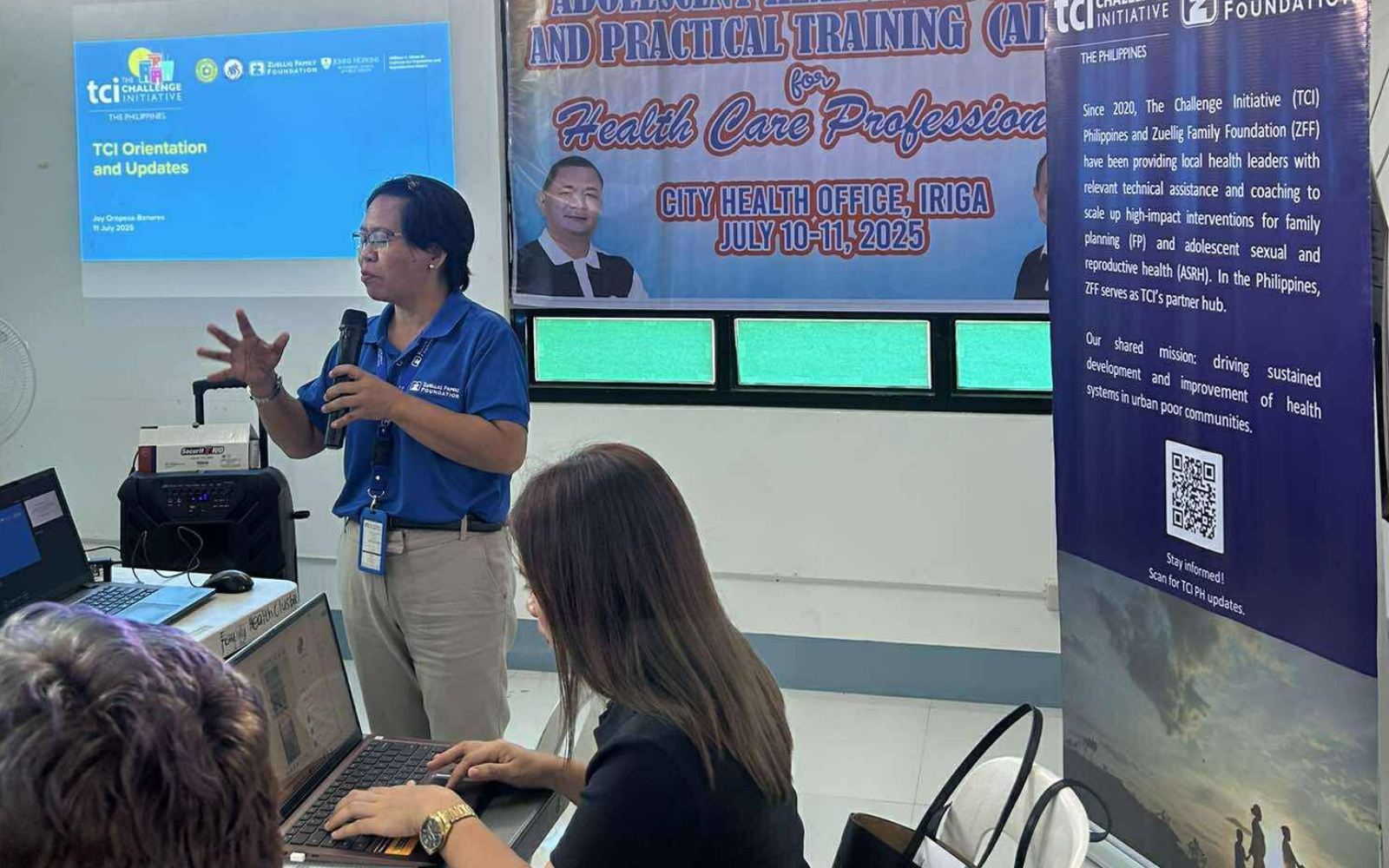
In July 2023, the city joined The Challenge Initiative (TCI), a global platform implemented in the Philippines through the Zuellig Family Foundation. With this partnership, the Iriga City Government and the City Health Office renewed their efforts to strengthen FP and adolescent and youth sexual and reproductive health (AYSRH), ensuring even the most underserved communities were included.
Related article:
Stories from the Frontlines
FP Coordinator Cyrene Oliva shared how TCI’s approaches helped Iriga improve data quality and slowly raise its modern contraceptive prevalence rate (mCPR). “Even if our mCPR dipped at first, we saw this as progress—because this time, our data was accurate. Now, with strengthened verification and continuous community engagement, our mCPR is climbing steadily again,” she said.
City Health Officer Dr. Ronald Pereña noted that mothers often hesitated to pursue family planning methods due to side effects, irregular supplies, and cultural expectations to seek their husband’s approval. Adolescents were also shy at first, but Oliva said that repeated discussions helped them open up. Several barangays later earned Certificates of Compliance as Level 1 Adolescent-Friendly Health Facilities—an important step under the AYSRH program.
Population Program Officer Mayet Amoroso Nacario observed that continuous awareness campaigns helped shift attitudes. “Before, many youth and even officials had little knowledge of adolescent health. Now, they are aware and more open. Teenage pregnancy still rises and falls, but families and schools are no longer ignoring it. There is now action and support,” she said.
Bridging Culture and Care
The city expanded FP access through Purok Kalusugan, a barangay-based initiative that integrates Department of Health (DOH) services at the purok level. Teams provided counseling, commodities, and even long-acting methods through house-to-house visits.
TCI supported Family Planning Competency-Based Training (FPCBT), enabling barangay workers to offer methods like implants and IUDs. This investment helped Iriga reach more IP communities in remote areas. Acceptance grew when IP barangay health workers—who were FP users themselves—became local champions.
Nacario shared that trust improved through repeated visits, conversations with leaders, and visible examples such as a chieftain choosing an implant. Dr. Pereña added, “Slowly but surely, you have to make them realize the big picture, that family planning will protect their health and wellbeing.”
Regular quality implementation checks, including monthly reviews and coaching, strengthened service delivery and ensured that adolescent-friendly facilities and FP programs remained responsive.
Stepping Up, Growing Up
Iriga also encouraged male involvement. More men began to ask for condoms and join FP discussions. Oliva recalled one husband who offered to have a vasectomy as a Valentine’s gift to his wife, saying it was his turn to share the responsibility.
The city also expanded AYSRH work in schools through the Department of Education (DepEd). Activities such as U4U Teen Trail sessions and age-appropriate film showings helped students learn about reproductive health and their rights. “Schools now invite us on their own,” Nacario said. “They even ask, ‘When will you come to our students?’ That’s proof that adolescent health is no longer taboo in Iriga—it is a collective priority.”
Sustaining Progress Together
Iriga built its FP and AYSRH efforts on trust, cultural sensitivity, and sustainability. The city allocated local funds, including support for IP communities, to ensure programs continue even after external support ends. Partnerships with DOH, the Commission on Population and Development (CPD), ZFF, and TCI provided coaching and capacity-building, while local leaders and women’s organizations strengthened community ownership.
As Dr. Pereña shared, family planning is now part of Iriga’s long-term development plans. The city’s journey shows that even the most hard-to-reach families can make informed choices when programs are inclusive, respectful, and community-driven.
Nine Cities Recognized as Global Self-Reliant Cities in Reproductive Health
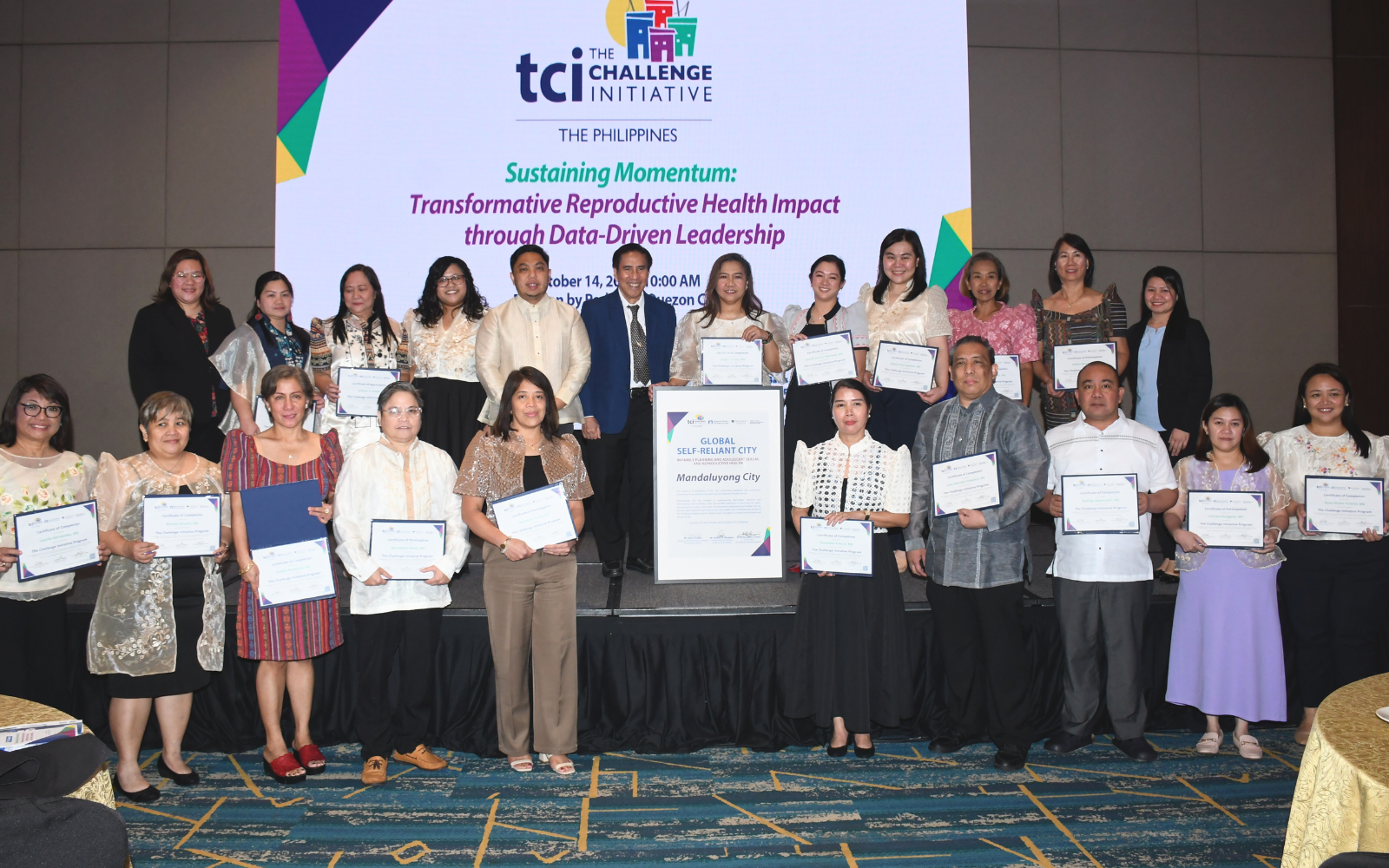
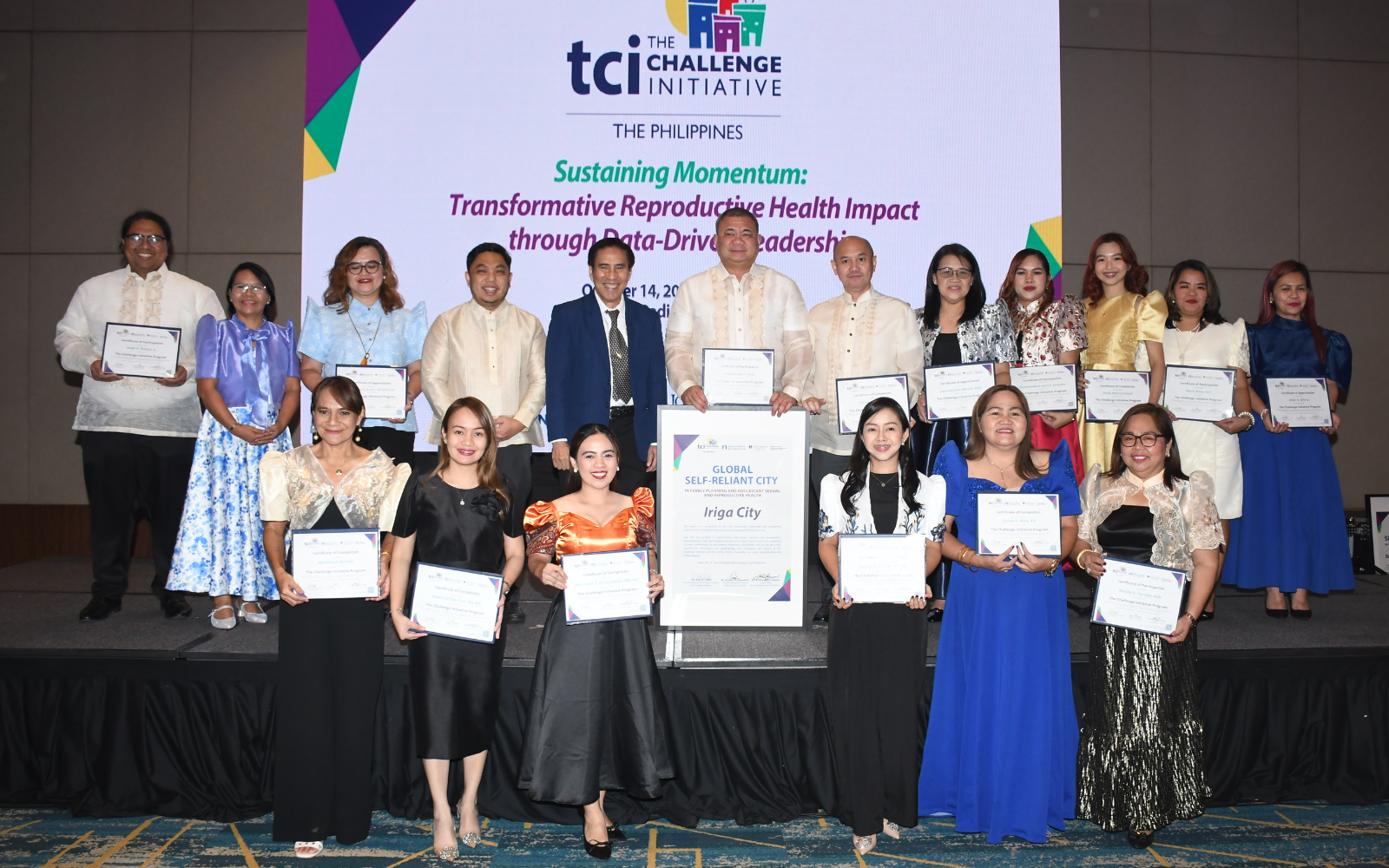
The Zuellig Family Foundation (ZFF) celebrated the graduation of nine cities under The Challenge Initiative (TCI)-Philippines: General Santos, Iriga, Isabela de Basilan, Lapu-Lapu, Pasig, Mandaluyong, Quezon City, Tacurong, and Tagum.
The Batch 3 Colloquium, themed “Sustaining Momentum: Transformative Reproductive Health Impact through Data-Driven Leadership,” took place on October 14, 2025, at the Park Inn by Radisson in Quezon City. The event gathered local government leaders, health officers, and partners from across the country to celebrate how cities strengthened their family planning (FP) and adolescent and youth sexual and reproductive health (AYSRH) programs through evidence-based leadership.
ZFF President and Executive Director Austere Panadero congratulated the cities for their progress. Across the nine cities, data show significant gains: all surpassed the national target for adolescent birth rates or incidence of teenage pregnancy (below 37 births per 1,000 women) and most exceeded the 30% modern contraceptive prevalence rate (mCPR) benchmark. “These are not just numbers,” said Panadero, “Ito ay mga kwento ng pagbabago—of stronger systems, more capable leaders, and communities that now make informed and empowered choices.”
Dr. Anthony Faraon, Chief of Party of TCI-Philippines at ZFF, presented key reproductive health trends, warning that while births among 15–19-year-olds are declining, births among girls below 15 are increasing. He challenged the audience: “Will we act now with the urgency this crisis demands or will we wait until the effects are irreversible?”
Related articles:
- Batch 1: Five Cities Celebrate Milestone in Adolescent Health and Family Planning Efforts
- Batch 2: Eight Cities Share Success in Family Planning and Adolescent Health
Panel 1: Family Planning Demand Generation and Service Innovations
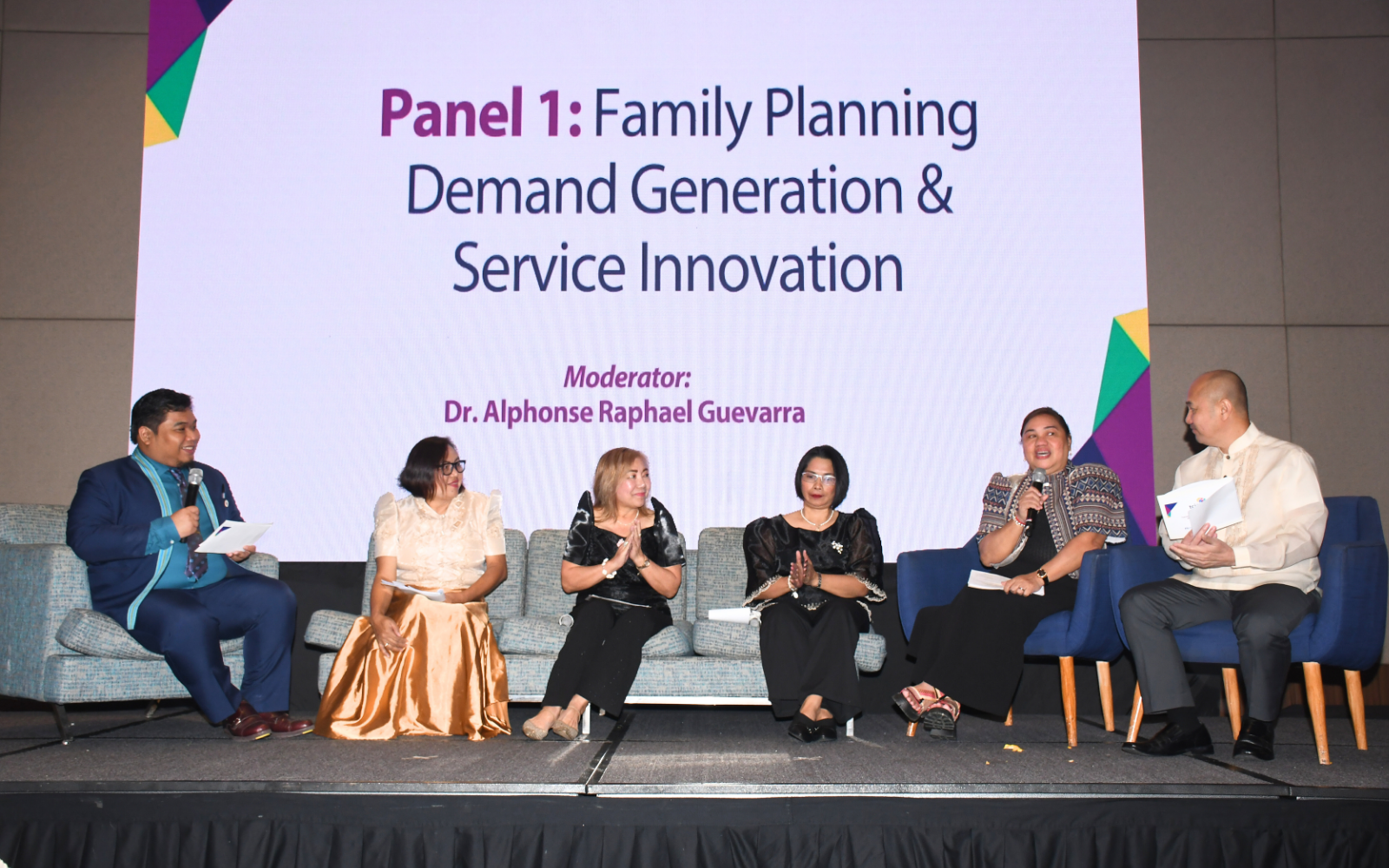
Cities showcased innovative approaches that expanded access and inclusivity in family planning services:
- Tagum City – Mobilized grassroots leaders and youth advocates through Usapang Youth and KATROPA sessions, engaging men and youth as champions of reproductive health.
- General Santos City – Expanded outreach to underserved women through Family Planning Itinerant Teams and long-acting reversible contraceptives (LARCs).
- Lapu-Lapu City – Empowered barangay health workers as frontline FP service providers.
- Iriga City – Promoted culturally sensitive family planning among 21 Indigenous Peoples (IP) tribes.
- Isabela de Basilan – Localized reproductive health materials into 16 languages to reach more communities.
Panel 2: Adolescent Sexual and Reproductive Health (ASRH) Innovations
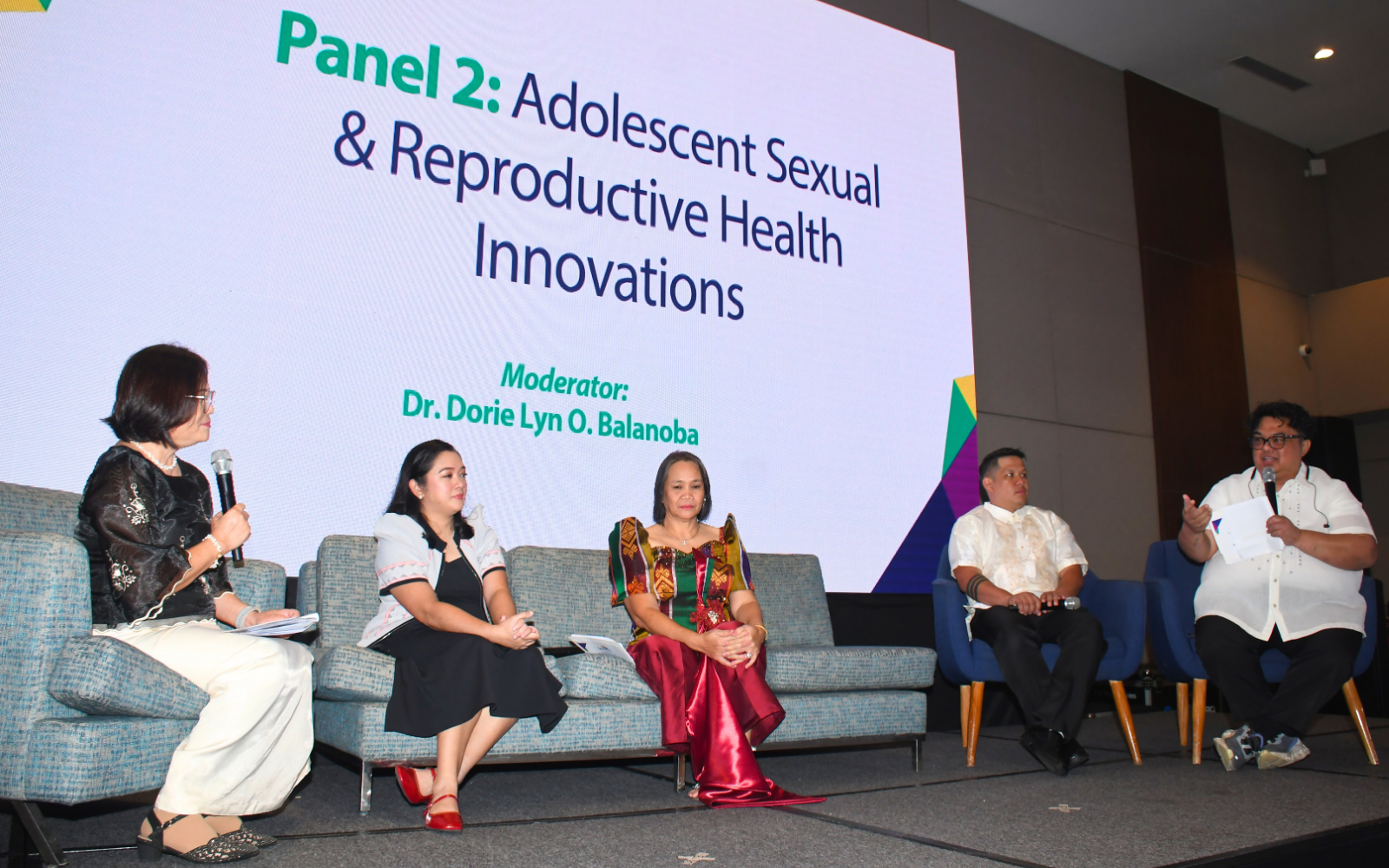
Cities also implemented programs that placed young people at the center of reproductive health advocacy:
- Mandaluyong City – Organized Healthy Young Ones lectures and the Adolescent Congress to create peer-driven learning spaces.
Quezon City – Institutionalized prevention programs through Ordinance No. SP-3128, s. 2021, establishing the Information and Service Delivery Network for Adolescent Health and Development (ISDN4AHD). - Pasig City – Developed a rights-based referral system to link services across agencies.
- Tacurong City – Integrated adolescent-friendly health services across all barangay centers.
Representatives from the graduating cities shared Leadership Narratives, reflecting on their efforts to sustain reproductive health reforms amid political transitions. They emphasized collaboration, data use, and strong community partnerships as key to their success.

In his closing message, Dr. Manuel M. Dayrit, ZFF Chairman, congratulated the cities for achieving global self-reliance: “You are all part of a global movement called TCI, covering hundreds of cities worldwide. Our local experience has global significance.”
As of September 2025, ZFF and its partners under TCI-Philippines recorded the following results across 24 cities:
- 947 Master Coaches trained nationwide;
- 209,574 additional family planning clients served;
- 21,589 outreach and demand-generation activities conducted;
- 577 health facilities certified as adolescent-friendly; and
- 780 facilities offering post-pregnancy family planning services.
These accomplishments reflect a shared lesson from the colloquium: that locally led, evidence-based, and community-rooted approaches can sustain reproductive health gains and inspire other local governments across the country.
Sustaining Momentum: Cities Continue Transformative Reproductive Health Work through Data-Driven Leadership
The Challenge Initiative (TCI)-Philippines, implemented by the Zuellig Family Foundation (ZFF), will hold its Batch 3 Colloquium on October 14, 2025, bringing together nine cities that have made strides in improving family planning (FP) and adolescent and youth sexual and reproductive health (AYSRH).
The event, themed “Sustaining Momentum: Transformative Reproductive Health Impact through Data-Driven Leadership,” celebrates the achievements of General Santos, Iriga, Isabela de Basilan, Lapu-Lapu, Pasig, Mandaluyong, Quezon City, Tacurong, and Tagum, the final cohort of TCI-Philippines.
Over the past three years, these cities have shown how innovation, local leadership, and data use can translate into tangible gains—raising modern contraceptive prevalence rates (mCPR) and reducing adolescent birth rates (ABR). Their experiences highlight that locally led and evidence-based programs can drive lasting impact, even amid political and social changes.
Through the support of TCI-Philippines and ZFF, local governments designed and implemented tailored initiatives addressing their communities’ specific needs:
- Tagum City engaged men and youth as advocates, increasing awareness and participation in FP.
- General Santos City expanded access to modern contraceptives by deploying FP Itinerant Teams to reach underserved communities.
- Lapu-Lapu City strengthened service continuity by empowering barangay health workers to deliver FP services.
- Iriga City and Isabela de Basilan improved inclusivity by tailoring FP efforts to indigenous peoples through localized communication strategies.
- Mandaluyong City reduced adolescent pregnancies through community group engagement
- Quezon City institutionalized adolescent pregnancy prevention through an ordinance, creating a coordinated network for youth health and development.
- Pasig City improved adolescent-friendly health services through a comprehensive Information and Service Delivery Network (ISDN).
- Tacurong City integrated adolescent needs into regular health services, ensuring continued access to reproductive health care.
These innovations build on the lessons of previous TCI-Philippines batches in Cagayan de Oro, Dipolog, Puerto Princesa, Baguio, San Jose, Iligan, Naga, Santiago, Biñan, Mandaue, Manila, Iloilo, and Las Piñas, whose experiences affirm that sustained political commitment, data use, and community engagement are key to improving reproductive health outcomes.
Click to join us via Zoom
As TCI-Philippines concludes its final cohort, the Colloquium aims to showcase city achievements, share best practices, and inspire other local governments to adopt scalable and sustainable approaches to FP and AYSRH.
Related articles:
Iloilo’s Youth Health Movement in Action
Iloilo City, lovingly called the ‘City of Love’, has long been known for its cultural richness and educational institutions. But in recent years, it has also emerged as a national model for adolescent health reform. Faced with rising rates of teen pregnancy and weakened service delivery, the city responded with bold leadership, strong partnerships, and deep youth engagement—changing the story for its young population.
A Crisis in Continuity
In 2019, Iloilo City’s Adolescent Health and Development Program (AHDP) was in crisis. A leadership change at the City Health Office and the retirement of key personnel created disruptions in program continuity. At the time, the city had only one Level 2 Adolescent-Friendly Health Facility (AFHF) based in the Arevalo District. Despite support from the Integrated Service Delivery Network (ISDN) and local ordinances, the program remained fragile.
Even before the pandemic, adolescent health was already at risk. The city recorded an adolescent birth rate (ABR) of 36 per 1,000 girls aged 15–19 in 2019. One particularly alarming case involved a 10-year-old girl, the youngest known to give birth in the city—a clear sign of service gaps and unmet needs. By 2022, adolescents made up more than 18% of the city’s total population, amplifying the urgency.
Then COVID-19 struck, stalling what little progress had been made.
A Turning Point: Local Action Meets Global Support
Change began in earnest in 2022, when Iloilo City joined The Challenge Initiative (TCI)—a global program that supports local governments in implementing high-impact, sustainable family planning (FP) and adolescent and youth sexual and reproductive health (AYSRH) interventions. Co-managed by the Zuellig Family Foundation and Bill and Melinda Gates Institute for Population and Reproductive Health, TCI helped the city reframe adolescent health as a shared, multisectoral responsibility.
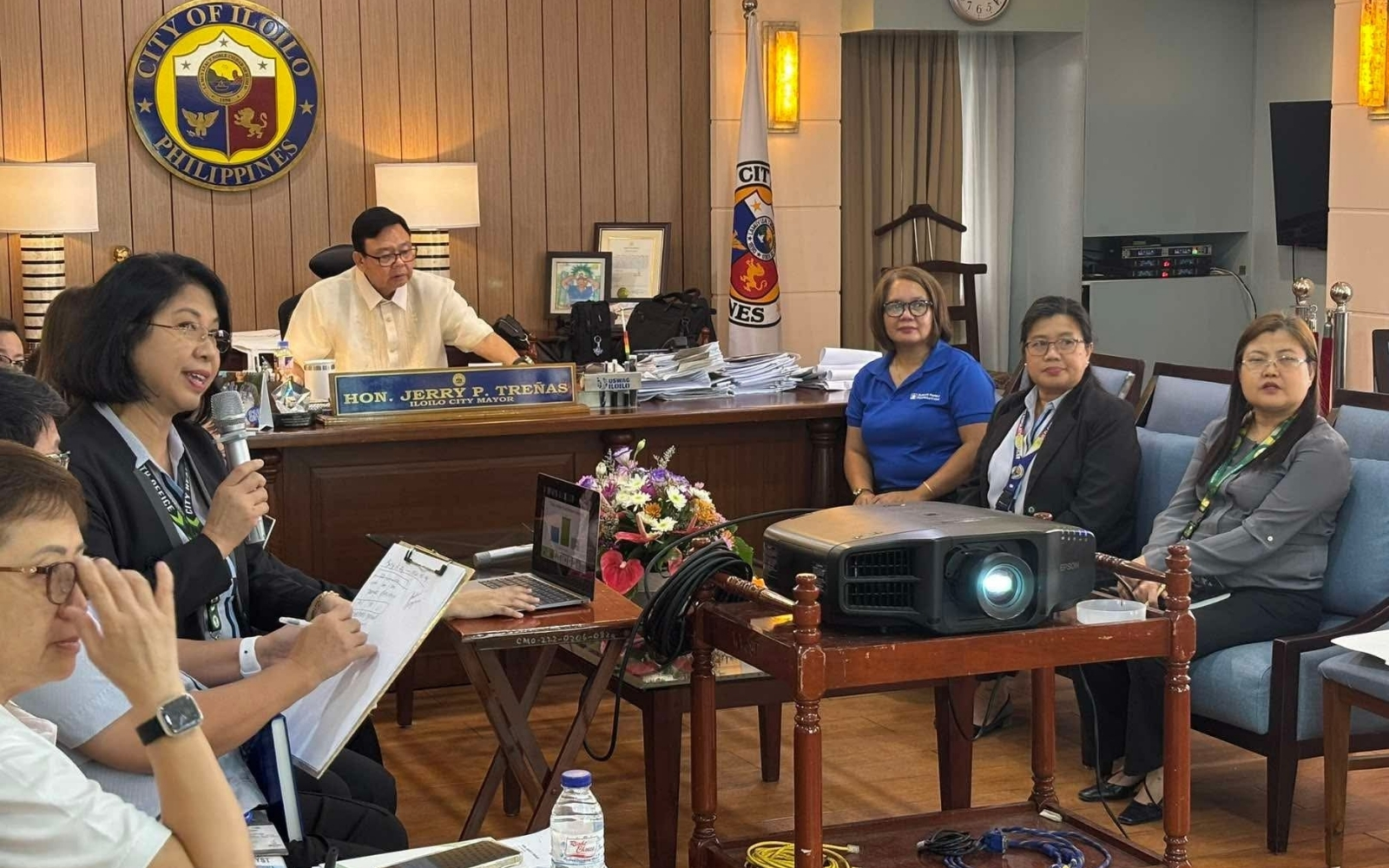
A City Leadership Team (CLT) was formed, expanding the existing Technical Working Group into a powerhouse of cooperation. Members included city government units, the Department of Education (DepEd), the Technical Education and Skills Development Authority (TESDA), local colleges, the Iloilo City Police, the Sangguniang Kabataan (SK) Federation, and community organizations. Using TCI’s assessment tool as a strategic guide, the CLT pinpointed gaps and co-created solutions rooted in local realities.
“Through the Health Leadership and Management Program, our people evolved from support staff into leaders,” said Florence Joy Rubido, AHDP Nurse Coordinator. “We have achieved substantial progress. All district health centers in Iloilo City now have at least one Adolescent-Friendly Health Facility, and all adolescent focal persons from our nine district health centers have been capacitated through the AHDP foundational course in October 2023.”
Related articles:
- Eight Cities Share Success in Family Planning and Adolescent Health
- Cities Lead the Way in Family Planning and Adolescent Health—Webinar Series to Spotlight Local Innovations
Youth Voices at the Center
Iloilo’s new approach centered on empowering adolescents to lead. Programs like KaTEenAran, a teen center at Nabitasan Integrated School, gave marginalized youth a safe, structured space. The NewscasTEENg competition and the AHD Film Advocacy Contest with UP Visayas allowed youth to use media and storytelling as advocacy tools.
The Teen AD Facebook page grew into a vibrant online community, connecting over 2,900 members to health information and services. Meanwhile, the Peer Helpers Training program built a cadre of trained young advocates offering peer-to-peer support.
“Young people were not just reached, they were engaged on their terms, in ways that truly resonate,” said Richard Magullado, Information Officer of Commission on Population and Development (CPD)Region VII. “From film contests and newscasting to vibrant digital platforms, youth voices drove the movement.”
Reaching Every Barangay
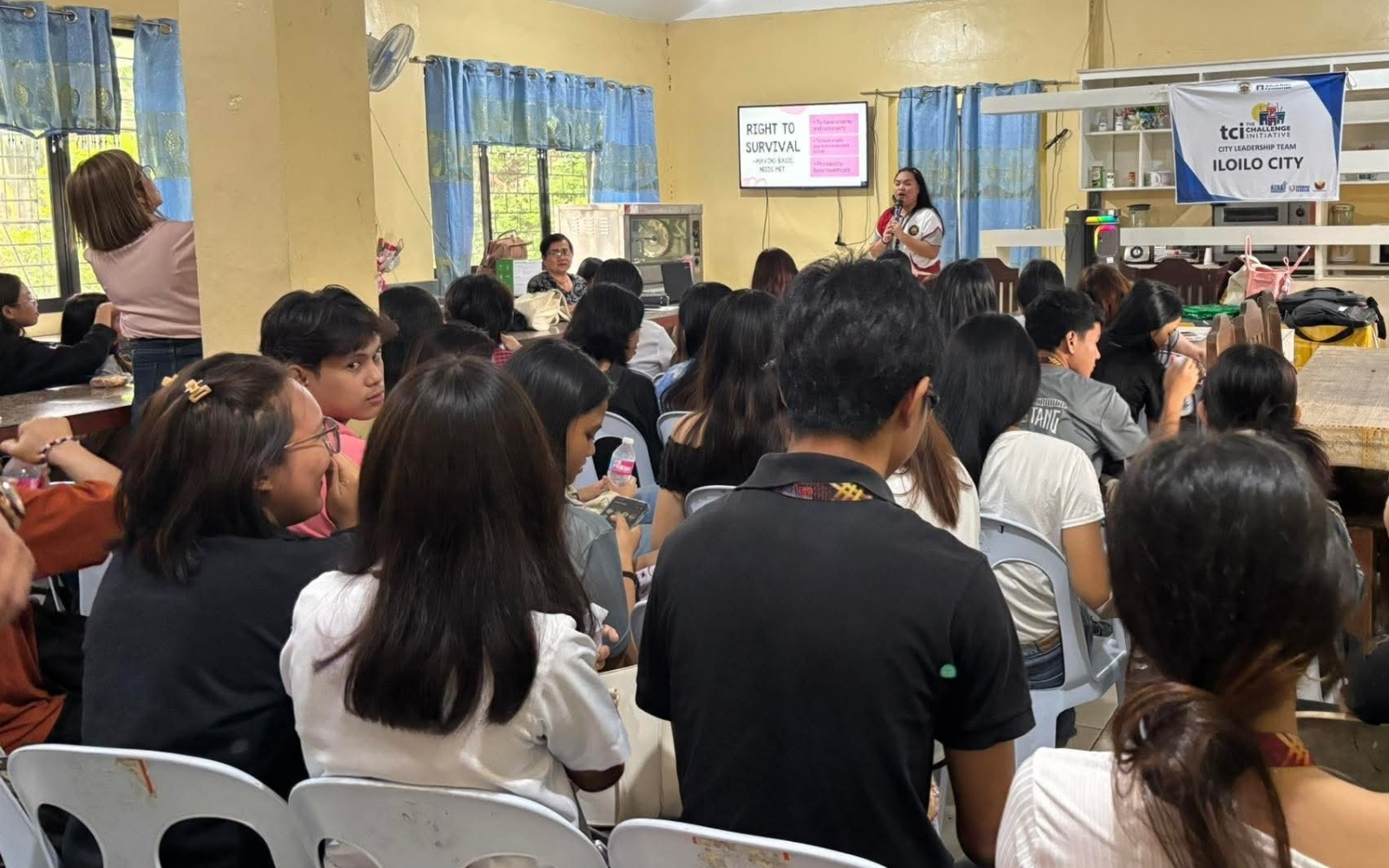
The city also strengthened its demand generation workforce. All 224 Barangay Service Point Officers (BSPOs) were re-trained to deliver up-to-date FP information. The city’s grassroots commitment was evident in events like the Adolescent Summits in June and November 2024.
Held in Brgy. Sooc, Mandurriao and Arevalo respectively, these summits reached over 330 adolescents with sessions on teen pregnancy, human immunodeficiency virus (HIV), child labor, and family planning profiling. Parents were also engaged through Parent-Teen Talks and Usapan Sessions, breaking down taboos and building trust.
During Youth Day at Ramon Avanceña National High School, 92 adolescents joined interactive workshops on mental health, HIV, and Violence Against Women and Children (VAWC), reinforcing their agency and access to support.
Policy Backing and Budget Growth
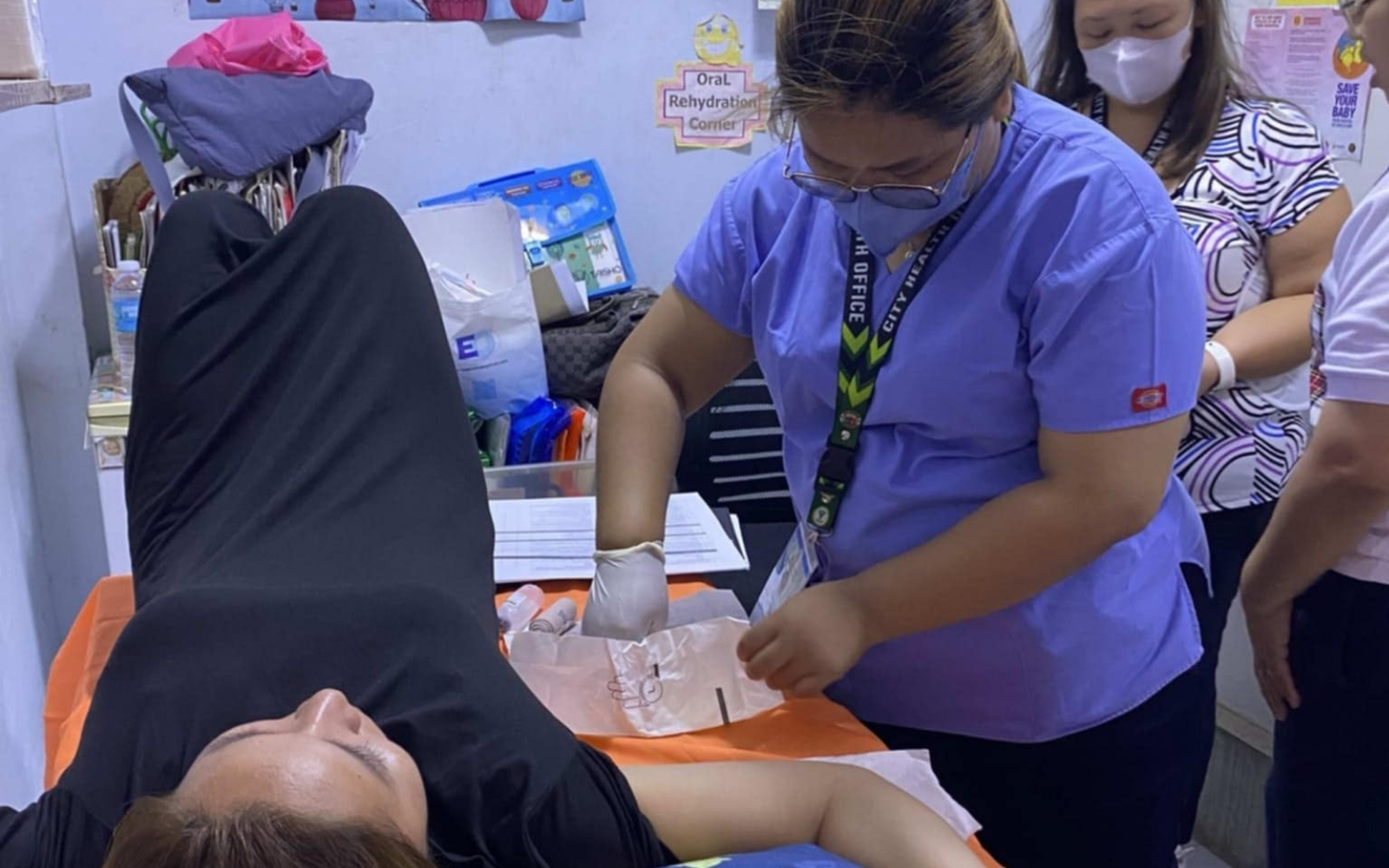
Iloilo’s local policies strengthened these efforts. Ordinance No. 2017-048 institutionalized the ISDN, while Executive Order No. 141 (2021) underscored adolescent pregnancy as a national priority. These enabled a coordinated response, backed by real investment: the city increased its adolescent health budget by 620% from 2024 to 2025.
The results speak volumes. Between 2019 and 2024, ABR dropped from 36 to 24 births per 1,000 girls aged 15–19. Meanwhile, modern contraceptive prevalence rates (mCPR) have consistently exceeded the national benchmark of 30% at 41% in 2024.
A Movement Built to Last
“Iloilo City shows that when local leadership is bold, young people are engaged as partners, and systems are built to last, transformation becomes not just possible but inevitable,” said Magullado.
The city’s journey is far from over—but the foundation is strong. With sustained leadership, empowered communities, and energized youth, Iloilo is not only protecting its adolescents—it is equipping them to thrive.
And in true Iloilo fashion, it is doing so with heart.
Turning Vision into Action: Naga City’s Bold Steps Toward Zero Teen Pregnancies
Naga City, the ‘Heart of Bicol’, is known for its rich history, deep religious heritage, and a strong sense of community. With a population of 209,170 as of the 2020 Census of Population and Health, it stands as the second most populous city in the Bicol Region. However, like many growing cities in the Philippines, it grapples with significant social challenges, including the rising concern of adolescent pregnancy, which continues to impact the youth and local development efforts.
Based on city reports, Naga’s adolescent birth rate (ABR) surged dramatically in recent years, climbing from 21 per 1,000 live births in 2020 to 106 in 2021, and even higher in 2022 at 110. This prompted local officials to rethink how they addressed adolescent reproductive health. Mayor Nelson Legacion recognized the urgency of the situation, particularly as young people struggled with limited access to reproductive health services and faced social stigma. The COVID-19 pandemic only made things worse by disrupting outreach programs and services.
A Strategic Partnership to Drive Change
In 2021, Naga City partnered with The Challenge Initiative (TCI)-Philippines, co-managed by the Zuellig Family Foundation (ZFF) and the Bill and Melinda Gates Institute for Population and Reproductive Health. This partnership led to the creation of a City Leadership Team (CLT), which helped harmonize and scale up family planning (FP) and adolescent and youth sexual and reproductive health (AYSRH) efforts.
“We’ve had adolescent-focused initiatives in the past, but they were not well-coordinated or harmonized,” said Joy Macaraig, Assistant Department Head of the City Population and Nutrition Office (CPNO). With 26 years in public service, she explained how the integration of FP and AYSRH under the CPNO helped streamline both outreach and service delivery. The CLT further empowered various departments to incorporate adolescent health into their work.

The results were striking: by 2023, Naga’s ABR had dropped to 71, and by 2024, it had plummeted to 20—well below the national target of 37 .
From Pilot to Full Coverage: Empowering Barangays
Originally launched in three barangays, TCI’s model was soon expanded to six through the mayor’s initiative, and later to all 27 barangays in the city. The backbone of this local effort was the Barangay Service Point Officers (BSPOs), who not only tracked adolescent mothers but also ensured these young families received critical health and nutrition services.
Healthcare workers were also equipped through TCI University, an online platform offering practical tools and real-world examples. Janet Beloro, a midwife at the City Health Office, noted the improvement in her service delivery. “When clients return and tell me they will practice family planning, that’s when I realize I’ve made a difference—that I’ve been an effective provider. I see their health literacy improving, and for young people especially, I notice their growing awareness.”
Institutionalizing the Vision: Naga’s AYSRH Ordinance
In 2023, Naga passed City Ordinance No. 2023-025, also known as the AYSRH Ordinance. Authored by Councilor Gayle Abonal-Gomez, a member of the CLT, the ordinance institutionalized adolescent health initiatives and created a dedicated local budget to fund them.
One key result was the establishment of an Integrated Service Delivery Network (ISDN), which strengthened referral pathways among barangay health stations, hospitals, schools, and NGOs. This made it easier for adolescents to access the care they need, when and where they need it.
Creating Safe Spaces for Teens
Another major achievement of the ordinance was the rollout of teen hubs in schools and barangays. These safe spaces provide young people—including out-of-school youth—with information, counseling, and support.
At Concepcion Pequena National High School, teacher Dessa Bermejo helps manage their school’s Teen Hub. “With teenage pregnancy remaining a pressing concern, young people need a safe space where they can confide in someone they trust—someone who will listen without judgment and provide the guidance and support they need,” she shared.
Teen hubs have already been set up in Barangays Balatas and Calauag, and the goal is to bring these hubs to every school in the city.

Empowering Youth Through Communication
To support a more holistic approach to adolescent well-being, the Commission on Population and Development Region V launched the ‘Hearts and Minds’ campaign, under Director Joyce Dela Paz-Hilvano. This pre-orientation program focuses on emotional well-being and self-awareness, laying the foundation for more informed decision-making in adolescence.
The result? Naga’s modern contraceptive prevalence rate (mCPR) has remained above national targets, signaling sustained progress in FP and AYSRH initiatives.
Funding the Future
Since joining TCI, Naga has grown its investment in AYSRH from Php 2.2 million in 2023 to Php 5.1 million in 2024. This increase supports teen hubs, healthcare worker training, and the continuous delivery of reproductive health services.
Importantly, the city’s general fund and annual investment plan now include AYSRH—securing financial sustainability beyond political cycles.
Naga City’s experience shows that tackling adolescent pregnancy demands leadership, coordination, and sustained investment. Its journey offers a clear message to other local governments: meaningful change is possible when adolescents are placed at the center of public health and development efforts.