Championing Youth: Santiago City’s Fight Against Adolescent Pregnancy
In 2020, Santiago City faced a serious problem. Its adolescent birth rate was the highest in Region II—47 births per 1,000 girls aged 15–19. That meant too many young lives were being disrupted by unplanned pregnancies. For Population Program Officer Johanna Gabriel, these were not just numbers. She saw dreams put on hold and young futures changed overnight. This crisis unfolded during the COVID-19 pandemic, despite the city having a modern contraceptive prevalence rate (mCPR) of 39%, which was already above the national average of 30%.
A Unified Response: Empowering the Whole Community
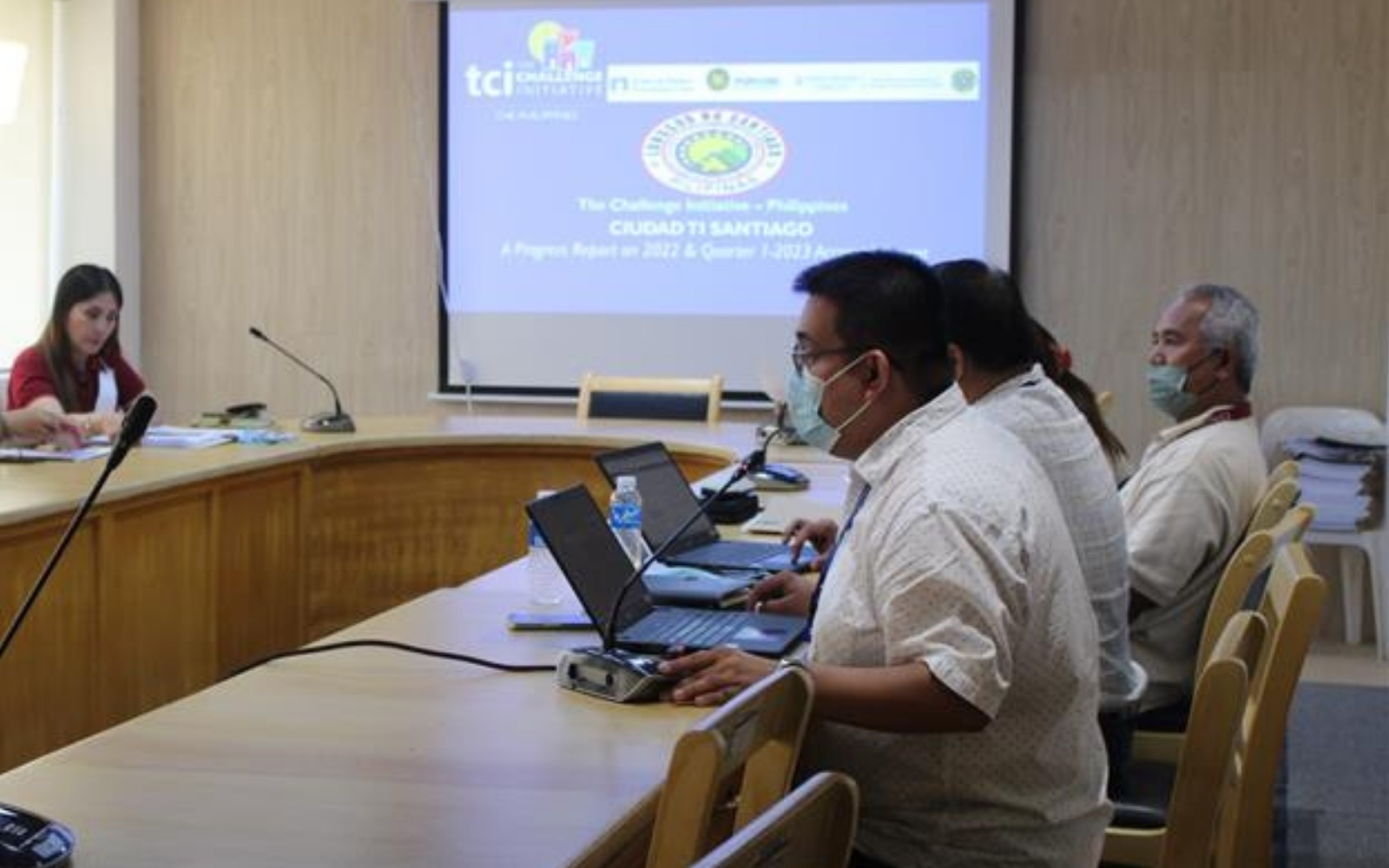
Mayor Sheena Tan knew that stopping adolescent pregnancy meant involving the whole city. She reached out to The Challenge Initiative (TCI)-Philippines, co-managed by the Zuellig Family Foundation and the Bill and Melinda Gates Institute for Population and Reproductive Health. The first step was creating a City Leadership Team (CLT)—not just made up of health officials, but also representatives from education, planning, youth sectors, and even young people themselves.
The city’s response fit perfectly with its KAISAKA Development Strategies, which focuses on four pillars:
- Kabuhayan (Livelihood)
- Kalusugan (Health)
- Karunungan (Education)
- Kaayusan (Good Governance)
This meant adolescent and youth sexual and reproductive health (AYSRH) was addressed alongside other core priorities, and not treated as a separate issue.
Making Healthcare Youth-Friendly
Before the intervention, adolescents often felt judged or misunderstood at health centers. There was a lack of privacy, and services were not designed for youth. Santiago City changed this by building 37 community-based and 22 school-based teen centers—safe, respectful spaces designed with and for young people.
Importantly, these centers are now run by trained youth facilitators with guidance from adult mentors. This gives young people ownership and confidence. In 2023, Ordinance No. 11THCC-089 institutionalized the Information Service Delivery Network (ISDN)—a system to make sure youth services remain accessible, consistent, and effective across the city.
Related articles:
- Eight Cities Share Success in Family Planning and Adolescent Health
- Cities Lead the Way in Family Planning and Adolescent Health—Webinar Series to Spotlight Local Innovations
Training and Expanding Youth Reach
One of Santiago’s biggest challenges was the limited number of trained service providers in family planning. The city responded by using TCI tools to identify root causes of high adolescent pregnancy. It also adopted ZFF’s Bridging Leadership approach, empowering local leaders to work with young people in shaping policy.
The results were powerful:
- 638 Teen Facilitators were trained as peer leaders.
- Health workers received essential training in Family Planning Competency-Based Training (FPCBT 1 and 2), Adolescent Health Education (ADEPT), and Healthy Young Ones (HEYO).
At the same time, the city upgraded all Barangay Health Centers and teen centers to Adolescent-Friendly Health Facilities (AFHFs). These were linked to the broader public health system and supported by the Santiago City Youth Code and the Local Youth Development Plan.
Community Programs and Campaigns
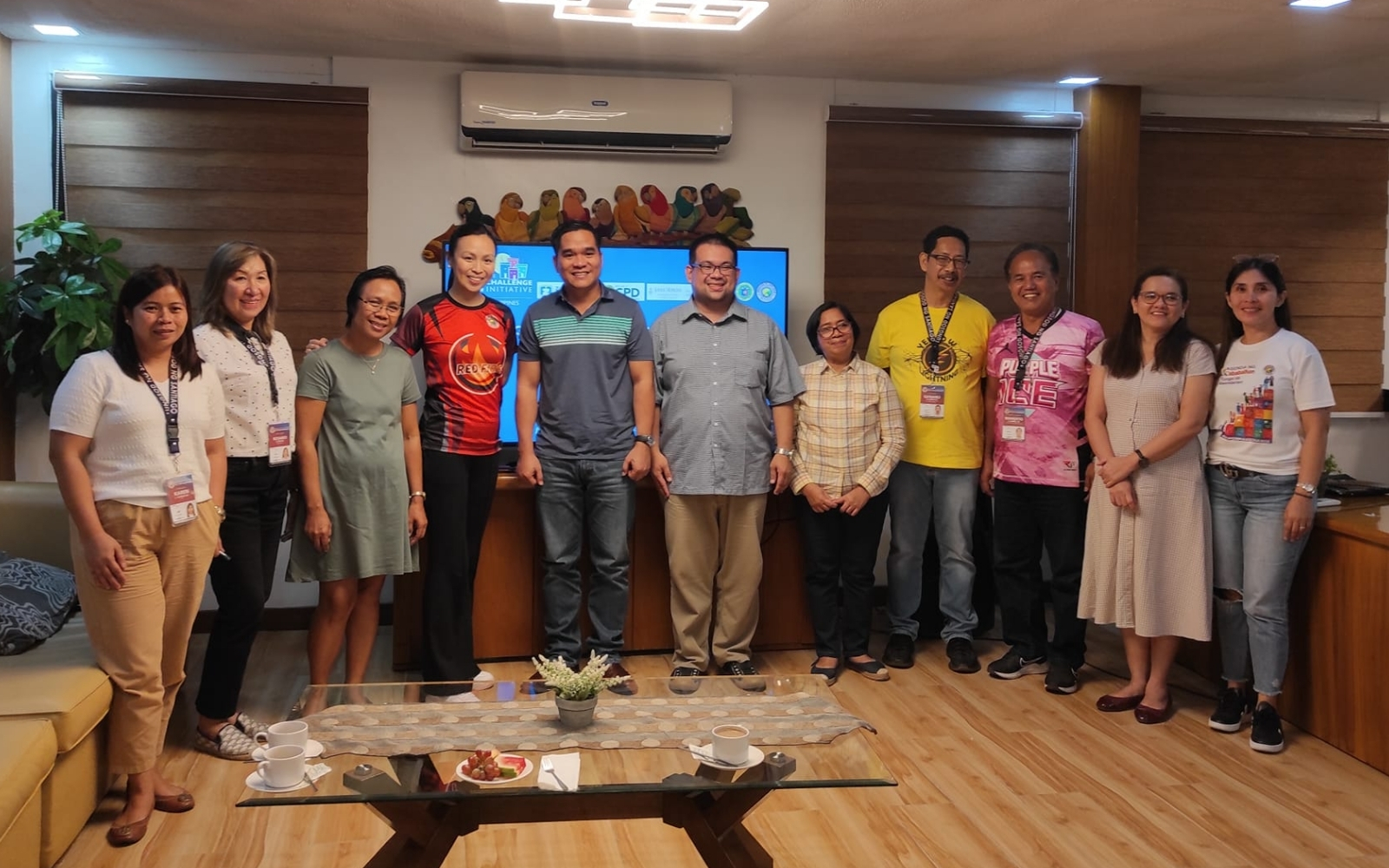
The city knew awareness was just as important as access. It launched a range of youth-centered initiatives including:
- Samahang Teenage Nanay na Dakila (STAND) Project – for adolescent mothers
- Kalalakihang Tapat sa Responsibilidad at Obligasyon sa Pamilya (KATROPA) Program – to involve young men
- Project Developing a Responsive Environment for AYSRH Movement (DREAM)
Outreach strategies included house-to-house campaigns, social media content, and tailored Social and Behavior Change Communication (SBCC) materials to bring the right messages directly to young people and their families.
A Brighter, Healthier Future
Santiago City’s bold moves produced real results:
- Adolescent birth rate dropped from 47 in 2020 to 30 in 2024
- The city’s mCPR stayed strong at 36% in 2024, continuing to exceed the national standard of 30%
- More adolescents are confidently seeking care from health providers and peer facilitators
“KAISAKA namin kayo” (“we are with you”) is the heartbeat of Santiago City’s movement. From teen centers to city ordinances, from peer facilitators to youth awards, every initiative is rooted in a belief that adolescents deserve to be supported, informed, and empowered.
As Gabriel shared, it is about building a future where health-seeking behavior is a way of life, and where every young person has the tools and support they need to thrive. Santiago City’s journey continues—with commitment, compassion, and the confidence that change is not only possible, but is already happening.
Building a Stronger Support System for Las Piñas Youth
Las Piñas City has come a long way from its humble beginnings as a fishing village. Now a bustling urban center in southern Metro Manila, the city’s population reached 628,652 by 2025, according to the Department of Health. Among these, 107,113 adolescents aged 10 to 19—or 17% of the population—represent both a major opportunity and a growing challenge for the city.
Las Piñas has built a strong infrastructure for adolescent health: 30 health centers, all accredited as Level 1 Adolescent Friendly Health Facilities, three Teen Centers, a social hygiene clinic, and a birthing clinic. But behind this network was a serious problem: services for young people were often uncoordinated.
Programs from health, education, and social welfare sectors operated in silos. This meant young people often had to navigate confusing or disconnected services—leaving many without the help they needed.
A Closer Look at the Numbers
City records show the adolescent birth rate (ABR) rose from 16 births per 1,000 among girls aged 15 to 19 in 2021 to 18 in 2022. But what was more alarming was the gap between reported pregnancies and actual deliveries. Dr. Justine Hernandez from the City’s Adolescent Health and Development Program explained, “Many pregnant adolescents, fearing stigma and judgment, sought to give birth outside the city or concealed their pregnancies entirely, often delivering in distant provinces.”
This trend distorted data and revealed that many young mothers did not feel safe or supported locally. The modern contraceptive prevalence rate (mCPR) stood at just 12% in 2022.
Without a system that connects services, the city risked letting more adolescents face health issues, early pregnancy, and long-term social difficulties.
Why the System Was Not Working
Three key gaps held the city back:
- No unifying policy to align different sectors and prioritize adolescent welfare.
- No clear leader or champion for coordinated action.
- No referral system to guide adolescents from one service to another when needed.
These missing pieces led to duplication, confusion, and many young people falling through the cracks.
Related articles:
- Eight Cities Share Success in Family Planning and Adolescent Health
- Cities Lead the Way in Family Planning and Adolescent Health—Webinar Series to Spotlight Local Innovations
A Turning Point: The Challenge Initiative
In 2023, Las Piñas joined The Challenge Initiative (TCI)-Philippines, a global program co-managed by the Zuellig Family Foundation, the Bill and Melinda Gates Institute for Population and Reproductive Health, and Bayer, with technical support from the John Hopkins Bloomberg School of Public Health.
This partnership gave Las Piñas not just funding, but a framework and technical support to fix the system.
Led by Mayor Imelda Aguilar and City Health Officer Dr. Juliana Gonzalez, the city formed a City Leadership Team (CLT). This brought together the City Health Office, Social Welfare Office, Local Youth Development Office, Public Employment Service Office, the Department of Education, the Philippine National Police, and the Sangguniang Kabataan (SK)—all committed to working together for adolescent health.

Creating the Information and Service Delivery Network (ISDN)
To connect fragmented services for adolescents, Las Piñas created the Information and Service Delivery Network (ISDN)—a system that links health, education, social welfare, and security services into one coordinated referral network.
By 2023, the city developed a referral algorithm and began drafting protocols to ensure that adolescents could easily access the right services, regardless of where they first sought help. Frontline workers were trained to screen adolescent concerns and refer cases—such as mental health issues or adolescent pregnancy—quickly and appropriately.
The process started with mapping all adolescent-serving agencies and assessing service gaps. Then, in December 2023, a three-day workshop facilitated by the Commission on Population and Development (CPD) helped align partners and establish shared referral processes and data-sharing agreements.
With a clear system in place, the city empowered frontliners and introduced monitoring tools to track referrals, improve service delivery, and ensure accountability across the network.

Strengthening Coordination and Passing Policies
To further institutionalize the work, Las Piñas aligned ISDN with the Department of Health’s Key Assistance for Developing Adolescents (KADA) Network. In September 2024, a local ordinance officially created the KADA Network, ensuring long-term policy support.
The networks were launched on December 6, 2024, complete with service catalogs, referral guides, directories, and resource maps.
Las Piñas did not stop at planning. The city rolled out activities to make the system effective and responsive:
- Regular Adolescent Case Management Conferences help network members jointly solve difficult cases like cyberbullying and sexual exploitation.
- Enhanced Usapan sessions improved counseling, contributing to a steady rise in mCPR.
- Dedicated Family Planning Implementers were deployed to barangays, reaching more adolescents and families directly.
A Model Worth Replicating
Las Piñas backed its reforms with dedicated budgets, policies, and leadership structures. The referral system is now embedded in how the city works—simplifying workflows and ensuring adolescents can get help wherever they first seek it, whether in school, a clinic, or a barangay hall.
Monitoring is led by the Health Promotion Unit, and the CLT regularly reviews progress and listens to feedback from the youth themselves. “These gains translated into better access,” said Dr. Hernandez, “as more families were able to choose and obtain their preferred contraceptive methods at the right time.”
And the results are starting to show. By 2024, ABR had dropped to 13 per 1,000 births among girls aged 15 to 19. Meanwhile, mCPR rose to 19%.
More than just improving services, the city built a model that centers adolescents, builds community trust, and connects systems. From policy to practice, and planning to grassroots action, Las Piñas has become a leading example of how local governments can transform health systems for the next generation.
Accelerating Family Planning and Adolescent Reproductive Health in Iligan City through Active Leadership
Nestled in Northern Mindanao, Iligan City has long wrestled with challenges in providing effective family planning (FP) and adolescent sexual and reproductive health (ASRH) services. The COVID-19 pandemic amplified these hurdles, leading to a 30% decline in facility-based deliveries and a rise in home births attended by traditional birth attendants or hilots. These shifts strained health workers’ efforts to promote hospital-based care—especially in remote and coastal barangays.
More troubling was the spike in adolescent births. In Iligan City, the adolescent birth rate (ABR) among 15–19-year-olds was 29 per 1,000 live births in 2021. This jumped sharply to 42 per 1,000 in 2022. This steep rise pointed to how lockdowns and limited access to health education and services had disrupted the lives of Iligan’s youth.
Inclusive Leadership Driving Change
In 2023, Mayor Frederick Siao led Iligan City’s official participation in The Challenge Initiative (TCI)—a global partnership co-managed by the Zuellig Family Foundation, the William H. Gates Sr. Institute for Population and Reproductive Health, and Bayer International. The program focuses on supporting local governments to scale up evidence-based and sustainable FP and ASRH solutions.
Mayor Siao championed an inclusive leadership style, formalized through Executive Order No. 28, s. 2023, which created the City Leadership Team (CLT)—a coalition composed of representatives from the City Health Office, Planning, Population, Gender and Development (GAD) Office, Youth Council, Social Services, and national agencies, including the Department of Health (DOH) and the Commission on Population and Development (CPD).
“The collaboration and ownership of the problem and its solution is a key contribution of the TCI program,” said Dr. Glenn Manarpaac, City Health Officer. “Before, our programs were fragmented. Now, we have a strategic, unified approach.”
Data-Driven Solutions for Better Health
Central to Iligan’s transformation is its commitment to accurate and timely data. In March 2024, the City Health Office, TCI, and DOH conducted a three-day reorientation on the Family Planning Field Health Service Information System (FHSIS). This training equipped 44 health centers with updated knowledge on FP data recording and reporting.
“Incorrect data entry leads to inaccurate reporting,” explained Rhona Sumugat, Family Planning Coordinator. “This is our first reorientation in 15 years. We’re now better equipped to deliver quality care.”
With more accurate data, Iligan has been able to provide better services and advocate for greater investments in health infrastructure and training.
Youth-Friendly and Inclusive Services
In partnership with the Local Youth Development Council, Iligan City has scaled up youth-friendly health services. As of 2024, there are nineteen Level 1 Adolescent-Friendly Health Facilities offering services such as mental health counseling, human papillomavirus (HPV) immunization, and family planning for teens.
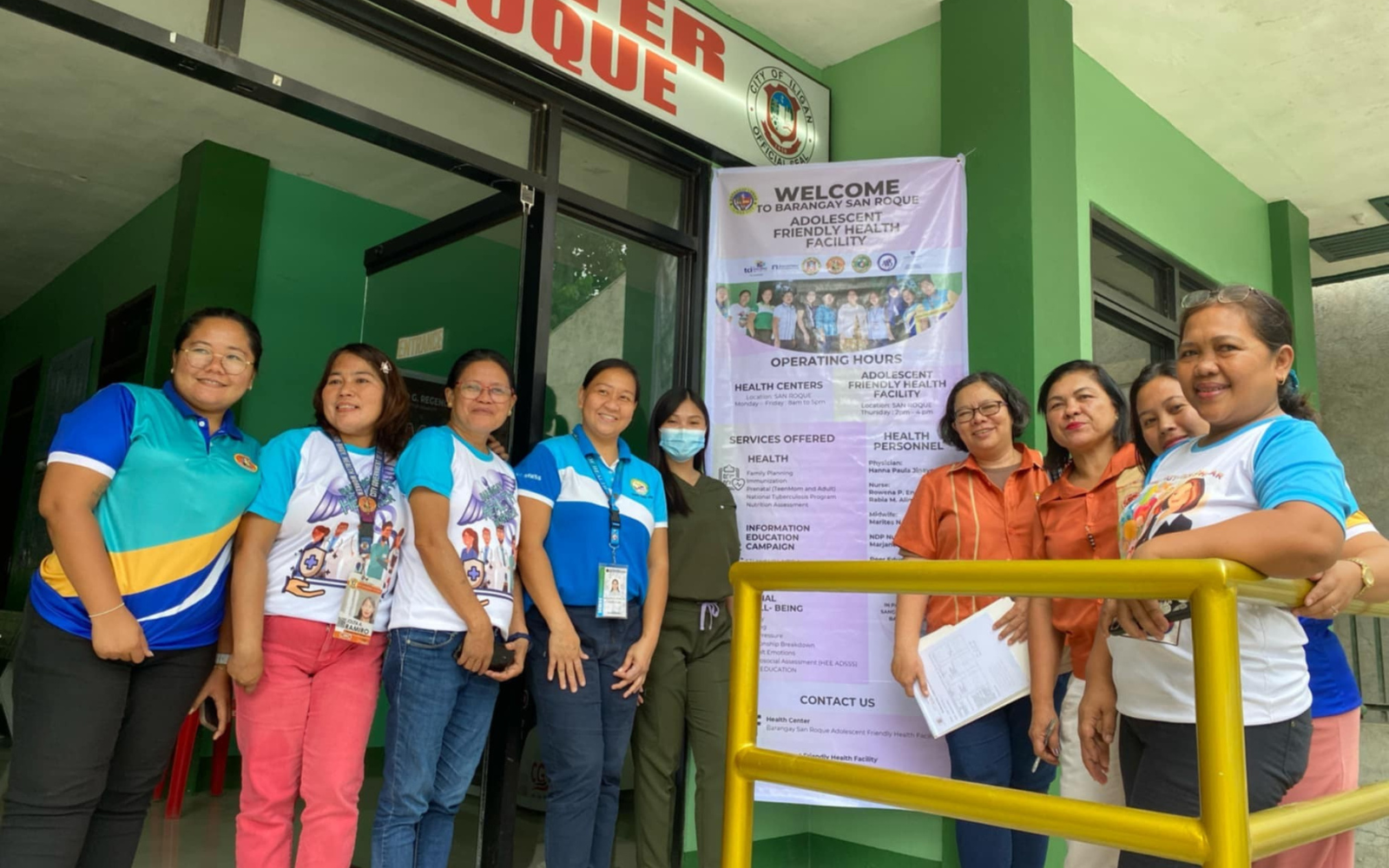
“Young people are more willing to seek help when they feel heard and respected,” said Nora Fe Escorial, Local Youth Development Officer. “We’re making sure they have access to the information and services they need.”
The city institutionalized this commitment with the passage of Resolution No. 25-210, establishing the Iligan City Youth Development Office (ICYDO). The office will lead youth programs and ensure sustained adolescent participation in governance and service planning.
Teenager Maria Santos shared how meaningful this shift has been: “Having our voices heard in these discussions makes me feel empowered. We need services that understand our needs.”
Respecting Culture While Promoting Choice
Recognizing the importance of cultural and religious sensitivities, Iligan City has adopted inclusive strategies to bridge gaps in FP access. Forty-five trained Barangay Population Volunteers (BPVs) now serve as cultural navigators, offering accurate and respectful reproductive health information in underserved areas.
The city has also started peer learning with nearby Cagayan de Oro, exchanging best practices in patient-centered counseling and health service delivery.
A major breakthrough in 2024 was the city’s first-ever dedicated budget for Long-Acting Reversible Contraceptives (LARCs). This move will ensure consistent access to implants and other modern methods, especially for low-income families.
Efforts are guided by GAD principles: disaggregated data, inclusive consultations, services for persons with disabilities, and mobile outreach to marginalized groups.
Sustaining the Gains
Sustainability is embedded in Iligan City’s long-term health strategy. With increased health budgets, the creation of permanent plantilla positions, and plans for two Family Planning Stand-Alone Clinics, the city is ensuring continuity and expansion of essential services.
“Collaboration is the key lesson here,” noted Dr. Manarpaac. “We learned that we can’t do this alone—and we’re committed to sustaining what we’ve started.”
These sustained investments and strategic interventions are already showing promising results. After peaking at 42 adolescent births per 1,000 live births in 2022, the adolescent birth rate (ABR) among 15–19-year-olds declined to 38 in 2023 and dropped further to 25 in 2024.
Empowered by data, united by shared leadership, and driven by the needs of its people, Iligan City is shaping a health system that is inclusive, resilient, and future-ready.