Cebu’s Zero Hunger Agenda: Governor Champions a Whole-of-Government Response to Malnutrition
Cebu’s response to malnutrition commits to go beyond feeding programs and address the conditions that determine whether families can consistently access nutritious food.
During the Zuellig Family Foundation (ZFF)–League of Provinces of the Philippines (LPP) Executive Session with Cebu Governor Pamela Baricuatro under the Nutrition Leadership and Equity Acceleration Program (NutriLEAP), the Governor proposed integrating a Zero Hunger initiative into the province’s Comprehensive Nutrition Action Plan, recognizing that food security and nutrition are deeply interconnected.
Related article:
For Governor Baricuatro, addressing malnutrition means looking beyond nutrition-specific interventions and confronting the broader conditions that shape nutrition outcomes, including poverty, food insecurity, access to health services, and the availability of nutritious food. “Zero Hunger should be integrated in the whole Comprehensive Nutrition Action Plan because food security should be prioritized too—they are interrelated.”
The Executive Session, held at the Executive Conference Room of the Provincial Capitol, brought together provincial health and nutrition officials, the National Nutrition Council (NNC) Region VII, the Department of Health Center for Health Development Region VII, ZFF, and LPP to examine Cebu’s nutrition situation and identify concrete actions for the provincial government.
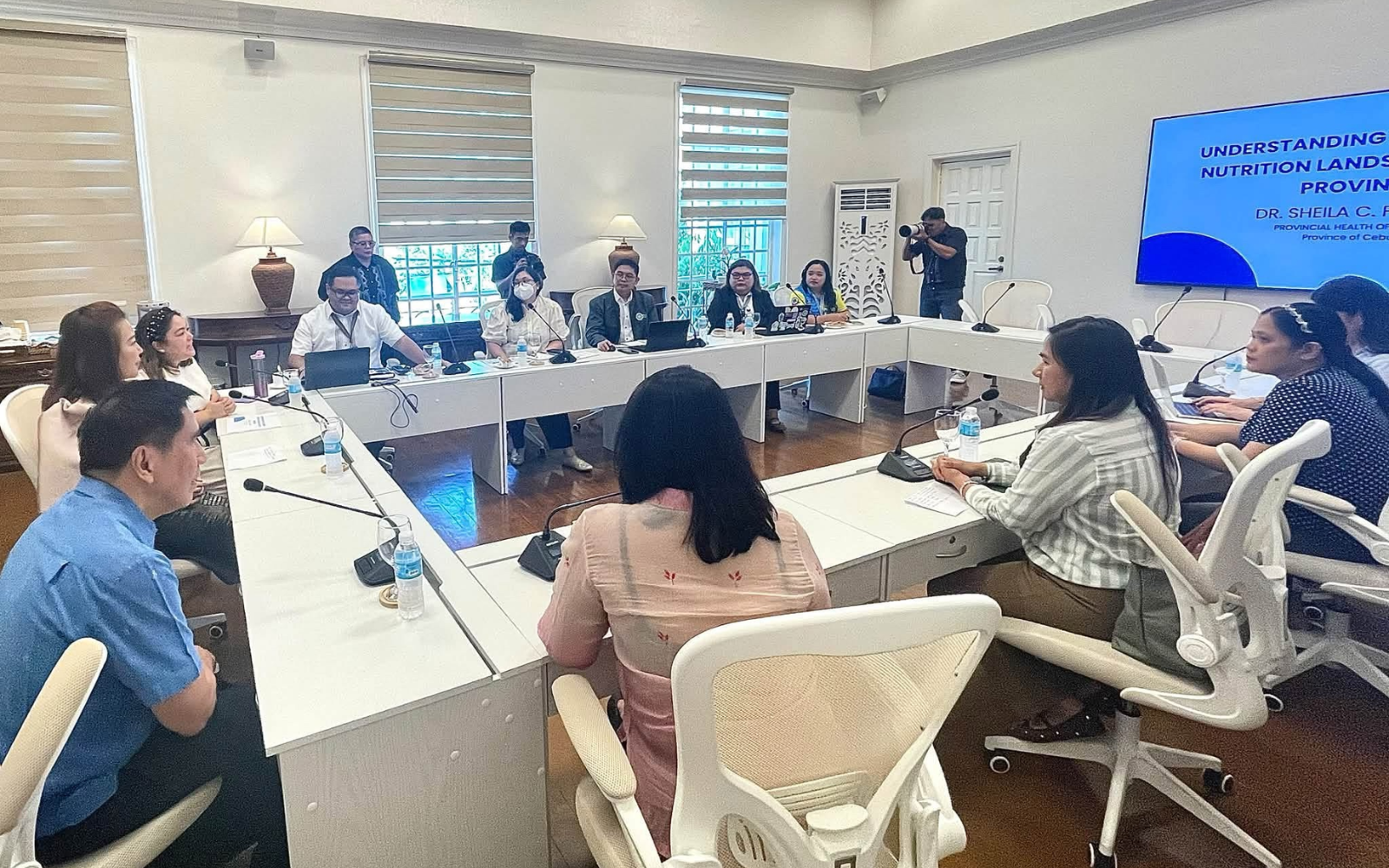 Photo above: Provincial health and nutrition officials, national government agencies, and development partners gather at the Provincial Capitol Executive Conference Room for the ZFF-LPP Executive Session on Cebu’s nutrition situation.
Cebu’s nutrition challenge: beyond the numbers
Dr. Sheila Faciol, Provincial Health Officer II, presented the province’s nutrition situation, highlighting both progress and persistent gaps in financing, human resources, service delivery, and nutrition outcomes.
Cebu’s scale makes the challenge particularly significant. The province is composed of 44 municipalities, six cities, and 1,066 barangays, with a population of more than 3.4 million.
The province has also allocated substantial resources to health, with health programs accounting for around 40.8 percent of the provincial budget. However, nutrition-specific spending has historically faced challenges in utilization. Following previous underspending from the original Php 100 million nutrition allocation, the 2026 budget was adjusted to Php 75 million. At the same time, budget utilization has improved, reaching 65.6 percent as of September 2026.
The discussion underscored, however, that nutrition-specific investments alone cannot solve malnutrition. Nutrition-sensitive interventions, including food security, water and sanitation, social protection, agriculture, education, livelihood, and poverty reduction, must also form part of Cebu’s strategy.
This is particularly important given the province’s continuing burden of child stunting. Recent data show that Cebu continues to account for the country’s highest magnitude of stunting cases. The province recorded 20,659 stunted children, highlighting the scale of the challenge despite recent progress in reducing the number of affected children. The magnitude of the problem, coupled with Cebu’s large and geographically diverse population, reinforces the need for a response that is strategic, targeted, and coordinated across government.
Targeting where the need is greatest
For Governor Baricuatro, the response must begin with identifying where the burden is greatest, and then directing resources and partnerships toward those communities.
Following the presentation, the Governor supported a whole-of-government approach focused initially on the 10 local government units (LGUs) with the highest magnitude of stunting, which together account for nearly half of the province’s total cases. These communities also represent areas where poverty and geographic accessibility remain significant barriers to health and nutrition services. “We identify where they are, and then we will partner with them.”
The approach reflects a shift toward data-informed prioritization, where interventions and resources are concentrated in communities with the greatest burden and the greatest barriers to accessing services.
The Governor also emphasized that malnutrition cannot be viewed simply as a feeding problem. “Poverty incidence is directly related to nutrition outcomes delivery. This is not merely a feeding program.” Her proposed Zero Hunger initiative reinforces this perspective by placing food security alongside nutrition as a central concern of the provincial government.
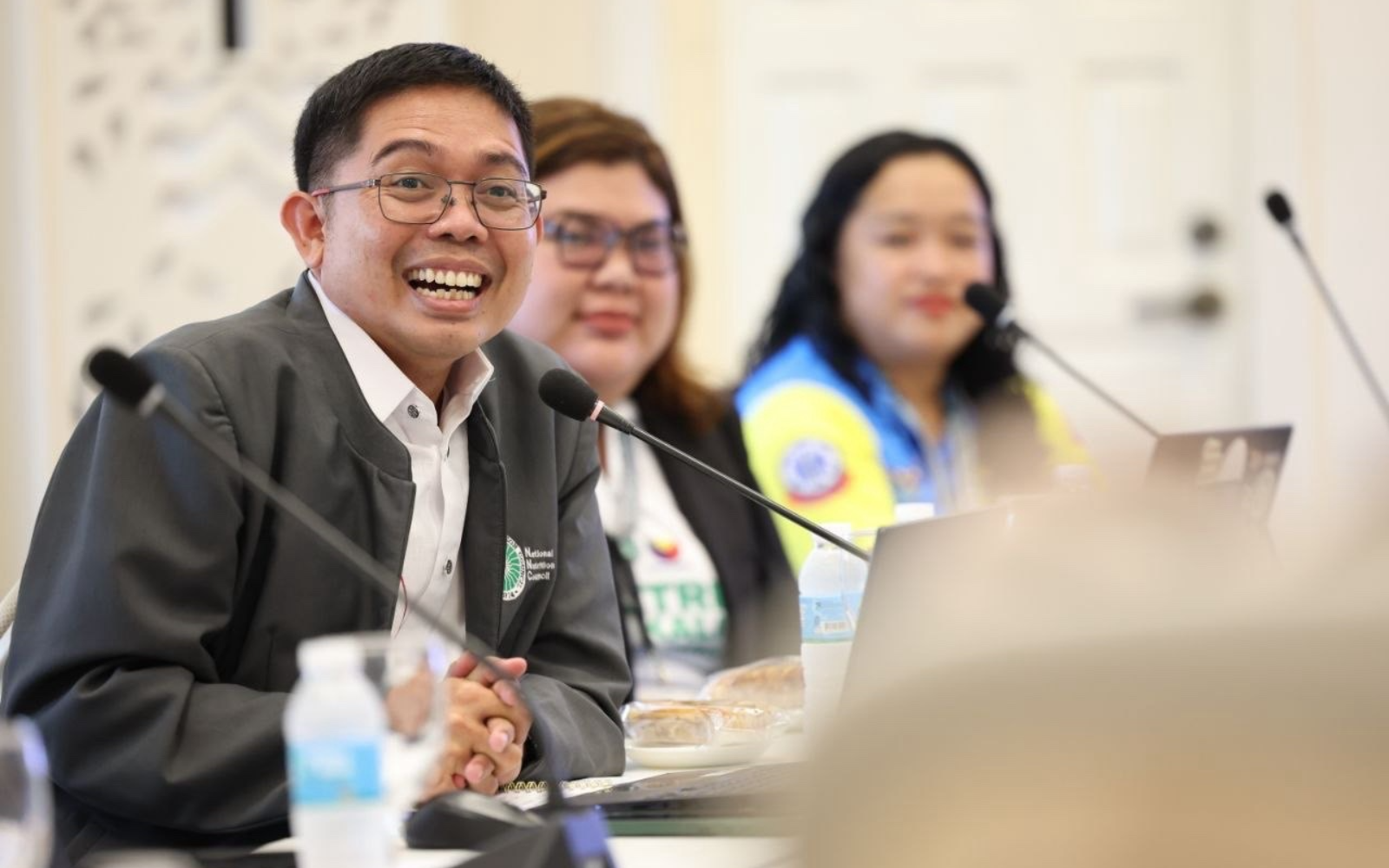 Photo above: Dr. Niño Archie Labordo, Regional Nutrition Program Coordinator, NNC-7
From political commitment to nutrition governance
Dr. Manuel Dayrit, Chairman of ZFF, emphasized that Cebu’s nutrition challenge is multifactorial and therefore requires a multifaceted response. He pointed to four critical areas that must come together: financing, information, human resources, and technical capacity.
The province needs to know where children are being affected, ensure that resources reach those communities, strengthen the workforce, including Barangay Nutrition Workers, and equip local governments with the technical knowledge necessary to respond effectively. He also commended the province’s move toward a 12-month operational plan and stressed the importance of rallying mayors behind the provincial nutrition agenda. “You really have to rally the mayors with you on this advocacy.”
Dr. Joyce Ann Viar, Nutrition Director of ZFF, presented the Foundation’s 8 Critical Knobs of Nutrition Governance as a framework for strengthening the systems that enable local governments to deliver better nutrition outcomes. These include:
- Strong governance structures for health and nutrition;
- Sustained strategic planning and financing for nutrition;
- An adequate and competent health and nutrition workforce;
- Responsive information management systems and community feedback mechanisms; and
- Competent LGU officials and staff in nutrition governance.
These governance mechanisms support interventions such as First 1,000 Days client-centered care, healthier diets at the community and household level, and behavior-centered approaches to food, health, and nutrition.
For Cebu, the challenge is therefore not simply to introduce another nutrition program, but to build the governance conditions that allow nutrition and food-security interventions to reach families consistently and at scale.
 Photo above: ZFF Chairman Dr. Manuel Dayrit
Bringing nutrition to the grassroots
Governor Baricuatro expressed her commitment to strengthening collaboration among the provincial government, LGUs, national government agencies, and development and private-sector partners. “That is why we are here, and we want to focus on serving whatever programs we have at the national, and private sector—making sure that we can reach the grassroots, right away.”
The session also surfaced opportunities to bring nutrition interventions closer to households. Among these is the potential establishment of community kitchens at the barangay level, particularly in areas where households face difficulties accessing nutritious food. Rather than functioning solely as feeding sites, the proposed community kitchens could become community-based spaces where families can access and learn to prepare healthy, nutritious, and affordable food. ZFF will explore potential private-sector partnerships, including through its existing engagements with the Jollibee Foundation and the League of Corporate Foundations, to help advance this initiative.
The discussion also highlighted opportunities to strengthen nutrition interventions among adolescents and young mothers, including schools and youth caravans targeting nutritionally at-risk pregnant women and addressing concerns around teenage pregnancies. Emerging concerns around vaccine hesitancy and community trust were likewise recognized as issues requiring stronger engagement at the local level.
Strengthening the provincial nutrition workforce
The Governor also recognized that stronger nutrition outcomes will require a stronger local workforce. As part of the province’s commitment, Governor Baricuatro expressed support for hiring a nutritionist-dietitian within the provincial government who can be deployed to municipalities and cities. The proposed investment responds to identified gaps in human resources, including medical doctors, Municipal Nutrition Action Officers, and barangay health and nutrition workers. Strengthening this workforce will be essential in ensuring that provincial plans translate into sustained action within communities.
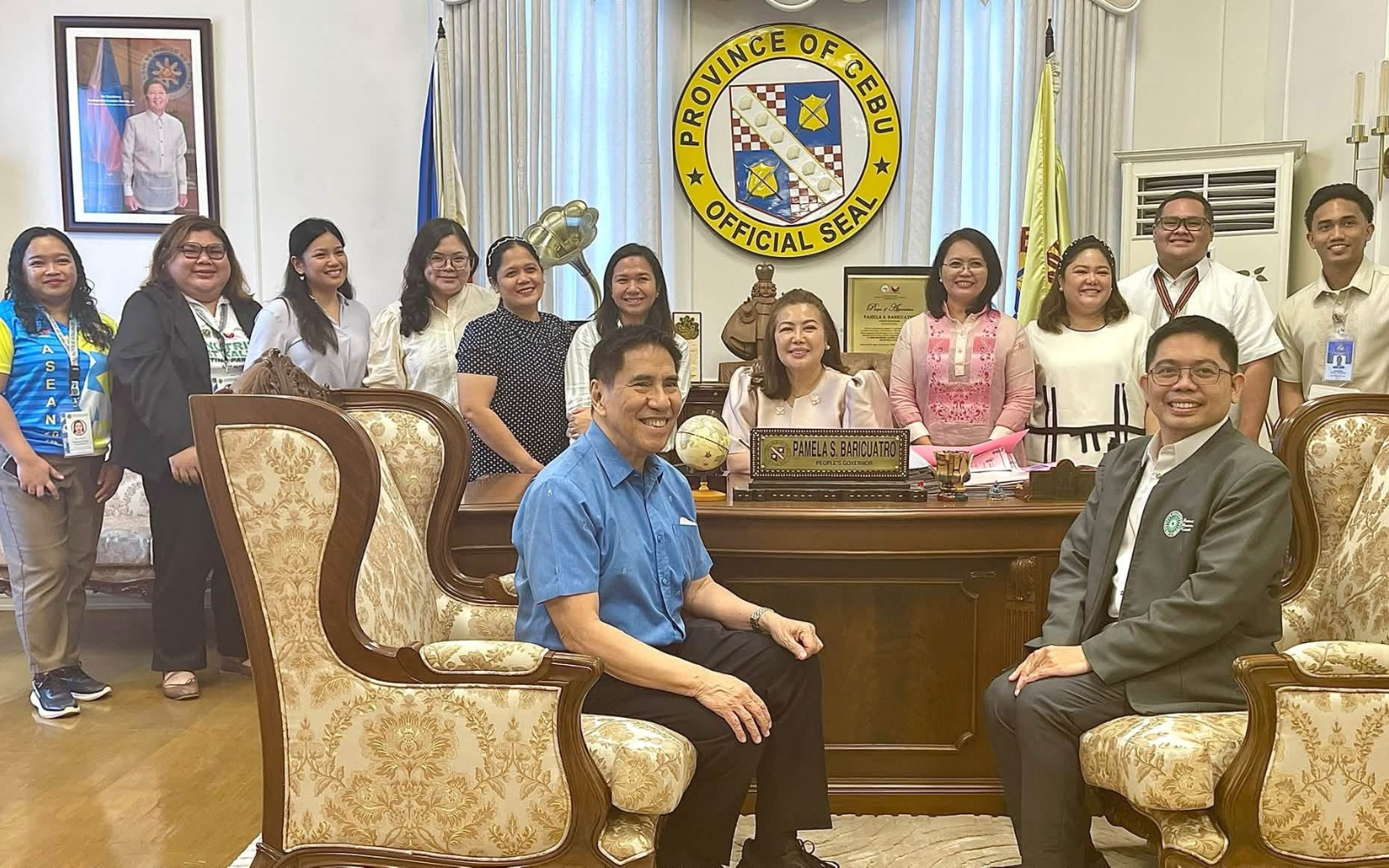 Photo above: Governor Pamela Baricuatro joins ZFF, LPP, NNC-7, and provincial officials in a show of shared commitment to Cebu’s Zero Hunger agenda.
Institutionalizing the provincial response
The Executive Session also highlighted the importance of institutionalizing nutrition governance within the provincial government. Among the proposed next steps is the strengthening of the Provincial Nutrition Council, supported by a provincial ordinance and executive order that will establish the technical working group and identify focal persons across sectors to take action on malnutrition.
The experience of Sarangani, which has undergone eight years of strengthening nutrition governance through leadership, organizational structures, policy environment, resource capacity, and political commitment, also provided a reference point for Cebu.
For Governor Baricuatro, this institutionalization is critical because nutrition often competes with other priorities at the local level. The challenge, therefore, is to make nutrition and food security a sustained political and development priority, not simply an activity implemented when resources or programs become available.
A shared commitment for Cebu
The Executive Session underscored a shared understanding: Cebu’s nutrition challenge cannot be solved by one office, one program, or one sector. The province has an opportunity to build on recent progress while directing greater attention to the communities where the burden remains highest.
Governor Baricuatro’s proposal to integrate Zero Hunger into Cebu’s Comprehensive Nutrition Action Plan provides a broader platform for bringing together food security, nutrition, health, poverty reduction, and local governance. The next challenge is to translate this commitment into action: identify where the need is greatest, bring the right partners together, strengthen local capacity, and ensure that resources reach the grassroots.
For Cebu, the ambition is not simply to reduce the number of children affected by malnutrition. It is to address the conditions that produce malnutrition in the first place, and build a provincial system capable of sustaining that response. At the heart of this effort is a clear direction from the Governor: Zero Hunger must become part of Cebu’s collective response to malnutrition, because ensuring that families have access to nutritious food is inseparable from ensuring that children have the opportunity to grow, learn, and thrive.
Photos from: Provincial Government of Cebu
Author: Samantha Morales, ZFF Nutrition Knowledge Management and Communications Associate
What Happens When a City Owns the Solution: Health Systems Strengthening and Governance in Mandaue City
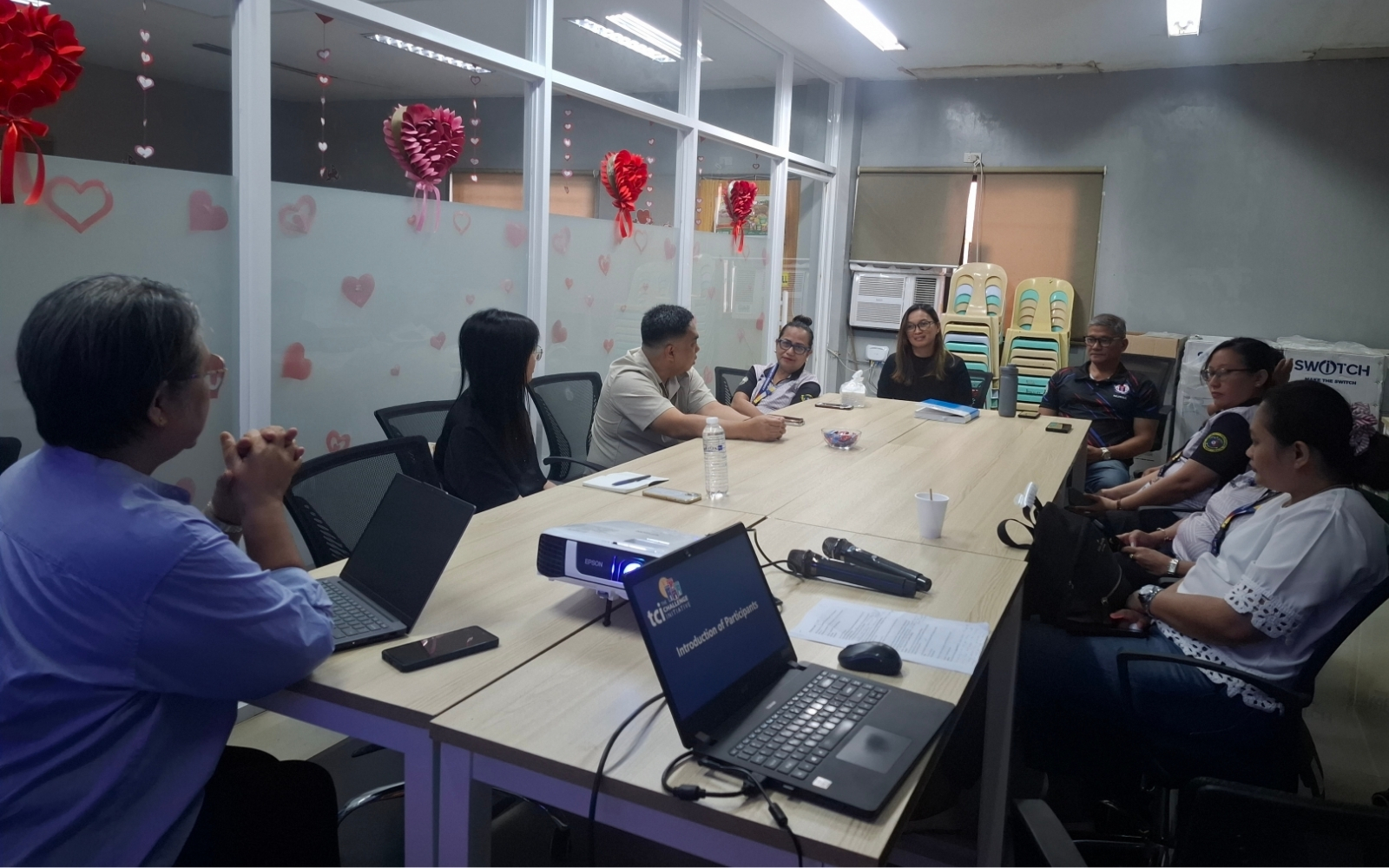
A recent learning visit to Mandaue City provided an opportunity to showcase how local governments can strengthen health systems to improve outcomes for women, adolescents, and families. Originally envisioned as a site visit focused on maternal and child health, the discussions quickly expanded into a broader conversation on governance, leadership, financing, service delivery, and sustainability.
The visit included discussions with the City Health Office and members of the city core group, followed by a field visit to Barangay Cabancalan. Together, these engagements offered a practical demonstration of how local governments can move beyond implementing isolated health activities and instead build systems that enable sustained improvements in health outcomes.
Related articles:
- Mandaue City’s Path Toward Sustainable Family Planning and Adolescent Health
- Mandaue City Redefines Reproductive Care through Women’s Health Caravan
One theme emerged consistently throughout the discussions: transformation begins when local governments own both the problem and the solution.
City officials reflected on how their partnership with the Zuellig Family Foundation through The Challenge Initiative (TCI)-Philippines differed from traditional development assistance. Rather than introducing a predefined package of interventions, the approach focused on helping the city understand its own challenges, strengthen local capacities, and design solutions that fit its unique context. Family planning (FP) and adolescent and youth sexual reproductive health (AYSRH) served as entry points, but the broader objective was strengthening the systems that support health service delivery.
Among the most significant changes cited by city leaders was the establishment of the City Leadership Team. By bringing together representatives from health, education, social welfare, youth development, and barangay governments, the city created a platform for collective problem solving and shared accountability. Health challenges that were once viewed as the responsibility of a single office became shared concerns across sectors.
The city also highlighted the value of leadership development in enabling systems change. Stakeholders described how leadership approaches centered on stakeholder engagement, root cause analysis, and collaborative action helped build confidence in addressing complex and often sensitive issues such as FP and AYSRH.
Another recurring theme was accessibility.
The Women’s Health Caravan demonstrated how health services can be brought closer to communities rather than expecting clients to navigate barriers related to transportation cost, convenience, and stigma. What began as a family planning initiative has evolved into a more comprehensive platform delivering maternal health, AYSRH, human immunodeficiency virus and other sexually transmitted infection services, mental health support, and cancer screening. The model reflects an understanding that community needs rarely fit neatly into a single program area.
The discussions also highlighted how systems strengthening can directly improve access to services. Prior to the city’s engagement with TCI, FP services requiring specialized providers were available only at limited times and locations. Through provider training, services are now available much closer to where women live, reducing missed opportunities and improving access across communities.
The field visit to Barangay Cabancalan brought these concepts to life.
Conversations with barangay leaders and frontline providers underscored the importance of local ownership in sustaining health programs. Barangay officials described their active role in identifying community needs, mobilizing residents, supporting outreach activities, and allocating local resources. The visit demonstrated how city level policies and investments are translated into community level action through strong partnerships between local governments and frontline implementers.
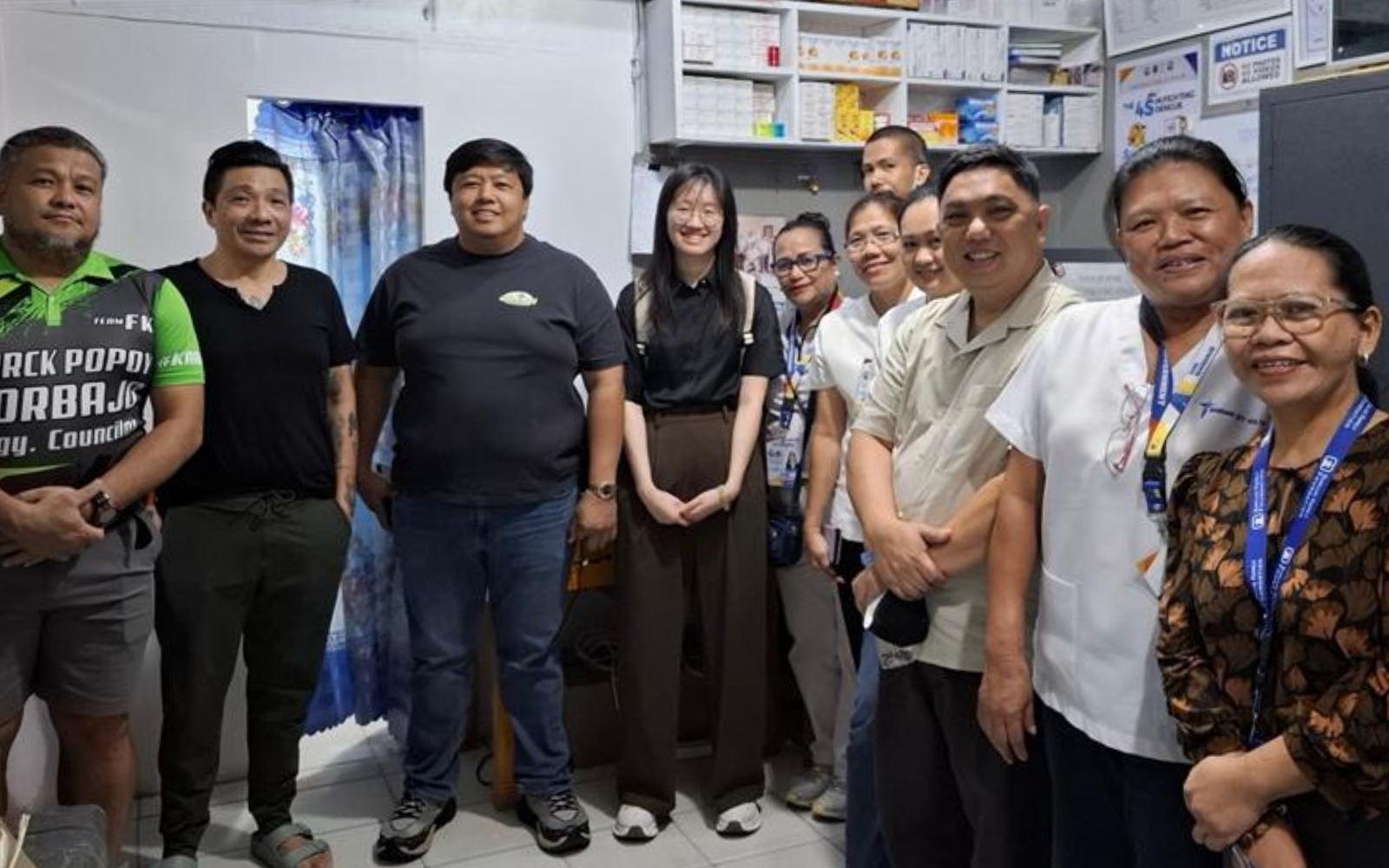
The debriefing discussion reinforced the value of governance and systems strengthening approaches. While investments in leadership, governance, planning systems, and financing mechanisms may appear less tangible than direct service delivery, they often have greater long term impact because they influence how decisions are made, how resources are allocated, and how programs are sustained.
Particular interest was expressed in understanding the relationship between city governments and barangays, especially in areas such as planning, budgeting, and shared accountability. These discussions highlighted the importance of cultivating ownership at multiple levels of the local health system.
The conversation also explored how lessons from successful cities can be adapted and replicated elsewhere. Knowledge products such as implementation playbooks and city case stories generated interest because they provide practical guidance for other local governments seeking to strengthen health systems and improve outcomes in their own settings.
An important reflection from the visit was the natural alignment between maternal and child health and broader human development objectives. While sectors and organizations may use different language and frameworks, many are ultimately working toward the same goal: improving the well-being of children, families, and communities.
The visit reinforced a lesson that has consistently emerged across TCI cities. Sustainable improvements in health outcomes are rarely the result of a single project or intervention. They are achieved when local governments strengthen leadership, governance, financing, service delivery systems, and community ownership in ways that endure beyond external support.
Mandaue City provided a compelling example of how this approach can work in practice. More importantly, it demonstrated that when systems are strengthened, the benefits extend far beyond any single health program and create conditions for lasting impact across the broader health and development agenda.
Author: Dr. Anthony Faraon, ZFF TCI-Philippines Chief of Party
Building Momentum for Better Nutrition Governance in Cebu
ZFF with representatives from the Cebu Provincial Health Office
On June 2, 2026, the Zuellig Family Foundation (ZFF) and the League of Provinces of the Philippines (LPP) met with the Cebu Provincial Health Office and nutrition focal persons at the Provincial Capitol in Cebu City to introduce the Nutrition Leadership and Equity Acceleration Program (NutriLEAP) designed to transform how local governments tackle undernutrition.
This gathering followed a discussion during the LPP General Assembly in Manila, where Cebu Governor Pamela Baricuatro, LPP President Reynaldo “Jun” Tamayo Jr. (South Cotabato Governor), and ZFF Nutrition Director Dr. Joyce Ann Viar explored ways to strengthen health and nutrition governance across the province. That shared commitment has now sparked concrete conversations on how NutriLEAP and ZFF’s other nutrition programs under Pook Malusog can directly support Cebu’s most urgent nutrition priorities.
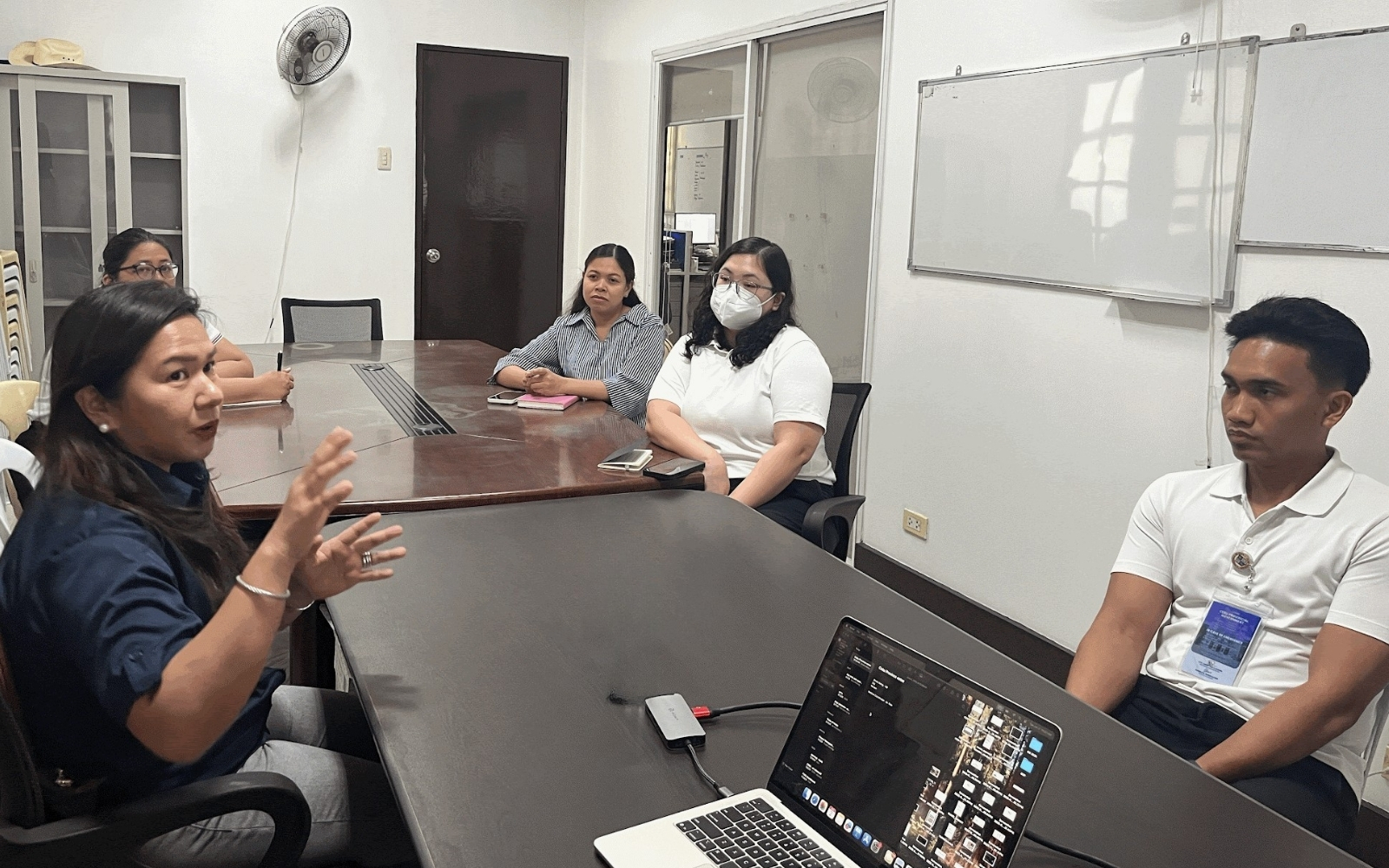
The discussion zeroed in on four key drivers: local leadership, good governance, data-driven decision-making, and community-centered interventions. Provincial stakeholders warmly welcomed the approach, pledging to assess local needs and explore next steps for collaboration.
As one of the country’s priority provinces for nutrition improvement, Cebu is perfectly positioned to show the nation what is possible. With strong leadership and evidence-informed planning, better nutrition outcomes for children and families are within reach. Through NutriLEAP and Pook Malusog, Cebu is building a healthier, more resilient future for every Cebuano.
Author: Samantha Morales, ZFF Nutrition Knowledge Management and Communications Associate
DOH-Central Visayas, Zuellig Family Foundation Sign Partnership for Health Leadership and Governance
The Department of Health (DOH)-Central Visayas and the Zuellig Family Foundation (ZFF) signed a Memorandum of Understanding on April 20, 2026, formalizing a strategic partnership to strengthen health leadership and governance capacities of local government leaders across the region.
DOH-Central Visayas Regional Director Dr. Joshua Brillantes and ZFF President and Executive Director Austere Panadero led the signing ceremony in Cebu City.
The agreement paves the way for implementing ZFF’s Bayang Malusog Leadership and Governance Program (BMLGP) in Central Visayas. The program includes the Provincial Leadership Development Program (PLDP) for provincial health teams consisting of executive sessions for governors, and technical assistance, coaching and mentoring on local health systems governance.
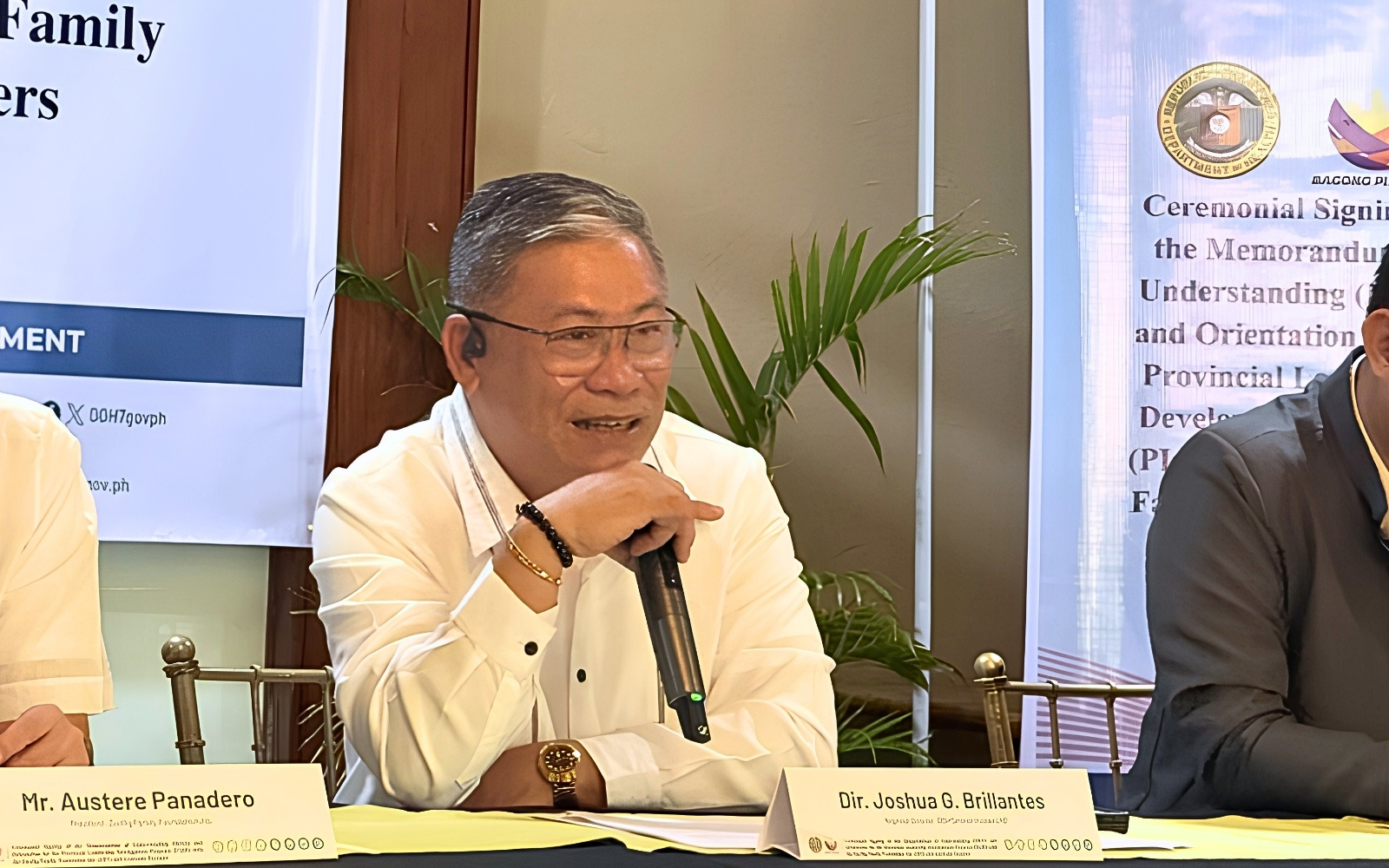
Brillantes noted that devolution makes the program essential. The 2018 Supreme Court ruling on devolution (the Mandanas case) and the subsequent signing of Executive Order 138 in 2021 give local government units (LGUs) a bigger share of national taxes. This means provinces, cities, and municipalities now have more money and more responsibility for basic services, including health. Brillantes said, “With devolution, [the program] really is needed by our local chief executives because there’s no direct command from DOH anymore, especially with health programs. [Local health systems governance] is now under the LGUs.”
The partnership also formalizes the inclusion of Central Visayas provinces into ZFF’s Bayang Malusog Community of Practice, a structured learning venue for regional and provincial stakeholders to share implementation strategies, challenges, and innovations on Universal Health Care (UHC).
In his message of support, Panadero acknowledged the ongoing challenges of UHC Law implementation: “The reality is that it’s not that easy. It is always a continuing challenge to get our LGUs to carry out everything that is being provided by law. Timing is very crucial here.”
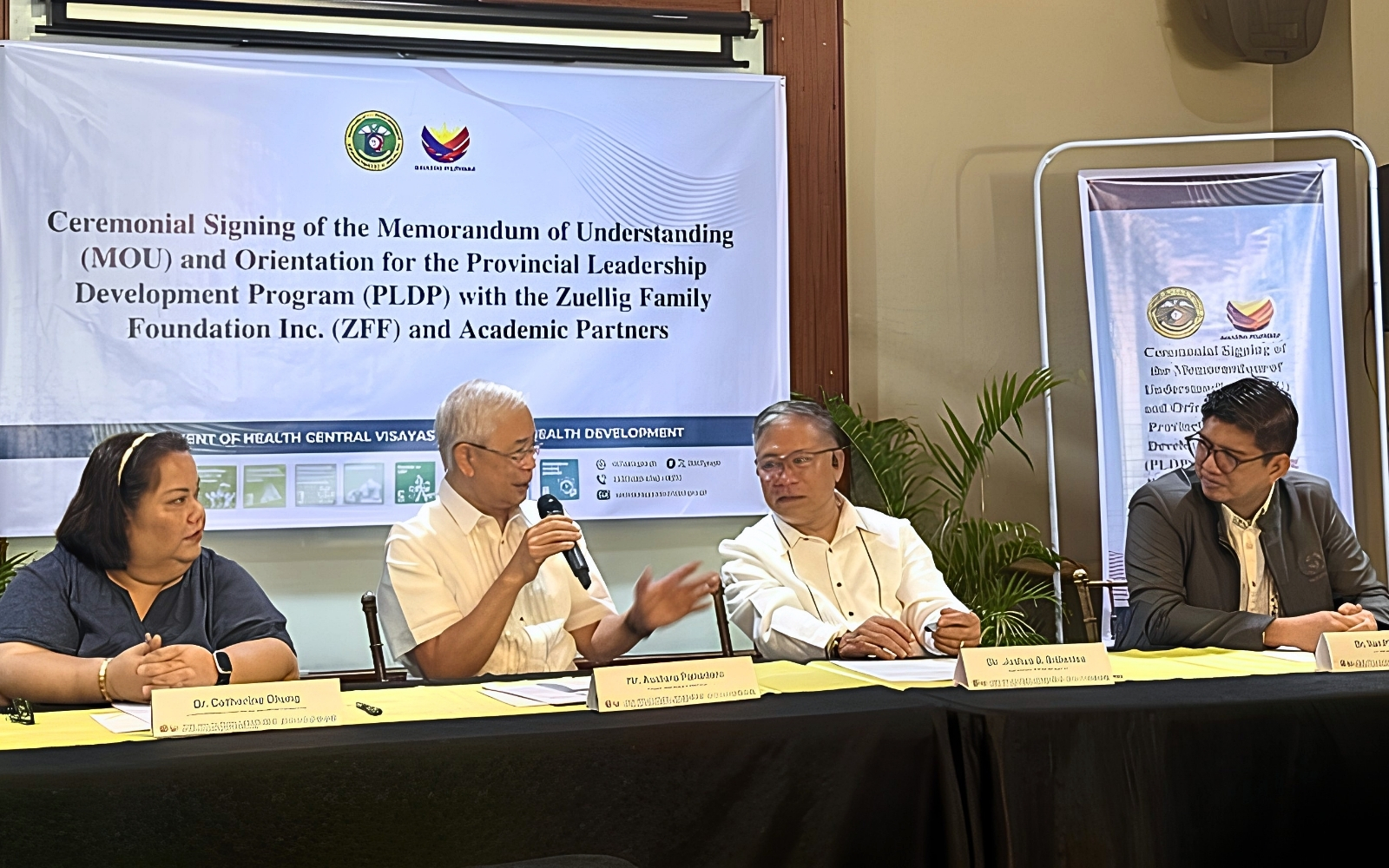
Panadero committed the Foundation’s continued support. “We are definitely on board, interested, and committed to work with you on this. With your leadership, we will all be able to put together something that we can all say contributed to the progressive realization of UHC. You cannot put everything in one place overnight.”
DOH-Central Visayas Local Health Support Division Chief Dr. Jonathan Neil Erasmo added, “[LGUs] are the last to know but the first to implement. We hope that with this initiative, we may be able to give them a fighting space so that they can implement programs guided by all of us, government and non-government, so that all our people and stakeholders will reap the benefits of UHC.”
The partnership aims to enable provincial health systems to become more responsive to province-wide health needs, deepen health leadership competencies, and establish integration mechanisms for priority health challenges.
The program will cover the provinces of Cebu and Bohol. Academic partners from the University of the Philippines Cebu and Cebu Normal University will provide technical assistance.
Grassroots Champions: Barangay Health Workers Lead the Way to Reduce Adolescent Pregnancy in Lapu-Lapu
Lapu-Lapu City in Central Visayas faced a rising adolescent birth rate (ABR), increasing from 14 births per 1,000 adolescents in 2020 to 23 in 2023. At the same time, modern contraceptive prevalence rate (mCPR) dropped from 31% to 21%. Local health officials saw that, while women continued to seek services, many still relied on short-acting family planning methods. Uptake of long-acting options was growing but needed stronger community support.
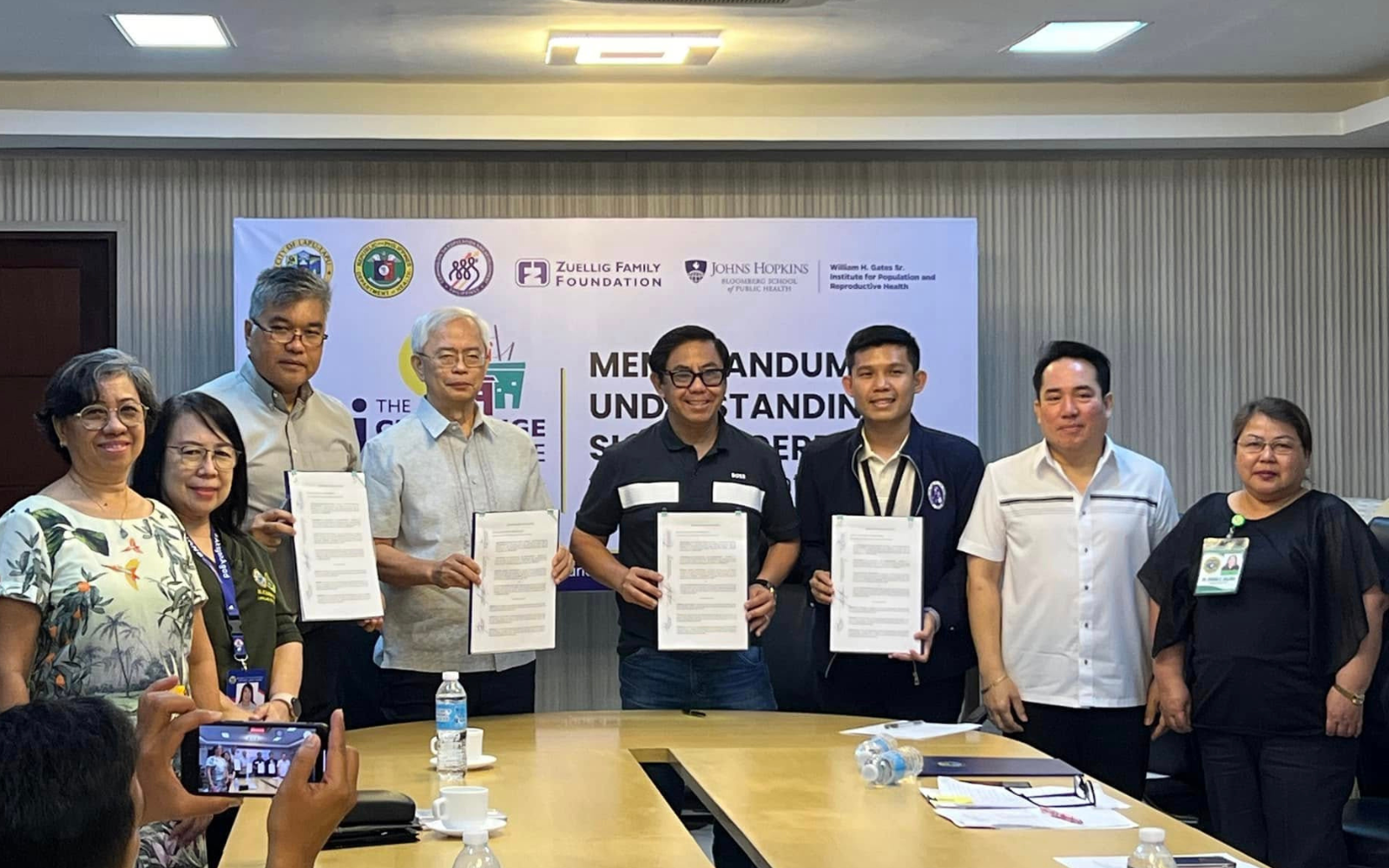
To respond to the alarming numbers, the city partnered with The Challenge Initiative (TCI), a global program implemented in the Philippines by the Zuellig Family Foundation that helps local governments scale proven family planning and adolescent and youth sexual and reproductive health (AYSRH) solutions.
Related articles:
- Nine Cities Recognized as Global Self-Reliant Cities in Reproductive Health
- Lapu-Lapu City’s Path to Strengthening Family Planning and Adolescent Health
The city formed the Lapu-Lapu City Leadership Team to unite health, education, youth, and social welfare sectors. Barangay nurses and midwives then began integrating meaningful conversations into routine services. They learned that many adolescents lacked parental guidance and reliable reproductive health information, while many adult women feared modern methods because of misconceptions. These issues showed that rising adolescent pregnancies and declining contraceptive use stemmed from the same need: trusted, judgment-free health information within the community.
Lapu-Lapu City placed communities at the center of its strategy. Awareness efforts shifted the conversation from contraceptives alone to responsible parenthood.
Barangay Health Workers (BHWs)—trusted members of each neighborhood—played a central role. Through house-to-house visits, they profiled households, explained family planning options, and corrected myths using simple materials. BHW Coordinator Jovy Alonzo emphasized that all BHWs are trained in adolescent health and development and uphold confidentiality and nonjudgmental support. Their strong performance earned Lapu-Lapu’s BHWs the Performance-Based Incentive (PBI) Award for two consecutive years, making them PBI Champions in Central Visayas. As Nurse Grace Mary Chan-Carunggay shared, “This recognition is a testament to their exceptional service and dedication.”
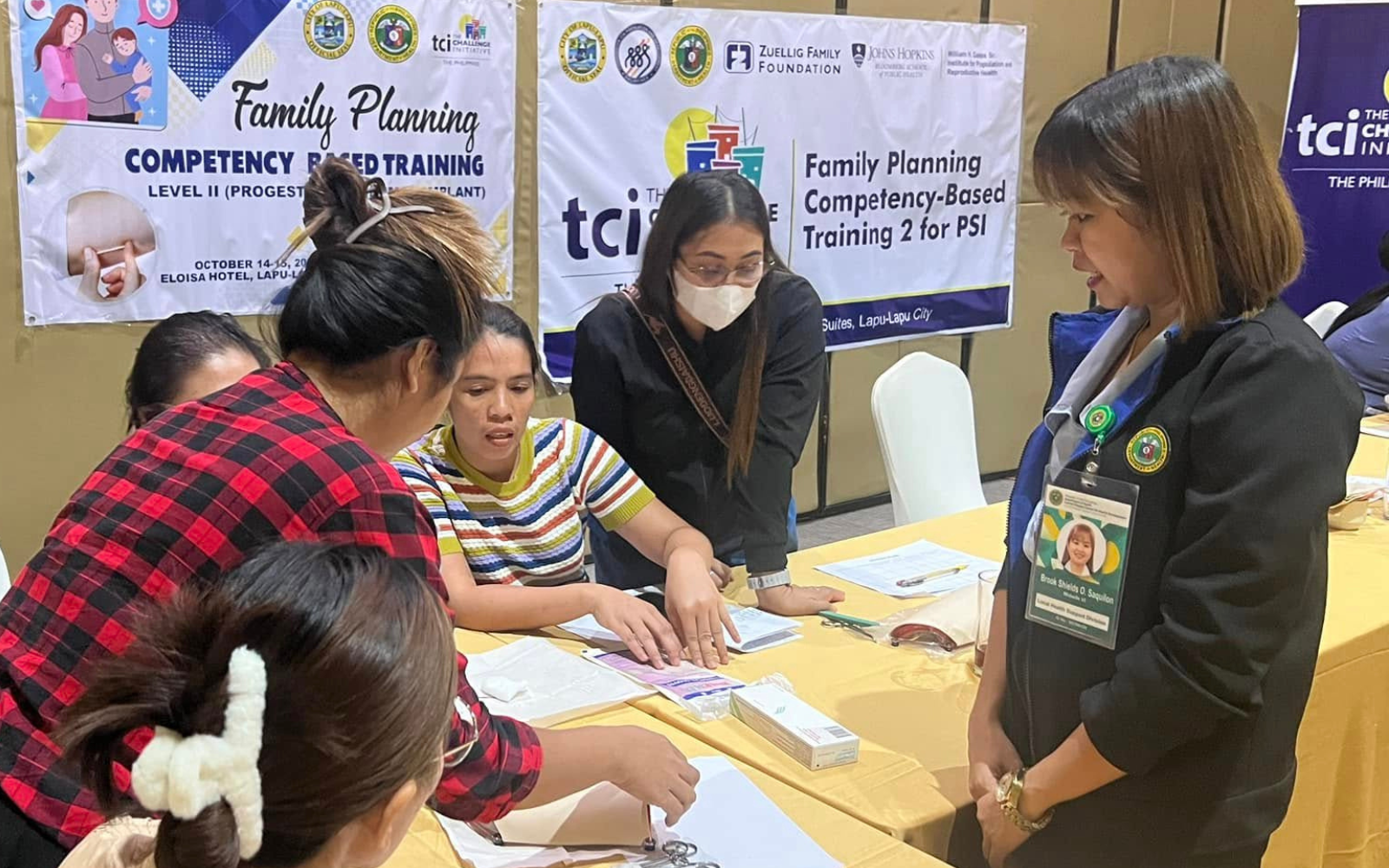
The city also strengthened its service delivery system by training more providers through Family Planning Competency-Based Training (FPCBT), especially in barangays with limited access. This allowed more health centers to offer long-acting reversible contraceptives (LARC), including the Progestin Subdermal Implant. City leaders supported these improvements by funding BHW incentives and training, conducting regular barangay visits, and ensuring data quality for planning. According to City Health Officer Dr. Agnes Cecilia Realiza, “Adolescent parents are now coming to our health centers. They no longer feel stigmatized, and they seek prenatal care, ensuring the safety of both mother and child during delivery.”
In 2024, the city recorded only one additional adolescent pregnancy case, showing early signs of progress. The drop in mCPR was largely due to data cleaning, which corrected the number of women counted in the program. Lapu-Lapu is also adjusting to the shift in national indicators—from mCPR to “demand satisfied”, or the share of women with a need for family planning who use modern methods. The City Health Office continues to improve staff capacity for accurate data use and coaching.
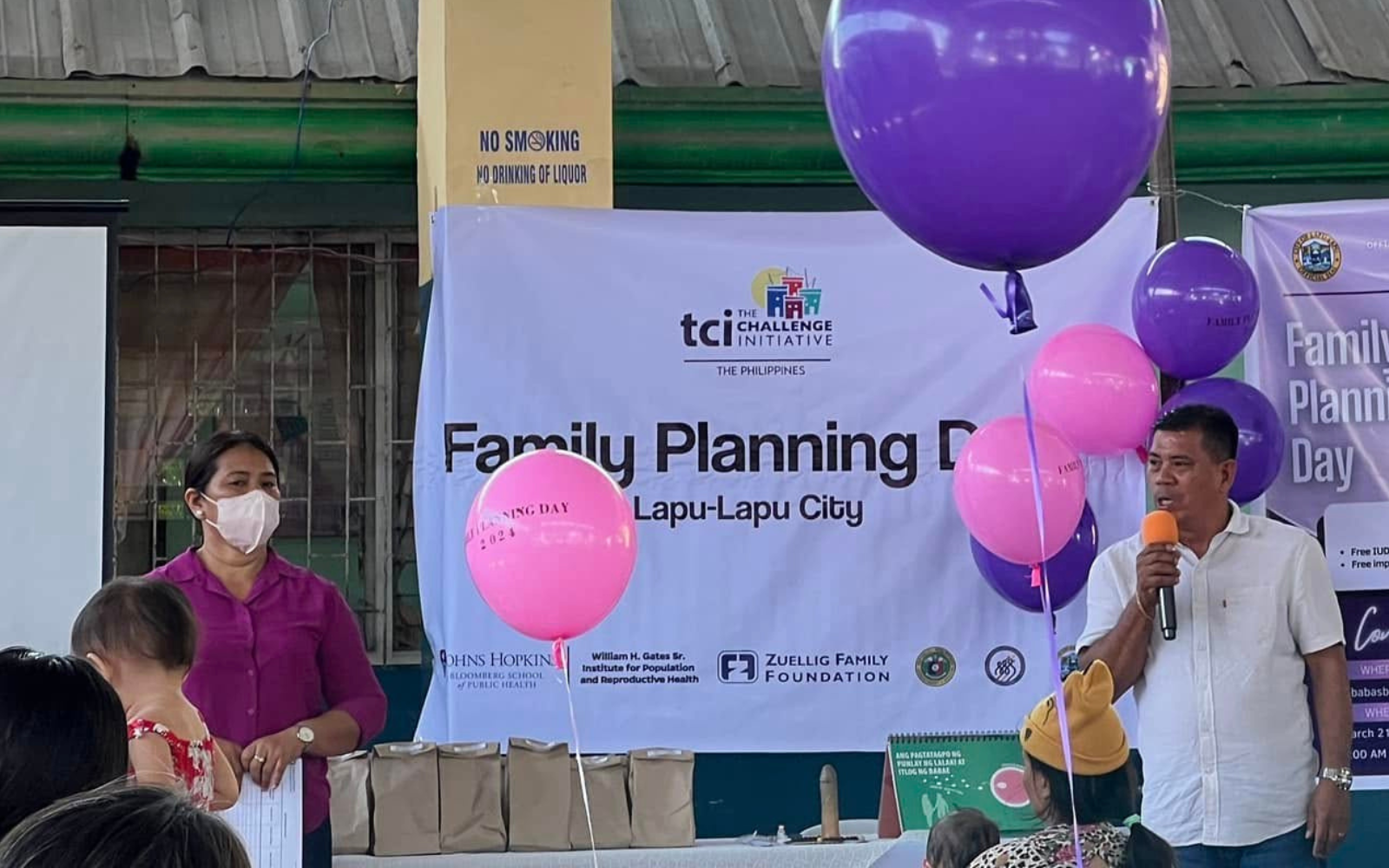
Lapu-Lapu’s experience shows the power of community-centered, data-driven leadership. By investing in AYSRH and allocating dedicated budgets, the city has strengthened the work of BHWs and sustained community engagement. With a 22% increase in AYSRH budget commitments, based on TCI-Philippines monitoring, Lapu-Lapu demonstrates that empowering frontline workers creates lasting impact—helping young people make informed choices for their health and future.
Lapu-Lapu City’s Path to Strengthening Family Planning and Adolescent Health
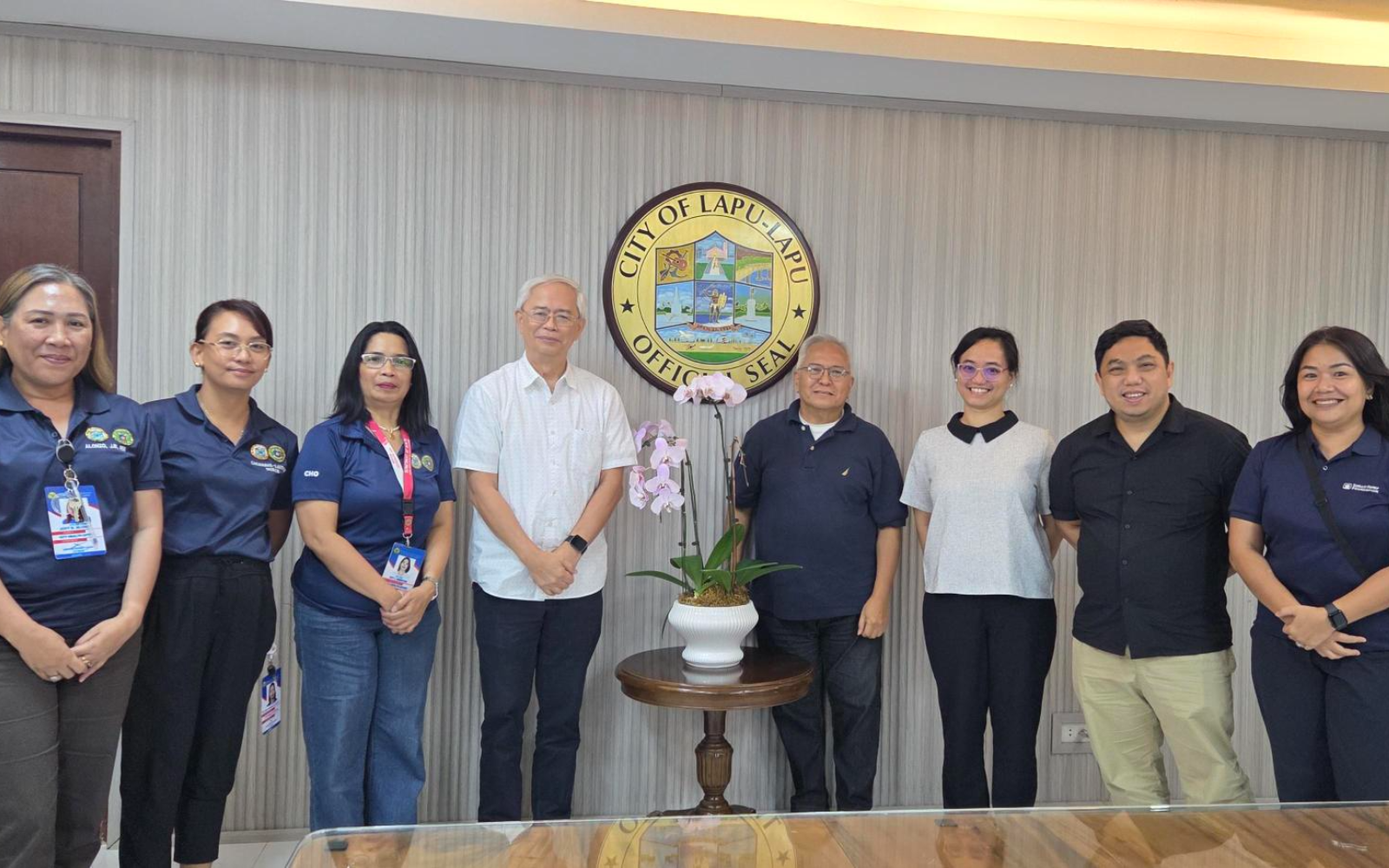
On September 18, 2025, the Zuellig Family Foundation, through its The Challenge Initiative (TCI)-Philippines team, met with the Lapu-Lapu City government to discuss family planning and adolescent health. Joining the meeting were City Administrator Atty. Almendras and the City Health Office team, led by nurses Ivy Amistad, Jovy Alonzo, and Leizel Lagtapon. The conversation served as a chance to reflect on the city’s progress, identify ongoing challenges, and consider ways to strengthen impact and sustainability.
Recovery and Resilience after COVID-19
Like many local government units, Lapu-Lapu City experienced major disruptions in reproductive health services during the COVID-19 pandemic. Health workers were diverted to pandemic response, service delivery slowed, and demand for family planning dropped. Now, the City is steadily regaining momentum. With health staff back on the ground, there has been recovery in the uptake of short-acting methods such as pills, injectables, and condoms. Encouragingly, long-acting and permanent methods (LAPMs) like implants, intrauterine devices (IUDs), and sterilization are also increasing in demand.
One area where Lapu-Lapu has exceeded expectations is in postpartum family planning (PPFP). Through sustained training and outreach activities, the city has exceeded its TCI commitment of ensuring that targeted providers are trained on PPFP–demonstrating that with political will and operational focus, service delivery can quickly regain strength.
Related article:
Addressing the Data Gap
Reliable data is critical for decision-making, yet the city continues to face difficulties in capturing a complete picture of family planning performance. Public facilities generally provide regular reports, though private birthing centers and hospitals show variable compliance rates. An ordinance requires reporting, but enforcement is limited without established legal penalties. The City Health Office is considering connecting compliance requirements to business permit processes and incorporating maternal death review procedures as accountability measures.
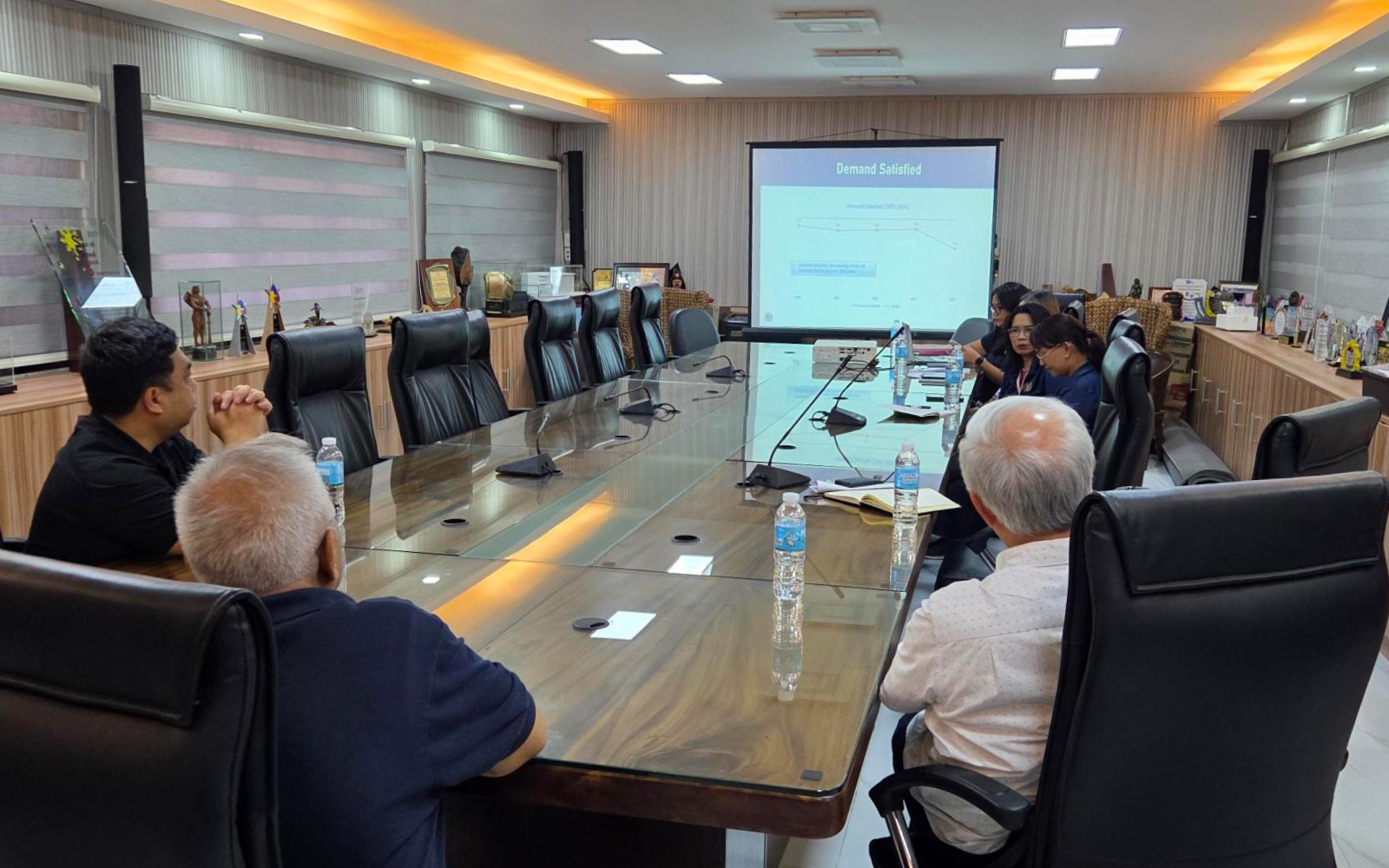
Another challenge lies in the transition to new Department of Health (DOH) performance indicators. Health staff are still adjusting from measuring modern contraceptive prevalence rate (mCPR) to tracking “demand satisfied”, which looks at the percentage of women with demand for family planning and who are actually using modern methods. Lapu-Lapu currently reports a demand satisfied rate of only 46%, far below the 70% national target. Continued coaching and capacity building will be essential to ensure that data is not only accurate but also used strategically for planning and advocacy.
Investing in Young People
Adolescent health remains a priority in Lapu-Lapu. Several health workers have been trained on adolescent-friendly health services (AFHS), and facilities are starting to offer confidential, youth-centered care. While formal DOH accreditation is still in development for most facilities, efforts are underway to address infrastructure needs, including the establishment of appropriate counseling spaces.
Despite these challenges, peer education is emerging as a promising practice. By mobilizing young people themselves to reach their peers, the city is creating more relatable and effective pathways to information and services. Plans are underway to expand peer education networks through collaboration with the Sangguniang Kabataan (SK) Federation and barangay-level initiatives. For sustainability, the city will need to determine the right peer-to-population ratio to ensure meaningful coverage across communities.
Governance, Financing, and Sustainability
Lapu-Lapu has demonstrated strong commitment to financing reproductive health, earmarking four million pesos in 2024 and five million pesos in 2025 for FP and adolescent health.
Budget execution has been gradual, with 22% of funds utilized by mid 2025, indicating opportunities to accelerate implementation timelines to maintain program momentum. This highlights the potential for strengthening alignment between program objectives and financial planning. For example, advancing demand satisfied rates from 46% to 60% would involve specific resource requirements for peer educators, supplies, and community outreach activities, each with defined costs. Developing such costing frameworks could support city leadership, including the mayor and city council, in making strategic resource allocation decisions for optimal program impact.
In May 2025, the City completed a self-reliance assessment using TCI’s Reflection and Action to Improve Self-reliance and Effectiveness (RAISE) Tool. The results showed strong performance in data management (100%) and leadership (85%). However, areas needing improvement include formalizing policies, ensuring specific line-item allocations for FP and adolescent health, and strengthening supportive supervision systems. These gaps highlight where technical assistance and local leadership need to converge to ensure sustainability.
Moving Ahead
The meeting underscored both the progress and the unfinished work in Lapu-Lapu City’s reproductive health journey. On the one hand, the city has demonstrated resilience, ownership, and momentum—recovering service delivery, expanding postpartum FP, and investing in adolescent-friendly health services. On the other hand, challenges remain: persistent gaps in data reporting, budget execution, and demand satisfied rates reveal the need for stronger systems and sharper strategies.
With committed leadership, available resources, and the support of partners like ZFF and TCI, Lapu-Lapu City is well-positioned to transform these challenges into breakthroughs. By enforcing policies, scaling up peer-led youth programs, and aligning financial investments with program outcomes, the city can not only close its current gaps but also emerge as a model for sustainable, locally-owned family planning and adolescent health programs in the Philippines.