Negros Occidental Builds Stronger Nutrition Leadership
“The strength of our workforce, the potential of our children, and the dignity of every Negrense family are closely intertwined with the quality of life that we are able to provide.”
Negros Occidental is now part of Zuellig Family Foundation (ZFF)’s Nutrition Leadership and Equity Acceleration Program (NutriLEAP). Governor Eugenio Jose “Bong” Lacson, together with mayors and other local leaders and health officers in the province participated in the Executive Session under NutriLEAP, in partnership with Kain Tayo Pilipinas supported by the Philippine Business for Social Progress, last February 3, 2026. The session centered on building a shared understanding of challenges and creating strategies to improve nutrition outcomes in Negros Occidental.
Dr. Joyce Viar, Nutrition Director at ZFF, provided context and framing, guiding the participants through the activity’s objectives: to analyze the provincial nutrition landscape, articulate personal and shared leadership commitments, and co-create strategies for priority nutrition challenges. ZFF’s approach emphasized practical, systems-focused processes rather than abstract discussions, ensuring that every activity was tied to measurable action.
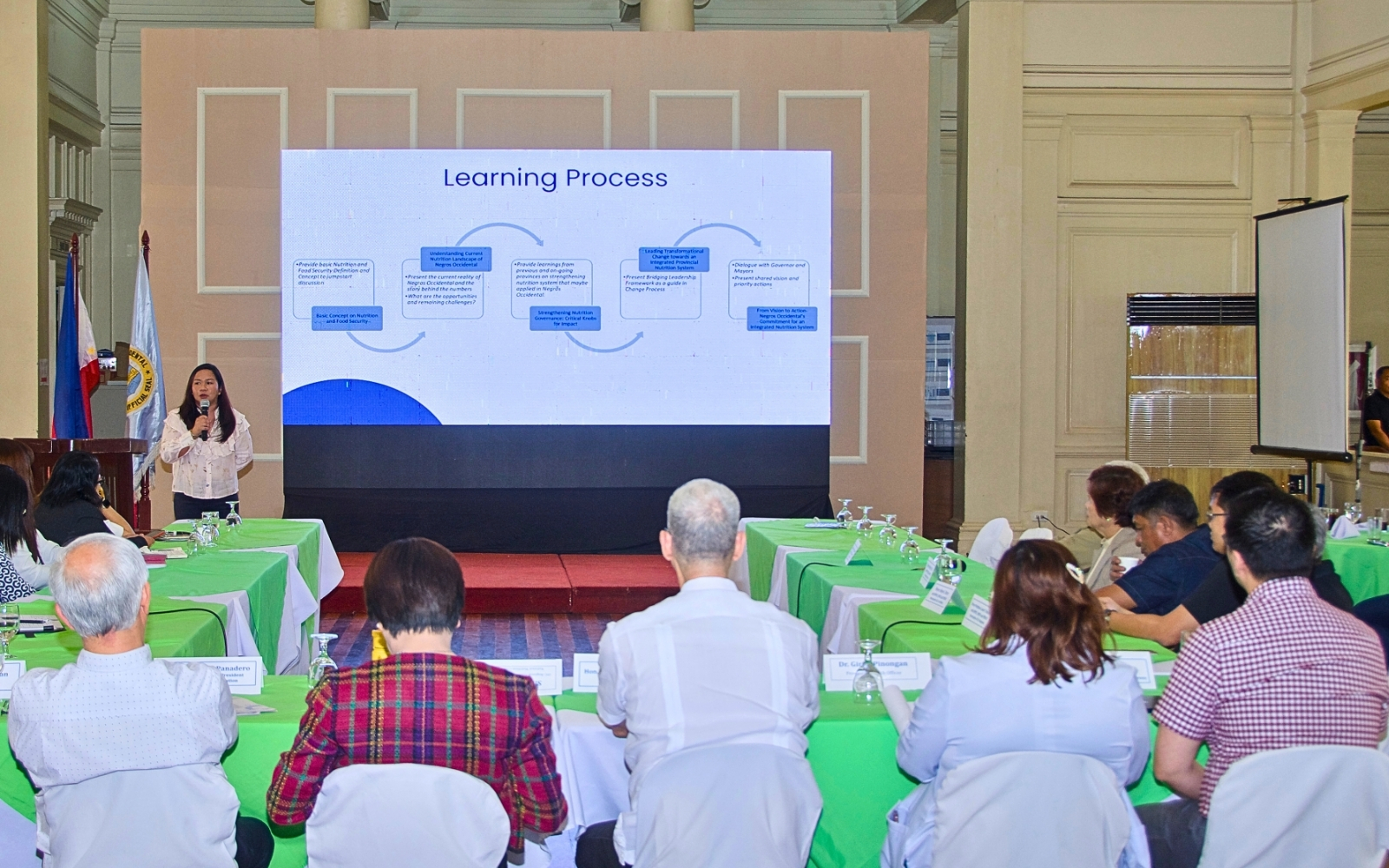
Participants reviewed key data on nutrition in the region. Western Visayas has a malnutrition prevalence rate of 6.4%, affecting 33,832 children aged 0–5. Negros Occidental is included among the 34 priority areas under the Philippine Plan of Action for Nutrition (PPAN). Within the province, stunting among children 0–5 stands at 3.15% (7,134 children), while wasting affects 0.59% (1,327 children) as of 2025. Areas with the highest stunting rates include Salvador Benedicto at 14.18%, the City of La Carlota at 8.74%, and Calatrava at 8.68%.
Austere Panadero, ZFF President and Executive Director, noted that undernutrition in the Philippines is decreasing, but the change remains minimal—around 1–2 percentage points annually for stunting. He introduced ZFF’s 8 Critical Knobs for Nutrition Governance, offering a structured approach to strengthen nutrition programs across multiple levels of government.
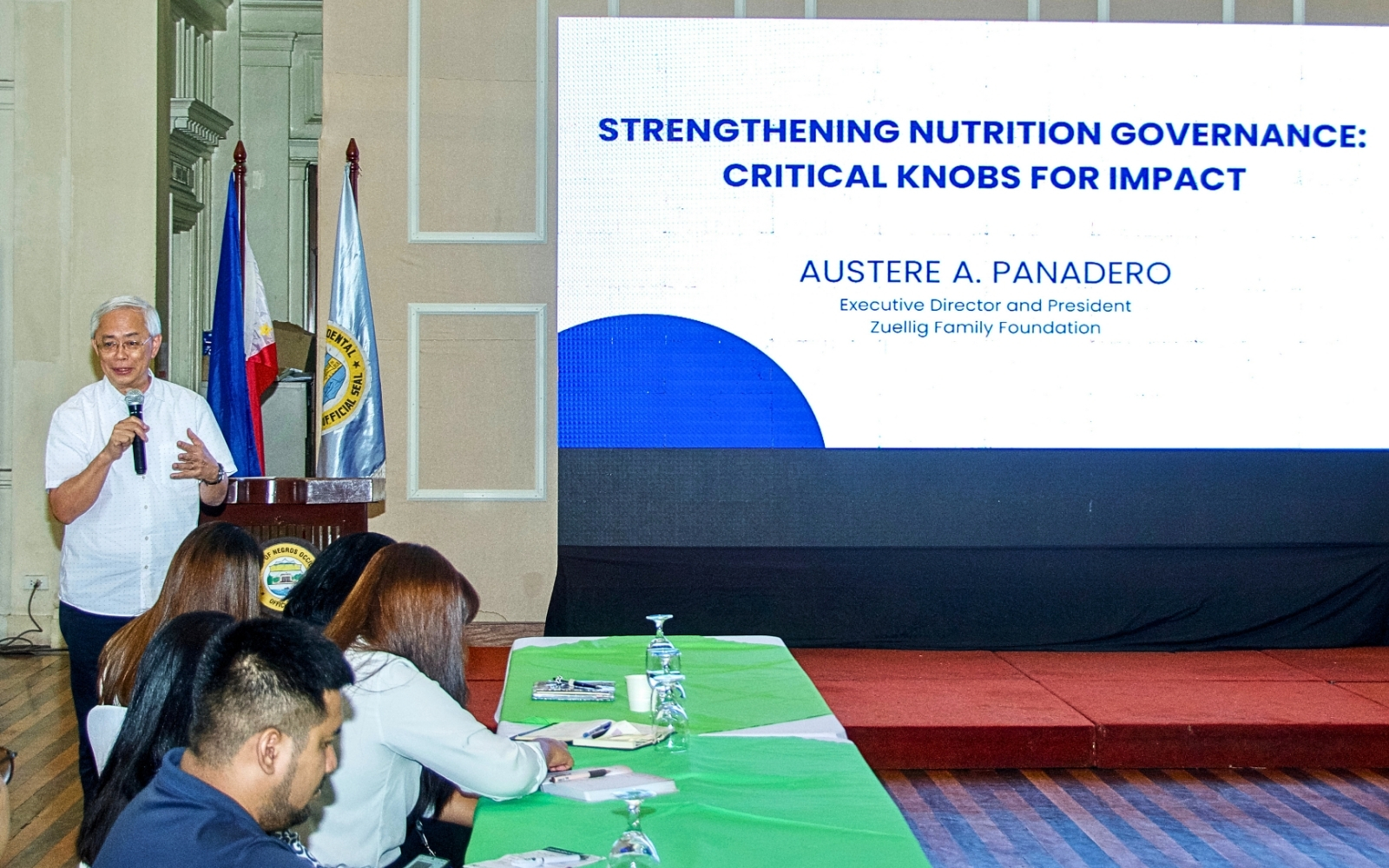
Using this framework, the session included a workshop facilitated by Hadji Balajadia, faculty at Ateneo de Davao University and ZFF consultant, where participants reflected on their priorities, defined guiding principles, and developed concrete action plans, from institutionalizing provincial nutrition programs and securing dedicated funding to coordinating multi-sector efforts at the city, municipal, and barangay levels.
Governor Lacson reinforced the process by translating these discussions into a rough provincial action plan. He stressed data-driven governance, investment in frontline health workers, sustained financing, and community-centered programs as critical steps toward a responsive, integrated nutrition system.
In closing, Governor Lacson said with encouragement, “Let this session mark not the end of our discussions, but the beginning of a deeper and more deliberate alignment of our efforts.”
Branches of Hope: A Mayor’s Story of Jamindan, Capiz
For years, Mac Artur Luces Valdemar carried the weight of public service with him, as a son, a pharmacist, and a mayor trying to respond to the needs of his people.
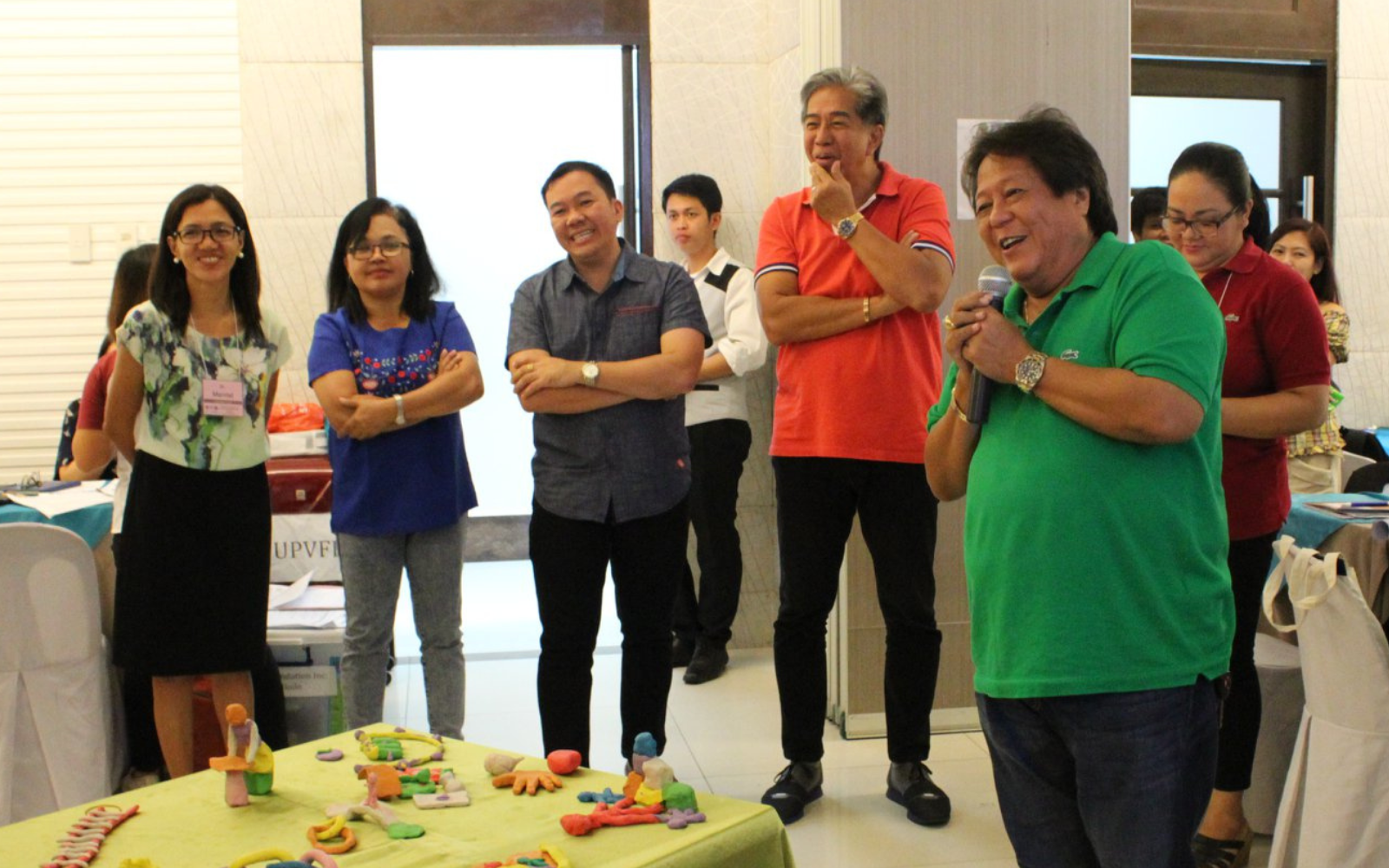
As a former mayor of the municipality of Jamindan in Capiz, he shares that a turning point in his leadership came when he participated in the Municipal Leadership and Governance Program (MLGP) from 2017 to 2019, a collaborative initiative implemented by the Department of Health (DOH), the University of the Philippines Visayas (UPV), and the Zuellig Family Foundation (ZFF). What began as just an effort to look into the local health system of the municipality became a deeper learning journey that reshaped how he understood leadership, governance, and service.
“I joined MLGP hoping to improve our local health programs,” Valdemar said. “But I left with so much more than tools and templates.” MLGP challenged him to work differently—with partners, communities, and institutions—teaching him to lead not from above, but beside the people he served. This approach, part of the Bridging Leadership framework, became central to how he governed Jamindan.
Jamindan’s identity, he often explained, is rooted in story and memory. Local lore traces the town’s name to Chieftain Amindan and the Hamindang Tree. According to elders, the tree grew from an act of sacrifice made to protect the community. Over time, it stood as a living marker of strength, endurance, and collective responsibility. From the name “Hamindang” came “Jamindan,” a reminder that the town was built not by one person, but through shared struggle and care. Like the tree that withstood storms and seasons, Jamindan grew slowly—nurtured by the hands of generations.
This story shaped how Valdemar viewed leadership. Jamindan, a landlocked first-class municipality in Capiz, is composed of 30 barangays and around 40,000 people, many living in far-flung and mountainous areas. It is home to Panay Bukidnon indigenous communities whose traditions continue to guide community life. To him, every Jamindanganon was like a branch, leaf, or root of the Hamindang Tree—each playing a role in keeping the whole strong.
When he assumed office in 2016, the health data revealed painful realities. Several barangays had no functioning health stations. Families lived with hypertension and diabetes without steady access to medicine. Animal bite cases were high, maternal care was limited, and undernutrition among children was widespread. “These weren’t just statistics,” he said. “These were stories of suffering.” His MLGP learning helped him see the numbers as human lives needing care and attention.
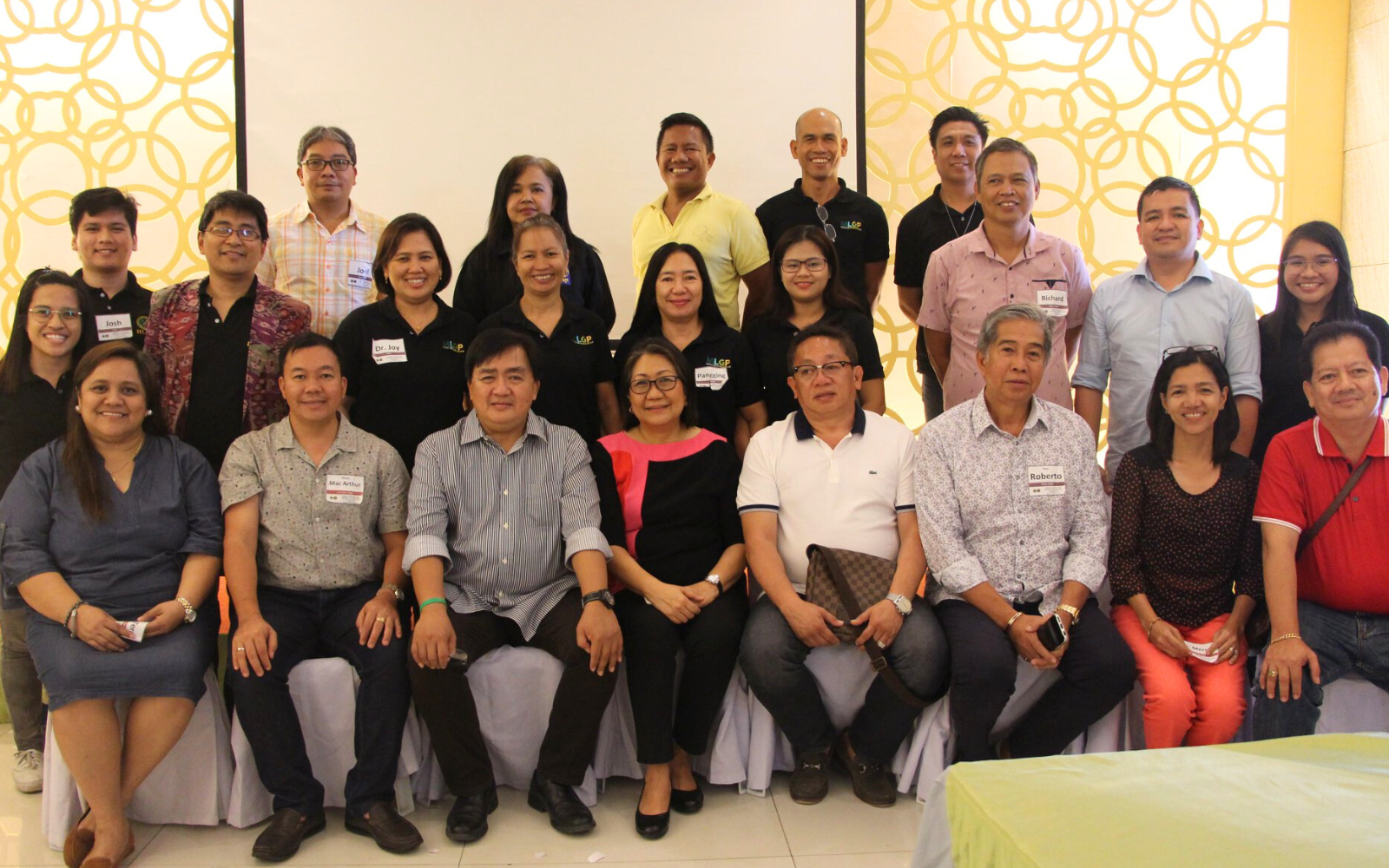
Guided by the MLGP roadmap, the local government placed health at the center of its work. Valdemar often returned to a simple belief: “Kalusugan ay kayamanan. Serbisyong makatao, para sa tanan.” Under this lens, Jamindan invested in health facilities and services that reached even the most remote communities. Barangay Health Stations were built and rehabilitated, and the province’s first licensed Municipal Primary Care Facility was established. Ongoing projects such as the birthing clinic and Super Rural Health Unit II were designed to serve geographically isolated and disadvantaged areas, including indigenous barangays.
Health services became more accessible and more humane. Free consultations, laboratory tests, maintenance medicines, and X-ray services were offered. A dedicated Animal Bite Treatment Center, opened in December 2020, began providing free anti-rabies vaccination. “No patient in Jamindan should skip treatment because of poverty,” Valdemar said, echoing a principle he linked back to his MLGP experience.
The influence of MLGP extended beyond health. The same data-driven and participatory approach guided programs in disaster preparedness, social protection, education, agriculture, and livelihood. Through the Serbisyong Makatao Program, a wide range of government services—from medical and dental care to legal assistance and civil registration—were brought directly to communities, free of charge. Each activity, he shared, felt “like a fiesta,” because it strengthened trust and reminded people that the government could be present and caring.
“The true measure of our success lies in the stories of our people,” he said—stories of mothers who now receive prenatal care close to home, children who stay in school because they are fed and vaccinated, and senior citizens who finally have access to free medicines.
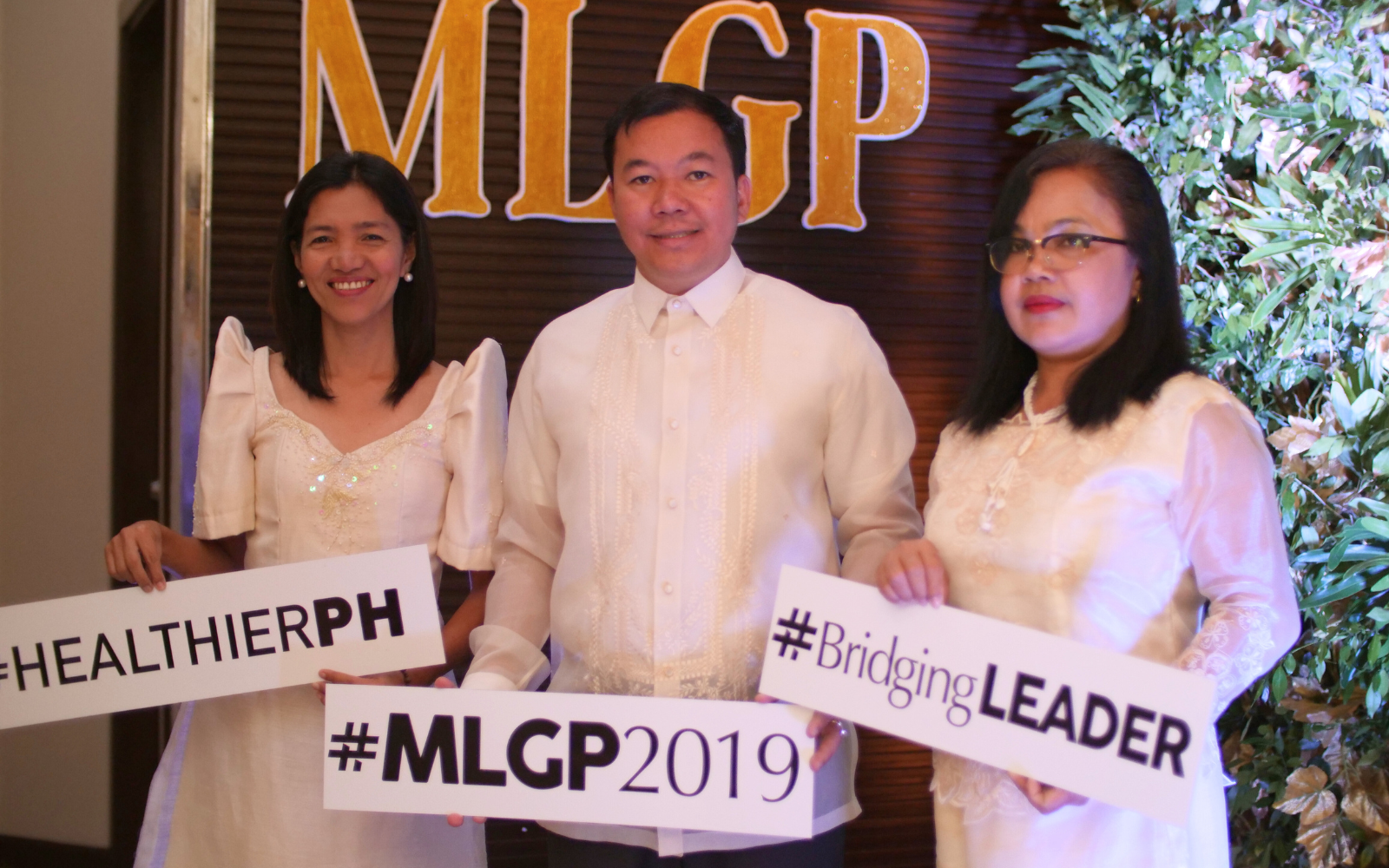
As he concluded his term, he reflected on what his MLGP journey helped make possible. “We are not leaving unfinished business,” he said. “We are leaving behind a system, a culture, and a people who now know what responsive governance looks like.” For him, MLGP was the foundation that strengthened his belief that health is not a privilege, but a right.
He continues to hold on to a vision of Jamindan much like the Hamindang Tree—deeply rooted, inclusive, and resilient. A place where no mother fears childbirth, every senior lives with dignity, and every child grows up healthy. It is a vision guided by the lessons he carries from his engagement with MLGP.
Tarlac Leaders Commit to Better Nutrition for All
“What I want to leave is a system that works even if we are not here. Even if there is a leadership change that does not prioritize nutrition, the institution is still effectively delivering the nutritional programs that are needed by the province.”
Tarlac Governor Christian Yap shared this vision during the Executive Session for Governors (ESG) held on December 11, 2025, at the Provincial Capitol in Tarlac City. The session formed part of the Zuellig Family Foundation (ZFF)’s Nutrition Leadership and Equity Acceleration Program (NutriLEAP).
Austere Panadero, ZFF President and Executive Director, opened the conversations by stressing that good nutrition is only possible when different sectors work together. Referring to ZFF’s 8 Critical Knobs for Nutrition Governance, he said, “The challenge is you don’t really handle one knob at a time, but to move all at the same time to find the mix of interventions that will move your strategy forward… to get all the towns and barangays to be part of the entire process.”
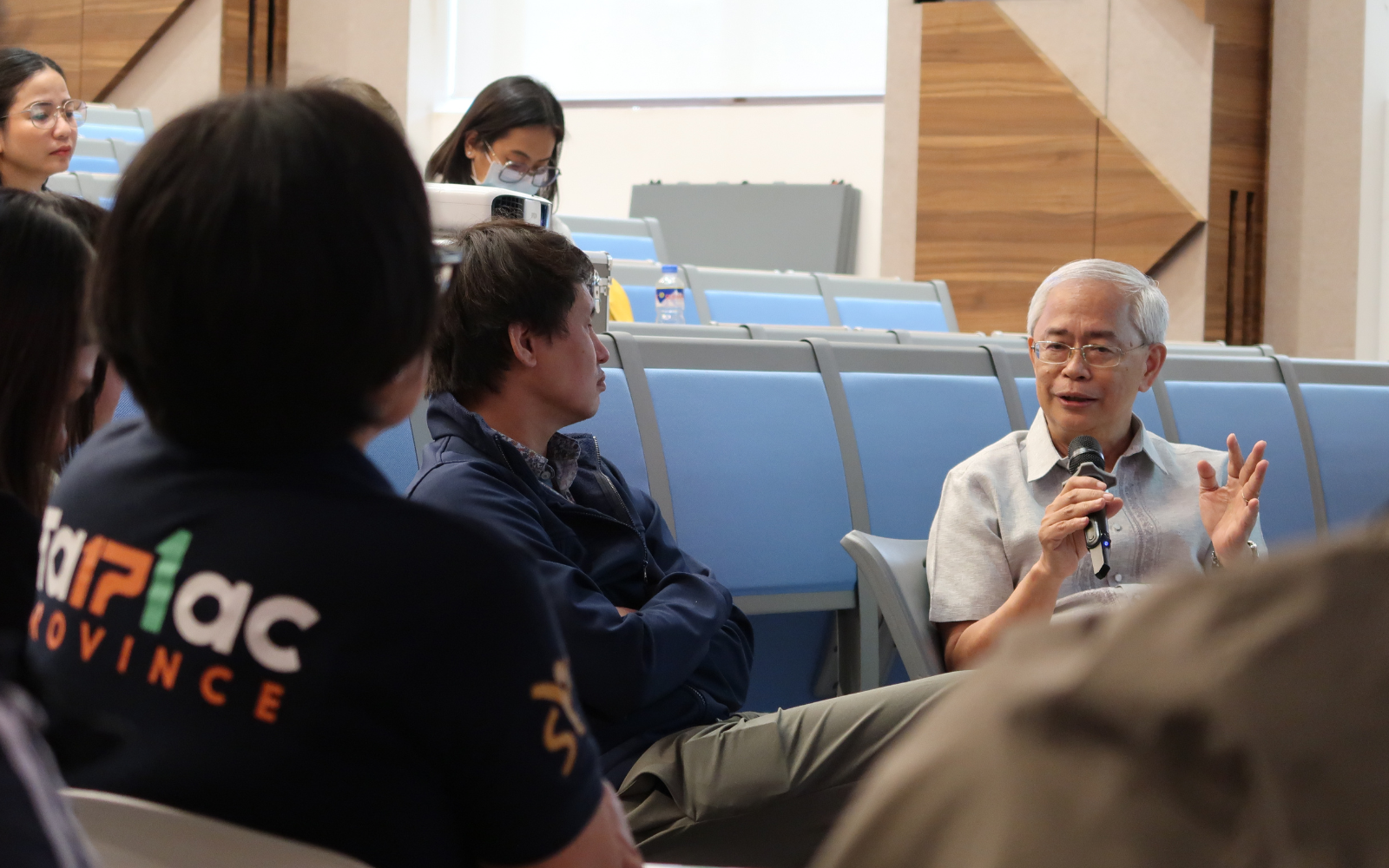
Prof. Hadji Balajadia of Ateneo de Davao University, who serves as a ZFF consultant, facilitated the session and guided Governor Yap and the participating heads of provincial offices to reflect on their own roles in improving nutrition. Using the Bridging Leadership Framework, they walked the participants through Ownership, Co-Ownership, and Co-Creation as steps toward shared solutions.
As the discussions deepened, Governor Yap explained how Tarlac is working toward a system grounded in evidence and sustainability. “We can spend so much, we can do so many feeding programs, but we don’t know if it is delivering results if there is no measure. Tarlac is okay in terms of the rankings nationally, but we are not content with what we have, and still want to improve.”
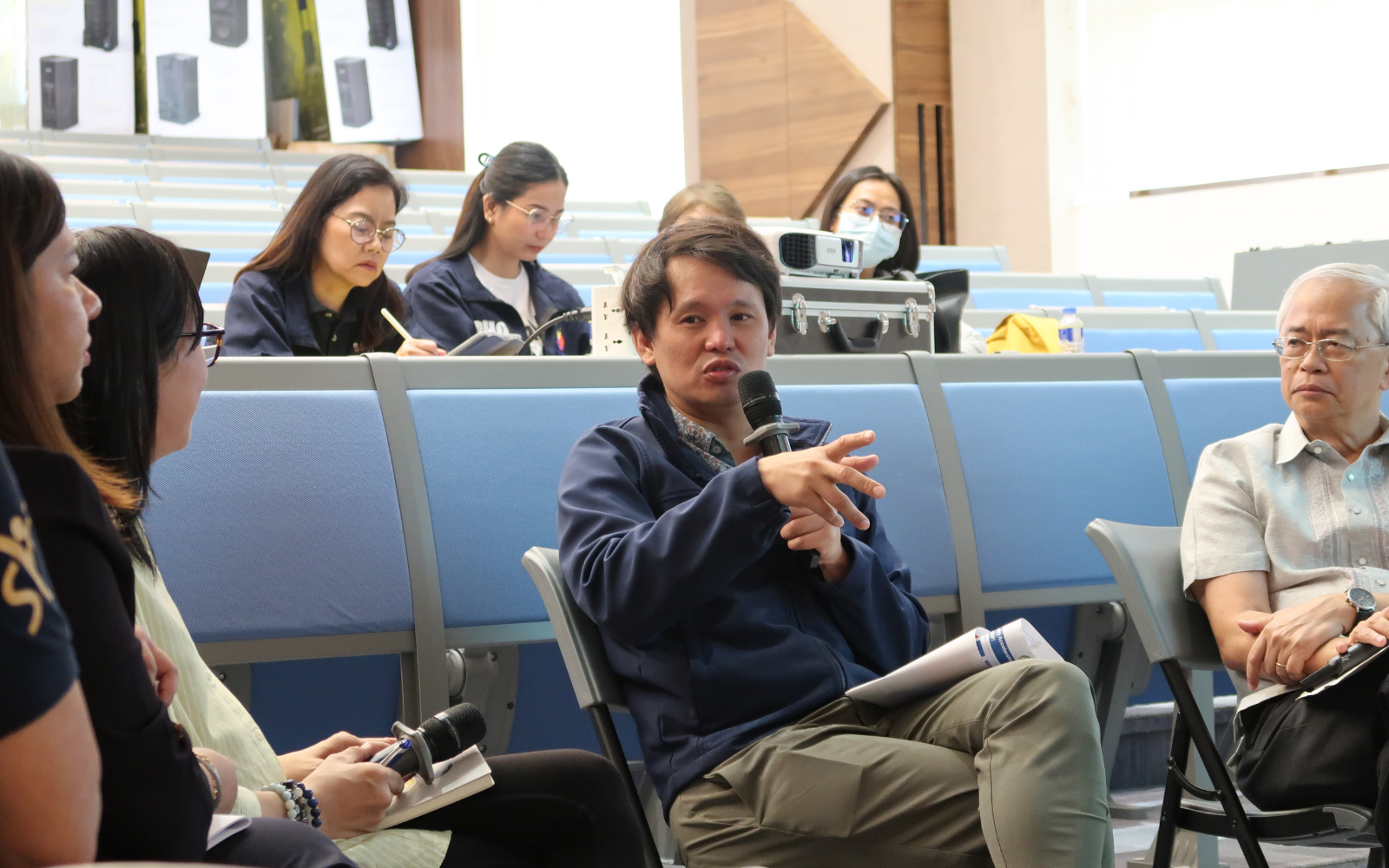
Together with the Governor, the heads of provincial offices identified key actions across major sectors:
- Health and Nutrition: Shift from reactive to preventive care; improve nutrition services for vulnerable groups; focus on early childhood nutrition and brain development; support caregivers with livelihood opportunities.
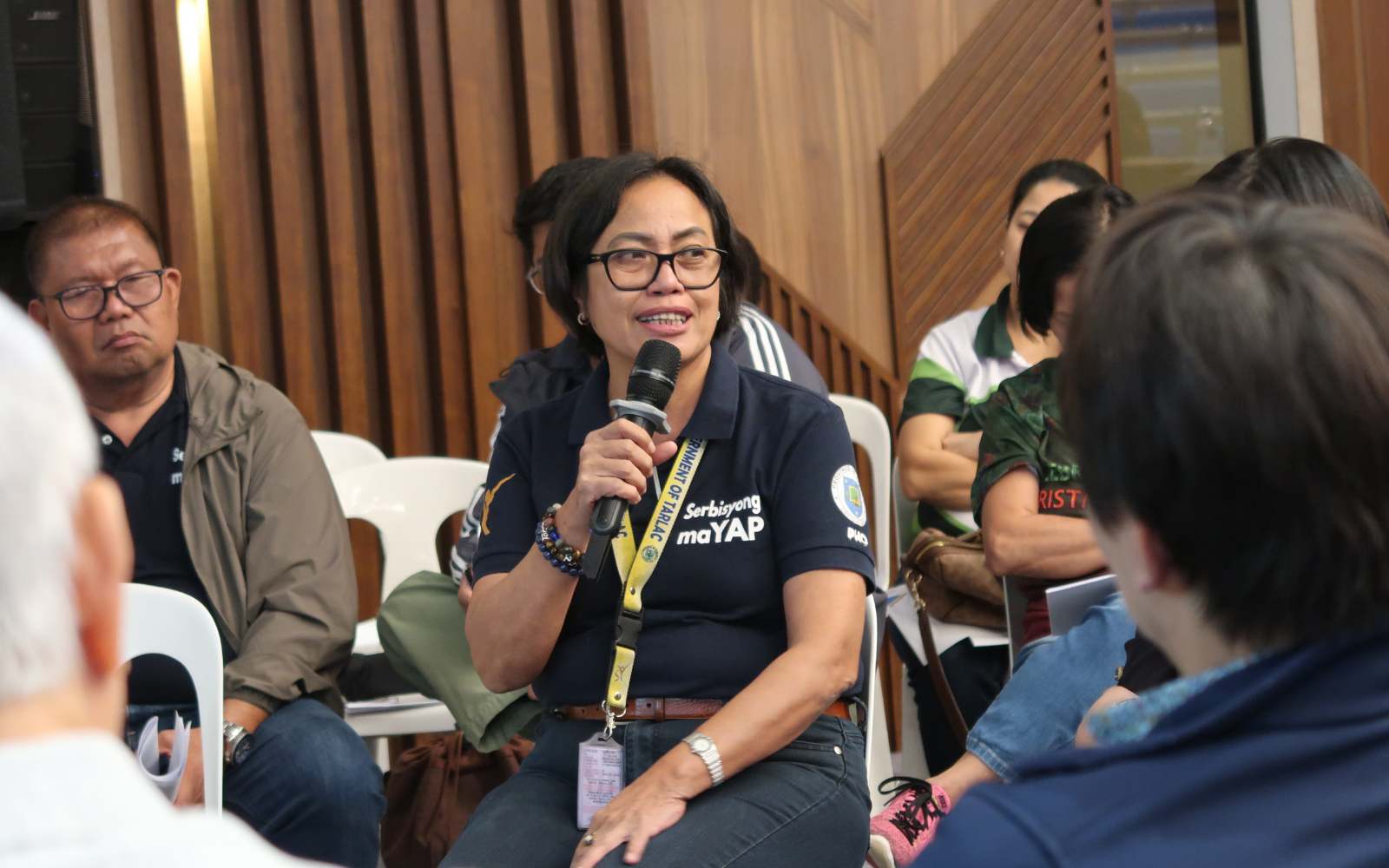
- Youth and Adolescents: Address teenage pregnancy; create youth-centered programs including peer counseling and community outreach; implement mental and reproductive health initiatives in schools.
- Education: Continue and expand school-based feeding programs; involve local government units (LGUs) to assist teachers in meal preparation; strengthen daycare programs for literacy, nutrition, and holistic child development.
- Agriculture and Food Security: Promote sustainable farming, reduce chemical inputs, and diversify crops; increase farmers’ income while ensuring nutritious food production; adopt long-term, environmentally responsible practices.
- Collaborative and Institutional: Build partnerships across health, social welfare, education, and agriculture sectors; use local and national data for planning; expand feeding, wellness, and youth programs to underserved areas.
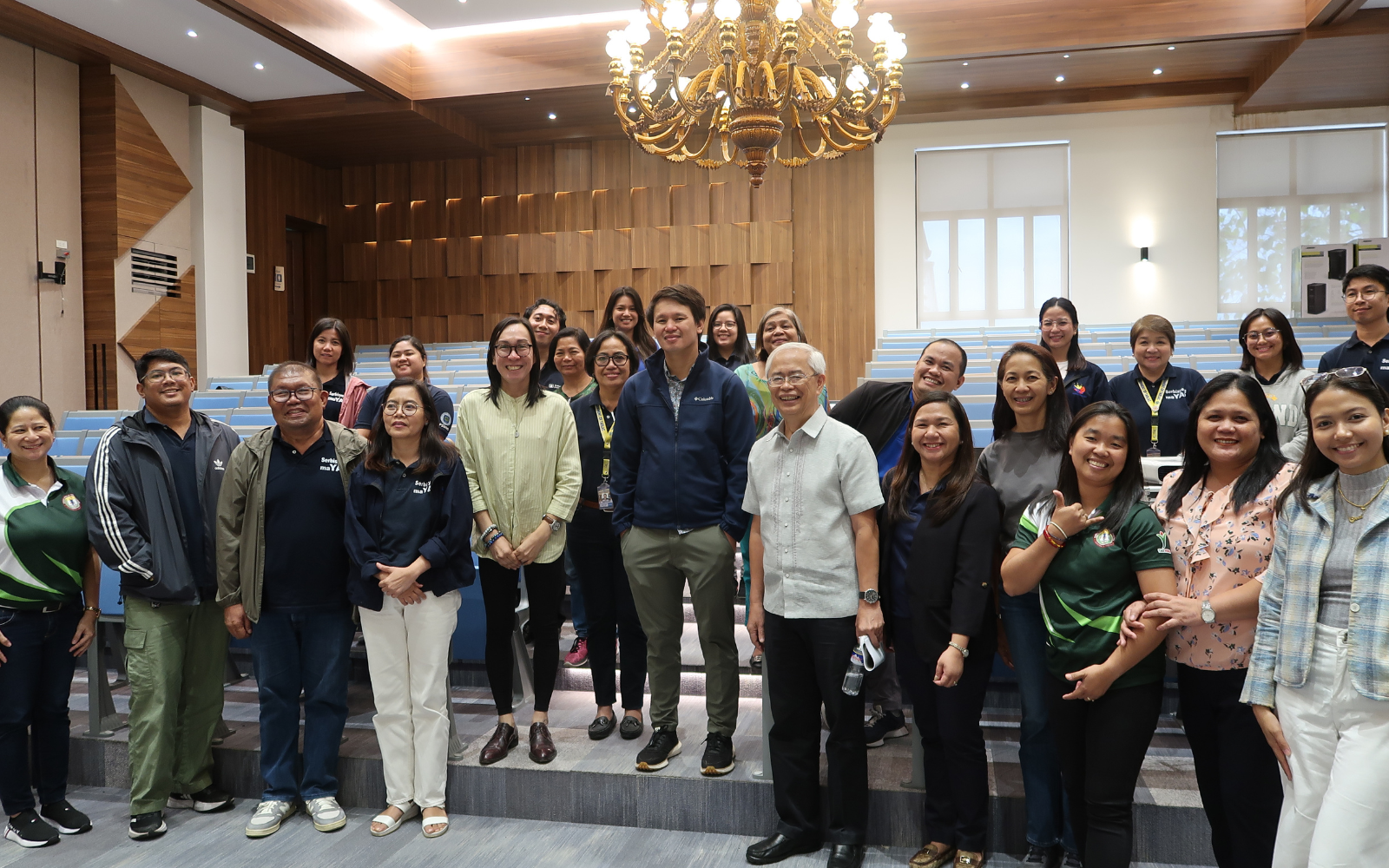
With shared goals and practical steps ahead, Tarlac’s leaders hope to bring their vision of a Pook Malusog to life—a province where every child, every family, in every community, can grow healthy and well.
ZFF Spotlights Governance-Driven Solutions to Address Malnutrition
Delegates from the Zuellig Family Foundation (ZFF) showcased nutrition-focused governance solutions at the 18th Association of Pacific Rim Universities (APRU) Global Health Conference held at Universiti Malaya, Kuala Lumpur, Malaysia, on October 28–31, 2025. Three representatives from the ZFF Nutrition team presented lessons from ZFF’s governance-focused approach to strengthening local nutrition systems during the Global Health Nutrition Parallel Sessions.
Dr. Joyce Viar, Nutrition Director at ZFF, demonstrated nutrition leadership in practice through a governance approach, highlighting how the Pook Malusog Nutrition Governance Program strengthens local leadership and builds resilient nutrition systems. Jennifer Nandu, ZFF Nutrition Project Expert, illustrated how improved governance in Basilan transformed peace gains into better nutrition outcomes, showing how nutrition can serve as a dividend of peace. Rio Fe del Valle, ZFF Nutrition Monitoring, Evaluation and Learning Expert, showcased how ZFF’s First 1,000 Days (F1KD) Nutrition Roadmap helps local government units (LGUs) build more coherent, accountable, and functional nutrition systems.
View the presentations:
- Nutrition Leadership in Practice: A Governance Approach through the Pook Malusog Nutrition Governance Program
- From Conflict to Care: Nutrition as a Dividend of Peace through Good Governance in Basilan
- Strengthening Local Nutrition Systems through Governance: Implementation of the F1KD Nutrition Roadmap by the Zuellig Family Foundation
- More knowledge products

These presentations emphasized that nutrition governance relies on building leadership, systems, and structures that drive sustainable change. Strong governance enables LGUs to integrate sectors, use data effectively, safeguard programs across political cycles, and design solutions tailored to local realities. The presenters stressed that sustained improvements in child and maternal nutrition occur only when governance is strong, coordinated, and people-centered.
The ZFF delegates’ contributions complemented broader conference discussions on how interconnected factors—health systems, maternal health, education, mental well-being, climate risks, and community conditions—shape nutrition. Presenters showed how school environments, caregiving practices, and exposure to environmental hazards affect children’s growth and learning. They also highlighted the needs of vulnerable groups and the expanding role of digital tools in promoting food literacy and healthier behaviors among youth.

Overall, the sessions reinforced a key insight: governments and development partners must address malnutrition through a multisectoral, systems-oriented approach that goes beyond feeding programs and accounts for the social, environmental, and health-related factors influencing the well-being of children and families, not only across the Asia-Pacific region, but also globally.
Author: Rio Fe Del Valle, ZFF Nutrition Monitoring, Evaluation and Learning Expert
Survey on the health and nutrition service delivery and nutritional outcomes in Tacurong City, Tagum City, and Puerto Princesa City
Recognizing the critical importance of nutrition during the First 1000 Days of life for a child’s health and development, the Zuellig Family Foundation and Nutritional International commissioned a survey to assess health and nutrition service delivery and outcomes in Puerto Princesa City, Tacurong City, and Tagum City to support their project on developing urban nutrition systems in the Philippines.
ZFF Survey_Nutrition-Tacurong-Tagum-Puerto PrincesaSupporting accelerated improvements in Sarangani Province: Pivotal role of nutrition governance
From 2019 to 2022, Sarangani Province made significant improvements in the nutritional status of pregnant women, infants, and children due to strong political commitment, substantial health system investments, and active convergence programs, though challenges remain in the coherence and integration of nutrition-specific and nutrition-sensitive programs, necessitating local legislation and enhanced convergence mechanisms.
ZFF Policy Brief_Nutrition-SaranganiA Case Study on Sarangani’s Nutrition Program Implementation
This case study analyzes the factors that contributed to the improvement of Sarangani Province’s nutritional outcomes from 2018 to 2022, describing changes in nutritional outcomes, identifying effective strategies and mechanisms, and examining the influence of leadership and governance interventions as well as lessons learned in planning, implementing, and monitoring nutrition programs.
ZFF Case Study_Nutrition-SaranganiPRESENTATION: Harnessing Multisectoral Collaboration for Nutrition through the Municipal Nutrition Governance Program: The Experience of Siargao Islands, Philippines
The Zuellig Family Foundation (ZFF) joined experts, researchers, and advocates at the Centre for Holistic Initiatives for Learning and Development (CHILD) Conference 2025 in Singapore, a global gathering focused on improving early childhood care and development. The event focused on how research can shape better policies and programs for children’s health and nutrition.
In a breakout session, Denise Sisante, ZFF’s Nutrition Monitoring, Evaluation, and Learning Associate, shared lessons from its Municipal Nutrition Governance Program (MNGP) implementation in Siargao. She talked about how a multisectoral helped rebuild and strengthen nutrition systems after Typhoon Odette and the COVID-19 pandemic. With ZFF’s support, Siargaonons worked to restore essential health services, ensuring recovery and long-term sustainability.
More than just sharing experiences, the conference built new connections with academic institutions and other organizations—all working toward the same goal: stronger health and nutrition systems for children. By linking research, policy, and action, ZFF hopes to inspire more communities to find local solutions for better health and nutrition outcomes.
View the full presentation here:
ZFF Presentation_CHILD
Better Beginnings in Basilan: Investing in the First 1,000 Days
Once marked by conflict and instability, the Province of Basilan is now making progress in improving health and nutrition outcomes for young children.
Through strong local leadership and a decade of partnership with the Zuellig Family Foundation (ZFF), Basilan has strengthened systems for maternal and child health, food security, and early childhood care—especially during the critical First 1,000 Days (F1KD) of life.
ZFF shared this experience during the Asia-Pacific Regional Network for Early Childhood (ARNEC) Conference 2025. Speaking on a panel hosted by the Tanoto Foundation, ZFF presented how their work in Basilan has transformed early childhood outcomes through governance-focused approaches. Using the Foundation’s Bridging Leadership approach and Health Change Model, ZFF helped local leaders address gaps in health and nutrition despite the province’s complex and fragile context.
Related article:
- Municipal Leaders in Basilan Enhance Nutrition Governance through Zuellig Family Foundation Training
The Basilan Assistance Program (BAP), which built on earlier gains from the Provincial Nutrition Governance Program, trained governors and mayors to co-create local solutions, increase community participation, and strengthen service delivery. As part of the program, 255 barangays deployed community health workers to monitor and support pregnant women and malnourished children. Ten of the thirteen mayors underwent leadership and technical training further embedding nutrition priorities in local governance.
Between 2023 and 2024, stunting among children aged 0–2 dropped by 6.26 percentage points—from 16.74% to 10.48%. Wasting rates also declined, reflecting better capacity to prevent and manage acute malnutrition. Nutrition funding rose nearly fourfold, from 7.2 million pesos in 2021 to 27 million pesos in 2024. These improvements directly support brain development, emotional regulation, and school readiness—giving Basilan’s children a stronger start in life.
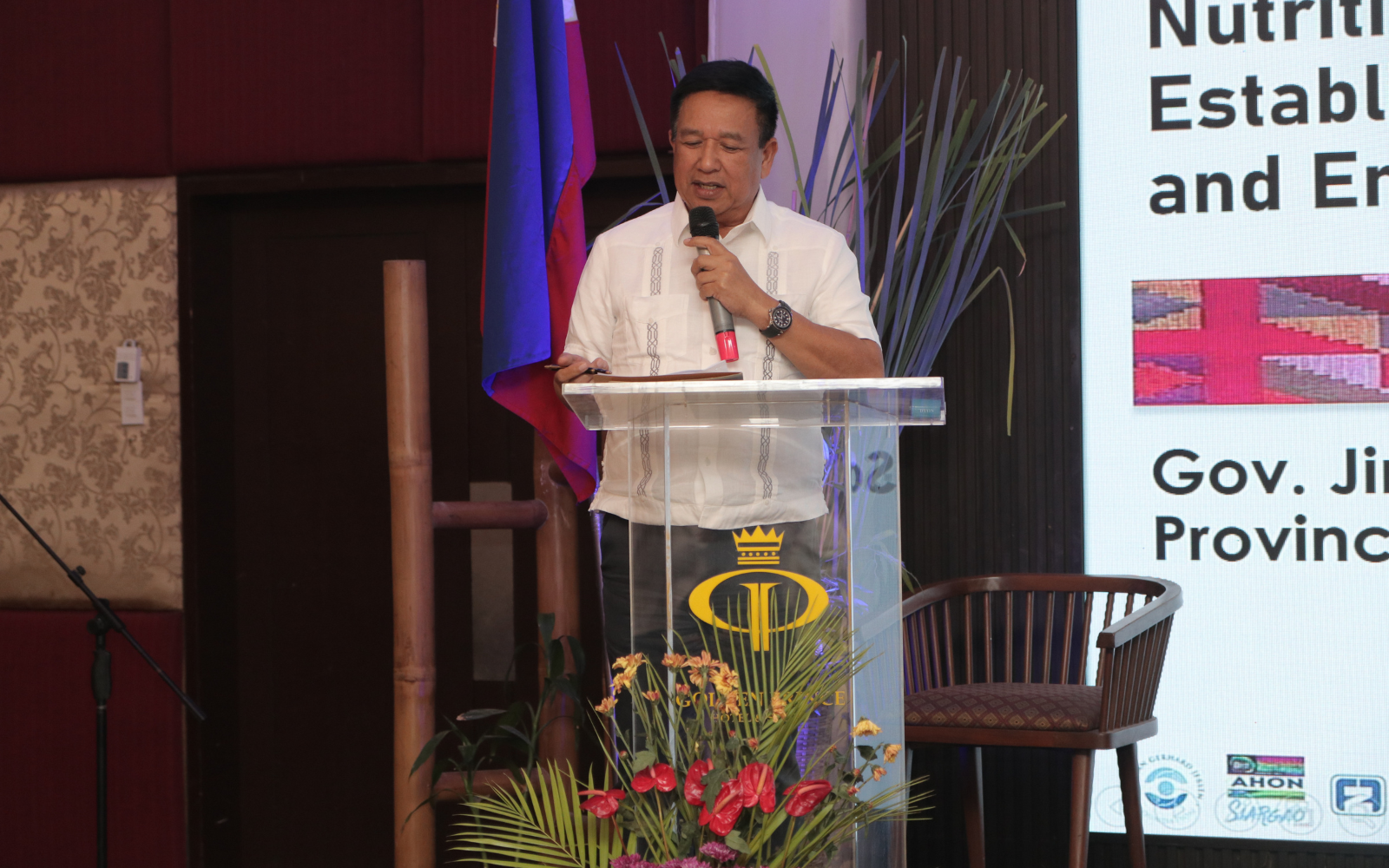
Basilan’s transformation shows that inclusive, equity-driven, and locally led programs can thrive even in post-conflict settings. “When we had peace, we now have the mental space to plan beyond the day after tomorrow,” said former Basilan Governor, now Vice Governor, Jim Hataman Salliman.
“We can now be more strategic and focus our investment in health and nutrition, which was not prioritized before.”