Grassroots Champions: Barangay Health Workers Lead the Way to Reduce Adolescent Pregnancy in Lapu-Lapu
Lapu-Lapu City in Central Visayas faced a rising adolescent birth rate (ABR), increasing from 14 births per 1,000 adolescents in 2020 to 23 in 2023. At the same time, modern contraceptive prevalence rate (mCPR) dropped from 31% to 21%. Local health officials saw that, while women continued to seek services, many still relied on short-acting family planning methods. Uptake of long-acting options was growing but needed stronger community support.
To respond to the alarming numbers, the city partnered with The Challenge Initiative (TCI), a global program implemented in the Philippines by the Zuellig Family Foundation that helps local governments scale proven family planning and adolescent and youth sexual and reproductive health (AYSRH) solutions.
Related articles:
- Nine Cities Recognized as Global Self-Reliant Cities in Reproductive Health
- Lapu-Lapu City’s Path to Strengthening Family Planning and Adolescent Health
The city formed the Lapu-Lapu City Leadership Team to unite health, education, youth, and social welfare sectors. Barangay nurses and midwives then began integrating meaningful conversations into routine services. They learned that many adolescents lacked parental guidance and reliable reproductive health information, while many adult women feared modern methods because of misconceptions. These issues showed that rising adolescent pregnancies and declining contraceptive use stemmed from the same need: trusted, judgment-free health information within the community.
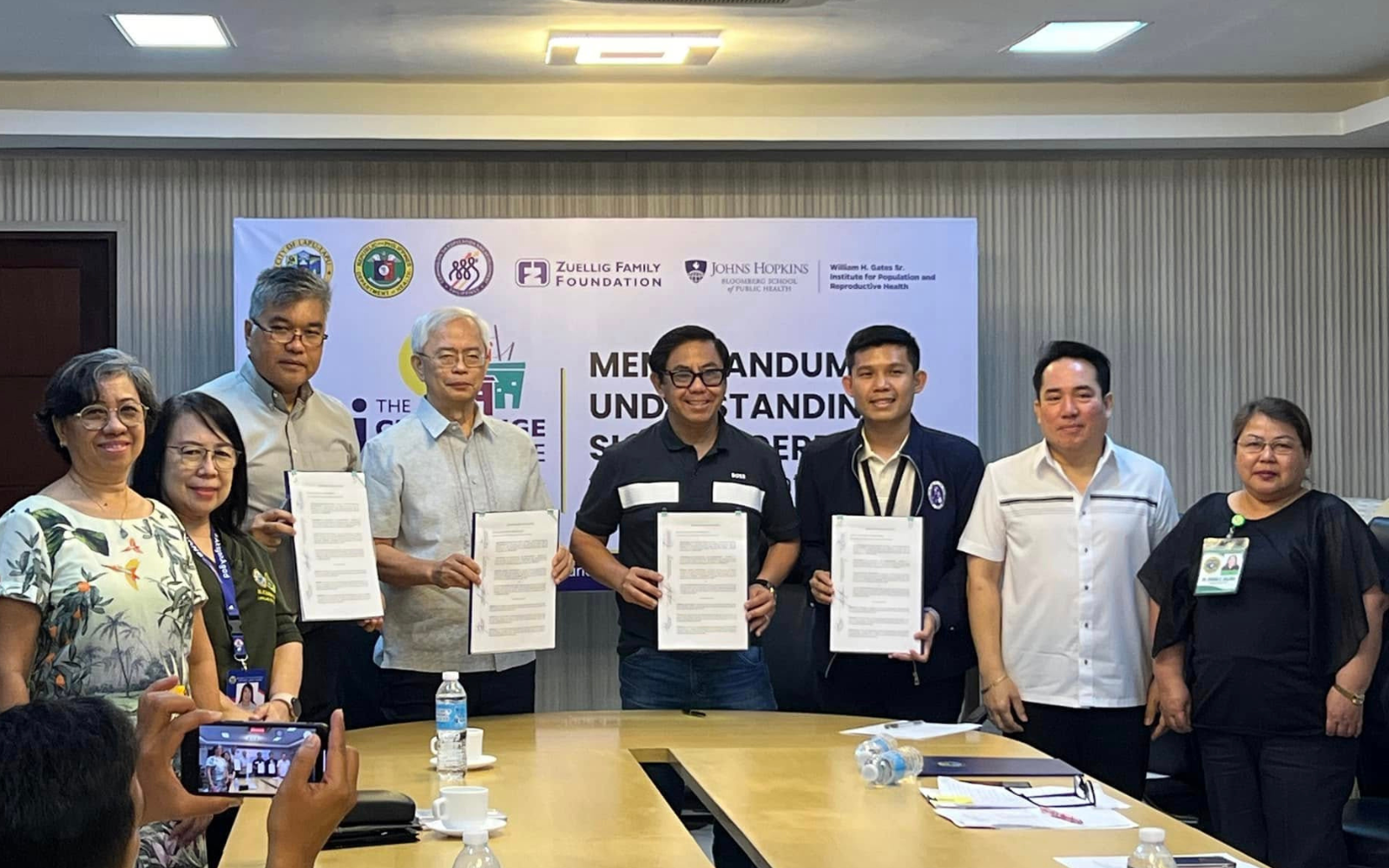
Lapu-Lapu City placed communities at the center of its strategy. Awareness efforts shifted the conversation from contraceptives alone to responsible parenthood.
Barangay Health Workers (BHWs)—trusted members of each neighborhood—played a central role. Through house-to-house visits, they profiled households, explained family planning options, and corrected myths using simple materials. BHW Coordinator Jovy Alonzo emphasized that all BHWs are trained in adolescent health and development and uphold confidentiality and nonjudgmental support. Their strong performance earned Lapu-Lapu’s BHWs the Performance-Based Incentive (PBI) Award for two consecutive years, making them PBI Champions in Central Visayas. As Nurse Grace Mary Chan-Carunggay shared, “This recognition is a testament to their exceptional service and dedication.”
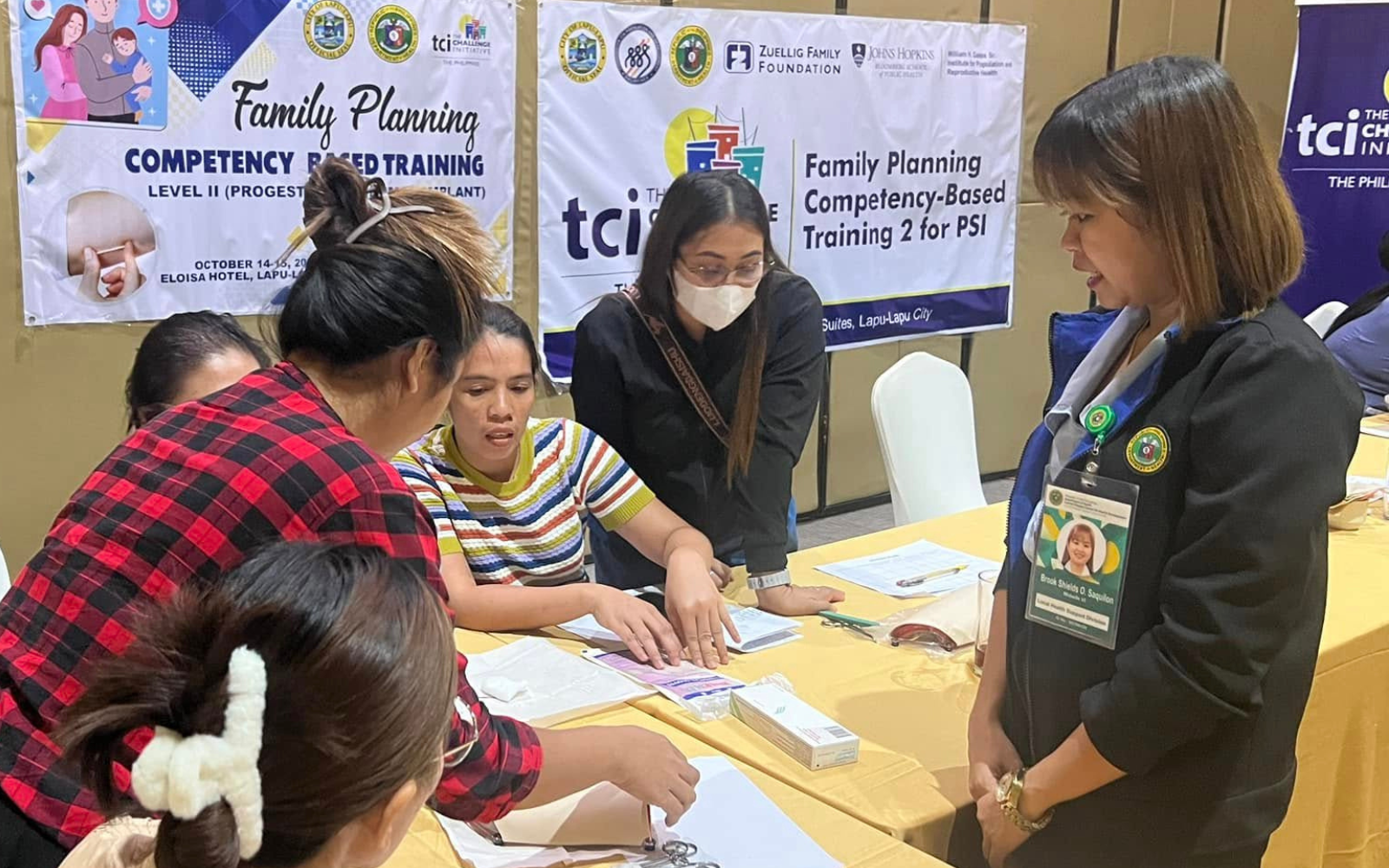
The city also strengthened its service delivery system by training more providers through Family Planning Competency-Based Training (FPCBT), especially in barangays with limited access. This allowed more health centers to offer long-acting reversible contraceptives (LARC), including the Progestin Subdermal Implant. City leaders supported these improvements by funding BHW incentives and training, conducting regular barangay visits, and ensuring data quality for planning. According to City Health Officer Dr. Agnes Cecilia Realiza, “Adolescent parents are now coming to our health centers. They no longer feel stigmatized, and they seek prenatal care, ensuring the safety of both mother and child during delivery.”
In 2024, the city recorded only one additional adolescent pregnancy case, showing early signs of progress. The drop in mCPR was largely due to data cleaning, which corrected the number of women counted in the program. Lapu-Lapu is also adjusting to the shift in national indicators—from mCPR to “demand satisfied”, or the share of women with a need for family planning who use modern methods. The City Health Office continues to improve staff capacity for accurate data use and coaching.
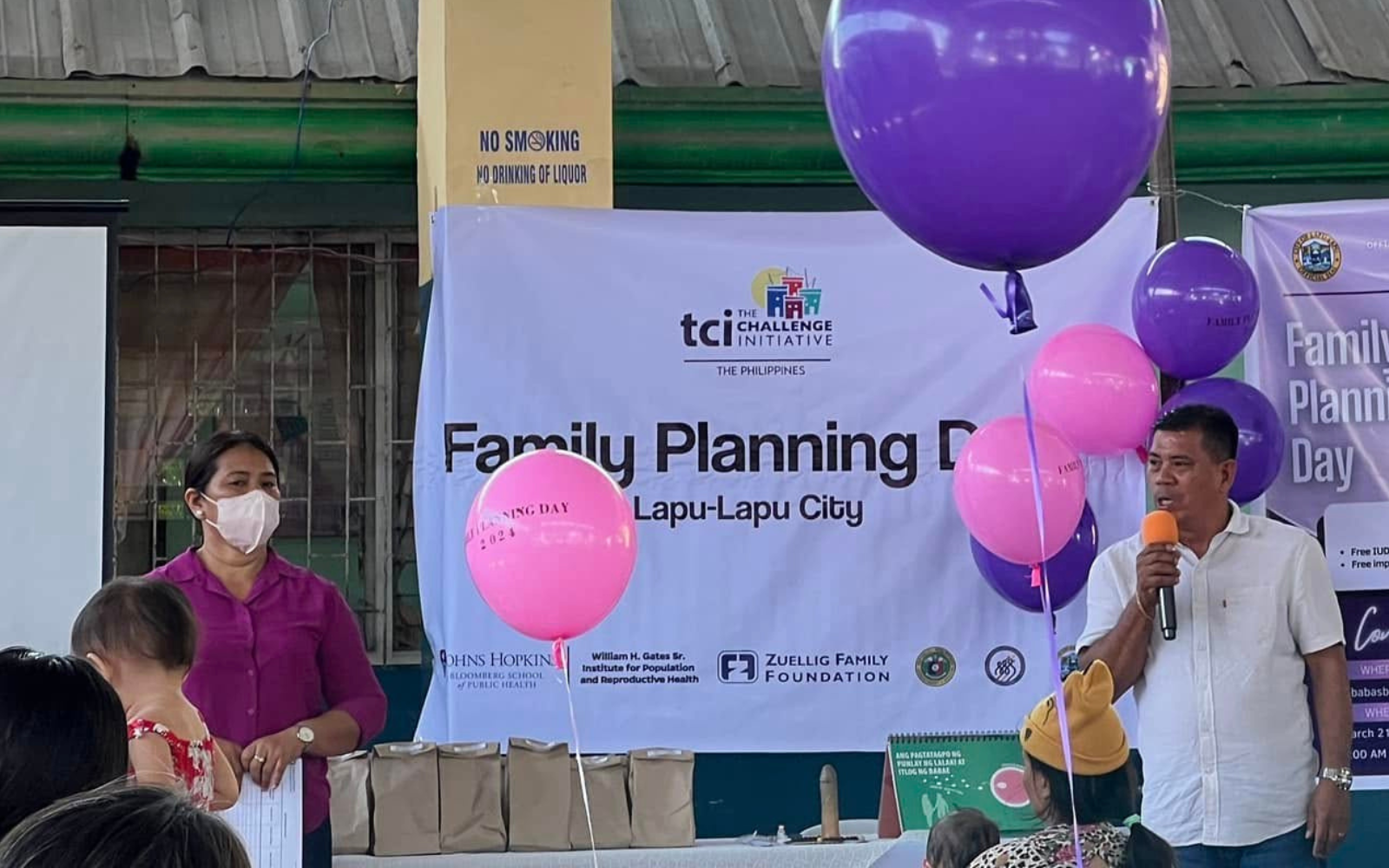
Lapu-Lapu’s experience shows the power of community-centered, data-driven leadership. By investing in AYSRH and allocating dedicated budgets, the city has strengthened the work of BHWs and sustained community engagement. With a 22% increase in AYSRH budget commitments, based on TCI-Philippines monitoring, Lapu-Lapu demonstrates that empowering frontline workers creates lasting impact—helping young people make informed choices for their health and future.
Slowly but Surely: Iriga City’s Inclusive Path to Family Planning among Indigenous Peoples
Iriga City is home to diverse communities, including many indigenous peoples (IPs). Like other areas, the city faces reproductive health challenges such as misconceptions about family planning (FP), cultural hesitations, and difficulty reaching families in geographically isolated and disadvantaged areas (GIDAs).
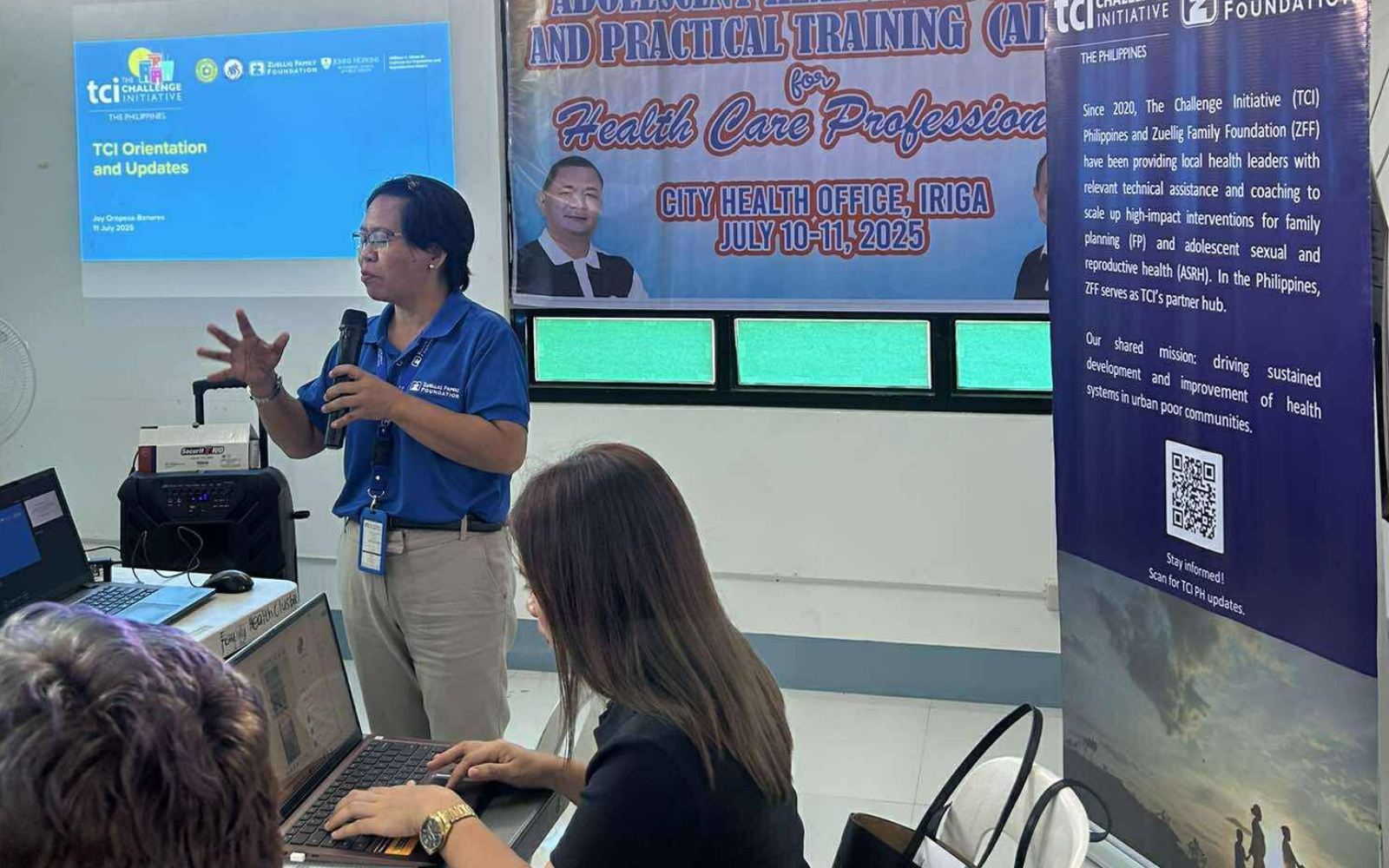
In July 2023, the city joined The Challenge Initiative (TCI), a global platform implemented in the Philippines through the Zuellig Family Foundation. With this partnership, the Iriga City Government and the City Health Office renewed their efforts to strengthen FP and adolescent and youth sexual and reproductive health (AYSRH), ensuring even the most underserved communities were included.
Related article:
Stories from the Frontlines
FP Coordinator Cyrene Oliva shared how TCI’s approaches helped Iriga improve data quality and slowly raise its modern contraceptive prevalence rate (mCPR). “Even if our mCPR dipped at first, we saw this as progress—because this time, our data was accurate. Now, with strengthened verification and continuous community engagement, our mCPR is climbing steadily again,” she said.
City Health Officer Dr. Ronald Pereña noted that mothers often hesitated to pursue family planning methods due to side effects, irregular supplies, and cultural expectations to seek their husband’s approval. Adolescents were also shy at first, but Oliva said that repeated discussions helped them open up. Several barangays later earned Certificates of Compliance as Level 1 Adolescent-Friendly Health Facilities—an important step under the AYSRH program.
Population Program Officer Mayet Amoroso Nacario observed that continuous awareness campaigns helped shift attitudes. “Before, many youth and even officials had little knowledge of adolescent health. Now, they are aware and more open. Teenage pregnancy still rises and falls, but families and schools are no longer ignoring it. There is now action and support,” she said.
Bridging Culture and Care
The city expanded FP access through Purok Kalusugan, a barangay-based initiative that integrates Department of Health (DOH) services at the purok level. Teams provided counseling, commodities, and even long-acting methods through house-to-house visits.
TCI supported Family Planning Competency-Based Training (FPCBT), enabling barangay workers to offer methods like implants and IUDs. This investment helped Iriga reach more IP communities in remote areas. Acceptance grew when IP barangay health workers—who were FP users themselves—became local champions.
Nacario shared that trust improved through repeated visits, conversations with leaders, and visible examples such as a chieftain choosing an implant. Dr. Pereña added, “Slowly but surely, you have to make them realize the big picture, that family planning will protect their health and wellbeing.”
Regular quality implementation checks, including monthly reviews and coaching, strengthened service delivery and ensured that adolescent-friendly facilities and FP programs remained responsive.
Stepping Up, Growing Up
Iriga also encouraged male involvement. More men began to ask for condoms and join FP discussions. Oliva recalled one husband who offered to have a vasectomy as a Valentine’s gift to his wife, saying it was his turn to share the responsibility.
The city also expanded AYSRH work in schools through the Department of Education (DepEd). Activities such as U4U Teen Trail sessions and age-appropriate film showings helped students learn about reproductive health and their rights. “Schools now invite us on their own,” Nacario said. “They even ask, ‘When will you come to our students?’ That’s proof that adolescent health is no longer taboo in Iriga—it is a collective priority.”
Sustaining Progress Together
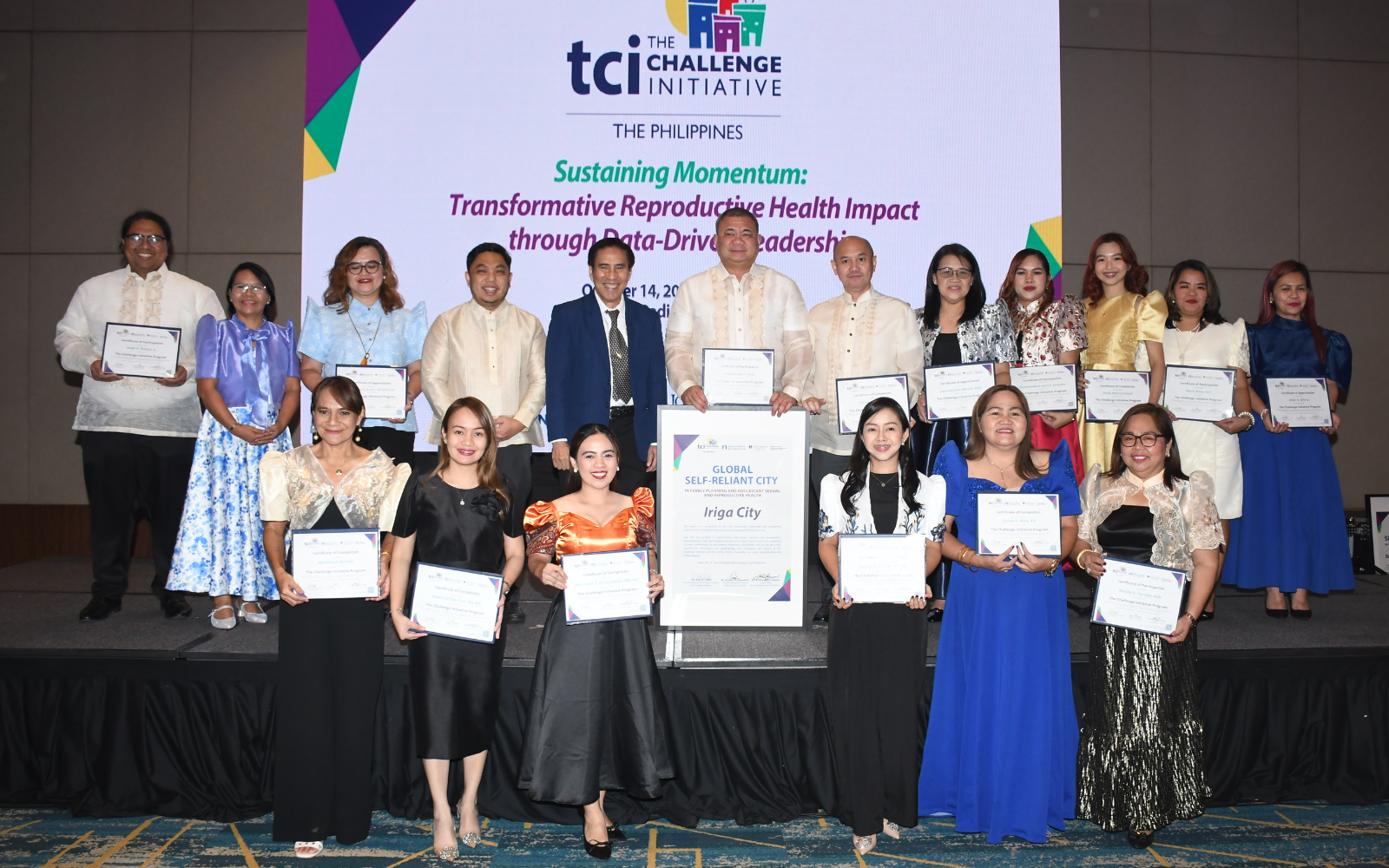
Iriga built its FP and AYSRH efforts on trust, cultural sensitivity, and sustainability. The city allocated local funds, including support for IP communities, to ensure programs continue even after external support ends. Partnerships with DOH, the Commission on Population and Development (CPD), ZFF, and TCI provided coaching and capacity-building, while local leaders and women’s organizations strengthened community ownership.
As Dr. Pereña shared, family planning is now part of Iriga’s long-term development plans. The city’s journey shows that even the most hard-to-reach families can make informed choices when programs are inclusive, respectful, and community-driven.
PRESENTATION: Capacitating Local Government Units for Improved Health Outcomes: A Tri-Sectoral Collaboration Model for Health Leadership Development in the Philippines
This presentation outlines a tri-sectoral collaboration model in the Philippines designed to strengthen local health leadership and improve health outcomes. It highlights how the Zuellig Family Foundation (ZFF), in partnership with academic institutions and the Department of Health, supports Local Chief Executives and Municipal Health Officers through leadership development, experiential learning, and evidence-based interventions.
ZFF shared these insights at the 18th Association of Pacific Rim Universities Global Health Conference, held at Universiti Malaya in Kuala Lumpur, Malaysia, from October 28–31, 2025, showcasing practical strategies for capacitating local health leaders through tri-sectoral partnerships.
PRESENTATION: Early Lessons from Financial Integration in Batangas and Quezon
Advancing Universal Health Coverage in the Philippines
This presentation summarizes early lessons from financial integration in Batangas and Quezon, Philippines, focusing on advancing Universal Health Coverage (UHC) through the establishment of a Special Health Fund (SHF). It highlights the experiences of local government units, national agencies, and partner organizations in operationalizing the SHF, including key processes, enabling factors, challenges, and practical recommendations for sustainable and coordinated health financing. By sharing these insights, the presentation aims to inform strategies that support equitable access to quality health care across provinces.
The Zuellig Family Foundation (ZFF) shared these early lessons at the 18th Association of Pacific Rim Universities (APRU) Global Health Conference, held at Universiti Malaya, Kuala Lumpur, Malaysia, on October 28–31, 2025, contributing to regional dialogue on strengthening health systems and advancing UHC.
PRESENTATION: Strengthening DOH Regional Core Teams in North Luzon, Philippines: How the Bayang Malusog Program Empowers Health Leaders to Accelerate Universal Health Coverage
Bridging Leadership in Action: Benguet’s Mayors Reaffirm Commitment to UHC Integration
The province of Benguet renewed its commitment to building an integrated and people-centered local health system during the 2nd Universal Health Care (UHC) Conference held on October 14, 2025, at the Benguet Sports Complex in La Trinidad.
With the theme “All Feathers, One Fly: Integrating Systems for a Healthier Benguet,” the three-day event brought together health leaders and partners to strengthen collaboration and uphold the province’s shared vision of “health for all.”
The Provincial Health Office (PHO) led the activity, with participants from the Department of Health-Cordillera Administrative Region (DOH-CAR), Provincial DOH Office (PDOHO) Benguet, PhilHealth, Department of the Interior and Local Government (DILG), Philippine Information Agency (PIA) Benguet, and the Provincial Local Government Unit (PLGU) of Benguet. The Zuellig Family Foundation (ZFF) joined as a development partner supporting Benguet’s ongoing leadership journey in implementing Universal Health Care.
Related articles:
Reaffirming Commitment and Shared Responsibility
The conference served as a space for Benguet’s municipal mayors to reaffirm their commitment to UHC integration and to strengthen their collective resolve to deliver accessible, equitable, and sustainable health services to their communities.
In her opening remarks, Provincial Health Officer II Dr. Meliarazon Dulay emphasized that the strength of the Health Care Provider Network (HCPN) lies in teamwork, “one cannot function alone.” She reminded everyone that UHC is not just a policy but a promise to ensure that no one is left behind, urging all partners to sustain their shared purpose and collaboration.
Leadership and Partnership for Sustainable Health Systems
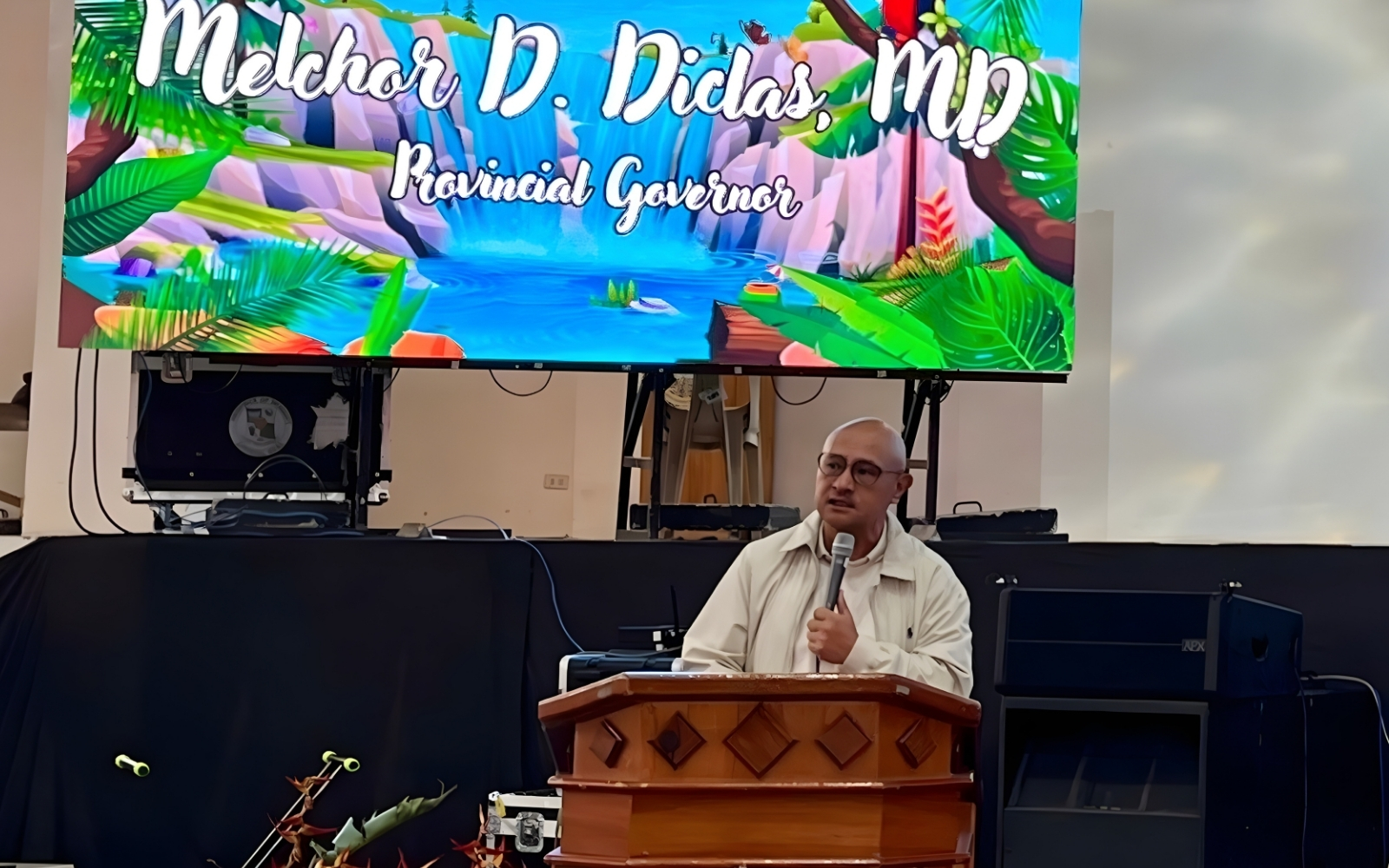
Governor Melchor Diclas, a graduate of ZFF’s Provincial Leadership and Governance Program (PLGP), highlighted the continuing partnerships that strengthen Benguet’s UHC initiatives. He shared the province’s ongoing efforts to enhance health facilities and reiterated the importance of cooperation among municipalities and partners while awaiting the release of the Special Health Fund (SHF).
Governor Diclas said that Benguet’s health progress continues because of strong collaboration and shared ownership among leaders—proof that collective action drives a healthier province.
“Uray Bassit Basta Agtultuloy” (Continuing the Journey Together)
In her keynote address, DOH-CAR Regional Director Dr. Amelita Pangilinan, a graduate of ZFF’s Regional Leadership and Governance Program (RLGP), praised Benguet’s leaders for “choosing collaboration over isolation.” She noted that nine of the province’s 13 mayors are newly elected and have pledged their full support to continue the integration efforts started by their predecessors.
“Uray bassit basta agtultuloy. No matter how small the steps, what’s important is that we continue,” Dr. Pangilinan encouraged.
She shared three key messages inspired by ZFF’s Bridging Leadership approach:
- Health integration works best when it is people-centered. Systems must serve communities, not the other way around.
- Partnerships are our greatest resource. When stakeholders move in harmony, the impact multiplies.
- Sustainability begins with shared ownership. Real change happens when leaders co-own and co-integrate their health goals.
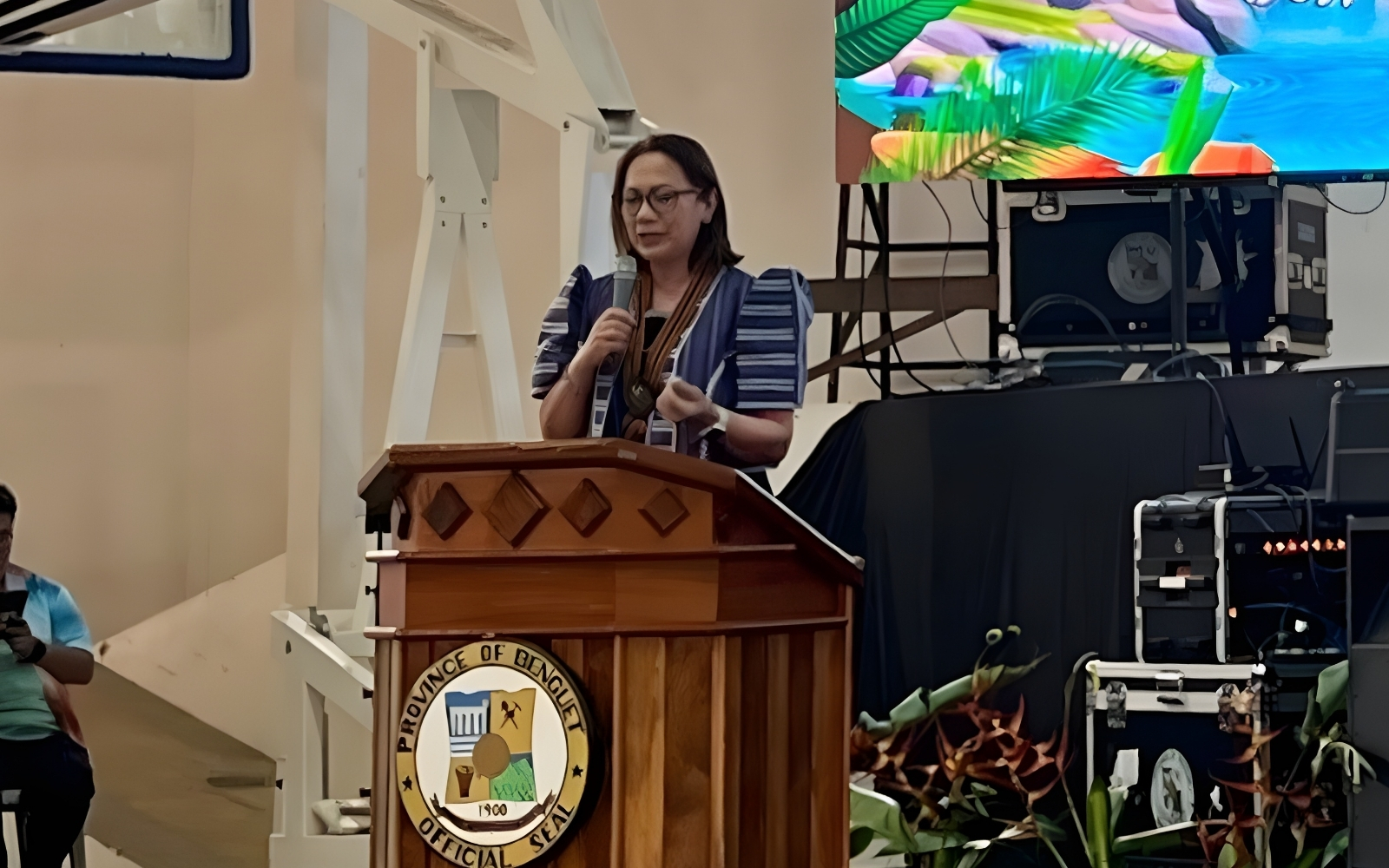
Dr. Pangilinan reminded everyone that UHC is not a distant goal but a shared journey, built one step, one partnership, and one act of service at a time.
Showcasing Local Good Practices
Rural Health Units (RHUs) from Atok, Bokod, Buguias, Mankayan, and Tuba also shared local good practices and innovations that contribute to Benguet’s Province-Wide Health System (PWHS). These stories show how each municipality contributes to a stronger, more responsive health system for Benguet.
Bridging Leadership in Benguet’s Health Journey
For Benguet, the 2nd UHC Conference was more than just an event, but a renewal of trust, partnership, and shared ownership among provincial and municipal leaders. It reflected how Benguet continues to apply the Bridging Leadership framework, a core principle of ZFF’s leadership programs that helps leaders recognize interconnectedness, build trust, and co-own health outcomes.
Both CAR and the Benguet Provincial Health Team, including Governor Diclas and Dr. Dulay, are graduates of ZFF’s leadership and governance programs. As UHC champions, they continue to show that sustainable health systems are built not by individual institutions, but by leaders and communities moving forward together.
Benguet’s UHC journey stands as a testament to the power of partnerships, perseverance, and shared responsibility, proving that meaningful change begins when everyone works hand in hand.
“Uray bassit basta agtultuloy.” Small steps, strong partnerships, and a shared vision for a healthier Benguet and a healthier Cordillera.
Author: Ayeza De Mesa, ZFF Bayang Malusog Leadership and Governance Program Associate
Samar and Southern Leyte Mobilize to Maximize PhilHealth Resources for Youth Health
Tacloban City — Local government leaders from Samar and Southern Leyte gathered for a two-day workshop last September 16–17, 2025, that focused on a shared goal: making the most of PhilHealth resources to support adolescent health.
The Zuellig Family Foundation (ZFF) organized the activity under its Expanded Youth Leadership and Governance Program (EYLGP). The workshop formed part of the Joint Programme on Accelerating the Reduction of Adolescent Pregnancy (JPARAP) supported by the United Nations Population Fund (UNFPA), and funded by the Korea International Cooperation Agency (KOICA).
Dr. Ofelia Alcantara, a public health advocate and former mayor of Tolosa, Leyte, facilitated the sessions. Over 20 participants from nine municipalities joined:
- Southern Leyte: Sogod, Libagon, Bontoc, Liloan, Malitbog
- Samar: Marabut, Basey, Sta. Rita, Villareal
A Shared Vision for Young People’s Health
The gathering highlighted the commitment of local government units (LGUs) to reduce adolescent pregnancy and promote youth leadership in health governance. The discussions built on the Universal Health Care (UHC) Act of 2019, which guarantees access to quality and affordable health services.
Dr. Alcantara encouraged LGUs to view PhilHealth funds as a lifeline. “PhilHealth reimbursements are not just numbers, they’re lifelines for our communities. We need to ensure that every peso translates into better care, especially for our youth,” she said.
Related articles:
- Learning and Working Together: Insights from the Youth Leadership Colloquiums in Southern Leyte and Samar
- Youth and Local Leaders Join Forces to Prevent Teen Pregnancies in Samar
- Southern Leyte Shows Progress in Reducing Teen Pregnancies
Strengthening Local Capacity
The UNFPA-ZFFproject in partnership with the Department of Health (DOH), Philhealth, and provincial governments of Samar and So. Leyte has already helped several LGUs secure Maternity Care Package (MCP) and accreditation, and ensure Primary Care Facilities (PCFs) are licensed. Despite these gains, LGUs still face challenges in managing funds, navigating PhilHealth’s online portal, and aligning reimbursements with their local health priorities.
To address these issues, the workshop introduced a four-part strategy:
- Assess current practices and barriers in PhilHealth income use;
- Develop a local fund management framework linked to UHC and adolescent health;
- Deliver tailored mentoring and technical tools for LGUs; and
- Produce a monograph to guide expansion and institutionalization.
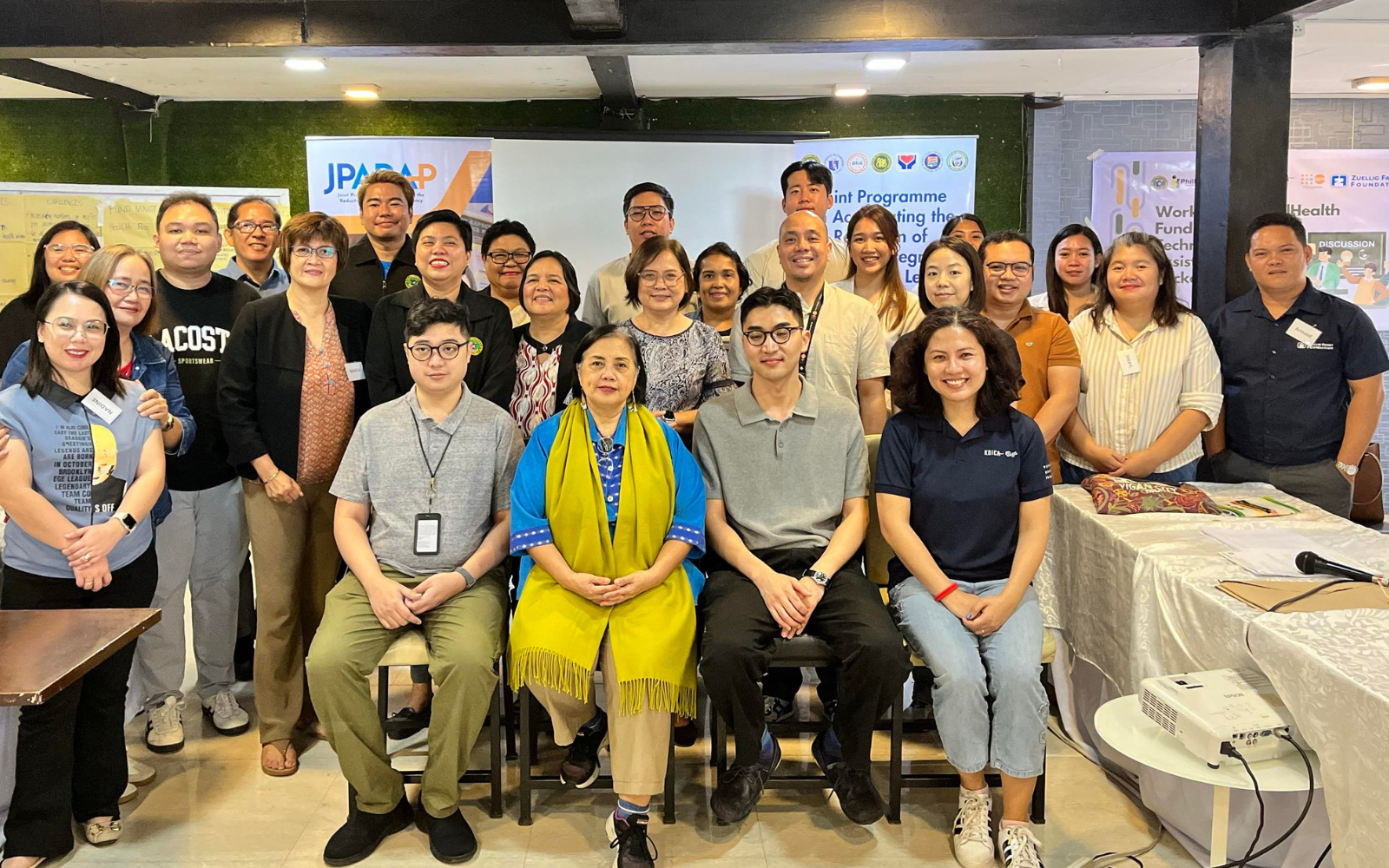
The workshop opened a series of capacity-building activities for Samar and Southern Leyte. Municipal Health Officers, PhilHealth focal persons, and Provincial Development Management Officers actively joined the discussions. Partners from UNFPA and KOICA also expressed support.
LGUs in Samar and Southern Leyte now move forward with a stronger plan to maximize PhilHealth financing. Together with ZFF and its partners, they aim to turn adolescent reproductive health from a policy promise into a lived reality for young people in their communities.
Author: Floro Acaba Jr., ZFF EYLGP Provincial Account Officer for Samar
Mandaue City’s Path Toward Sustainable Family Planning and Adolescent Health
The Zuellig Family Foundation, through its The Challenge Initiative (TCI)-Philippines team, met with Mandaue City Mayor Thadeo Jovito “Jonkie” Ouano, City Health Officer Dr. Debra Maria Catulong, and the dedicated staff of the City Health Office. The discussion highlighted the city’s steady progress in advancing family planning and adolescent health services over the past two years, while also laying out a shared vision to sustain and build on these gains in the years to come.
Bringing Services Closer to Families
When Mandaue City first joined TCI in 2023, access to family planning was limited. Only five midwives in the entire city had the skills to provide certain contraceptive services, and residents often had to travel far or wait for schedules to receive care. Today, that situation has been transformed. All 27 barangay health centers now have trained midwives, nurses, and doctors who can provide modern contraceptives on a daily basis.
This decentralization of services has had a direct impact on families. The city’s modern contraceptive prevalence rate has risen from 19 percent in 2020 to 30 percent in 2024—meeting the national target. Behind these numbers are women who are better able to space their pregnancies, parents who can provide for their families with greater stability, and adolescents who can make informed choices about their futures.
Related articles:
- Mandaue City Redefines Reproductive Care through Women’s Health Caravan
- Eight Cities Share Success in Family Planning and Adolescent Health
Making Services Adolescent-Friendly
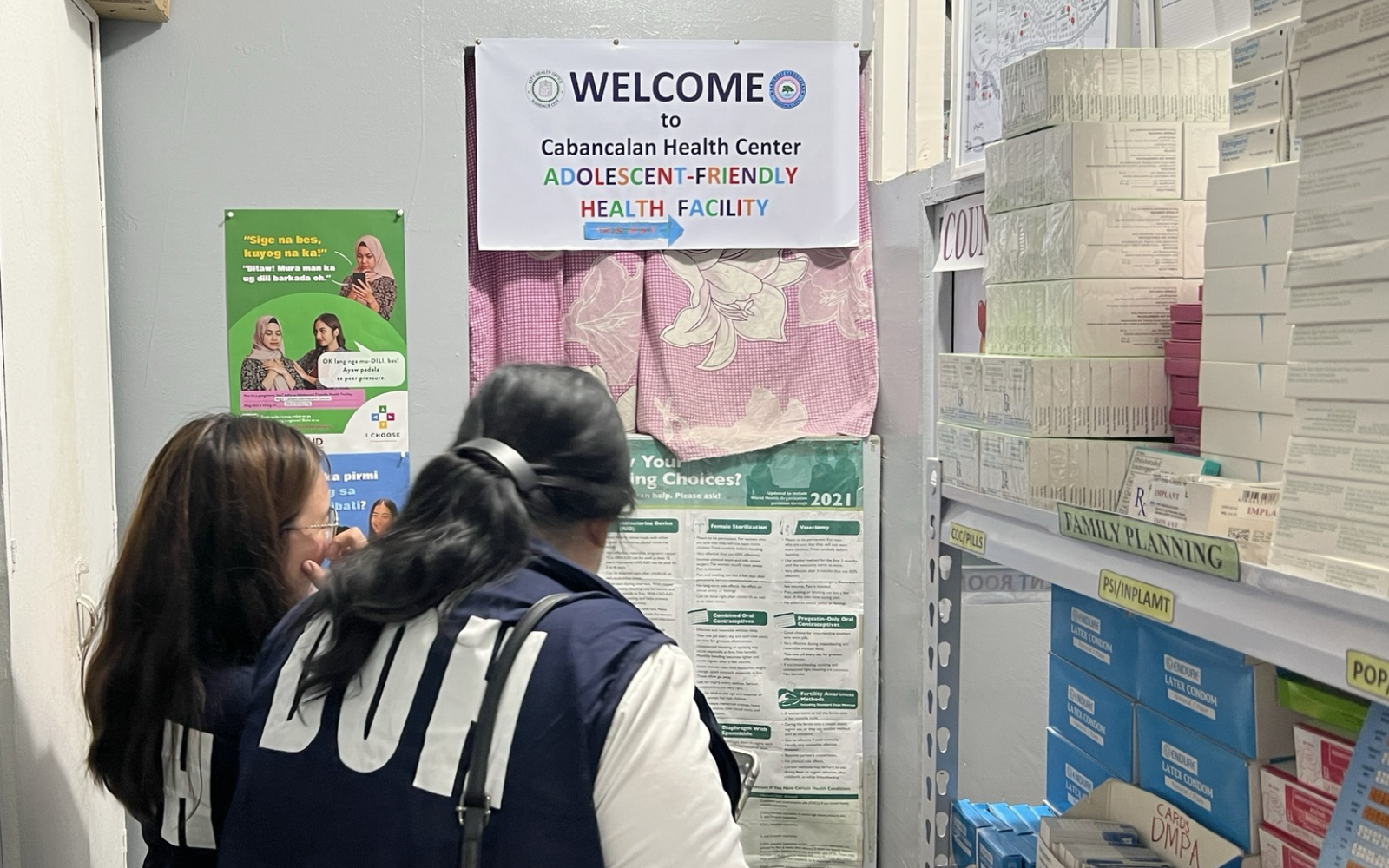
The city also recognized early on that adolescents face distinct barriers when seeking health services. Young people often hesitate to ask for help because of stigma or fear of being judged. To address this, Mandaue invested in adolescent-friendly health services (AFHS), redesigning facilities to ensure privacy and training staff to listen and respond without judgment.
As of today, ten barangays have already achieved certification from the Department of Health as adolescent-friendly, and the rest are moving toward the same goal. With these changes, adolescents in Mandaue are finding spaces where they feel welcome, safe, and respected.
Integrating Family Planning into Everyday Care
A significant innovation in Mandaue has been the integration of family planning into the full range of health activities. Whether through immunization drives, cancer screenings, or women’s health check-ups, family planning has become part of routine care. This approach helps normalize conversations about reproductive health and ensures that no opportunity is missed to provide information and services.
Investing in Sustainability
The city has also demonstrated strong political and financial commitment. From 2.5 million pesos in 2024, the budget for family planning and adolescent health rose to 12 million pesos in 2025—a fivefold increase. This reflects both the prioritization of reproductive health and the recognition of its importance in improving overall well-being.
At the same time, Mandaue is pursuing PhilHealth accreditation for its facilities and providers. This will allow reimbursements to flow back into the health system, creating a financial cycle that sustains services over time. Coupled with the Special Health Fund under Universal Health Care, the city is positioning itself for long-term continuity of family planning and adolescent health programs.
Key Lessons from Mandaue’s Experience
Several lessons stand out from Mandaue City’s journey. Strong local leadership, led by the mayor and supported by the city council, has been central to accelerating reforms. Systems change is possible when local governments commit to decentralization, integration, and youth-friendly service delivery. Listening to adolescents and families has helped ensure that services are relevant and stigma-free. Finally, financial sustainability must be built deliberately, as demonstrated by the city’s budget increases and its pursuit of PhilHealth reimbursements.
Looking Ahead
Despite these successes, challenges remain. The city aims to achieve adolescent-friendly certification across all barangays, expand peer education networks, and continue strengthening data quality and use. Ensuring a consistent supply of commodities and fully utilizing available budgets will also be critical to sustaining progress.
What is most notable is the sense of ownership within Mandaue City. Local leaders, health workers, and communities see these programs not as external projects but as their own responsibility. This perspective is the clearest sign that sustainability is within reach.
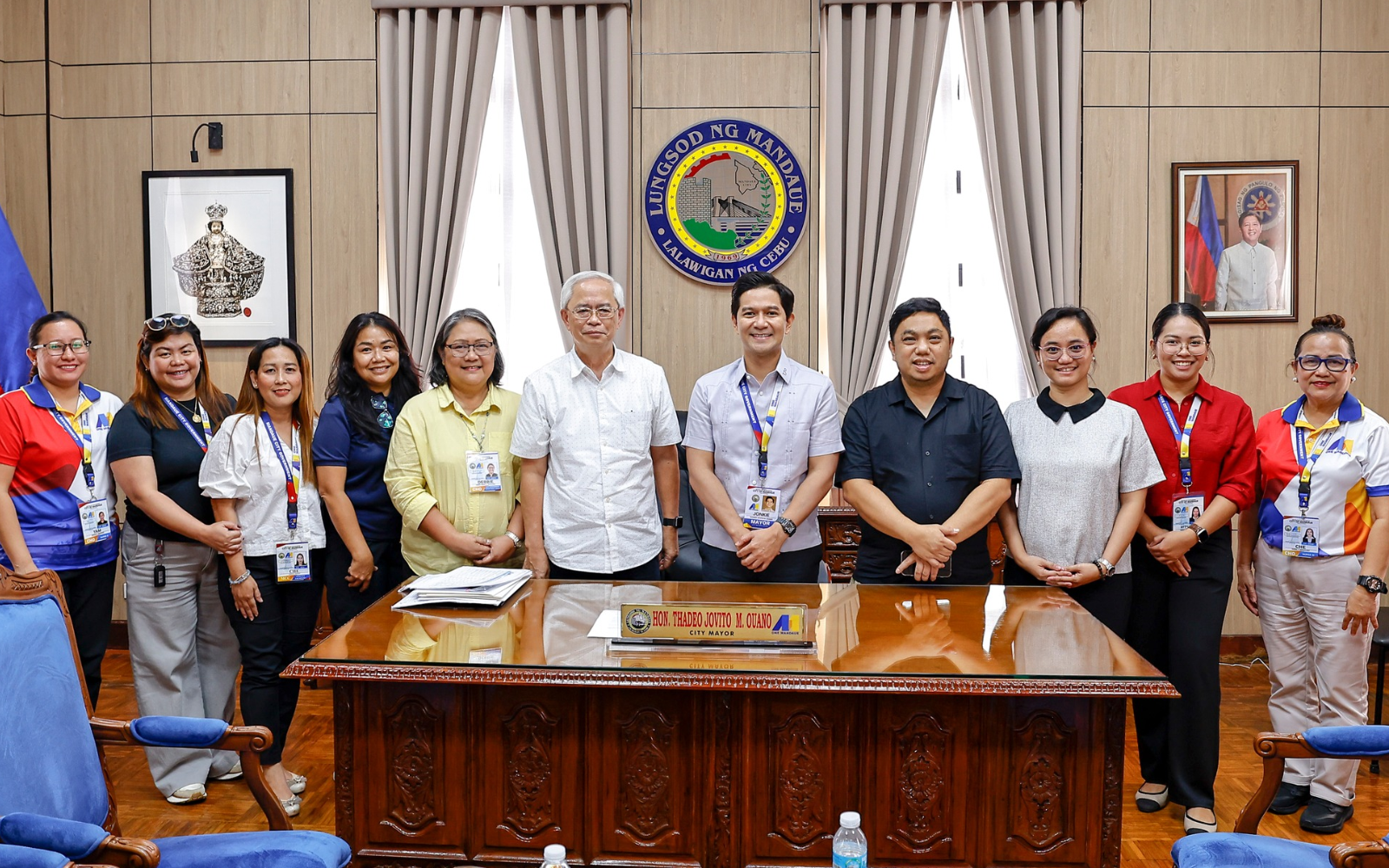
Mandaue City’s story is one of determination, innovation, and leadership. From expanding access to family planning, to creating youth-friendly spaces, to embedding sustainability through financing, the city has demonstrated how local governments can drive meaningful health reforms.
By making services more accessible to families and more welcoming to adolescents, Mandaue is showing what it means to build a healthier and more empowered community. Its experience serves as a model for other cities in the Philippines—and beyond—on how to combine political will, systems strengthening, and community-centered design to achieve lasting impact.
Meeting photos from: Mandaue City Public Affairs Office
Author: Dr. Anthony Faraon, ZFF TCI-Philippines Chief of Party
Lapu-Lapu City’s Path to Strengthening Family Planning and Adolescent Health
On September 18, 2025, the Zuellig Family Foundation, through its The Challenge Initiative (TCI)-Philippines team, met with the Lapu-Lapu City government to discuss family planning and adolescent health. Joining the meeting were City Administrator Atty. Almendras and the City Health Office team, led by nurses Ivy Amistad, Jovy Alonzo, and Leizel Lagtapon. The conversation served as a chance to reflect on the city’s progress, identify ongoing challenges, and consider ways to strengthen impact and sustainability.
Recovery and Resilience after COVID-19
Like many local government units, Lapu-Lapu City experienced major disruptions in reproductive health services during the COVID-19 pandemic. Health workers were diverted to pandemic response, service delivery slowed, and demand for family planning dropped. Now, the City is steadily regaining momentum. With health staff back on the ground, there has been recovery in the uptake of short-acting methods such as pills, injectables, and condoms. Encouragingly, long-acting and permanent methods (LAPMs) like implants, intrauterine devices (IUDs), and sterilization are also increasing in demand.
One area where Lapu-Lapu has exceeded expectations is in postpartum family planning (PPFP). Through sustained training and outreach activities, the city has exceeded its TCI commitment of ensuring that targeted providers are trained on PPFP–demonstrating that with political will and operational focus, service delivery can quickly regain strength.
Related article:
Addressing the Data Gap
Reliable data is critical for decision-making, yet the city continues to face difficulties in capturing a complete picture of family planning performance. Public facilities generally provide regular reports, though private birthing centers and hospitals show variable compliance rates. An ordinance requires reporting, but enforcement is limited without established legal penalties. The City Health Office is considering connecting compliance requirements to business permit processes and incorporating maternal death review procedures as accountability measures.
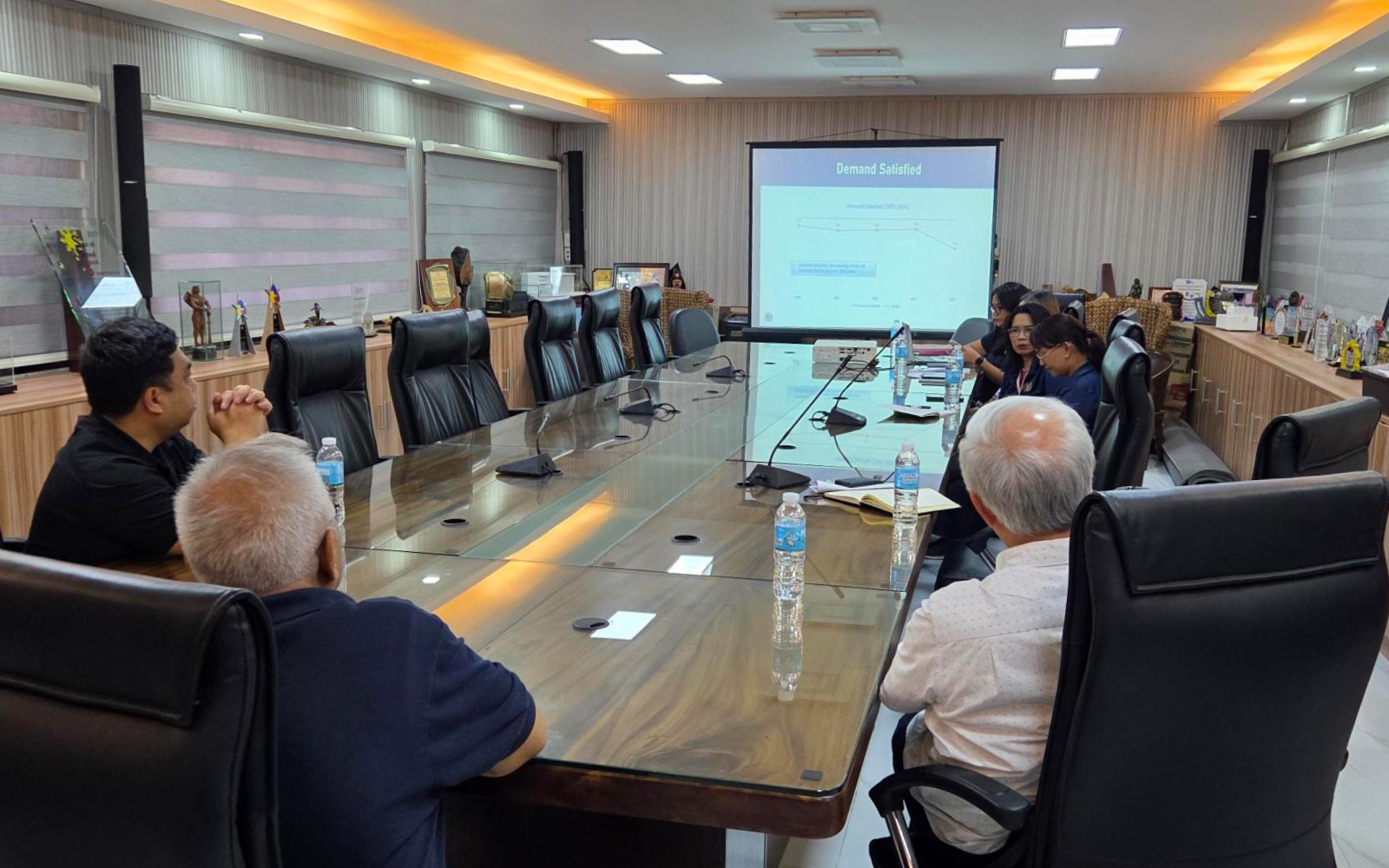
Another challenge lies in the transition to new Department of Health (DOH) performance indicators. Health staff are still adjusting from measuring modern contraceptive prevalence rate (mCPR) to tracking “demand satisfied”, which looks at the percentage of women with demand for family planning and who are actually using modern methods. Lapu-Lapu currently reports a demand satisfied rate of only 46%, far below the 70% national target. Continued coaching and capacity building will be essential to ensure that data is not only accurate but also used strategically for planning and advocacy.
Investing in Young People
Adolescent health remains a priority in Lapu-Lapu. Several health workers have been trained on adolescent-friendly health services (AFHS), and facilities are starting to offer confidential, youth-centered care. While formal DOH accreditation is still in development for most facilities, efforts are underway to address infrastructure needs, including the establishment of appropriate counseling spaces.
Despite these challenges, peer education is emerging as a promising practice. By mobilizing young people themselves to reach their peers, the city is creating more relatable and effective pathways to information and services. Plans are underway to expand peer education networks through collaboration with the Sangguniang Kabataan (SK) Federation and barangay-level initiatives. For sustainability, the city will need to determine the right peer-to-population ratio to ensure meaningful coverage across communities.
Governance, Financing, and Sustainability
Lapu-Lapu has demonstrated strong commitment to financing reproductive health, earmarking four million pesos in 2024 and five million pesos in 2025 for FP and adolescent health.
Budget execution has been gradual, with 22% of funds utilized by mid 2025, indicating opportunities to accelerate implementation timelines to maintain program momentum. This highlights the potential for strengthening alignment between program objectives and financial planning. For example, advancing demand satisfied rates from 46% to 60% would involve specific resource requirements for peer educators, supplies, and community outreach activities, each with defined costs. Developing such costing frameworks could support city leadership, including the mayor and city council, in making strategic resource allocation decisions for optimal program impact.
In May 2025, the City completed a self-reliance assessment using TCI’s Reflection and Action to Improve Self-reliance and Effectiveness (RAISE) Tool. The results showed strong performance in data management (100%) and leadership (85%). However, areas needing improvement include formalizing policies, ensuring specific line-item allocations for FP and adolescent health, and strengthening supportive supervision systems. These gaps highlight where technical assistance and local leadership need to converge to ensure sustainability.
Moving Ahead
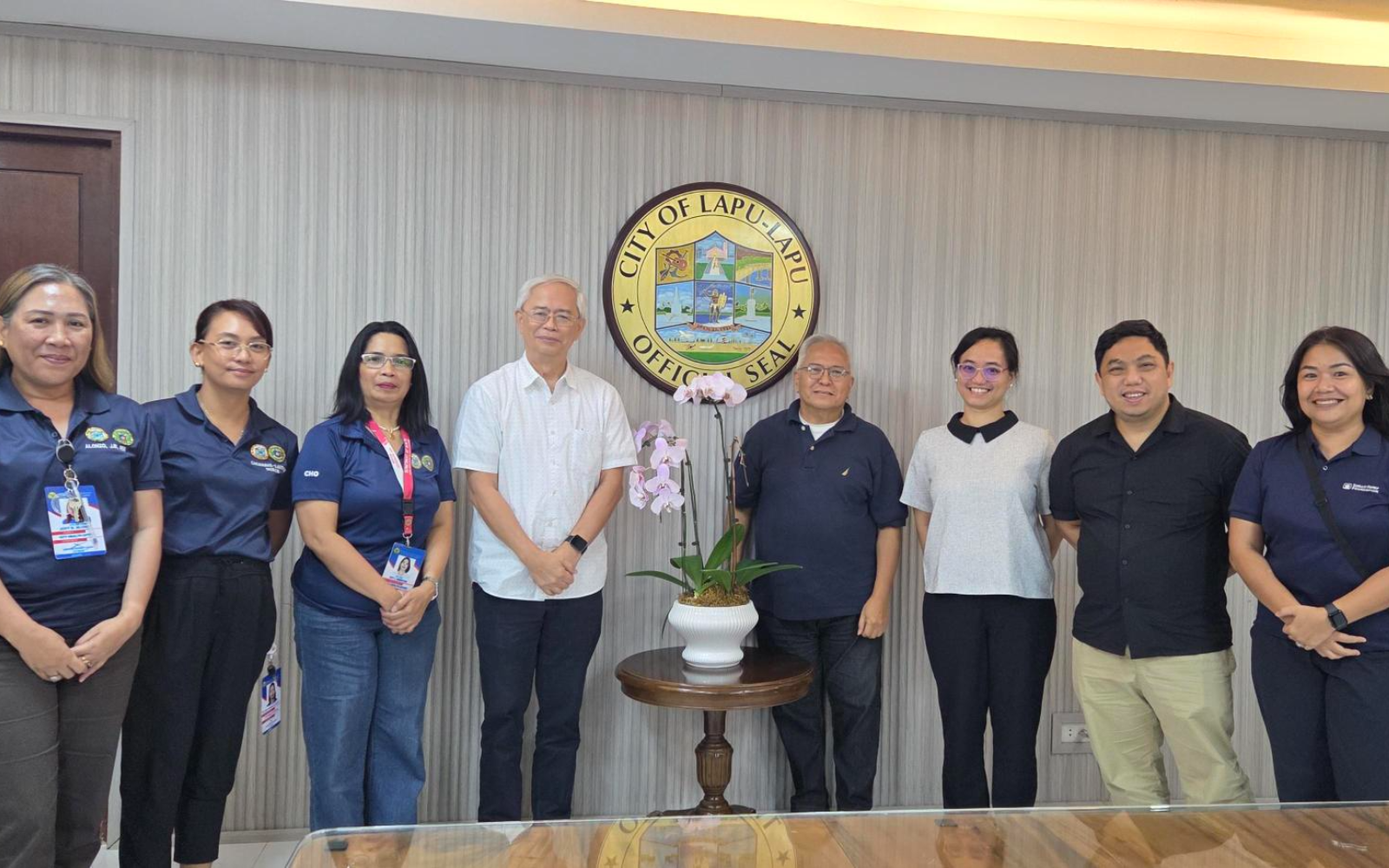
The meeting underscored both the progress and the unfinished work in Lapu-Lapu City’s reproductive health journey. On the one hand, the city has demonstrated resilience, ownership, and momentum—recovering service delivery, expanding postpartum FP, and investing in adolescent-friendly health services. On the other hand, challenges remain: persistent gaps in data reporting, budget execution, and demand satisfied rates reveal the need for stronger systems and sharper strategies.
With committed leadership, available resources, and the support of partners like ZFF and TCI, Lapu-Lapu City is well-positioned to transform these challenges into breakthroughs. By enforcing policies, scaling up peer-led youth programs, and aligning financial investments with program outcomes, the city can not only close its current gaps but also emerge as a model for sustainable, locally-owned family planning and adolescent health programs in the Philippines.