The Zuellig Family Foundation Accelerated Leadership Development Program: Advancing Universal Health Care in the Provinces
The Zuellig Family Foundation’s Accelerated Leadership Development Program aims to expedite Universal Health Care (UHC) implementation in Philippine provinces by enhancing leadership and technical skills among Department of Health regional UHC core teams, critical for overcoming setbacks caused by the COVID-19 pandemic.
ZFF Abstract_Accelerated Leadership Development ProgramZuellig Family Foundation’s Provincial Leadership and Governance Program Featured in 2025 Voluntary National Review
The Provincial Leadership and Governance Program (PLGP) of the Zuellig Family Foundation (ZFF) was recently featured in the Philippines’ 2025 Voluntary National Review (VNR) as a key example of how civil society and local government partnerships are helping the country achieve Sustainable Development Goal (SDG) 3: Good Health and Well-Being.
Implemented from 2019 to 2022 in the provinces of Aklan, Agusan del Sur, and Bataan, the PLGP strengthened provincial governments’ capacity to lead and manage local health systems. The program supported governors, mayors, and their health teams through leadership training, coaching, and technical assistance, with the goal of improving access to primary healthcare, particularly maternal and child health, infectious disease control, and non-communicable disease management.
Assessments conducted in 2023 and 2024 showed positive results. Maternal deaths at the provincial level declined, while skilled birth attendance and facility-based deliveries increased. These improvements reflected the provinces’ strengthened health systems and commitment to prioritizing frontline health services.
The PLGP is part of ZFF’s broader effort, in collaboration with the Department of Health (DOH), academic institutions, and development partners, to enhance local health leadership and governance. The program has since informed the design of the Bayang Malusog Program, which is now being implemented in several regions by DOH Centers for Health and Development, with academic partners, ensuring that lessons from the PLGP contribute to the nationwide acceleration of Universal Health Care.
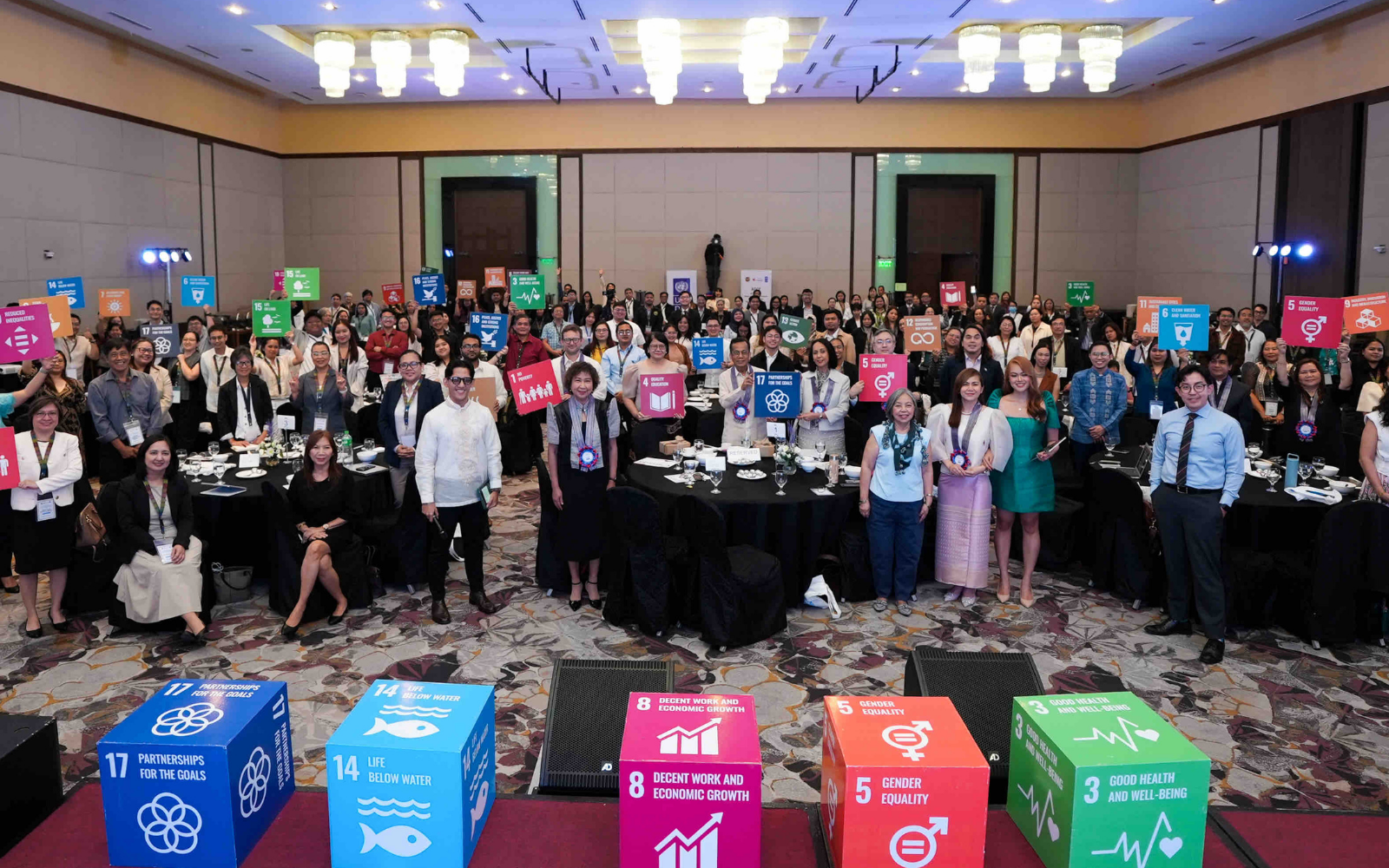
The 2025 VNR, presented nationally on August 27, 2025, provides a comprehensive assessment of the Philippines’ progress in achieving the SDGs. In his message, Department of Economy, Planning, and Development Secretary Arsenio Balisacan stressed the importance of sustained collaboration across sectors to institutionalize reforms and meet critical SDG targets.
The full 2025 VNR can be accessed here: https://sdg.depdev.gov.ph/voluntary-national-review-2025/
Youth and Local Leaders Join Forces to Prevent Teen Pregnancies in Samar
On August 15, 2025, Samar leaders, health workers, youth representatives, and development partners came together for the Expanded Youth Leadership and Governance Program (EYLGP) Colloquium.
Implemented by the Zuellig Family Foundation (ZFF) with support from the United Nations Population Fund (UNFPA) and the Korea International Cooperation Agency (KOICA), the EYLGP builds the leadership of both young people and local governments. The program was first piloted in Mindanao and has since expanded to Samar and Southern Leyte, where it is showing promising results.
Samar’s EYLGP journey began in April 2023 when Governor Sharee Ann Tan, together with mayors and municipal health officers, met with the Zuellig Family Foundation (ZFF) to tackle the province’s high rate of teen pregnancies. At this meeting, the mayors and health officers signed learning contracts to affirm their commitment to the program.
Two years later, in Samar, EYLGP has trained 81 municipal leaders, along with youth leaders and representatives from the Department of Health (DOH), Department of Education, and Department of the Interior and Local Government. Together, they improved local governance systems that directly affect adolescent health.
Related article:
The results are encouraging. In partner cities and municipalities, the adolescent birth rate (ABR) went down by 5% from 2022 to 2024: from an ABR of 38.1 per 1,000 girls aged 15 to 19 in 2022 to 36.1 in 2024. The use of modern contraceptives among adolescents also more than doubled in the same period. These numbers mean more young people are getting the right information and services to protect their health and future.
However, challenges remain:
- Provincial ABR is still higher than the national target of 30 at 33.7 per 1,000 in 2024, and the overall trend for Samar shows an increase from 27.33 (2022) to 28.28 (2023) to 33.7 (2024).
- Young adolescents (10 to 14 years old) experienced a 28% rise in births from 2022–2024.
- Education completion rates are declining: Elementary school completion dropped from 99.55% (2022) to 87.6% (2024), and high school completion went from 100% to 51.35% over the same period.
- Poverty remains high at 24.9% in 2023, affecting adolescent risk.
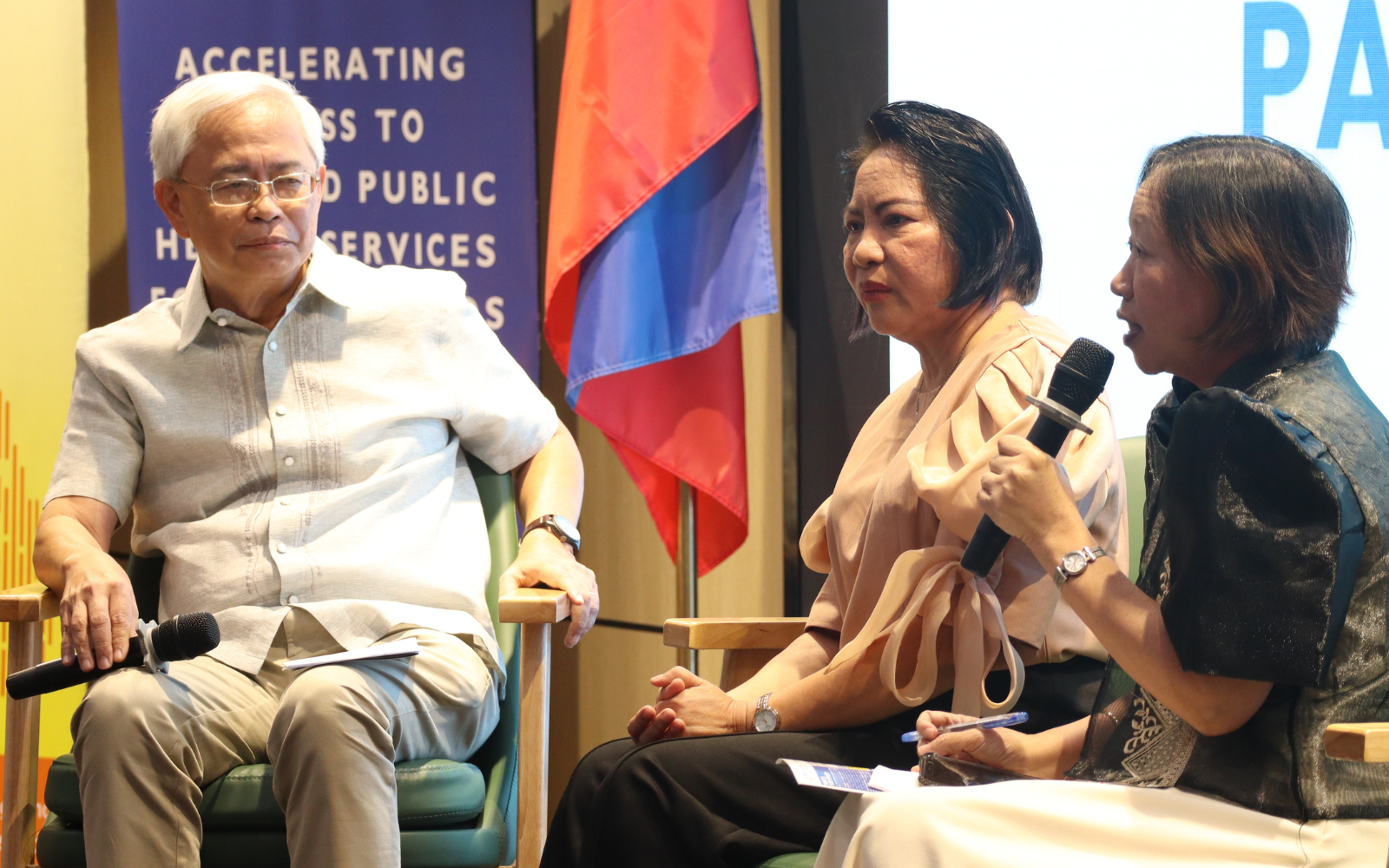
During the Colloquium, participants shared what worked best in Samar:
- Functional local committees that regularly meet to address adolescent health issues.
- Local policies backed by real budgets to support teen pregnancy prevention.
- Adolescent-friendly health facilities and services in communities.
- Active involvement of youth leaders in peer education and information campaigns.
- Supportive mayors who invest in programs that keep young people in school.
To sustain these gains, ZFF and partners will continue coaching local governments until 2026. New initiatives include the Masayang Pamilya Parent-Teen Program in Calbayog and Catbalogan, and helping five LGUs integrate adolescent health and development into their long-term plans.
Zuellig Family Foundation (ZFF) President and Executive Director Austere Panadero challenged Samar to look ahead: “Over the last two years, you have shown remarkable support and commitment, but the question now is whether these efforts are enough to fully address adolescent pregnancy. Sapat na ba? This is an important moment to reflect on our gains and consider how we can move forward faster and more effectively.”
Baguio City Advance Universal Health Plans
Baguio City is moving closer to making Universal Health Care (UHC) a reality.
Dr. Catherine Chung, Local Health Systems Director at Zuellig Family Foundation (ZFF), noted that the city has nearly completed the accreditation of all its district health centers under PhilHealth’s Yaman ng Kalusugan Program (YAKAP). Only two centers remain, while the city is also improving its electronic medical records and preparing to operationalize contracts with three private hospitals. These steps, she said, put Baguio in a strong position to shift toward a mixed health provider network that uses both public and private facilities.
These insights came during the Executive Session for Mayor Benjamin “Benjie” Magalong on August 12, 2025, organized by ZFF through its Bayang Malusog Leadership and Governance Program.
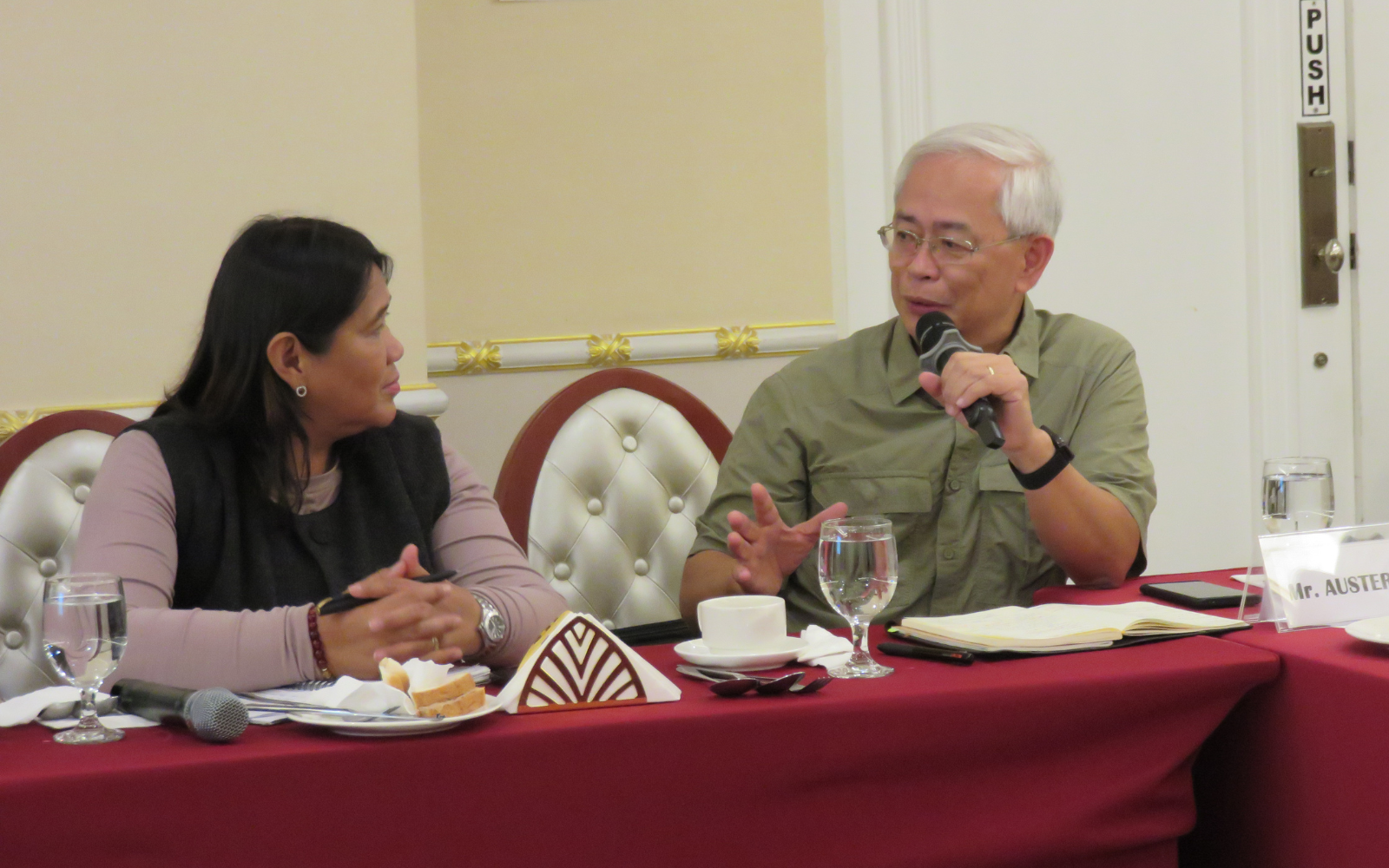
City Health Officer Dr. Celia Flor Brillantes laid out Baguio’s roadmap to UHC. PhilHealth President and CEO Dr. Edwin Mercado shared updates on YAKAP and advised the city to prepare solid contracting rules, clear fund-sharing arrangements, and even explore public-private partnership models. Austere Panadero, ZFF President and Executive Director, reminded the group of the urgency of their shared task, stressing: “We need to reach more, serve more. We need to prepare the system.” The Department of Health (DOH)-CAR also committed its full support.
Dr. Chung underscored that while Baguio is ahead, the transition will not be easy. Building a mixed-provider network demands strong governance, especially in handling contracts and finances. There is a need for local accountability systems to ensure that health funds are used properly and transparently. At the same time, she affirmed that Baguio has the right building blocks—committed leadership, technical support from PhilHealth and DOH, and active collaboration with partners.
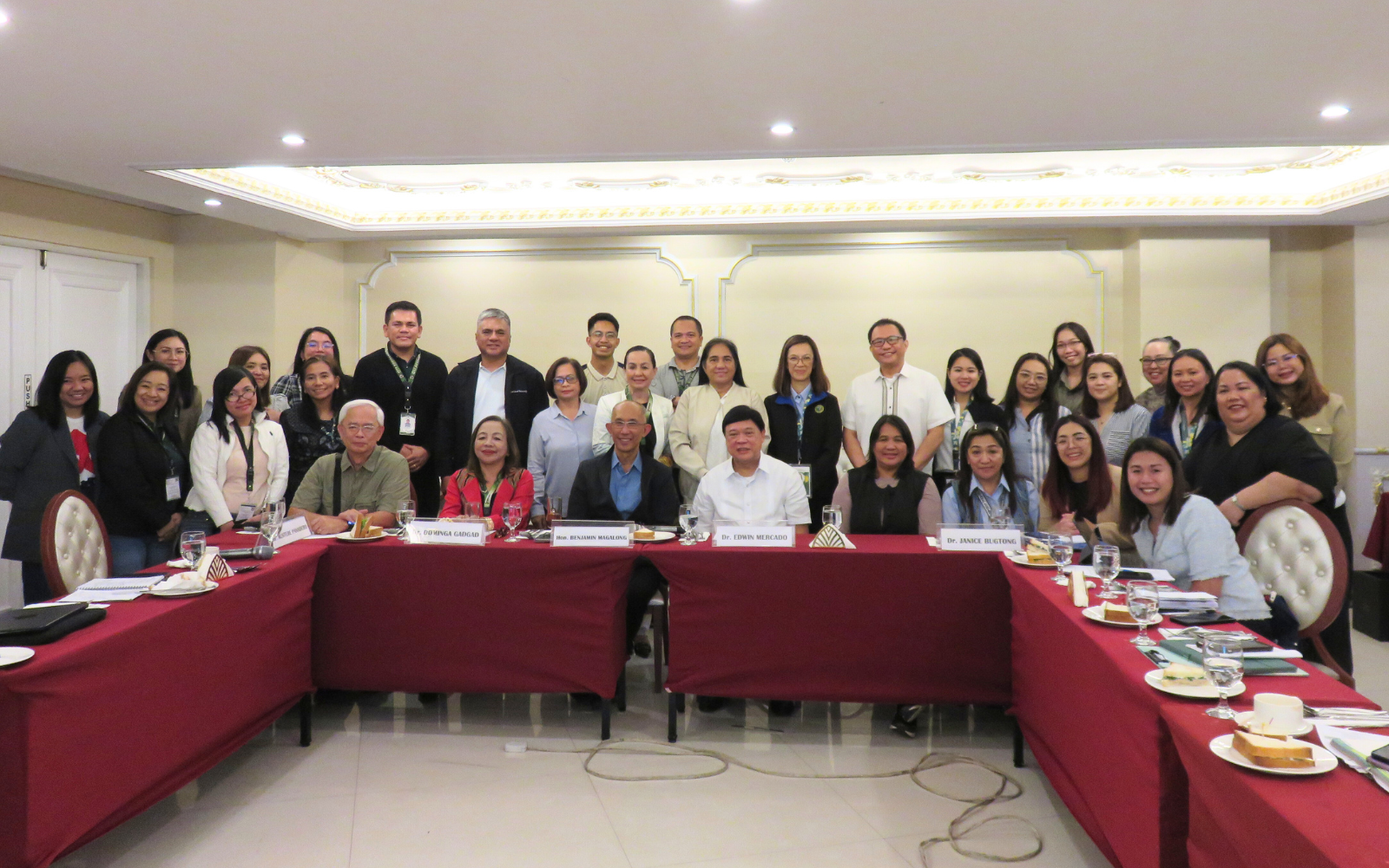
With these efforts, Baguio City is showing that local governments can lead the way in building a health system that truly works for every resident.
Moving Forward with Health Reforms in Benguet
Benguet is making progress in its journey toward Universal Health Care, but much work still lies ahead.
During the August 12, 2025 review of the province’s Health Care Provider Network (HCPN) and Special Health Fund (SHF), the Provincial Government of Benguet under Governor Melchor Diclas met with PhilHealth, the Department of Health (DOH), and the Zuellig Family Foundation (ZFF) to assess progress and challenges. PhilHealth President and CEO Dr. Edwin Mercado, PhilHealth-CAR Regional Vice President Dr. Dominga Gadgad, and DOH Provincial Health Team Leader Dr. Mercedes Calpito all reaffirmed support for the province.
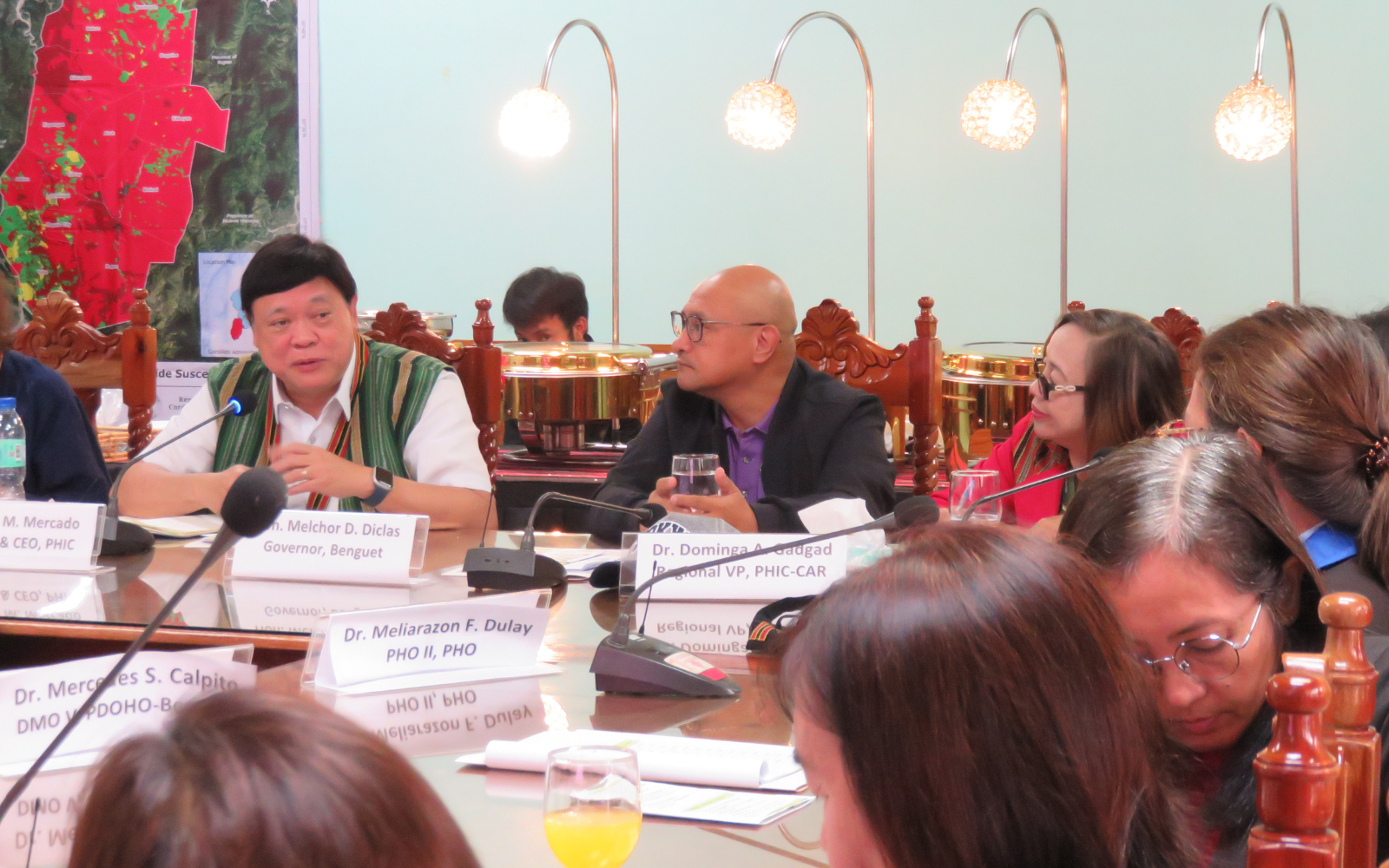
Dr. Catherine Chung, Local Health Systems Director at Zuellig Family Foundation, shared key insights on where Benguet stands and what still needs to be done.
The province has already formed an SHF Technical Working Group and engaged local finance committees, an important step in operationalizing the SHF. The Provincial Health Office also began discussions with municipalities and is planning to expand the Provincial Health Board, especially with new local leaders now in place. However, unfinished tasks such as completing the SHF manual, updating the patient navigation manual, and finalizing operational guidelines continue to hold back the full roll-out.
Related articles:
- Making Health a Shared Mission in Benguet
- Benguet Charts Path to Stronger Health Governance
- Building a Healthier Benguet: Integrating Health Information, Financing, and Service Delivery to Achieving Universal Health Care
Digital health adoption is also growing. Seven out of 13 municipalities are now using the eMed electronic medical record (EMR) system, but with hospitals still relying on multiple other EMR systems, patient tracking and financial monitoring remain fragmented. Dr. Chung stressed the need to standardize EMRs so that data can be integrated and patients can be tracked across facilities—critical for monitoring the SHF.
On the financing side, PhilHealth’s updates on claims pre-validation, expanded Konsulta benefits, and more accredited primary care facilities show positive momentum. But Dr. Chung noted that clearer roles between DOH and PhilHealth must be established, especially on who should lead technical support to local government units (LGUs) for SHF operations.
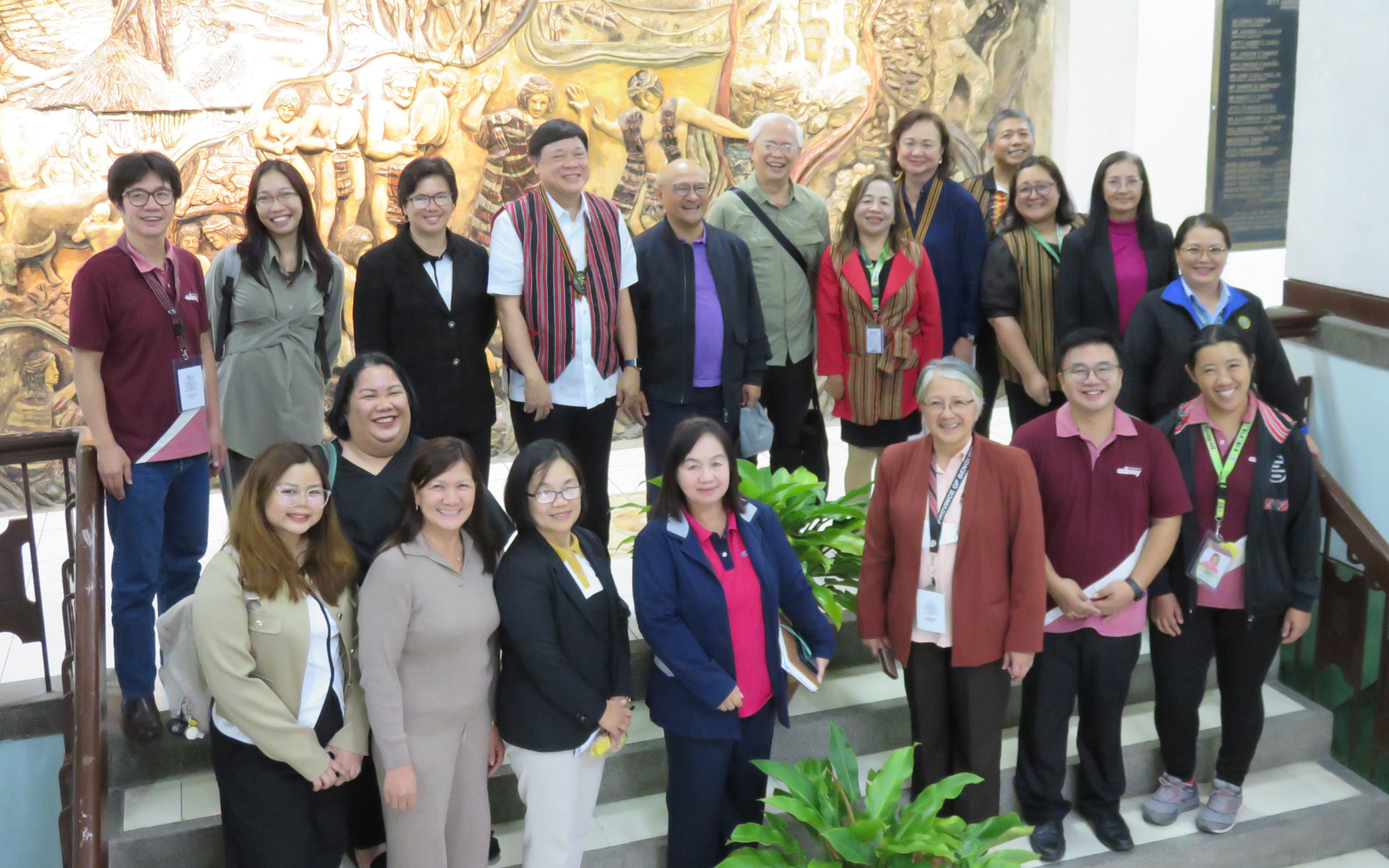
In summary, Benguet is moving forward but must accelerate its efforts: finalize SHF guidelines, set rules on health provider costs and pricing, integrate district hospitals as an entry point, and strengthen financial management in preparation for prospective payments in 2026.
For Dr. Chung, these next steps will be crucial:
- Without a strong financial system, the SHF cannot be sustained.
- Data integration through standard EMRs will make patient care and fund monitoring possible.
- Collaboration between PhilHealth, DOH, and LGUs must be clearer if reforms are to succeed.
With these insights, Benguet has a clear path: strengthen its financial and digital systems, clarify institutional roles, and continue building a health system that delivers accessible and sustainable care to its people.
No Detours: Building Expressways to Adolescent Health
The road to a healthier future for Filipino youth is not a scenic route—it’s an expressway we need to build now. Last week in Bohol, at the Adolescent Health Learning Exchange (AdHLEx)—organized by the Department of Health (DOH) Adolescent Health Unit and DOH Center for Health Development VII—government leaders, health professionals, civil society, and young people gathered to map that route.
The metaphor of roads—national highways, boulevards, crossroads, and yes, rough roads—showed both how far we had come and how far we had fallen off the track. On the “national highway” are broad policy frameworks like the Universal Health Care (UHC) Act and the Responsible Parenthood and Reproductive Health (RPRH) Law. On the “boulevards” are adolescent sexual and reproductive health (ASRH) services. At the “crossroads” stand local governments and multi-sectoral teams deciding whether to press forward or stall. Far too many young Filipinos also find themselves on “rough roads” marked by early pregnancy, mental health struggles, and lack of access to care.
National data gives us a mixed view. According to the Commission on Population and Development (CPD), adolescent birth rates (ABR) in the Philippines have generally declined in recent years—a sign that sustained interventions are working. However, there has been a rise in births among girls aged 10 to 14 years old, which is a real concern. These pregnancies are often the product of abuse and exploitation, and they can have lifelong consequences for the health, education, and well-being of these children. This is not just a statistic—it’s a warning sign.
The lesson from Bohol is crystal clear: adolescent health cannot be treated as a side street. It must be central to our public health and development agenda. That means three things.
First, integration. ASRH is not separate from mental health, nutrition, or protection from abuse—they are all part of the same path. A national plan that doesn’t reach the barangay health station or school clinic is a highway that ends in a dead zone.
Second, youth participation. In Bohol, young leaders were not tokens on a panel; they were drivers of solutions—designing peer-led programs, confronting stigma, and reaching peers in ways adults can’t. We cannot plan adolescent health “for them” without planning it “with them”.
Third, scaling innovation. From peer education networks to mobile health clinics, the solutions already exist in pockets of the country. The challenge is not invention—it’s political will, financing, and replication at scale.
This is where the work of The Challenge Initiative (TCI)-Philippines offers important lessons. In 24 cities across the country, TCI has worked with local government units (LGUs) to make high-impact practices for ASRH a permanent part of their work. These include strengthening leadership teams, training health workers, making health facilities more welcoming to young people, and embedding adolescent health in local investment plans.
Related article:
For example, in several LGUs where TCI support was sustained, adolescent birth rates among 15–19-year-olds dropped significantly within a few years. Cities have adopted referral systems linking schools, barangay health stations, and hospitals; improved commodity security for contraceptives; and launched social behavior change campaigns that reach both in-school and out-of-school youth. These are not just pilot initiatives that go away when funding ends—they are built into LGU budgets, policies, and processes.
TCI’s approach proves that with local ownership, data-driven planning, and community engagement, adolescent health programs can produce measurable results. But the rise in pregnancies among the youngest girls shows there are still gaps in protection, prevention, and early intervention. LGUs need to strengthen links with child protection mechanisms, expand mental health services, and equip frontline workers to detect and respond to abuse swiftly.
The Special Health Fund under the UHC Law offers an untapped opportunity. LGUs can earmark these pooled resources for adolescent health—financing outreach programs, peer education, and youth-friendly clinics. Schools can become gateways to care, not just sources of information, by partnering with health providers for on-site services. Communities can become safe spaces where adolescents access help without fear or shame.
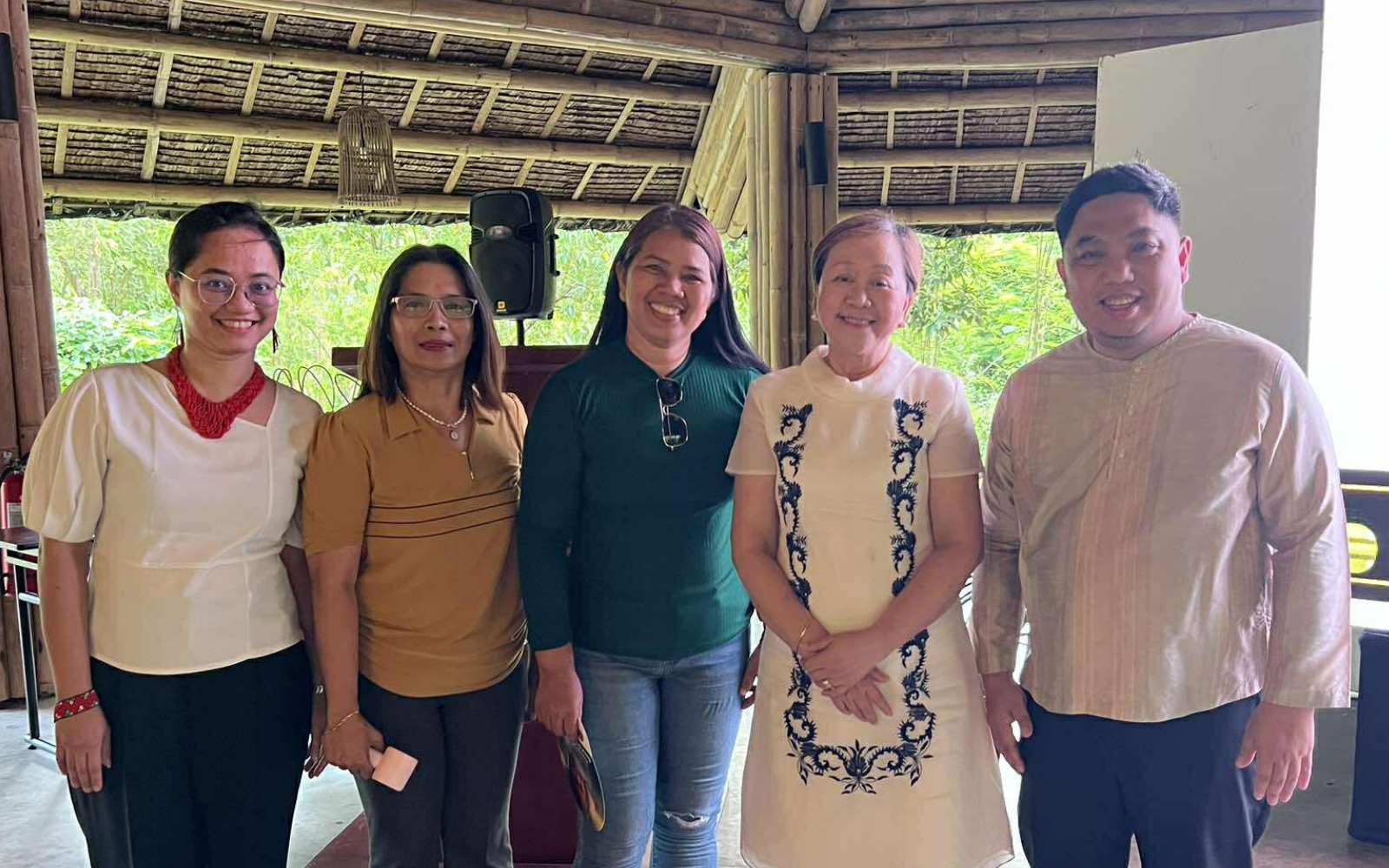
We are in a race against time. Every delay means another young life derailed by preventable pregnancy, untreated mental health issues, or violence. The choice is ours: keep patching potholes, or build the expressways our adolescents deserve.
At AdHLEx, we chose the latter. Leaders from national agencies, local governments, and the youth sector committed to accelerate progress, address the alarming rise in pregnancies among the youngest girls, and ensure every adolescent in the Philippines can grow up healthy, educated, and safe.
The rest of the country must follow—not someday, but now.
Author: Dr. Anthony Faraon, ZFF TCI-Philippines Chief of Party
Coming Together for Young People’s Health and Rights on August 13 and 15
EYLGP Colloquium on Adolescent Health in Southern Leyte and Samar
On August 13 and 15, 2025, we will gather online for the Expanded Youth Leadership and Governance Program (EYLGP) Colloquium focused on Adolescent Sexual and Reproductive Health and Rights (ASRHR) in Southern Leyte and Samar.
These virtual events will bring together youth leaders, local government unit (LGU) partners, and multisectoral stakeholders to share stories and lessons from the ground. Through public narratives and forums, we will highlight how young people and local leaders are working together to improve adolescent health and rights in their communities.
Join us on Zoom:
- August 13, 1:00 p.m.: Southern Leyte Colloquium (Register here)
- August 15, 1:00 p.m.: Samar Colloquium (Register here)
What to expect:
- Stories from youth champions and local leaders
- Panel discussions with municipal and provincial health officers, youth development officers, and ASRHR focal persons
- Videos from partner LGUs showcasing their local efforts
- Insights from the Department of Health, Commission on Population and Development, Department of Social Welfare and Development, Department of Education, and Department of the Interior and Local Government
Be part of the conversation. Celebrate progress and inspire the next wave of youth leadership in health governance.
From Momentum to Milestone: Mandaluyong City’s TCI Journey
When Mandaluyong City joined The Challenge Initiative (TCI)-Philippines in 2023, it did so with quiet determination and a clear sense of purpose. Mayor Benjamin Abalos Sr.’s letter of intent wasn’t just a formal document—it was a signal that the city was ready to invest in the future of its people, especially women and young people, by prioritizing access to quality family planning (FP) and adolescent and youth sexual and reproductive health (AYSRH) services.
At the time, Mandaluyong’s modern contraceptive prevalence rate (mCPR) stood at 22%—still far from the national target of 37%. The adolescent birth rate (ABR) was 13 births per 1,000, better than the national average but showing an erratic pattern. These numbers gave us a snapshot: progress, but also room (and reason) to do more.
Through a collaborative Program Design Workshop in November 2023, city stakeholders and the TCI team got to the heart of the matter. Together, three key challenges surfaced: fragmented coordination across departments, widespread myths and misconceptions about FP, and a lack of trained personnel. Familiar challenges, yes—but the way Mandaluyong tackled them was anything but typical.
The city immediately set up a City Leadership Team (CLT), pulling in champions from different departments. This team wasted no time adopting five of TCI’s high-impact practices (HIPs): strengthening health leadership, engaging communities, making services more adolescent-friendly, improving post-pregnancy family planning, and empowering community health volunteers. Each intervention was locally driven and tailored to Mandaluyong’s needs.
Related article:
Since then, it’s been a steady roll-out of smart, strategic, and scalable actions. Health workers have been trained on everything from informed consent to subdermal implants to intrauterine device (IUD) insertion. Youth leaders were engaged through the Sangguniang Kabataan orientation. Population workers, health leaders, and facility staff were brought into the fold through orientations, workshops, and coaching sessions. Alongside that, the city integrated FP and AYSRH programs into local events like the Adolescent Congress, Healthy Buntis Pageant, and Family Planning Month—turning awareness into action.
Fast forward to today: the city has built a solid foundation for long-term self-reliance. There’s now a pool of Master Coaches mentoring others, a trained workforce offering quality FP and AYSRH services, a functional and empowered CLT, and an operational Health Management Information System that helps track performance and identify gaps. Even more affirming, the LGU has continued to increase its local investment in FP and AYSRH—a strong signal of ownership.
The results are real: mCPR has gone up to 23.4%, and ABR has remained stable at 13. These may sound like small shifts, but they represent steady, measurable progress—especially in a field where change doesn’t happen overnight.
And here’s what excites us even more: as of July 2025, there’s been a change in leadership in Mandaluyong. Mayor Carmelita “Menchie” Abalos, previously the Vice Mayor, is now at the helm. It’s clear that continuity is likely—especially with strong advocates like City Health Officer (CHO) Dr. Arnold Abalos and Assistant CHO Dr. Emily Detaro still championing FP and AYSRH from within. Their commitment, paired with Mayor Menchie’s openness to sustain the work already in motion, gives us confidence that the city’s momentum won’t just continue—it’ll grow.
Mandaluyong’s journey with TCI is a solid example of what can happen when cities lead from the front—when political will, technical capacity, and community ownership come together with purpose. We’re looking forward to officially recognizing Mandaluyong as a self-reliant city on FP and AYSRH by September.
Author: Dr. Anthony Faraon, ZFF TCI-Philippines Chief of Party
Eastern Visayas Pushes Forward with Universal Health Care
“Is there a way of digitizing preventive care?” Dr. Manuel M. Dayrit, Chair of the Zuellig Family Foundation, asks during the Provincial Leadership and Development Program (PLDP) Colloquium in Eastern Visayas on July 3, 2025. He continued, “Because if you can get a big picture, bring the spectrum—of clinical care and preventive care—together, then you have a total approach to UHC (Universal Health Care).”
The colloquium marked the completion of the Bayang Malusog PLDP (2022–2024) run in Eastern Visayas, a partnership between the Department of Health (DOH) Eastern Visayas, University of the Philippines Manila School of Health Sciences, and Zuellig Family Foundation. The program supported provincial leaders in all six provinces—Leyte, Southern Leyte, Northern Samar, Samar, Eastern Samar, and Biliran—to lead local health reforms as part of their push for UHC. Each province made its own progress, with efforts focused on improving nutrition, and adolescent and youth sexual and reproductive health (AYSRH).
Related article:
Among the gains celebrated were integrated provincial UHCroadmaps, 70% achievement of organizational targets, and progress in qualifying nearly all provinces for Health Care Provider Network (HCPN) contracting. Dr. Dayrit pointed out that the program’s strength lies in developing both political and technical leadership—a combination essential to navigating demographic, economic, and system-level challenges.
Keynote speaker Dr. Alvin Marcelo, Professor, Lecturer, and Program Lead for the Standards and Interoperability Lab (SILab), noted that achieving UHC requires seamless interoperability of health information systems. He stressed the need to address governance, technical, and programmatic gaps through a structured framework: teaming, tooling, training, testing, and transfer.
Local leaders also shared real results. Southern Leyte Vice Governor Rosa Emilia Mercado highlighted how an immersion activity, the Deep Dive, inspired policy changes. After meeting a 15-year-old mother, Governor Damian Mercado and his team passed ordinances that funded AYSRH programs and strengthened pregnancy prevention.
Leyte Governor Carlos Petilla introduced the Quick Medical Record (QMeR) system, which connects patient records, referral services, and PhilHealth claims in one digital platform. This system now powers efficient healthcare across multiple facilities, with potential for wider rollout.
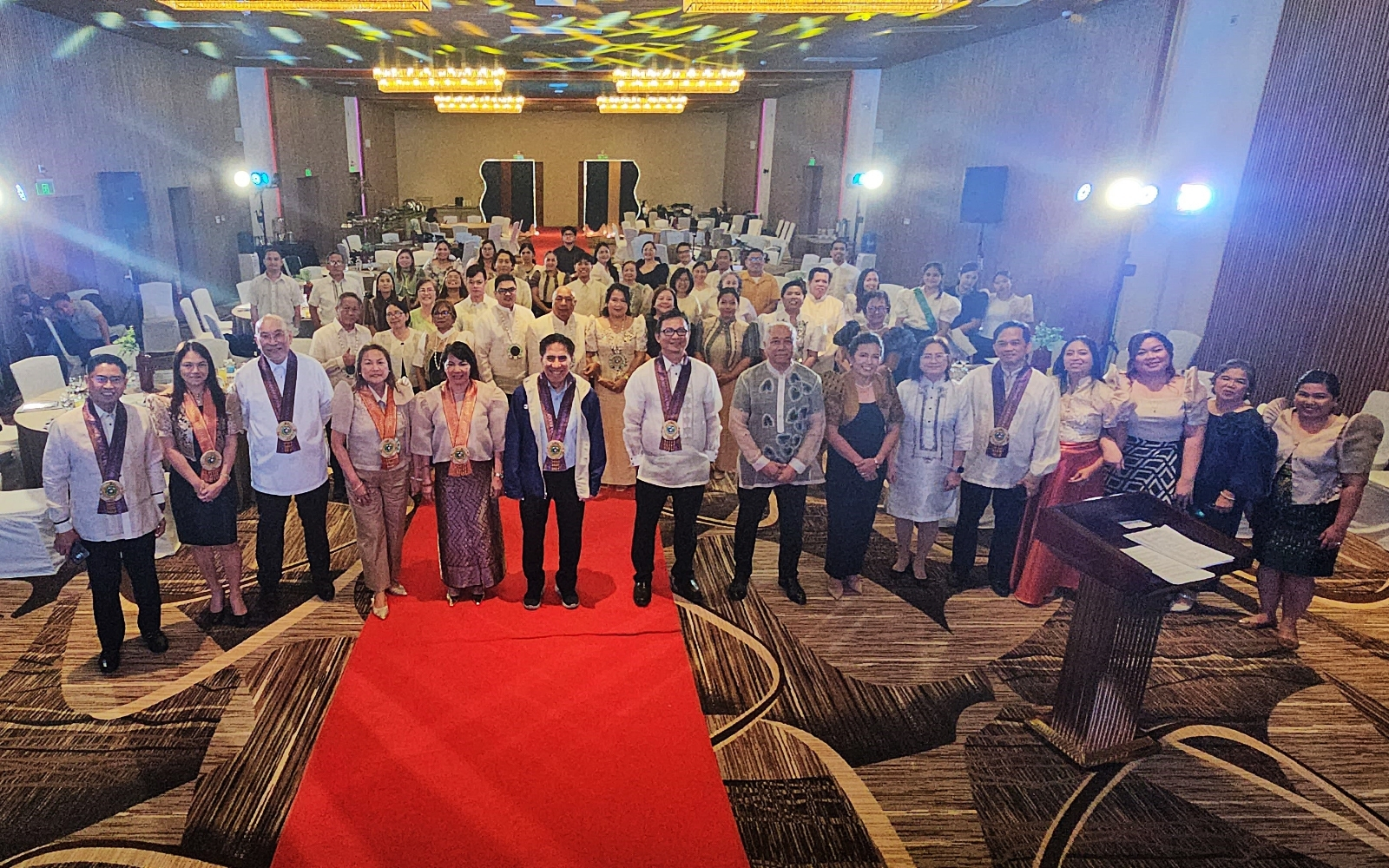
Despite these successes, DOH Eastern Visayas Regional Director Dr. Exuperia Sabalberino reminded participants that more work lies ahead. She called for scaling up innovations, deepening partnerships, and ensuring equitable access to health services for every Eastern Visayan. With strong foundations laid, the region’s leaders are now tasked with turning the full promise of UHC into reality.