ZFF and DOH-Eastern Visayas Partner to Strengthen Family Nutrition
The Zuellig Family Foundation (ZFF) and the Department of Health (DOH)-Eastern Visayas formalized its continuing collaboration to strengthen family health and nutrition in the region. On October 29, 2025, ZFF President and Executive Director Austere Panadero and DOH-Eastern Visayas Regional Director Dr. Exuperia Sabalberino signed a Memorandum of Understanding (MOU) for the implementation of the Pook Malusog Family Stunting Reduction (FaStR) Program.
The Pook Malusog FaStR Program focuses on supporting families during the first 1,000 days (F1KD) of life—a crucial period for a child’s growth and development. It seeks to strengthen the knowledge and practices of families in preventing stunting, while enhancing the leadership and technical capacity of health and nutrition frontliners.
Through this partnership, the Pook Malusog FaStR Program will be piloted in four municipalities of Eastern Visayas: Gandara and San Jose De Buan in Samar Province, and Mapanas and Lope De Vega in Northern Samar Province from 2025 to 2026.
Under the agreement, ZFF will provide coaching, mentoring, and technical assistance to DOH-Eastern Visayas and the pilot municipalities to guide them in effectively implementing the Pook Malusog FaStR model. By working together to localize the Pook Malusog approach, both institutions aim to build lasting systems of care that empower families, strengthen local leadership, and sustain progress in reducing child stunting across Eastern Visayas.
Putting People First: Data Spurs Local Governments to Rethink Priorities
Tacloban City — Local leaders from Samar and Southern Leyte closed a three-day workshop on September 19, 2025, with a firm pledge to put people at the center of their development plans. The release of the 2022 Community-Based Monitoring System (CBMS) data prompted the workshop, revealing serious gaps in education, food security, jobs, and health across eight municipalities in Eastern Visayas.
Participants admitted that despite years of government investments, fragmented programs and infrastructure-heavy spending left many services underfunded. During the workshop, they treated the CBMS data not only as a report but as a wake-up call.
Troubling Gaps in Human Development
| Municipality | No Elementary Education (%) | Food Insecurity (%) | Not in Labor Force (%) | Sick in Past Year (%) | PhilHealth Coverage (%) |
|---|---|---|---|---|---|
| San Jose de Buan, Samar | 50.7 | 45.13 | 46.8 | 43 | 1.75 |
| Calbiga, Samar | 31.68 | 56.88 | 44.67 | 41.6 | 8.28 |
| Maasin City | 14.8 | 41.26 | 50.85 | 36.24 | 9.35 |
| Catbalogan City | 20.05 | 48.44 | 47.53 | 32.85 | 10.36 |
| Limasawa, Southern Leyte | 10.9 | 34.87 | 50.69 | 20.46 | 6.86 |
| Tomas Oppus, Southern Leyte | 16.3 | 55.08 | 50.82 | 62.2 | 6.6 |
| Padre Burgos, Southern Leyte | 12.45 | 36.84 | 51 | 30.48 | 9.09 |
| Macrohon, Southern Leyte | 13.13 | 55.65 | 52.67 | 13.86 | 11.86 |
Source: Community-Based Monitoring System, Philippine Statistics Authority, 2022.
The CBMS numbers highlighted urgent challenges which contribute to local human capital development:
- Education: In San Jose de Buan, half of adults in unions had not completed elementary school. Calbiga, Catbalogan, and Maasin also showed large education gaps that continue to trap families in poverty.
- Food Security: Hunger persists in many areas. Calbiga reported the highest food insecurity at 56.88%, with Macrohon, Tomas Oppus, and Catbalogan also recording alarming rates.
- Health: Illness rates reached 62.2% in Tomas Oppus and 43% in San Jose de Buan. Yet PhilHealth coverage stayed critically low, with no municipality surpassing 12% and San Jose de Buan reporting only 1.75%.
Related articles:
- Learning and Working Together: Insights from the Youth Leadership Colloquiums in Southern Leyte and Samar
- Youth and Local Leaders Join Forces to Prevent Teen Pregnancies in Samar
- Southern Leyte Shows Progress in Reducing Teen Pregnancies
Turning Data Into Action
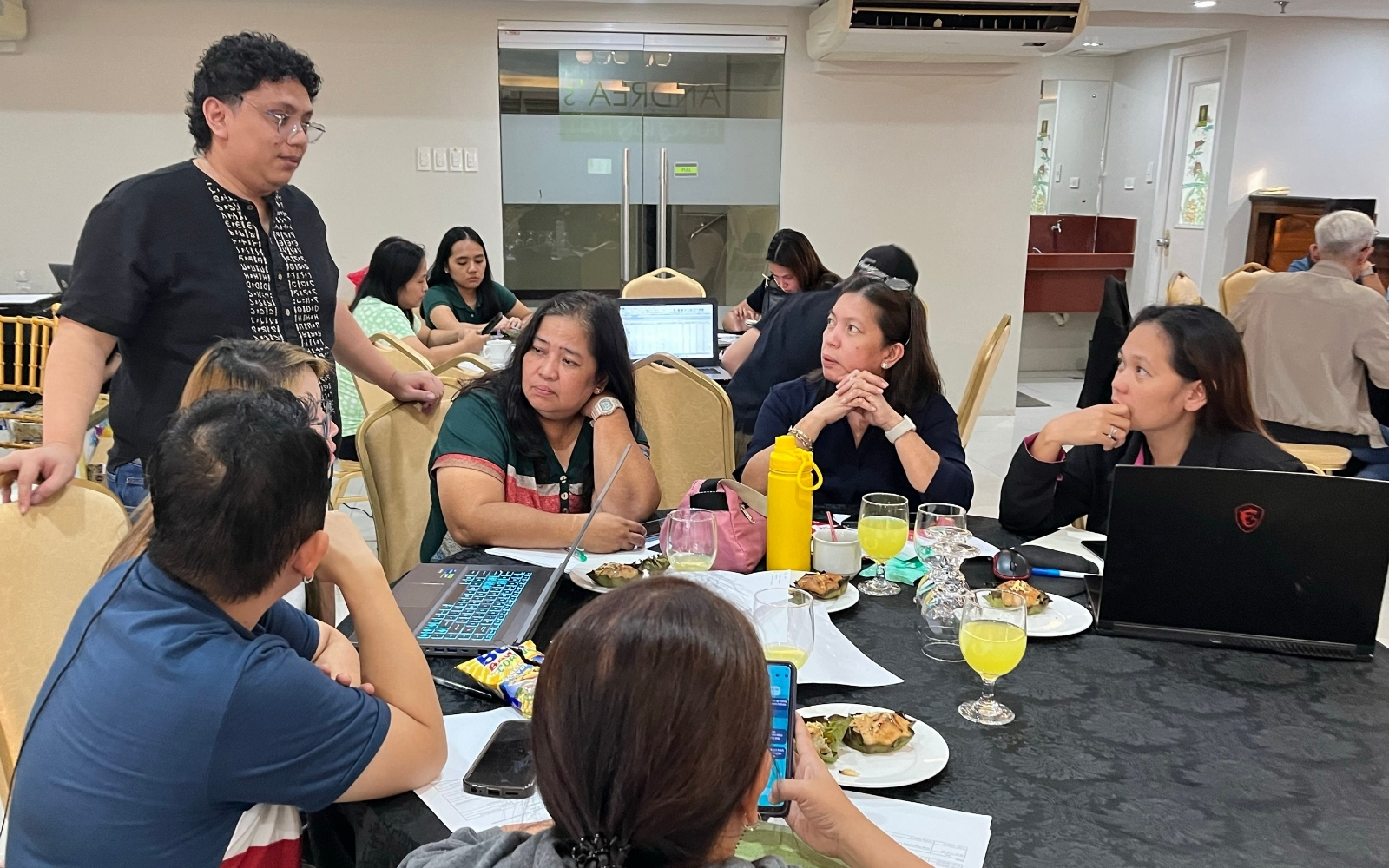
The Zuellig Family Foundation (ZFF) organized the workshop under the Joint Programme on Accelerating the Reduction of Adolescent Pregnancy (JPARAP) with support from the United Nations Population Fund (UNFPA). ZFF guided participants in aligning their development priorities with the Philippine Population and Development Plan of Action (PPD-POA) and measuring their success thru a developed local human development index
Health, planning, budget, nutrition, and population officers reviewed their draft Municipal Population and Development Plans of Action through focused sessions. Participants committed to carry forward people-centered priorities in their respective local government unit (LGU)’s planning cycles.
A Call for People-Centered Governance
By the end of the workshop, participants were united in one message: CBMS data must not gather dust in filing cabinets. It should serve as a mirror, reflecting the real needs of communities. Progress, they said, should no longer be measured by the number of buildings or roads completed, but by how many lives are improved.
The challenge now lies with LGUs: to show that governance is not about scattered projects or token budgets, but about truly putting people first.
Author: Floro Acaba Jr., ZFF EYLGP Provincial Account Officer for Samar
Learning and Working Together: Insights from the Youth Leadership Colloquiums in Southern Leyte and Samar
Two provinces in Eastern Visayas reflected on how young people and local leaders can work side by side to address adolescent health.
Through the Expanded Youth Leadership and Governance Program (EYLGP) of the Zuellig Family Foundation in partnership with the United Nations Population Fund, Southern Leyte and Samar shared lessons, successes, and remaining challenges during their colloquiums held in August 2025.

In less than two years, our program cohort in Southern Leyte cut its adolescent birth rate by 29%, with the municipalities of Liloan and Tomas Oppus reporting zero teen births in 2024. Samar also moved forward, lowering its adolescent birth rate in partner municipalities by 5% and doubling contraceptive use among teens. Both provinces strengthened adolescent-friendly health facilities, supported peer education, and created local committees that regularly meet to tackle youth concerns.
Despite progress, both provinces face similar challenges. Births among very young girls aged 10 to 14 years old increased, often tied to gender-based violence and exposure to harmful online content. In Samar, education completion rates are also declining, while poverty continues to put many adolescents at risk. These issues show that reducing teen pregnancies is not only a health concern but also a matter of child protection, education, and community support.
Related articles:
- Youth and Local Leaders Join Forces to Prevent Teen Pregnancies in Samar
- Southern Leyte Shows Progress in Reducing Teen Pregnancies
Key Insights
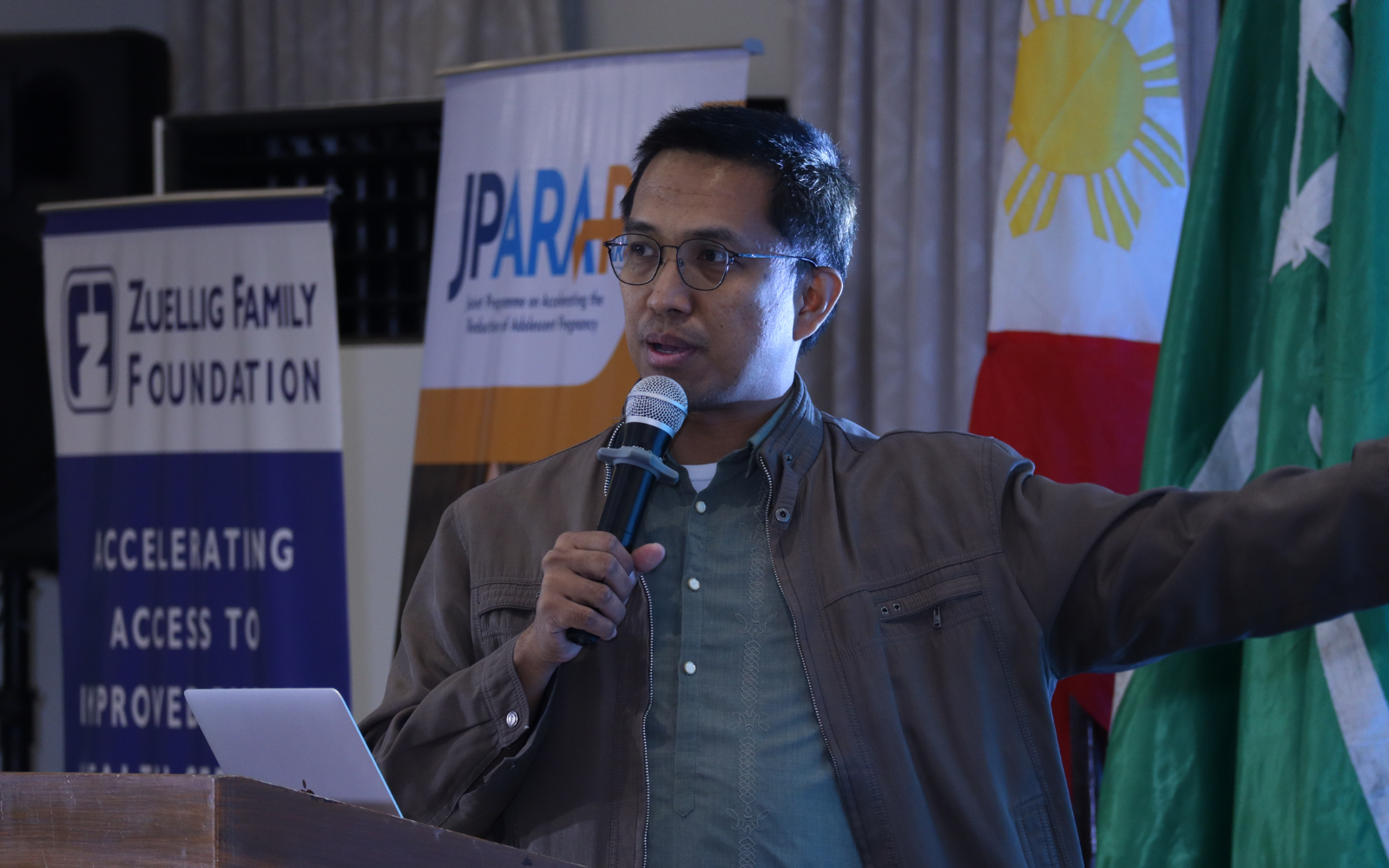
Dr. Ramir Blanco, public health specialist, synthesized the insights from both colloquiums, and noted that while each province has a unique context, some common lessons stand out:
- Partnership works best when youth are seen as equal partners. Adolescents bring energy and ideas that make health programs more effective.
- Local governments need to back policies with real budgets. Commitments become meaningful only when resources follow.
- Health services must be accessible and friendly to teens. Both provinces showed that when facilities are welcoming, more adolescents use them.
- The challenge of early adolescent pregnancies requires stronger systems. This goes beyond health and must involve education, social welfare, and community protection.
As the colloquiums showed, the most powerful change comes when young people and leaders share responsibility. When adolescents are given a voice and communities stand behind them, reducing teen pregnancies becomes not just a goal, but a shared achievement for healthier, brighter futures.
Youth and Local Leaders Join Forces to Prevent Teen Pregnancies in Samar
On August 15, 2025, Samar leaders, health workers, youth representatives, and development partners came together for the Expanded Youth Leadership and Governance Program (EYLGP) Colloquium.
Implemented by the Zuellig Family Foundation (ZFF) with support from the United Nations Population Fund (UNFPA) and the Korea International Cooperation Agency (KOICA), the EYLGP builds the leadership of both young people and local governments. The program was first piloted in Mindanao and has since expanded to Samar and Southern Leyte, where it is showing promising results.
Samar’s EYLGP journey began in April 2023 when Governor Sharee Ann Tan, together with mayors and municipal health officers, met with the Zuellig Family Foundation (ZFF) to tackle the province’s high rate of teen pregnancies. At this meeting, the mayors and health officers signed learning contracts to affirm their commitment to the program.
Two years later, in Samar, EYLGP has trained 81 municipal leaders, along with youth leaders and representatives from the Department of Health (DOH), Department of Education, and Department of the Interior and Local Government. Together, they improved local governance systems that directly affect adolescent health.
Related article:
The results are encouraging. In partner cities and municipalities, the adolescent birth rate (ABR) went down by 5% from 2022 to 2024: from an ABR of 38.1 per 1,000 girls aged 15 to 19 in 2022 to 36.1 in 2024. The use of modern contraceptives among adolescents also more than doubled in the same period. These numbers mean more young people are getting the right information and services to protect their health and future.
However, challenges remain:
- Provincial ABR is still higher than the national target of 30 at 33.7 per 1,000 in 2024, and the overall trend for Samar shows an increase from 27.33 (2022) to 28.28 (2023) to 33.7 (2024).
- Young adolescents (10 to 14 years old) experienced a 28% rise in births from 2022–2024.
- Education completion rates are declining: Elementary school completion dropped from 99.55% (2022) to 87.6% (2024), and high school completion went from 100% to 51.35% over the same period.
- Poverty remains high at 24.9% in 2023, affecting adolescent risk.

During the Colloquium, participants shared what worked best in Samar:
- Functional local committees that regularly meet to address adolescent health issues.
- Local policies backed by real budgets to support teen pregnancy prevention.
- Adolescent-friendly health facilities and services in communities.
- Active involvement of youth leaders in peer education and information campaigns.
- Supportive mayors who invest in programs that keep young people in school.
To sustain these gains, ZFF and partners will continue coaching local governments until 2026. New initiatives include the Masayang Pamilya Parent-Teen Program in Calbayog and Catbalogan, and helping five LGUs integrate adolescent health and development into their long-term plans.
Zuellig Family Foundation (ZFF) President and Executive Director Austere Panadero challenged Samar to look ahead: “Over the last two years, you have shown remarkable support and commitment, but the question now is whether these efforts are enough to fully address adolescent pregnancy. Sapat na ba? This is an important moment to reflect on our gains and consider how we can move forward faster and more effectively.”