Nine Cities Recognized as Global Self-Reliant Cities in Reproductive Health
The Zuellig Family Foundation (ZFF) celebrated the graduation of nine Global Self-Reliant Cities under The Challenge Initiative (TCI)-Philippines: General Santos, Iriga, Isabela de Basilan, Lapu-Lapu, Pasig, Mandaluyong, Quezon City, Tacurong, and Tagum. Held on October 14, 2025, this TCI-Philippines’ Batch 3 Colloquium showcased how these cities are advancing family planning and adolescent and youth sexual and reproductive health (AYSRH) through data-driven leadership and community innovation.
Read more:
The Challenge Initiative-Philippines Webinar Series Day 3: Reaching Adolescents through Youth-Friendly Services (Las Piñas, Iloilo)
Day 3 of the The Challenge Initiative (TCI)-Philippines Webinar Series (May 30, 2025) featured Las Piñas and Iloilo’s efforts to make health services more responsive to adolescents. Speakers highlighted referral networks, safe spaces, and youth participation. Invited reactors from the Commission on Population and Development emphasized that cities must sustain progress and ensure services remain engaging, respectful, and youth-centered.
Read more:
The Challenge Initiative-Philippines Webinar Series Day 2: Expanding Family Planning through Outreach (Biñan, Mandaue, Manila)
Day 2 of the The Challenge Initiative (TCI)-Philippines Webinar Series (May 28, 2025) focused on how the cities of Biñan, Mandaue, and Manila are reaching more women through community-based family planning. Speakers emphasized shared leadership, house-to-house services, and mobile health caravans. Dr. Manuel Dayrit of the Zuellig Family Foundation pointed to leadership, technical skills, resources, and community engagement as key success drivers.
Read more:
The Challenge Initiative-Philippines Webinar Series Day 1: Cities at the Forefront (Iligan, Naga, Santiago)
Day 1 of the The Challenge Initiative (TCI)-Philippines Webinar Series (May 26, 2025) featured Iligan, Naga, and Santiago Cities showing how strong leadership drives systems change. Mayors prioritized family planning, youth empowerment, and community collaboration to tackle teen pregnancy. “Our cities aren’t just predicting change; they’re creating it,” said Dr. Anthony Faraon, Chief of Party of TCI-Philippines at Zuellig Family Foundation, urging everyone to move beyond BEST practices and toward NEXT practices.
Read more:
The Challenge Initiative Colloquium: Maximizing Responsive Leadership and Strengthening Systems
The Zuellig Family Foundation (ZFF), through The Challenge Initiative (TCI)-Philippines, proudly celebrates the graduation of five cities from the TCI program.
On November 28, 2024, during the TCI Graduation Colloquium, Cagayan de Oro, Dipolog, Puerto Princesa (Batch 1), Baguio, and San Jose (Batch 2) shared their success stories, innovations, and lessons learned in addressing challenges related to adolescent health and family planning.
Since 2020, these cities have collaborated with TCI-Philippines, co-managed by the William S. Gates Sr. Institute for Population and Reproductive Health and ZFF, along with the Department of Health and Commission on Population Development. Together, they have worked to create adolescent and youth-friendly communities by empowering local leaders, city teams, master coaches, and youth leaders in bridging leadership and governance. Here’s to their continued success in transforming communities!
READ MORE:
Five Cities Celebrate Milestone in Adolescent Health and Family Planning Efforts
Listening Earlier, Protecting Earlier: Lessons from Quezon City’s Efforts to Support Adolescents
Quezon City’s comprehensive approach to addressing adolescent pregnancy is beginning to show tangible results.
According to the city’s adolescent pregnancy profile, overall cases declined from 2,679 in 2024 to 2,468 in 2025. Among the most vulnerable group—younger adolescents aged 10 to 14—cases also dropped, from 100 to 89 over the same period. Yet with 28 cases already recorded in the first quarter of 2026, local leaders are clear-eyed. While progress is being made, younger adolescents remain at risk and demand sustained, focused attention.
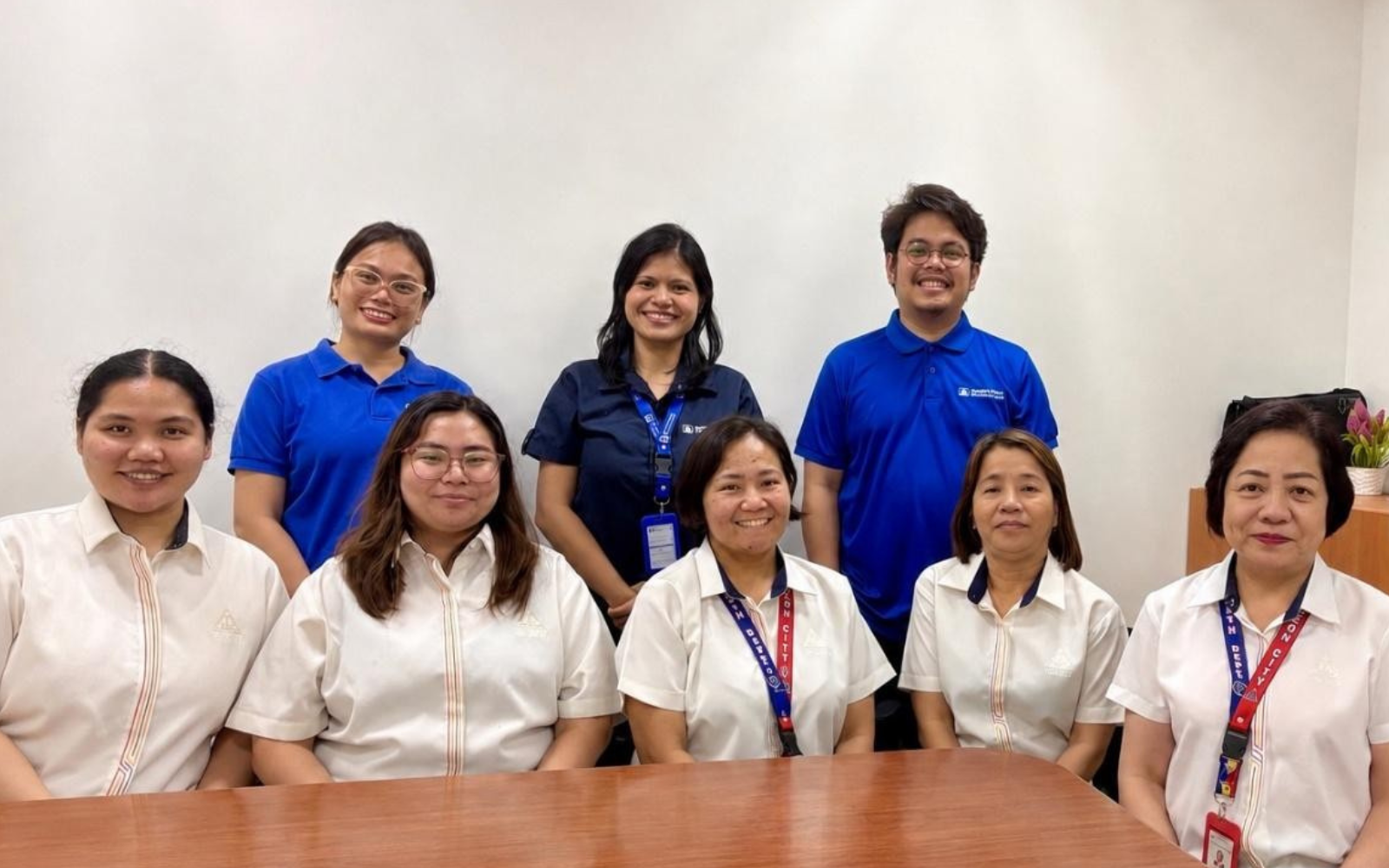
Photo above: Dr. Christel Lachica, Adolescent and Youth Sexual and Reproductive Health (AYSRH) Manager at Zuellig Family Foundation (ZFF), presents ZFF’s AYSRH program at The Challenge Initiative Family Planning Workshop for Quezon City’s health leaders, May 18, 2026.
For Quezon City’s health leaders, these numbers underscore a critical lesson: preventing adolescent pregnancy among the youngest age group cannot be achieved through health interventions alone. It requires a coordinated, multi-sectoral response that actively engages families, schools, communities, and, most importantly, young people themselves.
Related article:
Shifting the Focus to Younger Adolescents
Historically, many adolescent-focused programs have concentrated on older teenagers. Dr. Elenita Reyes-Plata, Medical Officer IV of the Quezon City Adolescent Care Division (QCAD), notes that this pattern has highlighted the urgent need for earlier and more developmentally appropriate strategies. As the city adapts to the evolving needs of 10- to 14-year-olds, local leaders recognize that prevention must start earlier and be tailored to the unique cognitive, emotional, and social realities of this age group.
It demands that information, learning resources, and engagement methods be genuinely age-appropriate and responsive to the specific challenges younger adolescents face. It also calls for strengthening systems that can identify early warning signs and deliver timely, protective interventions.
The Power of Youth Voice
At the heart of this shift is a commitment to meaningful youth participation. Cielo Mae Viado, Population Program Officer III of the Quezon City Health Department (QCHD), captures this sentiment powerfully: “Madaming gustong sabihin ang mga youth.”
Her reflection speaks to a deeper truth. Adolescents are not merely passive recipients of services but vital partners in crafting solutions that reflect their lived realities. Creating safe, inclusive spaces where young people can voice their perspectives, share experiences, and co-design programs is essential for relevance and impact.
Building on a Strong Foundation
Quezon City has already laid important groundwork for adolescent well-being and protection. Existing initiatives include:
- Strengthening youth platforms for participation and leadership.
- Profiling and engaging out-of-school youth.
- Promoting learners’ support centers within schools.
- Establishing the QUSI Teen Network Referral Algorithm, developed in partnership with the Zuellig Family Foundation, under The Challenge Initiative-Philippines program.
These efforts have created vital support structures across schools, communities, and health facilities. However, local leaders also acknowledge opportunities to deepen and expand their impact.
Opportunities for Strengthening the Response
Several key areas have been identified for further development:
- Expanding youth engagement. Moving beyond consultation to genuine co-ownership, where adolescents actively identify problems and shape solutions.
- Enhancing parenting programs. Equipping parents and caregivers with practical skills to guide children through adolescence, foster open communication, and recognize risks before they escalate.
- Reinforcing safeguarding mechanisms. Training more teachers, community leaders, and service providers to identify vulnerability and respond effectively to child protection concerns.
- Improving data systems. Prioritizing adolescent profiling, risk-based identification, and robust child-focused databases to inform targeted, evidence-based decision-making.
Learning from Peers, Strengthening Practice
Another valuable insight from Quezon City’s experience is the importance of peer learning.
Local leaders have expressed strong interest in exchanging knowledge with other local government units, sharing promising practices, learning from innovations in different contexts, and building a broader community of practice around adolescent health and child protection.
A Clear Path Forward
Quezon City’s journey demonstrates that protecting younger adolescents demands a comprehensive, forward-looking approach, one that amplifies youth voices, empowers families, strengthens safeguarding systems, and leverages data to guide action.
Protection must begin long before a pregnancy occurs. It starts by listening to young people earlier, supporting families, building protective environments, and ensuring that every child has the opportunity not just to survive, but to grow, thrive, and reach their full potential.