Making Health a Shared Mission in Benguet
“We commit again that we will continue prioritizing health. Tuloy-tuloy tayo dito.” – Hon. Melchor Diclas, Benguet Governor
In local governments, health often competes with other urgent needs. For health officers, one big question remains: How can we make sure that political leaders keep prioritizing health—now and in the future? For the Provincial Health Office (PHO) of Benguet, the answer lies in co-creation of solutions and pathways.
A Shared Journey for Health
Benguet, led by Governor Melchor Diclas and Dr. Meliarazon Dulay, is part of the Bayang Malusog Leadership and Governance Program (BMLGP). The program is supported by the Zuellig Family Foundation (ZFF) and the Department of Health-Cordillera Administrative Region (DOH-CAR).
Now in its second cycle, the PHO has gone beyond workshops. They have built a strong shared vision, aligned their values, and created a clear plan for the next three years. They call it the Healthier Benguet Roadmap.
In one key session, ZFF facilitated a reflective activity based on ikigai—a Japanese concept about purpose. It helped the Benguet health team reconnect with why they chose public health in the first place. “What I love about being in public health service is knowing people, their story, and being able to help them,” said one participant.
Governor Diclas: Leading with Purpose
On July 21, 2025, the Benguet health team presented the roadmap to Governor Diclas. He responded with clear and strong support.
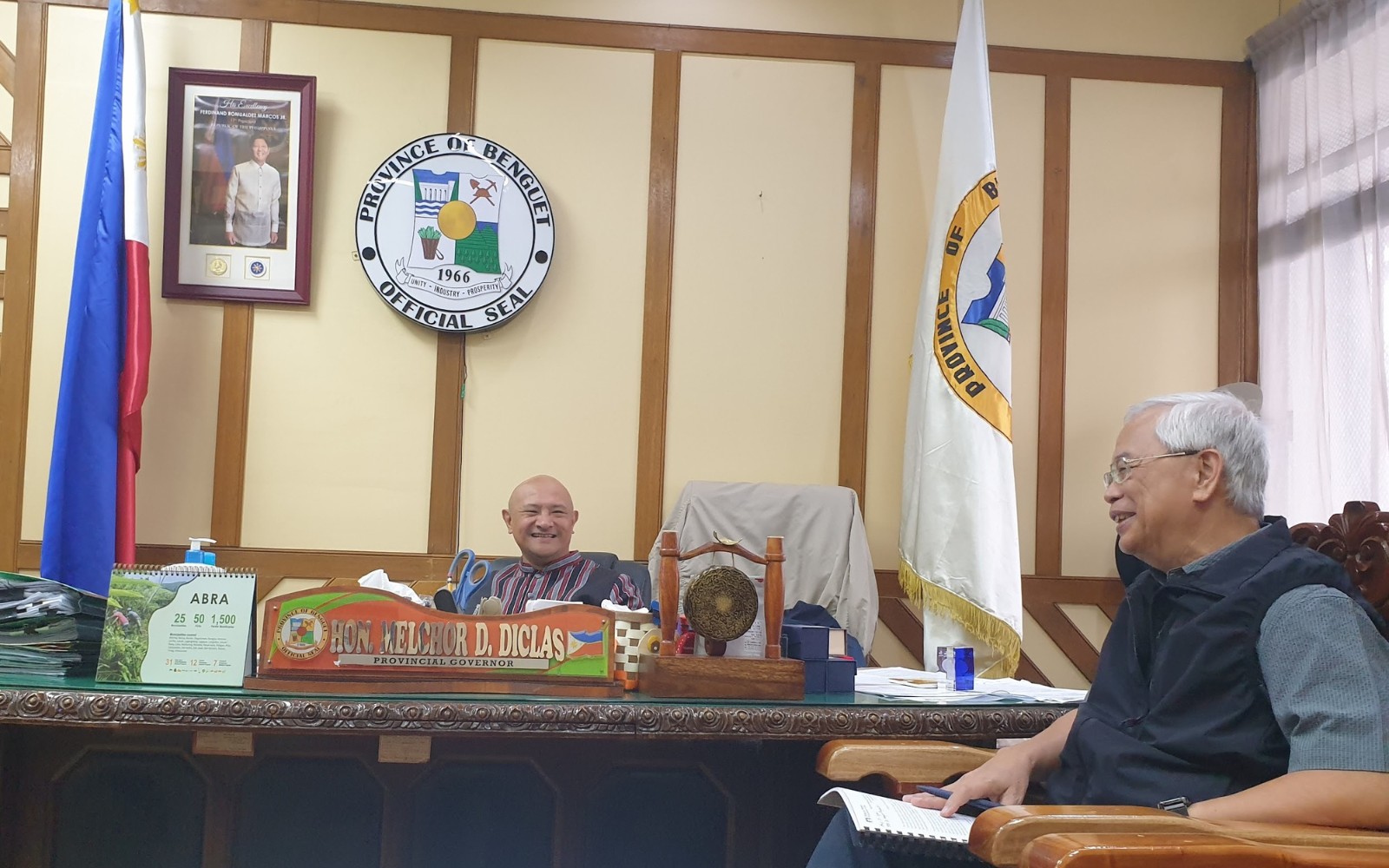
He stressed the need for alignment with Benguet’s mayors. “Kung iba-iba ang priorities natin, hindi tayo makakapagtulong-tulungan,” he said, “Let us convince everyone to prioritize health.” He also suggested enrolling all newly elected mayors, and those who missed the first round, in the Bayong Malusog Municipal Leadership and Development Program.
Now on his third term, Governor Diclas’ commitment turns the roadmap into a legacy plan, one that could shape health governance in Benguet for years to come.
Related articles:
- Benguet Charts Path to Stronger Health Governance
- Building a Healthier Benguet: Integrating Health Information, Financing, and Service Delivery to Achieving Universal Health Care
The Healthier Benguet Roadmap
The roadmap is both bold and practical. More than just a static plan, the roadmap is a shared promise to make health services better for every resident of Benguet. Among its pillars are:
- Institutionalizing the Healthier Benguet Caravan and SHAYAW (Stellar Health Achievement Yearly Awards), bringing services directly to communities,
- Establishing an integrated Health Care Provider Network (HCPN),
- Strengthening data-driven decision-making at all levels,
- Ensuring sustainable health financing, and
- Expanding community participation and Human Resources for Health (HRH) capacity-building.
Support that Makes a Difference
DOH-CAR continues to give technical support and push for clearer alignment with the national office. PhilHealth helps by sharing data that supports equity and better program decisions.
ZFF, aside from its leadership training, also provides mentoring, coaching, technical sessions, and grants. It is now working on building an executive dashboard to help local leaders make smarter, data-informed choices.
A Call to Co-Create
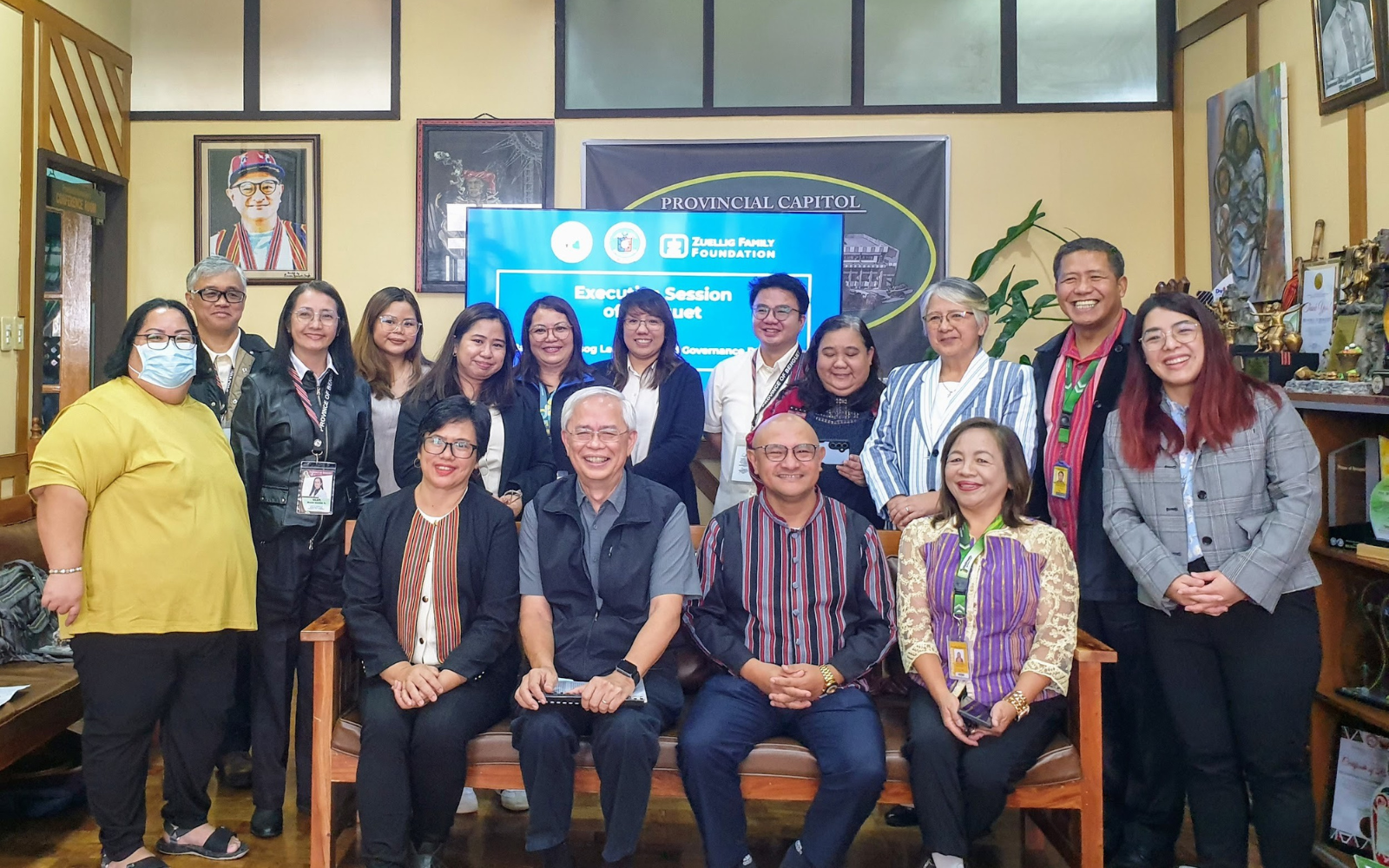
Benguet is moving forward, and they are inviting everyone to join. Health cannot be improved by the government alone. It takes a whole-of-society effort: national agencies, local leaders, civil society, private organizations, and citizens, all working together.
The roadmap is ready. The leaders are committed. And the people are hopeful.
Authors: Joan Kidatan, ZFF LHS Provincial Associate for Baguio City; Krizzia Esperanza, ZFF Corporate Communications Associate
Kalinga’s Health Breakthroughs Take Root through Roberto R. Romulo Fellowship
The Province of Kalinga proudly graduated from the Roberto R. Romulo (RRR) Fellowship for Public Health Leadership and Governance last March 2025, joining Aklan, Davao de Oro, and Dinagat Islands in completing a year-long journey of transformative leadership. The program, led by the Zuellig Family Foundation (ZFF) in partnership with the University of the Philippines (UP) College of Public Health and the UP National College of Public Administration and Governance, helped local leaders sharpen their governance skills and tackle real health system challenges.
“Our leadership journey has not been easy—it mirrors the long and winding road of achieving Universal Health Care,” said Kalinga Governor James Edduba. “But along the way, we’ve seen real progress, and we celebrate both the small and big wins.”
Governor Edduba’s fellowship journey focused on three critical areas: reducing maternal deaths, improving emergency response, and strengthening mental health programs. His team finalized a province-wide referral manual and mobilized Community Health Action Teams (CHATs) to serve as on-the-ground health coordinators. “We capacitated our health workers to identify knowledge gaps and improve services where it matters most,” he explained.
To address the rise in road traffic injuries, Kalinga established an emergency response team and developed a province-wide accident reporting system. “Before, reports were fragmented. Now we use standard forms for all vehicular incidents—this allows us to make better, evidence-based decisions,” he said.
For mental health, the province passed an executive order mandating government offices to support mental health initiatives. A technical working group was formed to lead suicide prevention efforts, ensure data privacy, and guide media reporting. “We’re building systems to support the mental wellness of our people,” Gov. Edduba added.
Partnerships have been key to Kalinga’s progress. The province secured over 200 million pesos in medical assistance and signed agreements with apex hospitals to expand access to specialized care. “We engaged nearby provinces, private clinics, and national agencies. Our success is built on collaboration,” said the governor.
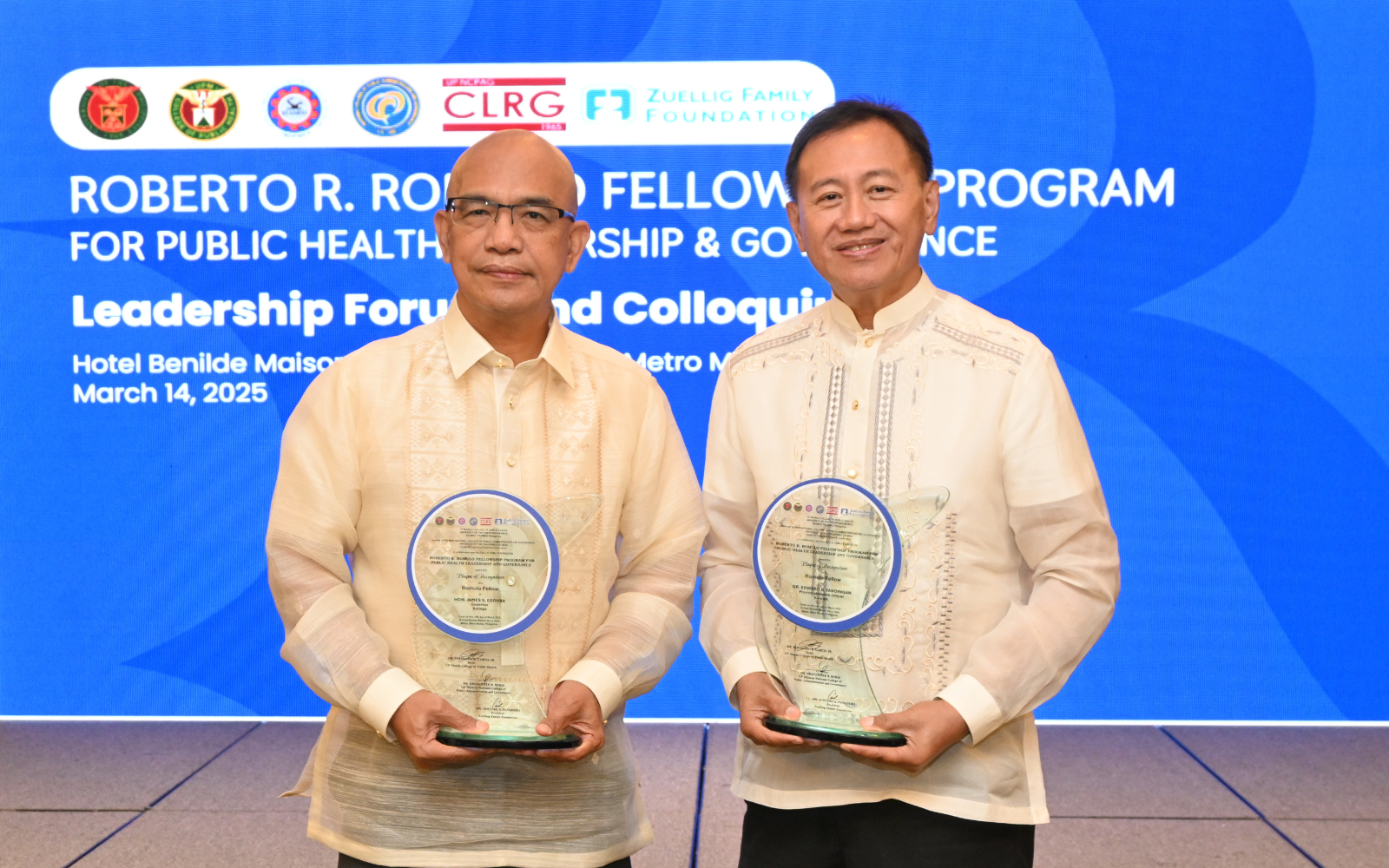
Governor Edduba’s commitment to health leadership started long before the RRR Fellowship. “When I was still Mayor, my nephew got sick and was sent to the ICU. I remember praying in the chapel beside him, promising I’d do everything in my power to improve health in our province. That moment changed me,” he shared.
Now, with better systems in place and a stronger network of partners, Kalinga is more equipped than ever to continue its health reform journey. As Governor Edduba said, “No single leader can do it all. But together, we can truly do great things.”
Dinagat Islands Champions Health Leadership through Roberto R. Romulo Fellowship
“Health is not just the government’s job—it’s everybody’s concern.” – Hon. Nilo Demerey, Jr., Dinagat Islands Governor
The province of Dinagat Islands graduated from the Roberto R. Romulo (RRR) Fellowship for Public Health Leadership and Governance last March 2025, joining three other provinces—Aklan, Davao de Oro, and Kalinga—in celebrating the end of a year-long journey to improve local health systems. With the support of the Zuellig Family Foundation (ZFF), in partnership with the University of the Philippines (UP) College of Public Health and the UP National College of Public Administration and Governance, the RRR Fellowship equipped local leaders with the tools to transform their health governance and make Universal Health Care (UHC) a reality in their communities.
Governor Nilo Demerey, Jr. led the province’s efforts with bold ideas and concrete actions. “Our province, though small, has faced significant challenges,” he said. “But with the right leadership, collaboration, and innovative strategies, we have made great progress in ensuring better health care for our people.”
Dinagat tackled major health concerns, including malnutrition, maternal deaths, low immunization coverage, and lack of access to hospital services. In 2024, stunting stood at 11.6% and wasting at 2.5%. There were also three maternal deaths recorded in the first quarter of 2025. In response, Governor Demerey’s team introduced several programs—most notably, a zero-billing policy on health services.
Under the fellowship program, the province launched the Remedy Aksyon Center to handle emergencies across all 100 barangays. They also expanded the Provincial Health Board and rolled out the Senior Citizen Health and Wellness Caravan, door-to-door healthcare services, and weekend medical missions. The province also distributed Remedy Cards—smart IDs with QR codes—to track every resident’s health history and services received. “We realized that those who need health care most are the ones who can’t reach hospitals,” Governor Demerey shared.
Dinagat also invested in nutrition-sensitive policies, making backyard gardening a requirement for government aid. The province is also enrolled in ZFF’s Nutrition Leadership and Equity Acceleration Program (NutriLEAP) to further improve its nutrition governance and address malnutrition more effectively.
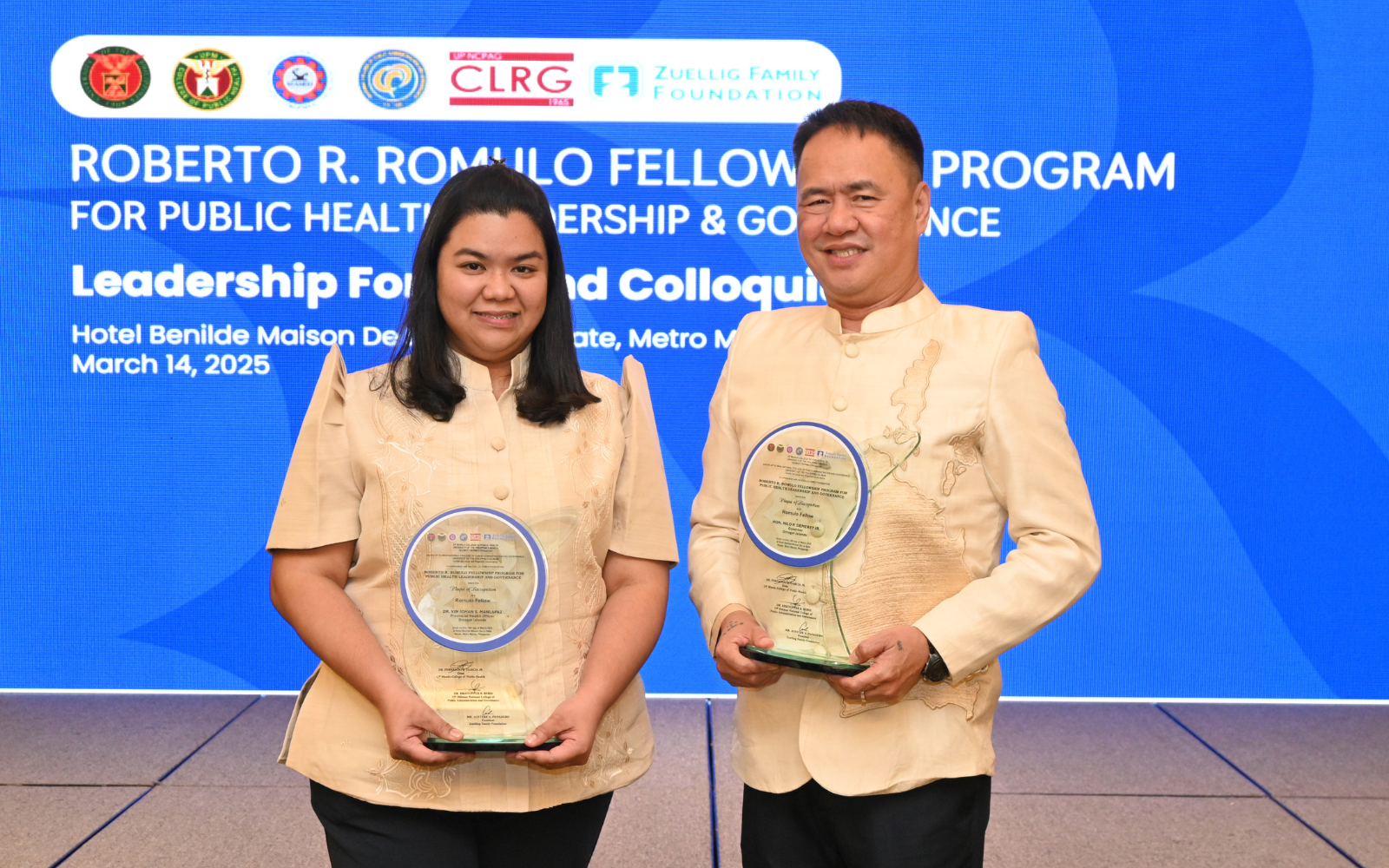
Thanks to the RRR Fellowship, Governor Demerey said Dinagat’s health governance matured significantly. “This program helped us implement evidence-based policies that are practical and impactful,” he said. “We’ve moved from being a 4th class to a 2nd class province.”
“The public health tradition is not just about policies and programs,” Governor Demerey said in closing. “It is about commitment, collaboration, and compassion.”
Benchmarking ZFF provincial sites with the Seal of Good Local Governance health performance assessment, 2022 to 2024
This paper looks at how provinces working with the Zuellig Family Foundation (ZFF) performed in health-related areas compared to other provinces in the country, using data from the Department of the Interior and Local Government’s Seal of Good Local Governance (SGLG) Health Compliance and Responsiveness assessment from 2022 to 2024.
By comparing results, ZFF can better understand how its leadership and governance programs are influencing local health systems and identify areas where support is working or still needed. The findings offer insights that can guide improvements in ZFF’s strategies and partnerships with local governments.
ZFF Technical Paper_Benchmarking Provincial Sites with SGLG Health Performance Assessment 2022-2024Benguet Charts Path to Stronger Health Governance
Health leaders and partners from Benguet gathered in Baguio City for a Program Implementation Planning Workshop under the Zuellig Family Foundation (ZFF)’s Bayang Malusog Leadership and Governance Program (BMLGP) last May 28-29, 2025. The workshop brought together stakeholders to assess Benguet’s current health landscape, agree on strategic interventions, and build a shared commitment to health leadership and accountability.
One of the major outcomes of the workshop was the identification of two critical focus areas: health data management and health financing. Participants noted the importance of improving how health data is collected, analyzed, and used. A stronger health information system would allow for more accurate monitoring of health indicators, better resource distribution, and faster responses to health concerns. Alongside this, the group highlighted the need for sustainable and equitable health financing. This involves making the most of existing budgets, exploring innovative ways to fund health programs, and enhancing the financial management skills of local health offices.
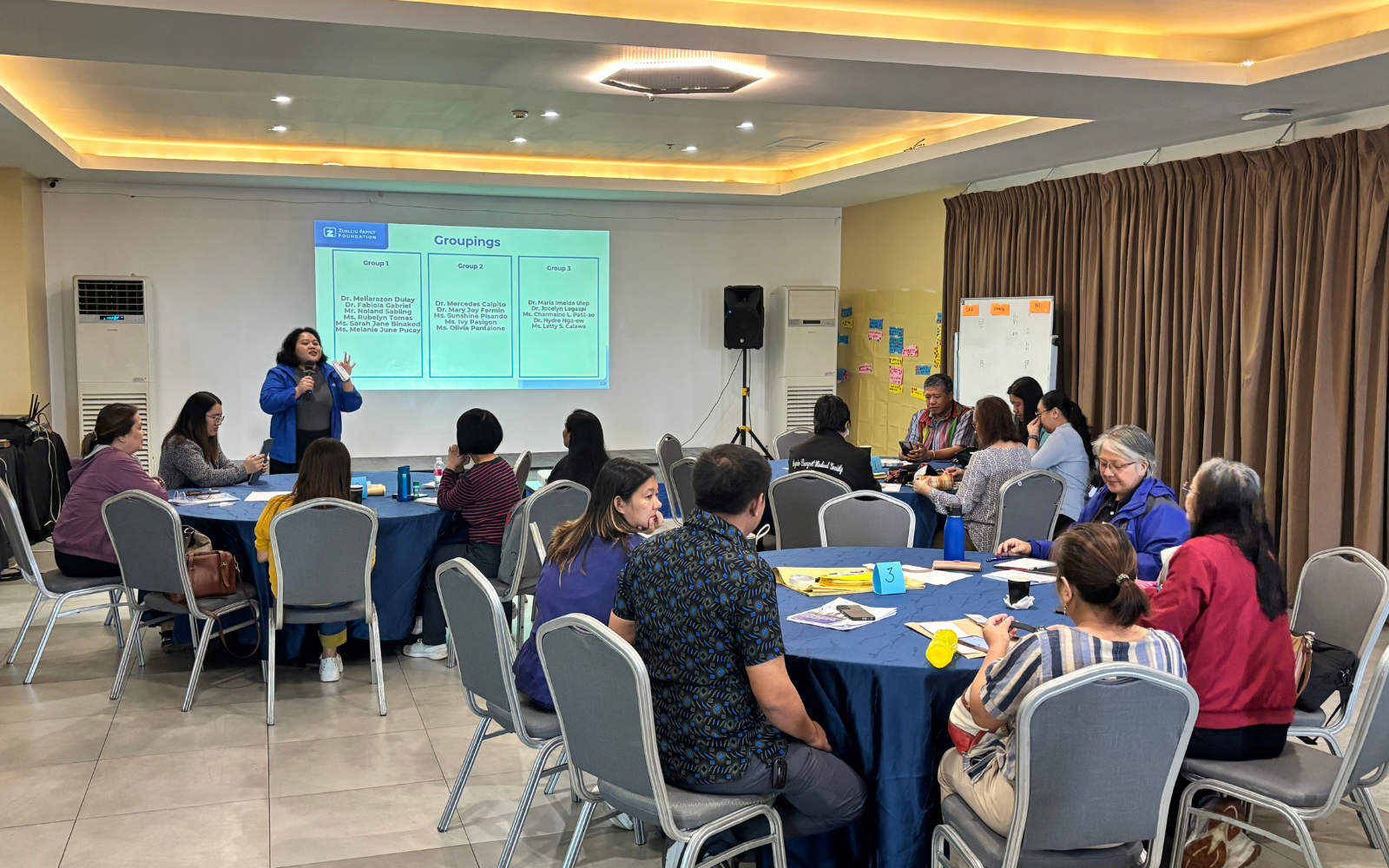
Twenty health leaders and staff from various agencies and local government units attended the two-day workshop. From the Benguet Provincial Health Office, Provincial Health Officer II Dr. Meliarazon Dulay, Provincial Health Officer I Dr. Jocelyn Legaspi, and Senior Health Program Officer Rubelyn Tomas joined the discussions. Benguet General Hospital was represented by Chief of Hospital Dr. Maria Imelda Ulep.
From the Department of Health (DOH), Dr. Mercedes Calpito, Melanie June Pucay and Sunshine Pisando attended. Sarah Jane Binaked represented the DOH Center for Health Development-Cordillera Administrative Region (CHD-CAR).
Representatives from the two pilot municipalities also played an active role in the workshop. From Kibungan, attendees included Dr. Hydre Nga-ew (Municipal Health Officer), Ivy Pasigon, and Letty Calawa. From Kapangan, Dr. Mary Joy Fermin (Municipal Health Officer), Charmaine Patil-ao, and Olivia Pantalone joined the group. Dr. Fabiola Gabriel, President of the Benguet Association of Municipal Health Officers of the Philippines (AMHOP), and Noland Sabling, Acting Chief Social Insurance Officer of PhilHealth Benguet, also took part.

With the implementation plan now in development, BMLGP is set to support stronger leadership, more effective governance, and improved primary care services in Benguet. The program will start with a focused approach in Kibungan and Kapangan supporting their health leadership and governance needs, with the goal of eventually expanding benefits to families across the entire province.
Zuellig Family Foundation conferred with Drs. Jess and Trining dela Paz Award 2025
Ateneo de Davao has conferred the Drs. Jess and Trining dela Paz Award to the Zuellig Family Foundation (ZFF), in recognition of its work in transformative leadership in public health. The award is given to honorary members, exceptional individuals, and organizations whose achievements and contributions to society reflect the highest ideals of leadership, scholarship, and service.
This award also recognizes ZFF’s exceptional commitment to public service, philanthropy, and societal betterment, and pays tribute to the Foundation’s extensive and impactful contributions, particularly in the areas of Universal Health Care implementation, Nutrition and Health Governance, and Adolescent and Youth Sexual and Reproductive Health. The esteemed members of the awards committee acknowledge the Foundation’s work and unwavering dedication, which has brought significant improvements, especially to underserved communities in Mindanao.
Transformative Impact on Universal Health Care and Primary Health Care
Strengthening local health systems and improving access for vulnerable communities to primary health care has been the cornerstone of The Zuellig Family Foundation’s work with local governments. From its initial pilot municipalities in 2008, ZFF has mainstreamed and scaled up its engagement by working with Department of Health (DOH) Centers for Health and Development, and provincial governments to ensure achievement of Universal Health Care (UHC) in the Philippines. ZFF’s work with the LGUs focuses on capacity building of governors and their provincial health teams to meet local health system maturity targets and ensuring access to primary health services. As a driving force for UHC, access to quality primary health care ensures that every Filipino’s right to optimal health outcomes is achieved.
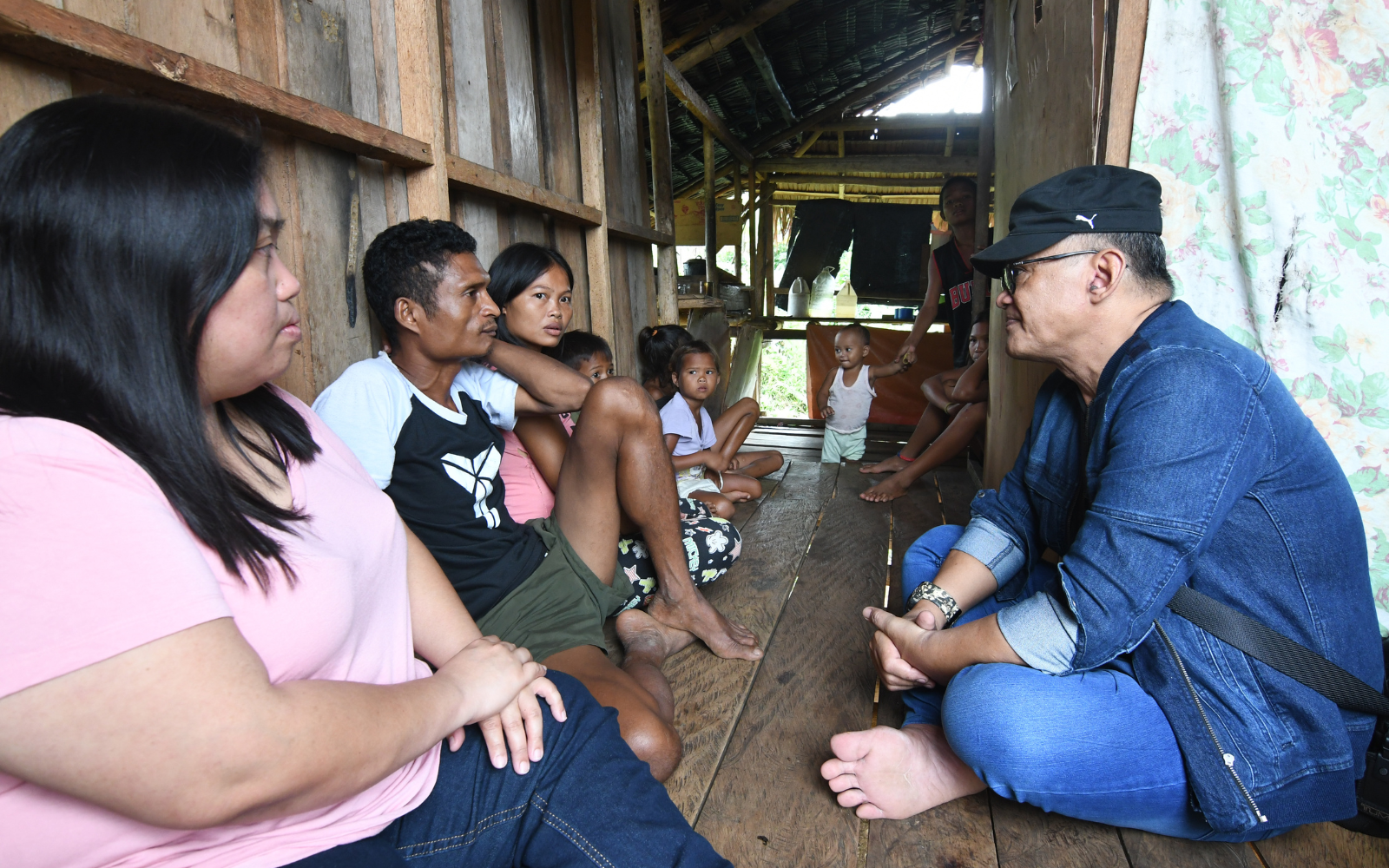
Commitment to Nutrition and Health Governance
Understanding the critical role of nutrition in overall health, ZFF has implemented numerous initiatives aimed at combating malnutrition among young children and pregnant women since 2017. These programs focus on providing capacity building and technical support to Local Chief Executives (governors and mayors) and local leaders to bridge systemic nutritional gaps among vulnerable populations and improve governance of health and nutrition programs.
ZFF has engaged with all six regions in Mindanao, working with a total of 13 provinces and eight cities over the years. Currently, ZFF continues to engage with ten provinces in the region, maintaining strong partnerships to enhance local capacities and outcomes. These sustained efforts have led to measurable improvements in the nutritional status of children and families, particularly in provinces such as Zamboanga del Norte, Sarangani, and Basilan.
Focus on Adolescent and Youth Sexual and Reproductive Health
Recognizing the importance of addressing the unique health needs of adolescents and the youth, the Zuellig Family Foundation has prioritized initiatives to contribute to the reduction of adolescent pregnancies, including cities and municipalities in Mindanao through The Challenge Initiative (TCI) in partnership with William Gates Sr. Institute for Population and Reproductive Health and Johns Hopkins Bloomberg School of Public Health, and the Youth Leadership and Governance Program (YLGP), in collaboration with the United Nations Population Fund (UNFPA).

—
The Drs. Jess and Trining de la Paz award is named after an outstanding couple in Davao, both physicians. The Drs. Jess and Trining de la Paz Award is intended to honor laymen and laywomen whose lives and work reflect love and concern for their fellows, following the Gospel’s great commandment of love.