Branches of Hope: A Mayor’s Story of Jamindan, Capiz
For years, Mac Artur Luces Valdemar carried the weight of public service with him, as a son, a pharmacist, and a mayor trying to respond to the needs of his people.
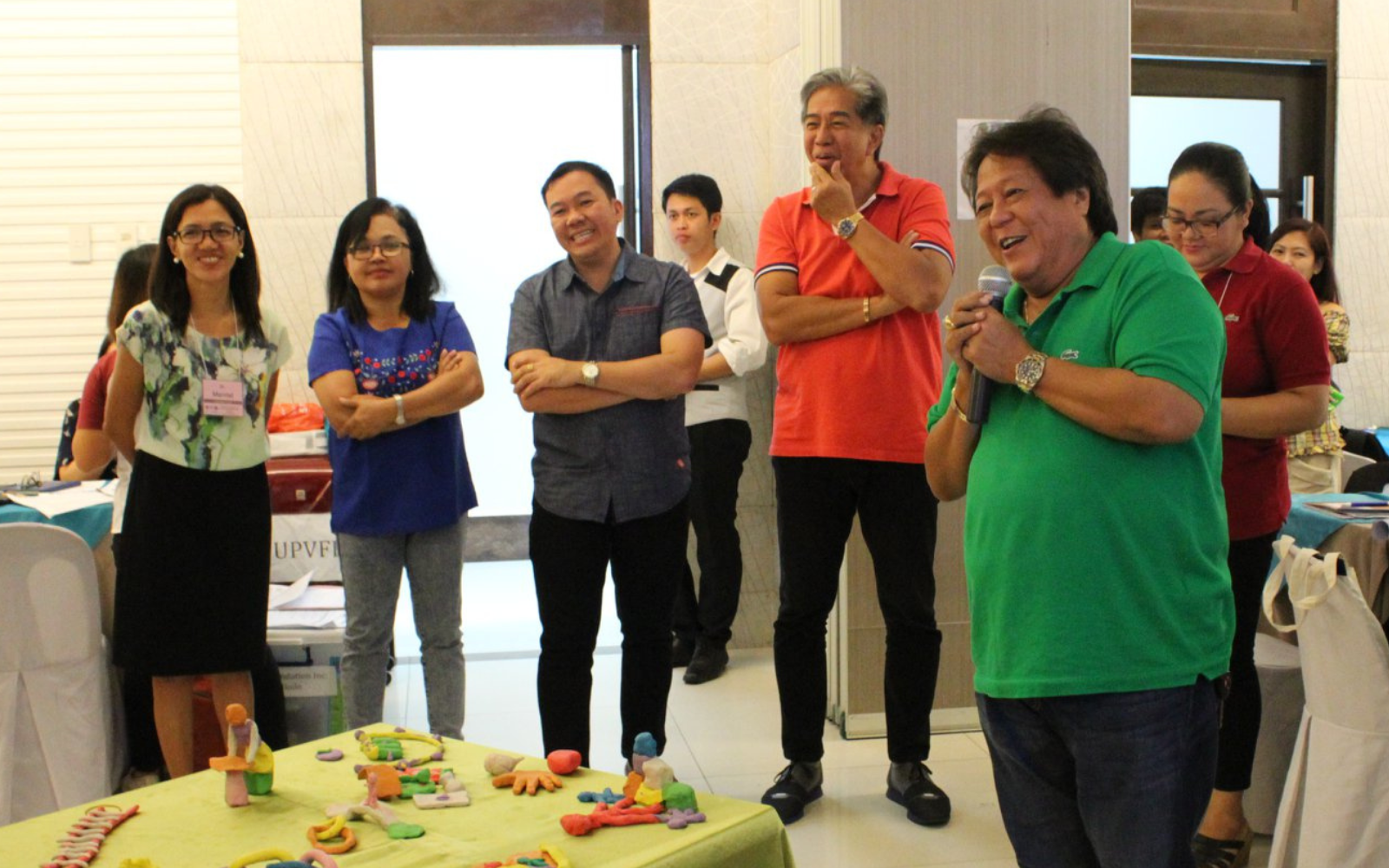
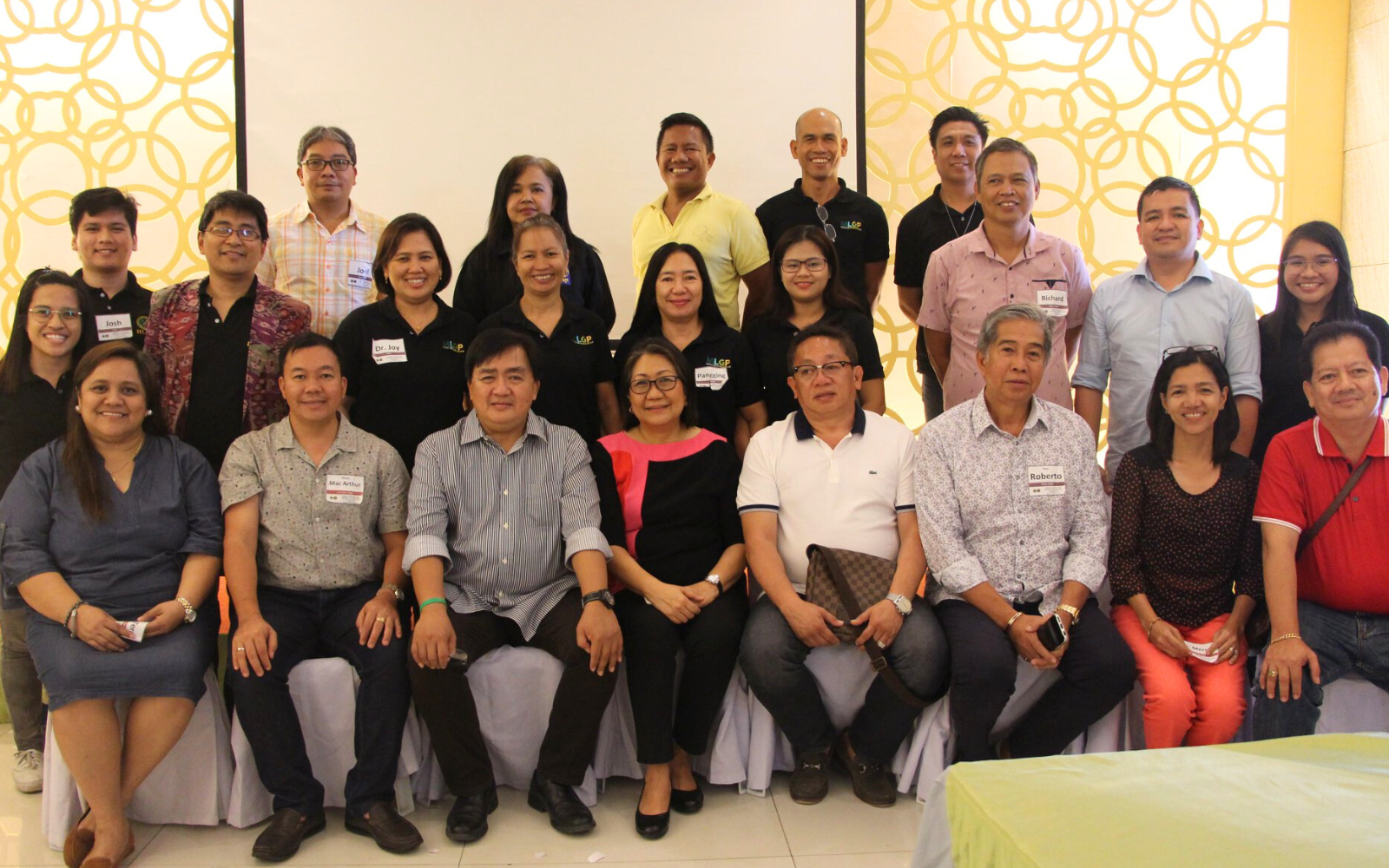
As a former mayor of the municipality of Jamindan in Capiz, he shares that a turning point in his leadership came when he participated in the Municipal Leadership and Governance Program (MLGP) from 2017 to 2019, a collaborative initiative implemented by the Department of Health (DOH), the University of the Philippines Visayas (UPV), and the Zuellig Family Foundation (ZFF). What began as just an effort to look into the local health system of the municipality became a deeper learning journey that reshaped how he understood leadership, governance, and service.
“I joined MLGP hoping to improve our local health programs,” Valdemar said. “But I left with so much more than tools and templates.” MLGP challenged him to work differently—with partners, communities, and institutions—teaching him to lead not from above, but beside the people he served. This approach, part of the Bridging Leadership framework, became central to how he governed Jamindan.
Jamindan’s identity, he often explained, is rooted in story and memory. Local lore traces the town’s name to Chieftain Amindan and the Hamindang Tree. According to elders, the tree grew from an act of sacrifice made to protect the community. Over time, it stood as a living marker of strength, endurance, and collective responsibility. From the name “Hamindang” came “Jamindan,” a reminder that the town was built not by one person, but through shared struggle and care. Like the tree that withstood storms and seasons, Jamindan grew slowly—nurtured by the hands of generations.
This story shaped how Valdemar viewed leadership. Jamindan, a landlocked first-class municipality in Capiz, is composed of 30 barangays and around 40,000 people, many living in far-flung and mountainous areas. It is home to Panay Bukidnon indigenous communities whose traditions continue to guide community life. To him, every Jamindanganon was like a branch, leaf, or root of the Hamindang Tree—each playing a role in keeping the whole strong.
When he assumed office in 2016, the health data revealed painful realities. Several barangays had no functioning health stations. Families lived with hypertension and diabetes without steady access to medicine. Animal bite cases were high, maternal care was limited, and undernutrition among children was widespread. “These weren’t just statistics,” he said. “These were stories of suffering.” His MLGP learning helped him see the numbers as human lives needing care and attention.
Guided by the MLGP roadmap, the local government placed health at the center of its work. Valdemar often returned to a simple belief: “Kalusugan ay kayamanan. Serbisyong makatao, para sa tanan.” Under this lens, Jamindan invested in health facilities and services that reached even the most remote communities. Barangay Health Stations were built and rehabilitated, and the province’s first licensed Municipal Primary Care Facility was established. Ongoing projects such as the birthing clinic and Super Rural Health Unit II were designed to serve geographically isolated and disadvantaged areas, including indigenous barangays.
Health services became more accessible and more humane. Free consultations, laboratory tests, maintenance medicines, and X-ray services were offered. A dedicated Animal Bite Treatment Center, opened in December 2020, began providing free anti-rabies vaccination. “No patient in Jamindan should skip treatment because of poverty,” Valdemar said, echoing a principle he linked back to his MLGP experience.
The influence of MLGP extended beyond health. The same data-driven and participatory approach guided programs in disaster preparedness, social protection, education, agriculture, and livelihood. Through the Serbisyong Makatao Program, a wide range of government services—from medical and dental care to legal assistance and civil registration—were brought directly to communities, free of charge. Each activity, he shared, felt “like a fiesta,” because it strengthened trust and reminded people that the government could be present and caring.
“The true measure of our success lies in the stories of our people,” he said—stories of mothers who now receive prenatal care close to home, children who stay in school because they are fed and vaccinated, and senior citizens who finally have access to free medicines.
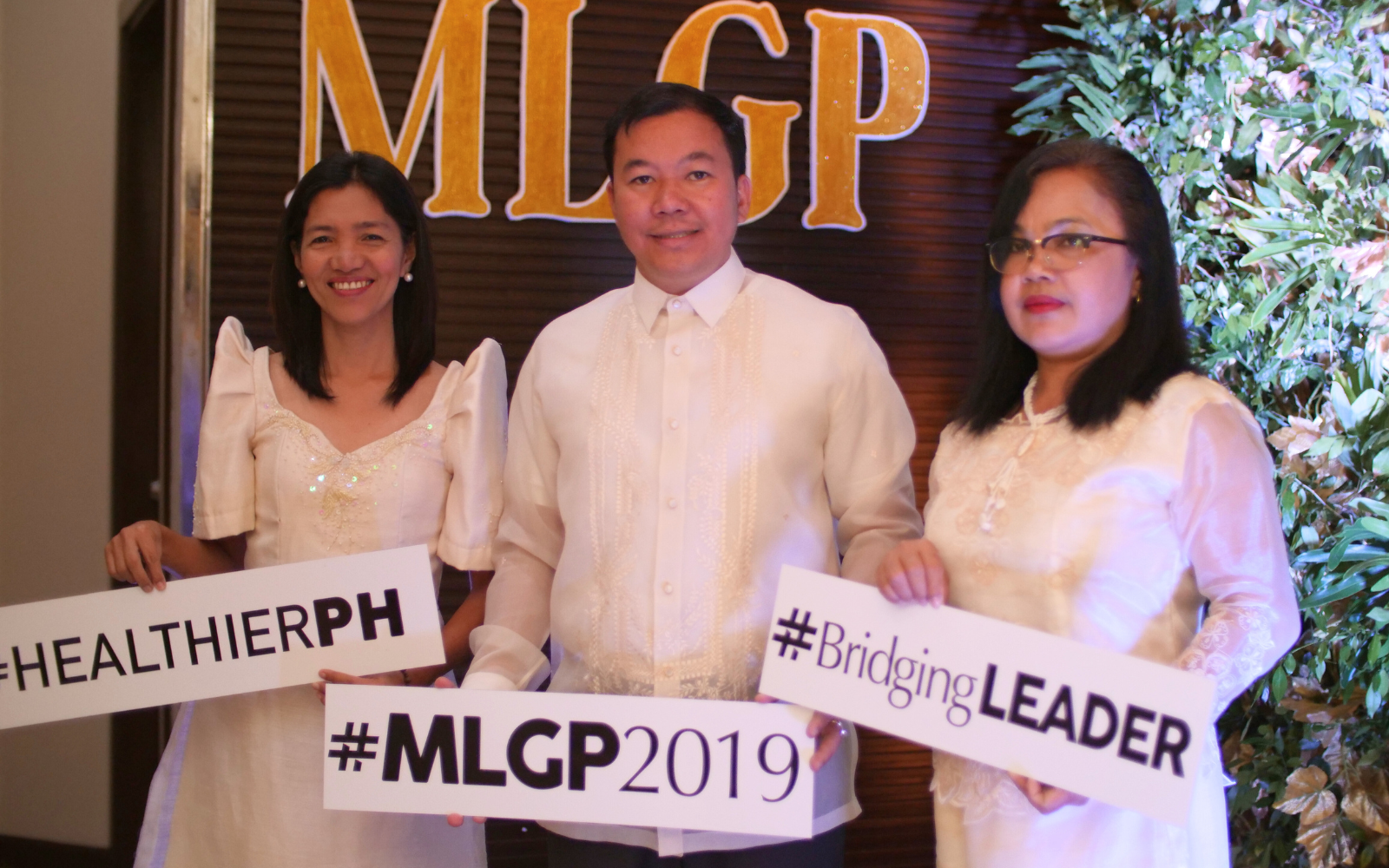
As he concluded his term, he reflected on what his MLGP journey helped make possible. “We are not leaving unfinished business,” he said. “We are leaving behind a system, a culture, and a people who now know what responsive governance looks like.” For him, MLGP was the foundation that strengthened his belief that health is not a privilege, but a right.
He continues to hold on to a vision of Jamindan much like the Hamindang Tree—deeply rooted, inclusive, and resilient. A place where no mother fears childbirth, every senior lives with dignity, and every child grows up healthy. It is a vision guided by the lessons he carries from his engagement with MLGP.
Reimagining Family Planning: Tagum City’s Model of Inclusive, Community-Driven Change
Tagum City, the capital of Davao del Norte, is a fast-growing urban center in Mindanao. Alongside its growth came persistent challenges in reproductive health, especially the unmet need for family planning (FP)—referring to women who want to delay or avoid pregnancy but are not using any modern FP method due to barriers such as limited access, lack of information, or social norms.
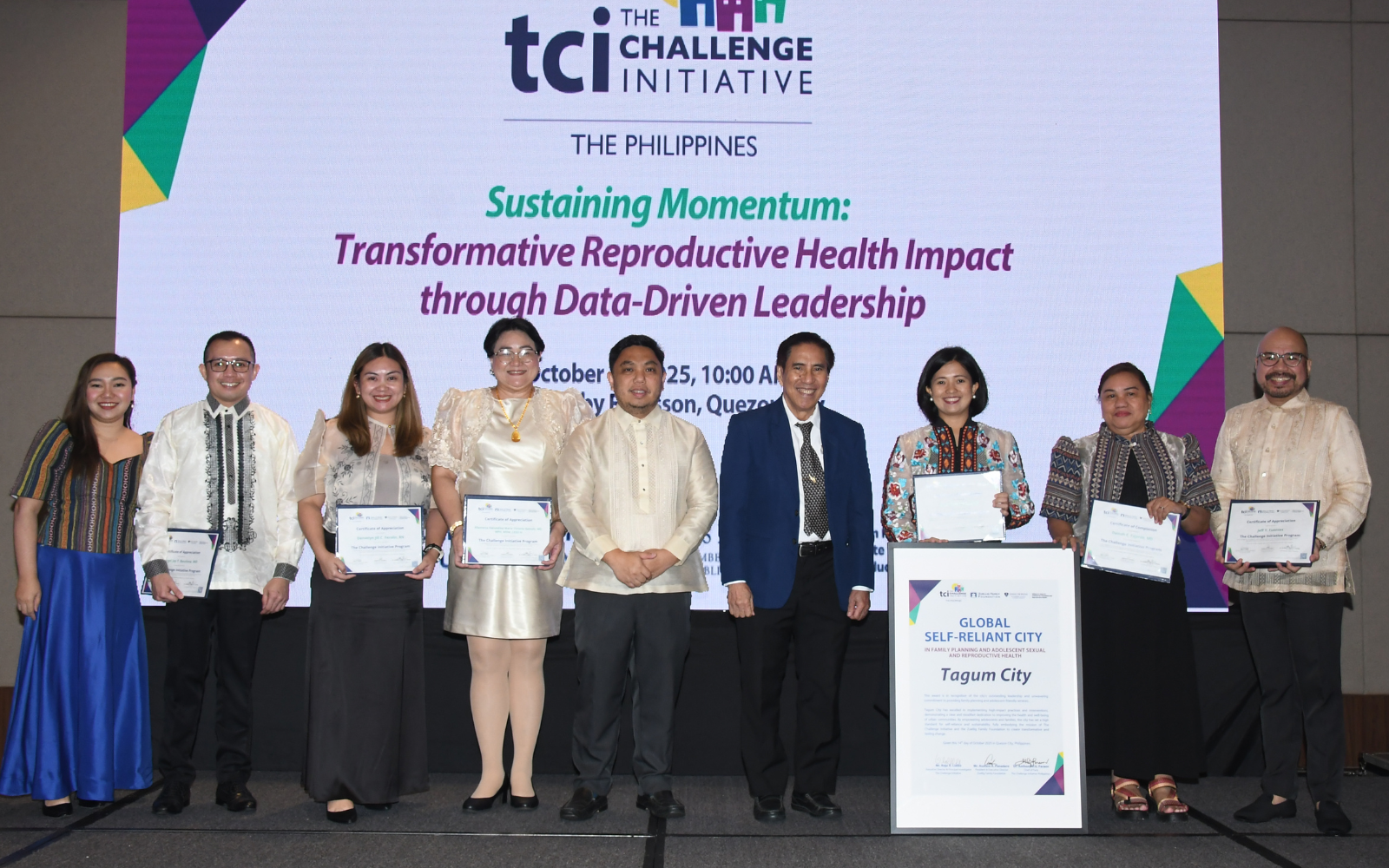
In 2023, the City Government of Tagum, under Mayor Rey Uy, partnered with the Zuellig Family Foundation through The Challenge Initiative-Philippines (TCI), the Department of Health (DOH)-Region XI, and the Commission on Population and Development (CPD)-Region XI to strengthen FP and adolescent and youth sexual and reproductive health (AYSRH) programs.
Related article:
Putting Communities and Youth at the Center
Even before TCI’s support, Tagum had community health efforts in place. However, limited resources meant these efforts were often fragmented. The city saw the need for a more coordinated and data-driven approach—one that addressed both demand for and supply of services.
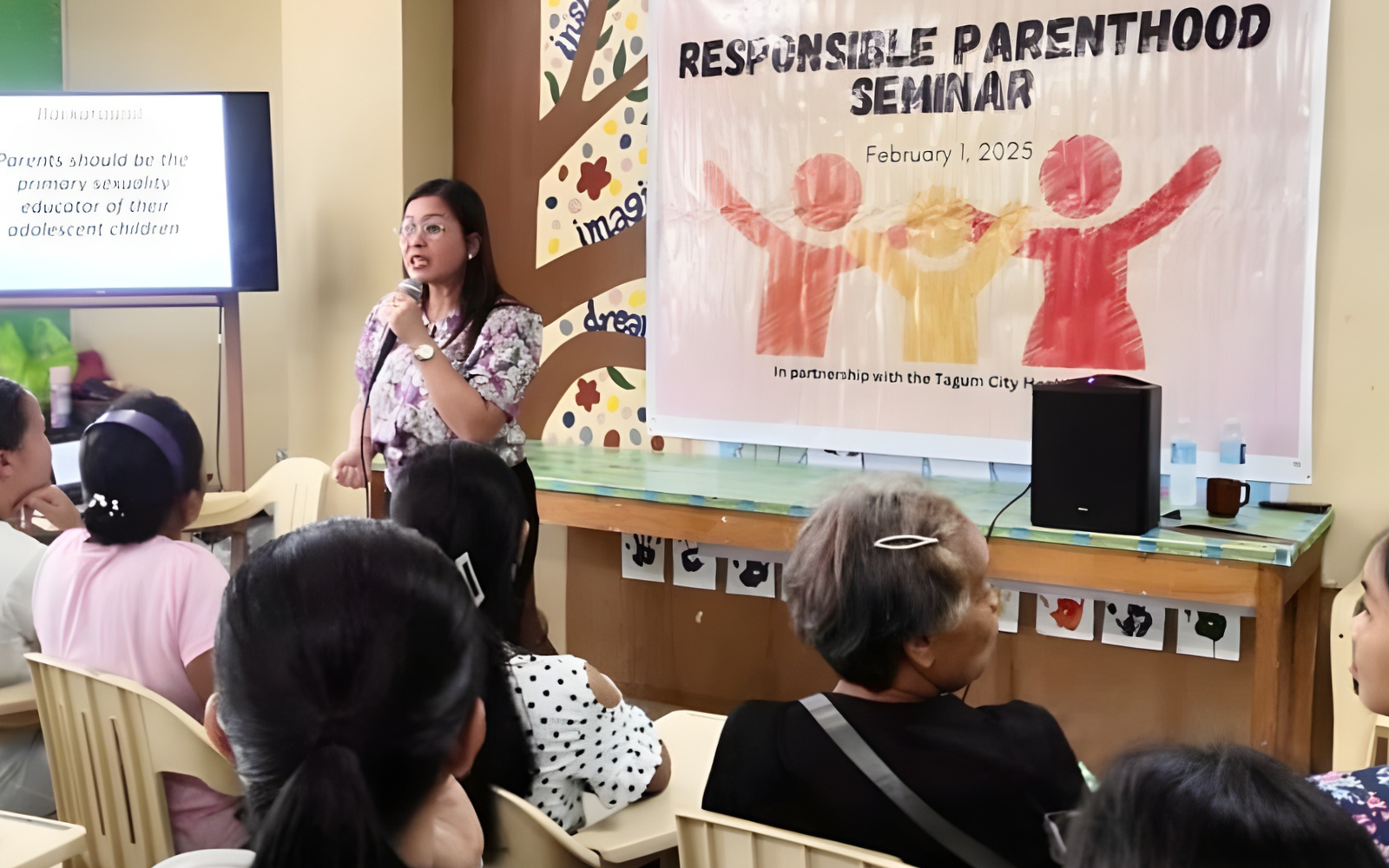
Through the City Leadership Team (CLT), local offices, health providers, and community partners aligned around a shared strategy. This included Teen Tambayan Centers and the revitalized Usapan Serye, which brought structured and culturally sensitive discussions on FP and AYSRH to barangays and schools.
Youth played a key role as peer educators, especially in geographically isolated and disadvantaged areas (GIDAs). Their involvement helped normalize conversations on topics often seen as taboo.
“What began as a campus health forum for high school students has grown into a citywide movement—reaching elementary students, college youth, parents, and communities. By partnering with schools, the Parent-Teachers Association, Sangguniang Kabataan, and youth volunteers, Usapang Youth has expanded from classrooms to the streets, ensuring that health education and support truly meet young people where they are,” shared Edu Macabatas, Head of the Tagum Youth Development Office.
Community sessions complemented school-based activities. Dr. Dainah Casintahan Fajardo, City Health Division Chief, emphasized, “Because the city chooses to invest in its young people, with the help of TCI, we’ve grown from focusing only on the highest-need areas to now reaching all 23 barangays. With sustained funding for adolescents, we bring advocacy from schools to communities, ensuring every young person in Tagum is informed, empowered, and protected.”
Engaging Men and Shaping Shared Responsibility
Tagum also made sure men were part of the conversation. Through KATROPA (Kalalakihang Tapat sa Responsibilidad at Obligasyon sa Pamilya) and the locally developed Mr. GAD-PEGAD (Men’s Responsibility on Gender and Development–Parent Education on Gender and Adolescent Development), male leaders were engaged on gender equality, responsible parenthood, and reproductive health.
Messages That Reach and Resonate
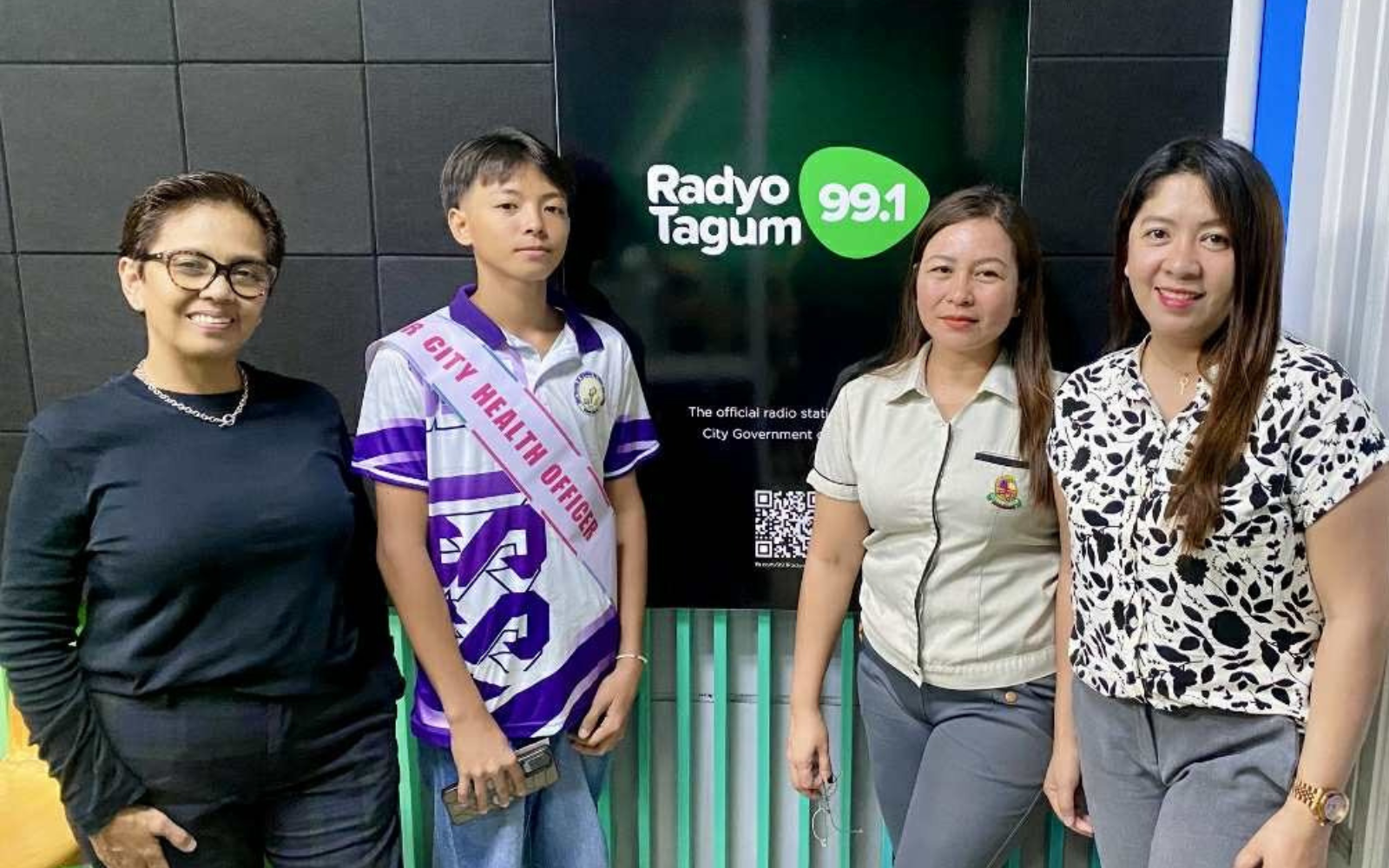
To reach more people, Tagum invested in localized communication. Radio programs, social media posts, and printed information, education, and communication (IEC) materials used local language and real stories to build trust.
“Young people are naturally curious, and their questions—no matter how unexpected—deserve clear, honest answers. With localized IEC materials in their own language, we can bridge gaps in understanding, spark meaningful conversations, and guide them toward informed choices in family planning and adolescent health,” shared Charlene Gastanes Lanoy-Osido, Adolescent Health Development Program Coordinator.
Bringing Services Closer
Access to services improved through institutionalized Fixed-Day Services (FDS) at health facilities and mobile outreach for GIDA barangays. These ensured regular availability of both short-acting and long-acting contraceptives.
The city also responded to rising human immunodeficiency virus (HIV) cases among young people by offering free testing. “Rising HIV cases remind us how vital awareness and early testing are—especially for the young. By offering free HIV testing, we turn fear into action, empowering people to know their status and protect their future,” shared City Population Officer Dulce Amor Alcaraz.
With TCI support, midwives and nurses were trained in long-acting reversible contraception (LARC), including postpartum intrauterine device (IUD) insertion.
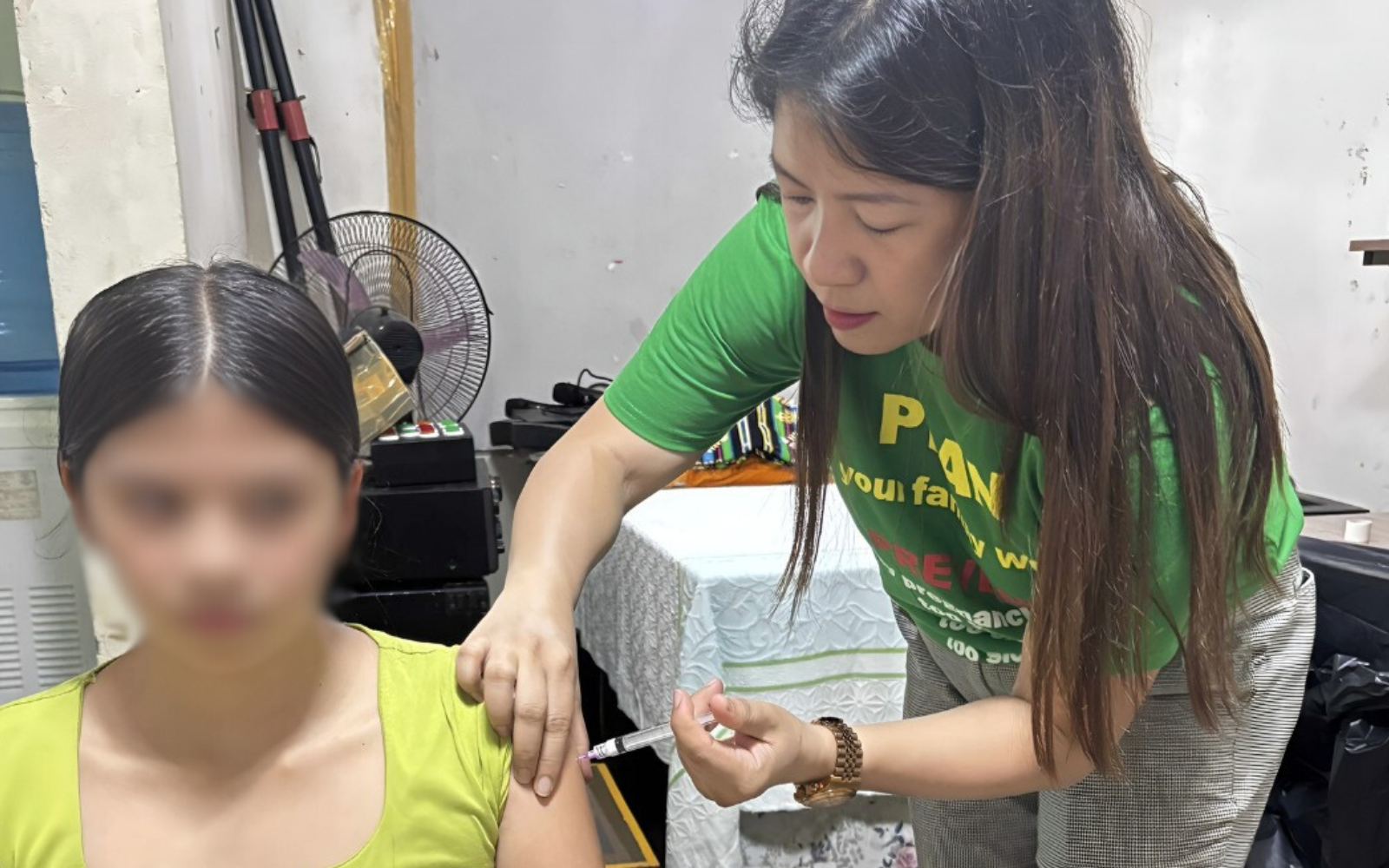
“Because of TCI’s support in training our family planning providers, services are now within reach. In every barangay, trained nurses are ready to serve, making quality care accessible right where families live. When a trained provider is just a few steps away, family planning becomes a choice everyone can freely and safely make,” Alcaraz added.
Continuous mentoring strengthened provider confidence and client-centered care. “Through Family Planning Competency-based Training (FPCBT), we’ve learned that counseling is just as important as the procedure itself. When clients fully understand their choices, they make informed decisions that protect their health and future—ensuring family planning is not just available, but truly empowering,” shared Archilee Cortado, FP Coordinator.
Results That Last
Tagum embedded FP and AYSRH into local policies, plans, and budgets—moving them beyond short-term projects. The City Health Office and City Population Office continue to lead multisectoral coordination through the CLT.
This approach led to measurable gains. The modern contraceptive prevalence rate (mCPR) steadily improved—from 35% in 2020 to 45% by 2024—exceededing the national target of 30%. The adolescent birth rate (ABR) rose from 38 per 1,000 live births in 2020 to 51 in 2022—above the benchmark of 37. By 2024, it dropped sharply to 32, meeting the national standard and reflecting the impact of sustained interventions.
Additional results include a 95% quality implementation score for postpartum FP, 83% gender integration in FP programming, and the inclusion of FP High Impact Practices in the city’s Annual Operational Plan and budget.
A Model Rooted in People
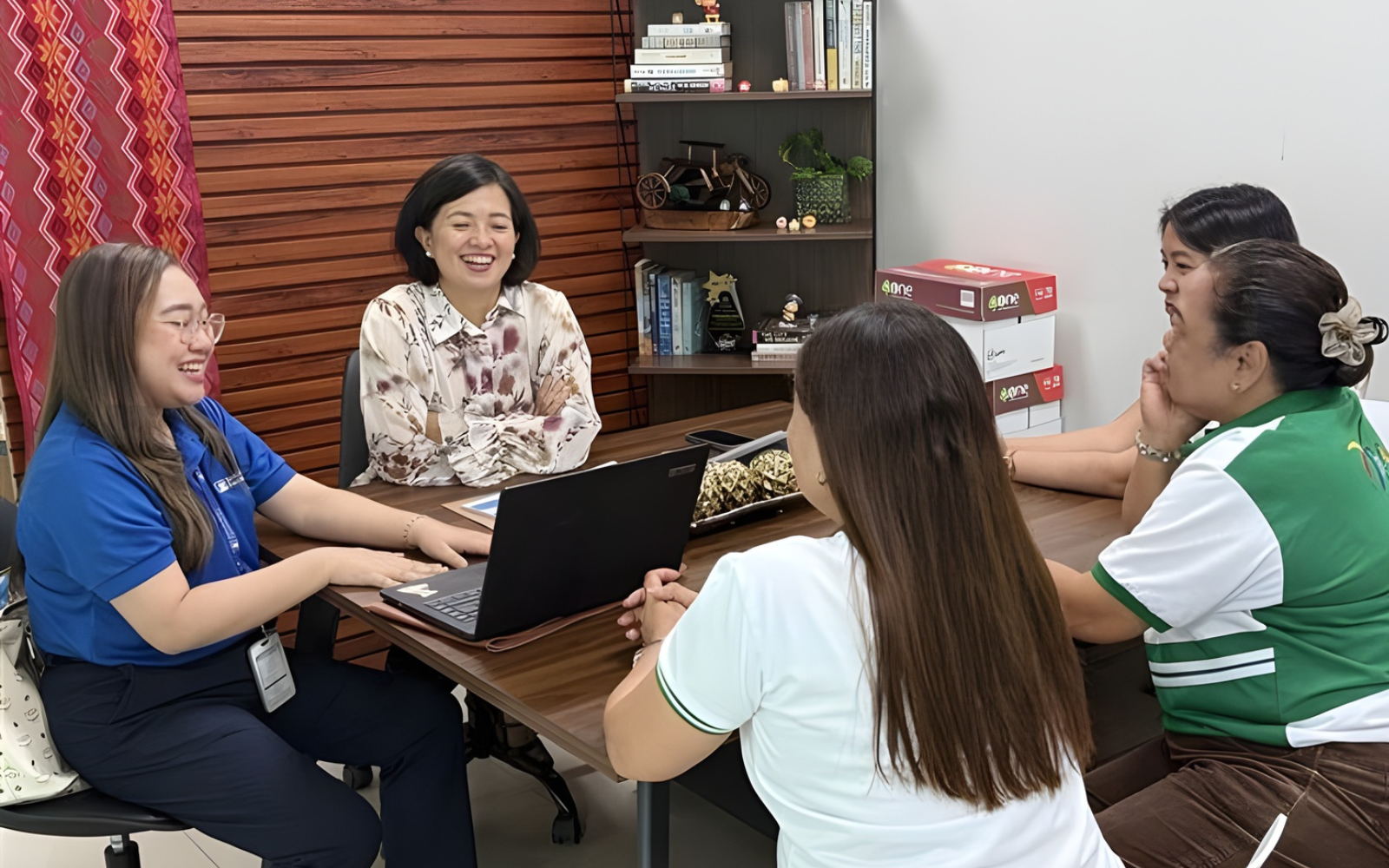
Tagum’s experience shows that lasting change begins with listening—using local language, trusted messengers, and data to guide action. By engaging youth and men, strengthening services, and embedding programs into governance, the city built a resilient and people-centered health system.
Tagum City’s journey proves that with strong local leadership and genuine community engagement, family planning can move from policy to practice—one conversation, one service, and one family at a time.
Banner photo: A Teen Tambayan Center of Tagum City
PRESENTATION: Nurses-Led Municipal Leadership and Governance Program (MLGP): Experiences of Local Chief Executives in Central Visayas, Philippines
At the 4th International Conference on Nursing and Women’s Healthcare in Bangkok, Thailand, from November 4-6, 2024, Zuellig Family Foundation’s Standards and Academic Partnerships Manager, Philip Jerome Flores, presented research on the Nurses-Led Municipal Leadership and Governance Program (MLGP). The study, published in the Belitung Nursing Journal, highlights the experiences of Local Chief Executives (LCEs) in Central Visayas.
The research, conducted in partnership with Silliman University, Cebu Normal University, and funded by the Department of Health (DOH)-Central Visayas, focuses on how the MLGP enhances leadership competencies of LCEs. Flores shared insights on how nurses and governance experts have played a key role in transforming local health leadership, especially in underserved communities. This is part of ZFF’s ongoing effort to improve healthcare delivery through strong local leadership.
View the full presentation here:
ZFF Presentation_ScientexLearning and Working Together: Insights from the Youth Leadership Colloquiums in Southern Leyte and Samar
Two provinces in Eastern Visayas reflected on how young people and local leaders can work side by side to address adolescent health.
Through the Expanded Youth Leadership and Governance Program (EYLGP) of the Zuellig Family Foundation in partnership with the United Nations Population Fund, Southern Leyte and Samar shared lessons, successes, and remaining challenges during their colloquiums held in August 2025.

In less than two years, our program cohort in Southern Leyte cut its adolescent birth rate by 29%, with the municipalities of Liloan and Tomas Oppus reporting zero teen births in 2024. Samar also moved forward, lowering its adolescent birth rate in partner municipalities by 5% and doubling contraceptive use among teens. Both provinces strengthened adolescent-friendly health facilities, supported peer education, and created local committees that regularly meet to tackle youth concerns.
Despite progress, both provinces face similar challenges. Births among very young girls aged 10 to 14 years old increased, often tied to gender-based violence and exposure to harmful online content. In Samar, education completion rates are also declining, while poverty continues to put many adolescents at risk. These issues show that reducing teen pregnancies is not only a health concern but also a matter of child protection, education, and community support.
Related articles:
- Youth and Local Leaders Join Forces to Prevent Teen Pregnancies in Samar
- Southern Leyte Shows Progress in Reducing Teen Pregnancies
Key Insights
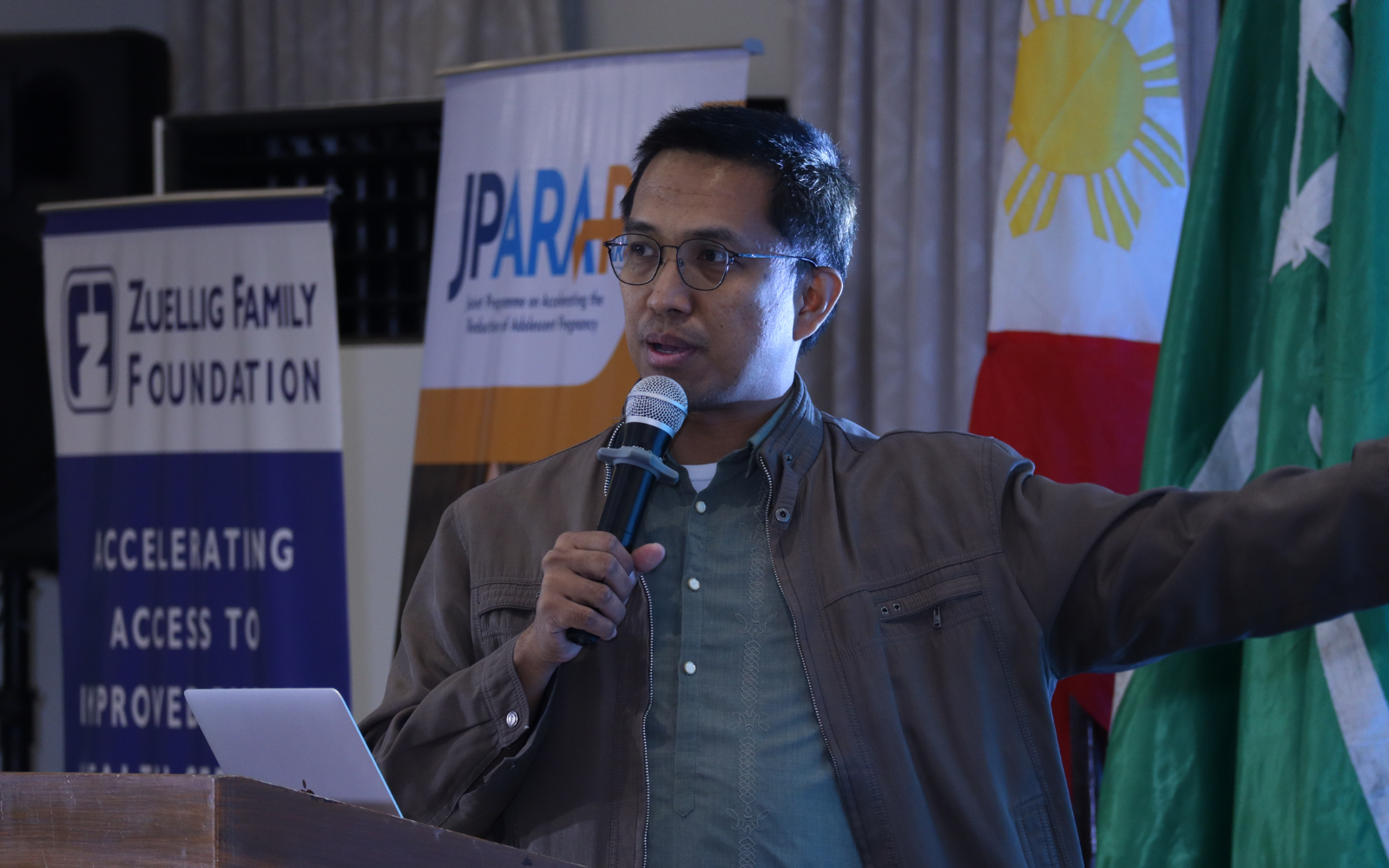
Dr. Ramir Blanco, public health specialist, synthesized the insights from both colloquiums, and noted that while each province has a unique context, some common lessons stand out:
- Partnership works best when youth are seen as equal partners. Adolescents bring energy and ideas that make health programs more effective.
- Local governments need to back policies with real budgets. Commitments become meaningful only when resources follow.
- Health services must be accessible and friendly to teens. Both provinces showed that when facilities are welcoming, more adolescents use them.
- The challenge of early adolescent pregnancies requires stronger systems. This goes beyond health and must involve education, social welfare, and community protection.
As the colloquiums showed, the most powerful change comes when young people and leaders share responsibility. When adolescents are given a voice and communities stand behind them, reducing teen pregnancies becomes not just a goal, but a shared achievement for healthier, brighter futures.
Youth and Local Leaders Join Forces to Prevent Teen Pregnancies in Samar
On August 15, 2025, Samar leaders, health workers, youth representatives, and development partners came together for the Expanded Youth Leadership and Governance Program (EYLGP) Colloquium.
Implemented by the Zuellig Family Foundation (ZFF) with support from the United Nations Population Fund (UNFPA) and the Korea International Cooperation Agency (KOICA), the EYLGP builds the leadership of both young people and local governments. The program was first piloted in Mindanao and has since expanded to Samar and Southern Leyte, where it is showing promising results.
Samar’s EYLGP journey began in April 2023 when Governor Sharee Ann Tan, together with mayors and municipal health officers, met with the Zuellig Family Foundation (ZFF) to tackle the province’s high rate of teen pregnancies. At this meeting, the mayors and health officers signed learning contracts to affirm their commitment to the program.
Two years later, in Samar, EYLGP has trained 81 municipal leaders, along with youth leaders and representatives from the Department of Health (DOH), Department of Education, and Department of the Interior and Local Government. Together, they improved local governance systems that directly affect adolescent health.
Related article:
The results are encouraging. In partner cities and municipalities, the adolescent birth rate (ABR) went down by 5% from 2022 to 2024: from an ABR of 38.1 per 1,000 girls aged 15 to 19 in 2022 to 36.1 in 2024. The use of modern contraceptives among adolescents also more than doubled in the same period. These numbers mean more young people are getting the right information and services to protect their health and future.
However, challenges remain:
- Provincial ABR is still higher than the national target of 30 at 33.7 per 1,000 in 2024, and the overall trend for Samar shows an increase from 27.33 (2022) to 28.28 (2023) to 33.7 (2024).
- Young adolescents (10 to 14 years old) experienced a 28% rise in births from 2022–2024.
- Education completion rates are declining: Elementary school completion dropped from 99.55% (2022) to 87.6% (2024), and high school completion went from 100% to 51.35% over the same period.
- Poverty remains high at 24.9% in 2023, affecting adolescent risk.
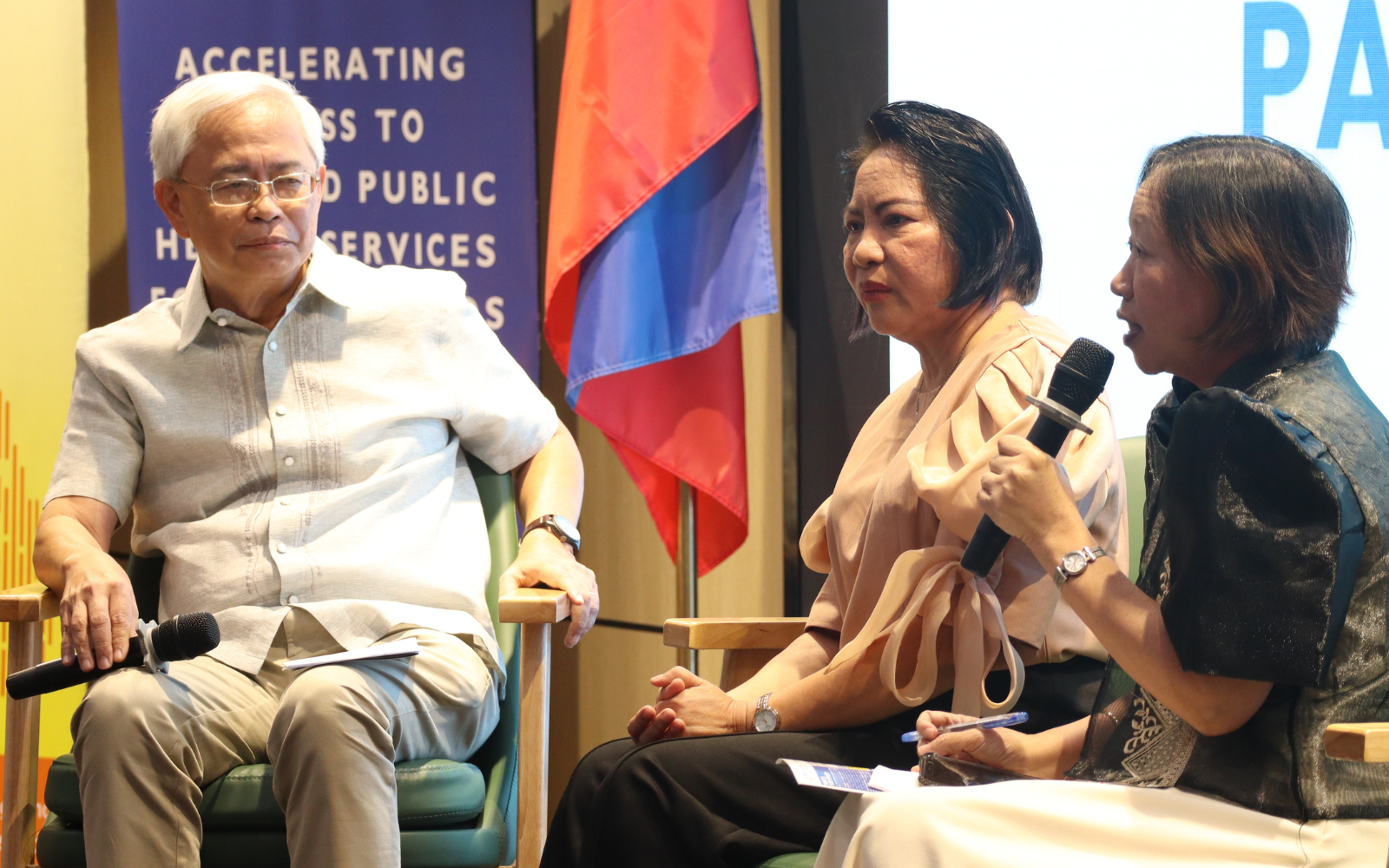
During the Colloquium, participants shared what worked best in Samar:
- Functional local committees that regularly meet to address adolescent health issues.
- Local policies backed by real budgets to support teen pregnancy prevention.
- Adolescent-friendly health facilities and services in communities.
- Active involvement of youth leaders in peer education and information campaigns.
- Supportive mayors who invest in programs that keep young people in school.
To sustain these gains, ZFF and partners will continue coaching local governments until 2026. New initiatives include the Masayang Pamilya Parent-Teen Program in Calbayog and Catbalogan, and helping five LGUs integrate adolescent health and development into their long-term plans.
Zuellig Family Foundation (ZFF) President and Executive Director Austere Panadero challenged Samar to look ahead: “Over the last two years, you have shown remarkable support and commitment, but the question now is whether these efforts are enough to fully address adolescent pregnancy. Sapat na ba? This is an important moment to reflect on our gains and consider how we can move forward faster and more effectively.”
Investing in a Healthier Future: Local Nutrition Planning for Basilan Towns
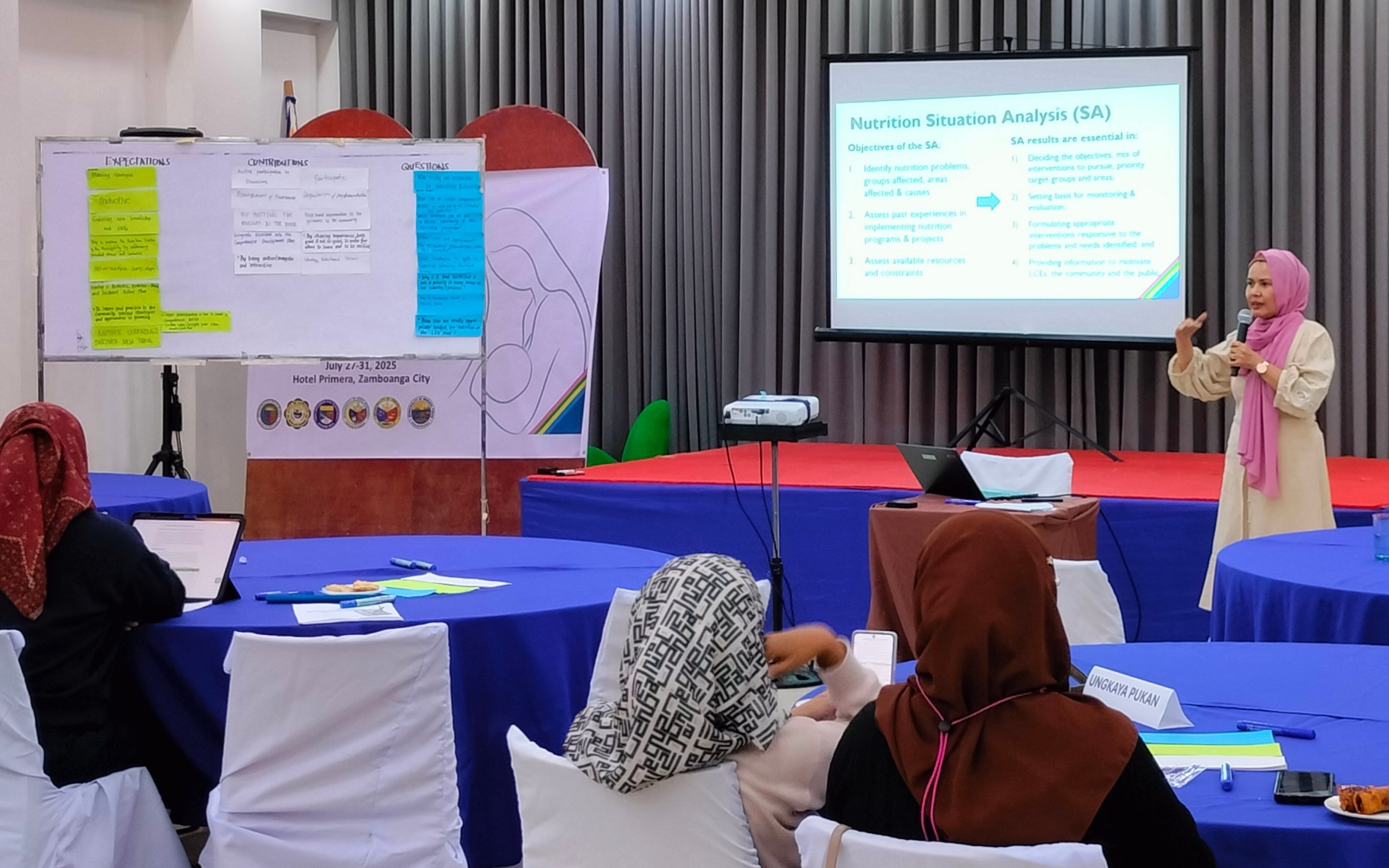
From July 28 to 30, 2025, Planning, Budget, Health, and Nutrition Officers from Lamitan City, and from the second batch of the Municipal Nutrition Governance Program (MNGP) representing five Basilan municipalities of Al-Barka, Hadji Muhtamad, Hadji Mohammad Ajul, Tabuan Lasa, and Ungkaya Pukan gathered in Zamboanga City for a three-day Local Nutrition Action Planning Workshop.
The workshop focused on one goal: helping each municipality invest in its people’s health, especially children. The theme, Investing for my Municipality’s Future, guided participants in shaping practical and evidence-based Local Nutrition Action Plans (LNAPs).
With support from the Zuellig Family Foundation, the sessions covered nutrition data analysis, problem tree exercises, target-setting, activity planning, and funding strategies. By the end of the workshop, LGUs were on track to finalize strong, multisectoral plans that tackle malnutrition and promote child development.
Related article:
This aims to support the Basilan HELPS program, the flagship initiative of Governor Mujiv Hataman. HELPS stands for Health, Education and Environmental Protection, Livelihood and Economic Development, Public Safety and Security, and Social Cohesion—key pillars of inclusive development in the province.
Throughout the workshop, Nadzwa Sabandal, Provincial Nutrition Action Officer, and Minsara Muarip, OIC-Provincial Planning and Development Officer, provided guidance grounded in local experience. Their involvement helped ensure that the plans were realistic, responsive, and aligned with provincial goals.
The workshop sent a strong message: nutrition is not just a health agenda, but a key part of local development. It is a shared responsibility across all levels of government.
Author: Rio Fe Del Valle, ZFF Nutrition Monitoring, Evaluation and Learning Expert
Aklan Completes Roberto R. Romulo Fellowship: Leading Health Reform with Heart and Data
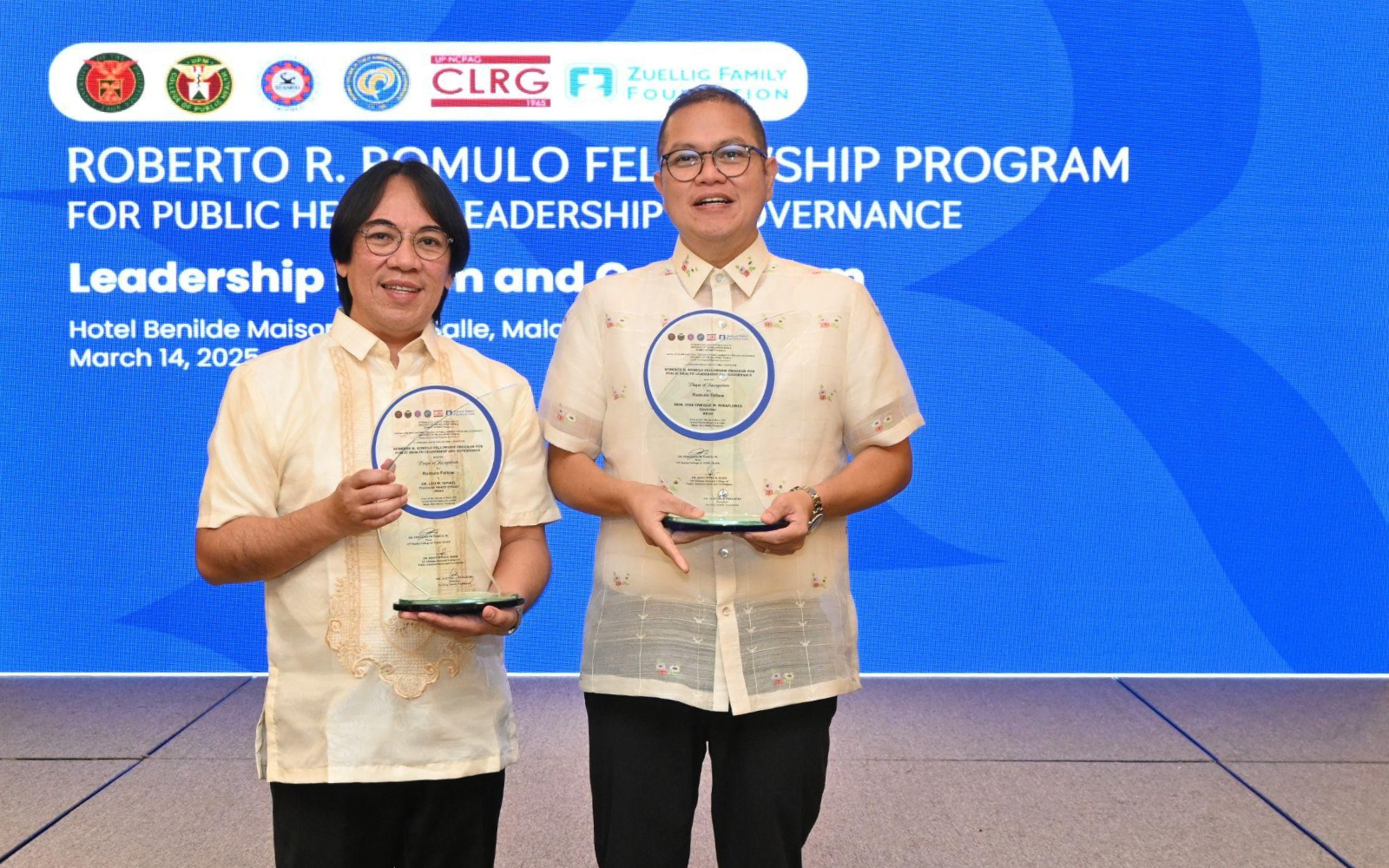
Aklan proudly marked the end of a transformative journey. Alongside Davao de Oro, Dinagat Islands, and Kalinga, the province graduated from the Zuellig Family Foundation’s (ZFF) Roberto R. Romulo (RRR) Fellowship for Public Health Leadership and Governance in March 2025.
The RRR Fellowship, named after ZFF’s founding chair and in partnership with the University of the Philippines (UP) College of Public Health and the UP National College of Public Administration and Governance, aimed to equip governors and local health leaders with skills to solve real-life health problems.
For Aklan Governor Jose Enrique Miraflores, this was a year of action, collaboration, and meaningful progress for the province. The Fellowship builds on the province’s involvement in ZFF’s other health leadership programs, which helped strengthen the local health system and prepared Aklan’s leaders for deeper, systems-oriented reform.
From the start, Governor Miraflores made it clear: implementing Universal Health Care (UHC) was his top priority. As one of the pilot areas for the Healthcare Provider Network (HCPN), Aklan was determined to improve health services for every Aklanon. All 18 primary care facilities in the province are now fully licensed by the Department of Health (DOH)—a first in Western Visayas.
This success came from strong local unity. “All the mayors of the 17 municipalities, kahit ‘kalaban’ pa namin na mayors, they grasped what we need to do,” he remarked. “It’s not only my job to implement UHC. Dapat sama-sama kaming lahat.”
Governor Miraflores also shared the province’s top health challenges. These included:
- Delays in PhilHealth contracting: Even with all the preparation and local budget support, national delays in PhilHealth’s processes held back fund releases and service contracting.
- Slow first patient encounter (FPE) rates: Although 400,000 Aklanons are registered with PhilHealth, only 12% have completed their first patient encounter—still far from the target of 50%.
- Digital health systems: While many primary care facilities now use electronic medical records (EMRs), Aklan’s hospitals still lack full digital systems.
- Lack of health workers: Aklan needs more doctors, nurses, and midwives. The province is now drafting a plan to address this.
- Rising mental health cases: Aklan has the highest suicide rate in Western Visayas. Mental health became Governor Miraflores’ focus during his Deep Dive, a guided community immersion, under the Fellowship.
Despite the challenges, Aklan has achieved impressive results:
- Successfully negotiated with PhilHealth to become an HCPN demonstration site.
- All LGUs contribute 1% of their development fund to the Special Health Fund.
- Six district health managers hired to lead health services in identified clusters.
- Strong partnership with the Sangguniang Panlalawigan, which passed the Aklan HCPN ordinance.
- Digital health partnerships that led to an increase in PhilHealth reimbursements—from Php 104,000 in 2022 to Php 66 million in 2024.
- For mental health, Aklan passed a provincial ordinance and encouraged municipalities to adopt it. In one inspiring case, a troubled child received help and is now serving as a barangay health worker.
Governor Miraflores emphasized the value of data in decision-making: “Kailangan talaga data-driven. Before we decide on things, we need to see the data first so we can learn what we need to do.”
He also credited his training under ZFF’s Bridging Leadership approach, which focuses on personal ownership, co-ownership with stakeholders, and co-creation of solutions. “Hindi ako doktor, but I have to understand what’s happening in our health issues. I shared this mindset with our mayors. That’s why it wasn’t hard to convince them to collaborate.”
As he closed his RRR Fellowship journey, Governor Miraflores reflected on the long-term impact of their work: “Since I became a leader, this is what I always say: ‘What we do in life echoes in eternity.’ This is not only about legacy. It’s about what we do now that will benefit future generations.”
Barangay Leaders Showcase Progress in Fight Against Adolescent Pregnancy in Padre Burgos
Padre Burgos, Southern Leyte — Local leaders from the pilot barangays of Cantutang, Santa Sofia, and Poblacion presented their efforts to address adolescent pregnancy during the rollout of Module 2 of the Barangay Expanded Youth Leadership and Governance Program (BEYLGP) held on May 20–21, 2025. The two-day training involved workshops and peer-sharing sessions for 30 barangay and youth leaders to strengthen their roles as advocates for adolescent health.
Medeline Razon, a Barangay Health Worker from Santa Sofia, shared her community’s initiatives to raise reproductive health awareness during a gallery walk that featured outputs from the three barangays. Leaders highlighted both achievements and ongoing challenges in their local campaigns.
Since the program’s launch in 2023, Cantutang recorded a rise in adolescent pregnancy cases from one in 2023 to four in 2024, including a 12-year-old. Santa Sofia also saw an increase, while Poblacion reported its first case in two years. In 2025, however, all three barangays reported no new cases in recent months, which leaders view as a sign of progress.
Cantutang is the only barangay where adolescents have accessed contraceptives from the Barangay Health Station, though the number remains low. Leaders consider this a positive development and a step toward improving access to reproductive health services.
Mayor Hermenegildo C. Culpa, in his message of support, stressed the importance of preventing early pregnancies to secure a bright future for young people. He called for stricter curfew enforcement, a joint intervention with adolescents’ parents. He encouraged more inclusive consultations with parents, schools, out-of-school youth and community members. He also highlighted the need for comprehensive reproductive health education.
Santa Sofia’s Sangguniang Kabataan Chairperson Razel Rose Iballa presented their redesigned Behavior-Centered Design (BCD) plan, “Session for Kumustahan: Sama-sama ang mga Kabataan”, which uses peer education to connect with at-risk youth and discourage early sexual activity.
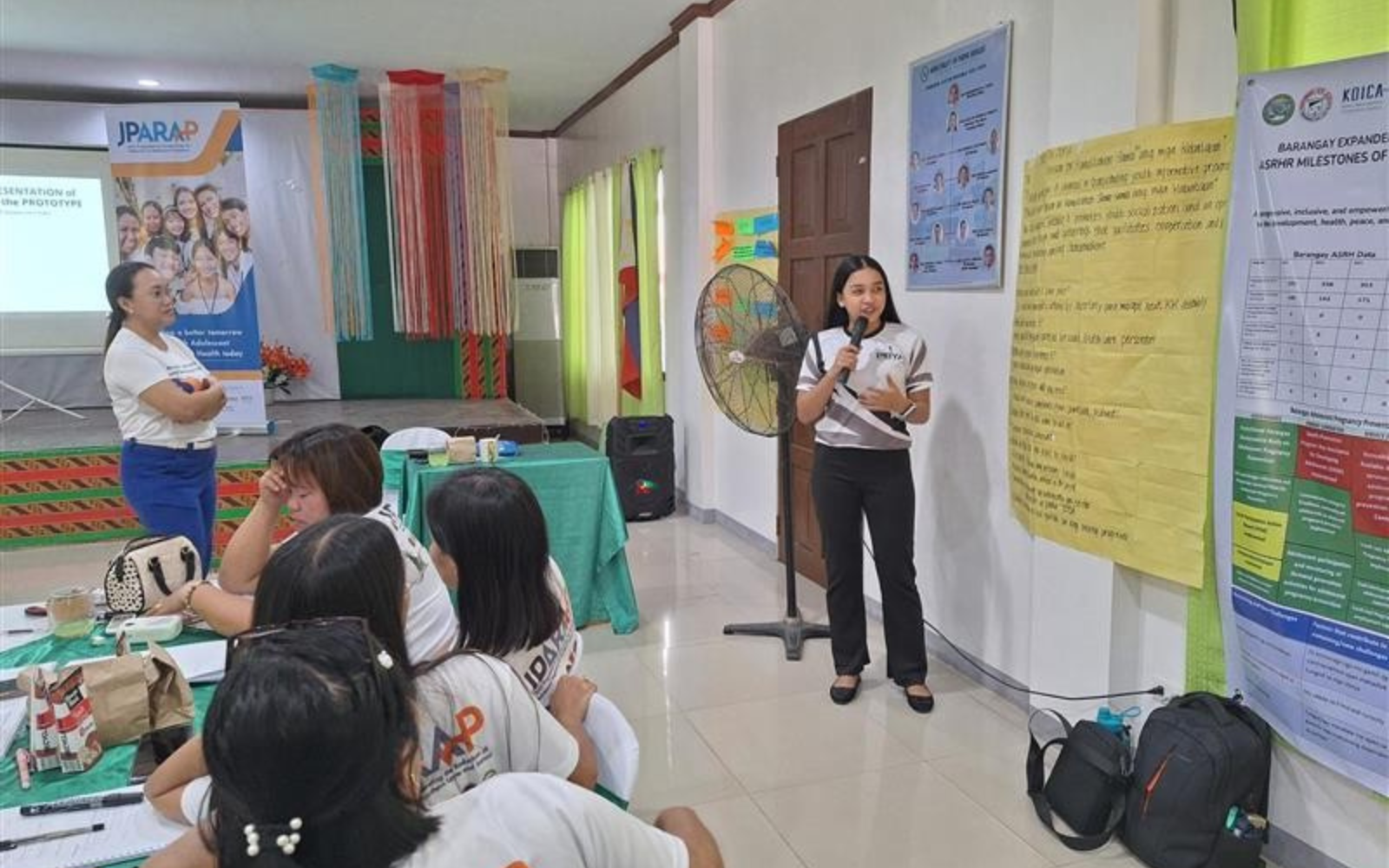
The BEYLGP is implemented by the Zuellig Family Foundation (ZFF) under the Joint Program on Accelerating the Reduction of Adolescent Pregnancy (JPARAP), in partnership with the Provincial Government of Southern Leyte and the Municipal Government of Padre Burgos, with support from the United Nations Population Fund (UNFPA) and the Korea International Cooperation Agency (KOICA).
Stakeholders emphasized the importance of sustained community involvement and local leadership in creating long-term solutions to adolescent reproductive health issues. The Municipal Guiding Coalition reaffirmed its support for barangay-led initiatives to sustain and scale the progress made.