Breaking Down Silos: How Quezon City Improved Adolescent Health Services
Quezon City is one of the Philippines’ most progressive cities in social development. It has consistently won awards for good governance, transparency, innovation, and climate action. Quezon City has become a national model for inclusive and environmentally conscious leadership. These achievements are significant, especially given the challenges the city faces.
In the past, departments often worked in isolation, with little awareness of each other’s programs. A teenager seeking reproductive health assistance might start at one facility only to be referred elsewhere, often without a clear handover. Many adolescents got lost in this process, falling through the gaps of an uncoordinated system. This fragmentation highlighted a key challenge: even as Quezon City kept its adolescent birth rate below target, many young people still missed out on timely care.
Then City Health Officer Dr. Verdades Linga explained their vision: “I dream of an effective and efficient system that gives our adolescents the care they need, when and where they need it—a system they can trust and rely on.”
Related article:
Building Bridges: Creation of the QUSI Teen Network
Recognizing that no single office could meet all the health needs of adolescents, Quezon City took a top-down approach. The city first passed City Ordinance No. SP-3128, s. 2021. This law, titled “An Ordinance Providing for the Prevention Programs to Address the Increasing Adolescent Pregnancy,” created the legal basis for coordinated action.
Through its Implementing Rules and Regulations, the city formally adopted the Information and Service Delivery Network for Adolescent Health and Development (ISDN4AHD). The ISDN4AHD is a network of facilities and providers across different levels that work together to offer information, training, and a core package of health and social services for adolescents. It acts as a way for various groups to collaborate and ensure their efforts are aligned.
In Quezon City, this network is called the Quezon City Unified Services and Information Teen Network (QUSI Teen Network). It includes member institutions, referral pathways, and tools to strengthen coordination, making adolescent health services more seamless and responsive.
Building the network required a full map of available services across all departments that support adolescents, from social and financial help to mental and physical health care. After identifying these services, the city streamlined them to reduce duplication and unnecessary referrals, especially for sensitive cases. To ensure clarity, they created flowcharts showing which department handles each service, what it offers, and where to refer adolescents. These pathways went through many reviews with service providers before being finalized.
Maria Cecilia Magtalas, the Population Program Supervisor, described the shift: “Before, we worked in our own bubbles. Now, through the ISDN, we know exactly who to call, where to refer, and how to follow up. It feels like we’re finally working as one team for the young people.”
Enforcing Foundations: Training Frontliners of the ISDN
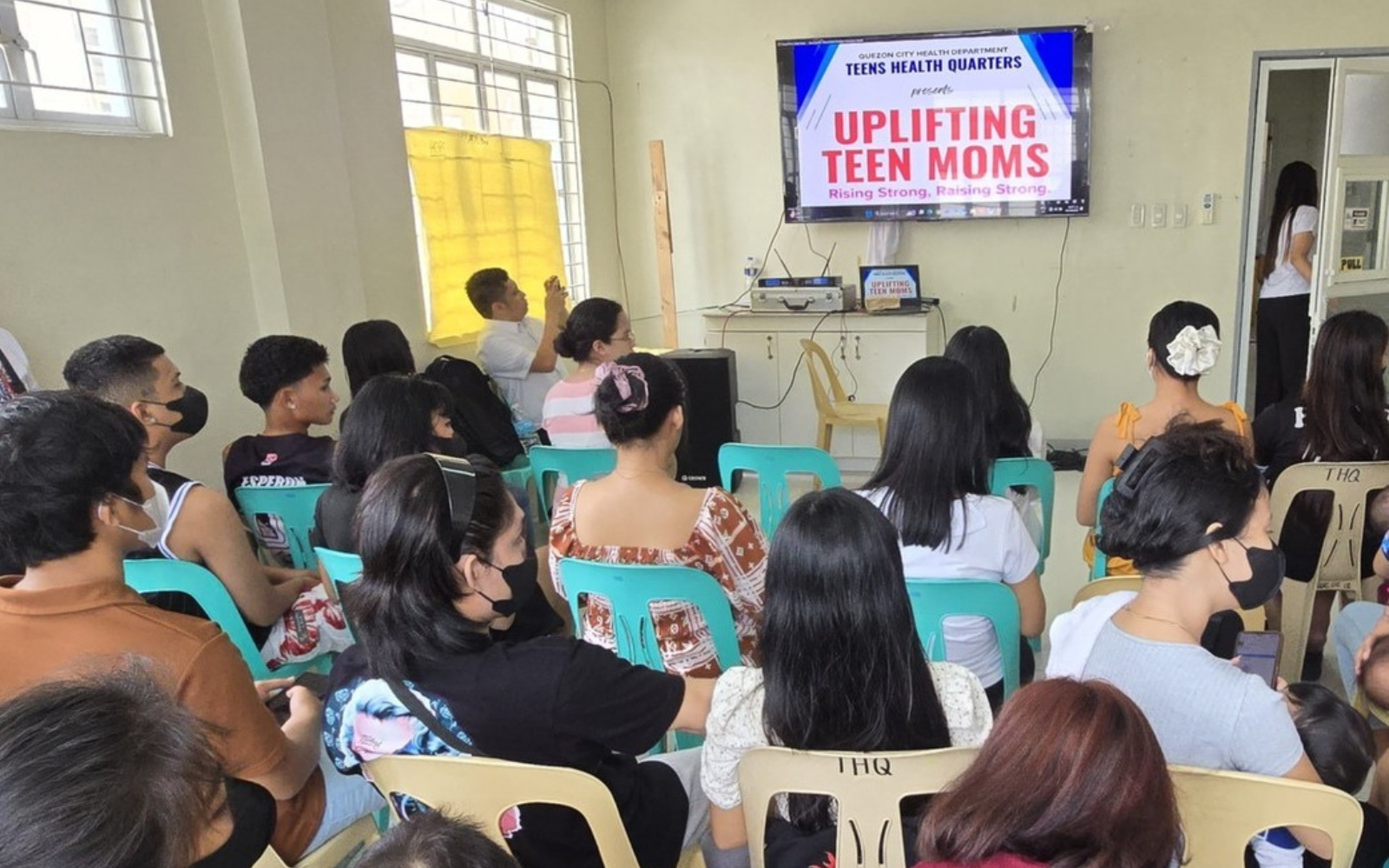
To make the referral network work, The Challenge Initiative (TCI)-Philippines, together with Quezon City’s Population Program Supervisors, created a structured training program for ISDN frontliners. Frontliners are the staff who directly assist adolescents seeking help, such as health center coordinators, social workers, and guidance counselors. The training aimed to introduce the Adolescent Health and Development (AHD) Program framework, increase awareness of adolescent issues, and build skills for managing the referral system.
The training covered several key areas. It started with an Adolescent Situationer and the Framework of the AHD Program. Next, participants learned about Managing a Referral System, including the networks and procedures agreed upon in departmental meetings. A key part was introducing the HEADSSS tool, a structured guide to assess risks in adolescents. This acronym stands for Home, Education/Employment, Eating, Activities, Drugs, Sexuality, Suicide/Depression, and Safety. It helps providers screen for other concerns and refer to the right channels.
Finally, they covered Essential Skills of a Responder, including sessions on inclusivity and sensitivity. This included discussions on Sexual Orientation, Gender Identity, and Expression (SOGIE), Data Privacy, Confidentiality, and Active Listening to ensure respectful communication.
One social worker shared how the training changed their approach: “The training changed how I see my role. Before, I just handled the concern right in front of me. Now, I know how to listen for what’s not being said and guide them to the right help.”
The Road Ahead
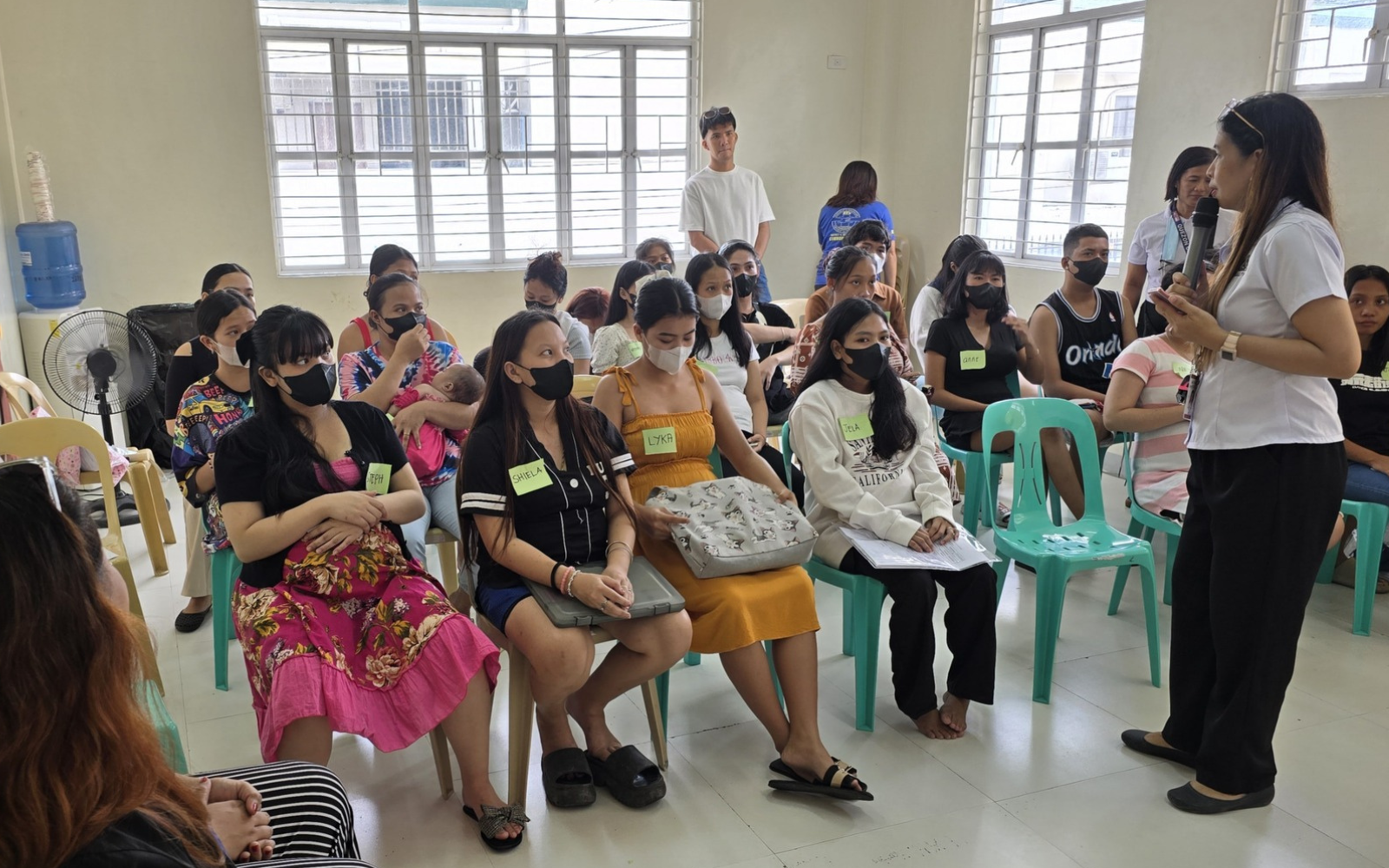
While the ISDN has already closed many coordination gaps, its continued success will depend on regular monitoring, ongoing training for staff, and using digital tools to track referrals. This will make the system even more efficient and responsive.
Quezon City is already seeing results. The adolescent birth rate remains within target levels, and modern contraceptive use is rising. By breaking down silos and taking progressive steps, the city has improved young people’s lives and become a model for transformed adolescent health services—showing that innovation, collaboration, and political will can drive lasting change.
Banner photo: Physicians completed training on Postpartum IUD insertion, facilitated by the Quezon City Health Department.
Building a Stronger Support System for Las Piñas Youth
Las Piñas City has come a long way from its humble beginnings as a fishing village. Now a bustling urban center in southern Metro Manila, the city’s population reached 628,652 by 2025, according to the Department of Health. Among these, 107,113 adolescents aged 10 to 19—or 17% of the population—represent both a major opportunity and a growing challenge for the city.
Las Piñas has built a strong infrastructure for adolescent health: 30 health centers, all accredited as Level 1 Adolescent Friendly Health Facilities, three Teen Centers, a social hygiene clinic, and a birthing clinic. But behind this network was a serious problem: services for young people were often uncoordinated.
Programs from health, education, and social welfare sectors operated in silos. This meant young people often had to navigate confusing or disconnected services—leaving many without the help they needed.
A Closer Look at the Numbers
City records show the adolescent birth rate (ABR) rose from 16 births per 1,000 among girls aged 15 to 19 in 2021 to 18 in 2022. But what was more alarming was the gap between reported pregnancies and actual deliveries. Dr. Justine Hernandez from the City’s Adolescent Health and Development Program explained, “Many pregnant adolescents, fearing stigma and judgment, sought to give birth outside the city or concealed their pregnancies entirely, often delivering in distant provinces.”
This trend distorted data and revealed that many young mothers did not feel safe or supported locally. The modern contraceptive prevalence rate (mCPR) stood at just 12% in 2022.
Without a system that connects services, the city risked letting more adolescents face health issues, early pregnancy, and long-term social difficulties.
Why the System Was Not Working
Three key gaps held the city back:
- No unifying policy to align different sectors and prioritize adolescent welfare.
- No clear leader or champion for coordinated action.
- No referral system to guide adolescents from one service to another when needed.
These missing pieces led to duplication, confusion, and many young people falling through the cracks.
Related articles:
- Eight Cities Share Success in Family Planning and Adolescent Health
- Cities Lead the Way in Family Planning and Adolescent Health—Webinar Series to Spotlight Local Innovations
A Turning Point: The Challenge Initiative
In 2023, Las Piñas joined The Challenge Initiative (TCI)-Philippines, a global program co-managed by the Zuellig Family Foundation, the Bill and Melinda Gates Institute for Population and Reproductive Health, and Bayer, with technical support from the John Hopkins Bloomberg School of Public Health.
This partnership gave Las Piñas not just funding, but a framework and technical support to fix the system.
Led by Mayor Imelda Aguilar and City Health Officer Dr. Juliana Gonzalez, the city formed a City Leadership Team (CLT). This brought together the City Health Office, Social Welfare Office, Local Youth Development Office, Public Employment Service Office, the Department of Education, the Philippine National Police, and the Sangguniang Kabataan (SK)—all committed to working together for adolescent health.

Creating the Information and Service Delivery Network (ISDN)
To connect fragmented services for adolescents, Las Piñas created the Information and Service Delivery Network (ISDN)—a system that links health, education, social welfare, and security services into one coordinated referral network.
By 2023, the city developed a referral algorithm and began drafting protocols to ensure that adolescents could easily access the right services, regardless of where they first sought help. Frontline workers were trained to screen adolescent concerns and refer cases—such as mental health issues or adolescent pregnancy—quickly and appropriately.
The process started with mapping all adolescent-serving agencies and assessing service gaps. Then, in December 2023, a three-day workshop facilitated by the Commission on Population and Development (CPD) helped align partners and establish shared referral processes and data-sharing agreements.
With a clear system in place, the city empowered frontliners and introduced monitoring tools to track referrals, improve service delivery, and ensure accountability across the network.

Strengthening Coordination and Passing Policies
To further institutionalize the work, Las Piñas aligned ISDN with the Department of Health’s Key Assistance for Developing Adolescents (KADA) Network. In September 2024, a local ordinance officially created the KADA Network, ensuring long-term policy support.
The networks were launched on December 6, 2024, complete with service catalogs, referral guides, directories, and resource maps.
Las Piñas did not stop at planning. The city rolled out activities to make the system effective and responsive:
- Regular Adolescent Case Management Conferences help network members jointly solve difficult cases like cyberbullying and sexual exploitation.
- Enhanced Usapan sessions improved counseling, contributing to a steady rise in mCPR.
- Dedicated Family Planning Implementers were deployed to barangays, reaching more adolescents and families directly.
A Model Worth Replicating
Las Piñas backed its reforms with dedicated budgets, policies, and leadership structures. The referral system is now embedded in how the city works—simplifying workflows and ensuring adolescents can get help wherever they first seek it, whether in school, a clinic, or a barangay hall.
Monitoring is led by the Health Promotion Unit, and the CLT regularly reviews progress and listens to feedback from the youth themselves. “These gains translated into better access,” said Dr. Hernandez, “as more families were able to choose and obtain their preferred contraceptive methods at the right time.”
And the results are starting to show. By 2024, ABR had dropped to 13 per 1,000 births among girls aged 15 to 19. Meanwhile, mCPR rose to 19%.
More than just improving services, the city built a model that centers adolescents, builds community trust, and connects systems. From policy to practice, and planning to grassroots action, Las Piñas has become a leading example of how local governments can transform health systems for the next generation.