Why The Challenge Initiative and Evidence-based Strategies for Family Planning Matter More Than Ever
The Challenge Initiative (TCI) is a global platform that supports cities and local governments to rapidly and sustainably scale up proven primary health care solutions, particularly family planning. Rather than introducing new or parallel interventions, TCI transfers evidence-based strategies that are already known to work and supports local governments in institutionalizing these approaches within their own systems. By strengthening leadership, management, and data use at the local level, TCI achieves strong results at scale while promoting long-term sustainability. At a time of shrinking global health funding, this direction offers exceptional value for money—protecting past gains while enabling countries to expand impact with fewer external resources.
The year 2025 marked a challenging transition for TCI with its project completion. For country teams, including ours in the Philippines, 2025 raised critical questions about continuity, expectations, and sustainability. How would momentum be sustained? What would the next phase demand in terms of focus and capacity? And how could gains in family planning and adolescent, youth, and sexual and reproductive health be protected amid tighter global financing?
These questions were very much present as I travelled to Senegal to attend the TCI Global Chief of Party Meeting. There was a strong need for clarity on strategic direction, operating models, and performance expectations. Like many colleagues from other hubs, we arrived seeking reassurance and a clearer understanding of how TCI would move forward.
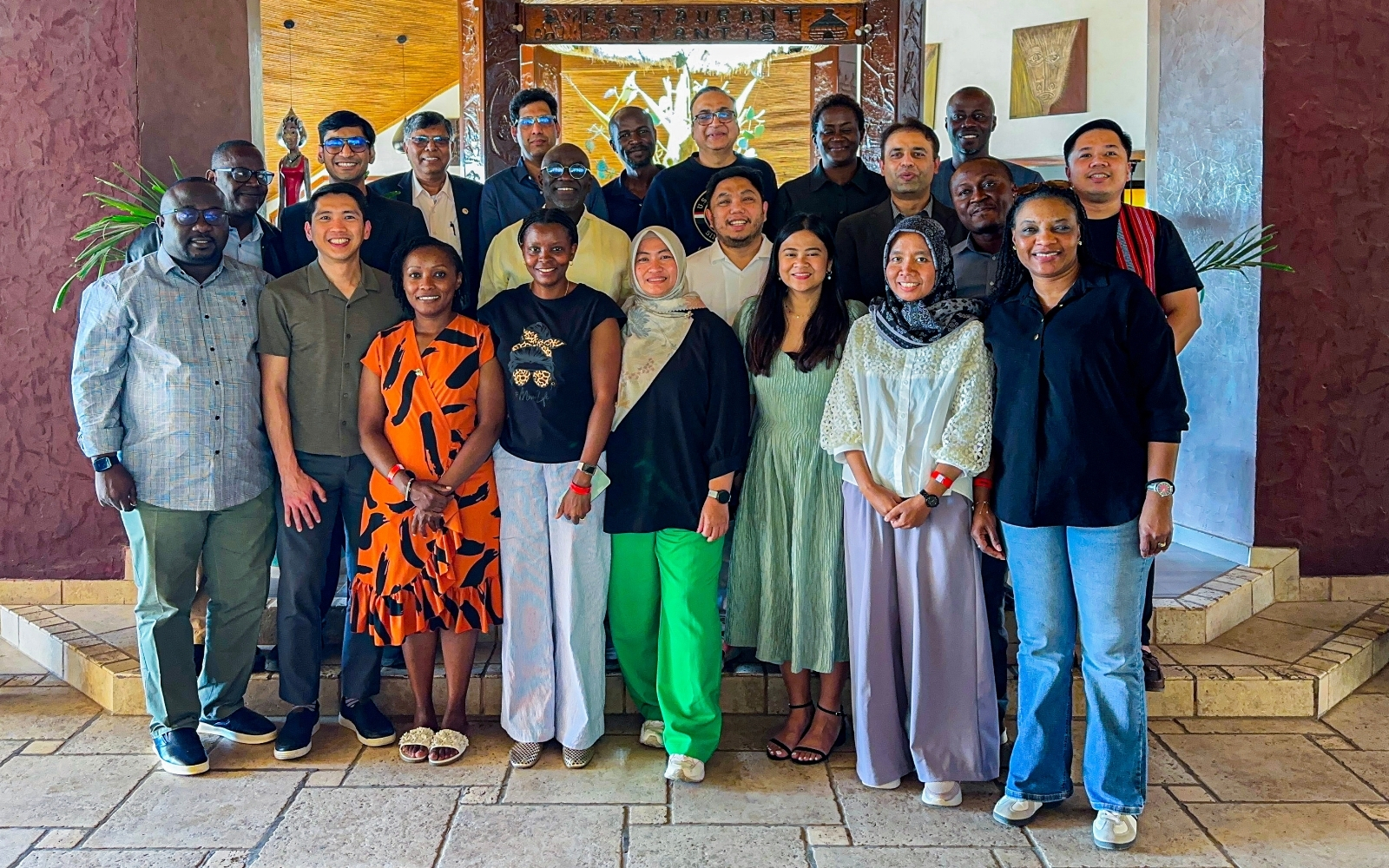
What the meeting ultimately provided was a shared perspective. Listening to the experiences of other hubs across Africa and Asia made it clear that the Philippines was not alone in navigating uncertainty. Many teams had faced similar transitions, pressures, and doubts. At the same time, they shared stories of adaptation, resilience, and continued impact. This collective reflection helped normalize the challenges of the past year and reinforced a shared sense of purpose across the global TCI community.
The discussions were grounded in realism. TCI is operating in a global environment where development assistance for health is increasingly constrained, making efficiency and focus more critical than ever. The meeting acknowledged these realities openly, including leaner global support structures and the need for greater hub-level autonomy. Importantly, this shift was framed not as a setback, but as an evolution toward a more mature and sustainable operating model.
For the Philippines, this message resonated strongly. Over the past years, TCI, in partnership with the Zuellig Family Foundation, has demonstrated its role as a powerful scale-up engine, enabling cities to rapidly expand access to modern family planning services using proven approaches. By working through local governments, TCI strengthens health systems, builds institutional capacity, and embeds data-driven decision-making where it matters most. These are not short-term wins, but foundational improvements designed to endure beyond external support.
This is precisely why TCI matters now more than ever. In a context of shrinking global health budgets, TCI’s model delivers high impact at relatively low cost. By leveraging existing systems, local leadership, and tested practices, TCI maximizes return on investment while reducing long-term dependence on donor funding. It protects what has already been achieved and enables countries to do more with less.
The global meeting reinforced this value proposition. Despite the uncertainties experienced in 2025, the collective results from the NextGen phase demonstrate TCI’s credibility and global reach. Across multiple countries, TCI-supported cities have reached millions of women with family planning services, contributing to healthier families and stronger communities. These results are measurable, well documented, and replicable across diverse contexts.
Encouragingly, the meeting also brought clarity and optimism about the future. Continued funding from Bayer, alongside ongoing discussions with other partners, signals sustained confidence in TCI’s approach. While resource mobilization remains a shared responsibility, the opportunity ahead is clear. TCI offers a compelling platform for donors seeking efficient, scalable, and sustainable investments in primary health care and family planning.
For our team in the Philippines, the meeting was both affirming and energizing. It validated the strategic direction we are taking under TCI 20.30, with an emphasis on prioritization, operational efficiency, and strong local ownership. Approaches such as clustered city support, streamlined reporting, and practical, on-demand access to knowledge at the facility level align well with the global push to simplify systems while safeguarding results.
Leaving the meeting, the uncertainty that characterized much of 2025 gave way to clarity, reassurance, and confidence. TCI is entering its next phase not as an untested initiative, but as a proven mechanism for translating global evidence into local impact. For governments, partners, and donors committed to advancing primary health care and family planning, TCI represents an opportunity to protect past investments and scale what works in a way that is efficient, locally led, and built to last.
Author: Dr. Anthony Faraon, ZFF TCI-Philippines Chief of Party
Zuellig Family Foundation Annual Report 2024
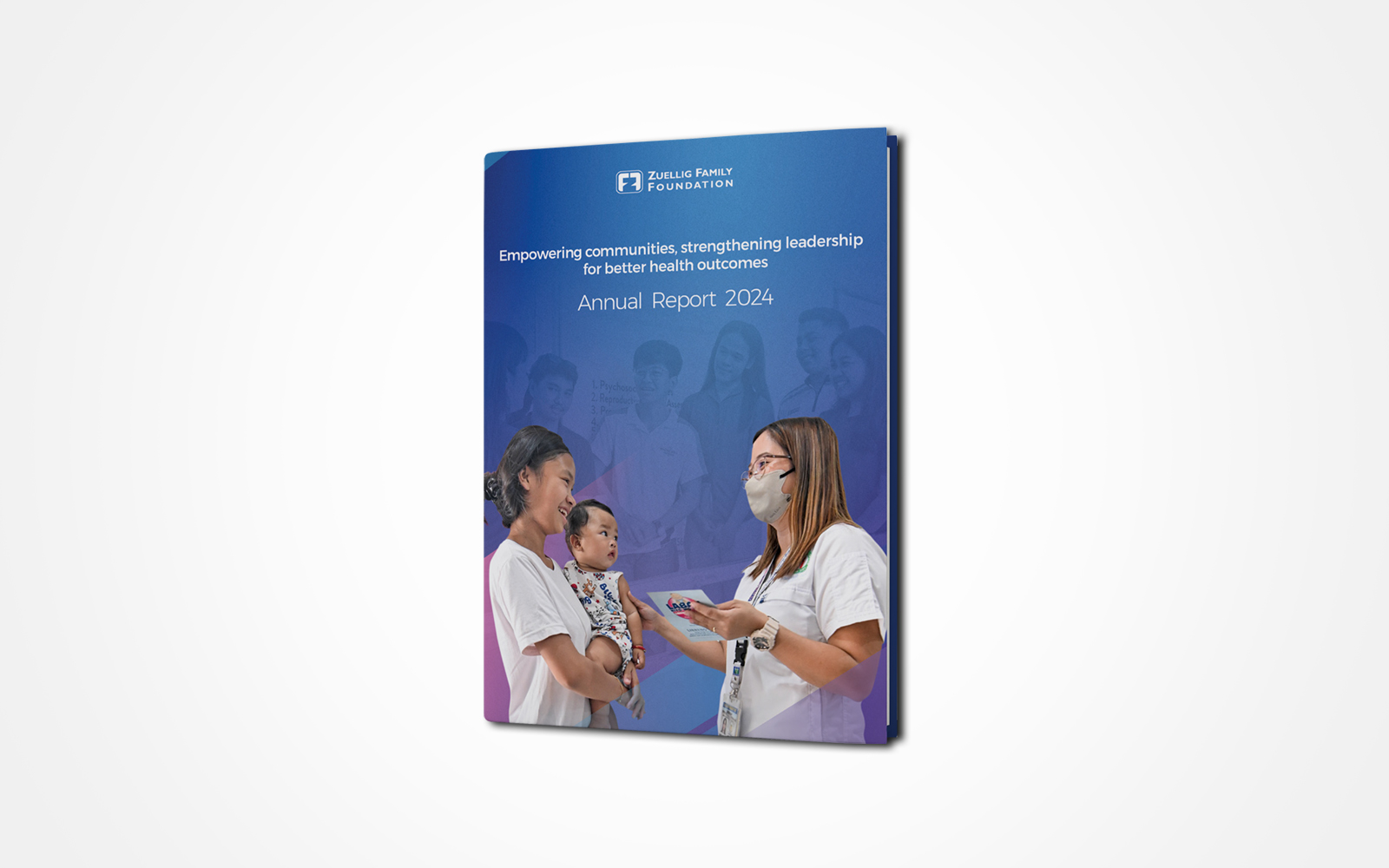
Empowering communities, strengthening leadership for better health outcomes
About the report
The Zuellig Family Foundation (ZFF) Annual Report 2024 shares stories of change, lessons learned, and milestones in improving health outcomes for Filipinos.
Our work in 2024 focused on:
2024 at a glance
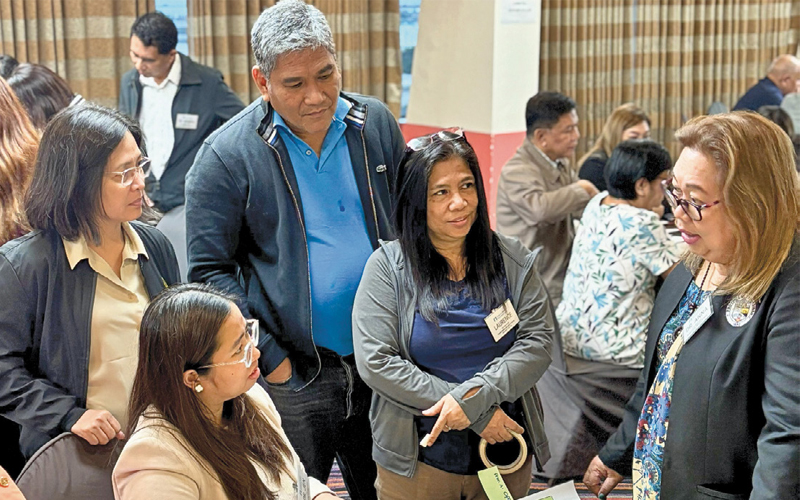
Local Health Systems
- 3.2M people registered under PhilHealth KONSULTA in partner areas.
- 100% primary care facility accreditation in almost all areas.
- UHC Champion Series shared practical lessons across LGUs.
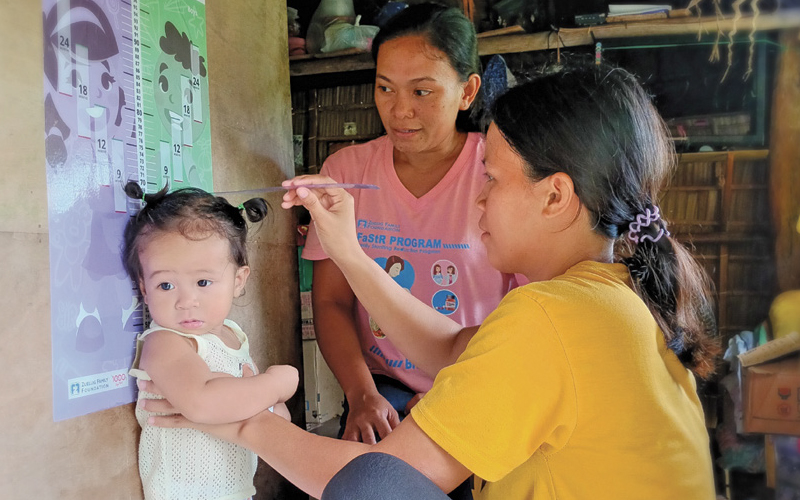
Nutrition
- Reduced stunting and wasting in Basilan, Samar, Northern Samar, Sarangani, Zamboanga del Norte, and Siargao towns.
- Launched Nutrition Leadership and Equity Acceleration Program (NutriLEAP) with the League of Provinces of the Philippines to strengthen provincial leadership.
- Rolled out the Pook Malusog Dashboard for easier, data-based decisions.
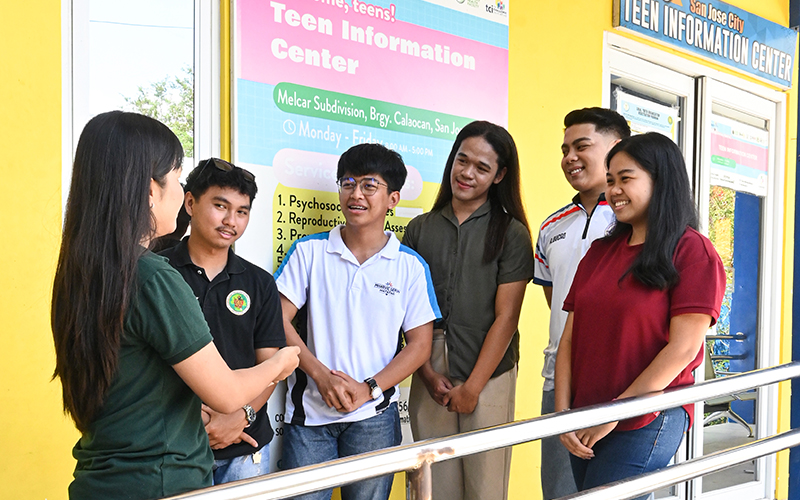
Adolescent and Youth Sexual and Reproductive Health
- 11 cities lowered the adolescent birth rate below 20 per 1,000.
- Adolescent-friendly health facilities grew to 555.
- Recognized work with partners through national and global learning events.
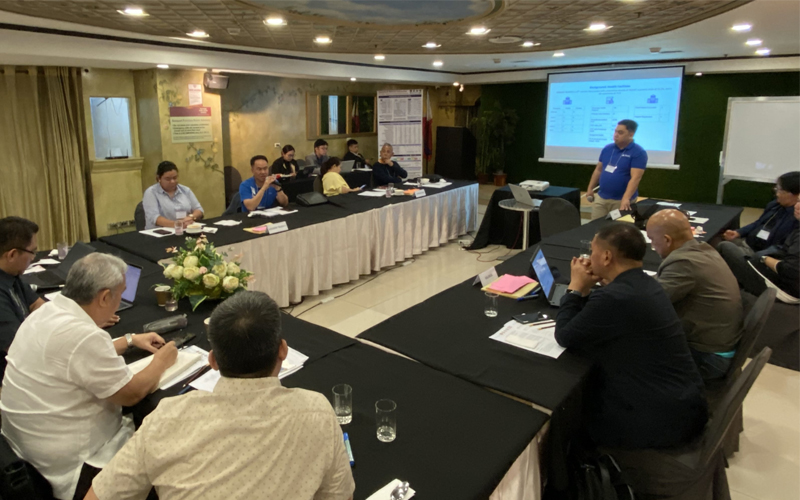
ZFF Institute for Health Leadership
- Coached and trained fellows under the RRR Fellowship to solve health system gaps.
- Worked with academic partners to scale leadership programs.
- Sustained ISO-certified learning quality and CPD accreditation.
ZFF will continue working with provinces, cities, and municipalities to accelerate health reforms, scale nutrition programs, and empower youth and communities.
Read the full report here:
ZFF Annual Report 2024Download
Download: Audited Financial Statements 2024
Coming Together for Young People’s Health and Rights on August 13 and 15
EYLGP Colloquium on Adolescent Health in Southern Leyte and Samar
On August 13 and 15, 2025, we will gather online for the Expanded Youth Leadership and Governance Program (EYLGP) Colloquium focused on Adolescent Sexual and Reproductive Health and Rights (ASRHR) in Southern Leyte and Samar.
These virtual events will bring together youth leaders, local government unit (LGU) partners, and multisectoral stakeholders to share stories and lessons from the ground. Through public narratives and forums, we will highlight how young people and local leaders are working together to improve adolescent health and rights in their communities.
Join us on Zoom:
- August 13, 1:00 p.m.: Southern Leyte Colloquium (Register here)
- August 15, 1:00 p.m.: Samar Colloquium (Register here)
What to expect:
- Stories from youth champions and local leaders
- Panel discussions with municipal and provincial health officers, youth development officers, and ASRHR focal persons
- Videos from partner LGUs showcasing their local efforts
- Insights from the Department of Health, Commission on Population and Development, Department of Social Welfare and Development, Department of Education, and Department of the Interior and Local Government
Be part of the conversation. Celebrate progress and inspire the next wave of youth leadership in health governance.
From Momentum to Milestone: Mandaluyong City’s TCI Journey
When Mandaluyong City joined The Challenge Initiative (TCI)-Philippines in 2023, it did so with quiet determination and a clear sense of purpose. Mayor Benjamin Abalos Sr.’s letter of intent wasn’t just a formal document—it was a signal that the city was ready to invest in the future of its people, especially women and young people, by prioritizing access to quality family planning (FP) and adolescent and youth sexual and reproductive health (AYSRH) services.
At the time, Mandaluyong’s modern contraceptive prevalence rate (mCPR) stood at 22%—still far from the national target of 37%. The adolescent birth rate (ABR) was 13 births per 1,000, better than the national average but showing an erratic pattern. These numbers gave us a snapshot: progress, but also room (and reason) to do more.
Through a collaborative Program Design Workshop in November 2023, city stakeholders and the TCI team got to the heart of the matter. Together, three key challenges surfaced: fragmented coordination across departments, widespread myths and misconceptions about FP, and a lack of trained personnel. Familiar challenges, yes—but the way Mandaluyong tackled them was anything but typical.
The city immediately set up a City Leadership Team (CLT), pulling in champions from different departments. This team wasted no time adopting five of TCI’s high-impact practices (HIPs): strengthening health leadership, engaging communities, making services more adolescent-friendly, improving post-pregnancy family planning, and empowering community health volunteers. Each intervention was locally driven and tailored to Mandaluyong’s needs.
Related article:
Since then, it’s been a steady roll-out of smart, strategic, and scalable actions. Health workers have been trained on everything from informed consent to subdermal implants to intrauterine device (IUD) insertion. Youth leaders were engaged through the Sangguniang Kabataan orientation. Population workers, health leaders, and facility staff were brought into the fold through orientations, workshops, and coaching sessions. Alongside that, the city integrated FP and AYSRH programs into local events like the Adolescent Congress, Healthy Buntis Pageant, and Family Planning Month—turning awareness into action.
Fast forward to today: the city has built a solid foundation for long-term self-reliance. There’s now a pool of Master Coaches mentoring others, a trained workforce offering quality FP and AYSRH services, a functional and empowered CLT, and an operational Health Management Information System that helps track performance and identify gaps. Even more affirming, the LGU has continued to increase its local investment in FP and AYSRH—a strong signal of ownership.
The results are real: mCPR has gone up to 23.4%, and ABR has remained stable at 13. These may sound like small shifts, but they represent steady, measurable progress—especially in a field where change doesn’t happen overnight.
And here’s what excites us even more: as of July 2025, there’s been a change in leadership in Mandaluyong. Mayor Carmelita “Menchie” Abalos, previously the Vice Mayor, is now at the helm. It’s clear that continuity is likely—especially with strong advocates like City Health Officer (CHO) Dr. Arnold Abalos and Assistant CHO Dr. Emily Detaro still championing FP and AYSRH from within. Their commitment, paired with Mayor Menchie’s openness to sustain the work already in motion, gives us confidence that the city’s momentum won’t just continue—it’ll grow.
Mandaluyong’s journey with TCI is a solid example of what can happen when cities lead from the front—when political will, technical capacity, and community ownership come together with purpose. We’re looking forward to officially recognizing Mandaluyong as a self-reliant city on FP and AYSRH by September.
Author: Dr. Anthony Faraon, ZFF TCI-Philippines Chief of Party
Cities Lead the Way in Family Planning and Adolescent Health—Webinar Series to Spotlight Local Innovations
Eight cities will take center stage next week in a three-day webinar series hosted by the Zuellig Family Foundation (ZFF) through The Challenge Initiative (TCI)-Philippines, a global program supporting high-impact practices in family planning (FP) and adolescent and youth sexual and reproductive health (AYSRH).
The event, titled “Sustaining Momentum: Driving Leadership in Building Responsive Systems for Family Planning and Adolescent Sexual Reproductive Health”, aims to showcase how local governments have taken bold, data-driven actions to improve access to reproductive health services. The webinar series will run on May 26, 28, and 30, from 10:00 AM to 1:00 PM, via Zoom.
Launched in 2020, TCI is a five-year global platform co-managed with the William S. Gates Sr. Institute for Population and Reproductive Health. In the Philippines, TCI has worked closely with city governments to support policies and programs that reduce adolescent pregnancies and improve access to FP services. The program encourages cities to adopt self-reliant, gender-responsive strategies that empower women and youth.
The cities of Iligan, Naga, Santiago, Biñan, Mandaue, Manila, Iloilo, and Las Piñas have been recognized as Global Self-Reliant Cities in FP and AYSRH under the program.
Each city’s approach reflects local leadership and innovation:
- Iligan City expanded FP and AYSRH services by empowering women and girls with access to information and health services.
- Naga City focused on youth-centered policies and community mobilization to address teenage pregnancy.
- Santiago City promoted peer education and youth leadership as a tool for reproductive health education.
- Biñan City tailored FP services to meet the real-life needs of women through integrated outreach.
- Mandaue City launched a Women’s Health Caravan to bring services closer to communities.
- Manila City used its Bayanihan Outreach Program to reach underserved areas with FP services.
- Iloilo City created adolescent-friendly healthcare environments using culturally sensitive, gender-aware strategies.
- Las Piñas City developed a multisectoral approach by aligning efforts across health, education, and social services.
The webinar series will allow participants to hear directly from local officials, program leaders, and partners about their experiences in building responsive and sustainable systems. Participants will also gain insights into effective strategies that can be applied to other cities and towns across the country.
Webinar Details:
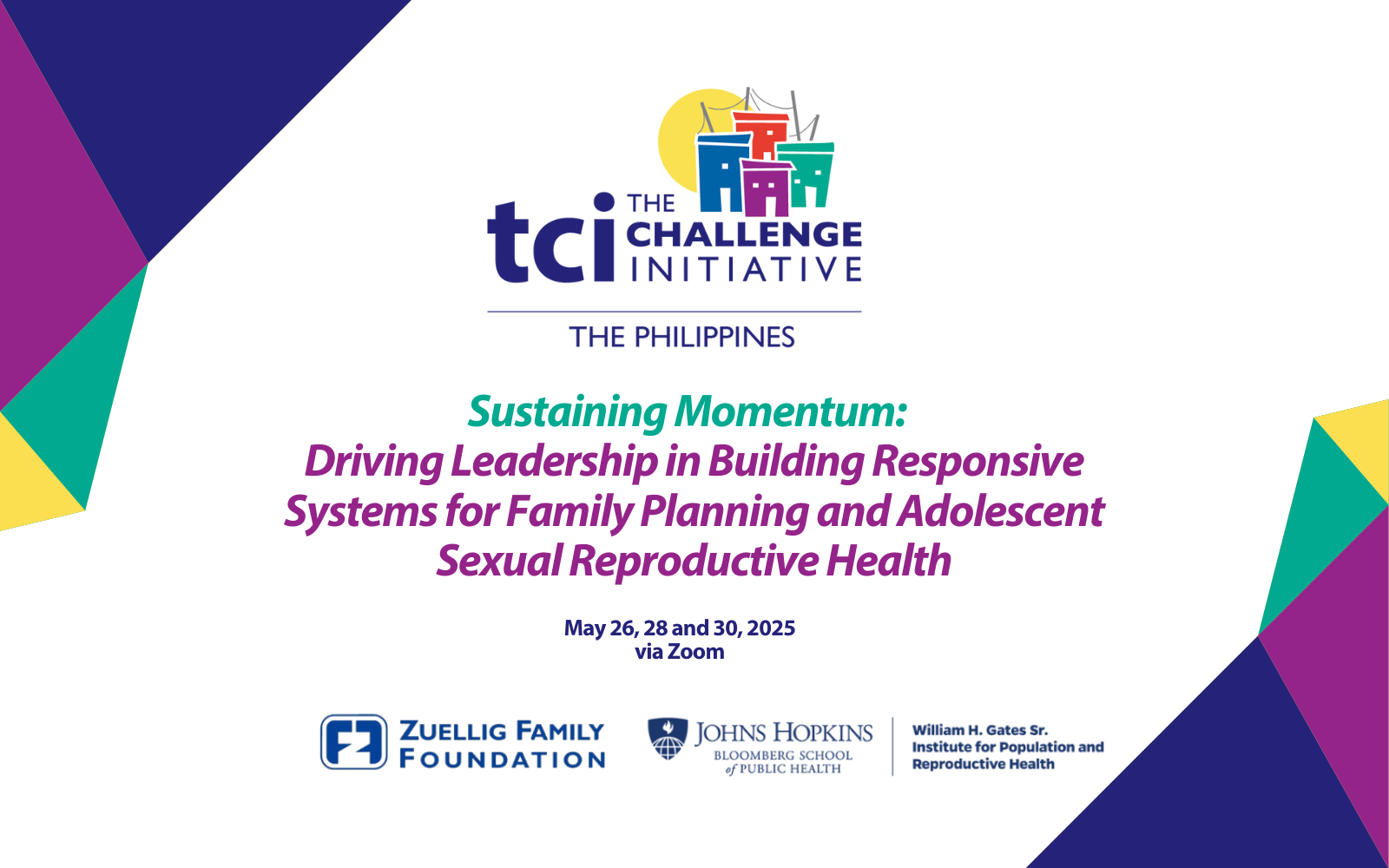
- Day 1 – May 26: Cities at the Forefront (no CPD units applied)
Join via Zoom: https://bit.ly/zff-tciwebinar1 - Day 2 – May 28: Expanding Family Planning Services to Priority Populations through Targeted Outreach
(with accredited CPD units: Medicine: 1; Nursing: 3; Midwifery: 1)
Register: https://bit.ly/zff-tciwebinar2 - Day 3 – May 30: Expanding Access to Adolescents through Adolescent-friendly Health Services
(with accredited CPD units: Medicine: 1; Nursing: 2; Midwifery: 1)
Register: https://bit.ly/zff-tciwebinar3
The webinar marks both a culmination and a new chapter for these cities as they continue to strengthen systems that protect and promote reproductive health. ZFF encourages health workers, local policymakers, advocates, and community leaders to join the discussion and explore how these stories can inspire wider change.