Pasig City: Bridging Governance through a Needs and Rights-Based Information and Service Delivery Network
The nation admires Pasig City for its progressive governance. However, it faces a complex problem: while the adolescent birth rate (ABR) is declining overall, the age of pregnant girls is getting younger.
Mayor Vico Sotto acknowledges this gap. “We commend the efforts of the city officials, barangays, and partner NGOs—the programs and projects look good and promising. But we go back to the reality and recognize that there is a chink in the armor. Even if Pasig is wealthy, we still fall short.”
Related article:
Urban Flux and Hidden Inequities
Pasig’s location attracts migrants, which complicates healthcare delivery. Many young people live in precarious arrangements, missing school and health services.
Mayor Sotto calls for unity to solve this: “The Philippines is a ‘third-world country’—our resources will not be enough. But what’s great about us Filipinos is that what we lack in arms, we compensate with strength in unity.”
At the program launch in September 2023, City Health Officer Dr. Joseph Panaligan highlighted the value of partnership. “The city government will be providing its full support to this powerful and worthy endeavor… Ang pangarap mo ay pangarap ko rin (Your dream is also the dream I carry).”
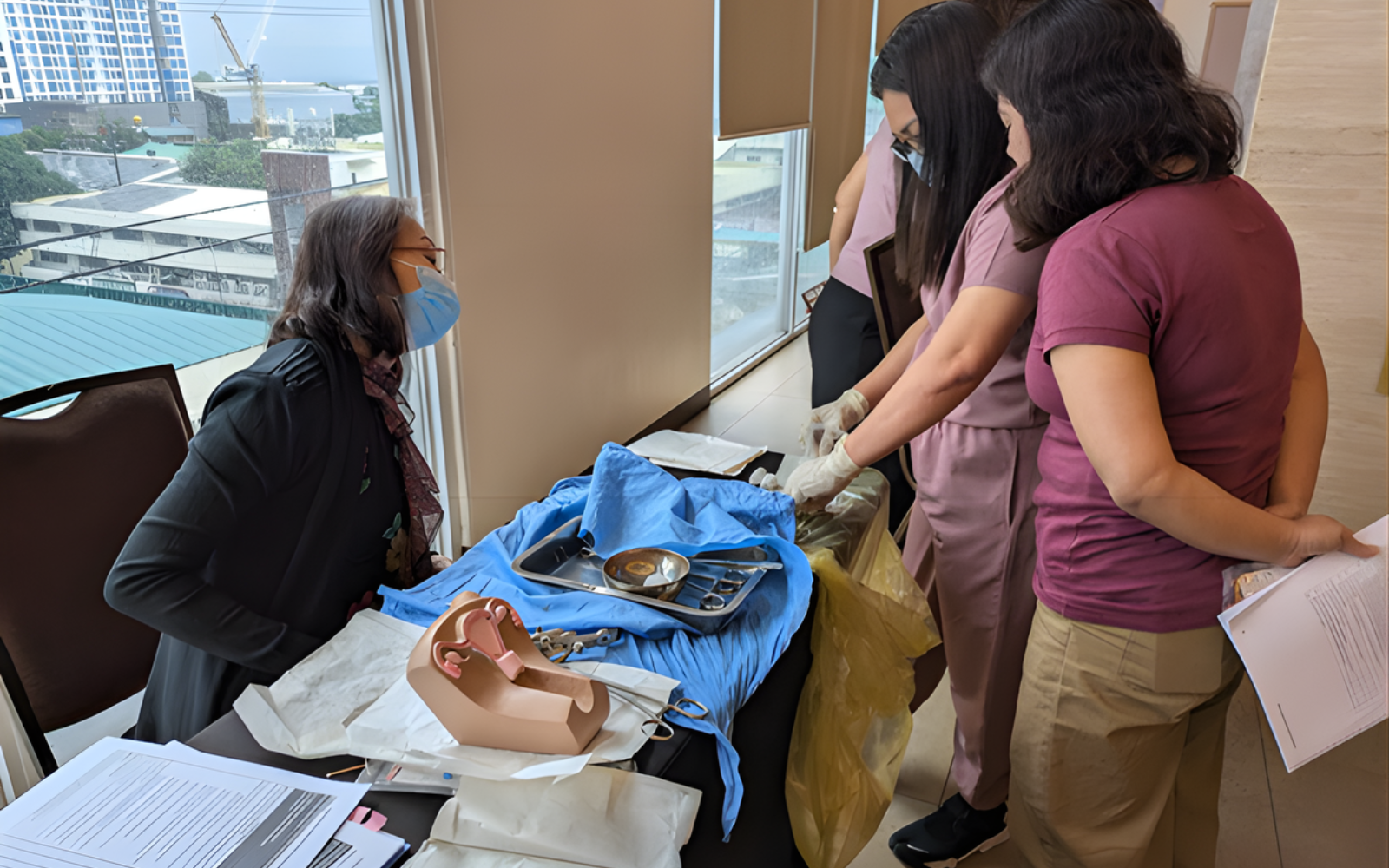
The Information and Service Delivery Network (ISDN) as a Rights- and Needs-Based Response
Pasig’s priority response is the Information and Service Delivery Network (ISDN). It breaks down silos among departments to create a coordinated safety net for adolescents, ensuring no young person falls through the cracks.
The city designed the ISDN to be both needs-based and rights-based. The City Leadership Team (CLT), established through Pasig’s engagement with the Zuellig Family Foundation (ZFF) through The Challenge Initiative (TCI)-Philippines, identified four priority issues:
- Violence against Women and Children (VAWC)
- Mental Health
- Sexually Transmitted Infection (STI) and Human Immunodeficiency Virus (HIV)
- Substance Abuse
Violence against Women and Children
The ISDN is guided by the Responsible Parenthood and Reproductive Health Act of 2012 (Republic Act [RA] 10354) and a 2021 law, RA 11648, which raised the minimum age of sexual consent from 12 to 16. When screening identifies an adolescent in a relationship with an adult, the City Social Welfare Office provides protection and manages the case.
Mental Health
Following the Mental Health Act of 2018 (RA 11036), the city empowers non-specialist providers to identify and manage mental health issues at the community level. It uses the World Health Organization’s (WHO) Mental Health Gap Action Programme Intervention Guide (mhGAP-IG) to scale up services.
STI and HIV
Anchored on the Philippine HIV and AIDS Policy Act of 2018 (RA 11166), the city’s social hygiene clinics ensure universal access to services. These facilities are adolescent-friendly, uphold strict confidentiality, and are sensitive about parental consent for minors.
Substance Abuse
Guided by the Comprehensive Dangerous Drugs Act of 2002 (RA 9165) and the Juvenile Justice and Welfare Act (RA 9344), the city emphasizes community-based rehabilitation over punitive measures for minors. The Substance Abuse Treatment and Outreach Program provides services for persons who use drugs (PWUDs), including adolescents.
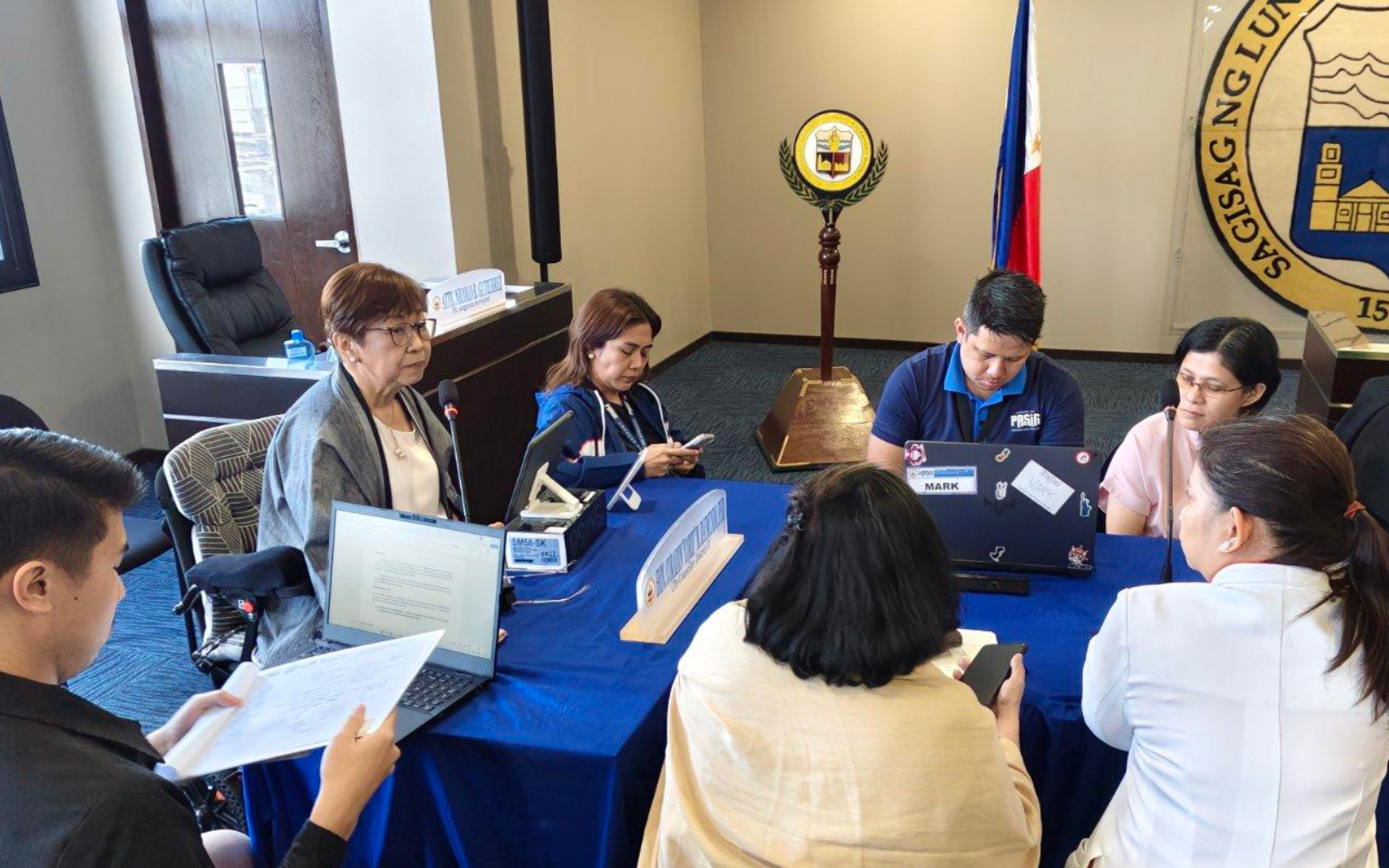
From Policy to Practice
Young people helped map out the issues and streamline office roles. This ensures continuity of care and prevents
adolescents from retelling their trauma to multiple agencies. The team applied bridging leadership: owning the problem, co-owning the solution, and co-creating across boundaries.
To earn young people’s trust, the team worked with the Sangguniang Kabataan (SK) to ensure peers delivered the information. To tackle conservative beliefs, they push for open, age-appropriate conversations.
Mark Ernest Ferrer, Adolescent Health and Development Program Nurse Coordinator, shared: “We believe that adolescents have self-determination to make responsible choices, when given accurate information, but parents also need support to guide them to have conversations about these confidently.”
Complementing Services and Messaging
Pasig trains frontline providers to deliver adolescent-friendly services. Barangay youth leaders co-develop communication plans. Assistant City Health Officer Dr. Stuart Santos noted: “We were introduced to the concept of Bridging Leadership [by ZFF and TCI]… This has resulted in the implementation of a more responsive health program, one that is truly aimed at advancing social equity.”
For Pasig, the ISDN is a litmus test. It asks whether the city’s reputation for good governance can translate into equity and care for its most vulnerable young people.
Banner photo: Communications Planning Workshop with SK Officers
How Tacurong City Transformed Adolescent Health
Tacurong City sits at a crossroads in South Central Mindanao, serving as Sultan Kudarat’s commercial hub. It’s the smallest but most crowded area in the province, with over 109,000 people. As the main center for healthcare and education, it draws communities from nearby provinces. Yet growth brings challenges, especially in security and public health. The city urgently needs more accessible and complete family planning services.
Finding the Gaps
In 2021, Tacurong joined The Challenge Initiative (TCI), a global program implemented in the Philippines by the Zuellig Family Foundation (ZFF). It helps local governments launch and sustain effective family planning (FP) and adolescent and youth sexual and reproductive health (AYSRH) solutions.
Related article:
Through a Program Design Workshop, leaders examined what blocked AYSRH and identified action items to improve the status quo:
- Strengthening the AYSRH committee. It existed in Tacurong City but needed clearer structure and purpose.
- Enhancing training for health staff on AYSRH. Providers needed skills to talk comfortably with teens.
- Developing adolescent-specific strategies beyond DOH (Department of Health) programs as most services focused on adults and children.
Building Stronger Leadership
After the workshop, former Mayor Lino Montilla formed the City Leadership Team (CLT). This created a strong inter-agency system that united different departments and mobilized barangay officials and youth groups. Gary Bañas, Social Worker and Population Program Officer, recalled, “The program design was followed consistently, which integrated adolescent programs across different sectors, especially schools and communities. Collaboration between the LGU (Local Government Unit), Commission on Population and Development (CPD), DOH, and partners made it possible to accelerate adolescent-friendly health services in the city.”
Through TCI, the city built both structure and skills. Coaching helped the CLT lead and sustain changes. Current Mayor Lina Montilla credits TCI for knowledge that strengthened her leadership and helped Tacurong champion AYSRH more effectively.
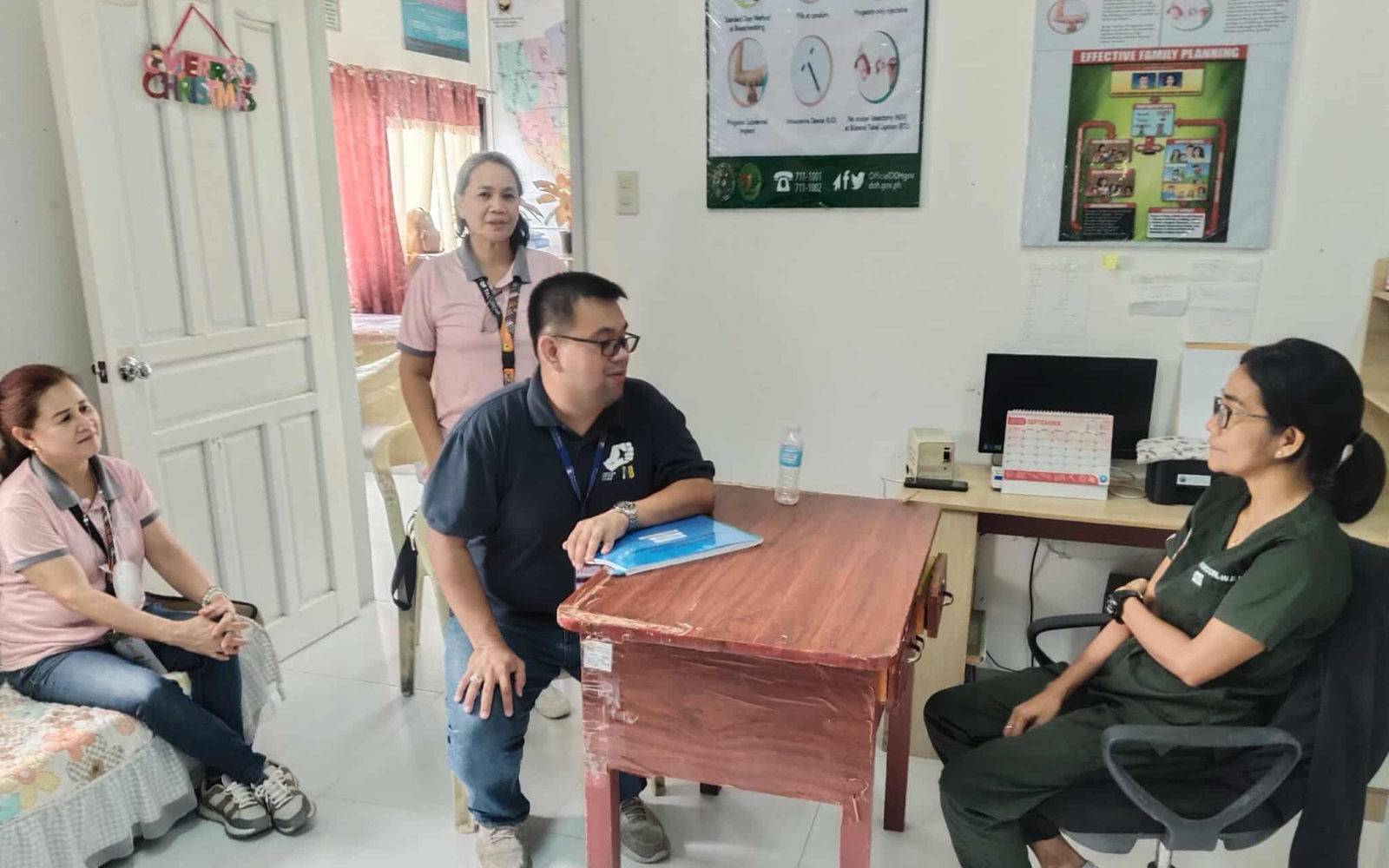
Creating Services Teens Can Trust
A major step was establishing adolescent-friendly health facilities (AFHFs). These provided resources and trained staff ready to serve without judgment. Nurse and Family Planning Coordinator Gina Ramiscal noted that few young people sought care before. “They either didn’t know services existed or were afraid they would be judged,” she recalled. Adolescent Sexual and Reproductive Health Coordinator Richyle Mae Gallenta added, “Young people used to visit health centers alongside regular patients, which created discomfort because there was no privacy.”
The city expanded programs including the Buntis Class and Healthy Young Ones, giving young people health information and safe spaces to learn.
Young mothers felt the impact directly. Ana*, 19, and Bella*, 22, shared their stories. A felt fear, regret, and uncertainty when she discovered her pregnancy. She felt grateful for Laarni Ecalla, midwife from the Upper Katungal Health Center and President of Midwives in Tacurong. Together with Kagawad (“barangay councilor”) Expedito Ramay Jr., Chairperson on Health, Ecalla provided counseling and seminars for young mothers. B learned from her experience to delay pregnancy, warning it can be extremely difficult both physically and financially.
Kagawad Ramay expressed hope for livelihood programs for teenage mothers with the Department of Social Welfare and Development (DSWD). “We believe young mothers should become champions who can encourage and support other teenage mothers in our community,” he said.
Mayor Lina Montilla stressed working closely with the Department of Education (DepEd). Guidance counselors and teachers became key allies in reproductive health education. As she emphasized, “By working with schools and guidance counselors, we ensure that young people find trusted adults they can turn to for advice on health and family planning.”
Reducing Reliance on Outside Help
To secure lasting impact, Tacurong passed local ordinances that institutionalized AYSRH. The city set aside dedicated funds for family planning and adolescent health.
“Family planning and adolescent health are now priorities in Tacurong. These programs are embedded in the Gender and Development (GAD) funds and the city’s budget. We are assured of sustainability because policies are in place,” Mr. Bañas noted.
Mayor Montilla echoed this commitment: “Our ordinances and teen centers are not just policies on paper; they are lifelines. We invested city funds so that services will continue regardless of changes in administration or external programs.”
Seeing Real Results
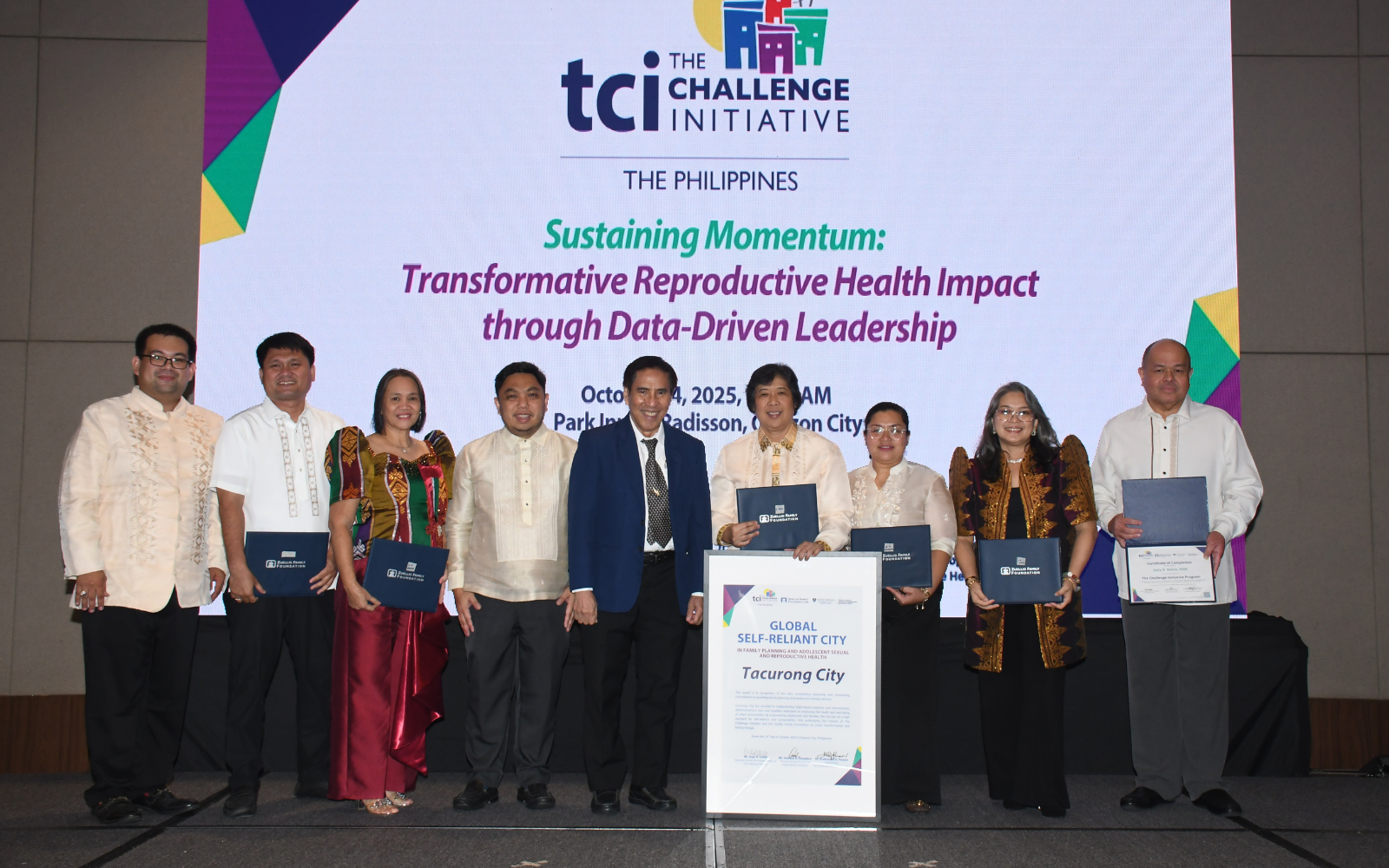
By 2024, Tacurong’s adolescent birth rate (ABR) dropped significantly compared to 2020, from 34 births to 26. The modern contraceptive prevalence rate (mCPR) stayed above the national target of 30%, showing greater trust in available services.
Community education and youth symposiums shifted attitudes at home. As Ms. Ecalla shared, “Pregnancies among very young girls have dropped. Parents are more open to talking about reproductive health. The conversations are happening in barangays where adolescents visit health facilities together with their parents and are directed to counselling rooms for additional support.”
Today, all health facilities in Tacurong are certified as adolescent-friendly. Every staff member is trained to provide these services.
The city also invested in data monitoring. Regular checks helped the team track progress and adjust. As Ms. Gallenta put it, “Data has become our guide. It tells us what is working, where we need to improve, and how we can better serve young people.”
Making It Last
Tacurong’s transformation is not temporary. With supportive policies, dedicated budgets, and teen centers, the city built a system meant to endure. Challenges remain. Ms. Ramiscal noted, “Program coordinators wear several hats. No one has a role specific to family planning and adolescent health.” Still, the city stays determined to reduce adolescent pregnancies and prevent repeats among young mothers.
Tacurong’s journey shows that sustainable progress is possible. The city moved from fragmented, externally dependent programs to a resilient, locally led system. The lesson is simple yet powerful: when leaders prioritize adolescent health and invest in both people and systems, communities thrive.
As Mayor Montilla concluded, “Every adolescent deserves the knowledge, services, and support to build a healthier future. When we empower young people with knowledge about reproductive health, we don’t just protect them, we secure the future of Tacurong’s families.”
* Name has been changed to protect the identity of the young mothers.
Banner photo: Courtesy visit to Tacurong City, where Barangay Enrique JC Montilla Health Center and Grino Super Health Center were recognized for delivering high-quality family planning services to women of reproductive age and adolescents. They were welcomed by City Councilor for Population Lalaine Montilla, together with Councilor Harvey Legas of the Health Committee.
Faith, Culture, and Care in Isabela de Basilan
Isabela de Basilan draws strength from its diversity. The city is home to 130,379 people who speak Chavacano, Tausug, Yakan, and other languages. Many residents practice Islam, while others come from Indigenous and Christian communities. This mix of cultures now shapes how the city delivers family planning (FP) and adolescent and youth sexual and reproductive health (AYSRH) services.
In August 2023, Isabela de Basilan joined The Challenge Initiative (TCI), implemented in the Philippines by the Zuellig Family Foundation (ZFF). TCI supports local governments in strengthening FP and AYSRH programs. Earlier that year, Mayor Sitti Djalia Turabin-Hataman, known as Mayor Dadah, had already set the direction. In February 2023, she signed Executive Order No. 005, creating the City Leadership Team (CLT) to guide and coordinate reforms across the city.
Instead of treating faith and culture as obstacles, city leaders chose to work with them.
Related article:
- Nine Cities Recognized as Global Self-Reliant Cities in Reproductive Health
- Ang Pamilyang Planado, Panalo: Isabela de Basilan’s Efforts in Family Planning
Naming the Challenges
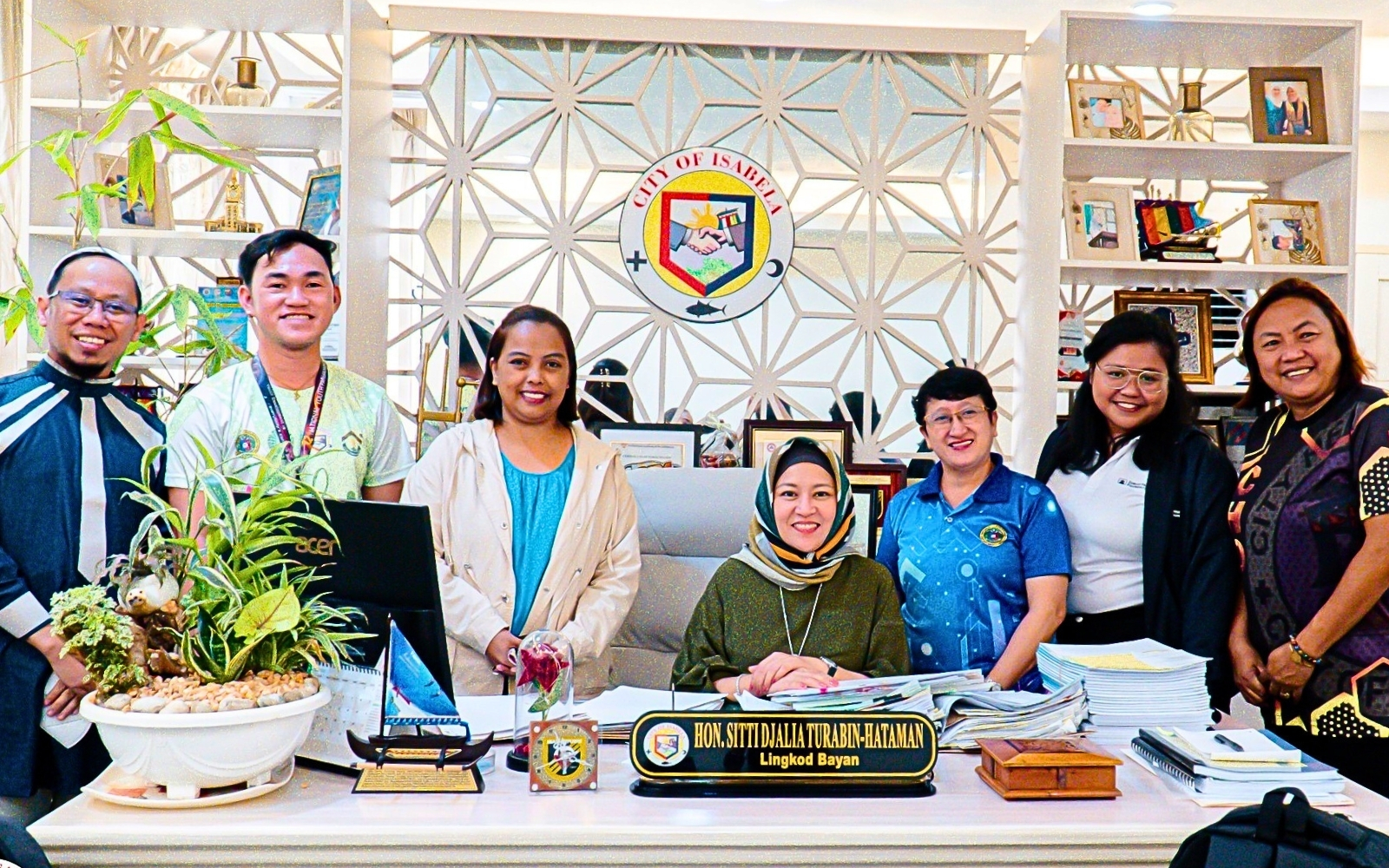
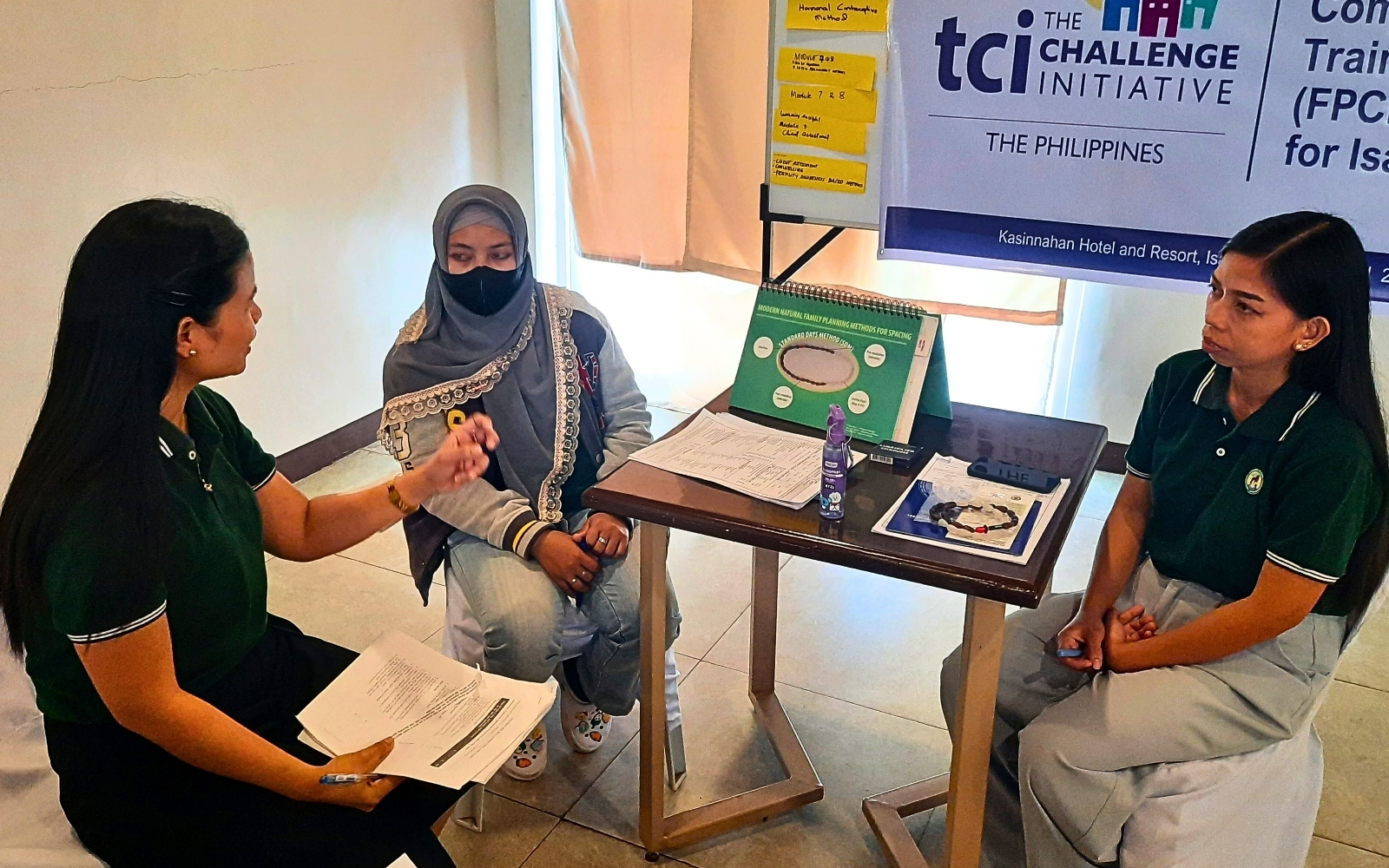
In October 2023, 21 members of the CLT took part in a Program Design Workshop. During the sessions, they openly examined gaps in the local health system. By November 2023, the team translated these discussions into an approved Work and Financial Plan.
The workshop surfaced several concerns:
- Governance gaps: The city lacked a permanent body focused on FP and AYSRH. Offices worked in silos, and the city had no digital health information system.
- Service delivery issues: Health workers needed more training to counsel clients and provide modern contraceptive methods such as Progestin Subdermal Implants (PSI) and Intrauterine Devices (IUDs). Island communities struggled with irregular access to supplies. The city also had too few Levels 1 and 2 Adolescent-Friendly Health Facilities (AFHF).
- Social and cultural barriers: Advocacy activities reached only some communities. Early marriage and teenage pregnancy remained sensitive and deeply rooted concerns.
- Youth support gaps: The city had limited numbers of trained peer educators and safe spaces where adolescents could seek help.
These gaps affected island and remote communities the most.
The city united around a shared vision: “By 2029, young Isabeleños will be empowered, responsible, well-informed and engaged in AYSRH and FP with good governance and through a collaborative, intercultural, and sustainable approach towards living their lives to the fullest.”
Using Technology to Improve Care
The city strengthened its response by adopting Wireless Access for Health (WAH), a digital platform that now serves as its first Electronic Medical Records (EMR) system. Health workers now use real-time data, track family planning counseling sessions more accurately, and link records with PhilHealth eClaims.
Health indicators show early progress. Since 2020, the adolescent birth rate has steadily declined and remains within the national target of fewer than 37 births per 1,000 adolescents. Although the modern contraceptive prevalence rate has not yet reached the 30% benchmark, earlier gains point to strong potential if the city sustains its investments.
Creating Space for Faith and Dialogue
In 2024, during the 2nd Indigenous Peoples Celebration, the city organized its first Adolescent Pregnancy Summit under the theme “Empowering Leaders: Indigenous Voices in Adolescent Pregnancy Prevention.” The event brought together community leaders, Islamic scholars, and health advocates for open and respectful dialogue.
Atty. Nur-Aiza Gagarra, Provincial Cooperative Officer and FP champion, presented “Early Pregnancy and Islamic Belief (Fatwa)” and linked Islamic teachings with Republic Act No. 11596. Jasmin Teodoro, Executive Director of Pinay Kilos Inc., led sessions on AYSRH and facilitated a “speed dating” activity to help participants practice healthy communication.
Participants ended the summit with a hand-painting ceremony led by Miriam Suacito, Executive Director of Nagdilaab Foundation Inc., to affirm their shared commitment to protecting young people.
Letting Young People Lead
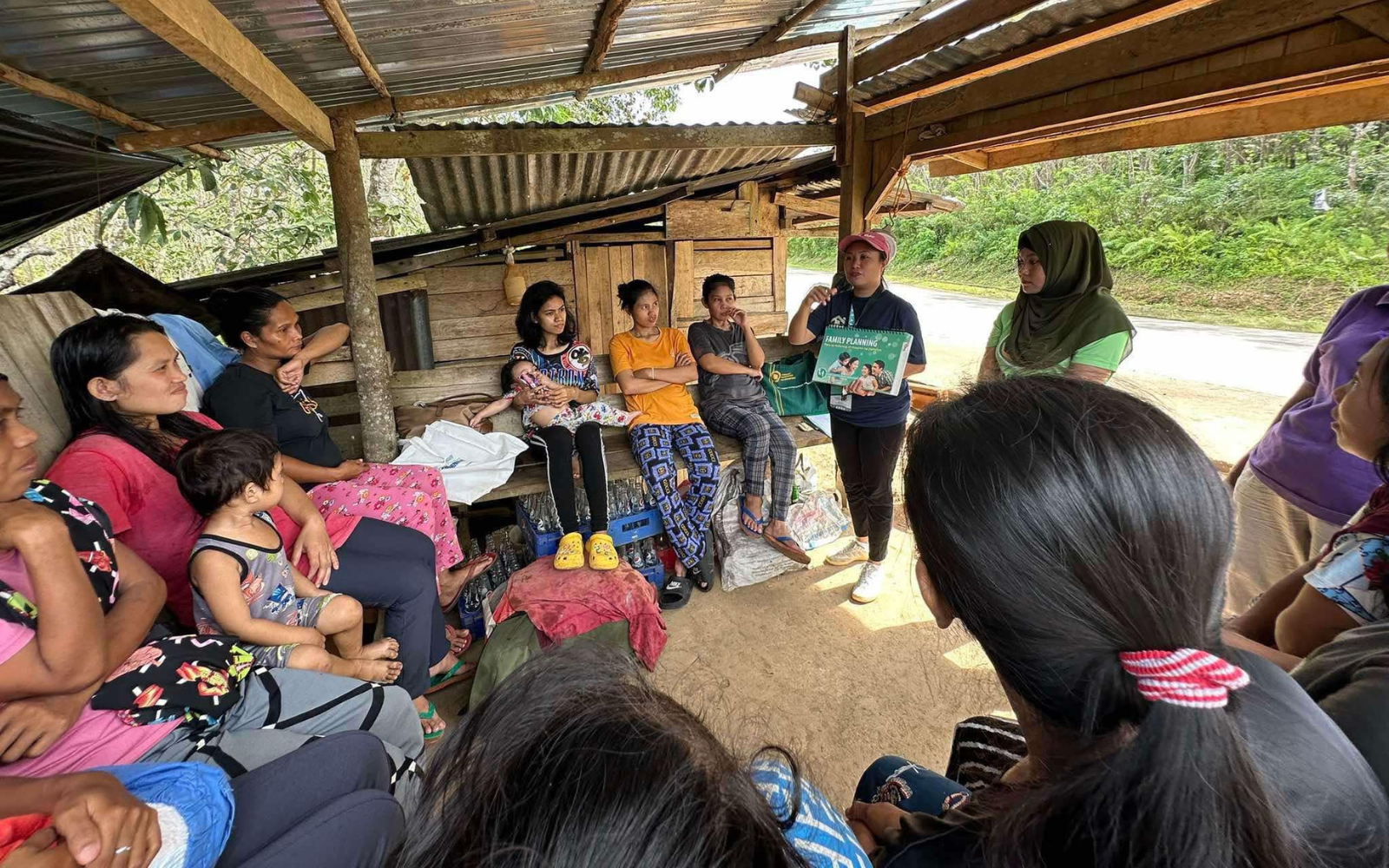
The Local Youth Development Office and the Sangguniang Kabataan (SK) Federation mobilized youth groups, especially on Malamawi Island, to address early pregnancy and other adolescent concerns. SK chairpersons allocated funds through their Comprehensive Barangay Youth Development Plans and Annual Barangay Youth Investment Programs.
These investments strengthened Teen Centers, School-Based Teen Centers, and the Information Service Delivery Network (ISDN) for Adolescent Health and Development. These spaces allow adolescents to seek services without fear or judgment and help peer educators reach other young people in culturally sensitive ways.
Building Systems That Respect Diversity
Today, the CLT functions as a strong coordinating body. City offices use Gender and Development (GAD) funds to sustain programs across communities. At the same time, the EMR system records not only medical data but also language needs and cultural considerations, helping providers deliver more responsive care.
Isabela de Basilan shows that cities can pair modern systems with cultural respect. Its experience proves that progress does not require communities to abandon their beliefs. Instead, it calls on health systems to listen, adapt, and work closely with the people they serve.
Breaking the Cycle: How Mandaluyong is Addressing Adolescent Pregnancy
Mandaluyong City often stands out as a story of economic growth. In 2002, the Department of Trade and Industry (DTI) and the Asian Institute of Management Policy Center named it the “Tiger City” of Metro Manila. More than two decades later, the city continues to rank among the top five highly urbanized cities (HUCs) in per capita gross domestic product.
As the city grows, many residents still struggle. Migration continues to rise, informal settlements expand, and a large transient population makes long-term programs harder to sustain. One of the city’s most urgent concerns is adolescent pregnancy.
Related article:
- Nine Cities Recognized as Global Self-Reliant Cities in Reproductive Health
- From Momentum to Milestone: Mandaluyong City’s TCI Journey
Mandaluyong has kept its adolescent birth rate (ABR) below the national target, but progress has remained uneven. The ABR reached 19% in 2020, dropped to 13% in 2021, then climbed again to 18% in 2022. Poverty, unstable housing, and cultural differences linked to migration place adolescents at greater risk. For many young people, this reality means broken families, stigma when seeking health services, and limited spaces to talk openly about adolescent and youth sexual and reproductive health (AYSRH).
The city also struggles to improve the use of modern contraceptives. Uptake remains below the national target of 37%. National policies restrict adolescents’ access to contraception, allowing only age- and development-appropriate counseling, which limits prevention options.
Working with Communities
City Health Officer Dr. Arnold Abalos partnered with The Challenge Initiative (TCI), implemented in the Philippines by the Zuellig Family Foundation, to strengthen the city’s response to adolescent pregnancy. Together, they advanced Community Group Engagement, an approach that brings communities together through dialogue and education to promote healthy sexual relationships and influence social norms.
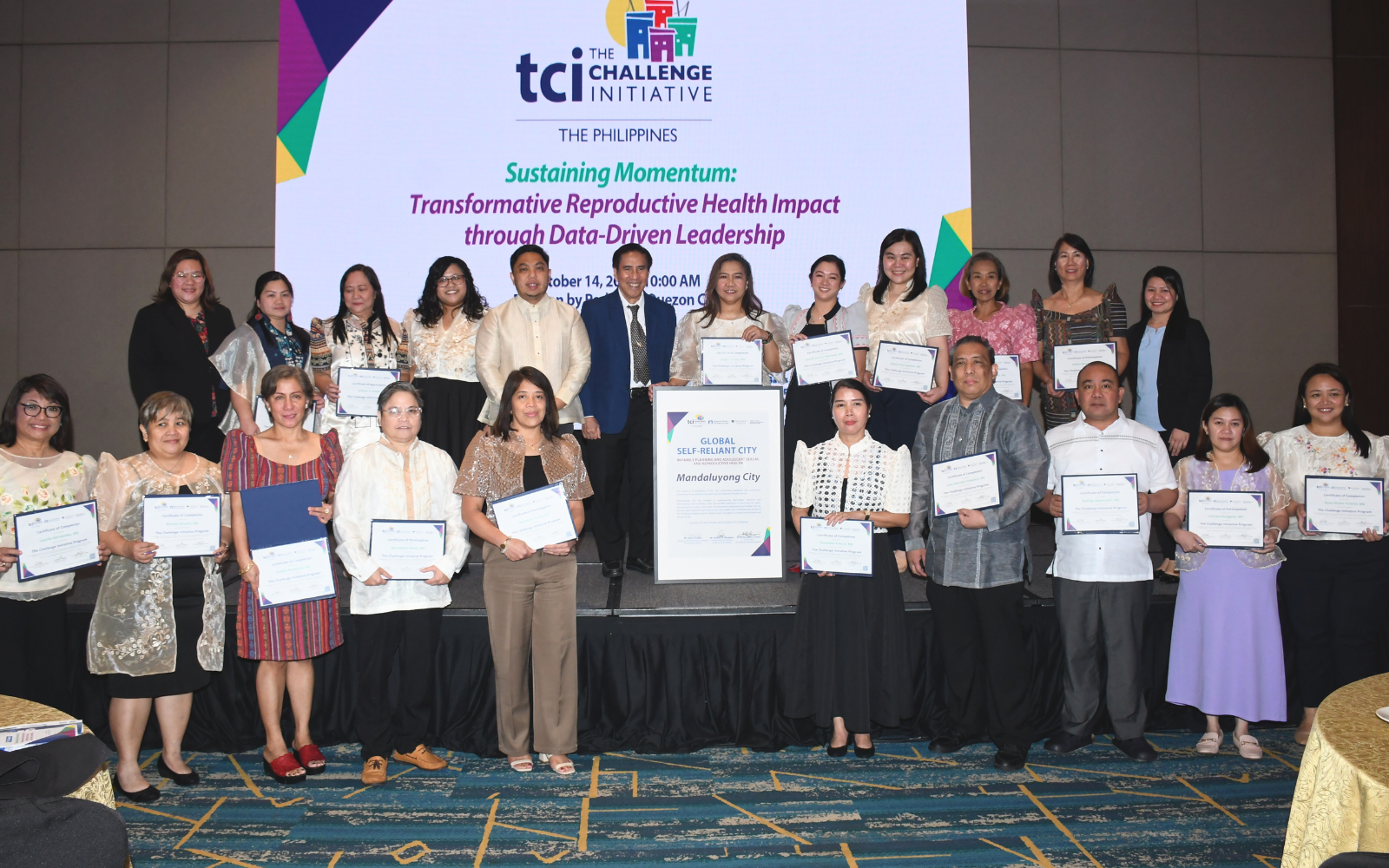
The city focused its efforts on three groups: adolescents, their peers, and the care providers who serve them.
Adolescent Health and Development (AHD) Program Coordinator Dr. Camille Almodiente-Mascardo shared, “Finding the right balance is really the key. One of our key messages is: they still have a choice and a future.”
Reaching Adolescents Where They Are
Mandaluyong invested in community-centered strategies that respect adolescents’ age, development, and lived realities. One key initiative, the annual Adolescent Congress, brings together around 1,000 public school students from across the city.
The congress gives young people a safe space to talk openly about sexuality, reproductive health, and life skills. Sessions on AYSRH and development help students understand physical, mental, and sexual changes. Activity booths run by peers, health workers, and local leaders add practical and relatable insights. The event also serves as a one-stop medical mission, offering dental services, vision screening, and physical exams. Over time, students have come to look forward to the congress not only for its services, but also for the chance to connect with peers.
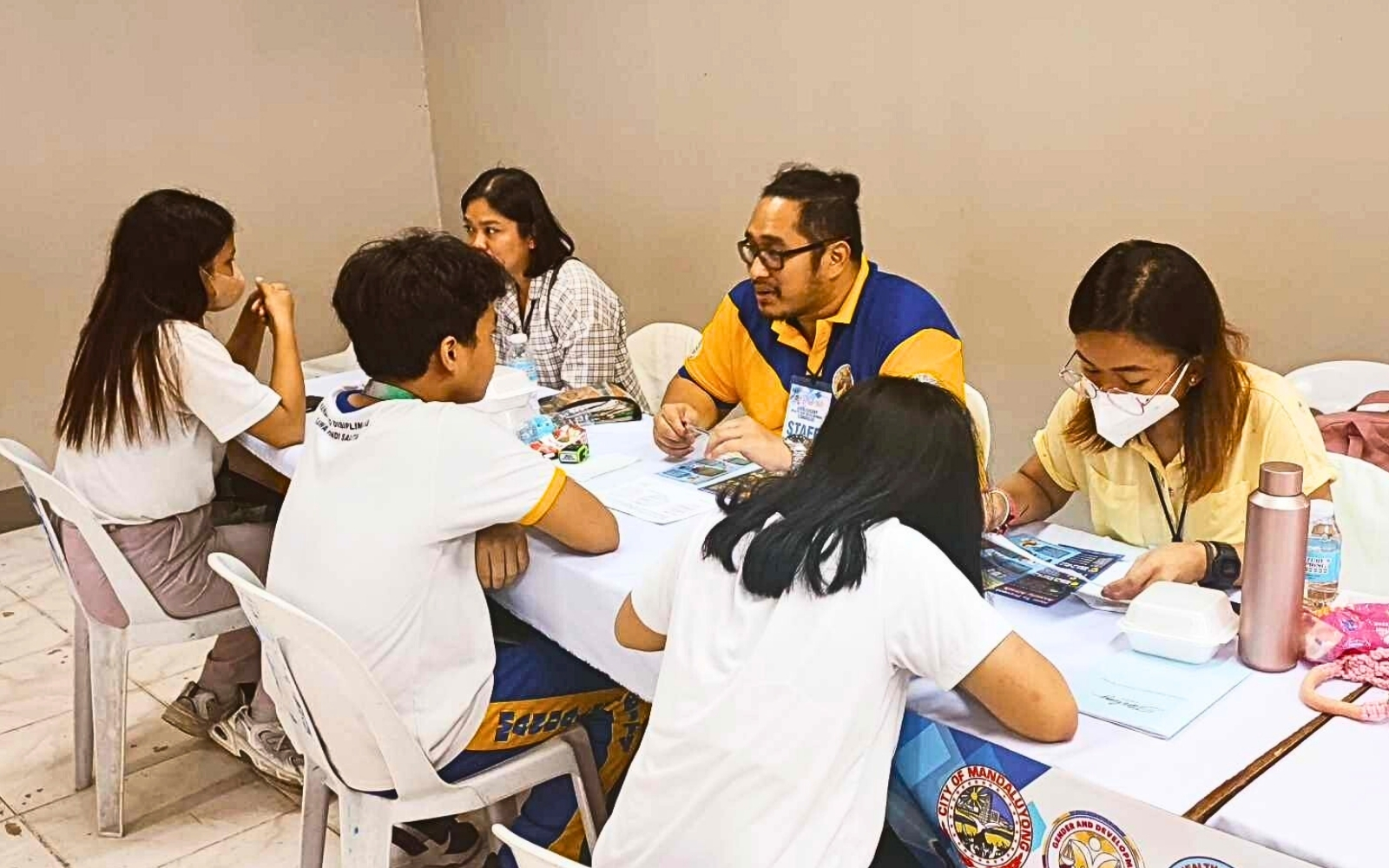
The city also runs the Healthy Young Ones (HYO) lecture series, an information, education, and communication program for adolescents aged 10 to 19. The series covers eight modules, including puberty, sexual health, sexual orientation and gender identity, sexually transmitted infections, human immunodeficiency virus (HIV), acquired immunodeficiency syndrome (AIDS), and personal safety and well-being.
Over the past three years, with support from TCI, the Mandaluyong City AHD Program unit, in collaboration with the City Population Development Office, has implemented the lecture series in schools.
Youth Leading Youth
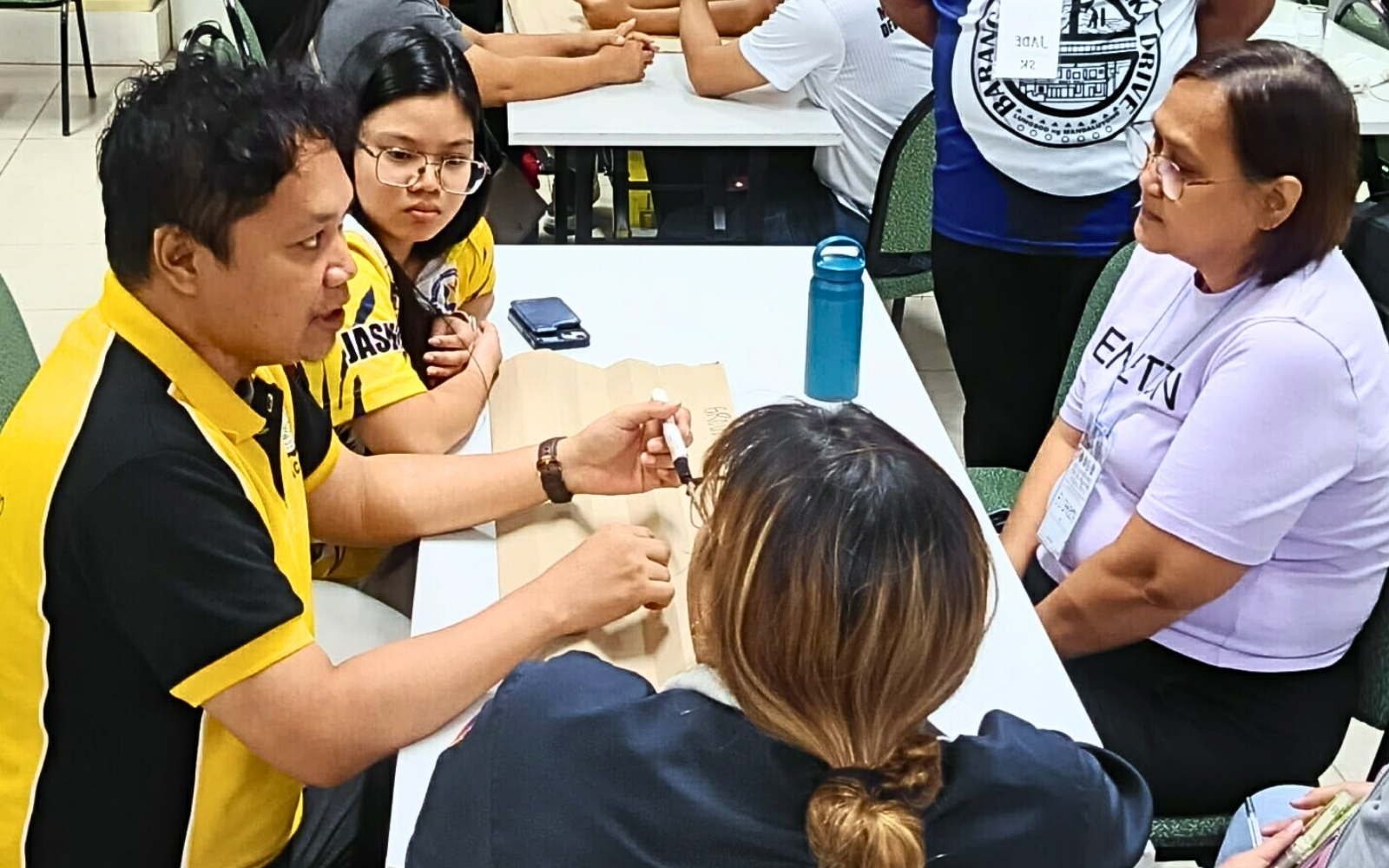
The city also strengthened the role of the Sangguniang Kabataan (SK). Mandaluyong trained SK officials and barangay youth leaders as peer educators, allowing them to share AYSRH information in ways that feel familiar and credible to their peers.
The city also encouraged SK leaders to act as governance partners. With access to resources and the authority to design programs, they launched youth-centered activities that complement the AHD Program, address physical and mental health concerns, and reduce stigma around seeking care. This approach connected formal governance with community action and ensured that youth voices shaped services.
Building Adolescent-Friendly Services
Mandaluyong recognized that adolescents will only seek care if services feel safe and welcoming. The city trained health workers, teachers, and school personnel to strengthen communication skills, address personal bias, practice empathy, and protect confidentiality—alongside technical competencies.
The city also invested in program leadership. Managers of adolescent health programs joined Health Leadership and Management Training (HLMT) to clarify their vision, take ownership of adolescent pregnancy challenges, and work together on practical and sustainable solutions.
Signs of Change
Progress has not followed a straight line, and challenges such as poverty and migration remain. Still, the city has begun to shift its approach. Adolescents now take on roles as educators, leaders, and advocates. Health workers act as allies rather than gatekeepers. Communities increasingly understand that adolescent pregnancy is a public health issue that calls for care, understanding, and shared responsibility.
Recent data show early gains. ABR has stabilized at 13%, while modern contraceptive use has steadily increased to 24%. Although more work lies ahead, these results show that Mandaluyong has made real progress in protecting adolescents’ health and future.
For Mandaluyong, the story continues. But in the voices of young leaders and adolescents who now claim their right to health, one thing is clear: the cycle can be broken.
Why The Challenge Initiative and Evidence-based Strategies for Family Planning Matter More Than Ever
The Challenge Initiative (TCI) is a global platform that supports cities and local governments to rapidly and sustainably scale up proven primary health care solutions, particularly family planning. Rather than introducing new or parallel interventions, TCI transfers evidence-based strategies that are already known to work and supports local governments in institutionalizing these approaches within their own systems. By strengthening leadership, management, and data use at the local level, TCI achieves strong results at scale while promoting long-term sustainability. At a time of shrinking global health funding, this direction offers exceptional value for money—protecting past gains while enabling countries to expand impact with fewer external resources.
The year 2025 marked a challenging transition for TCI with its project completion. For country teams, including ours in the Philippines, 2025 raised critical questions about continuity, expectations, and sustainability. How would momentum be sustained? What would the next phase demand in terms of focus and capacity? And how could gains in family planning and adolescent, youth, and sexual and reproductive health be protected amid tighter global financing?
These questions were very much present as I travelled to Senegal to attend the TCI Global Chief of Party Meeting. There was a strong need for clarity on strategic direction, operating models, and performance expectations. Like many colleagues from other hubs, we arrived seeking reassurance and a clearer understanding of how TCI would move forward.
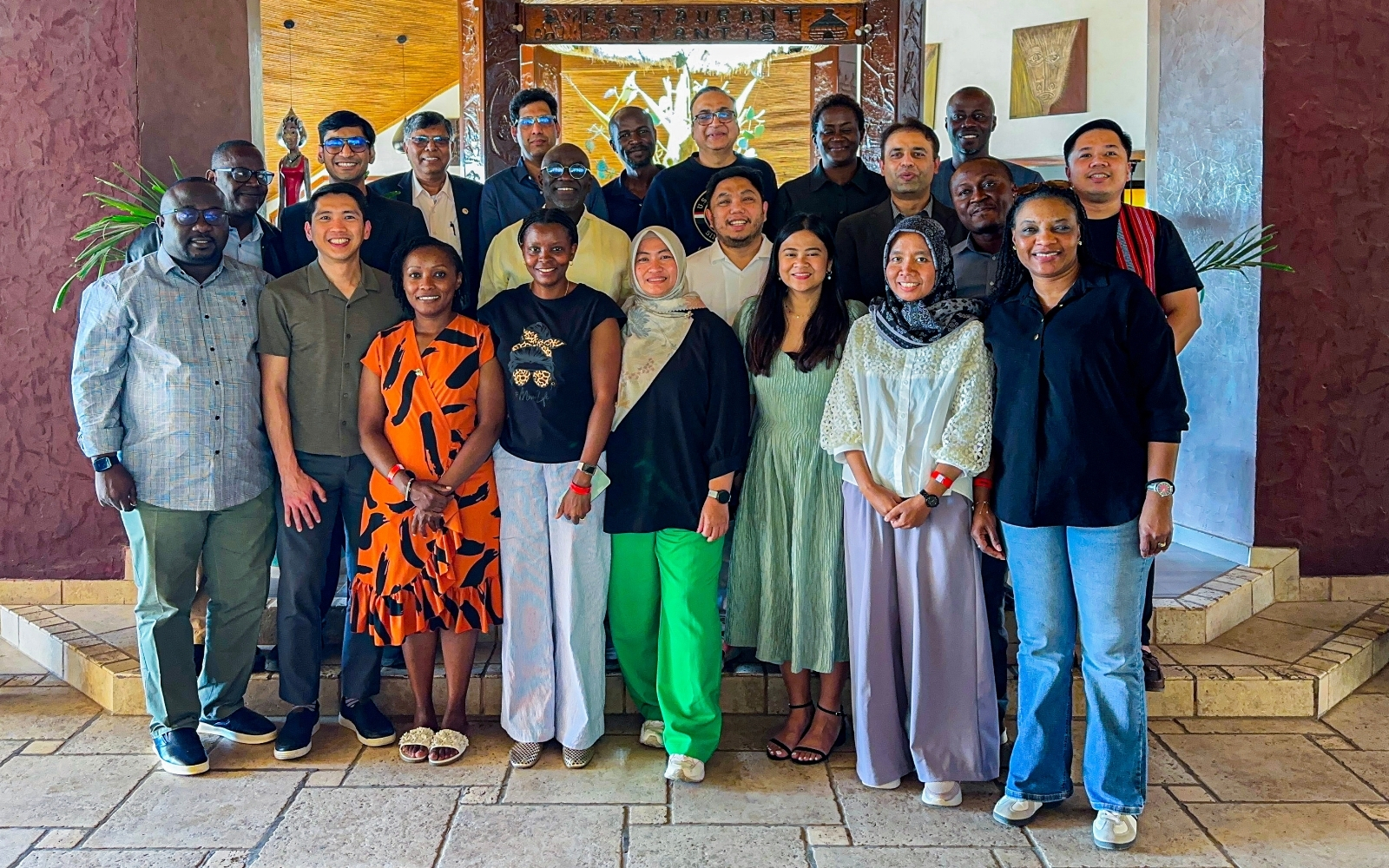
What the meeting ultimately provided was a shared perspective. Listening to the experiences of other hubs across Africa and Asia made it clear that the Philippines was not alone in navigating uncertainty. Many teams had faced similar transitions, pressures, and doubts. At the same time, they shared stories of adaptation, resilience, and continued impact. This collective reflection helped normalize the challenges of the past year and reinforced a shared sense of purpose across the global TCI community.
The discussions were grounded in realism. TCI is operating in a global environment where development assistance for health is increasingly constrained, making efficiency and focus more critical than ever. The meeting acknowledged these realities openly, including leaner global support structures and the need for greater hub-level autonomy. Importantly, this shift was framed not as a setback, but as an evolution toward a more mature and sustainable operating model.
For the Philippines, this message resonated strongly. Over the past years, TCI, in partnership with the Zuellig Family Foundation, has demonstrated its role as a powerful scale-up engine, enabling cities to rapidly expand access to modern family planning services using proven approaches. By working through local governments, TCI strengthens health systems, builds institutional capacity, and embeds data-driven decision-making where it matters most. These are not short-term wins, but foundational improvements designed to endure beyond external support.
This is precisely why TCI matters now more than ever. In a context of shrinking global health budgets, TCI’s model delivers high impact at relatively low cost. By leveraging existing systems, local leadership, and tested practices, TCI maximizes return on investment while reducing long-term dependence on donor funding. It protects what has already been achieved and enables countries to do more with less.
The global meeting reinforced this value proposition. Despite the uncertainties experienced in 2025, the collective results from the NextGen phase demonstrate TCI’s credibility and global reach. Across multiple countries, TCI-supported cities have reached millions of women with family planning services, contributing to healthier families and stronger communities. These results are measurable, well documented, and replicable across diverse contexts.
Encouragingly, the meeting also brought clarity and optimism about the future. Continued funding from Bayer, alongside ongoing discussions with other partners, signals sustained confidence in TCI’s approach. While resource mobilization remains a shared responsibility, the opportunity ahead is clear. TCI offers a compelling platform for donors seeking efficient, scalable, and sustainable investments in primary health care and family planning.
For our team in the Philippines, the meeting was both affirming and energizing. It validated the strategic direction we are taking under TCI 20.30, with an emphasis on prioritization, operational efficiency, and strong local ownership. Approaches such as clustered city support, streamlined reporting, and practical, on-demand access to knowledge at the facility level align well with the global push to simplify systems while safeguarding results.
Leaving the meeting, the uncertainty that characterized much of 2025 gave way to clarity, reassurance, and confidence. TCI is entering its next phase not as an untested initiative, but as a proven mechanism for translating global evidence into local impact. For governments, partners, and donors committed to advancing primary health care and family planning, TCI represents an opportunity to protect past investments and scale what works in a way that is efficient, locally led, and built to last.
Author: Dr. Anthony Faraon, ZFF TCI-Philippines Chief of Party
Grassroots Champions: Barangay Health Workers Lead the Way to Reduce Adolescent Pregnancy in Lapu-Lapu
Lapu-Lapu City in Central Visayas faced a rising adolescent birth rate (ABR), increasing from 14 births per 1,000 adolescents in 2020 to 23 in 2023. At the same time, modern contraceptive prevalence rate (mCPR) dropped from 31% to 21%. Local health officials saw that, while women continued to seek services, many still relied on short-acting family planning methods. Uptake of long-acting options was growing but needed stronger community support.
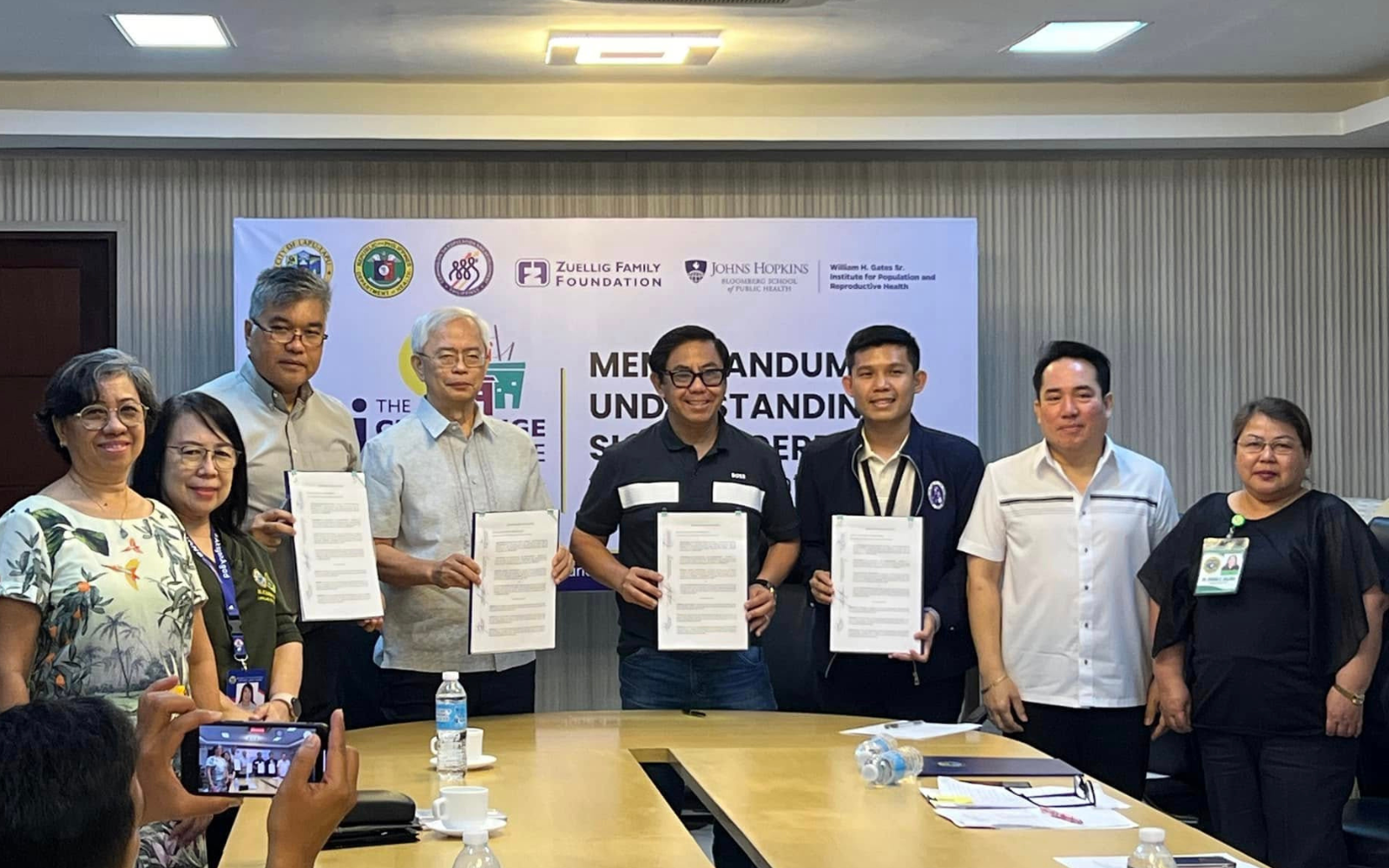
To respond to the alarming numbers, the city partnered with The Challenge Initiative (TCI), a global program implemented in the Philippines by the Zuellig Family Foundation that helps local governments scale proven family planning and adolescent and youth sexual and reproductive health (AYSRH) solutions.
Related articles:
- Nine Cities Recognized as Global Self-Reliant Cities in Reproductive Health
- Lapu-Lapu City’s Path to Strengthening Family Planning and Adolescent Health
The city formed the Lapu-Lapu City Leadership Team to unite health, education, youth, and social welfare sectors. Barangay nurses and midwives then began integrating meaningful conversations into routine services. They learned that many adolescents lacked parental guidance and reliable reproductive health information, while many adult women feared modern methods because of misconceptions. These issues showed that rising adolescent pregnancies and declining contraceptive use stemmed from the same need: trusted, judgment-free health information within the community.
Lapu-Lapu City placed communities at the center of its strategy. Awareness efforts shifted the conversation from contraceptives alone to responsible parenthood.
Barangay Health Workers (BHWs)—trusted members of each neighborhood—played a central role. Through house-to-house visits, they profiled households, explained family planning options, and corrected myths using simple materials. BHW Coordinator Jovy Alonzo emphasized that all BHWs are trained in adolescent health and development and uphold confidentiality and nonjudgmental support. Their strong performance earned Lapu-Lapu’s BHWs the Performance-Based Incentive (PBI) Award for two consecutive years, making them PBI Champions in Central Visayas. As Nurse Grace Mary Chan-Carunggay shared, “This recognition is a testament to their exceptional service and dedication.”
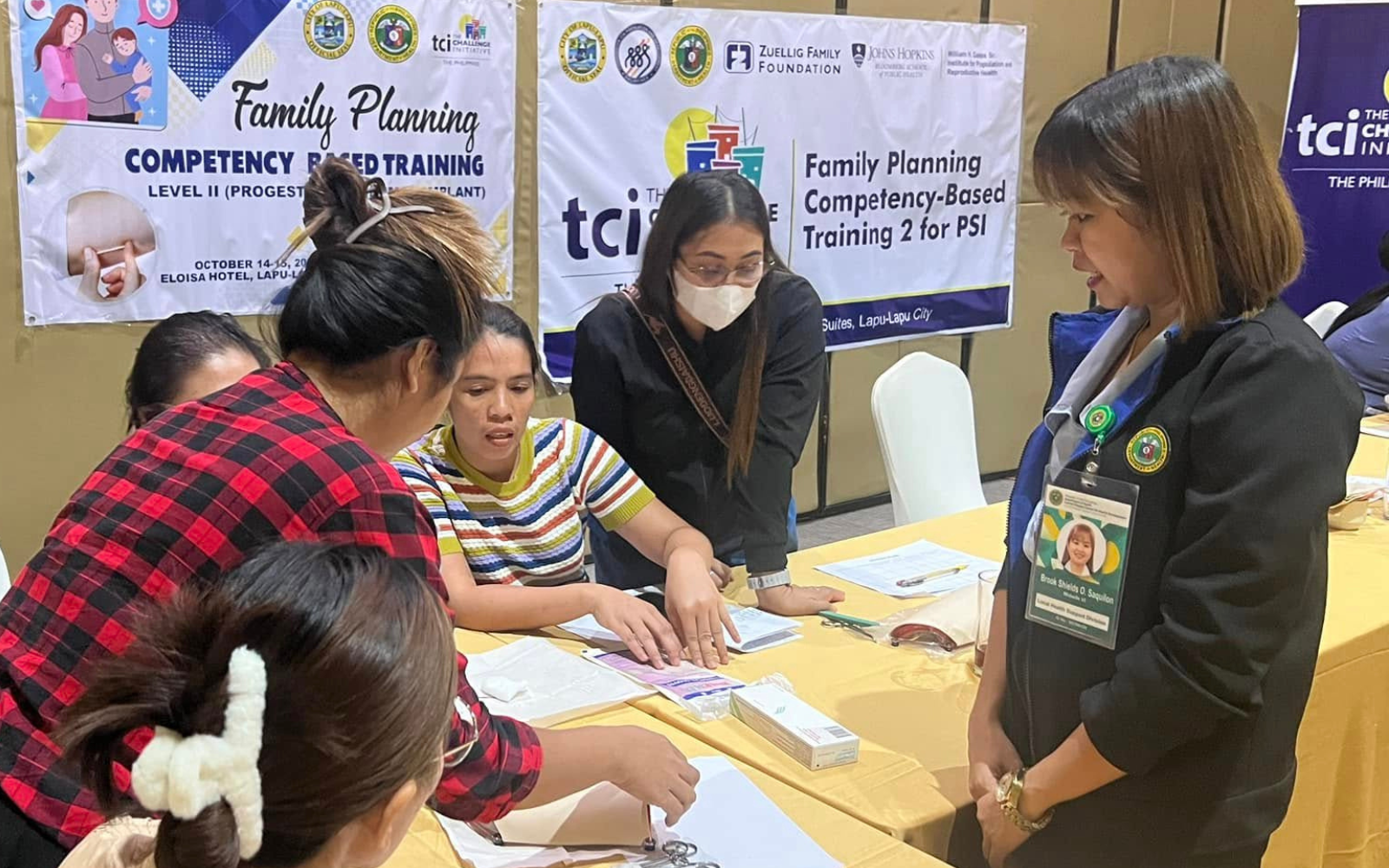
The city also strengthened its service delivery system by training more providers through Family Planning Competency-Based Training (FPCBT), especially in barangays with limited access. This allowed more health centers to offer long-acting reversible contraceptives (LARC), including the Progestin Subdermal Implant. City leaders supported these improvements by funding BHW incentives and training, conducting regular barangay visits, and ensuring data quality for planning. According to City Health Officer Dr. Agnes Cecilia Realiza, “Adolescent parents are now coming to our health centers. They no longer feel stigmatized, and they seek prenatal care, ensuring the safety of both mother and child during delivery.”
In 2024, the city recorded only one additional adolescent pregnancy case, showing early signs of progress. The drop in mCPR was largely due to data cleaning, which corrected the number of women counted in the program. Lapu-Lapu is also adjusting to the shift in national indicators—from mCPR to “demand satisfied”, or the share of women with a need for family planning who use modern methods. The City Health Office continues to improve staff capacity for accurate data use and coaching.
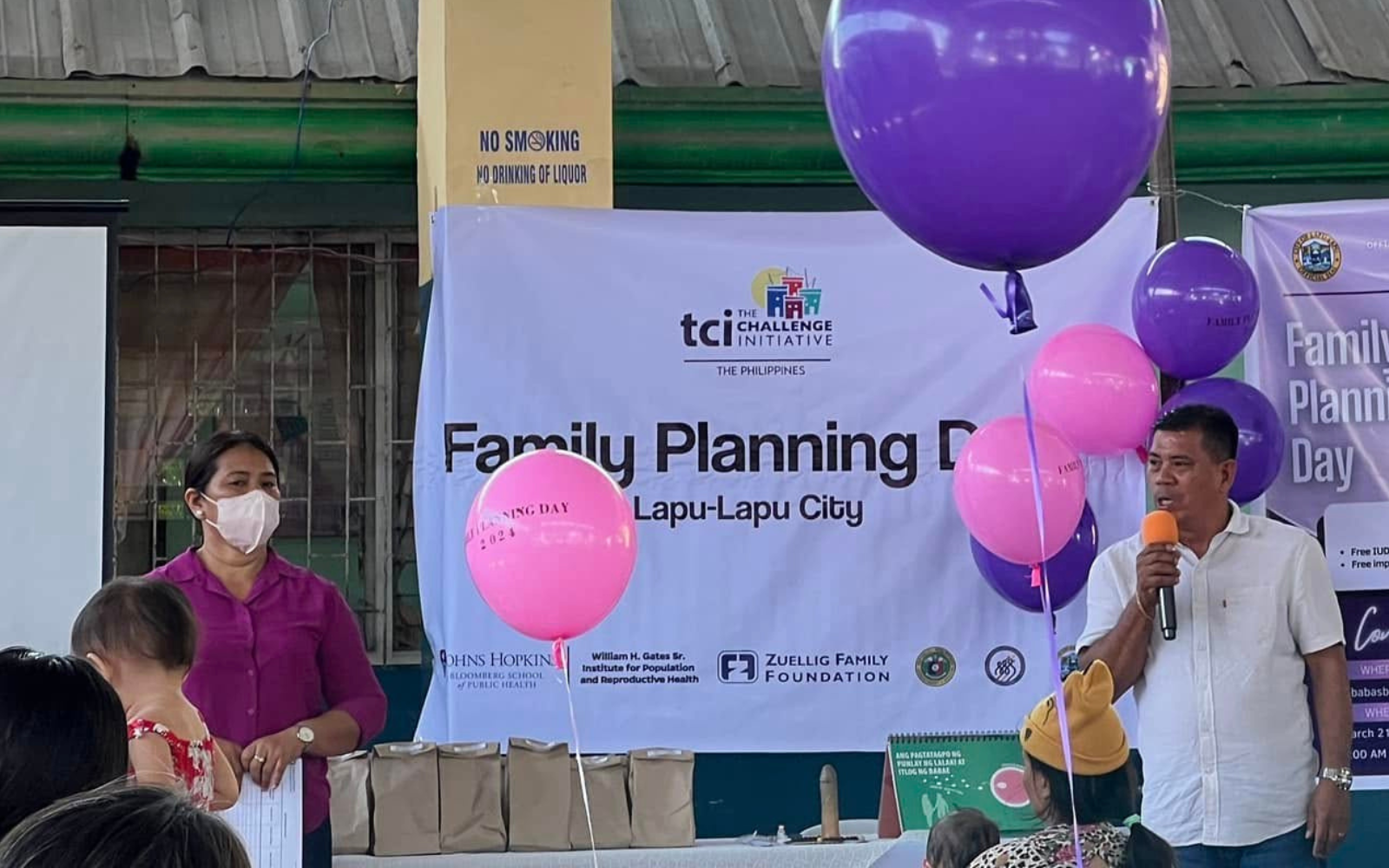
Lapu-Lapu’s experience shows the power of community-centered, data-driven leadership. By investing in AYSRH and allocating dedicated budgets, the city has strengthened the work of BHWs and sustained community engagement. With a 22% increase in AYSRH budget commitments, based on TCI-Philippines monitoring, Lapu-Lapu demonstrates that empowering frontline workers creates lasting impact—helping young people make informed choices for their health and future.
Slowly but Surely: Iriga City’s Inclusive Path to Family Planning among Indigenous Peoples
Iriga City is home to diverse communities, including many indigenous peoples (IPs). Like other areas, the city faces reproductive health challenges such as misconceptions about family planning (FP), cultural hesitations, and difficulty reaching families in geographically isolated and disadvantaged areas (GIDAs).
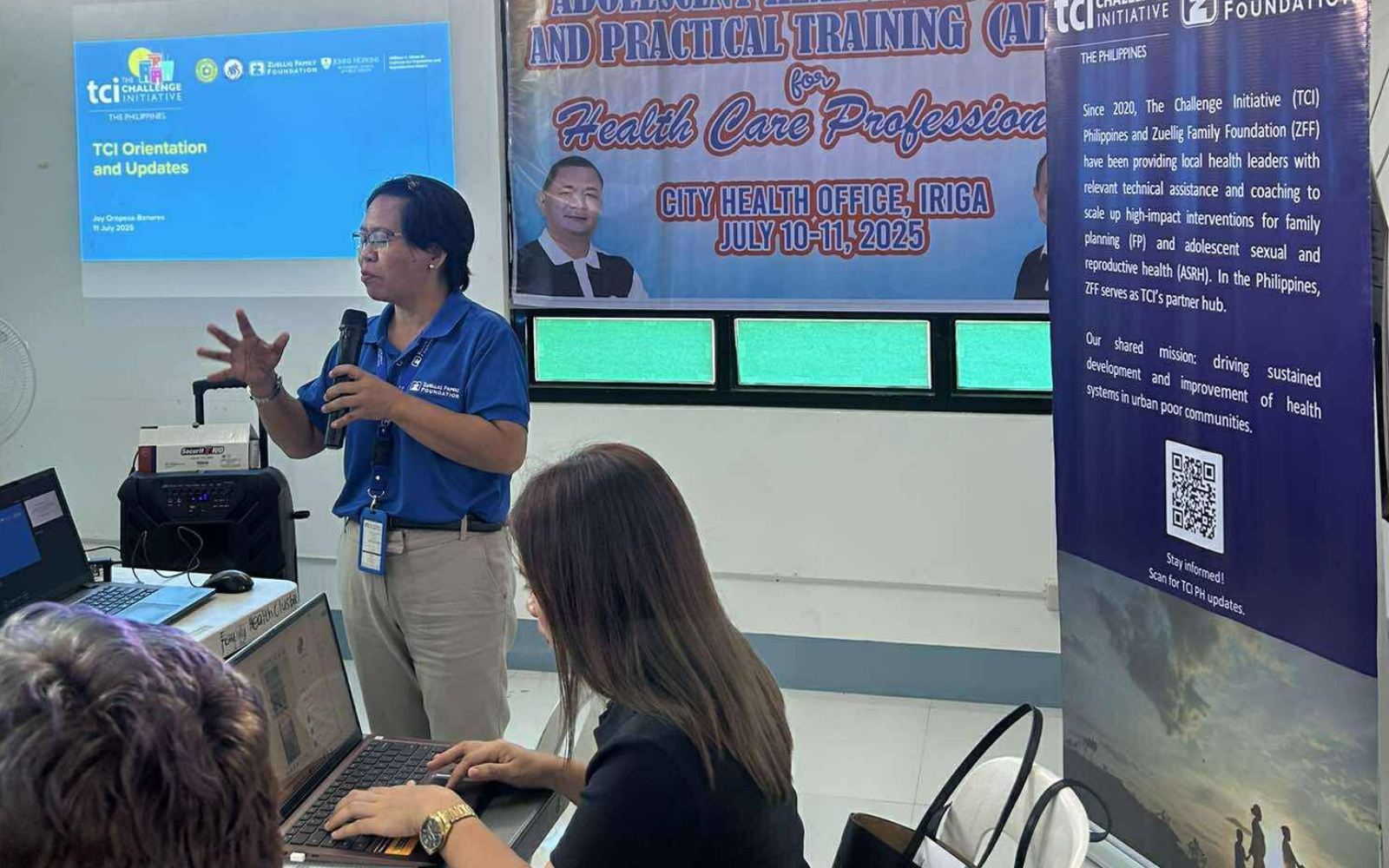
In July 2023, the city joined The Challenge Initiative (TCI), a global platform implemented in the Philippines through the Zuellig Family Foundation. With this partnership, the Iriga City Government and the City Health Office renewed their efforts to strengthen FP and adolescent and youth sexual and reproductive health (AYSRH), ensuring even the most underserved communities were included.
Related article:
Stories from the Frontlines
FP Coordinator Cyrene Oliva shared how TCI’s approaches helped Iriga improve data quality and slowly raise its modern contraceptive prevalence rate (mCPR). “Even if our mCPR dipped at first, we saw this as progress—because this time, our data was accurate. Now, with strengthened verification and continuous community engagement, our mCPR is climbing steadily again,” she said.
City Health Officer Dr. Ronald Pereña noted that mothers often hesitated to pursue family planning methods due to side effects, irregular supplies, and cultural expectations to seek their husband’s approval. Adolescents were also shy at first, but Oliva said that repeated discussions helped them open up. Several barangays later earned Certificates of Compliance as Level 1 Adolescent-Friendly Health Facilities—an important step under the AYSRH program.
Population Program Officer Mayet Amoroso Nacario observed that continuous awareness campaigns helped shift attitudes. “Before, many youth and even officials had little knowledge of adolescent health. Now, they are aware and more open. Teenage pregnancy still rises and falls, but families and schools are no longer ignoring it. There is now action and support,” she said.
Bridging Culture and Care
The city expanded FP access through Purok Kalusugan, a barangay-based initiative that integrates Department of Health (DOH) services at the purok level. Teams provided counseling, commodities, and even long-acting methods through house-to-house visits.
TCI supported Family Planning Competency-Based Training (FPCBT), enabling barangay workers to offer methods like implants and IUDs. This investment helped Iriga reach more IP communities in remote areas. Acceptance grew when IP barangay health workers—who were FP users themselves—became local champions.
Nacario shared that trust improved through repeated visits, conversations with leaders, and visible examples such as a chieftain choosing an implant. Dr. Pereña added, “Slowly but surely, you have to make them realize the big picture, that family planning will protect their health and wellbeing.”
Regular quality implementation checks, including monthly reviews and coaching, strengthened service delivery and ensured that adolescent-friendly facilities and FP programs remained responsive.
Stepping Up, Growing Up
Iriga also encouraged male involvement. More men began to ask for condoms and join FP discussions. Oliva recalled one husband who offered to have a vasectomy as a Valentine’s gift to his wife, saying it was his turn to share the responsibility.
The city also expanded AYSRH work in schools through the Department of Education (DepEd). Activities such as U4U Teen Trail sessions and age-appropriate film showings helped students learn about reproductive health and their rights. “Schools now invite us on their own,” Nacario said. “They even ask, ‘When will you come to our students?’ That’s proof that adolescent health is no longer taboo in Iriga—it is a collective priority.”
Sustaining Progress Together
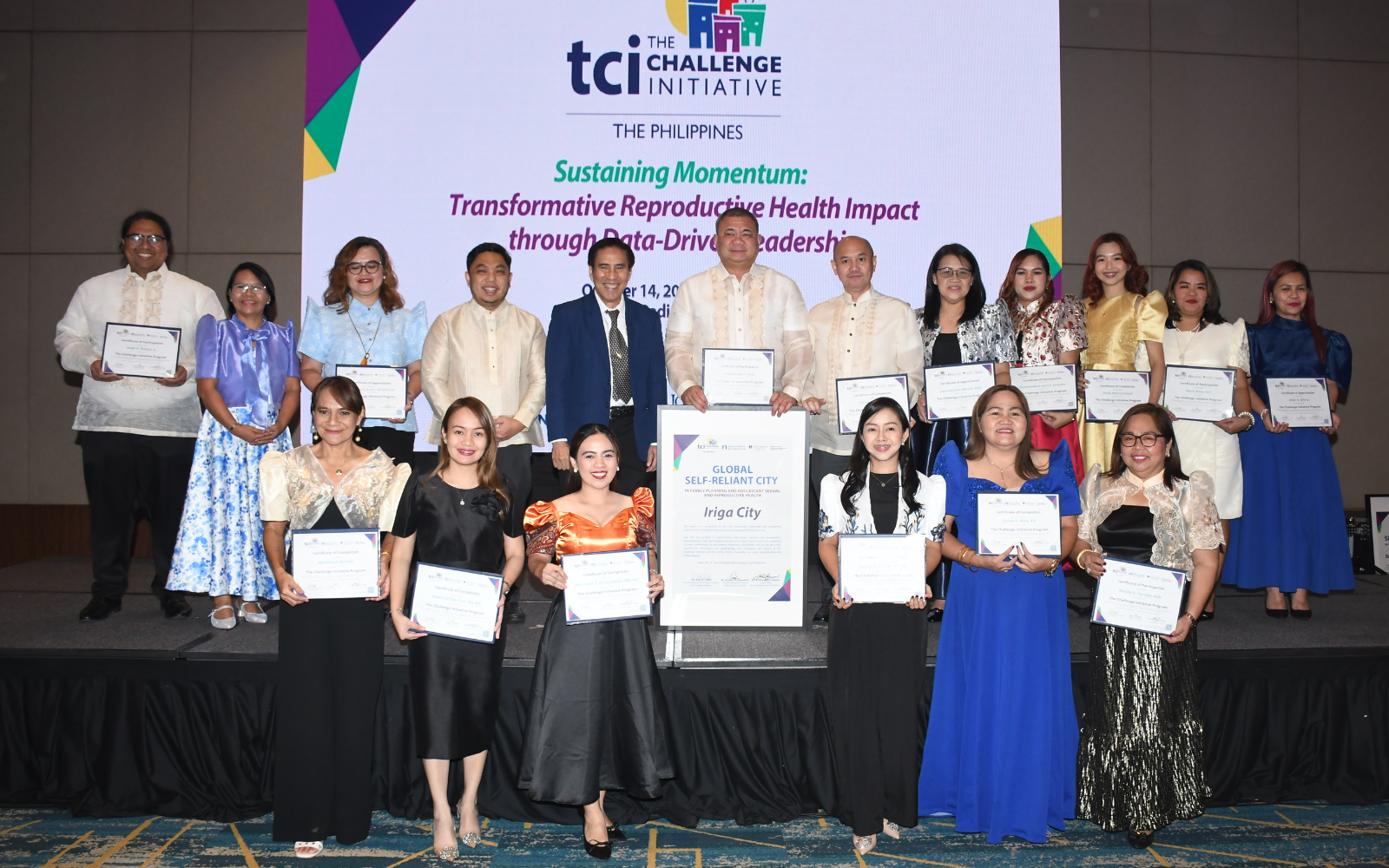
Iriga built its FP and AYSRH efforts on trust, cultural sensitivity, and sustainability. The city allocated local funds, including support for IP communities, to ensure programs continue even after external support ends. Partnerships with DOH, the Commission on Population and Development (CPD), ZFF, and TCI provided coaching and capacity-building, while local leaders and women’s organizations strengthened community ownership.
As Dr. Pereña shared, family planning is now part of Iriga’s long-term development plans. The city’s journey shows that even the most hard-to-reach families can make informed choices when programs are inclusive, respectful, and community-driven.
Lapu-Lapu City’s Path to Strengthening Family Planning and Adolescent Health
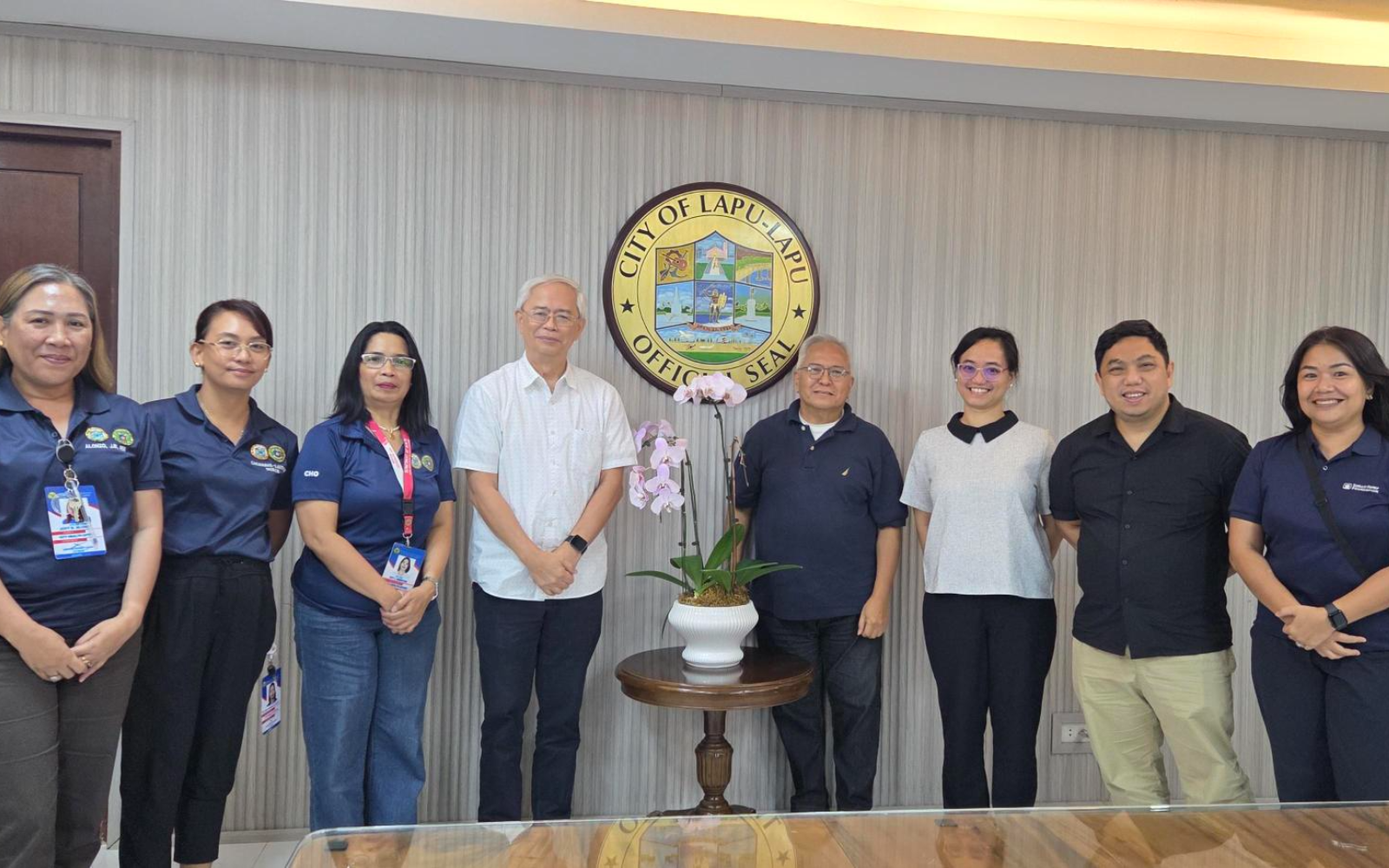
On September 18, 2025, the Zuellig Family Foundation, through its The Challenge Initiative (TCI)-Philippines team, met with the Lapu-Lapu City government to discuss family planning and adolescent health. Joining the meeting were City Administrator Atty. Almendras and the City Health Office team, led by nurses Ivy Amistad, Jovy Alonzo, and Leizel Lagtapon. The conversation served as a chance to reflect on the city’s progress, identify ongoing challenges, and consider ways to strengthen impact and sustainability.
Recovery and Resilience after COVID-19
Like many local government units, Lapu-Lapu City experienced major disruptions in reproductive health services during the COVID-19 pandemic. Health workers were diverted to pandemic response, service delivery slowed, and demand for family planning dropped. Now, the City is steadily regaining momentum. With health staff back on the ground, there has been recovery in the uptake of short-acting methods such as pills, injectables, and condoms. Encouragingly, long-acting and permanent methods (LAPMs) like implants, intrauterine devices (IUDs), and sterilization are also increasing in demand.
One area where Lapu-Lapu has exceeded expectations is in postpartum family planning (PPFP). Through sustained training and outreach activities, the city has exceeded its TCI commitment of ensuring that targeted providers are trained on PPFP–demonstrating that with political will and operational focus, service delivery can quickly regain strength.
Related article:
Addressing the Data Gap
Reliable data is critical for decision-making, yet the city continues to face difficulties in capturing a complete picture of family planning performance. Public facilities generally provide regular reports, though private birthing centers and hospitals show variable compliance rates. An ordinance requires reporting, but enforcement is limited without established legal penalties. The City Health Office is considering connecting compliance requirements to business permit processes and incorporating maternal death review procedures as accountability measures.
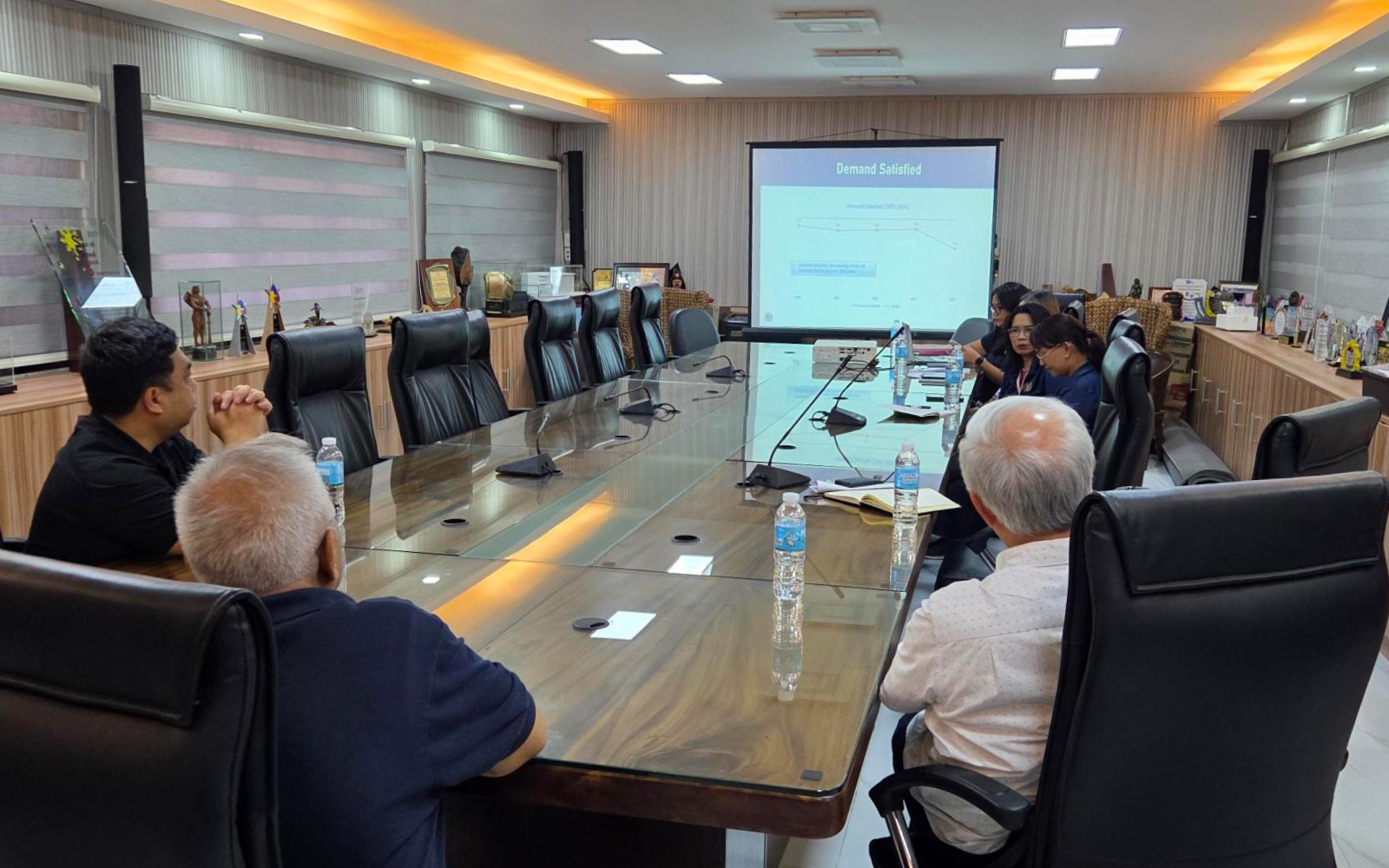
Another challenge lies in the transition to new Department of Health (DOH) performance indicators. Health staff are still adjusting from measuring modern contraceptive prevalence rate (mCPR) to tracking “demand satisfied”, which looks at the percentage of women with demand for family planning and who are actually using modern methods. Lapu-Lapu currently reports a demand satisfied rate of only 46%, far below the 70% national target. Continued coaching and capacity building will be essential to ensure that data is not only accurate but also used strategically for planning and advocacy.
Investing in Young People
Adolescent health remains a priority in Lapu-Lapu. Several health workers have been trained on adolescent-friendly health services (AFHS), and facilities are starting to offer confidential, youth-centered care. While formal DOH accreditation is still in development for most facilities, efforts are underway to address infrastructure needs, including the establishment of appropriate counseling spaces.
Despite these challenges, peer education is emerging as a promising practice. By mobilizing young people themselves to reach their peers, the city is creating more relatable and effective pathways to information and services. Plans are underway to expand peer education networks through collaboration with the Sangguniang Kabataan (SK) Federation and barangay-level initiatives. For sustainability, the city will need to determine the right peer-to-population ratio to ensure meaningful coverage across communities.
Governance, Financing, and Sustainability
Lapu-Lapu has demonstrated strong commitment to financing reproductive health, earmarking four million pesos in 2024 and five million pesos in 2025 for FP and adolescent health.
Budget execution has been gradual, with 22% of funds utilized by mid 2025, indicating opportunities to accelerate implementation timelines to maintain program momentum. This highlights the potential for strengthening alignment between program objectives and financial planning. For example, advancing demand satisfied rates from 46% to 60% would involve specific resource requirements for peer educators, supplies, and community outreach activities, each with defined costs. Developing such costing frameworks could support city leadership, including the mayor and city council, in making strategic resource allocation decisions for optimal program impact.
In May 2025, the City completed a self-reliance assessment using TCI’s Reflection and Action to Improve Self-reliance and Effectiveness (RAISE) Tool. The results showed strong performance in data management (100%) and leadership (85%). However, areas needing improvement include formalizing policies, ensuring specific line-item allocations for FP and adolescent health, and strengthening supportive supervision systems. These gaps highlight where technical assistance and local leadership need to converge to ensure sustainability.
Moving Ahead
The meeting underscored both the progress and the unfinished work in Lapu-Lapu City’s reproductive health journey. On the one hand, the city has demonstrated resilience, ownership, and momentum—recovering service delivery, expanding postpartum FP, and investing in adolescent-friendly health services. On the other hand, challenges remain: persistent gaps in data reporting, budget execution, and demand satisfied rates reveal the need for stronger systems and sharper strategies.
With committed leadership, available resources, and the support of partners like ZFF and TCI, Lapu-Lapu City is well-positioned to transform these challenges into breakthroughs. By enforcing policies, scaling up peer-led youth programs, and aligning financial investments with program outcomes, the city can not only close its current gaps but also emerge as a model for sustainable, locally-owned family planning and adolescent health programs in the Philippines.
Author: Dr. Anthony Faraon, ZFF TCI-Philippines Chief of Party
From Momentum to Milestone: Mandaluyong City’s TCI Journey
When Mandaluyong City joined The Challenge Initiative (TCI)-Philippines in 2023, it did so with quiet determination and a clear sense of purpose. Mayor Benjamin Abalos Sr.’s letter of intent wasn’t just a formal document—it was a signal that the city was ready to invest in the future of its people, especially women and young people, by prioritizing access to quality family planning (FP) and adolescent and youth sexual and reproductive health (AYSRH) services.
At the time, Mandaluyong’s modern contraceptive prevalence rate (mCPR) stood at 22%—still far from the national target of 37%. The adolescent birth rate (ABR) was 13 births per 1,000, better than the national average but showing an erratic pattern. These numbers gave us a snapshot: progress, but also room (and reason) to do more.
Through a collaborative Program Design Workshop in November 2023, city stakeholders and the TCI team got to the heart of the matter. Together, three key challenges surfaced: fragmented coordination across departments, widespread myths and misconceptions about FP, and a lack of trained personnel. Familiar challenges, yes—but the way Mandaluyong tackled them was anything but typical.
The city immediately set up a City Leadership Team (CLT), pulling in champions from different departments. This team wasted no time adopting five of TCI’s high-impact practices (HIPs): strengthening health leadership, engaging communities, making services more adolescent-friendly, improving post-pregnancy family planning, and empowering community health volunteers. Each intervention was locally driven and tailored to Mandaluyong’s needs.
Related article:
Since then, it’s been a steady roll-out of smart, strategic, and scalable actions. Health workers have been trained on everything from informed consent to subdermal implants to intrauterine device (IUD) insertion. Youth leaders were engaged through the Sangguniang Kabataan orientation. Population workers, health leaders, and facility staff were brought into the fold through orientations, workshops, and coaching sessions. Alongside that, the city integrated FP and AYSRH programs into local events like the Adolescent Congress, Healthy Buntis Pageant, and Family Planning Month—turning awareness into action.
Fast forward to today: the city has built a solid foundation for long-term self-reliance. There’s now a pool of Master Coaches mentoring others, a trained workforce offering quality FP and AYSRH services, a functional and empowered CLT, and an operational Health Management Information System that helps track performance and identify gaps. Even more affirming, the LGU has continued to increase its local investment in FP and AYSRH—a strong signal of ownership.
The results are real: mCPR has gone up to 23.4%, and ABR has remained stable at 13. These may sound like small shifts, but they represent steady, measurable progress—especially in a field where change doesn’t happen overnight.
And here’s what excites us even more: as of July 2025, there’s been a change in leadership in Mandaluyong. Mayor Carmelita “Menchie” Abalos, previously the Vice Mayor, is now at the helm. It’s clear that continuity is likely—especially with strong advocates like City Health Officer (CHO) Dr. Arnold Abalos and Assistant CHO Dr. Emily Detaro still championing FP and AYSRH from within. Their commitment, paired with Mayor Menchie’s openness to sustain the work already in motion, gives us confidence that the city’s momentum won’t just continue—it’ll grow.
Mandaluyong’s journey with TCI is a solid example of what can happen when cities lead from the front—when political will, technical capacity, and community ownership come together with purpose. We’re looking forward to officially recognizing Mandaluyong as a self-reliant city on FP and AYSRH by September.