Breaking Down Silos: How Quezon City Improved Adolescent Health Services
Quezon City is one of the Philippines’ most progressive cities in social development. It has consistently won awards for good governance, transparency, innovation, and climate action. Quezon City has become a national model for inclusive and environmentally conscious leadership. These achievements are significant, especially given the challenges the city faces.
In the past, departments often worked in isolation, with little awareness of each other’s programs. A teenager seeking reproductive health assistance might start at one facility only to be referred elsewhere, often without a clear handover. Many adolescents got lost in this process, falling through the gaps of an uncoordinated system. This fragmentation highlighted a key challenge: even as Quezon City kept its adolescent birth rate below target, many young people still missed out on timely care.
Then City Health Officer Dr. Verdades Linga explained their vision: “I dream of an effective and efficient system that gives our adolescents the care they need, when and where they need it—a system they can trust and rely on.”
Related article:
Building Bridges: Creation of the QUSI Teen Network
Recognizing that no single office could meet all the health needs of adolescents, Quezon City took a top-down approach. The city first passed City Ordinance No. SP-3128, s. 2021. This law, titled “An Ordinance Providing for the Prevention Programs to Address the Increasing Adolescent Pregnancy,” created the legal basis for coordinated action.
Through its Implementing Rules and Regulations, the city formally adopted the Information and Service Delivery Network for Adolescent Health and Development (ISDN4AHD). The ISDN4AHD is a network of facilities and providers across different levels that work together to offer information, training, and a core package of health and social services for adolescents. It acts as a way for various groups to collaborate and ensure their efforts are aligned.
In Quezon City, this network is called the Quezon City Unified Services and Information Teen Network (QUSI Teen Network). It includes member institutions, referral pathways, and tools to strengthen coordination, making adolescent health services more seamless and responsive.
Building the network required a full map of available services across all departments that support adolescents, from social and financial help to mental and physical health care. After identifying these services, the city streamlined them to reduce duplication and unnecessary referrals, especially for sensitive cases. To ensure clarity, they created flowcharts showing which department handles each service, what it offers, and where to refer adolescents. These pathways went through many reviews with service providers before being finalized.
Maria Cecilia Magtalas, the Population Program Supervisor, described the shift: “Before, we worked in our own bubbles. Now, through the ISDN, we know exactly who to call, where to refer, and how to follow up. It feels like we’re finally working as one team for the young people.”
Enforcing Foundations: Training Frontliners of the ISDN
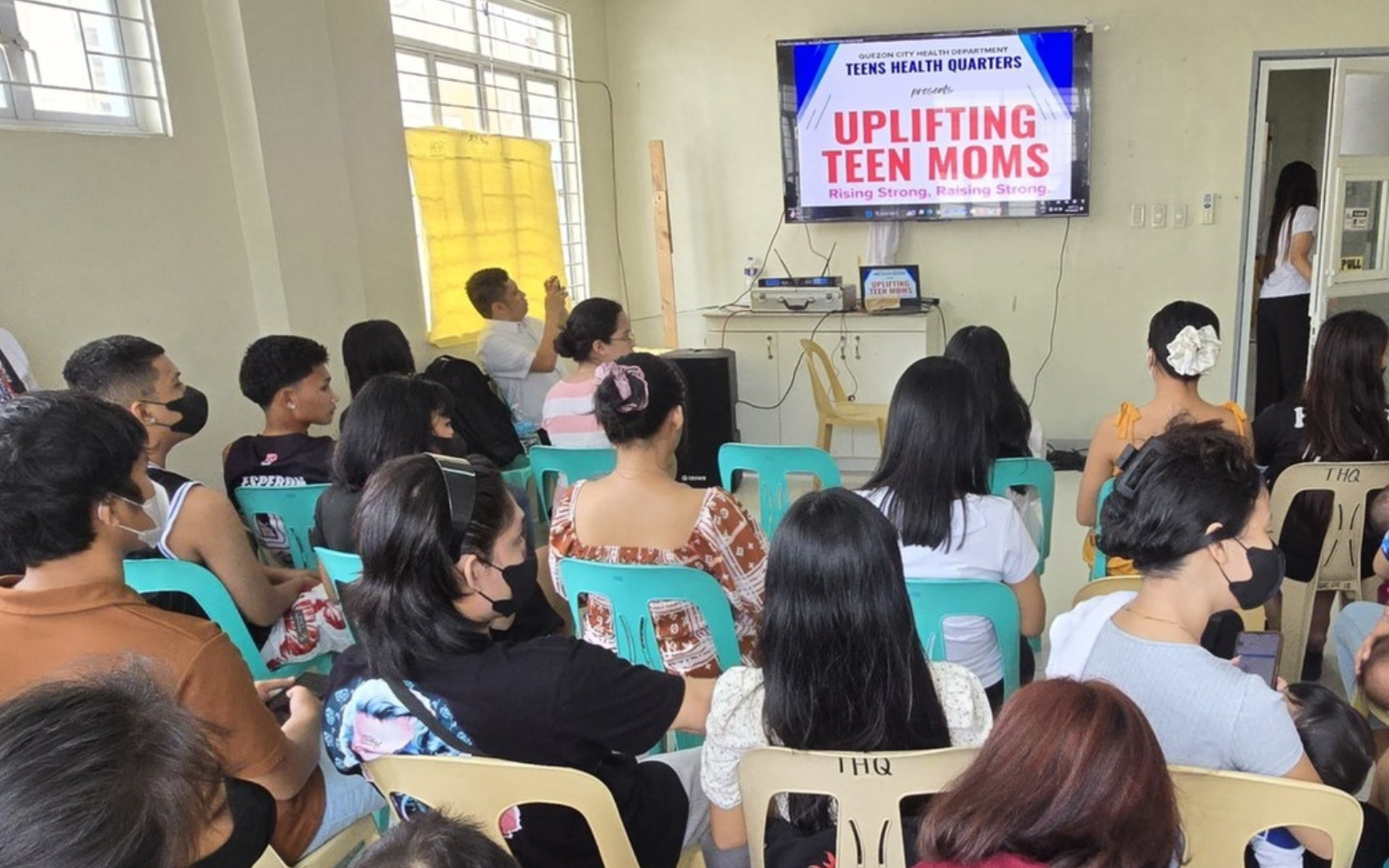
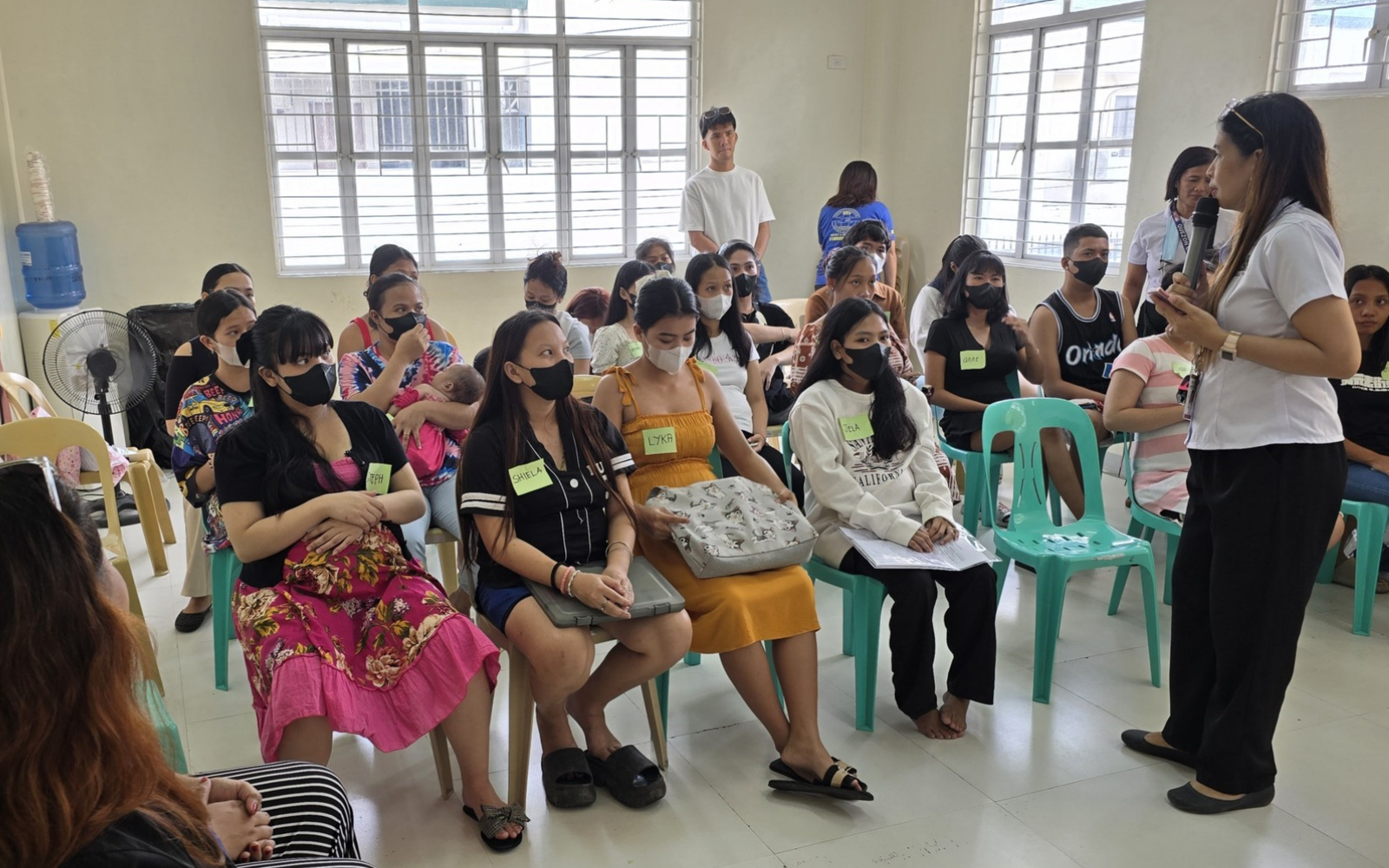
To make the referral network work, The Challenge Initiative (TCI)-Philippines, together with Quezon City’s Population Program Supervisors, created a structured training program for ISDN frontliners. Frontliners are the staff who directly assist adolescents seeking help, such as health center coordinators, social workers, and guidance counselors. The training aimed to introduce the Adolescent Health and Development (AHD) Program framework, increase awareness of adolescent issues, and build skills for managing the referral system.
The training covered several key areas. It started with an Adolescent Situationer and the Framework of the AHD Program. Next, participants learned about Managing a Referral System, including the networks and procedures agreed upon in departmental meetings. A key part was introducing the HEADSSS tool, a structured guide to assess risks in adolescents. This acronym stands for Home, Education/Employment, Eating, Activities, Drugs, Sexuality, Suicide/Depression, and Safety. It helps providers screen for other concerns and refer to the right channels.
Finally, they covered Essential Skills of a Responder, including sessions on inclusivity and sensitivity. This included discussions on Sexual Orientation, Gender Identity, and Expression (SOGIE), Data Privacy, Confidentiality, and Active Listening to ensure respectful communication.
One social worker shared how the training changed their approach: “The training changed how I see my role. Before, I just handled the concern right in front of me. Now, I know how to listen for what’s not being said and guide them to the right help.”
The Road Ahead
While the ISDN has already closed many coordination gaps, its continued success will depend on regular monitoring, ongoing training for staff, and using digital tools to track referrals. This will make the system even more efficient and responsive.
Quezon City is already seeing results. The adolescent birth rate remains within target levels, and modern contraceptive use is rising. By breaking down silos and taking progressive steps, the city has improved young people’s lives and become a model for transformed adolescent health services—showing that innovation, collaboration, and political will can drive lasting change.
Banner photo: Physicians completed training on Postpartum IUD insertion, facilitated by the Quezon City Health Department.
How Tacurong City Transformed Adolescent Health
Tacurong City sits at a crossroads in South Central Mindanao, serving as Sultan Kudarat’s commercial hub. It’s the smallest but most crowded area in the province, with over 109,000 people. As the main center for healthcare and education, it draws communities from nearby provinces. Yet growth brings challenges, especially in security and public health. The city urgently needs more accessible and complete family planning services.
Finding the Gaps
In 2021, Tacurong joined The Challenge Initiative (TCI), a global program implemented in the Philippines by the Zuellig Family Foundation (ZFF). It helps local governments launch and sustain effective family planning (FP) and adolescent and youth sexual and reproductive health (AYSRH) solutions.
Related article:
Through a Program Design Workshop, leaders examined what blocked AYSRH and identified action items to improve the status quo:
- Strengthening the AYSRH committee. It existed in Tacurong City but needed clearer structure and purpose.
- Enhancing training for health staff on AYSRH. Providers needed skills to talk comfortably with teens.
- Developing adolescent-specific strategies beyond DOH (Department of Health) programs as most services focused on adults and children.
Building Stronger Leadership
After the workshop, former Mayor Lino Montilla formed the City Leadership Team (CLT). This created a strong inter-agency system that united different departments and mobilized barangay officials and youth groups. Gary Bañas, Social Worker and Population Program Officer, recalled, “The program design was followed consistently, which integrated adolescent programs across different sectors, especially schools and communities. Collaboration between the LGU (Local Government Unit), Commission on Population and Development (CPD), DOH, and partners made it possible to accelerate adolescent-friendly health services in the city.”
Through TCI, the city built both structure and skills. Coaching helped the CLT lead and sustain changes. Current Mayor Lina Montilla credits TCI for knowledge that strengthened her leadership and helped Tacurong champion AYSRH more effectively.
Creating Services Teens Can Trust
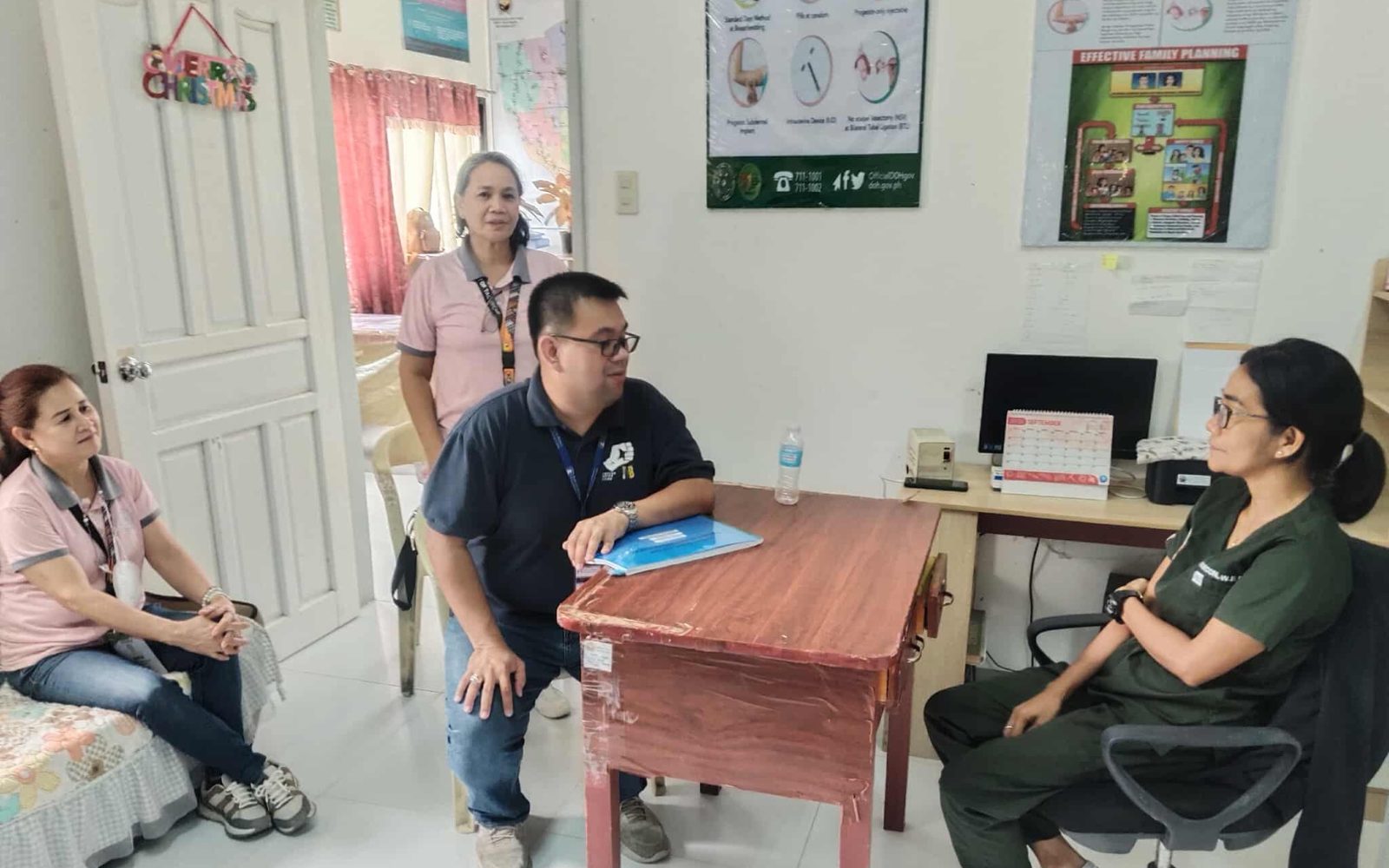
A major step was establishing adolescent-friendly health facilities (AFHFs). These provided resources and trained staff ready to serve without judgment. Nurse and Family Planning Coordinator Gina Ramiscal noted that few young people sought care before. “They either didn’t know services existed or were afraid they would be judged,” she recalled. Adolescent Sexual and Reproductive Health Coordinator Richyle Mae Gallenta added, “Young people used to visit health centers alongside regular patients, which created discomfort because there was no privacy.”
The city expanded programs including the Buntis Class and Healthy Young Ones, giving young people health information and safe spaces to learn.
Young mothers felt the impact directly. Ana*, 19, and Bella*, 22, shared their stories. A felt fear, regret, and uncertainty when she discovered her pregnancy. She felt grateful for Laarni Ecalla, midwife from the Upper Katungal Health Center and President of Midwives in Tacurong. Together with Kagawad (“barangay councilor”) Expedito Ramay Jr., Chairperson on Health, Ecalla provided counseling and seminars for young mothers. B learned from her experience to delay pregnancy, warning it can be extremely difficult both physically and financially.
Kagawad Ramay expressed hope for livelihood programs for teenage mothers with the Department of Social Welfare and Development (DSWD). “We believe young mothers should become champions who can encourage and support other teenage mothers in our community,” he said.
Mayor Lina Montilla stressed working closely with the Department of Education (DepEd). Guidance counselors and teachers became key allies in reproductive health education. As she emphasized, “By working with schools and guidance counselors, we ensure that young people find trusted adults they can turn to for advice on health and family planning.”
Reducing Reliance on Outside Help
To secure lasting impact, Tacurong passed local ordinances that institutionalized AYSRH. The city set aside dedicated funds for family planning and adolescent health.
“Family planning and adolescent health are now priorities in Tacurong. These programs are embedded in the Gender and Development (GAD) funds and the city’s budget. We are assured of sustainability because policies are in place,” Mr. Bañas noted.
Mayor Montilla echoed this commitment: “Our ordinances and teen centers are not just policies on paper; they are lifelines. We invested city funds so that services will continue regardless of changes in administration or external programs.”
Seeing Real Results
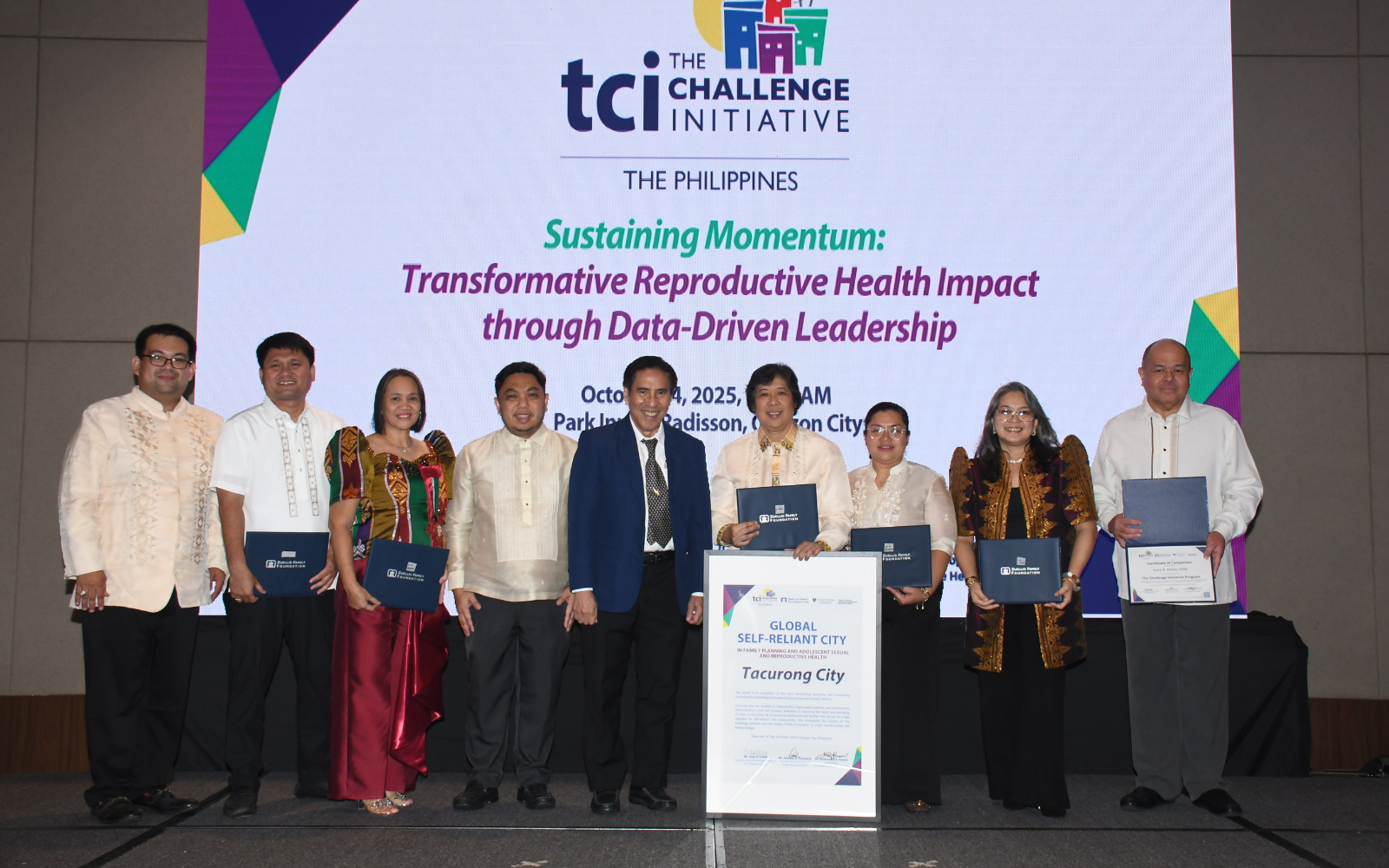
By 2024, Tacurong’s adolescent birth rate (ABR) dropped significantly compared to 2020, from 34 births to 26. The modern contraceptive prevalence rate (mCPR) stayed above the national target of 30%, showing greater trust in available services.
Community education and youth symposiums shifted attitudes at home. As Ms. Ecalla shared, “Pregnancies among very young girls have dropped. Parents are more open to talking about reproductive health. The conversations are happening in barangays where adolescents visit health facilities together with their parents and are directed to counselling rooms for additional support.”
Today, all health facilities in Tacurong are certified as adolescent-friendly. Every staff member is trained to provide these services.
The city also invested in data monitoring. Regular checks helped the team track progress and adjust. As Ms. Gallenta put it, “Data has become our guide. It tells us what is working, where we need to improve, and how we can better serve young people.”
Making It Last
Tacurong’s transformation is not temporary. With supportive policies, dedicated budgets, and teen centers, the city built a system meant to endure. Challenges remain. Ms. Ramiscal noted, “Program coordinators wear several hats. No one has a role specific to family planning and adolescent health.” Still, the city stays determined to reduce adolescent pregnancies and prevent repeats among young mothers.
Tacurong’s journey shows that sustainable progress is possible. The city moved from fragmented, externally dependent programs to a resilient, locally led system. The lesson is simple yet powerful: when leaders prioritize adolescent health and invest in both people and systems, communities thrive.
As Mayor Montilla concluded, “Every adolescent deserves the knowledge, services, and support to build a healthier future. When we empower young people with knowledge about reproductive health, we don’t just protect them, we secure the future of Tacurong’s families.”
* Name has been changed to protect the identity of the young mothers.
Banner photo: Courtesy visit to Tacurong City, where Barangay Enrique JC Montilla Health Center and Grino Super Health Center were recognized for delivering high-quality family planning services to women of reproductive age and adolescents. They were welcomed by City Councilor for Population Lalaine Montilla, together with Councilor Harvey Legas of the Health Committee.