Reimagining Family Planning: Tagum City’s Model of Inclusive, Community-Driven Change
Stories
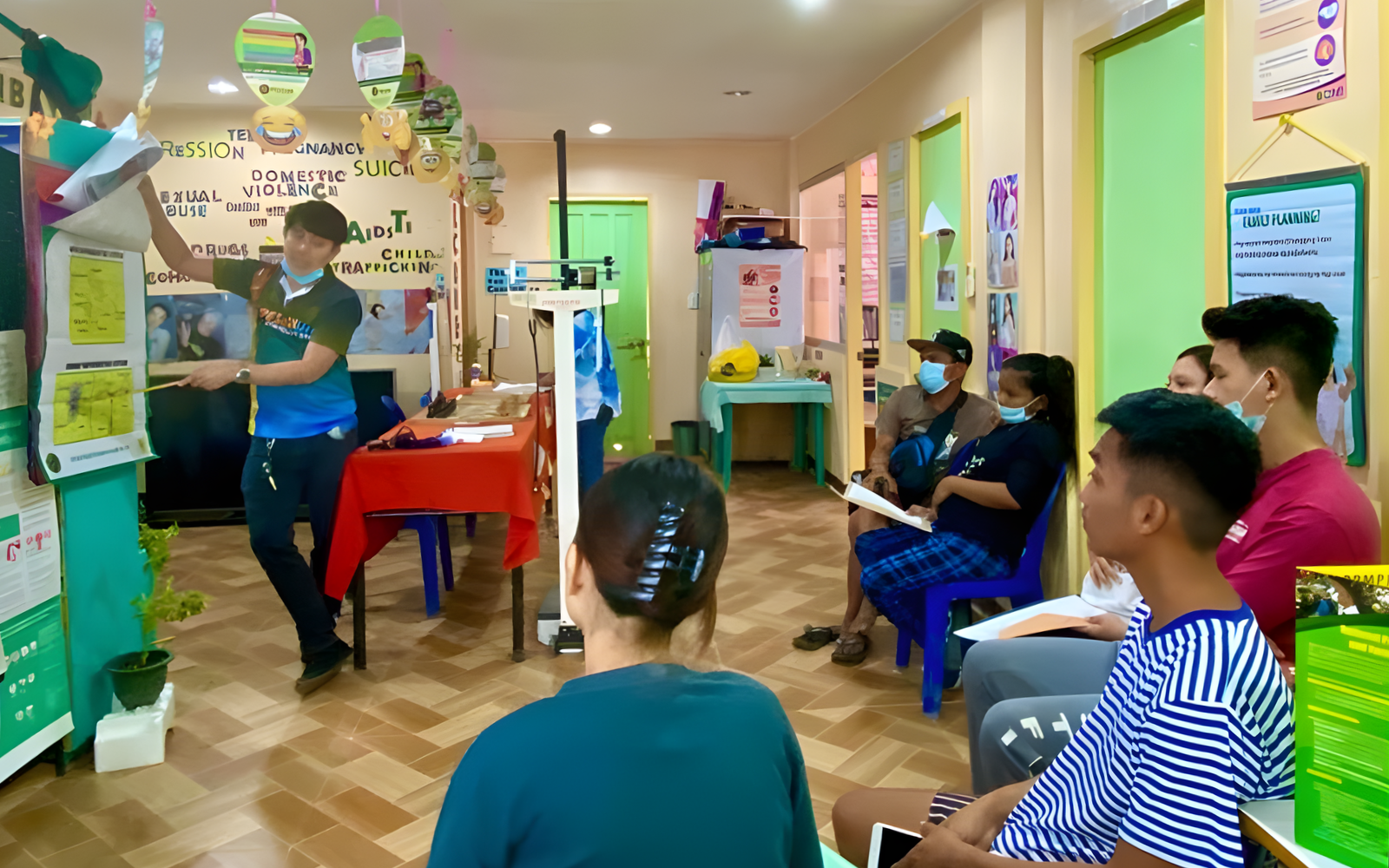
Tagum City, the capital of Davao del Norte, is a fast-growing urban center in Mindanao. Alongside its growth came persistent challenges in reproductive health, especially the unmet need for family planning (FP)—referring to women who want to delay or avoid pregnancy but are not using any modern FP method due to barriers such as limited access, lack of information, or social norms.
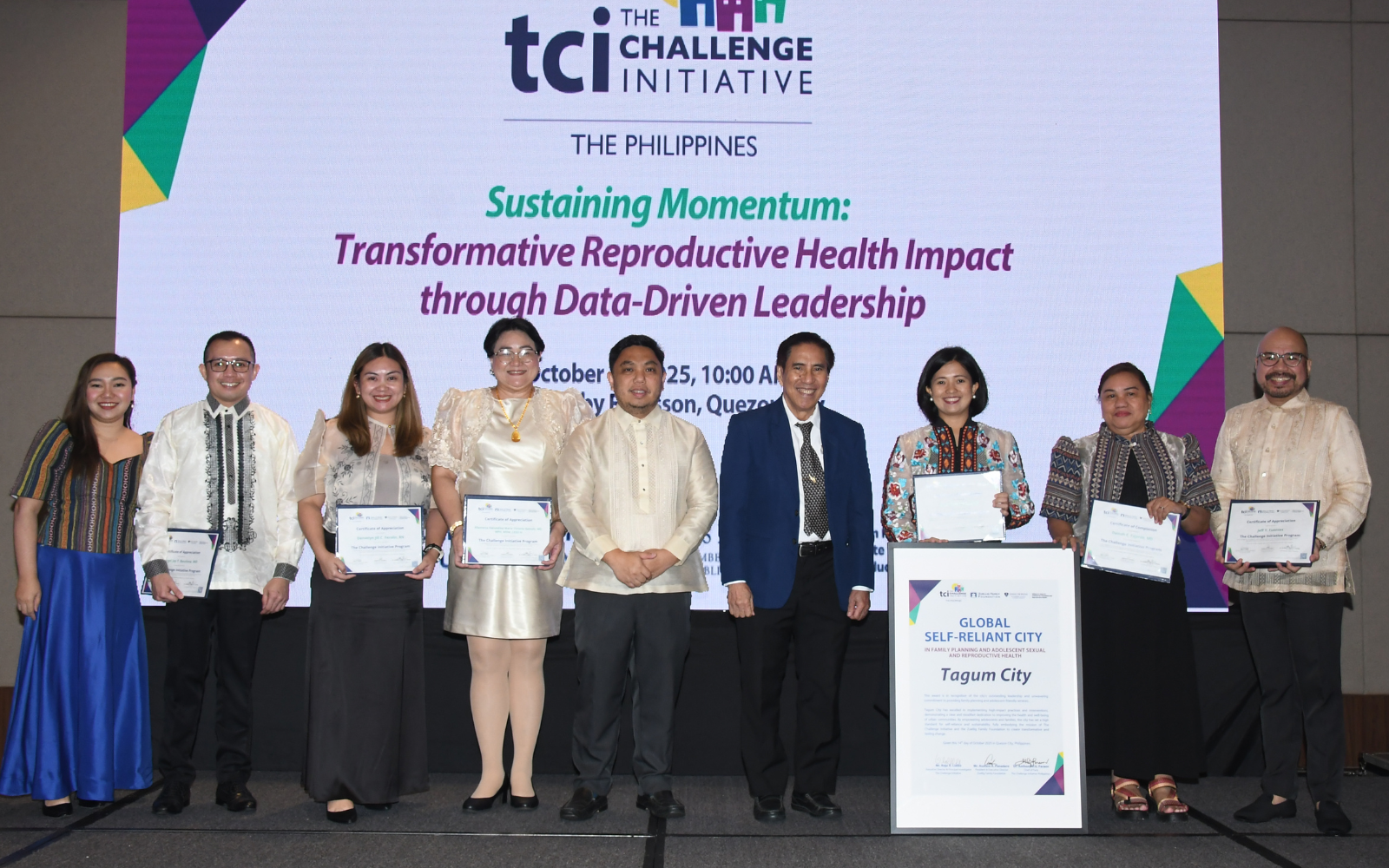
In 2023, the City Government of Tagum, under Mayor Rey Uy, partnered with the Zuellig Family Foundation through The Challenge Initiative-Philippines (TCI), the Department of Health (DOH)-Region XI, and the Commission on Population and Development (CPD)-Region XI to strengthen FP and adolescent and youth sexual and reproductive health (AYSRH) programs.
Related article:
Putting Communities and Youth at the Center
Even before TCI’s support, Tagum had community health efforts in place. However, limited resources meant these efforts were often fragmented. The city saw the need for a more coordinated and data-driven approach—one that addressed both demand for and supply of services.
Through the City Leadership Team (CLT), local offices, health providers, and community partners aligned around a shared strategy. This included Teen Tambayan Centers and the revitalized Usapan Serye, which brought structured and culturally sensitive discussions on FP and AYSRH to barangays and schools.
Youth played a key role as peer educators, especially in geographically isolated and disadvantaged areas (GIDAs). Their involvement helped normalize conversations on topics often seen as taboo.
“What began as a campus health forum for high school students has grown into a citywide movement—reaching elementary students, college youth, parents, and communities. By partnering with schools, the Parent-Teachers Association, Sangguniang Kabataan, and youth volunteers, Usapang Youth has expanded from classrooms to the streets, ensuring that health education and support truly meet young people where they are,” shared Edu Macabatas, Head of the Tagum Youth Development Office.
Community sessions complemented school-based activities. Dr. Dainah Casintahan Fajardo, City Health Division Chief, emphasized, “Because the city chooses to invest in its young people, with the help of TCI, we’ve grown from focusing only on the highest-need areas to now reaching all 23 barangays. With sustained funding for adolescents, we bring advocacy from schools to communities, ensuring every young person in Tagum is informed, empowered, and protected.”
Engaging Men and Shaping Shared Responsibility
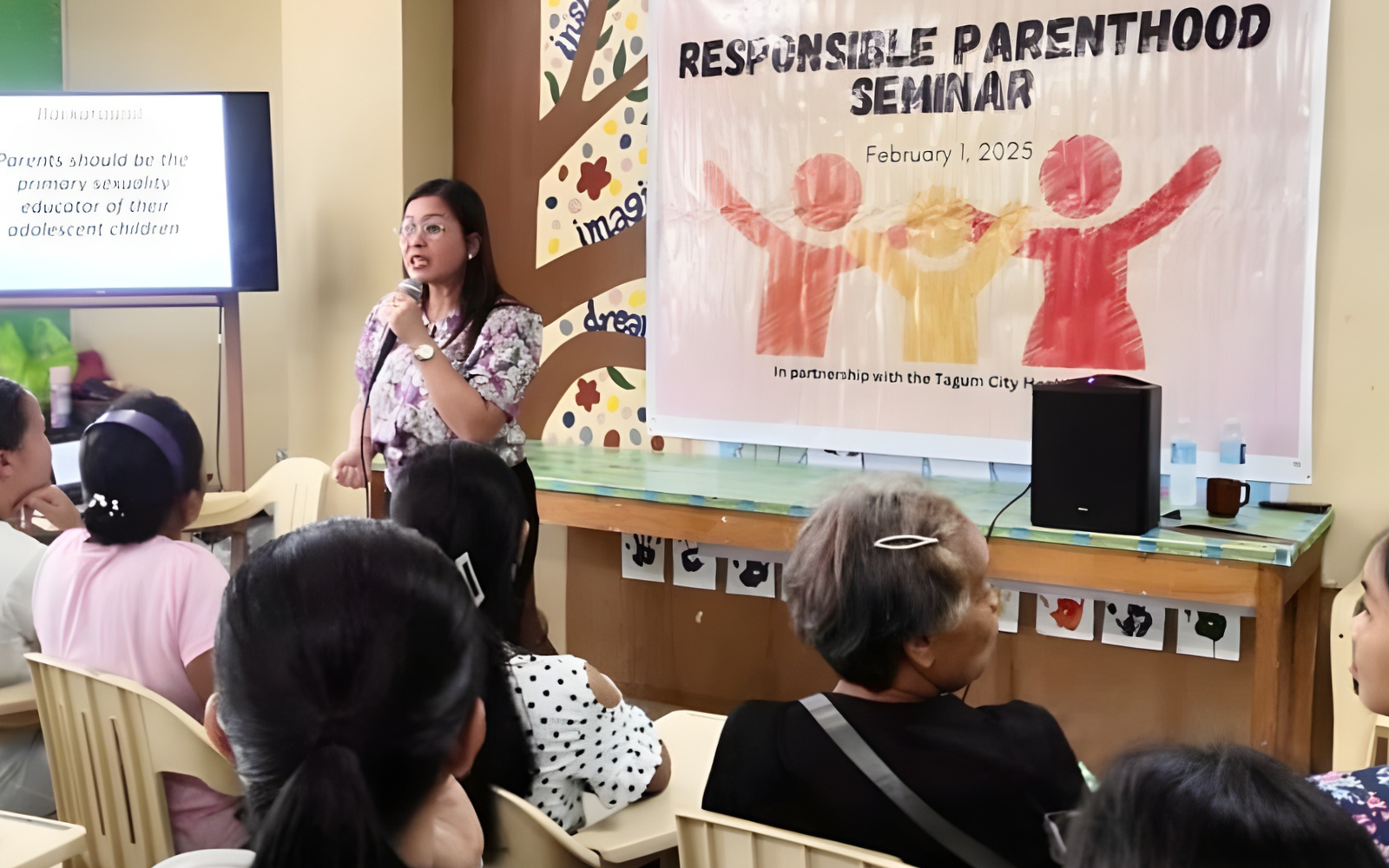
Tagum also made sure men were part of the conversation. Through KATROPA (Kalalakihang Tapat sa Responsibilidad at Obligasyon sa Pamilya) and the locally developed Mr. GAD-PEGAD (Men’s Responsibility on Gender and Development–Parent Education on Gender and Adolescent Development), male leaders were engaged on gender equality, responsible parenthood, and reproductive health.
Messages That Reach and Resonate
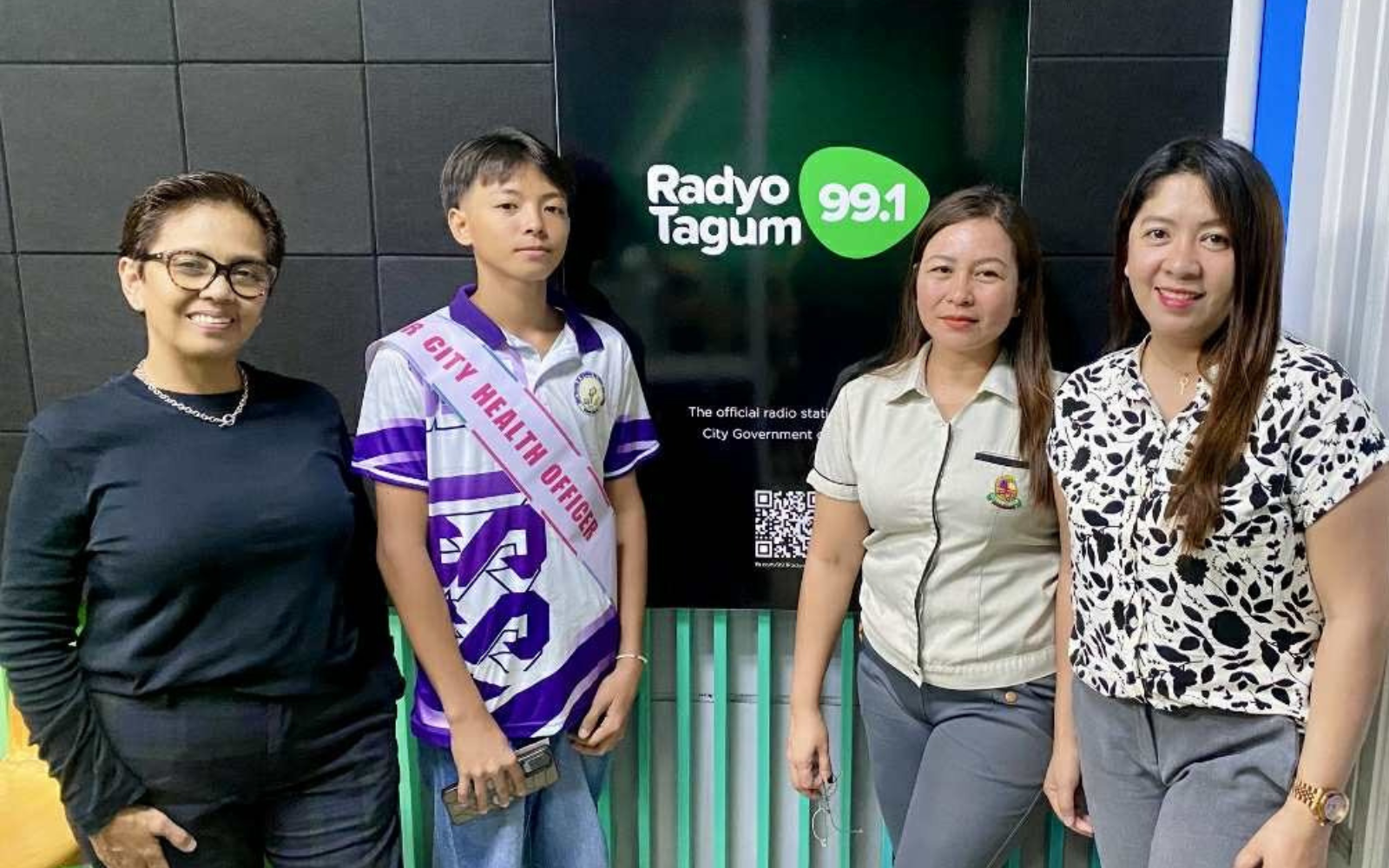
To reach more people, Tagum invested in localized communication. Radio programs, social media posts, and printed information, education, and communication (IEC) materials used local language and real stories to build trust.
“Young people are naturally curious, and their questions—no matter how unexpected—deserve clear, honest answers. With localized IEC materials in their own language, we can bridge gaps in understanding, spark meaningful conversations, and guide them toward informed choices in family planning and adolescent health,” shared Charlene Gastanes Lanoy-Osido, Adolescent Health Development Program Coordinator.
Bringing Services Closer
Access to services improved through institutionalized Fixed-Day Services (FDS) at health facilities and mobile outreach for GIDA barangays. These ensured regular availability of both short-acting and long-acting contraceptives.
The city also responded to rising human immunodeficiency virus (HIV) cases among young people by offering free testing. “Rising HIV cases remind us how vital awareness and early testing are—especially for the young. By offering free HIV testing, we turn fear into action, empowering people to know their status and protect their future,” shared City Population Officer Dulce Amor Alcaraz.
With TCI support, midwives and nurses were trained in long-acting reversible contraception (LARC), including postpartum intrauterine device (IUD) insertion.
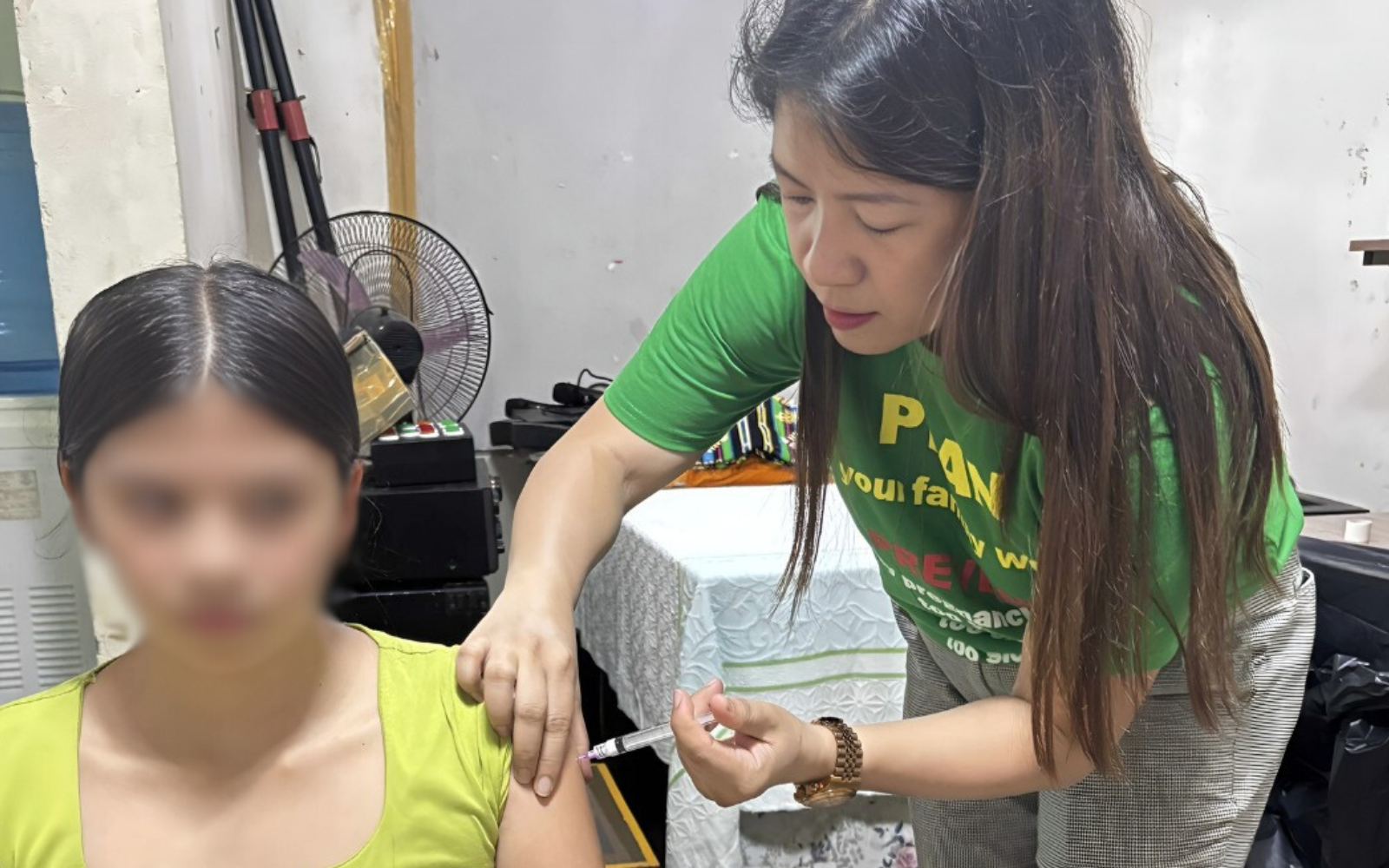
“Because of TCI’s support in training our family planning providers, services are now within reach. In every barangay, trained nurses are ready to serve, making quality care accessible right where families live. When a trained provider is just a few steps away, family planning becomes a choice everyone can freely and safely make,” Alcaraz added.
Continuous mentoring strengthened provider confidence and client-centered care. “Through Family Planning Competency-based Training (FPCBT), we’ve learned that counseling is just as important as the procedure itself. When clients fully understand their choices, they make informed decisions that protect their health and future—ensuring family planning is not just available, but truly empowering,” shared Archilee Cortado, FP Coordinator.
Results That Last
Tagum embedded FP and AYSRH into local policies, plans, and budgets—moving them beyond short-term projects. The City Health Office and City Population Office continue to lead multisectoral coordination through the CLT.
This approach led to measurable gains. The modern contraceptive prevalence rate (mCPR) steadily improved—from 35% in 2020 to 45% by 2024—exceededing the national target of 30%. The adolescent birth rate (ABR) rose from 38 per 1,000 live births in 2020 to 51 in 2022—above the benchmark of 37. By 2024, it dropped sharply to 32, meeting the national standard and reflecting the impact of sustained interventions.
Additional results include a 95% quality implementation score for postpartum FP, 83% gender integration in FP programming, and the inclusion of FP High Impact Practices in the city’s Annual Operational Plan and budget.
A Model Rooted in People
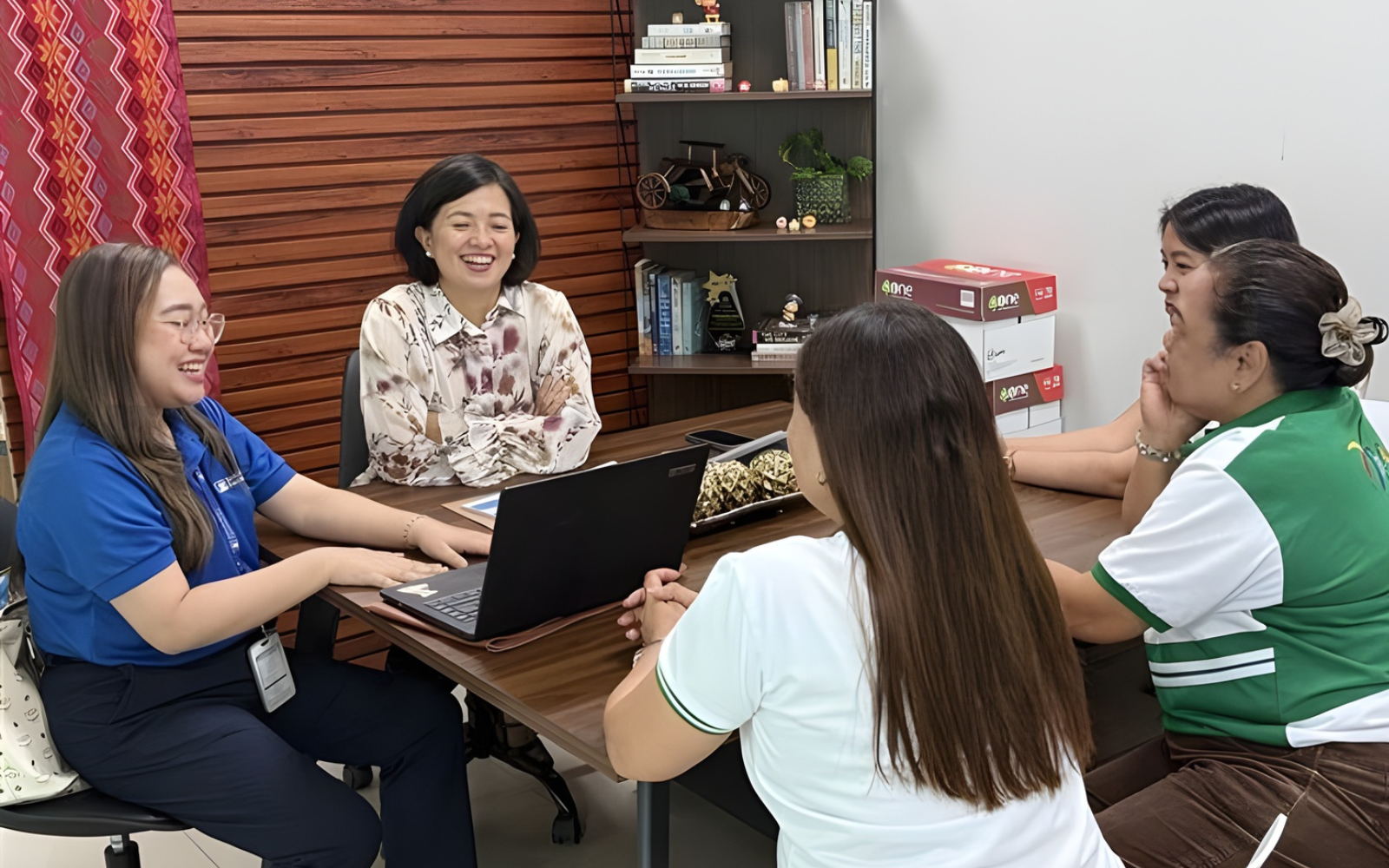
Tagum’s experience shows that lasting change begins with listening—using local language, trusted messengers, and data to guide action. By engaging youth and men, strengthening services, and embedding programs into governance, the city built a resilient and people-centered health system.
Tagum City’s journey proves that with strong local leadership and genuine community engagement, family planning can move from policy to practice—one conversation, one service, and one family at a time.
Banner photo: A Teen Tambayan Center of Tagum City