Refocusing on What Matters: Addressing the Structural Drivers of Inequity in Advancing Universal Health Care
Insights from the Field
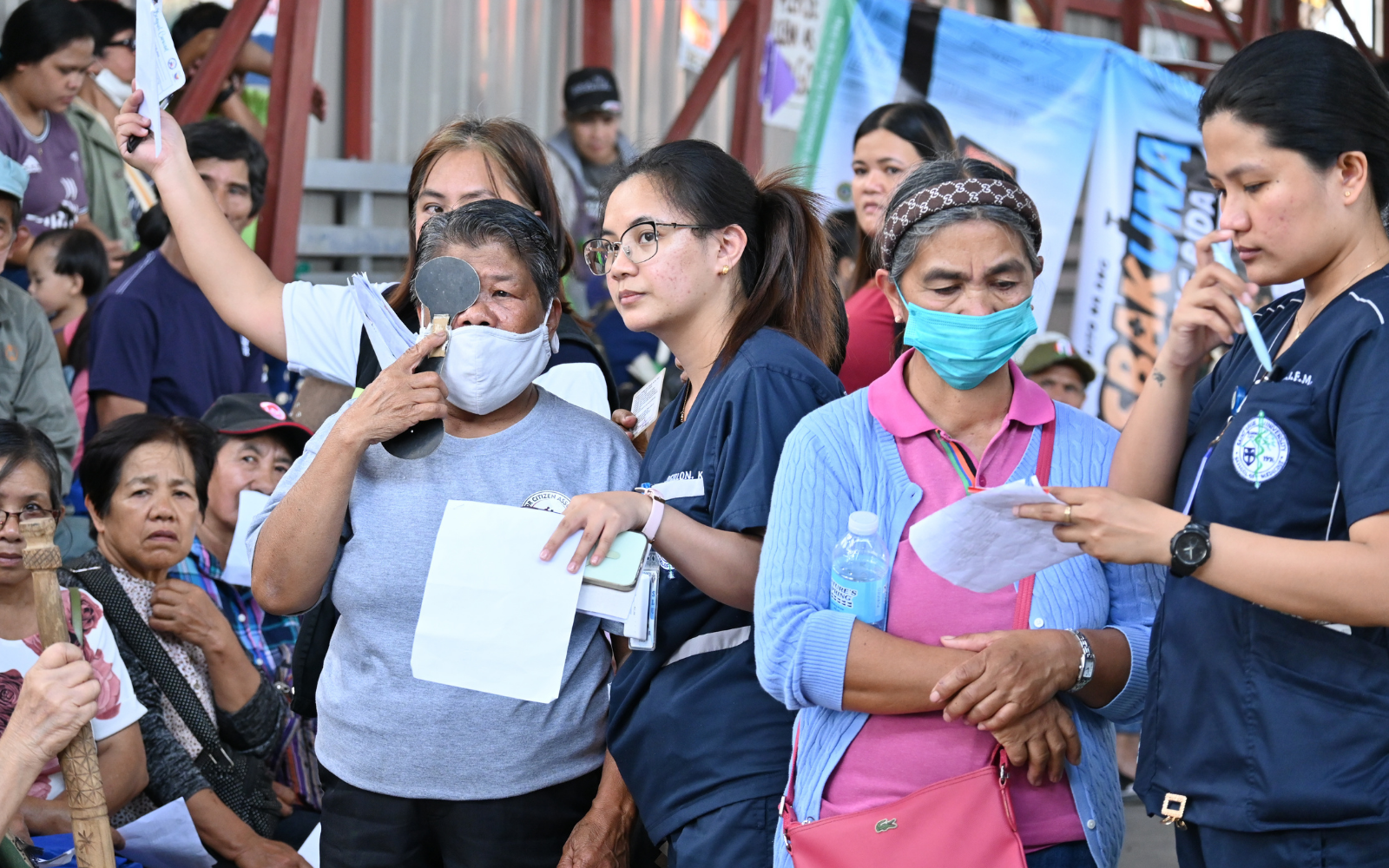
As the Philippines advances the implementation of Universal Health Care (UHC), we must stay focused on what truly matters: achieving equity for all.
The Association of Pacific Rim Universities (APRU) Global Health Conference 2025, held at Universiti Malaya in Kuala Lumpur, Malaysia, strongly echoed this call. With the theme “Towards Planetary Health Equity: A Global Call for Shared Solutions,” the conference gathered more than 400 participants from 20 countries, including the Philippines, who shared a common goal: to reimagine health systems that are inclusive, resilient, and sustainable.
Key Insights

The pre-conference session on Delivery of Health Systems with Innovation and Inclusivity emphasized that health equity demands bold and context-specific innovations that address social and environmental determinants of health. Despite ongoing efforts to strengthen primary and preventive care, many systems still face structural inequities and planetary health challenges that slow progress toward UHC.
Speakers during the main conference highlighted innovation as a powerful driver of transformation. They showcased implementation science, telemedicine, mobile medical clinics, and artificial intelligence as tools that expand access, remove barriers, and empower the health workforce. These innovations can only succeed when we pair them with adaptive learning, process improvements, and strong community ownership.
By integrating planetary health into the discussions, participants reinforced that human well-being and environmental sustainability are inseparable. Achieving equitable health outcomes therefore requires not only technical innovation but also ethical stewardship and responsible governance that ensure health systems remain inclusive, fair, and environmentally sound.
Reflections
The conference emphasized a critical insight: while we design many strategies, frameworks, and programs, health systems—including ours—often fail to confront the root causes of inequity.
 Conceptual Model for Community-Based Solutions to Promote Health Equity. Adapted from National Academies of Sciences, Engineering, and Medicine (2017). Redesigned by the Zuellig Family Foundation.
This figure reminds us to ground solutions in community realities and co-create them with those most affected by inequities.
This reflection challenges us to ask: Do we fully understand the structural drivers that sustain inequities? Do our UHC efforts respond effectively to them? And do we integrate planetary health principles to strengthen our systems for the long term?
The Philippines must go beyond expanding access to truly achieve UHC. We must transform our systems to confront inequities at their source. Policies and programs should draw from evidence, engage communities, and align with the broader vision of planetary health equity.
The Zuellig Family Foundation (ZFF) advances this vision through its local health system initiatives. ZFF empowers health leaders, strengthens governance, and fosters collaboration across sectors. Lessons from the APRU Global Health Conference 2025 affirm that the path toward UHC must remain people-centered and planet-conscious, ensuring that no one—and no community—is left behind.
View the full presentation here