Starting the Conversation on Stronger Adolescent Pregnancy Prevention in Ormoc City
Insights from the Field

“We just need to start. It doesn’t have to be a perfect plan.”
Ormoc City Mayor Lucy Torres-Gomez shared these words of encouragement with local government staff as they discussed preventing pregnancy among children aged 10 to 14 during the inception meeting with the Zuellig Family Foundation (ZFF) on October 27, 2026. Her message stressed taking practical steps while allowing room to learn and improve.
Ormoc City is one of the pilot sites of ZFF’s Kabataang Protektado Leadership and Governance Program (KPLGP), which aims to strengthen local systems for preventing very early adolescent pregnancy among children aged 10 to 14. The meeting brought together representatives from city offices, the Provincial Department of Health Office-North Leyte, academe, and civil society organizations (CSOs) to discuss existing initiatives, implementation challenges, and learning needs.
Related articles:
- Beyond the Referral: Connecting Adolescents to Coordinated Care in Quezon City
- It Takes a Village: Lessons from Valenzuela City’s Whole-of-System Approach to Protecting Children and Adolescents
- Listening Earlier, Protecting Earlier: Lessons from Quezon City’s Efforts to Support Adolescents
Mayor Gomez raised concerns about HIV and related stigma among adolescents, sexual exploitation, and identifying groups needing more focused support. She also cautioned against concentrating on data without taking action afterward—a reminder that efforts to understand children’s circumstances must ultimately inform concrete responses.
 Ormoc City Mayor Lucy Torres-Gomez
Understanding what happens after an intervention
Data management and monitoring, evaluation, accountability, and learning (MEAL) emerged as recurring priorities. Participants identified opportunities to strengthen how existing programs and awareness activities are monitored and how their results inform subsequent interventions.
Their questions went beyond how many activities had been conducted: What happens after awareness raising? Are adolescents connected to services? Are interventions helping address their needs? What should local offices adjust?
Donald Bryan Angayan from the Office of City Councilor Caren Torres Rama noted the need for information that can support evidence-based policies, budgets, and program decisions. Elsie Jaca, Development Management Officer of the Leyte’s Provincial Department of Health Office raised practical questions about adolescent profiling, including who will conduct it and how findings will be analyzed and used. The adaptation of the fifth Young Adult Fertility and Sexuality Study (YAFS5) was discussed as a possible reference to inform this work, with arrangements for local profiling still to be clarified.
For ZFF, these exchanges showed how data management connects with the capacity to interpret findings, decide on a response, and monitor what follows.
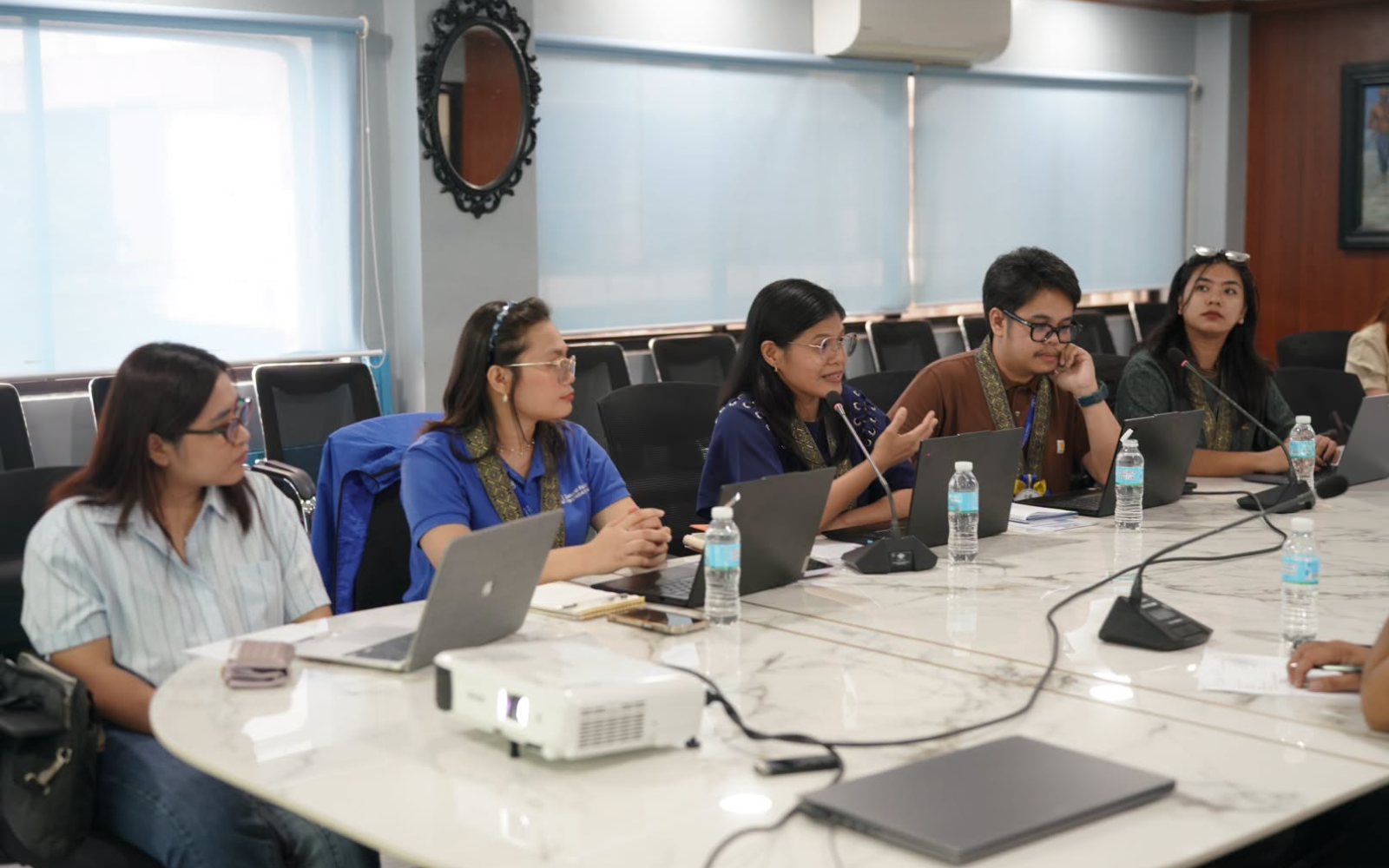 ZFF Adolescent and Youth Sexual and Reproductive Health (AYSRH) team led by Dr. Christel Lachica
Building on local leadership and multisectoral collaboration
The discussion brought out opportunities to build on the expertise of city offices through leadership development focused on adolescent pregnancy prevention. Participants explored how their respective mandates and experience could contribute to a coordinated response for children aged 10 to 14.
A key consideration was how to organize these contributions, monitor progress, and support follow-through. Participants identified the Integrated Population, Gender and Development Office (IPGDO) headed by Jenecile Parambita as well positioned to consolidate and analyze data from city offices. Other offices and stakeholders can share information and offer perspectives on the health, family, education, and protection concerns affecting adolescents.
These exchanges helped inform KPLGP’s proposed support for local teams in strengthening shared leadership, clarifying complementary roles, and developing practical mechanisms for coordination and accountability.
Supporting changes in mindsets and practices
Jenny Marx Apit, Vice President for Academic Affairs of City College of Ormoc, called for engaging students, parents, teachers, and other school personnel in examining the attitudes and practices that shape how they support adolescents. Her remarks pointed to a role for behavior change facilitation in schools and communities.
Participants also discussed how adolescent pregnancy intersects with HIV vulnerability, early informal unions involving children, sexual exploitation, family circumstances, and education. Understanding these connections can help local teams design responses suited to children’s different needs.
Dr. Carmelino Bernadas, Schools Division Superintendent of the Department of Education-Ormoc City, called on parents and guardians to serve as partners. Furthermore, Apit identified ways the academic sector can contribute to youth platforms and parenting initiatives. Mark Angelo Bernardo, Executive Director of Eclipse Inc., an Ormoc City-based civil society organization, noted that the organization can provide technical assistance in budgeting and data management.
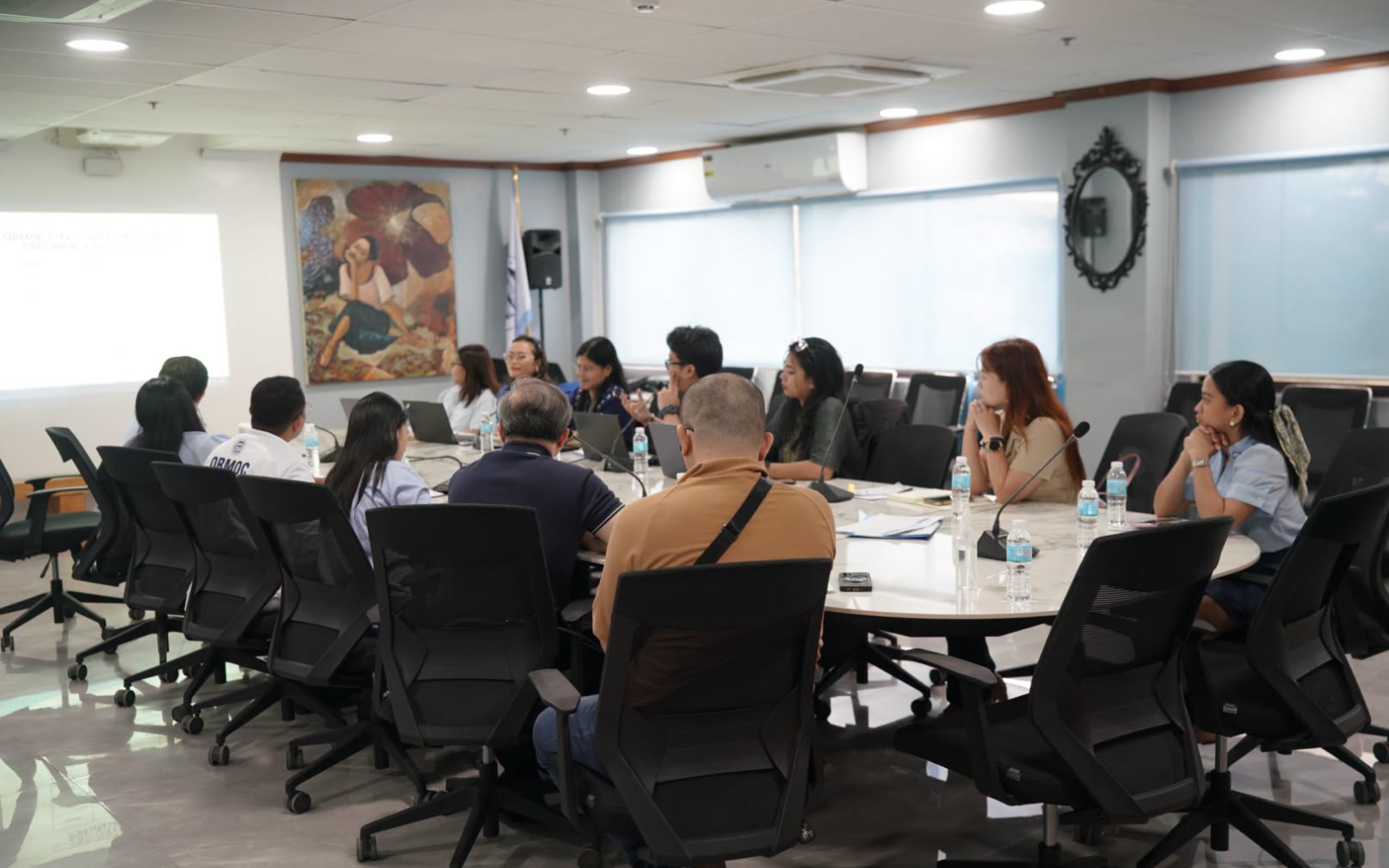 Representatives from city offices, health, academe, and civil society exchange insights on existing initiatives, data gaps, and coordination needs for preventing pregnancy among children aged 10 to 14.
Learning from local realities
The meeting showed how grounding program development in local experiences adds value. Participants shared existing initiatives, identified opportunities to build on their work, and explored areas where additional learning and technical support could be useful.
For ZFF, these insights will help inform KPLGP’s learning design and proposed technical support in leadership, data use, MEAL, behavior change facilitation, and multisectoral coordination. The discussions also highlighted opportunities to extend the reach of existing efforts by giving more deliberate attention to the distinct needs of children aged 10 to 14.
As formal arrangements and program activities continue to be developed, the dialogue in Ormoc City offers a starting point for shared learning and for identifying practical ways to strengthen adolescent pregnancy prevention and child protection.
Photos from the City Government of Ormoc Facebook page.