It Takes a Village: Lessons from Valenzuela City’s Whole-of-System Approach to Protecting Children and Adolescents
Insights from the Field
Preventing adolescent pregnancy among younger adolescents requires more than health services. It calls for communities where children are protected, families are supported, and institutions work together to respond before risks become crises.
Valenzuela City’s experience offers valuable insights into what this collective effort can look like.
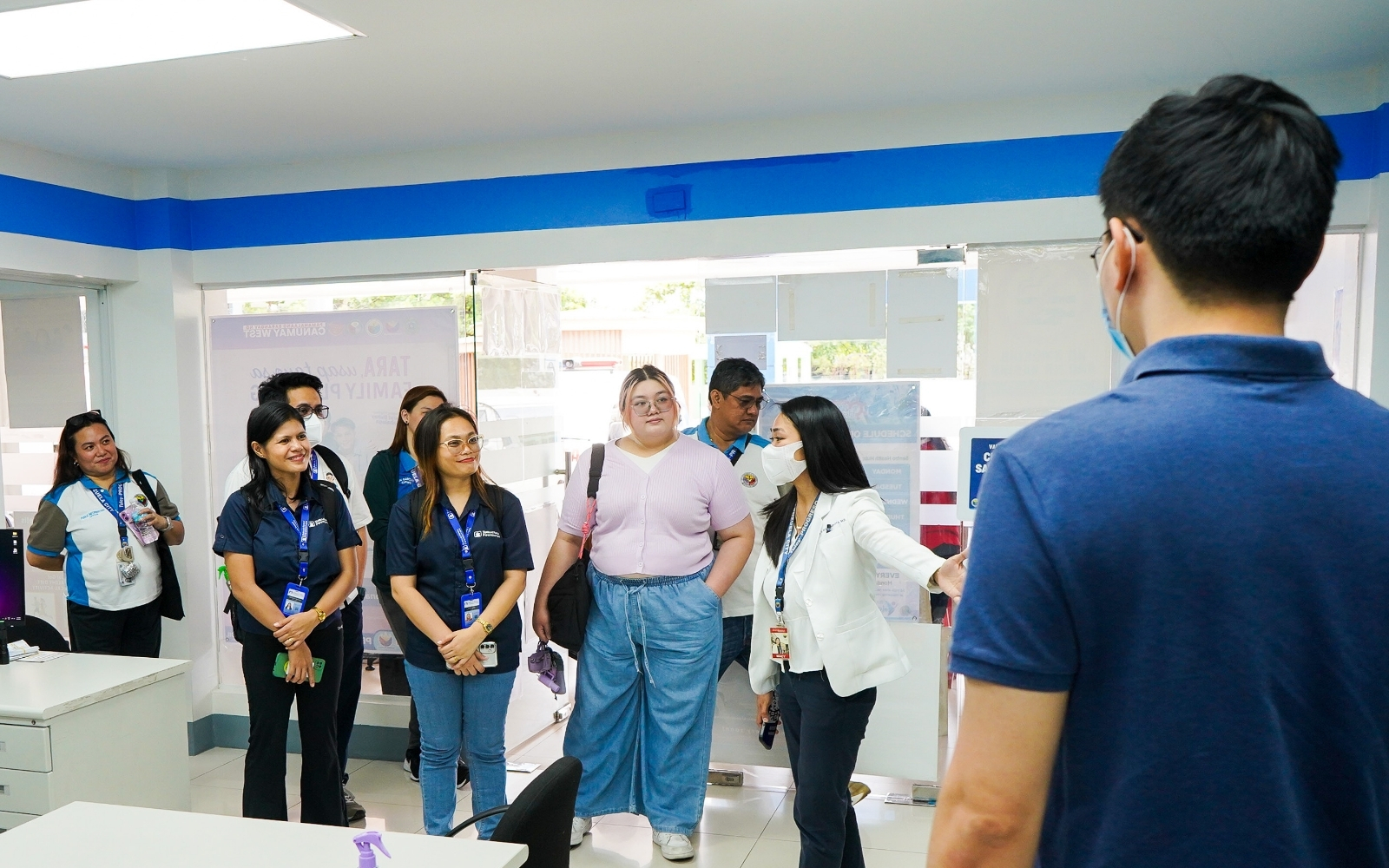
Photo above: The Zuellig Family Foundation (ZFF) Adolescent and Youth Sexual and Reproductive Health (AYSRH) team tours the Valenzuela Sentro Health Hub, witnessing how the city integrates adolescent-friendly health services into its broader child protection system.
Local Civil Registry data reflect encouraging progress. Live births among girls aged 10 to 14 remained low, with five cases in 2023, none in 2024, and six in 2025. Births among adolescents aged 15 to 19 also declined substantially from 218 in 2023 to 136 in 2025. Yet city leaders emphasize that every pregnancy among younger adolescents represents a child in need of protection, making even a single case one too many.
This perspective has shaped how Valenzuela City designs its response placing child protection, rather than adolescent pregnancy alone, at the center of its interventions.
Related articles:
- Listening Earlier, Protecting Earlier: Lessons from Quezon City’s Efforts to Support Adolescents
- Ground-Level Insights on Adolescent and Youth Sexual and Reproductive Health from Paranas, Samar
One important learning from the Valenzuela City Child Protection Center (CPC) is that even the language used in adolescent pregnancy prevention can shape how children are viewed and supported. Dr. Soidemer Claire Grecia, Pediatrician and Child Protection Specialist of Valenzuela City CPC, explained, “For 10 to 14-year-olds, we should not use the term family planning because they are not expected to be planning a family—they should be studying.”
This seemingly small shift in language reflects a larger shift in perspective. Children aged 10 to 14 should first be recognized as children—with rights to protection, education, and healthy development. Framing interventions through a child protection lens helps ensure that programs, messages, and services remain developmentally appropriate and responsive to their realities.
The experience underscores an important lesson for local governments: preventing pregnancy among younger adolescents is not solely a health concern but a child protection and governance issue. Effective strategies require coordinated leadership across sectors, with health, education, social welfare, justice and communities working to prevent risk before they escalate into harm.
Across the city, this perspective is reflected in a network of coordinated initiatives involving multiple sectors.
Health services are supported by 49 adolescent-friendly facilities, adolescent health focal persons, and more than a hundred dedicated staff known as barangay population managers who are trained to help bring information and services on adolescent health closer to communities. At the same time, youth listening sessions and youth organizations provide opportunities for adolescents to express their concerns and contribute to programs designed for them.
Child protection is likewise strengthened through close collaboration among schools, health facilities, social welfare offices, barangays, law enforcement agencies, civil society organizations, and the justice sector. Schools serve as important referral points for children needing protection, while partnerships with organizations and offices such as LAMP-SINAG (Libreng Abogado Para sa Maralitang Panlungsod-Sumbungan ng Inaaping Nanay, Anak, at Ginang) help ensure legal assistance for child victims throughout court proceedings.
Prevention efforts also begin early, recognizing that safe and nurturing homes are essential to children’s healthy development. Personal Safety Lessons are introduced in daycare centers and schools to teach children about body safety, protective behaviors, and help-seeking skills. Parents and caregivers are engaged through parenting modules which the local government customized based on inputs from partner non-government organizations and the Department of Social Welfare and Development (DSWD).
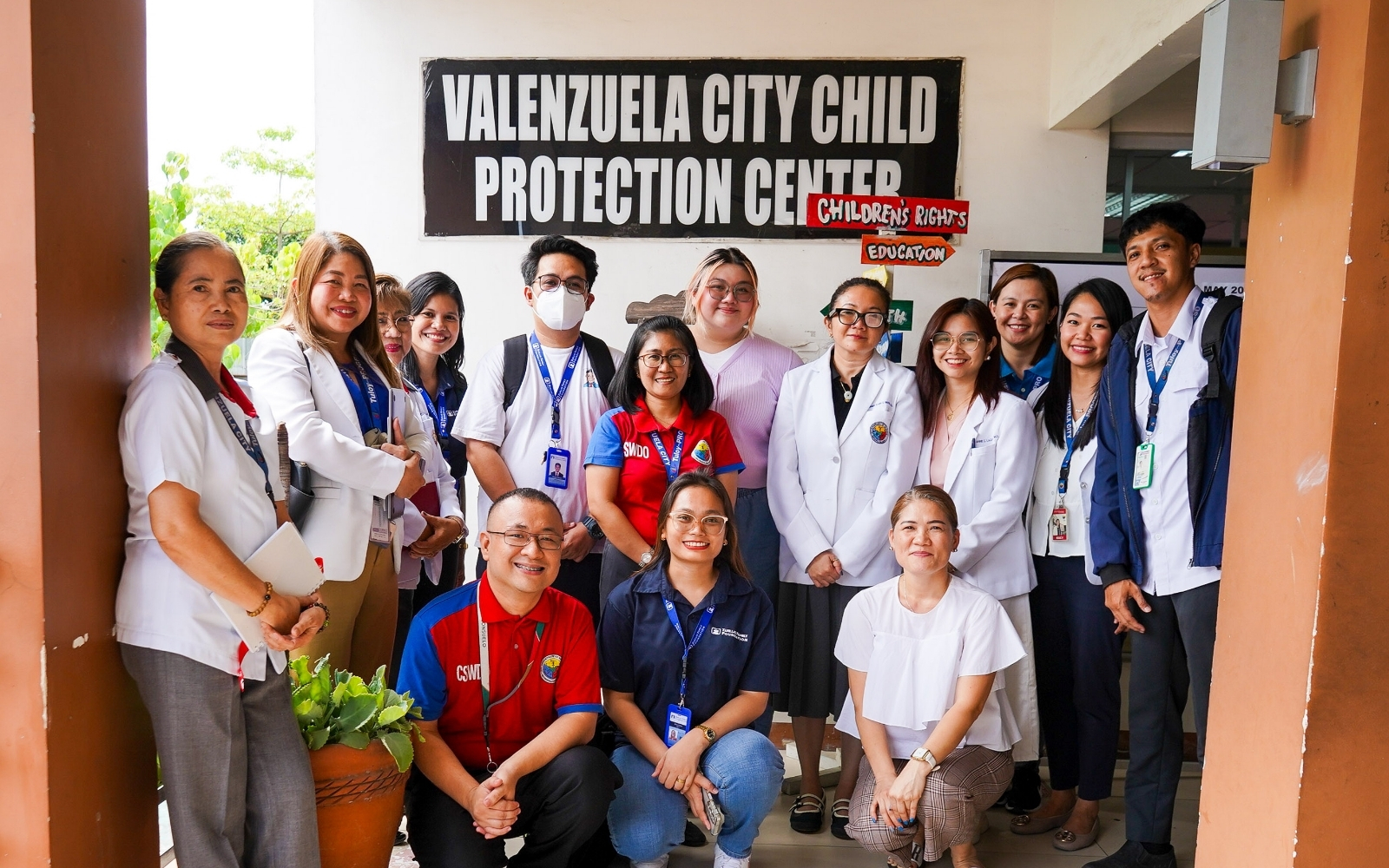 Photo above: At the Valenzuela Child Protection Center, the ZFF AYSRH team meets the people who turn the city’s whole-of-system vision into action for every child.
According to Kristina Ramos, head of the Valenzuela City CPC, “‘Pag nakalubog ka talaga dito, malalaman mo ang needs ng parents.” (Once you are fully immersed here, you will know the needs of the parents.) Parenting initiatives are taught through the Nanay-Teachers Camp in collaboration with the day care center teachers. These initiatives reflect an understanding that preventing adolescent pregnancy cannot rest on one office or one program alone. It requires a coordinated system where different sectors contribute according to their roles while keeping the best interests of the child at the center.
Valenzuela City’s experience also highlights that strong systems continue to face evolving challenges. Local leaders pointed to issues such as the influence of social media, peer pressure, migration, and the emotional demands placed on frontline workers. High attrition in learning sessions and rapid turnover among social workers require continuous innovation—from providing transportation support for participants to ensuring that critical positions are filled quickly so that services remain uninterrupted.
Rather than slowing progress, these challenges have reinforced the city’s commitment to continuous learning and adaptation. Local stakeholders continue to refine programs, strengthen partnerships, and explore new ways of responding to the changing realities faced by children, adolescents, and families.
One lesson stands out from Valenzuela City’s experience: protecting younger adolescents is not the responsibility of a single institution. It is a shared commitment among families, schools, communities, service providers, civil society, and local government.
When every sector plays its part, children are better protected, families become stronger sources of support, and communities are better equipped to ensure that every young person can grow, learn, and thrive in a safe and nurturing environment. The city’s experience reminds us that protecting children is never the work of one institution, it truly takes a village.
Comments
Ma. Kristina C. Ramos, RSW, MPA
1 months agoThank you ZFF for your kind appreciation and sharing your experience with us to everyone! We hope and pray that we can upscale what we are doing right for the Filipino children. Mabuhay po kayo!