Ground-Level Insights on Adolescent and Youth Sexual and Reproductive Health from Paranas, Samar
Insights from the Field
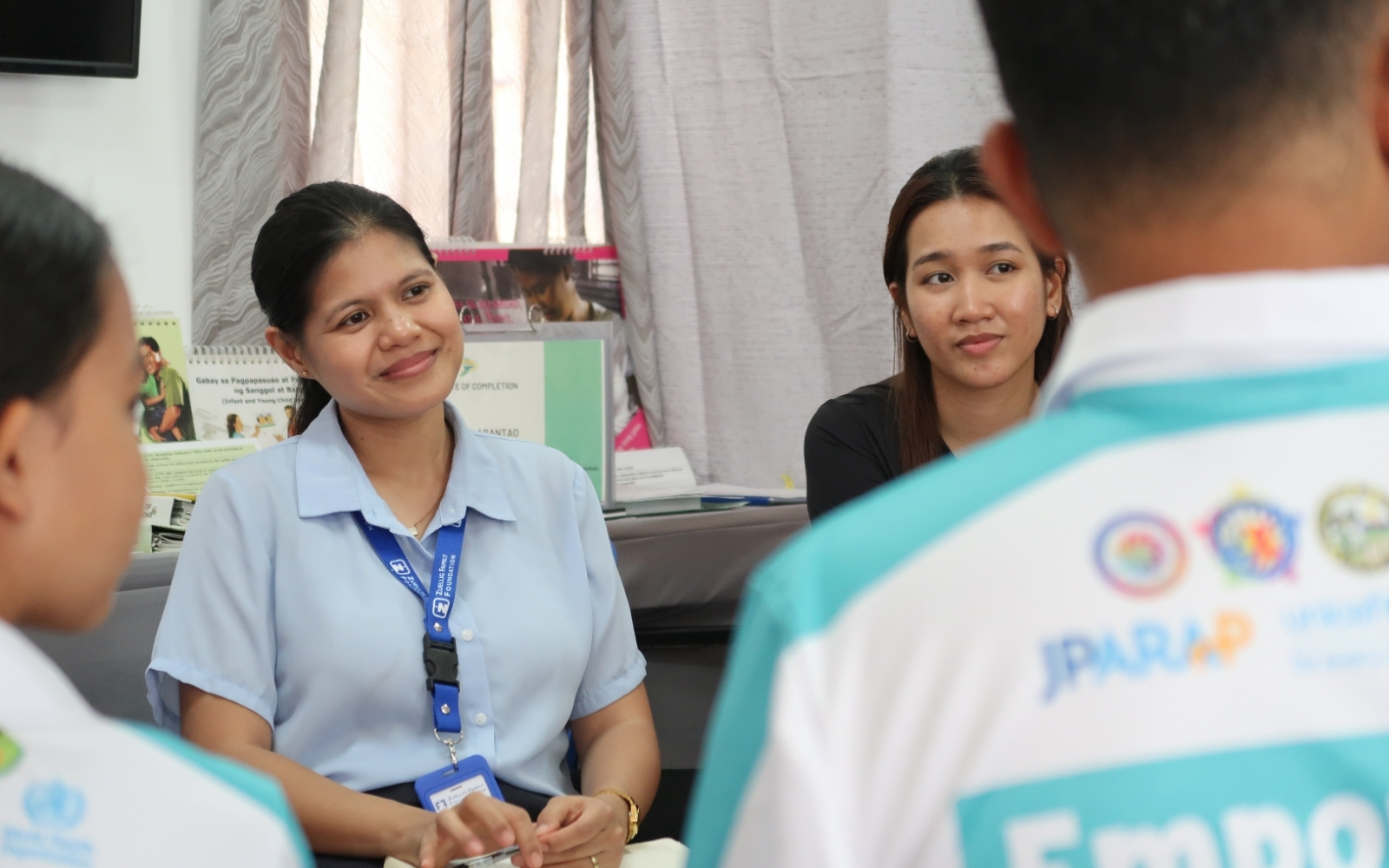
The Zuellig Family Foundation (ZFF) sharpened its work on adolescent and youth sexual and reproductive health (AYSRH) by prioritizing age-specific approaches, focusing on preventing pregnancies among girls aged 10 to 14 and reducing adolescent pregnancies among those aged 15 to 19. This direction reflects ZFF’s commitment to delivering responsive, evidence-based interventions that meet the evolving needs of adolescents and local government unit (LGU) partners.
To support this work, ZFF conducted a landscape analysis to review current approaches and identify opportunities to strengthen strategies for very young adolescents. The analysis seeks to deepen understanding of existing systems, gaps, and enabling factors that shape adolescent protection and health outcomes.
As part of this process, ZFF engaged key stakeholders and examined initiatives that contribute to adolescent protection and development. These include community-based mechanisms and organizations focused on child protection, family strengthening, and adolescent-focused programming, including efforts to support and strengthen Local Councils for the Protection of Children (LCPCs).
In Paranas, Samar, ZFF interviewed local leaders and the Paranas Peer Educators to learn from their experiences. These conversations yielded insights on effective practices, enabling factors, and challenges in preventing very early adolescent pregnancy and promoting adolescent protection at the community level. These learnings will help refine ZFF’s work on AYSRH and guide the design of future interventions.
A Local Reality: The Case of Paranas
Paranas, Samar, offers a clear window into adolescent vulnerability at the local level.
For years, many children remained unheard, and existing programs did not adequately prioritize their needs. Adolescent concerns often fell behind other local priorities—particularly livelihood programs—while health and protection issues received less attention. Service delivery also suffered because some providers remained reluctant to address adolescent concerns.
Over time, these gaps became more visible. Cases of adolescent pregnancy, malnutrition, and children at risk rose steadily—challenges rooted in persistent poverty, limited access to education, and gaps in prioritizing adolescent-focused interventions within local governance.
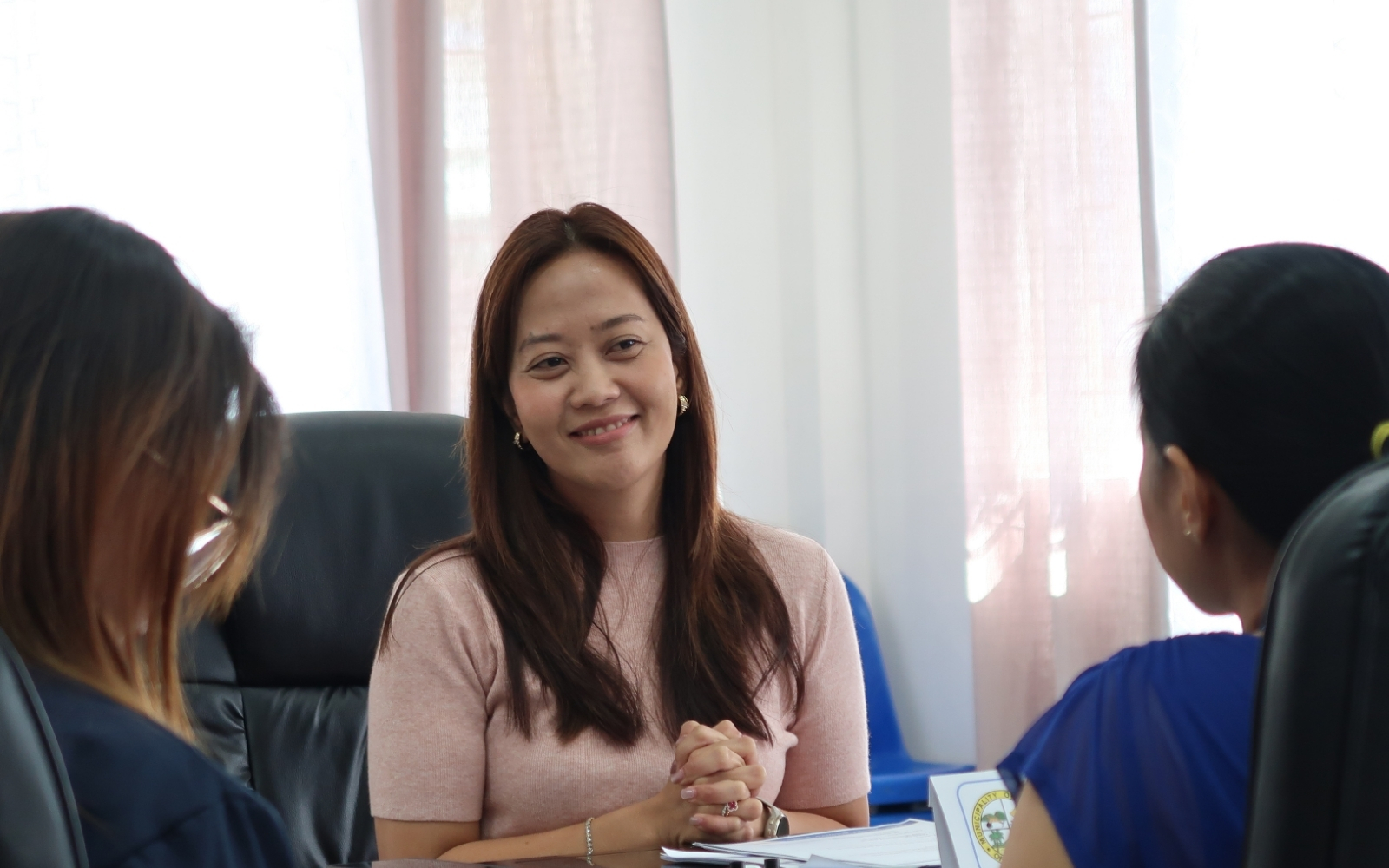
“We focused on giving more sustainable livelihood programs, as we perceived that it was the major problem. So the prioritization for programs for the youth and children was not given top consideration by the LGU,” reflected Vice Mayor Eunice Babalcon.
But emerging local data revealed alarming trends, including a surge of 80 adolescent pregnancy cases during the pandemic—placing Paranas among the municipalities with the highest incidence. The data made the urgent need for a strategic shift unmistakable.
Leadership in Action: Translating Insights into Local Ownership
For local leaders in Paranas, this situation became an opportunity to rethink how programs are designed and sustained.
Vice Mayor Babalcon emphasized: “The learnings we gained from ZFF’s Health Leadership and Management Program guided me in putting data into action. When we saw that an intervention introduced to us was effective, the local government takes full ownership. We institutionalize it through local policies, integrate it into our plans and budgets, and continuously adapt it to our community context to ensure sustained impact.”
This marks a shift toward stronger governance—where effective interventions move beyond implementation to become embedded within local systems, supported by local financing, and continuously adapted to meet evolving needs.
Voices from the Ground: Youth as Partners in Change
At the community level, Paranas also demonstrates the vital role young people play in addressing adolescent issues.
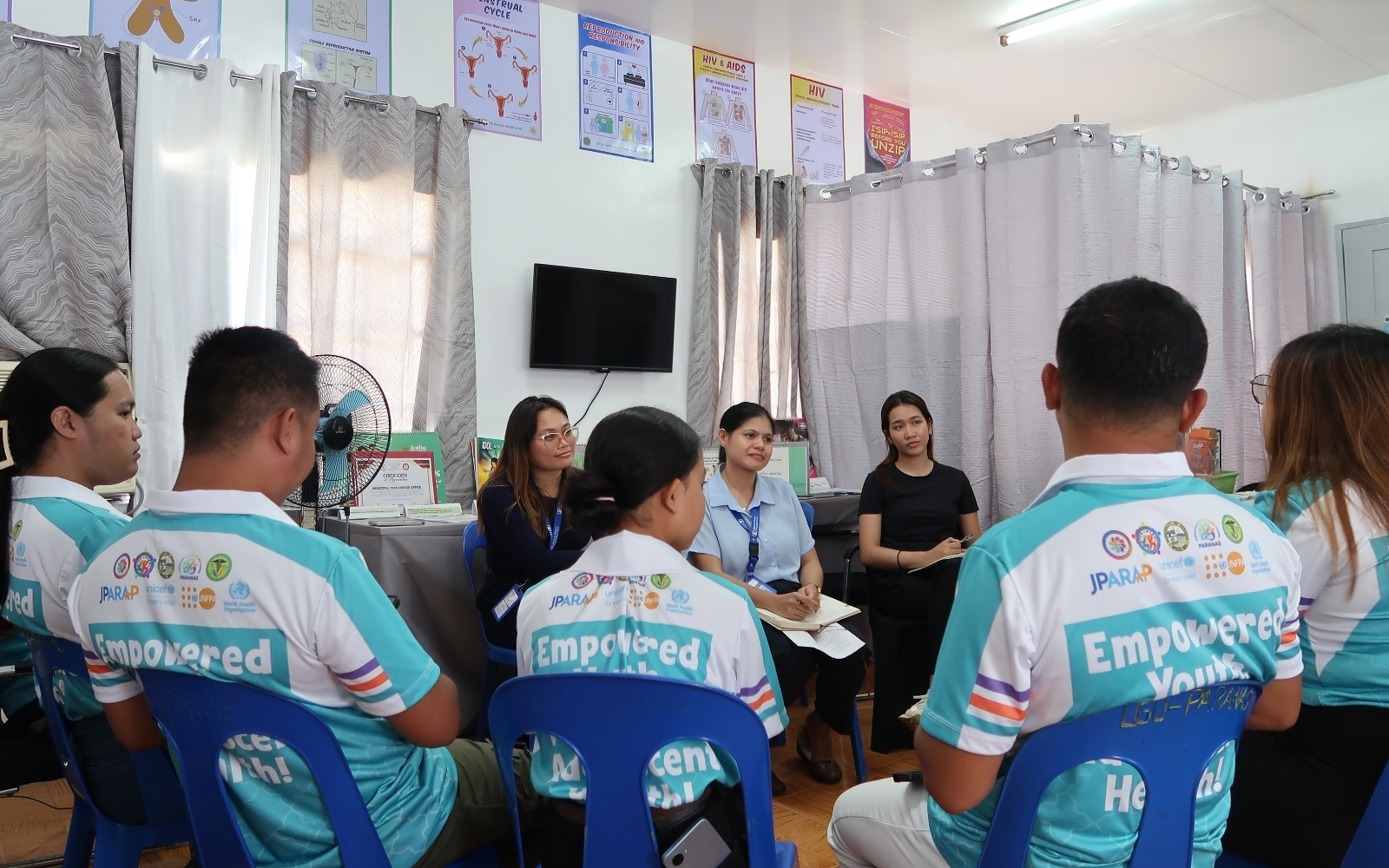
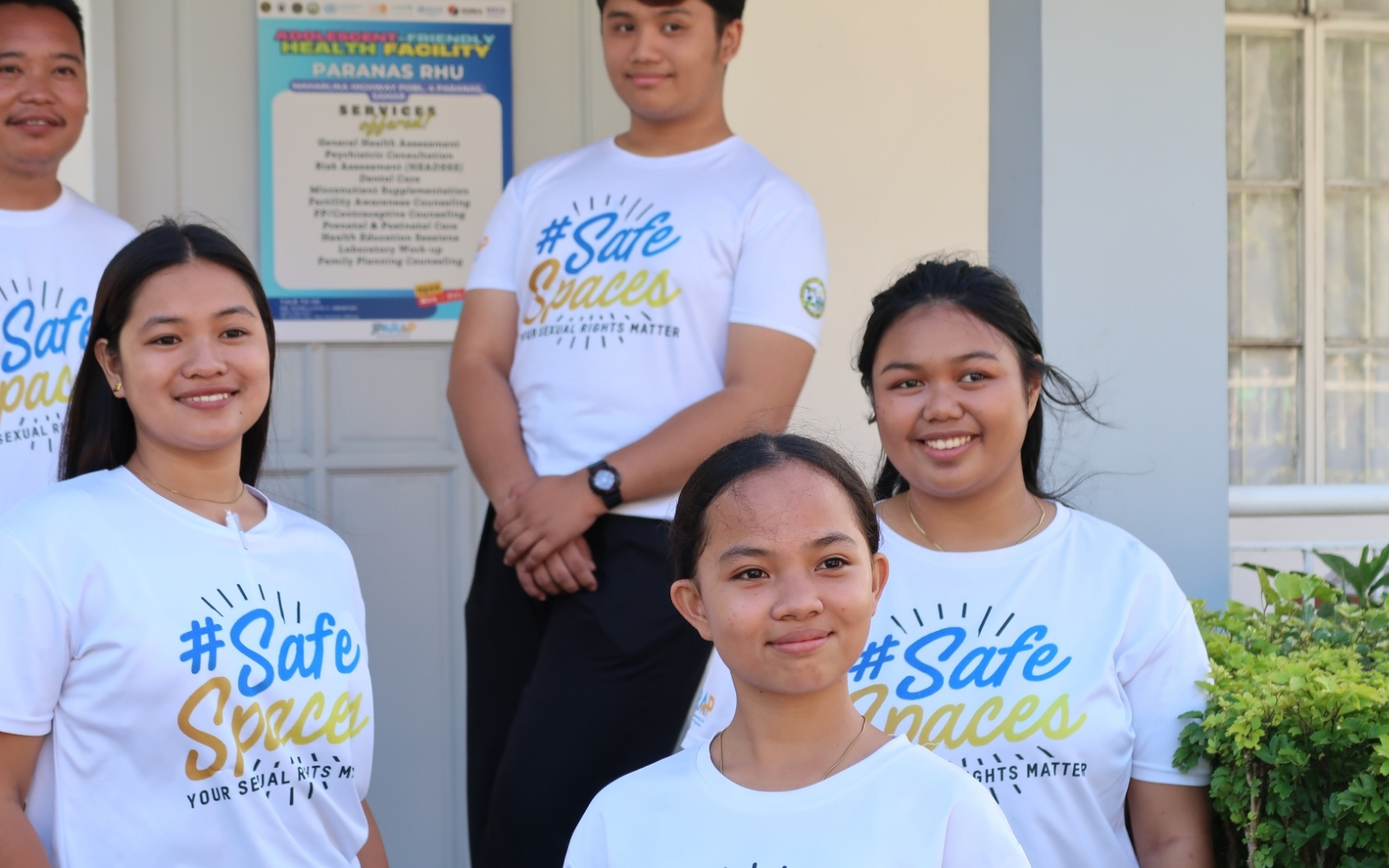
The Paranas Peer Educators, established through earlier initiatives, now take on key roles in promoting adolescent health and protection. Through barangay outreach, school-based sessions, and participation in the Baranggayan—a quarterly municipal initiative that delivers health and child protection services to every barangay—they raise awareness about adolescent pregnancy, mental health, and protection issues.
Their experiences underscore the value of peer-led approaches: young people are more open and receptive when learning from fellow youth who share their realities.
At the same time, the Peer Educators continue to navigate challenges such as stigma, resistance from some parents, limited funding, and difficulty engaging certain groups. These realities point to systemic gaps that the ongoing landscape analysis continues to explore—and reinforce the need for sustained, multi-sectoral responses.
From Learning to Action
Although the landscape analysis remains ongoing, the experience of Paranas already offers valuable lessons for developing responsive, context-specific interventions.
It shows that addressing adolescent vulnerability—particularly among 10 to 14-year-olds—requires more than isolated efforts. It demands strong local leadership, integrated systems, active youth engagement, and sustained ownership at the LGU level.
As ZFF continues to refine its AYSRH work—grounding it in evidence and local realities—learnings from communities like Paranas help shape more responsive approaches to protecting and supporting adolescents.
Comments
ED JOSE
6 months ago"challenges rooted in persistent poverty, limited access to education, ........" I AM so happy to see/read this article. You mentioned these 3 roots but again what is the underlying cause of these 3 roots - poverty, limited access to educ, adolescent-focused. . . . ? My 2 CENTS: Unless we focus on THE SPIRITUAL NEEDS of the FAMILY & the CHILD - we will go around in circles wasting time & other precious resources. Want 2 Change the Child's Future/Envirnment? CHANGE their MIND & HEART Romans12:2