Zuellig Family Foundation and Sulu Integrated Provincial Health Office Discuss Health System Strengthening
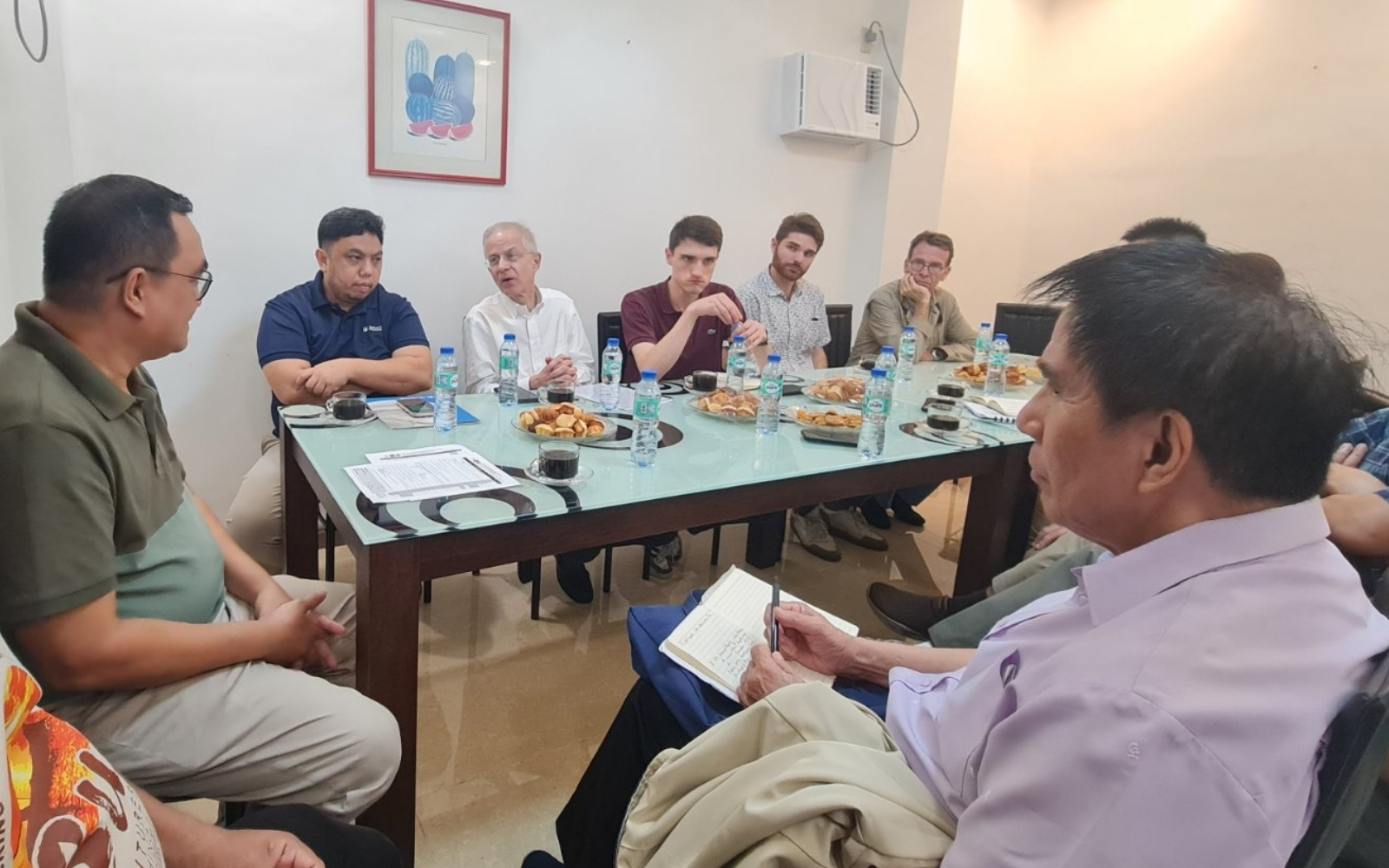
The Zuellig Family Foundation (ZFF) Board of Trustees met with the Sulu Integrated Provincial Health Office (IPHO) to discuss pressing health system challenges and opportunities for collaboration. Dr. Nhamier Jikiri, IPHO officer-in-charge, and Dr. Reynaldo Pescadera, Medical Officer, led the discussions, highlighting key health issues in the province and ongoing efforts to improve services at the Sulu Provincial Hospital and Rural Health Units (RHUs).
2025 will be a transitional year for IPHO as it is set to be transferred from the Bangsamoro Autonomous Region in Muslim Mindanao (BARMM) to the Provincial Government of Sulu. While the transition is mandated for full implementation by 2026, there is a strong desire among local health leaders to remain under BARMM due to the Ministry of Health’s support, which has facilitated improvements in the province’s health sector. Dr. Jikiri expressed concerns about the preparedness of the IPHO for this transition and the risks associated with its separation from BARMM at this time.
Expanding Hospital Services and Addressing Medicine Shortages
Dr. Jikiri shared that efforts are underway to enhance the Sulu Provincial Hospital’s capacity, including the establishment of an Intensive Care Unit (ICU). However, a persistent challenge is the shortage of medicines, particularly for tuberculosis (TB). Dr. Pescadera, who is also the TB Program Coordinator, shared that delays in medicine deliveries have led to an increase in drug-resistant TB cases, posing a serious public health risk.
Nutrition Challenges and Community-Based Interventions
On nutrition, Dr. Jikiri explained that the hospital primarily provides curative care for severely malnourished patients, while RHUs manage Operation Timbang to identify and monitor malnourished children at the community level. However, nutrition programs in the province face stock-outs of Ready-to-Use Therapeutic Foods (RUTF) and other nutrition commodities. Quality concerns with key ingredients, such as peanuts, have further complicated the issue.
Teenage Pregnancy and Cultural Considerations
Teenage pregnancy remains a concern, though it is not widely perceived as a critical issue due to cultural norms surrounding early marriage. Dr. Jikiri emphasized the need for advocacy efforts to prevent repeat pregnancies and to promote delayed marriage age. Engagement with Muslim Religious Leaders (MRLs) has been initiated to integrate messages on responsible parenthood into community discussions.
Universal Health Care (UHC) Implementation
Dr. Jikiri also raised concerns about the uneven implementation of UHC in the province. While hospitals receive PhilHealth reimbursements, RHUs do not receive the same level of financial support. Additionally, limited awareness about UHC and Konsulta programs affects enrollment and utilization of services.
Next Steps
ZFF will build on the insights gathered from the IPHO visit to explore ways to support Sulu’s health system. To ensure a smooth and beneficial transition, discussions will be facilitated on the best way forward for Sulu’s health governance structure. Other efforts include hosting dialogues with national agencies to address medicine shortages, improve nutrition supply chains, and strengthen community health governance, and increasing awareness and uptake of UHC and Konsulta services in the province.
ZFF remains committed to working with the Sulu Integrated Provincial Health Office to support sustainable health improvements for the people of Sulu.
Related article:
Strengthening Nutrition Governance Together: Insights from the Pook Malusog Community of Practice
The Pook Malusog Community of Practice (CoP) of the Zuellig Family Foundation continues to be a space where local nutrition leaders come together to exchange ideas, tackle challenges, and celebrate successes. The recent Online Kumustahan activity last March 6, 2025, provided a valuable opportunity for moderators from five Pook Malusog provinces—Sarangani, Zamboanga del Norte, Basilan, Samar, and Northern Samar—to reconnect and share their experiences in improving nutrition programs.
From July 2024 to the present, many provinces have made significant strides in their nutrition programs. Some of the highlights shared during the session include:
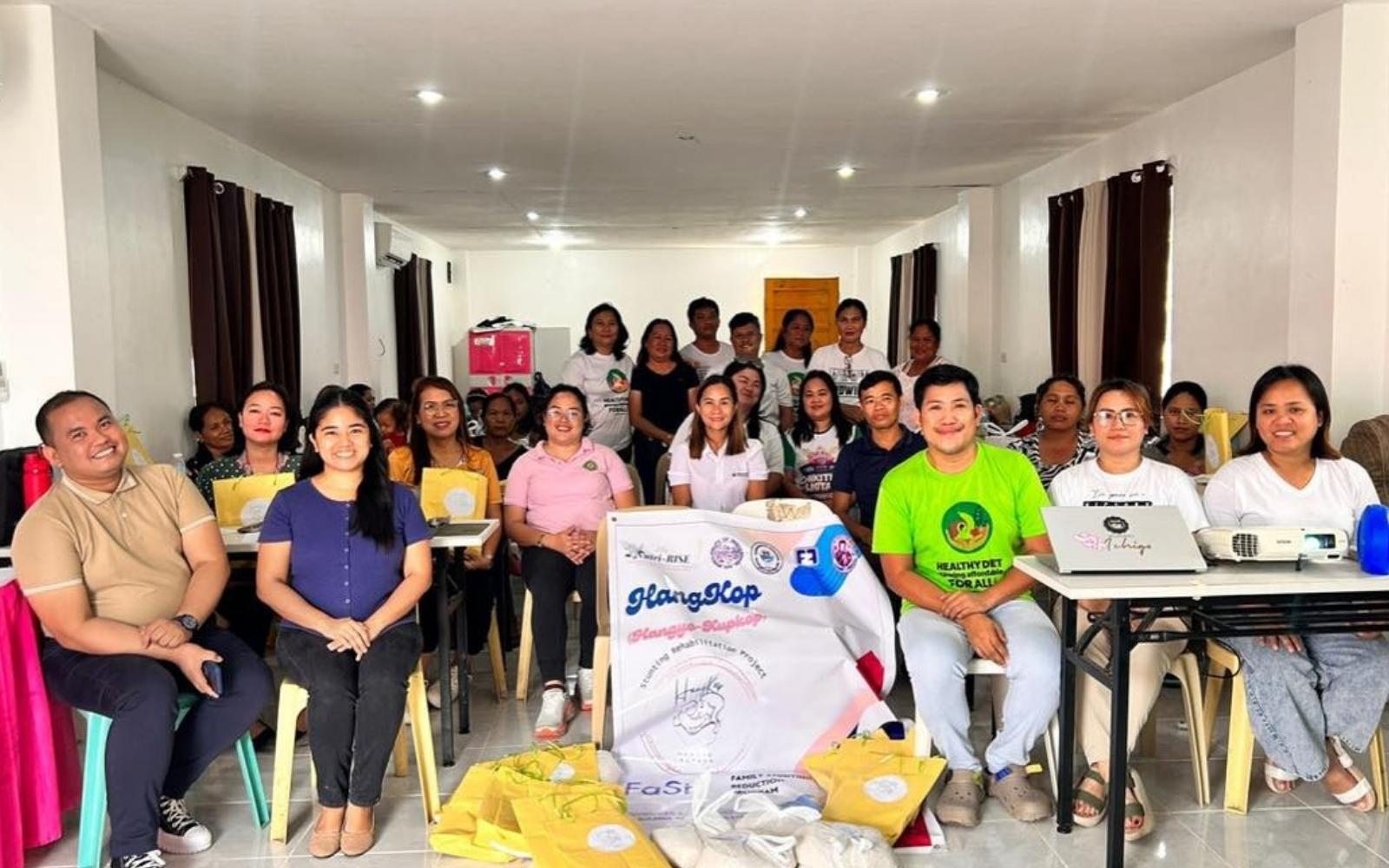
- Samar: The HangKop (hangkop, “to hug” or “to embrace”) stunting rehabilitation program is actively supporting at-risk households with children under two. HangKop also stands for two Visayan words: hangyo, meaning “request”, and kupkop, meaning “adopt” or “take custody”. In this context, the program seeks to place stunted children under specialized care, providing supplementation and addressing other sectoral needs such as food access and livelihood opportunities, while ensuring frequent health and nutrition status monitoring. The province also earned its second Green Banner Award and is striving for the CROWN (Consistent Regional Outstanding Winner in Nutrition) Award. The inspiring story of Hayden, a malnourished child from an abusive household, showcased how government programs can help transform lives through integrated support.
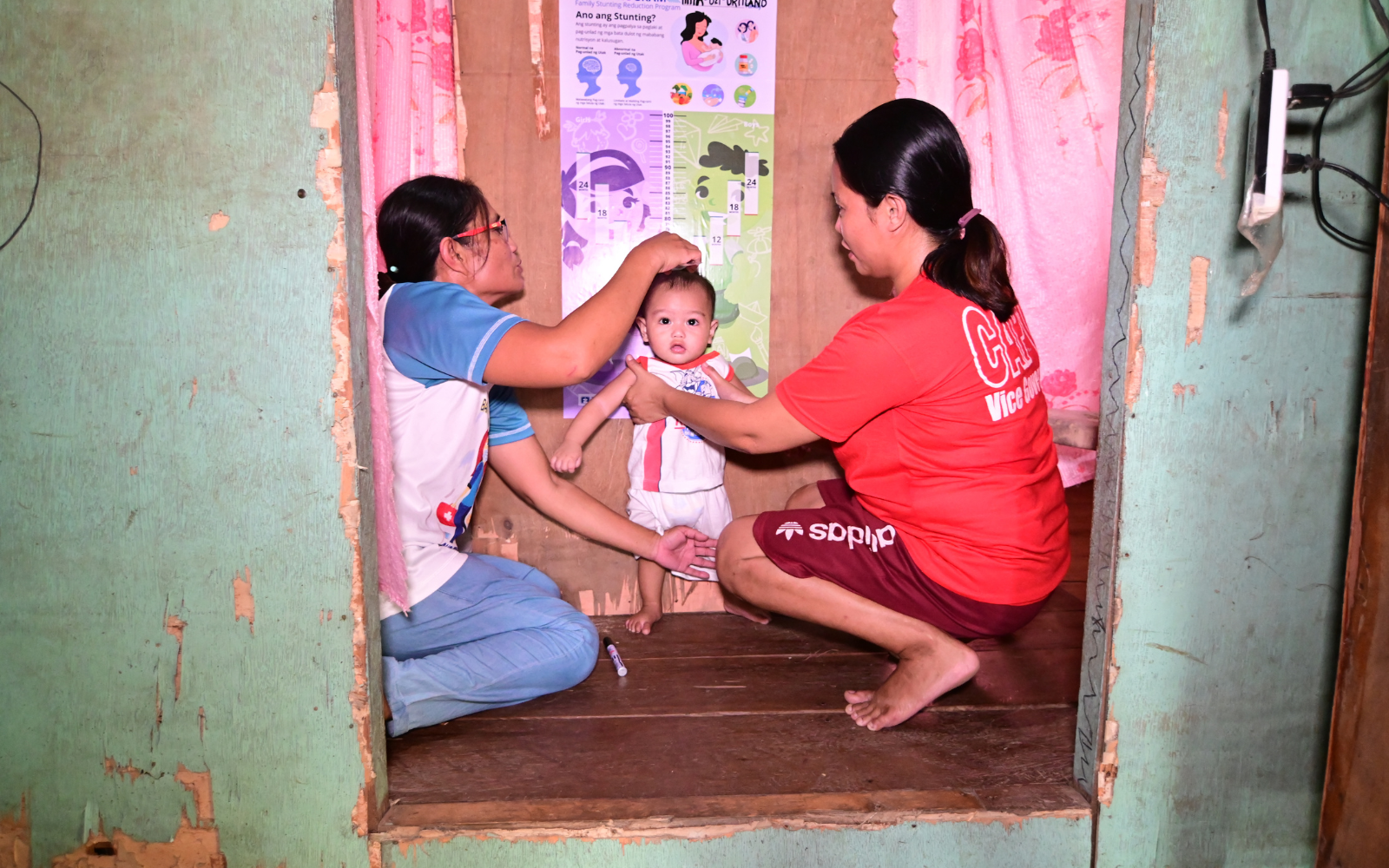
- Northern Samar: The province has achieved a 90% coverage rate for facility-based deliveries and skilled birth attendance in 2024. The governor’s leadership played a crucial role in securing the Green Banner Award and organizing the first BNS (Barangay Nutrition Scholars) Convention last year. To protect the positions of BNSs and BHWs (Barangay Health Workers), officials are lobbying for a provincial ordinance. Meanwhile, Catarman was recognized for its accredited outpatient therapeutic care under PhilHealth.
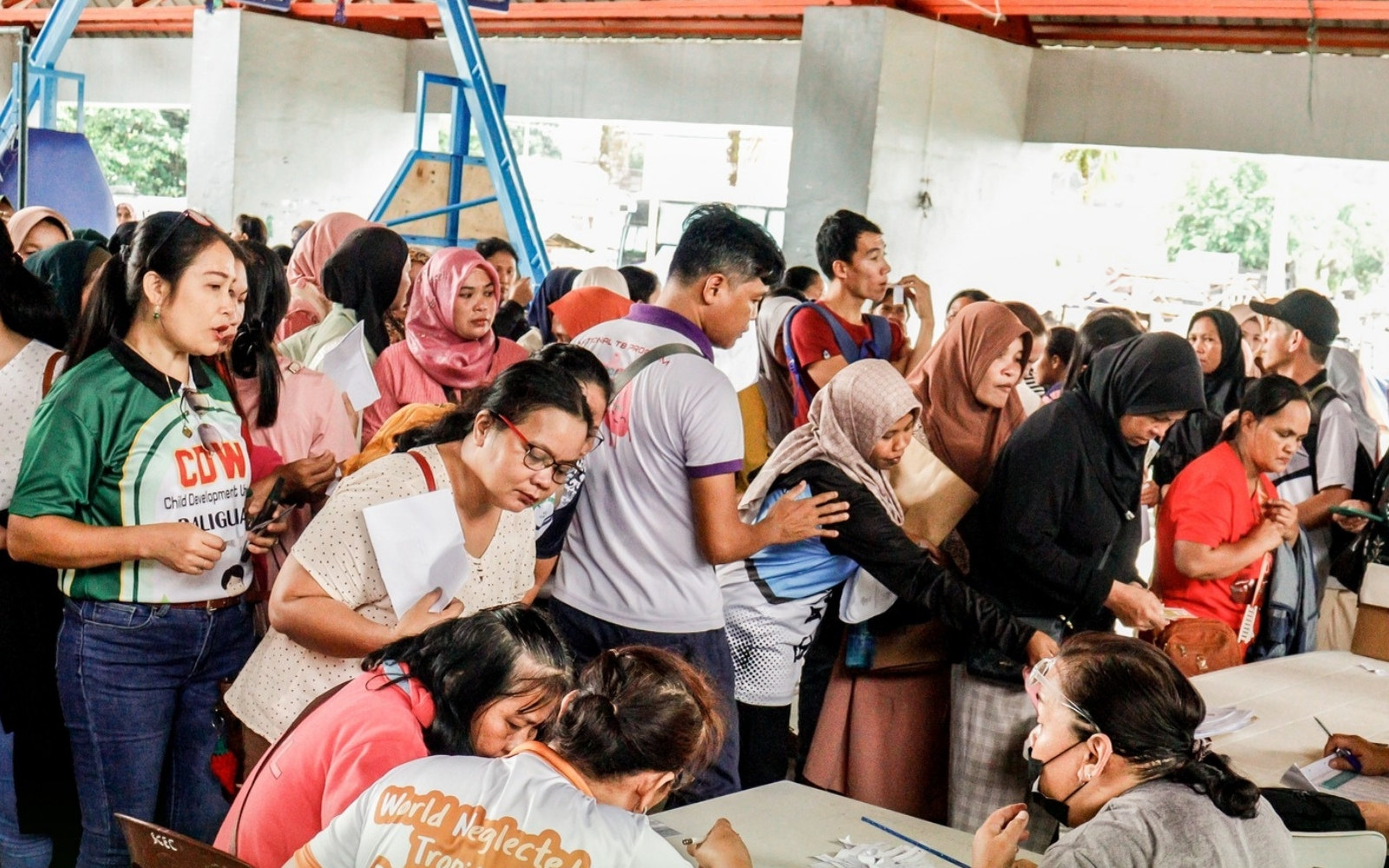
- Zamboanga del Norte: The province appointed a full-time Provincial Nutrition Action Officer and provided incentives for BNSs. They have successfully rolled out training programs on food and nutrition security for both BNSs and BHWs, with a focus on the First 1,000 Days of life. The HAPAG (“table”, Halina’t Magtanim ng Prutas At Gulay: “Let’s Plant Fruits and Vegetables) initiative, aimed at food security, has rehabilitated nearly 70% of malnourished children in its pilot area by the end of 2024, prompting plans to expand to two more municipalities.
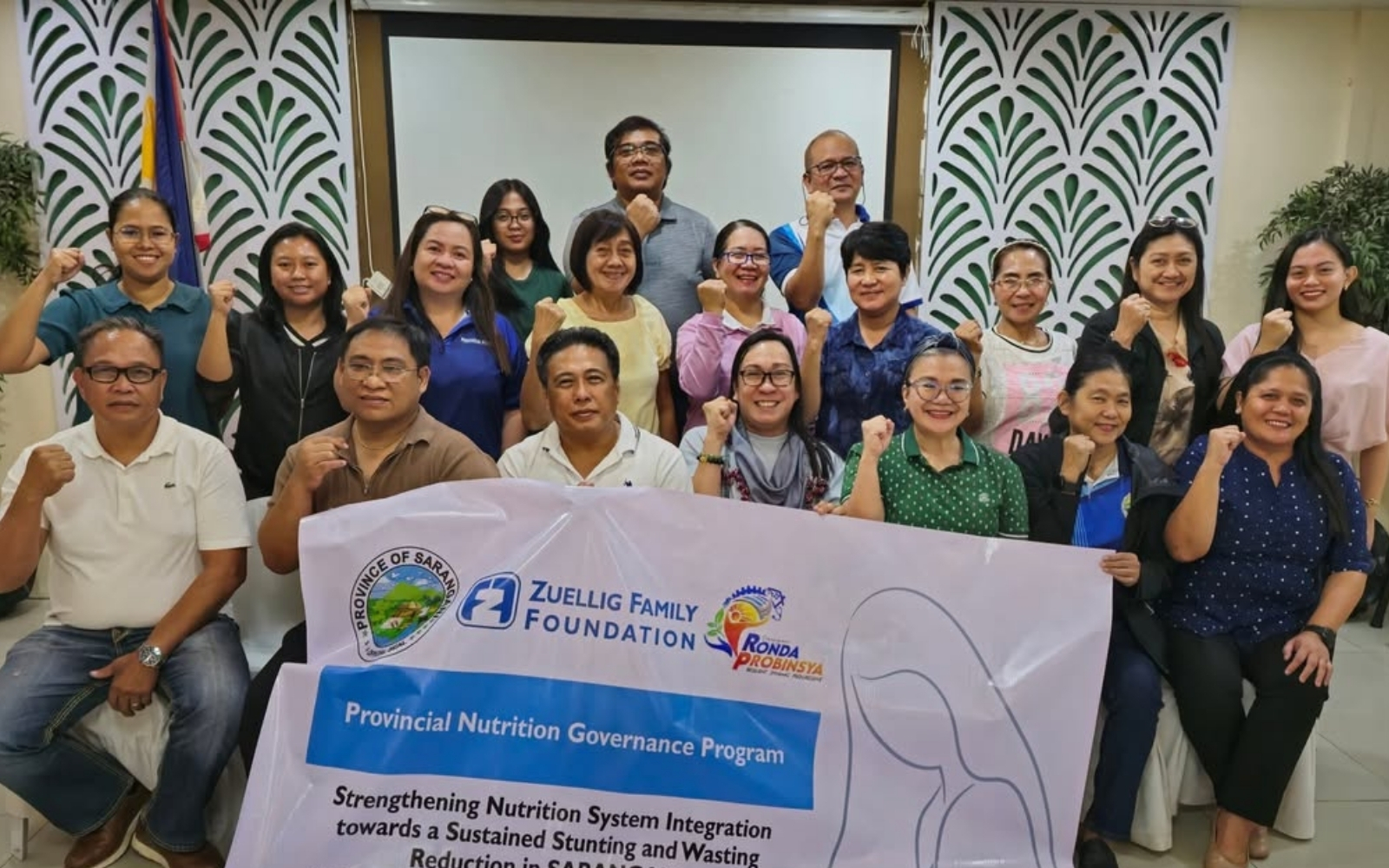
- Sarangani: The province implemented extensive training for health workers across various health units and hospitals. A Barangay Health and Nutrition Welfare Ordinance was enacted in 2024 to increase the honorarium for BNSs, and retiring BNSs now receive recognition and financial benefits. The Paglambo sa Katilingban (“development of community”) project supports 450 households through training, food assistance, and livelihood support. Additionally, a provincial nutrition information system was developed to enhance health and nutrition data management deployed to the seven municipalities of Sarangani. The first branch of Nutrition Bakery “NutriBak” in tripartite agreement with Municipality of Alabel, and Mahintana Foundation, gained partnership with the Department of Education to supply nutribun to and generate income to sustain nutrition programs. The province will be launching its expansion site at Kiamba, Sarangani this March.
The Online Kumustahan reaffirmed that collaboration is key to improving nutrition governance. By continuously sharing experiences, learning from each other, and working together, local leaders are making a real impact in their communities. The journey is just beginning, but with a strong commitment to working together, the future of nutrition governance looks promising.
Related articles:
Health Gaps and Opportunities: A Look into Sulu’s Rural Health Units
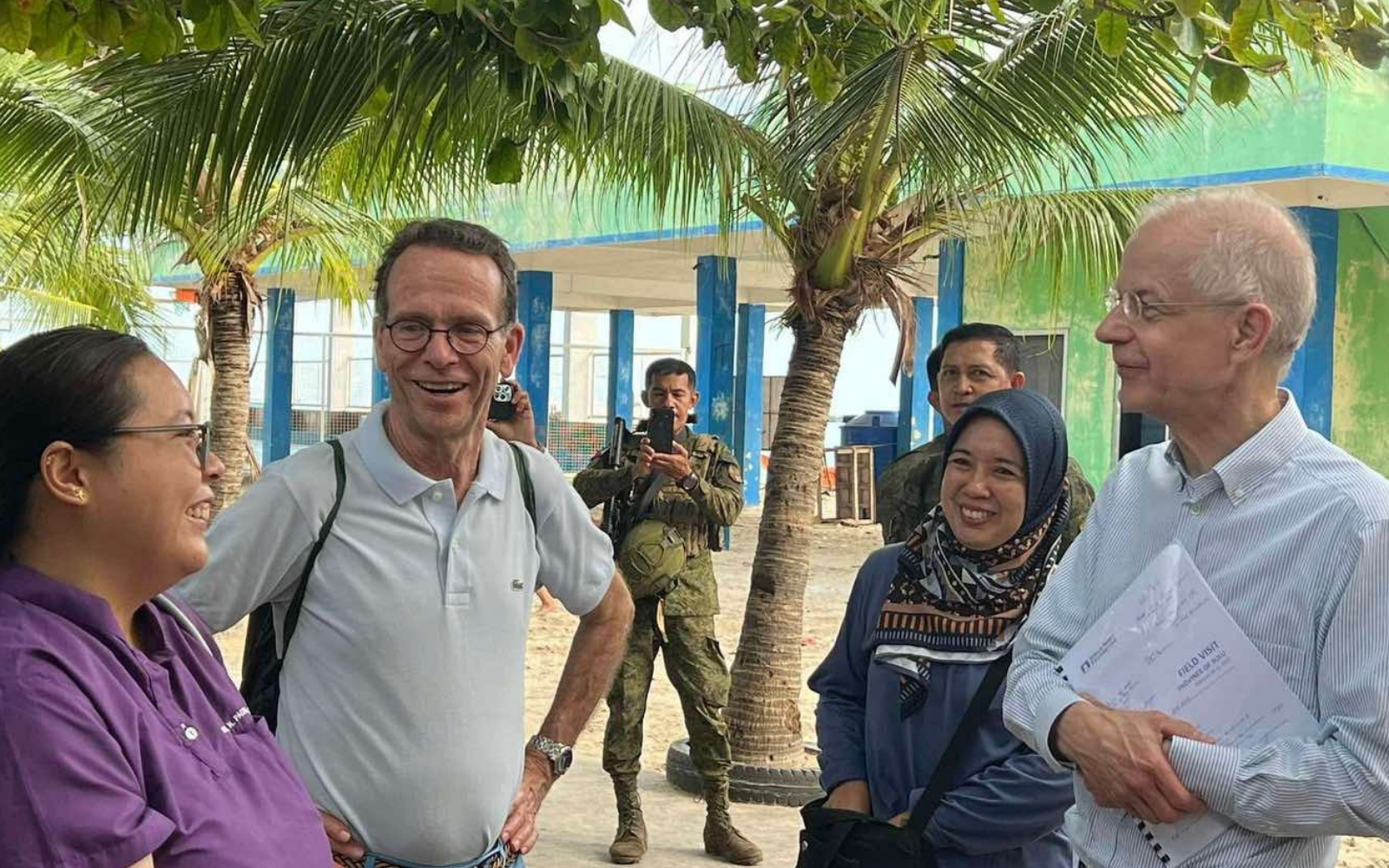
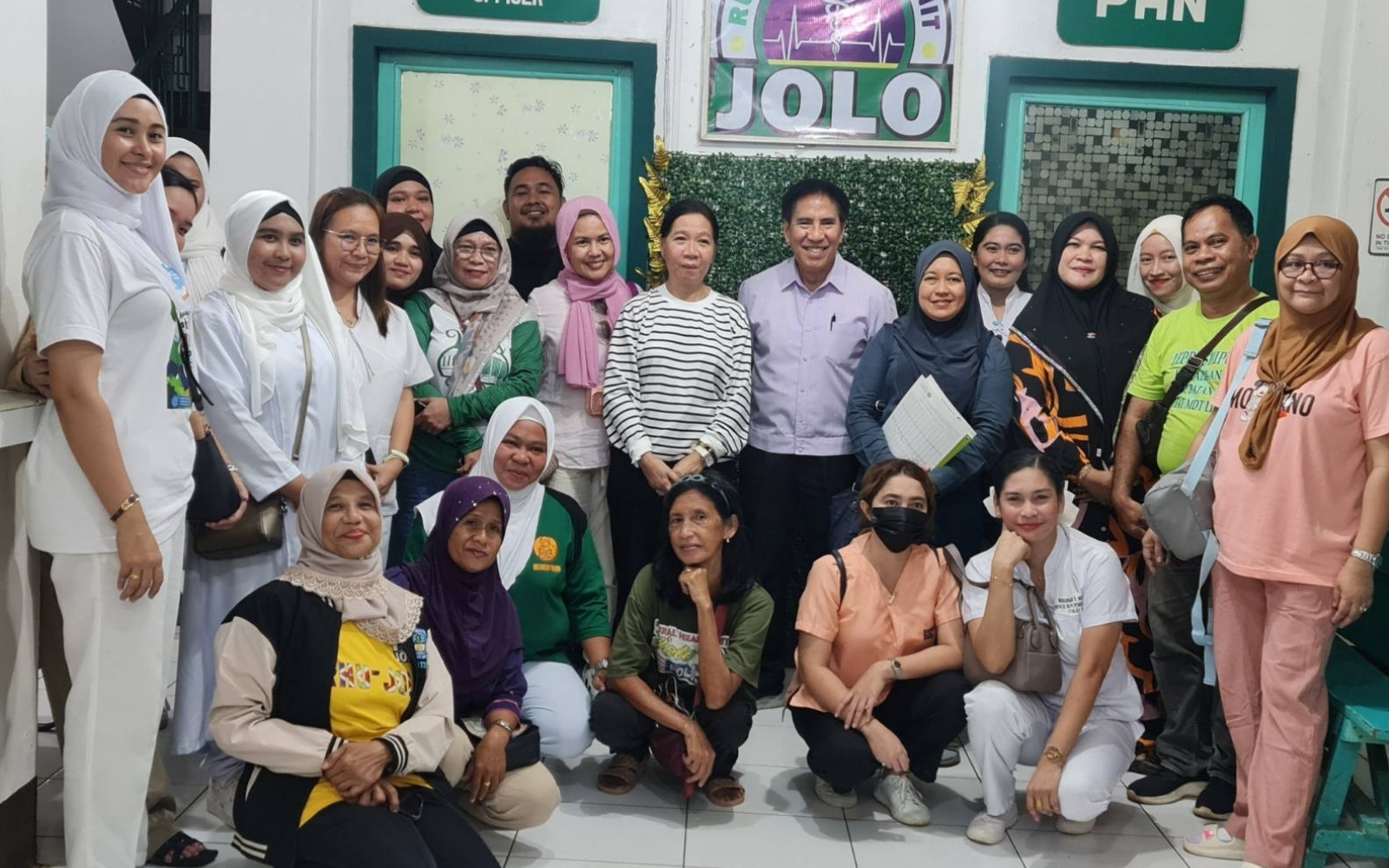
Issues of malnutrition, maternal health, adolescent pregnancies, and financial and logistical struggles of local health systems become apparent during the recent scoping visit of the Zuellig Family Foundation (ZFF) in Sulu last February 11-12, 2025. ZFF, led by Chairman Dr. Manuel Dayrit and Board of Trustees member Daniel Zuellig, along with other members and staff, visited three Rural Health Units in the province—Jolo, Hadji Panglima Tahil, and Indanan.
Addressing Malnutrition
Malnutrition emerged as a critical health issue across multiple municipalities. In Jolo, the Rural Health Unit (RHU) implements nutrition programs, including deworming, Vitamin A supplementation, Oral Polio Vaccine (OPV) administration, and anthropometric measurements. While these efforts have led to an increasing cure rate for severe acute malnutrition (SAM) and moderate acute malnutrition (MAM), challenges remain due to frequent shortages of Ready-to-Use Therapeutic Food (RUTF) and vaccines. Barangay Health Workers (BHWs) play a crucial role in tracking pregnancy, monitoring child growth, and referral to health facilities.
In Hadji Panglima Tahil, where 236 out of 1,225 children aged 0-5 years are stunted and 18 suffer from wasting as of the time of the visit, malnutrition remains a problem. The predominantly Badjao population faces erratic food availability, and cultural beliefs that discourages participation in health promotion activities such as prenatal care and micronutrient supplementation. Supply chain challenges persist, with stock outs of essential items.
Challenges in Maternal Health
Maternal health remains a pressing issue in Sulu, particularly in Jolo and Hadji Panglima Tahil. In Jolo, teenage pregnancy is a growing concern, with 207 recorded cases last year. However, only one teenage mother completed the recommended four prenatal visits and postnatal care. To address facility-based delivery gaps, Jolo RHU provides maternity packages and incentives—offering 300 pesos to traditional birth attendants, locally called panday or hilot, for referring mothers and 200 pesos to mothers who opt for facility-based deliveries. Despite these measures, home births remain prevalent due to deep-rooted trust in traditional practices.
In Hadji Panglima Tahil, only 25 out of 145 recorded deliveries took place in health facilities, with many newborns left undocumented. Adolescent pregnancy remains high, with a recorded case of a 13-year-old mother. The RHU faces challenges in postnatal care, as only two teenage mothers returned for follow-up consultations. Strengthening maternal health programs that are culturally-sensitive and inclusive, promoting facility-based deliveries, and improving birth registration are necessary steps to improve maternal and child health outcomes in the province.
Adolescent Pregnancy and Youth Health
Jolo RHU implements programs aimed at reducing adolescent pregnancies, including an annual Adolescent Health Summit and school-based lectures on the risks of early pregnancy. Despite these efforts, teenage pregnancies remain widespread, with limited postnatal follow-ups among adolescent mothers. Monthly mothers’ classes offer ongoing maternal and child health education, but behavioral and cultural barriers continue to challenge progress.
Hadji Panglima Tahil faces similar issues, with adolescent pregnancies contributing to high maternal and child health risks. Due to limited access to reproductive health services and strong cultural influences, only a small fraction of teenage mothers receive adequate prenatal and postnatal care. Targeted health education and improved access to adolescent health services are necessary to address these gaps.
Financial and Logistical Struggles in Local Health Systems
Local health systems in Sulu face financial and logistical constraints that hinder service delivery. Hadji Panglima Tahil RHU operates on a monthly budget of 30,000 pesos from the Bangsamoro Autonomous Region in Muslim Mindanao (BARMM) and an additional 17,000 pesos from the local government for operational expenses. However, delayed fund releases and unprocessed PhilHealth reimbursements since 2021 have placed financial strain on the facility. The RHU also faces challenges in vaccine distribution, particularly among Badjao children who lack formal birth records, making immunization tracking difficult.
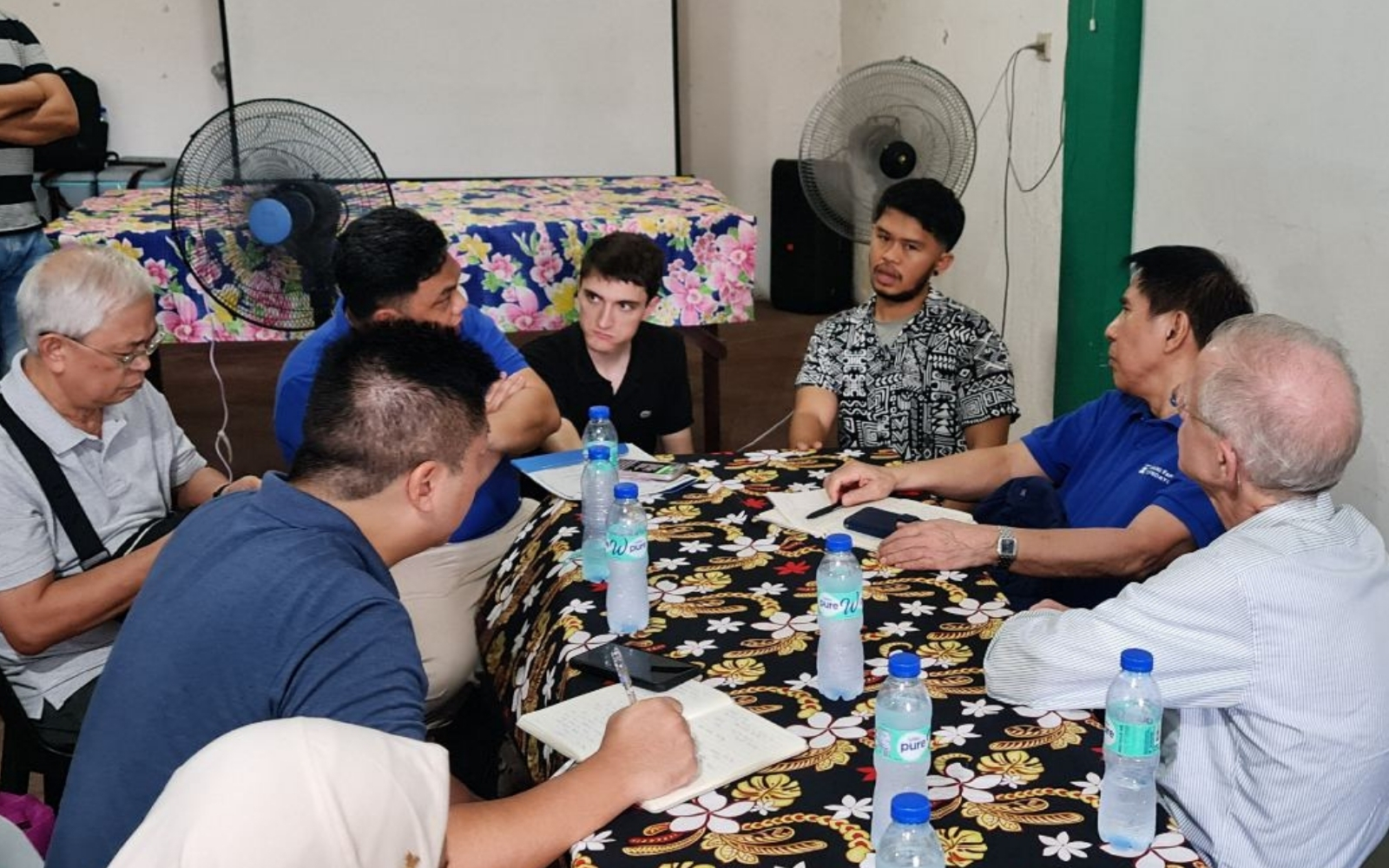
Indanan RHU operates under similar constraints, receiving a 30,000-peso monthly budget from the Ministry of Health (MOH) and an additional 30,000 pesos from the local government. Despite its accreditation with the Maternal Care Package (MCP), it has not received any PhilHealth reimbursements since 2019. Limited funding has affected outreach programs, particularly immunization efforts and mental health services, where 90 patients are currently under community-based care. Additionally, drug abuse is emerging as a concern, requiring integrated health and social interventions.
Strengthening Health Leadership and Governance
The RHUs in Sulu face broader governance challenges as the province is considered no longer part of BARMM, leaving uncertainties about health service continuity. There is a pressing need to develop local leadership and governance capacity to ensure sustainability. Training programs for local health leaders and policymakers could strengthen the implementation of health programs and improve service delivery.
Moving Forward
The visit to these RHUs reinforced the importance of sustained support for local health systems. Addressing stockouts of essential supplies, improving nutrition education, and enhancing health service delivery are crucial steps in improving health outcomes in these communities.
Strengthening leadership and governance, particularly in areas where health is not a local priority, will also be key to ensuring that these RHUs can continue serving their populations effectively. ZFF hopes to work alongside local health leaders to create lasting improvements in health systems across Sulu.
Related article:
NutriLEAP Monitoring and Coaching Visit: Strengthening Nutrition Governance in the Provinces
From March 10-13, 2025, the Zuellig Family Foundation (ZFF) visited the provinces of Cotabato, Davao del Sur, Davao Oriental, and Dinagat Islands. The visit aimed to strengthen collaboration with local government leaders and nutrition teams under ZFF’s Nutrition Leadership and Equity Acceleration Program (NutriLEAP), finalize program strategies, and align next steps for improving nutrition governance in these provinces.
Governors and key provincial health and nutrition officers welcomed the ZFF team:
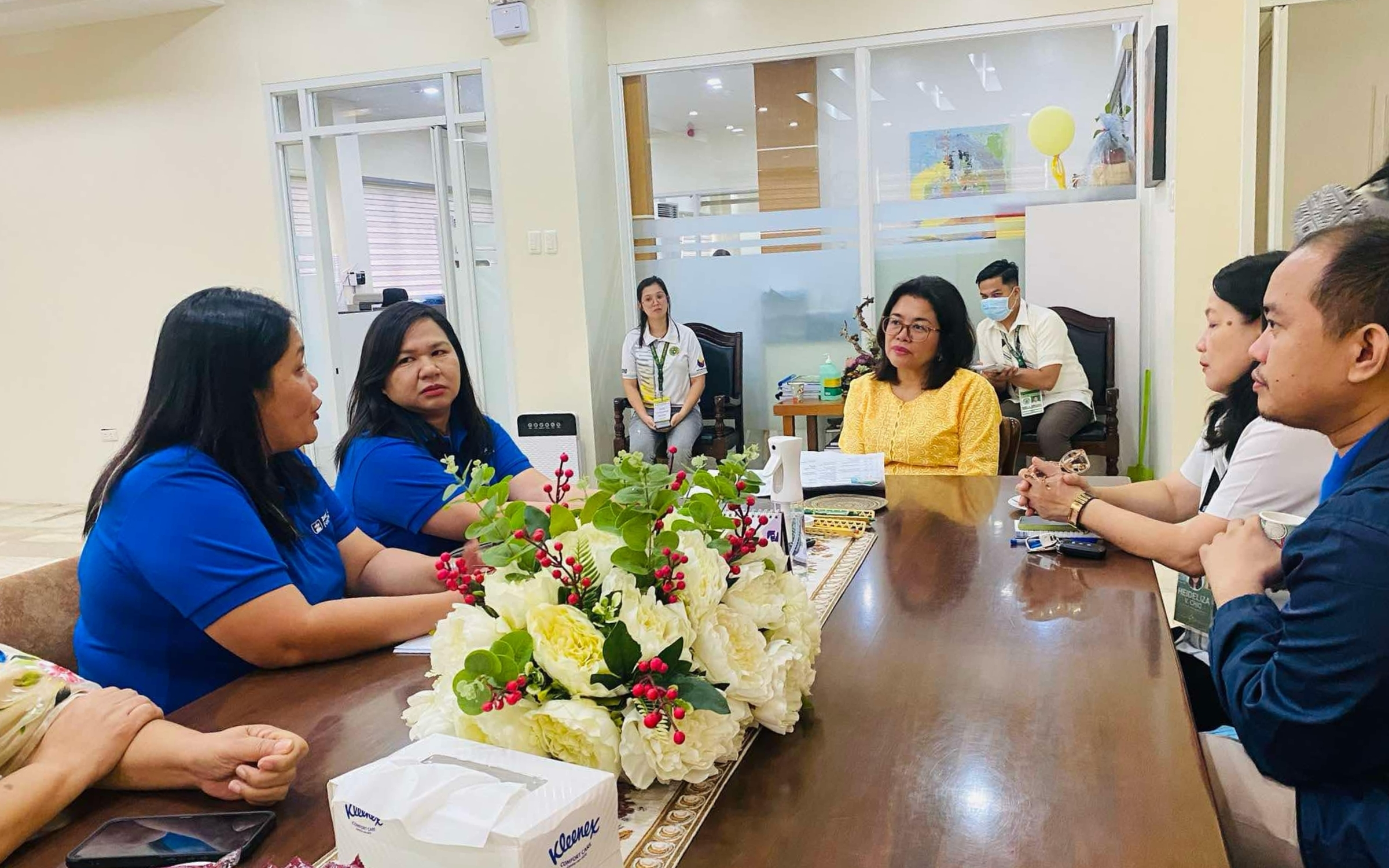
- In Cotabato, Governor Emmylou Taliño-Mendoza discussed the importance of strengthening values and moral responsibilities within households to ensure sustainable child-rearing and nutrition. “Providing proper nutrition is a fundamental obligation of the family,” she said. Alongside provincial health officials, she suggested ways to enhance nutrition programs through governance and community engagement.
- In Dinagat Islands, Governor Nilo Demerey Jr. stressed the long-term benefits of investing in nutrition, stressing that it plays a crucial role in shaping a productive and competitive future generation. “By prioritizing nutrition, we can raise healthier children who excel both academically and physically. This not only benefits individual well-being but also contributes to a more efficient and sustainable economy,” he shared. The team worked closely with local officials to update their ESG (Environmental, Social, and Governance) Action Plan and explore the inclusion of NutriLEAP activities in their supplemental budget to Local Government Units (LGUs).
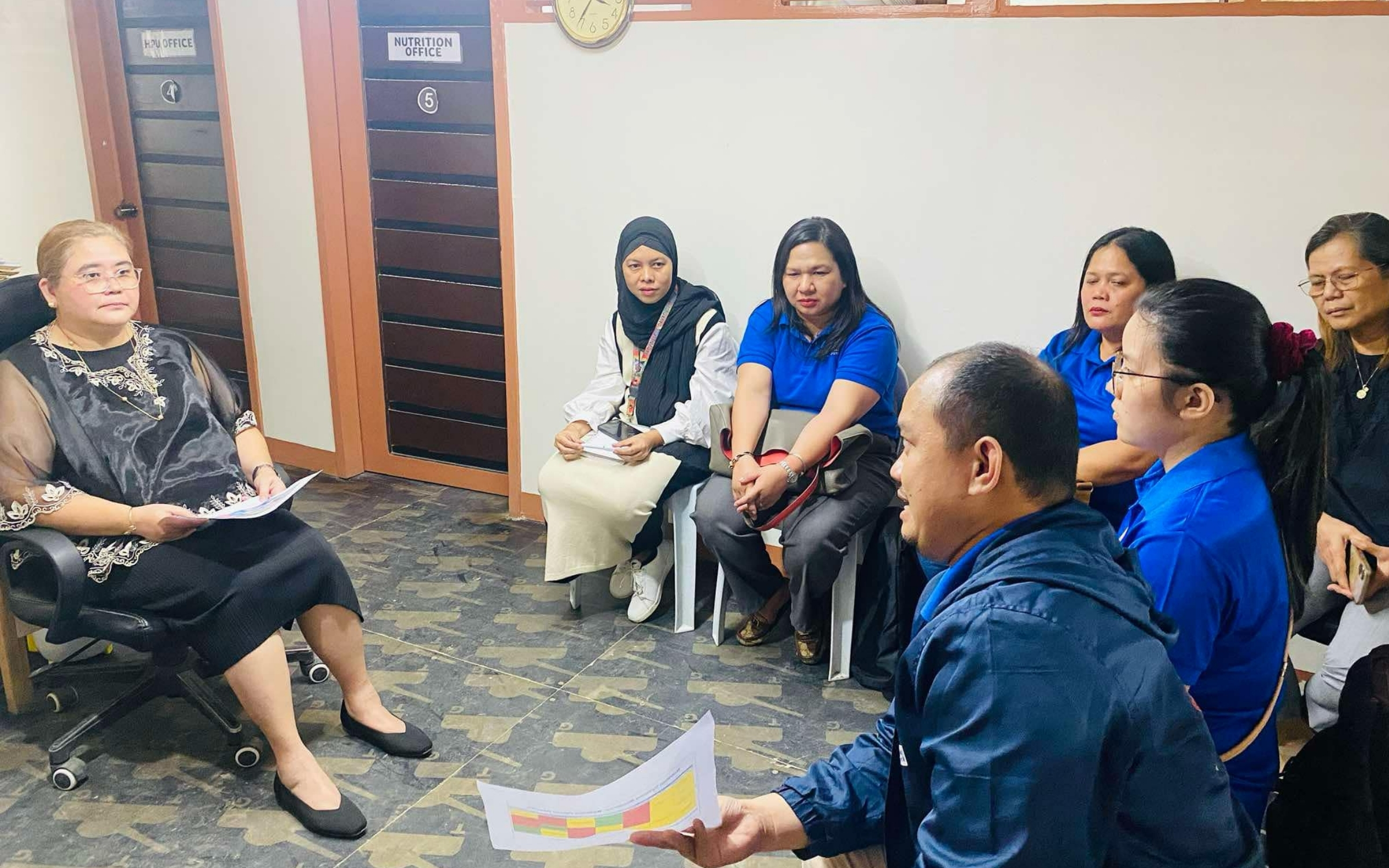
- The visit to Davao del Sur focused on introducing the ZFF’s nutrition programs under Pook Malusog, to the province. Dr. Reden Bersaldo, Provincial Health Officer, noted that “nutrition is a whole package approach to governance,” reinforcing the need for comprehensive strategies. A follow-up presentation is scheduled in April to confirm the province’s commitment, with plans to present the initiative to the Governor after the local elections.
- In Davao Oriental, provincial leaders finalized their learning tracks and implementation plans, ensuring alignment with their nutrition priorities. The province is set to conduct their first Nutrition and Health Leadership for Resilience (NutriHeaL) Module in late April, followed by a Health and Nutrition Summit in August.
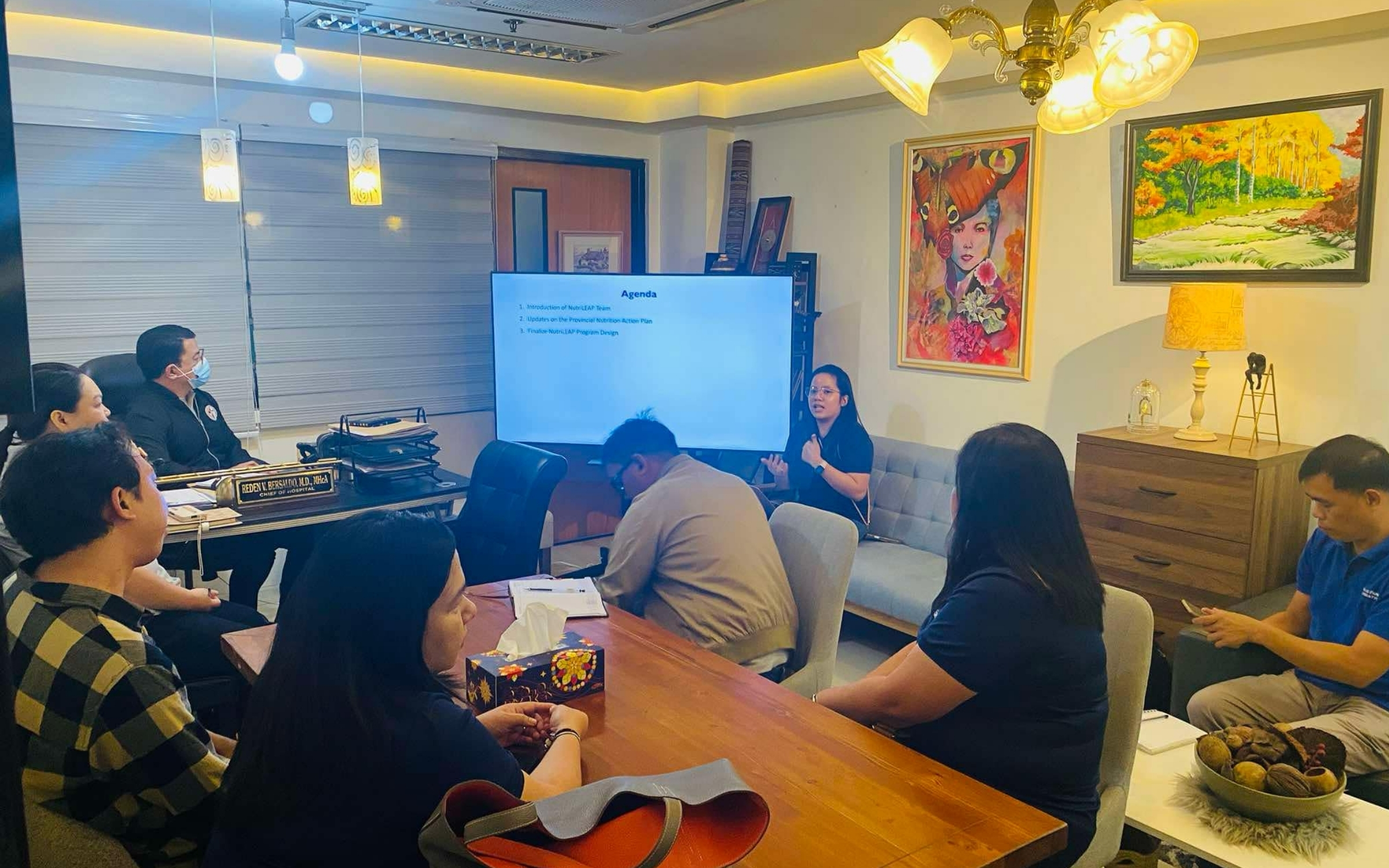
Throughout the visits, the team facilitated coaching and mentoring discussions. They also established communication and coordination mechanisms between LGUs and assigned staff, identifying potential schedules for signing Memorandums of Understanding to formalize partnerships. By working closely with local leaders and health officials, ZFF through NutriLEAP ensures that each province’s strategy aligns with its unique needs, paving the way for stronger and more effective nutrition governance.
Related articles:
Sustaining the Legacy: First Batch of Roberto R. Romulo Public Health Leadership and Governance Fellows Graduate
Last March 14, 2025, the Zuellig Family Foundation (ZFF) celebrated a milestone as the provinces of Aklan, Davao de Oro, Dinagat Islands, and Kalinga graduated from the Roberto R. Romulo (RRR) Fellowship for Public Health Leadership and Governance. This marks the end of a year-long journey where governors and health leaders sharpened their leadership skills to tackle real-life health challenges in their provinces towards the realization of Universal Health Care (UHC).
The RRR Fellowship Program was established in honor of ZFF’s founding chair, Roberto R. Romulo, in partnership with the University of the Philippines (UP) College of Public Health (CPH) and the UP National College of Public Administration and Governance. Dr. Anthony Faraon, Deputy Executive Director of ZFF explained that the program combines specialized training, mentorship, and coaching to help leaders develop a clear vision and drive systemic health improvements. “The late Roberto Romulo believed in addressing health inequities in rural areas. This program continues his legacy by equipping leaders with the skills to create meaningful change,” he shared.
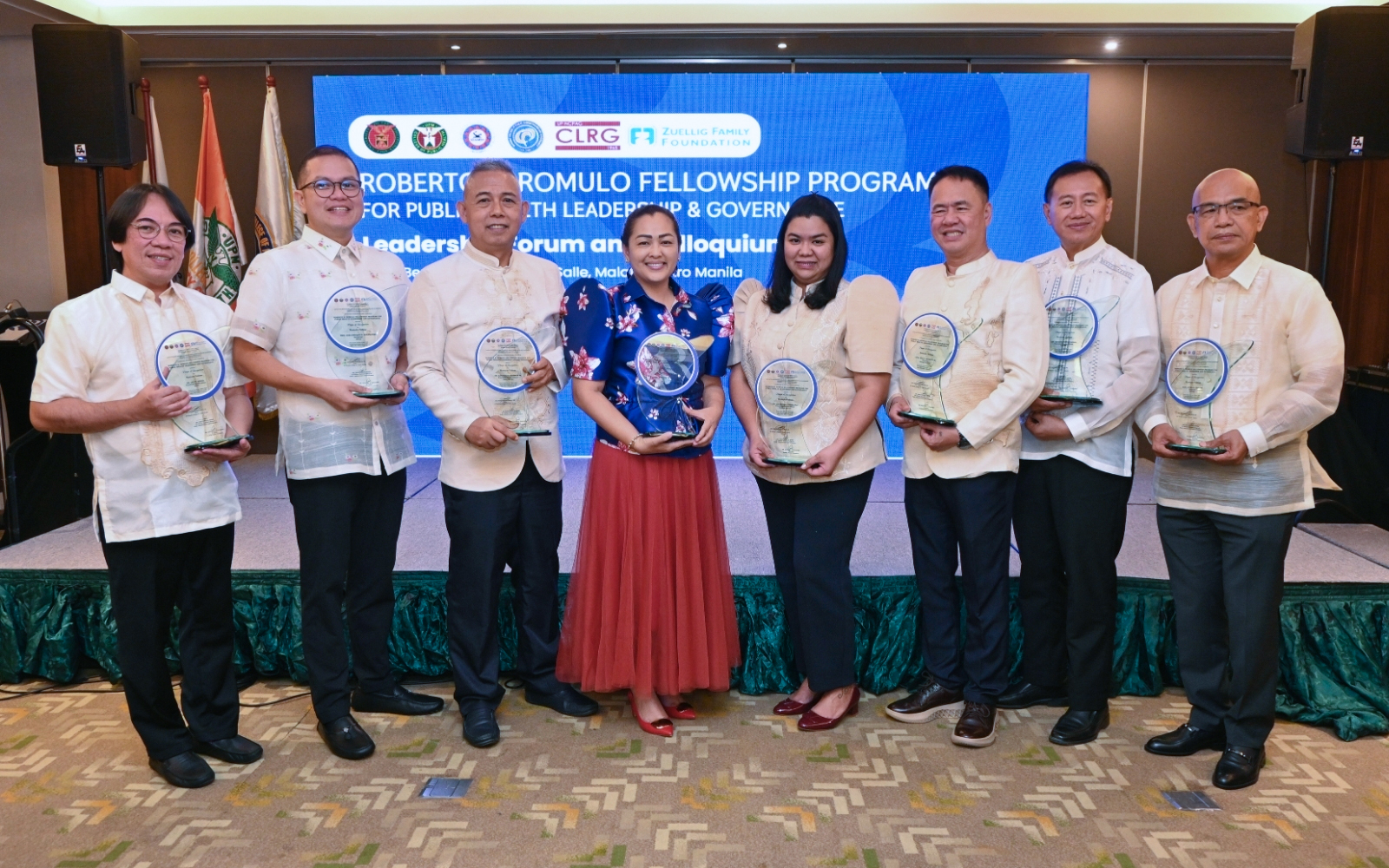
Each of the graduating fellows presented their province’s health challenges and breakthroughs:
- Gov. Jose Enrique Miraflores (Aklan) focused on UHC implementation, securing PhilHealth accreditation for primary care facilities, and improving digital health records. His leadership ensured all 18 primary care facilities in Aklan are fully licensed, making the province a model in Western Visayas.
- Gov. Dorothy Gonzaga (Davao de Oro) prioritized improving child immunization rates and reducing teenage pregnancy. She emphasized the importance of stakeholder engagement and government accountability in strengthening the healthcare system.
- Gov. Nilo Demerey, Jr. (Dinagat Islands) tackled malnutrition, maternal health, and limited hospital services. His initiatives included door-to-door healthcare services, a zero-billing policy, and a senior citizen health and wellness program.
- Gov. James Edduba (Kalinga) focused on reducing maternal deaths, improving emergency health response, and strengthening mental health programs, embracing the ZFF Bridging Leadership concepts he learned even when he was still the Mayor of Pasil.
The event also included a panel discussion where health and governance experts shared insights on sustaining health leadership initiatives beyond the fellowship program. The panelists included Dr. Manuel Dayrit, ZFF Chairman; Dr. Leizel Lagrada, Health Equity Program Coordinator at UP-CPH; and Dr. Anthony Cordero, Community Health Development Program Director at UP Manila. The discussion stressed the need for continuous capacity-building, policy alignment, and community engagement to ensure long-term success.
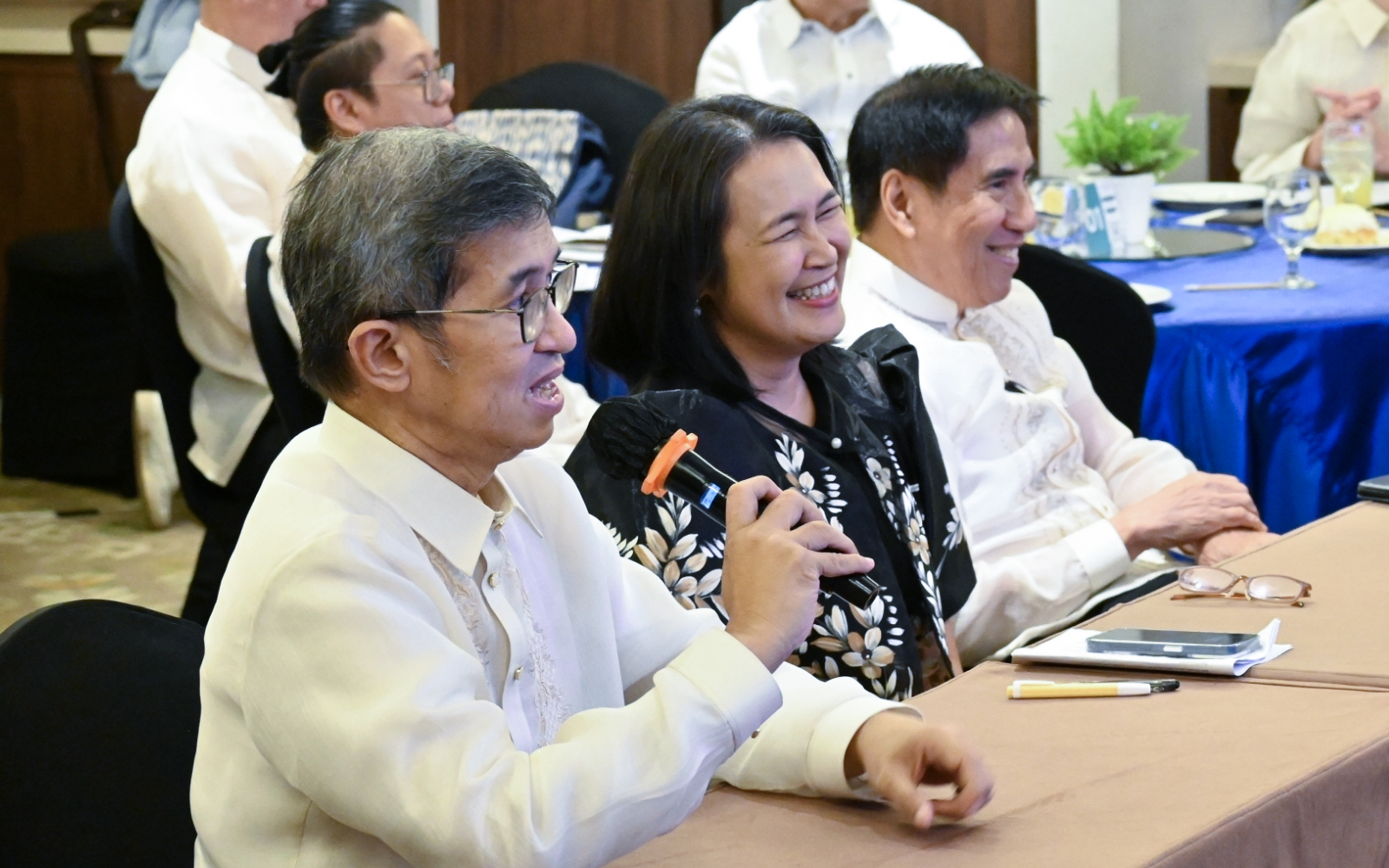
Liana Romulo shared a heartfelt tribute to her father, Roberto R. Romulo, recalling his resilience and optimism, even in illness, and the lessons he imparted—humor for emotional strength, perseverance through the right tools, and clarity in one’s contributions to society. She expressed gratitude to ZFF for honoring his legacy through the fellowship. Daniel Zuellig, speaking for ZFF, congratulated the graduates, noting the crucial role of strong local leaders in public health. He encouraged them to confront challenges with courage and vision, remain data-driven, and connected, reinforcing the power of collaboration in achieving lasting health improvements.
Former ZFF Chairman Prof. Ernesto Garilao challenged the governors to think beyond their terms and align their goals with Ambisyon 2040, the national long-term vision for a better Philippines. “Governors can be game changers in local government performance. The challenge is to think long-term and set ambitious targets that will create lasting impact,” he said.
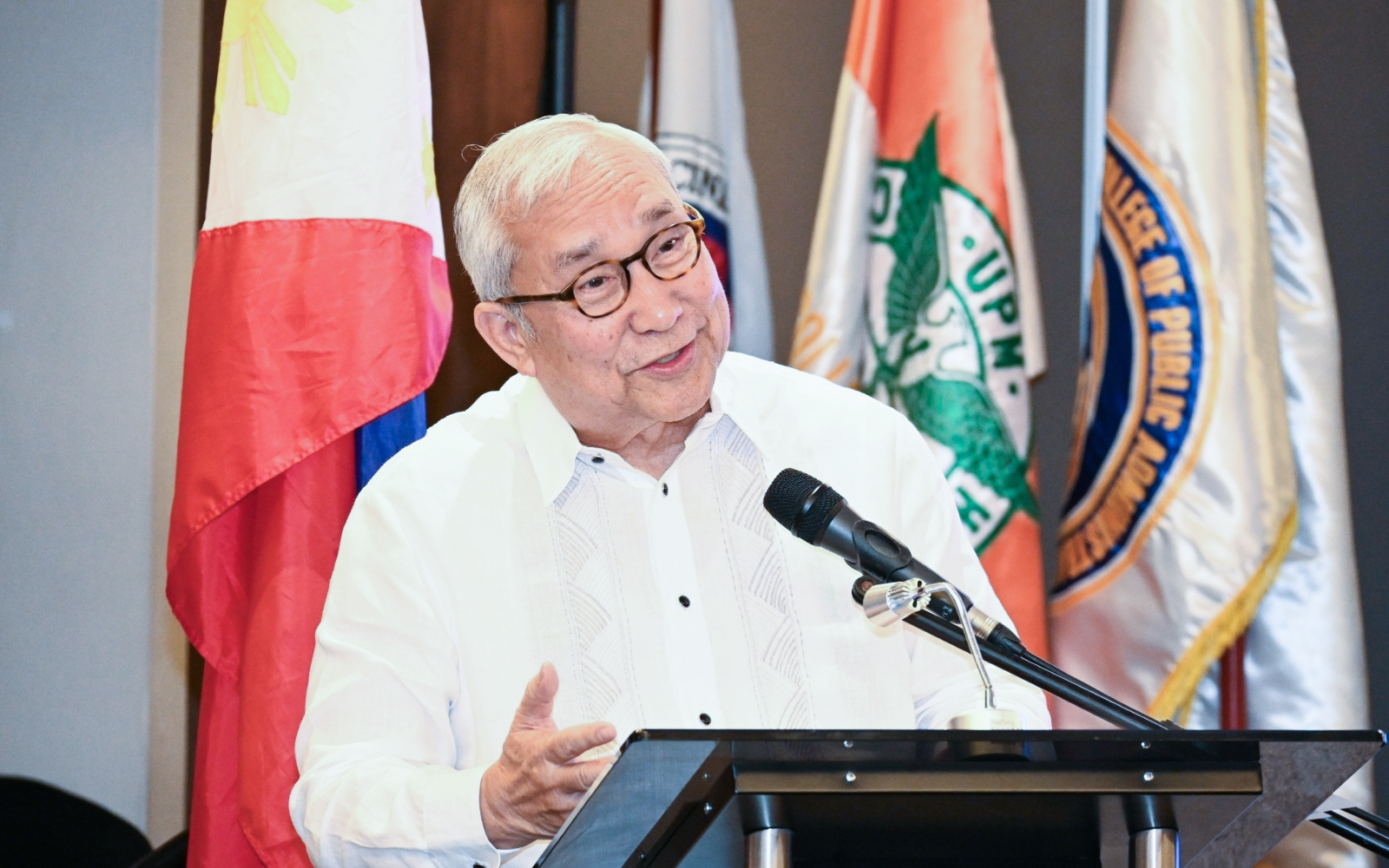
As the first batch of RRR fellows, these governors have set the stage for future leaders. ZFF and its academic partners will continue to support the fellows and ensure that the gains from this leadership program translate into sustainable improvements in the country’s healthcare system.
Related article:
Zuellig Family Foundation and Sulu Provincial Government Held Key Discussions To Improve Health Governance
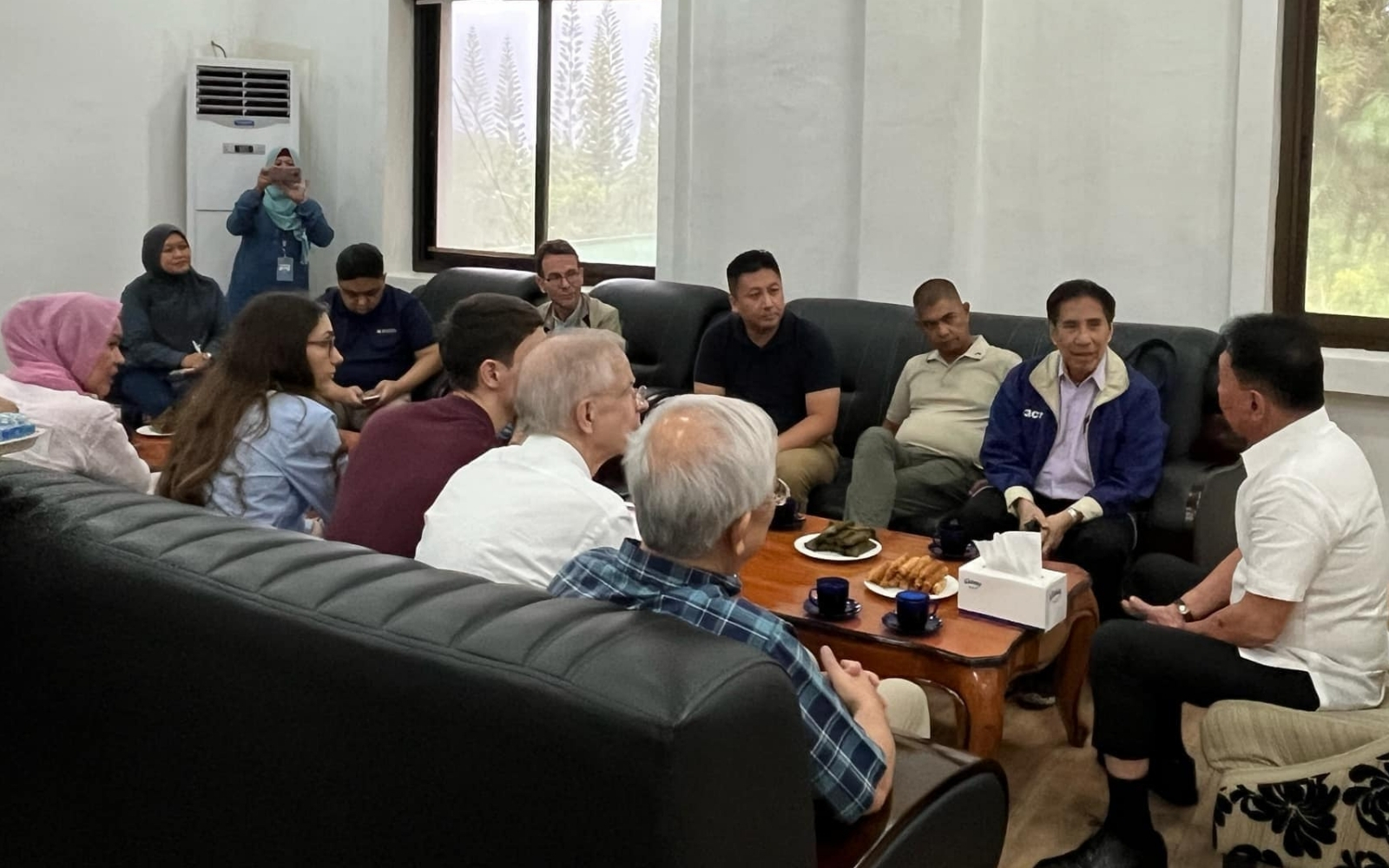
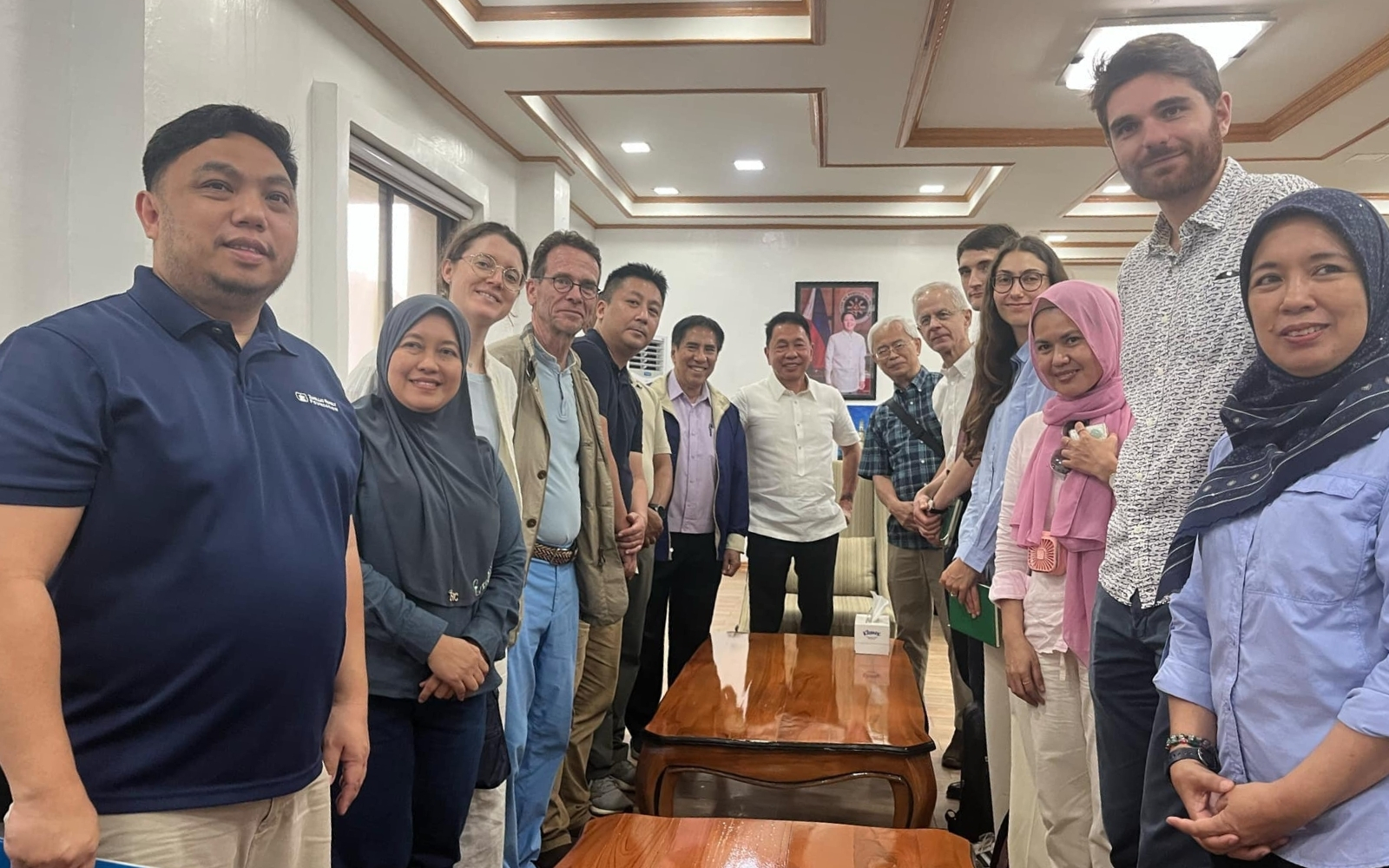
Representatives from the Zuellig Family Foundation (ZFF) Board of Trustees visited the office of Governor Abdusakur “Sakur” Tan at the Sulu Provincial Capitol to discuss potential collaborations in health leadership and governance in February 2025. The discussions centered on addressing healthcare challenges, improving health services, and strengthening governance mechanisms in the province.
The ZFF delegation comprised Chairman Dr. Manuel Dayrit, President and Executive Director Austere Panadero, and Board of Trustees members Daniel Zuellig and Dr. Jaemin Park, along with ZFF staff from Manila and Mindanao. They were accompanied by resource persons and guests, led by Jonas Zuellig and Pascal Gueissaz.
Sulu’s Historical Challenges and Health Priorities
Governor Tan provided insights into Sulu’s past, particularly the impact of armed conflicts on local communities. He recalled the 1974 war in Jolo, which led to widespread destruction, displacement, and a lasting brain drain. Many families fled Sulu and resettled in Tawi-Tawi, Zamboanga, Manila, and other parts of the country, contributing to a slow recovery process of all sectors, including health. The diaspora affected key sectors where skilled professionals left the province, further straining its health system.
Plans for Health Infrastructure and Access
During the discussion, Governor Tan outlined his administration’s priorities for healthcare, including:
- The establishment of a new health center focused on women and children, which will provide free medicines, laboratory tests, and maintenance medications for indigent families.
- The procurement of a dialysis machine and the construction of a “super health clinic” to expand healthcare services in the province.
- Addressing the gap in medicine accessibility, as many patients struggle to obtain necessary treatments despite PhilHealth coverage.
Addressing Health Data Challenges
A key concern raised was the need for improved data collection and management. Governor Tan pointed out that different government offices maintain separate databases, leading to inefficiencies in tracking health outcomes. He suggested a centralized data system to streamline health program implementation and ensure better decision-making.
Moving Forward
ZFF will continue to explore working with the Sulu Provincial Government to enhance health governance in the province. Governor Tan also expressed support for piloting ZFF’s health and nutrition programs in municipalities with the highest need.
ZFF looks forward to fostering a long-term partnership with the Sulu Provincial Government to improve healthcare delivery and outcomes for the people of Sulu.
Related article:
Catanduanes Partners with Zuellig Family Foundation for Sexual and Reproductive Health
The province of Catanduanes has taken a step in improving sexual and reproductive health services by partnering with the Zuellig Family Foundation (ZFF) for the Minimum Initial Service Package for Sexual and Reproductive Health (MISP for SRH). Catanduanes is one of the first provinces in the Philippines to officially work with ZFF and UNFPA on this initiative.
On February 27, 2025, a Memorandum of Understanding (MOU) was signed at the Provincial Capitol Dome. This agreement aims to strengthen the local healthcare system, especially during disasters, by ensuring that quality, life-saving sexual and reproductive health services remain accessible. The MOU was signed by Governor Joseph “Boboy” Cua, Department of Health (DOH)-Bicol Regional Director Dr. Rodolfo Antonio Albornoz, represented by Local Health Support Division Chief Dr. Gladys Escote, and ZFF President and Executive Director Austere Panadero, represented by Deputy Executive Director Dr. Anthony Faraon.
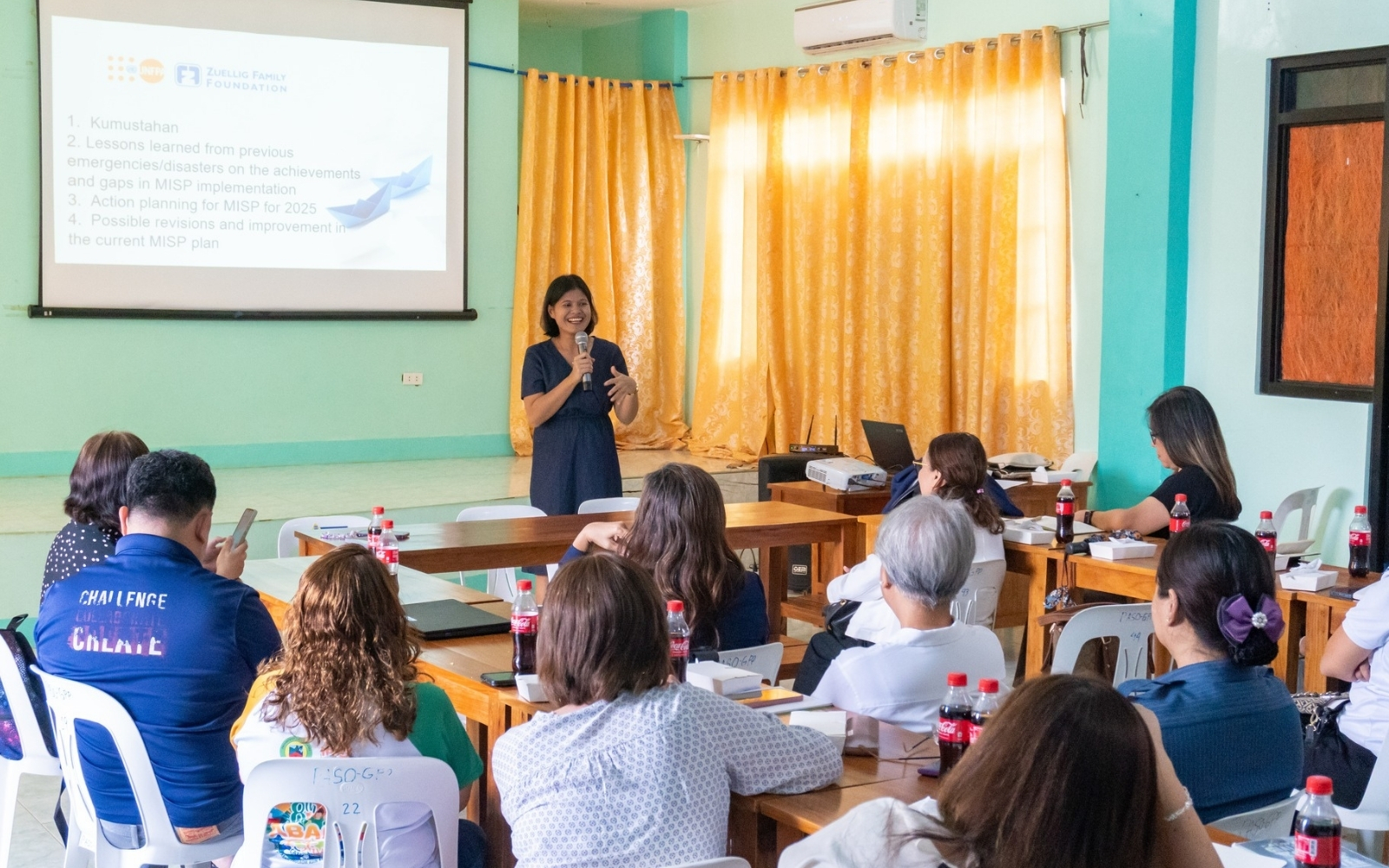
Before the signing, the Provincial Reproductive Health Coordinating Team, with ZFF’s support, held a coaching session on February 26. The session allowed local health teams to review their progress, identify challenges, and improve strategies for better implementation of the MISP for SRH program. Discussions covered plan integration, information sharing, and reporting processes to strengthen reproductive health programs.
To better understand community needs, a Deep Dive—guided community immersion—was also held in Barangay Palta Salvacion, Virac. Local officials, including Governor Cua, Provincial Health Officer Dr. Hazel Palmes, Dr. Escote, and ZFF representatives visited the area, where they met Jenalyn Reyes Cerdenia, a mother who gave birth during Super Typhoon Pepito with the help of local health workers. This visit provided valuable insights into the challenges faced by families in remote areas, especially during emergencies.

Following the site visit, officials gathered for a discussion at the Governor’s Office Conference Room to analyze data and develop solutions to improve MISP for SRH services in the province. Among those present were PHO representatives and DOH-Bicol officials.
Governor Cua stressed the importance of turning commitments into action. “We must ensure that policies are implemented well, resources are used efficiently, and every sector of our community is actively involved,” he said.
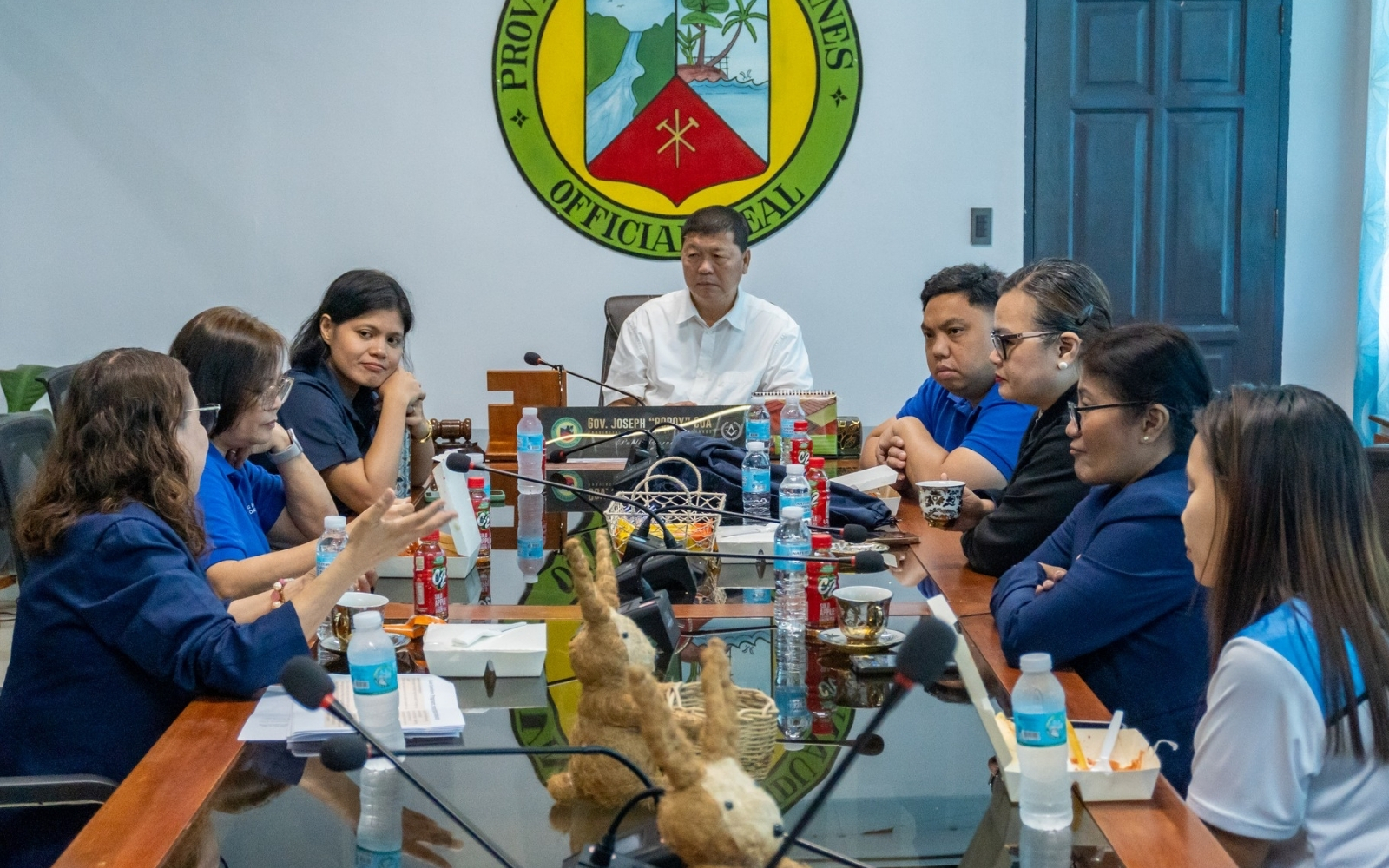
This partnership builds on previous efforts to strengthen reproductive health in Catanduanes. The Municipal Executive Course, Bridging Leadership (BL) for MISP for SRH, was introduced to Catanduanes, Laguna, and Maguindanao provinces in 2021, and reintroduced to Catanduanes, alongside Eastern Samar and Southern Leyte, in 2024. In 2023, the Catanduanes Government passed an ordinance mandating MISP for SRH. This year, the partnership expands efforts to improve reproductive health services and make them a permanent part of the province’s health system.
As Catanduanes continues to face natural disasters, this collaboration with ZFF ensures that communities will have better access to healthcare, especially in times of crisis. With stronger policies, trained local leaders, and better service delivery, the province is taking concrete steps to protect and support its people’s health and well-being.
Photos from: Catanduanes Government
Online Kumustahan: Catching Up with ZFF Pook Malusog Community of Practice Moderators
The Zuellig Family Foundation (ZFF) Pook Malusog Community of Practice (CoP) continues to serve as a space for learning and sharing among nutrition governance practitioners. Since its launch in June 2024, it has provided local leaders with a platform to discuss challenges, share insights, and support each other in improving nutrition programs.
On March 6, 2025, an online Kumustahan was held with CoP Moderators from five Pook Malusog provinces: Sarangani, Zamboanga del Norte, Basilan, Samar, and Northern Samar. The session allowed local government representatives to reconnect, reflect on their progress, and exchange ideas on how to address common challenges.
Participants shared updates on their nutrition programs, noting both successes and difficulties faced since June 2024. Through open discussions, they identified opportunities for collaboration and new strategies to tackle malnutrition more effectively.
One key outcome of the Kumustahan was the establishment of a monthly engagement mechanism among CoP members. This regular interaction aims to deepen understanding, promote innovation, and sustain the momentum in improving nutrition governance at the local level.
Looking ahead, the team is gearing up for the Pook Malusog CoP Webinar in June 2025. This event will feature policy recommendations, showcase successful innovations, and provide a venue for discussions on critical nutrition and public health issues.
The journey of Pook Malusog CoP is just beginning, and with continued collaboration, local leaders are finding new ways to strengthen nutrition governance and improve health outcomes in their communities.
Project TRANSFORM Update: ZFF Information Session on Data Resiliency with Del Carmen, Siargao
“We are zeroing in on nutrition. All of these efforts, we want to boost the health and nutrition status of all our constituents,” said Mayor Alfredo Coro II, noting Del Carmen’s progress in reducing stunting from 22.3% in 2010 to below 2% in 2024.
Last March 5, 2025, the Zuellig Family Foundation (ZFF) held an information session on data resiliency, introducing the Pook Malusog Dashboard to strengthen the town’s health and nutrition programs. The dashboard helps local government units (LGUs) collect, visualize, and analyze health, nutrition, and social data, particularly for First 1,000 Days (F1KD) families.
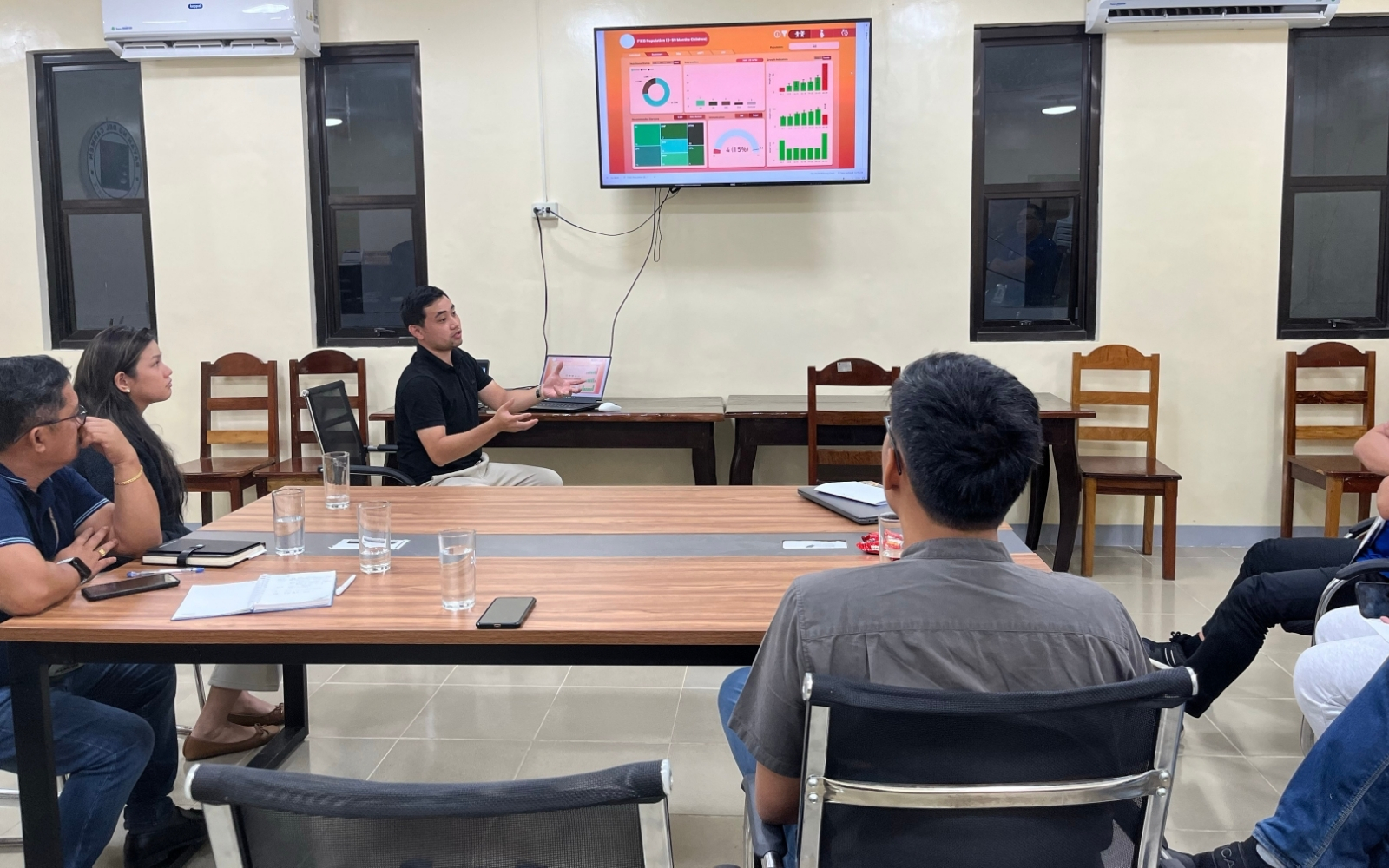
Del Carmen’s 20 barangays—including four island barangays—face unique challenges, especially during natural disasters. Mayor Coro stressed the need to continuously prepare, monitor, and adapt to evolving health and nutrition concerns. For him, it is important to ensure that programs remain effective before, during, and after disruptions.
Key local officials attended the session, including representatives from the Municipal Nutrition Action Office (MNAO), Social Welfare and Development (MSWDO), Agriculture and Fisheries (MAFO), and Planning and Development Office (MPDO). Sam Malayao from Protected Area Management Office (PAMO)-Siargao Island Protected Landscape and Seascape (SIPLAS) of the Department of Environment and Natural Resources (DENR) also participated in the activity.
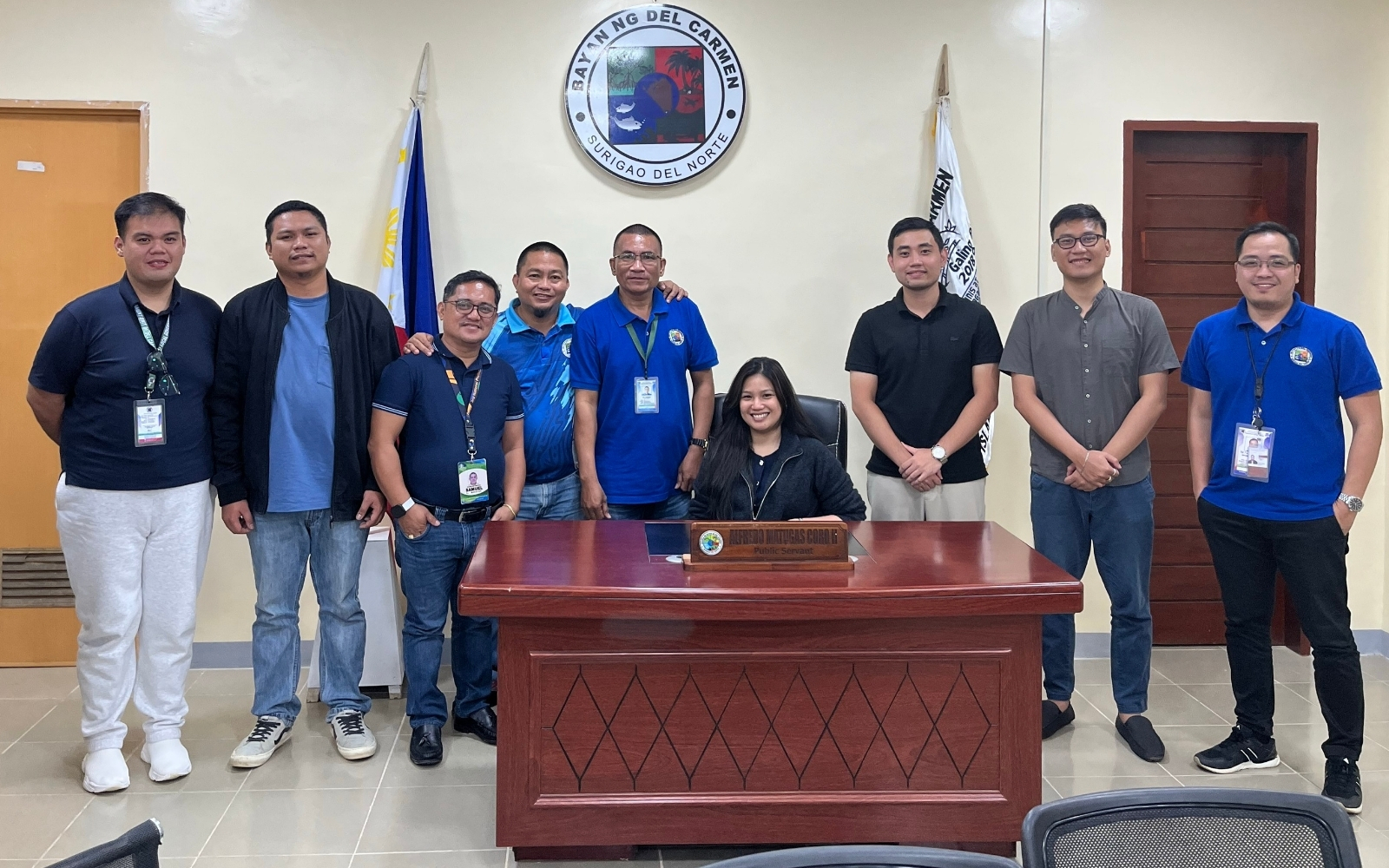
With the Nutrition and Health Leadership Program for Resilience under the Project TRANSFORM (Transdisciplinary Approach for Resilient and Sustainable Communities) in motion, ZFF is exploring new learning tracks focused on digital tools and evidence-based solutions. They aim to enhance leadership and governance for health and nutrition, ensuring a more resilient future for Del Carmen.