Zuellig Family Foundation and Notre Dame of Jolo College Discuss Collaboration
Representatives from the Zuellig Family Foundation (ZFF) Board of Trustees visited Notre Dame of Jolo College (NDJC) to discuss potential collaborations in health and leadership programs. The visit was a chance to understand the challenges faced by communities in Sulu and explore ways to make a lasting impact.
Father Eduardo Santojo shared insights about NDJC, which offers 19 undergraduate and 7 graduate programs. The school is deeply involved in community extension services, including operating primary schools for Badjaos in Jolo and Panglima Tahil. NDJC has mission areas not only in Sulu but also in Tawi-Tawi, Cotabato, Iloilo, and even Caloocan City.
Daniel Zuellig expressed his appreciation for NDJC’s warm welcome. To him, every visit to Sulu reinforces ZFF’s goal of peace and progress. He provided an overview of ZFF’s work, particularly in public health leadership, addressing teenage pregnancy, and improving nutrition during the First 1,000 Days of life (F1KD). He highlighted the importance of working closely with local government units (LGUs) to address health challenges effectively.
Dr. Manuel Dayrit, ZFF Chairman, shared that ZFF is eager to explore collaboration opportunities, particularly in strengthening leadership at the local level. Austere Panadero, ZFF President and Executive Director, shared that ZFF’s approach is different from other NGOs, and that it focuses on partnerships with academic institutions and LGUs to ensure long-term impact.
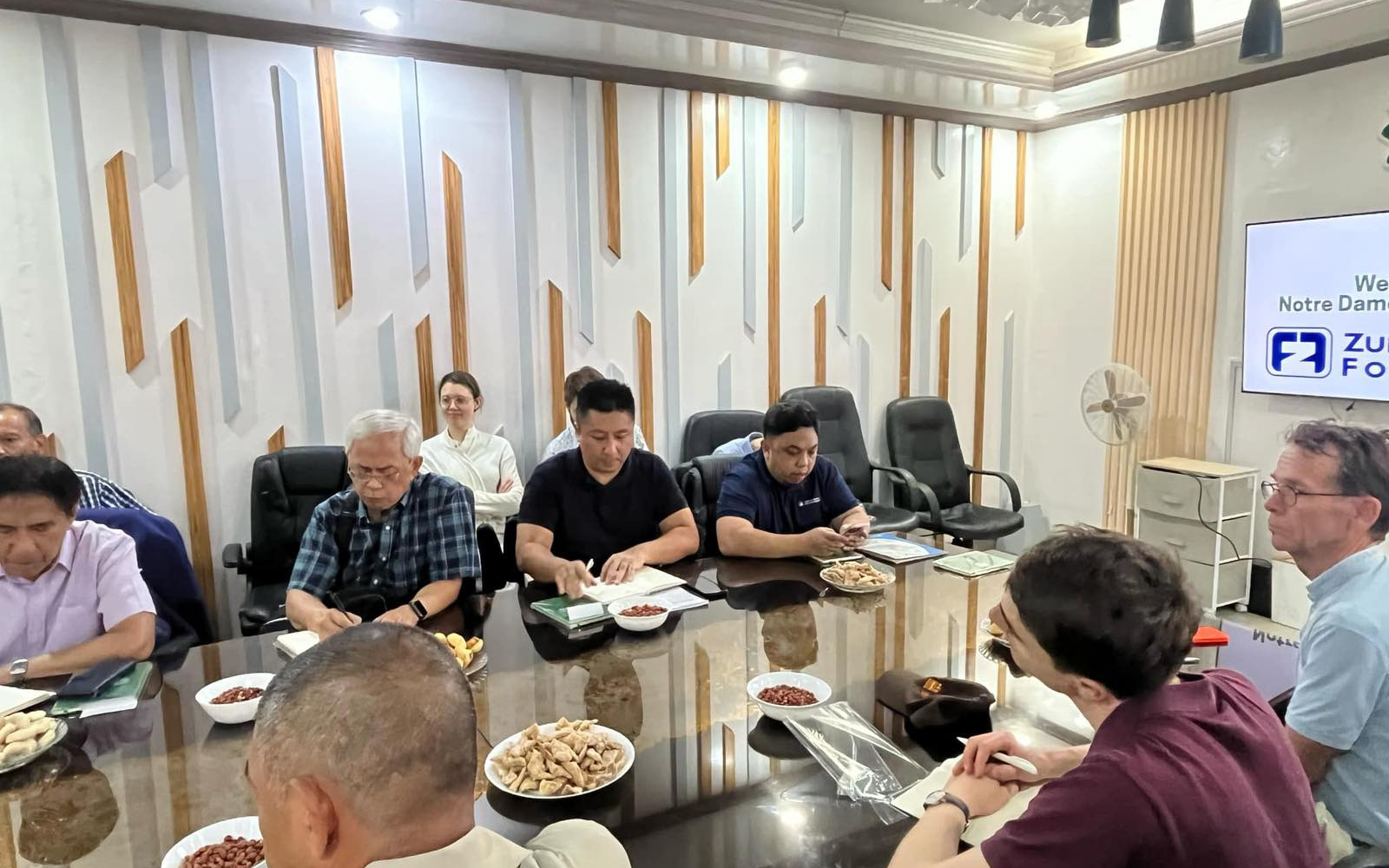
NDJC’s nursing program plays a vital role in the local community. Nursing is an important career path for Tausugs (both male and female) since NJDC opened the program in 1990. Many graduates serve in Jolo and nearby islands. With more than 500 students in nursing and midwifery and a growing pharmacy program, NDJC continues to contribute to the healthcare sector. The school also introduced a Medical Technology program last year and is expanding its facilities.
ZFF and NDJC discussed the possibility of NDJC becoming a hub for health leadership and governance programs in Sulu. Daniel Zuellig stressed that data-driven research is key to making informed decisions—every life counts, and every investment in health matters.
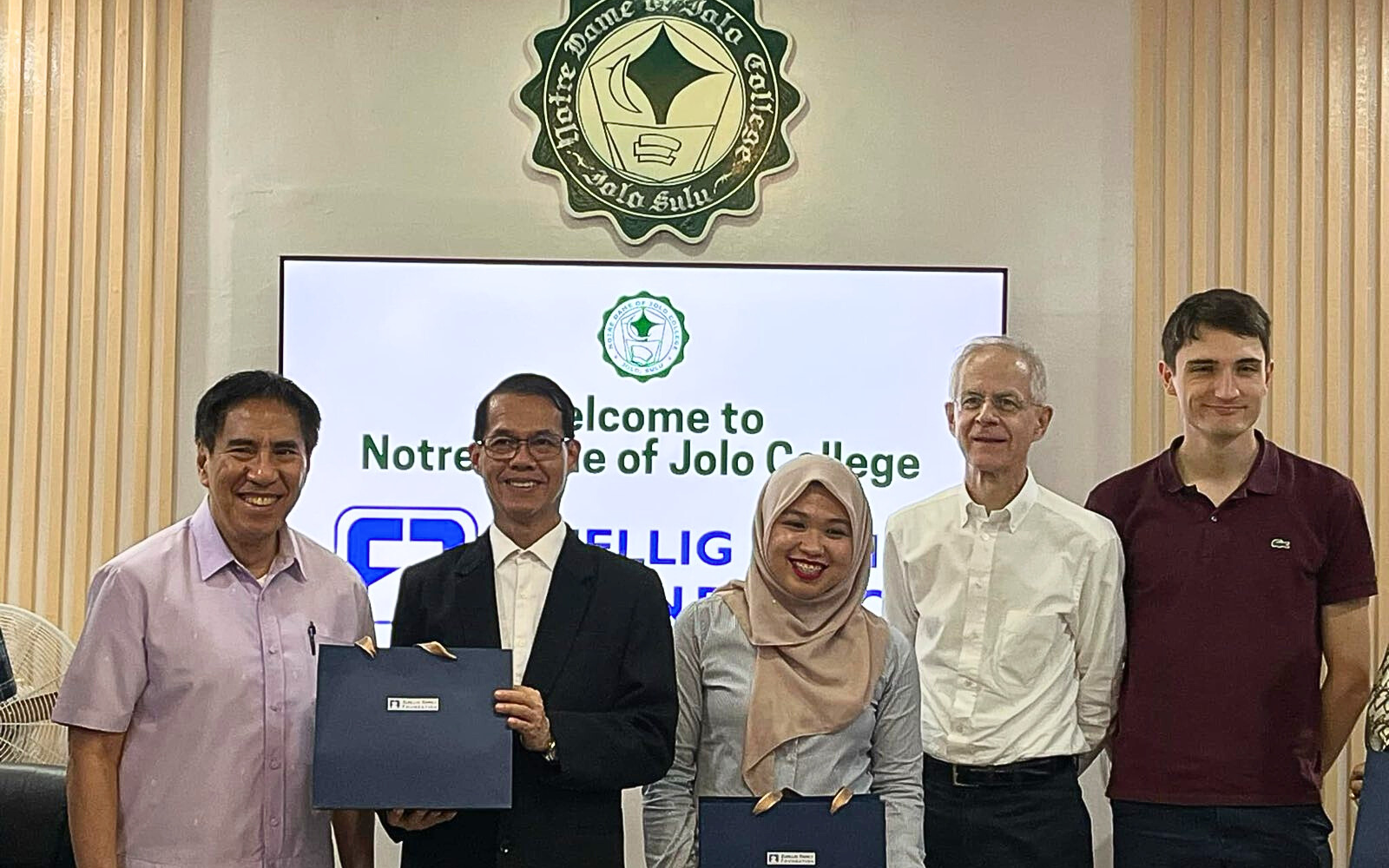
Potential areas of collaboration include:
- Research and program development in nutrition, public health leadership, and teenage pregnancy prevention.
- Strengthening partnerships between NDJC, ZFF, and LGUs.
- Expanding leadership programs to equip local leaders with the skills needed to improve healthcare services.
The next steps will involve deeper discussions on these initiatives, ensuring that both organizations can work together to create meaningful change in Sulu’s health sector. The visit marks the beginning of an exciting partnership, focused on empowering communities and improving lives.
Related article:
Partnerships for Progress: Takeaways from ZFF at AVPN Southeast Asia 2025
The Zuellig Family Foundation (ZFF) joined the Asian Venture Philanthropy Network (AVPN) Southeast Asia Summit 2025 in Singapore, a gathering of social investors and changemakers working to create meaningful impact across the region, last February 24-25, 2025.
AVPN has been a key player in connecting organizations, driving collaboration, and shaping a stronger ecosystem for sustainable solutions. In the Philippines, it brings together foundations, corporations, and stakeholders to support lasting development efforts.
On the first day, ZFF Chairman Dr. Manuel Dayrit met with Philanthropy Asia Alliance, World Mosquito Program, Centre for Exploratory Altruism Research (CEARCH), and the International Committee of the Red Cross (ICRC). In these conversations, Dr. Dayrit shared how ZFF’s Health Change Model is helping improve health and nutrition outcomes in local communities.
Day two of the summit focused on impact investments in health and nutrition. Discussions also touched on climate resilience, women’s empowerment, peace and social cohesion, and leadership—important pillars for long-term, sustainable development.
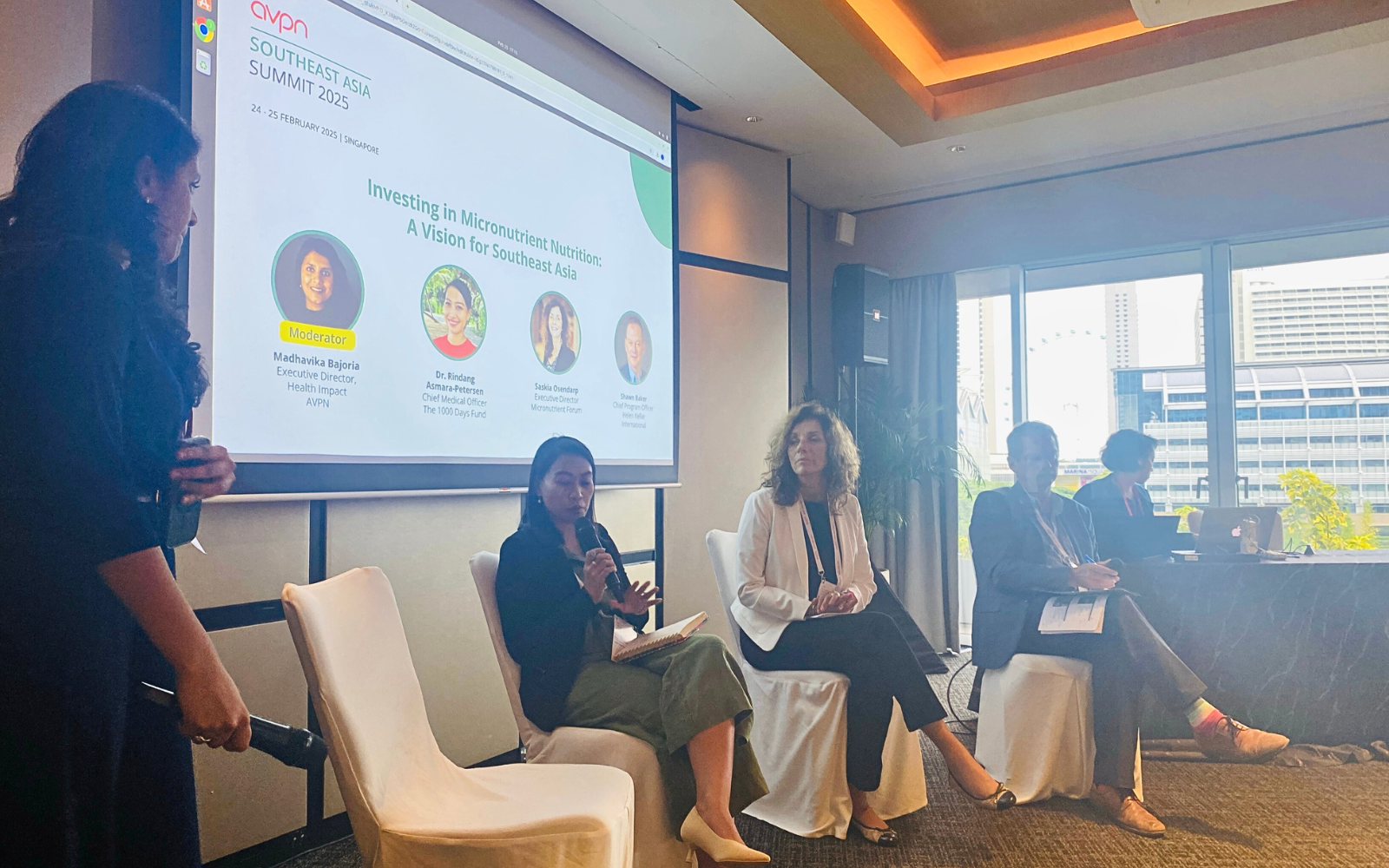
During the breakout session “Investing in Micronutrient Nutrition – A Vision for Southeast Asia”, experts from Thousand Days Fund, Micronutrient Forum, and Helen Keller International stressed the importance of ensuring people have access to essential nutrients. Dr. Dayrit joined the plenary discussion, noting the challenges of providing nutrition services in remote areas of the Philippines. He said that leaders must consider these realities when planning and budgeting for health programs to ensure equitable access.
ZFF remains focused on collaboration, innovation, and policy transformation to ensure that every Filipino—especially those in vulnerable communities—has access to essential health and nutrition services. The main takeaway? Real change happens when organizations, leaders, and communities come together with a shared vision for better health.
Pioneering Primary Care in Catbalogan, Samar
Catbalogan, home to 113,879 residents, has set up the first Primary Care Facility (PCF) in Samar—bringing essential health services closer to the people. On December 12, 2024, Catbalogan’s new PCF was officially recognized.
A key aspect of this transformation is Catbalogan’s involvement with the Zuellig Family Foundation and UNFPA partnership under the Joint Programme on Accelerating the Reduction of Adolescent Pregnancy (JPARAP) in 2023. Part of the support provided to local governments is technical assistance and guidance in reaching targets outlined in their local health roadmap, including accreditation and licensing to ensure that all 10 sites in the province meet the required health standards to become fully licensed PCFs.
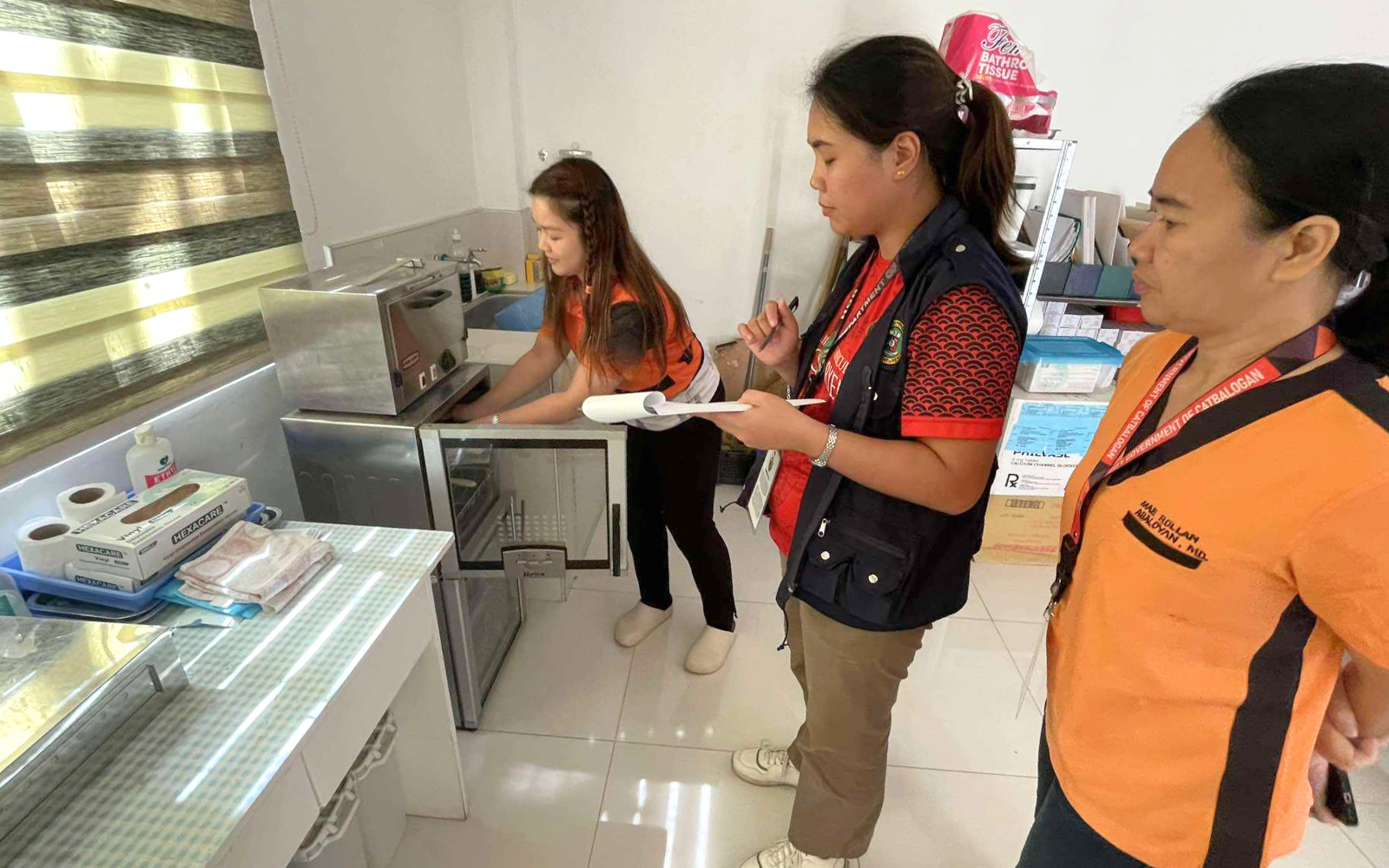
Catbalogan’s efforts are now inspiring other local governments to follow suit, pushing for a province-wide Health Care Providers Network (HCPN). This network is crucial in making Universal Health Care a reality for Samar’s residents.
Catbalogan is leading by example, showing that investing in healthcare is a necessity. As Mayor Dexter Uy’s slogan says, “Derecho Uswag”—sustained progress is the way forward.
Related articles:
- Expanded Youth Leadership and Governance Program (EYLGP): Tackling Adolescent Pregnancy in Southern Leyte and Samar
- Municipal Expanded Youth Leadership and Governance Program: Strengthening Local Governance for Adolescent Health in Samar
- A Year of Progress: Reducing Adolescent Pregnancy in Southern Leyte and Samar
ZFF Pook Malusog Dashboard: A Digital Tool for Better Health and Nutrition
Health workers in many communities often struggle with outdated and incomplete health records. Important data about pregnant women and young children—especially those in the First 1,000 Days (F1KD)—can be hard to track. Without clear and updated information, it becomes difficult to provide the right help at the right time.
To address this, the Zuellig Family Foundation (ZFF) developed the Pook Malusog Dashboard—a digital tool designed to make health and nutrition monitoring easier, faster, and more accurate.
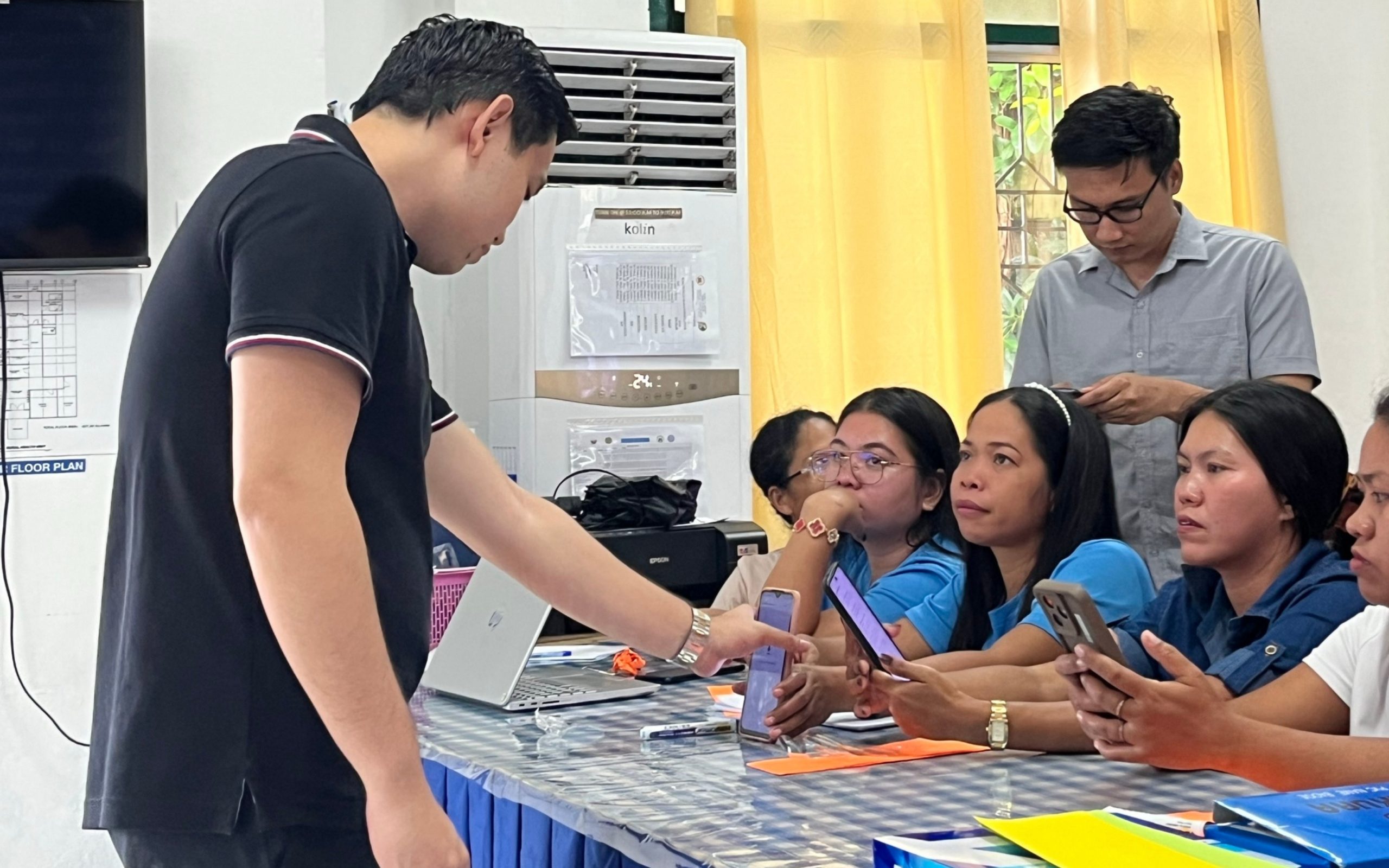
The ZFF Pook Malusog Dashboard is a digital health and nutrition information system that helps local health workers track pregnant women and young children in their communities. Instead of relying on scattered paper records, Barangay Health Workers, Barangay Nutrition Scholars (BNSs), midwives, and other Rural Health Unit (RHU) staff can now collect and update data in one organized digital platform.
How Does It Help?
- Easy Data Collection: Health workers can input data on pregnant women, newborns, and children up to five years old using a mobile phone, tablet, or a computer.
- Real-Time Updates: Local governments can instantly see who needs urgent care and which areas have nutrition problems.
- Automatic Computation: The system calculates height, weight, and other health indicators to detect malnutrition early.
- Geo-Tagging: Helps track families and ensure they receive proper nutrition support.
- Offline Capability: Data can be collected even without the internet and uploaded once a connection is available.
In Pilar, Siargao, Mayor Liza Resurreccion described the Dashboard as “a dream come true” for her municipality. During the pilot run, 428 children (0-59 months), 36 pregnant women, and 357 households were monitored using the system. In 2025, Pilar fully integrated the Dashboard into its annual Operation Timbang Plus (OPT+) survey. With this, all 15 barangays in Pilar now benefit from real-time health and nutrition data.
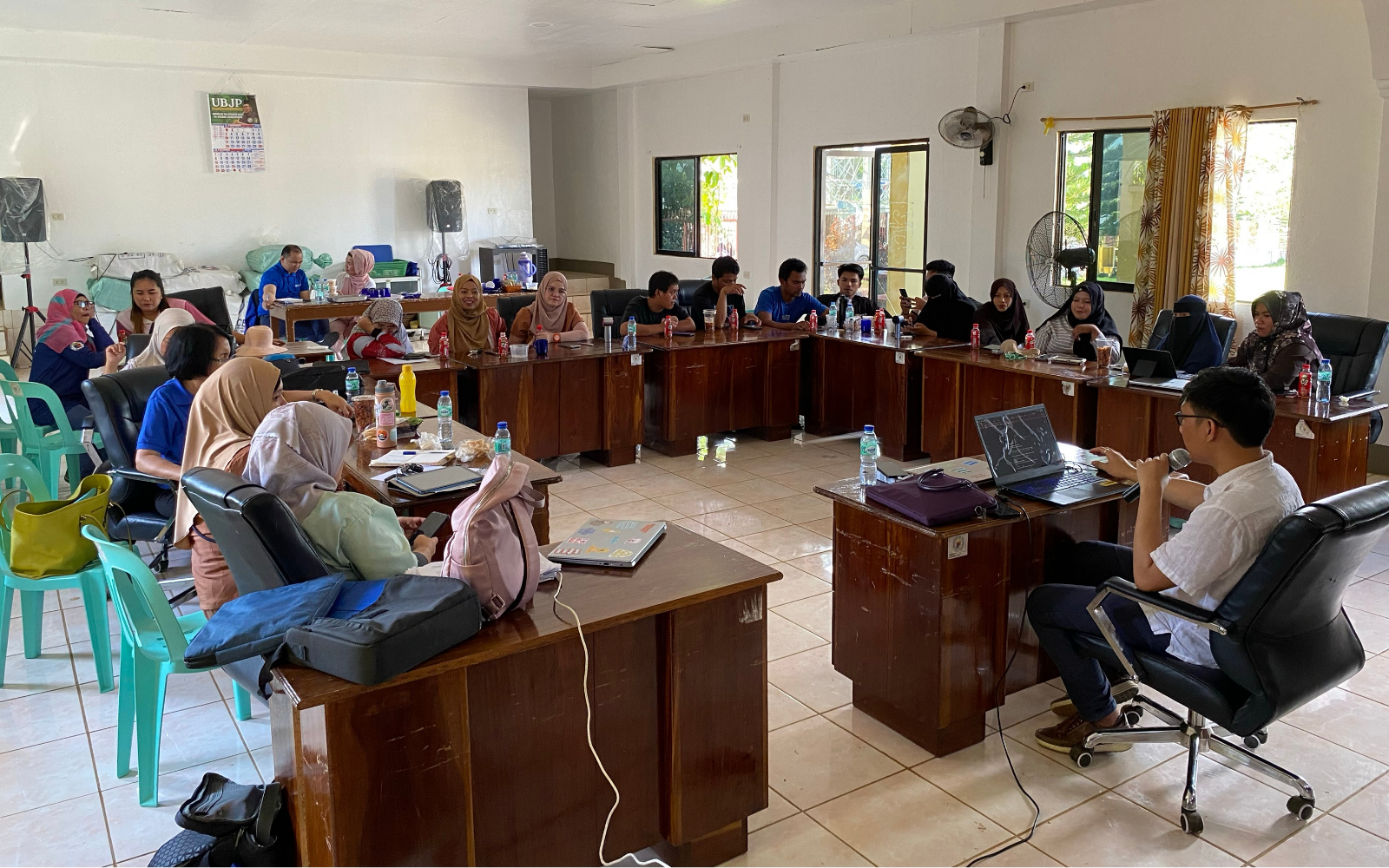
In Basilan, two ZFF Municipal Nutrition Governance Program (MNGP) areas—Tipo-Tipo and Lamitan City—have started using the system. Municipal Health Officers have committed to integrating the tool into their local health programs and securing additional resources, such as Android phones for BNSs, to make implementation smoother.
Why Nutrition Data and Technology Matter
Having accurate health and nutrition data means local governments can make better decisions. Instead of guesswork, they can plan food programs, medical missions, and financial support based on real needs. The goal is to create healthier communities where health workers are better equipped, and every family gets the support they need.
Related articles:
ZFF at the SEA Access to Medicine Summit 2025: Good Health Leadership and Governance, Better Health Outcomes
Public-private partnerships (PPPs) have the power to transform healthcare. The Zuellig Family Foundation (ZFF) recently joined the Southeast Asia Access to Medicine Summit 2025 in Bangkok, Thailand, where experts from different sectors discussed how collaboration can strengthen health systems and improve health outcomes.
One of the biggest barriers in the Philippines is the decentralized healthcare system, where local governments handle procurement and distribution of medicines. However, many lack the technical expertise, personnel, and resources to do this effectively. ZFF has been working since 2008 to address these gaps, training, coaching, and mentoring over 700 municipalities, 41 cities, and 37 provinces to strengthen their leadership and governance capacities in healthcare.
During the summit’s opening panel, Dr. Catherine Chung, ZFF Local Health Systems Portfolio Director, joined Vanessa Daniel of DNDi based in Malaysia, Kamonwan Sirilup of the Medical Benefits Division of Thailand’s Comptroller General’s Department, and Soleine Scotney of Clinton Health Access Initiative, Inc. (CHAI) based in Cambodia, who moderated the discussion. Dr. Chung stressed that good leadership leads to good governance, which results in better health outcomes.
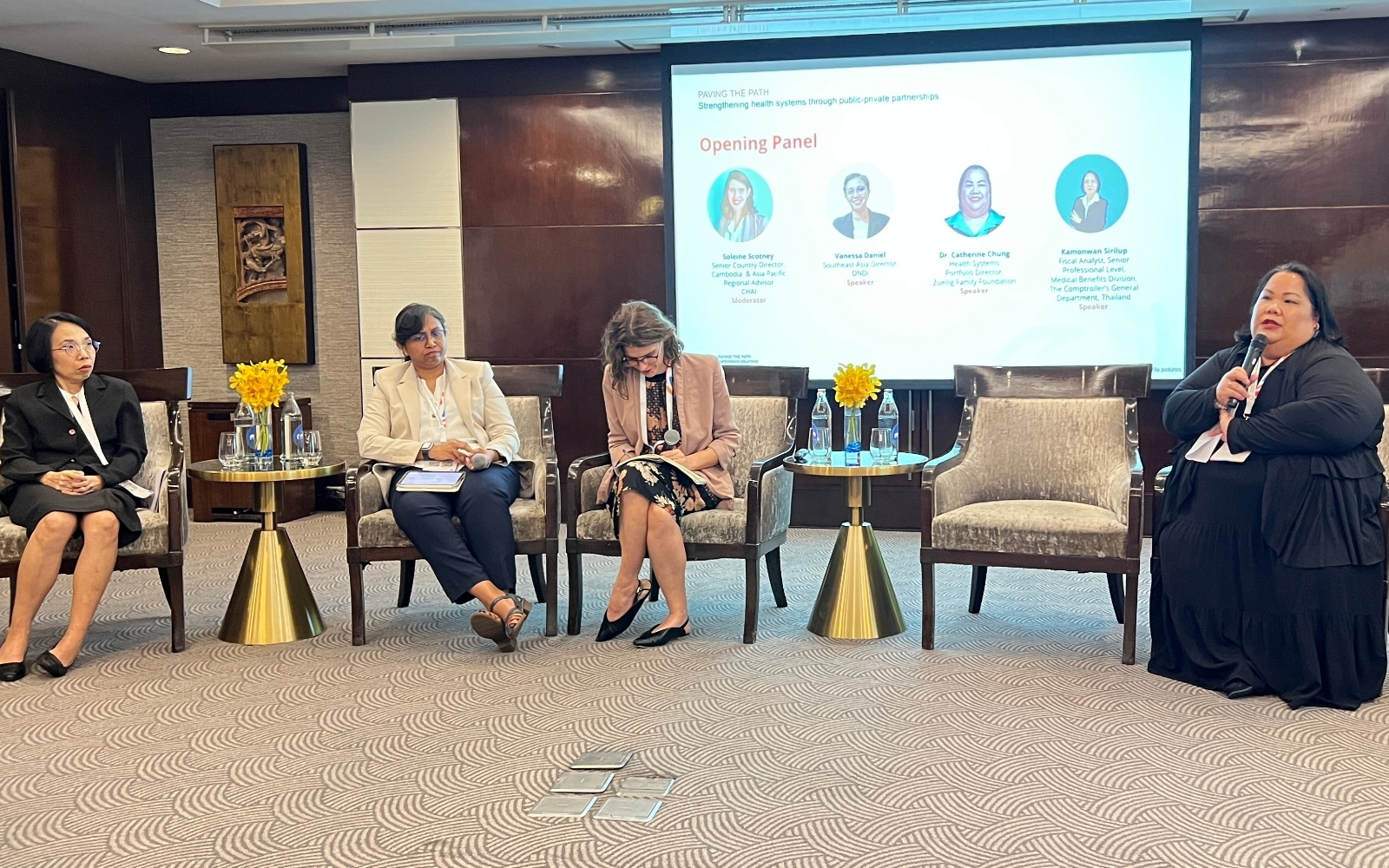
She shared that ZFF’s approach is unique because it requires local governments to invest their own resources in health system reforms. By not accepting government funds, ZFF ensures its technical assistance is independent and aligned with local needs. This approach has led to successful partnerships, such as in Aklan and Bataan, where improved health governance attracted further collaborations with organizations focused on medicine access and health financing.
One of the main discussions at the summit revolved around the factors that contribute to successful PPP models in Southeast Asia. Three key elements emerged:
- Commitment from local governments: For partnerships to work, governments must be willing to invest in healthcare and prioritize long-term system improvements rather than short-term gains.
- Sustainable financing mechanisms: Risk-sharing agreements and innovative financing models can help ensure that partnerships last beyond election cycles and shifting political priorities.
- Community engagement: While ZFF has traditionally worked with local leaders, empowering communities to take part in health system improvements fosters greater accountability and long-term sustainability.
Reflecting on over a decade of collaboration with local governments, ZFF recognized that partnerships must be flexible and responsive to local needs. Initially, ZFF’s focus was on training government leaders, but the foundation now sees the need for structured community participation to make health programs more effective and sustainable.
A major challenge in the Philippines is the lack of alignment between national health agencies and local governments. National programs, such as PhilHealth’s benefit claims and the Department of Health’s medicine distribution, need stronger coordination with local health offices to reduce out-of-pocket costs for patients. More engagement from private sector players could also improve access to essential medicines, particularly for long-term care of non-communicable diseases and infectious diseases like tuberculosis.
There is also a need for governments to view healthcare as a long-term investment. Many local officials hesitate to invest in preventive health measures because the benefits are not immediately visible within their political terms. However, building resilient health systems is more cost-effective than responding to health crises. Organizations like ZFF play a key role in helping local governments understand the financial viability of investing in healthcare.
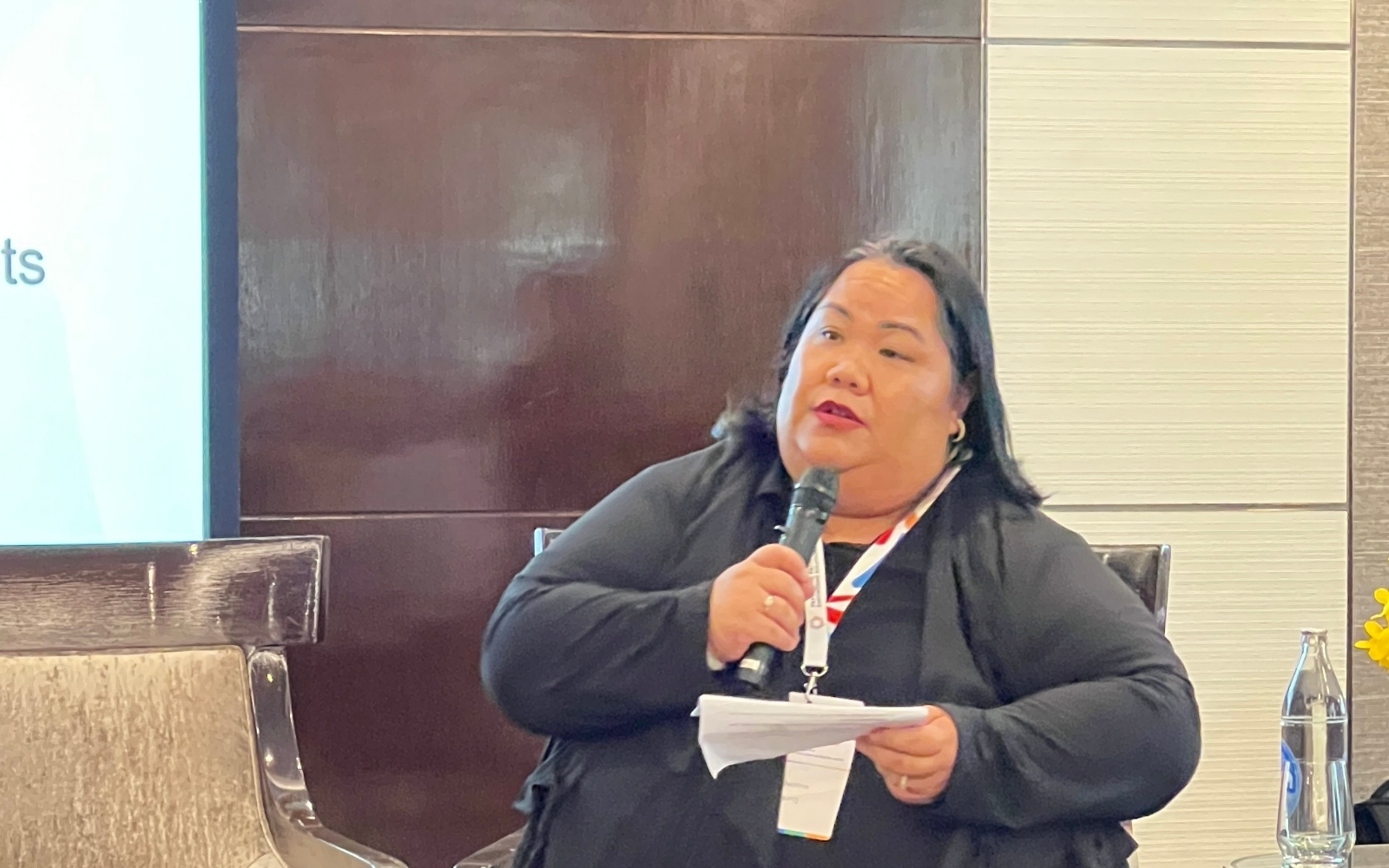
Successful PPP should not only focus on providing short-term aid but should also work towards improving government capacity for sustainable financing. This includes enhancing processes, training health personnel, and ensuring local governments can independently manage health programs. Ultimately, reducing reliance on foreign aid and prioritizing long-term health investments will be crucial for ensuring equitable healthcare access across Southeast Asia.
The conversations at the Southeast Asia Access to Medicine Summit underscored a vital truth: collaboration is key to transforming healthcare systems. By fostering strong public-private partnerships, improving governance, and ensuring sustainable financing, we can pave the way for a healthier future for all.
Ang Pamilyang Planado, Panalo: Isabela de Basilan’s Efforts in Family Planning
In the Happy City of Isabela de Basilan, the local government is making family planning more accessible, ensuring families can make informed decisions for a better future. The City Population Management and Development Office, under City Population Officer Jesielyn Puno, has been conducting Family Development Sessions using the Usapan Module Series and Responsible Parenthood and Family Planning (RPFP) approach.
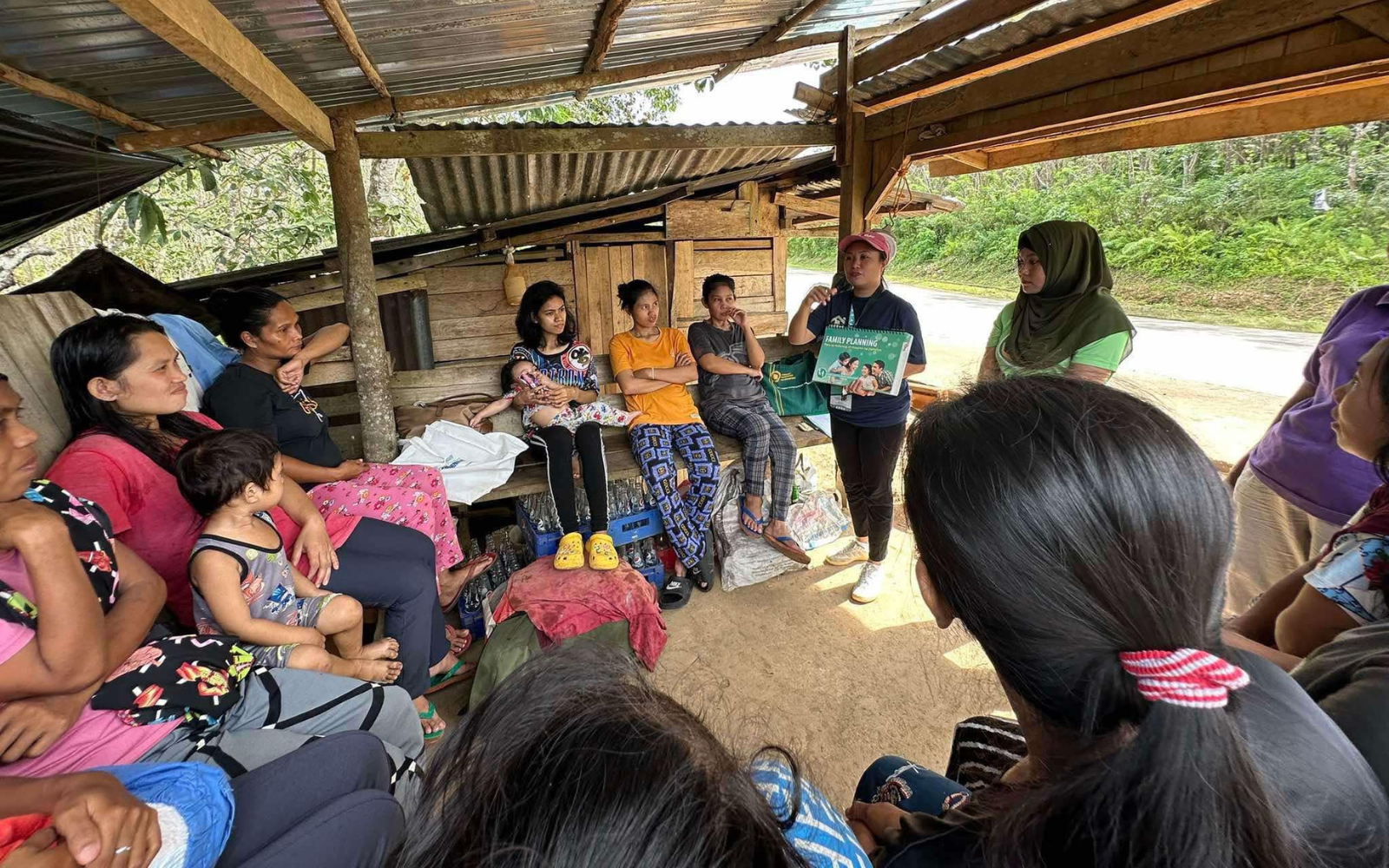
Despite the challenges of rough roads and cultural hesitations about reproductive health and family planning, the team has reached the far-flung barangays of Diki, Masula, Tabiawan, Maligue, and Kapayawan from January 16 to 30, 2025. Many women in these areas had limited knowledge about birth spacing due to misconceptions and misinformation.
These discussions, called Usapang Maginoo, Usapang Kontento Na, and Usapang Pwede Pa, along with RPFP, have helped parents and relatives understand family planning and responsible parenthood better.
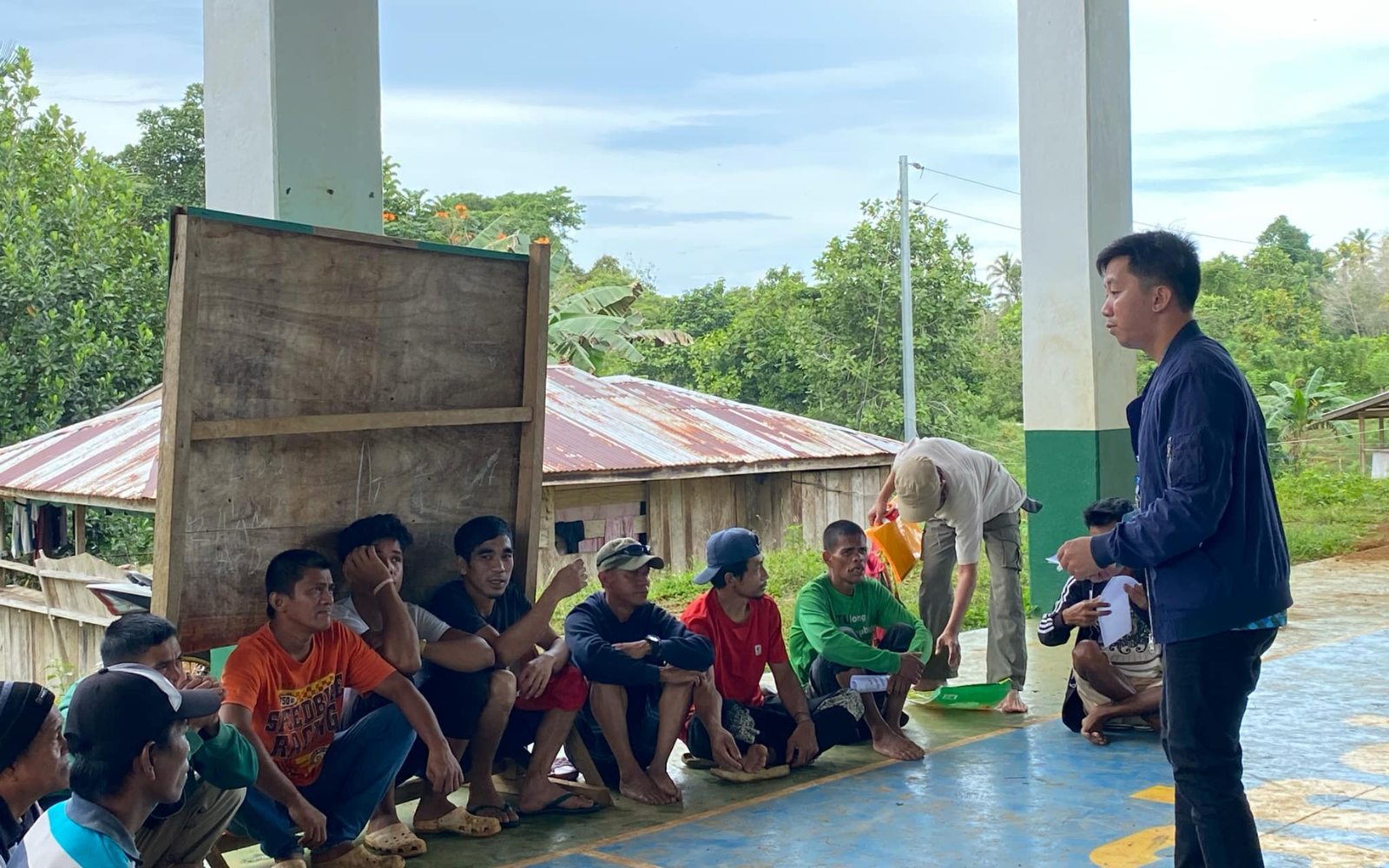
The city government holds these sessions every month, aiming to increase the number of family planning acceptors or modern contraceptive prevalence rate (mCPR) beyond the national standard of 30% and reduce unplanned pregnancies, especially among adolescents. With continued efforts and partnerships with the Zuellig Family Foundation and The Challenge Initiative, Isabela de Basilan is steadily improving its family planning programs as part of its broader efforts towards achieving Universal Health Care.
Related articles:
ZFF Bayang Malusog Community of Practice in 2025: A Renewed Commitment to UHC Learning
The Zuellig Family Foundation (ZFF) conducted its reorientation session for the Bayang Malusog Community of Practice (CoP), a Universal Health Care (UHC) learning exchange community, on February 10, 2025. The two sessions served as an opportunity to reflect on the CoP’s progress over the past year and introduce key improvements to its implementation moving forward with attendees from partner local government units, Department of Health (DOH) Center for Health Development offices in Cordillera Administrative Region, Ilocos, Cagayan Valley, CALABARZON, and Eastern Visayas.
Since its pilot launch, the CoP has been instrumental in fostering knowledge-sharing and collaboration among health leaders. The CoP members, through onsite and online learning sessions, participated in discussions about their provincial UHC vision, lessons learned, challenges, and best practices. They also gained insights from experts on critical UHC topics such as health financing and health information systems.
ZFF remains committed to sustaining the learning platform for its partners, ensuring continued knowledge-sharing and capacity-building efforts. To enhance its effectiveness, key improvements have been introduced. Originally with nine cohort areas, the CoP now welcomes all interested and engaged partners, including both current and graduates of the ZFF Local Health Systems (LHS) portfolio programs. Unlike the dynamic membership model from the pilot phase, identified members will now remain consistent throughout the program’s implementation. Learning sessions, discussions, and best practices will be systematically recorded and shared to benefit a wider audience.
CoP remains a voluntary initiative designed to empower health leaders and practitioners through peer learning and expert guidance on UHC. With these enhancements, the Bayang Malusog Community of Practice is set to become a more structured, engaged, and impactful platform for UHC implementation in the country.
The next onsite learning session is scheduled for March 2025. ZFF looks forward to another productive year of learning, sharing, and innovating towards better health outcomes for all.
Related articles:
- Insights from the 2024 Bayang Malusog Community of Practice Sessions
- Connecting the Dots: Overcoming Health Information System Challenges in Achieving Universal Health Care
- Navigating Health Financing Challenges with Bayang Malusog: Insights from Quezon and Aklan
Insights from the 2024 Bayang Malusog Community of Practice Sessions
The Bayang Malusog Community of Practice (CoP) has proven to be an essential platform for collaboration and shared learning in advancing Universal Health Care (UHC) implementation in the Philippines. Over the past year, three CoP sessions have gathered health leaders, provincial health officers, and key stakeholders from various regions to discuss challenges, share good practices, and explore innovative solutions for health governance.
As the new year begins, the Zuellig Family Foundation (ZFF) is set to launch another round of CoP sessions starting February 10, 2025. These sessions will build on the insights gained in 2024 and further strengthen health leadership and governance.
Key Insights from the 2024 Sessions
1. Collective Learning for Health Systems Strengthening
The inaugural CoP session in April 2024 focused on fostering a culture of learning and collaboration among local health leaders. Participants from Aklan, Apayao, Baguio City, Benguet, Biliran, La Union, Laguna, Northern Samar, and Quezon shared their experiences in implementing UHC. The introduction of the Bayang Malusog Exchange (BMEx) platform at https://healthinnovex.org further enhanced these efforts by providing an online space for health leaders to connect and exchange best practices.

2. Addressing Health Financing Challenges
The second CoP session in July 2024 highlighted financial sustainability as a key aspect of UHC implementation. Quezon Province shared how they integrated financial management into their Primary Care Provider Network (PCPN), while Aklan detailed their approach to establishing District Health Systems to improve fund allocation. Despite challenges such as system downtimes and limited IT infrastructure, both provinces demonstrated how strategic governance and collaboration with local government units can enhance health financing mechanisms.
3. Strengthening Health Information Systems
The third CoP session in September 2024 focused on the role of integrated health information systems (iHIS) in achieving UHC. Participants discussed the difficulties of non-interoperable systems, inconsistent internet access, and the need for IT capacity-building at the local level. Solutions proposed included increasing investments in IT infrastructure, training health personnel in digital tools, and ensuring seamless data sharing between hospitals, rural health units, and government agencies.
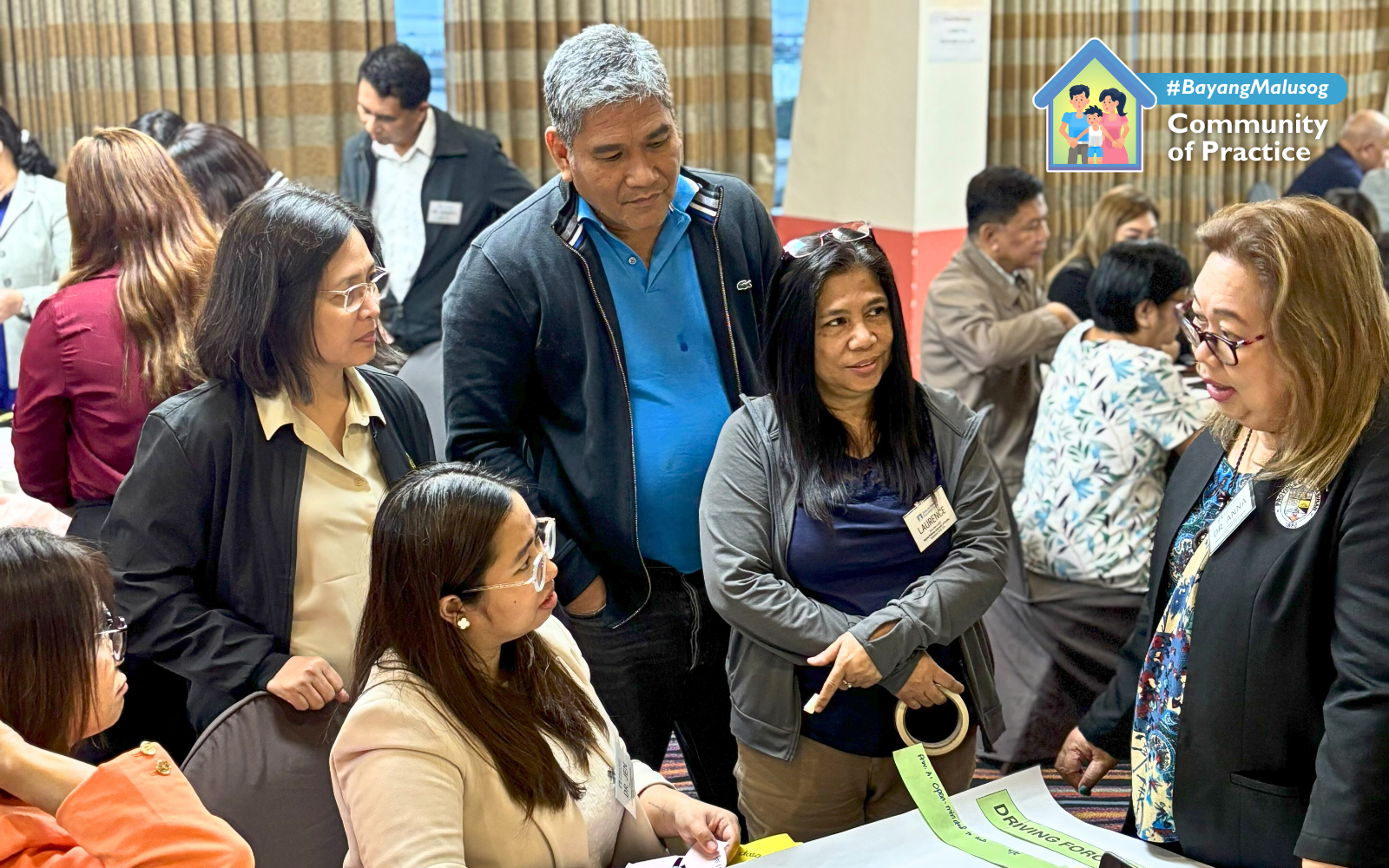
Bayang Malusog CoP 2025
With the success of the 2024 sessions, the upcoming 2025 CoP will further deepen discussions on health governance, financing, and digital transformation. ZFF remains committed to championing health together with its partners, ensuring that every Filipino has access to quality healthcare.
Related articles:
Expanded Youth Leadership and Governance Program (EYLGP): Tackling Adolescent Pregnancy in Southern Leyte and Samar
Adolescent pregnancy remains a challenge in the Philippines, affecting young people’s health, education, and future opportunities.
To address this, the Joint Program on Accelerating the Reduction of Adolescent Pregnancy (JPARAP) was launched in Southern Leyte and Samar in 2023. This multi-year initiative, running from 2022 to 2026, brings together the United Nations Population Fund (UNFPA), United Nations Children’s Fund (UNICEF), and the World Health Organization (WHO) to improve access to sexual and reproductive health services, enhance adolescent awareness, and strengthen governance for youth health programs.
JPARAP is supported primarily by the Korea International Cooperation Agency (KOICA), with additional funding from the Philippine government and UN agencies. The program aims to equip health workers, teachers, and peer educators with essential knowledge and resources while making health facilities more adolescent-friendly and ensuring mobile health services reach those in need.
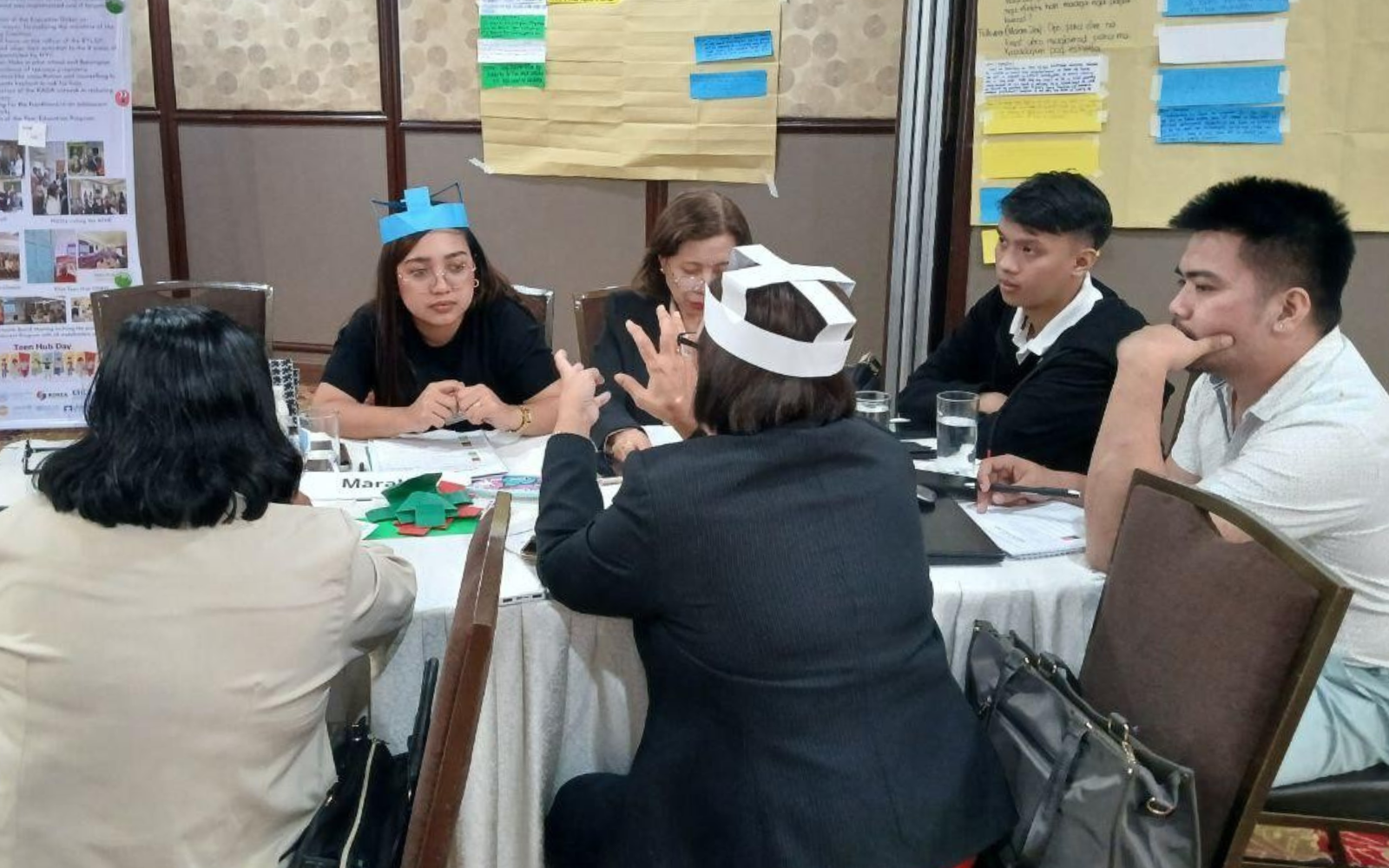
To further this effort, the Zuellig Family Foundation (ZFF), in partnership with UNFPA, launched the Expanded Youth Leadership and Governance Program (EYLGP), as part of JPARAP. EYLGP is a 24-month capability development program aimed at accelerating the reduction of adolescent pregnancy in the provinces of Samar and Southern Leyte. It consists of two training modules and practicum phases that equip trained local leaders with the skills to address adolescent pregnancy through multi-level and multi-stakeholder interventions in improving their Adolescent and Youth Sexual and Reproductive Health (AYSRH) systems. Participants receive coaching, mentoring, and technical assistance from coaches, mentors, and experts from government agencies, including the Department of Health (DOH), Department of Interior and Local Governments (DILG), Department of Social Welfare and Development (DSWD), Department of Education (DepEd) and the Commission on Population and Development (PopCom).
EYLGP began implementation at the provincial, municipal, and barangay levels in 2023. At the municipal level, mayors were identified as key system drivers and trained alongside their guiding coalitions, using the Municipal Roadmap for Adolescent Pregnancy Reduction (APR) as a technical guide. The first Municipal EYLGP (MEYLGP) module was rolled out in 20 municipalities across Southern Leyte and Samar. Trained leaders included municipal mayors and members of their guiding coalitions, comprising representatives from the Sanggunian Kabataan (SK), health, social services, population and development and education sectors. As part of the training, action plans were developed and implemented during the first practicum phase.
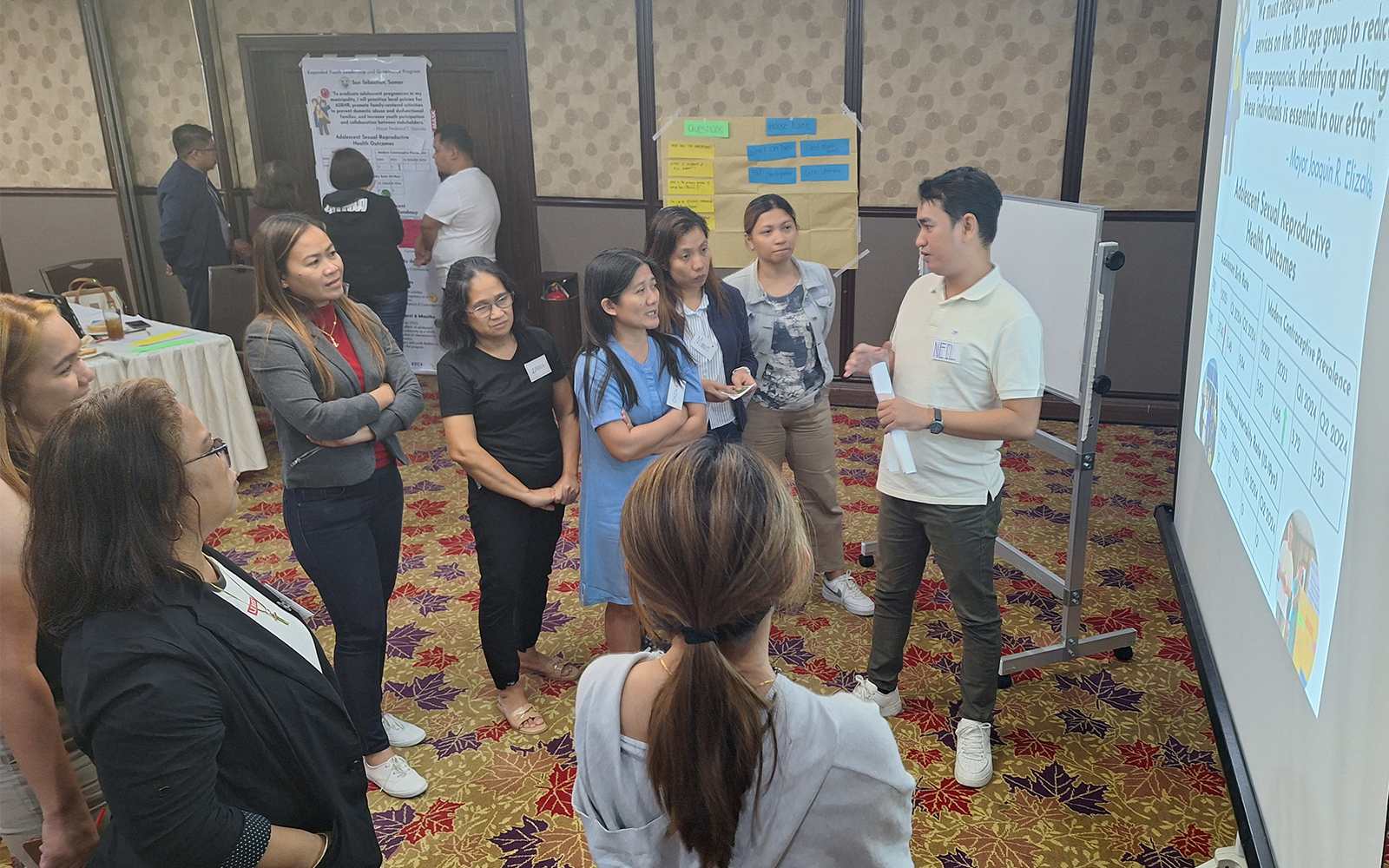
EYLGP aligns with JPARAP’s goal of enhancing governance for AYSRH. Through this effort, JPARAP aims to reach 360 local chief executives (mayors), government, and community leaders from 20 local government units, 100 youth leaders, and 3,000 adolescents.
There is still a lot of work to be done, but with the commitment of local leaders and communities, change is happening. With continued support, reducing adolescent pregnancy and ensuring a better future for Filipino youth is within reach.