Plans set to get UHC back on track in provinces
Provincial health officials reconnected with their life’s purpose and agreed to work toward attaining Universal Health Care (UHC) after attending a two-day leadership training. As one group of provincial health team leaders (PHTLs) declared for their region, “Sa CAR (Cordillera Administrative Region), saan mang sulok, kalusugan ay maabot.”
The training, attended by 18 PHTLs and three UHC coordinators from CAR, Ilocos Region, and Cagayan Valley region, is part of the Leadership for Development Program (LDP) to Accelerate UHC Implementation. This is a partnership between the Department of Health’s Field Implementation and Coordination Team (DOH-FICT) in northern Luzon and the Zuellig Family Foundation (ZFF).
The PHTLs will cascade their learnings to their teams of development management officers so they too build their leadership capacities. They defined the ways to win over their critical stakeholders in co-owning the challenges in attaining UHC, a crucial step given the arduous tasks to build province-wide health systems. To do this, they will localize the intent of the UHC law to make its relevance clearer to local officials who will hopefully be moved to take urgent actions.
These initial efforts are intended to attain within the second quarter of 2022 the objectives of having dedicated provincial teams for health promotion and disaster risk reduction and management in health, as well as functional epidemiologic and surveillance units in the provinces. Through these, provinces would have met at least 70% of the conditions set under the preparatory level for UHC.
PHTLs’ active and proper guidance will help local government units fulfill the conditions under the 2019 UHC law. They are responsible for carrying out the DOH functions that include planning, advocating, mobilizing resources, providing technical assistance, and collaborating with the provinces.
Unfortunately, many PHTLs have faced roadblocks. The pandemic forced all local government units to focus on COVID-19 management. There are also fundamental gaps in health promotion and education, information systems, and human resources.
The first module focused on applying the competencies under the bridging leadership framework of owning the issues, co-owning them with the stakeholders, and co-creating the solutions. Participating PHTLs underwent discussions and exercises in situational analysis, creating team vision, and planning stakeholder engagement and other next steps.
Undersecretary Myrna Cabotaje, who heads DOH-FICT northern Luzon and NCR clusters, reminded the PHTLs about their role in catalyzing improvements within the DOH and sharing their knowledge, especially with governors and mayors, since local chief executives’ policies and actions will determine the reduction of health inequities and sustainability of health improvements.
The next training for PHTLs will happen in July 2022. Cabotaje, a participant in ZFF’s past leadership program for DOH regional directors, asked ZFF to replicate its programs for three partner provinces that progressed considerably toward UHC despite the pandemic. The DOH regional leadership wanted similar transformations in the capacities of their key officials so they can also coach and mentor provincial and city health leaders on what and how things should be done to attain UHC.
Forging a Path to Safer, More Resilient Communities: Health Leadership and Governance Training Launched in Camarines Sur
Local governments in Camarines Sur are strengthening their capacity to address intersecting health and social issues, including adolescent pregnancy and maternal mortality. From June 2–5, 2026, provincial and municipal leaders from Camarines Sur, Nabua, Bula, and Minalabac gathered in Naga City for the Module 1 rollout of a governance program designed to strengthen local health systems and protect the most vulnerable.
The Leadership and Governance for Social Protection, Inclusion, Gender Equality and Resilience for Local Action (LG4SIGLA) Program is designed to equip Local Government Units (LGUs) with the skills needed to advance inclusive, gender-responsive, and resilient health systems governance. At its core, the program recognizes that lasting change for women, children, and marginalized groups depends on the commitment and capability of local leaders.
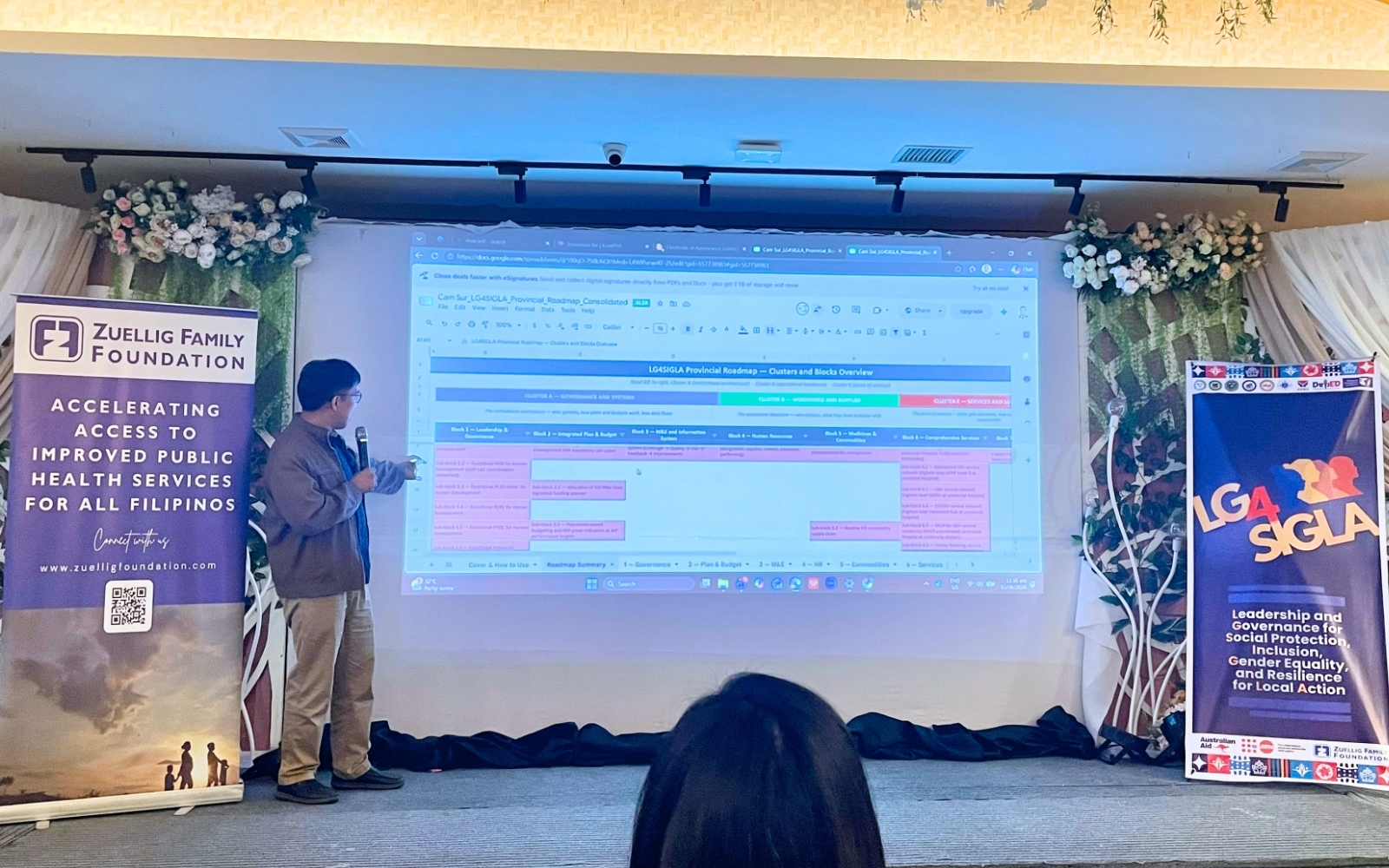
The four-day rollout introduced participating LGUs to the foundational concepts, frameworks, and tools of the program. Through lectures, workshops, facilitated discussions, and action-planning sessions, participants gained a deeper understanding of social protection, gender equality, and inclusion. More importantly, they identified concrete opportunities to integrate these principles into local governance processes and development initiatives, directly linking them to the reduction of health and social risks in their communities.
Mayor James Colin Lizardo of Minalabac attended and completed the full Module 1 training demonstrating his commitment to strengthening inclusive and responsive governance in his municipality. Reflecting on his participation, Mayor Lizardo stated, “I wanted to finish the 4-day training because I know showing up matters.” As the program progresses, organizers anticipate the continued involvement of all participating local chief executives in the succeeding modules to deepen collective leadership and program ownership across Camarines Sur.
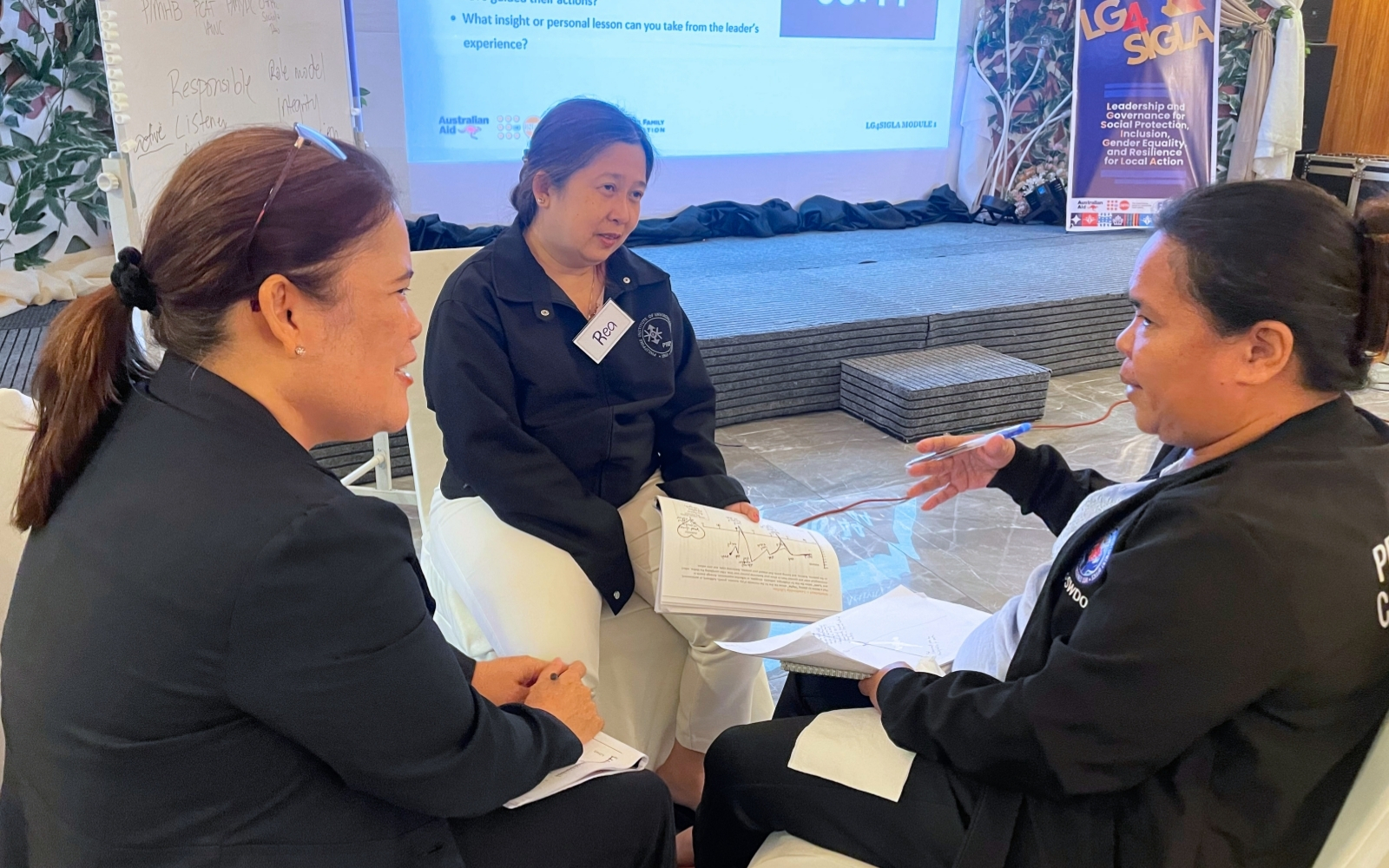
The rollout concluded with an Advocacy Summit, which served as a platform for participants to present key learnings, insights, and initial commitments. The summit was attended by representatives from regional line agencies, including the Department of Health-Bicol Center for Health Development, the Department of the Interior and Local Government, the National Youth Commission, the Commission on Population and Development, and the Philippine Commission on Women, and from the United Nations Populations Fund, the Provincial Government of Camarines Sur, civil society organizations, and other partner institutions. These agencies conveyed their messages of support and reaffirmed their commitment to align programs and provide technical assistance in strengthening LGU capacities.
The work has just begun, but the foundation laid in Camarines Sur promises more sustainable development outcomes and safer communities for all.
Authors: Mikee Ebias, ZFF Expanded Youth Leadership and Governance Program Provincial Associate Officer for Samar and Camarines Sur; Krizzia Esperanza, ZFF Corporate Communications Associate
One Vision, One Province: Governor Leads Dinagat Islands Toward Zero Malnutrition
For Dinagat Islands Governor Nilo Demerey Jr., addressing malnutrition is more than a health agenda; it is a leadership imperative.
“The issue of stunting and malnutrition is close to my heart,” he shared as provincial and municipal leaders gathered under the Zuellig Family Foundation (ZFF)’s Nutrition Leadership and Equity Acceleration Program (NutriLEAP) to confront one of Dinagat Islands’ most pressing development challenges.
The conversation came at a critical time. Despite recent progress, Dinagat Islands continues to face significant nutrition challenges. Provincial data revealed persistent concerns with stunting, wasting, and emerging overweight trends. Gaps in nutrition service coverage, shortages in health personnel and commodities, and infrastructure challenges affecting access to safe water and sanitation further compound the problem.
Related article:
Yet rather than focusing solely on the numbers, Governor Demerey used the opportunity to unite mayors, government agencies, legislators, and development partners around a common purpose.
With ZFF’s Bridging Leadership approach, the Governor facilitated a dialogue that moved leaders beyond individual mandates toward collective ownership of the province’s nutrition future. The session encouraged local chief executives to openly discuss challenges within their municipalities, identify opportunities for collaboration, and commit to concrete actions to accelerate nutrition gains across Dinagat Islands.
The dialogue revealed a shared determination among local leaders. Municipal priorities ranged from adolescent maternal nutrition and stronger health investments to improved health infrastructure, expanded nutrition programming, and sustainable financing. While each municipality faced unique challenges, all shared a common aspiration: achieving zero malnutrition.

Governor Demerey recognized this alignment as a powerful demonstration of collaborative leadership. “Our vision by 2028 is to achieve zero malnutrition across Dinagat Islands. Solving it once is not enough; we must sustain the gains,” he emphasized.
To support this vision, the Governor committed to establishing a Provincial Nutrition Office, strengthening nutrition information systems, and building the capacities of parents, caregivers, and frontline workers. These actions will help ensure that nutrition efforts are not only implemented but sustained through stronger systems and governance.
More importantly, the engagement demonstrated how provincial leadership can serve as a catalyst for change. By creating a space where mayors collectively examine challenges, align priorities, and hold one another accountable, Governor Demerey transformed a routine consultation into a platform for co-ownership and co-creation.
As participants reflected on the day’s commitments, a shared understanding emerged: nutrition is not the responsibility of a single office, sector, or local government unit. It requires the combined efforts of leaders, implementers, communities, and partners working toward one goal.
In Dinagat Islands, that goal is clear: a province where every child has the opportunity to grow, thrive, and reach their full potential, and where achieving zero malnutrition becomes a shared responsibility embraced by all. Through Governor Demerey’s leadership, that vision is steadily becoming a collective movement.
—
The Nutrition Leadership and Equity Acceleration Program is a capacity-building initiative designed to improve nutrition outcomes in provinces across the Philippines. Developed by the Zuellig Family Foundation (ZFF) with support from the League of Provinces of the Philippines (LPP), NutriLEAP focuses on strengthening leadership and governance in the fight against malnutrition. The program equips governors and their teams to assess local nutrition systems, identify gaps, engage stakeholders, and implement strategic, sustainable actions. By fostering accountability and collaboration, NutriLEAP helps local leaders translate goals into lasting change.
Photos from: Nilo P. Demerey Jr. via Facebook
Authors: Samantha Morales, ZFF Nutrition Knowledge Management and Communications Associate; Krizzia Esperanza, ZFF Corporate Communications Associate
The Universal Health Care Journey in Benguet and Baguio: Celebrating Gains, Navigating Hurdles
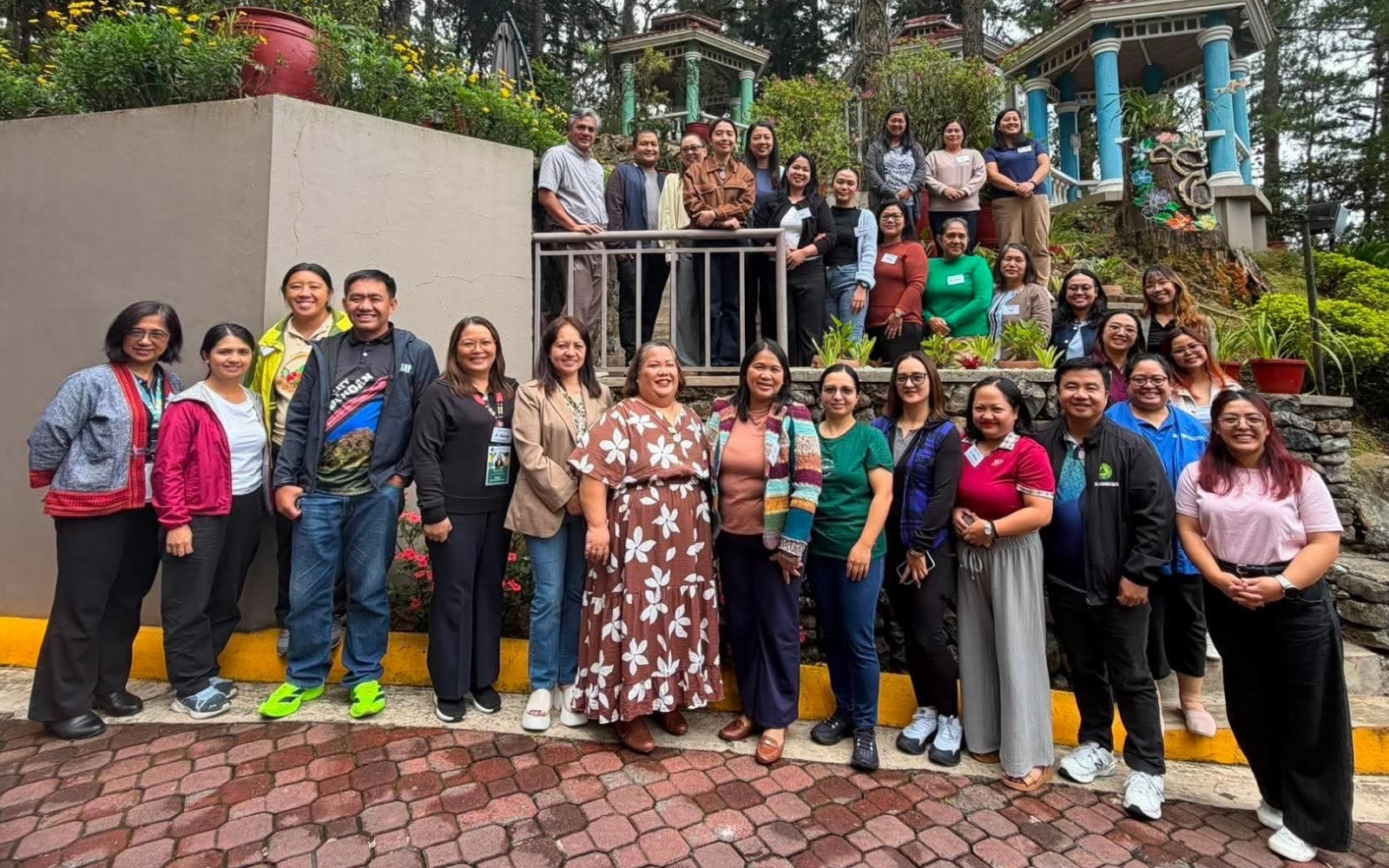
Benguet Province and Baguio City have marked a major step forward in health governance with the successful conduct of the Practicum Assessment Activity under the Bayang Malusog Leadership and Governance Program (BMLGP) of the Zuellig Family Foundation.
Held on June 9–10, 2026 at Hotel Elizabeth Fersal in Baguio City, the event convened 27 public health leaders, including the provincial and city health teams, municipal and district health teams from the BMLGP pilot areas of Kibungan, Kapangan, City Camp, and Irisan, as well as non-communicable disease (NCD) program coordinators. Also in attendance were institutional partners from the Department of Health (DOH) Center for Health Development in the Cordillera Administrative Region and the provincial and city DOH offices.
Related articles:
- From an Empathy-Driven Learning Visit to a Stronger Commitment to Health
- From Data to Dignity: How a Bedside Visit in Kibungan, Benguet Changed a Mayor’s Approach to Universal Health Care
- Mayor Magalong Completes ‘Deep Dive’ to Assess Baguio Health System
The assessment showcased notable early successes, particularly the significant mid-year progress in the NCD roadmaps of the pilot areas. Baguio City achieved a full 100% accomplishment rate in the DOH Local Health System-Maturity Level, while Benguet came close to full integration at nearly 100%.
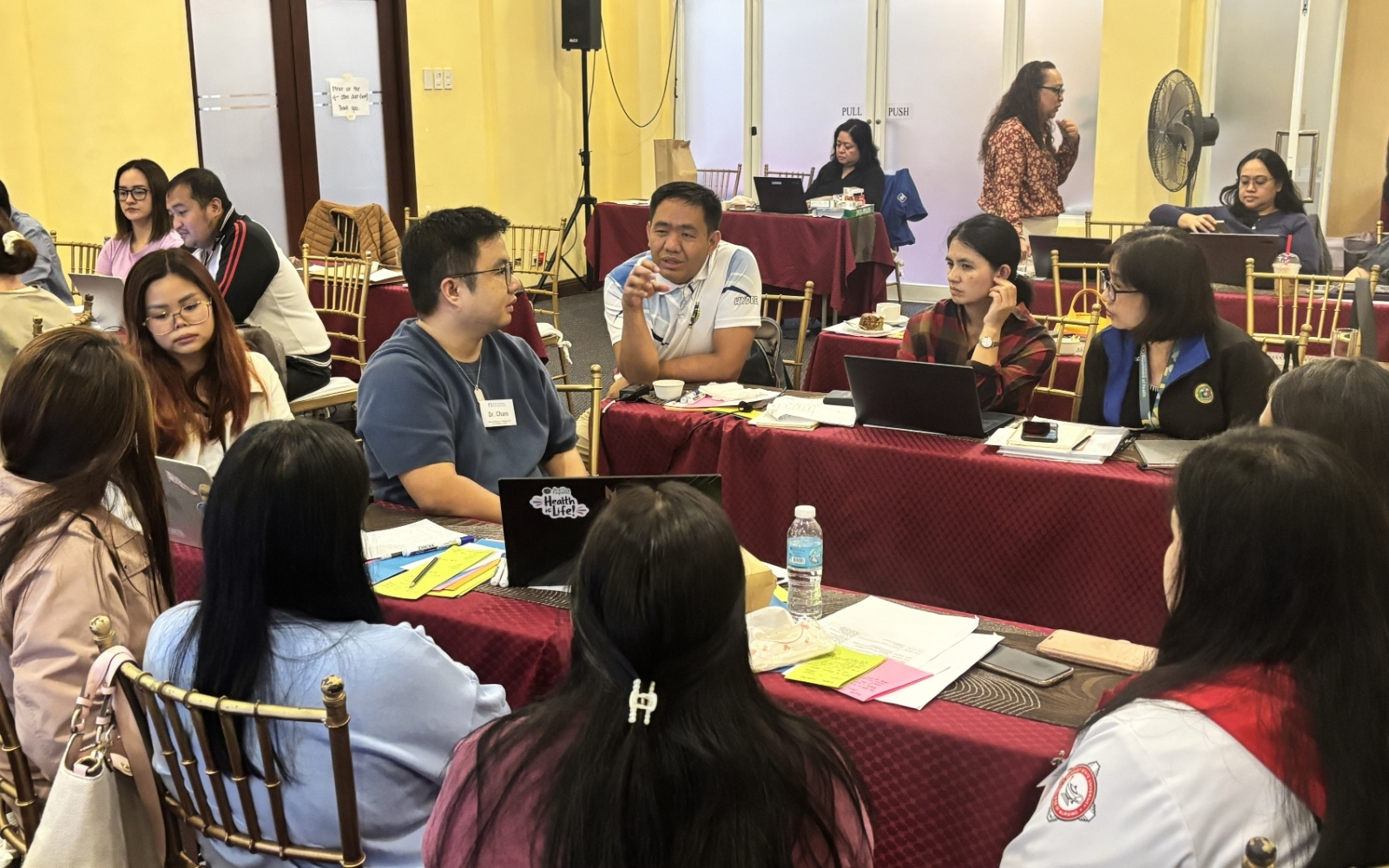
Equally encouraging, health leaders observed a meaningful shift in community behavior. More residents are now aware of the primary care packages (PhilHealth YAKAP and GAMOT packages) leading to a marked increase in self-initiated consultations at primary care facilities. This growing public trust underscores how primary health care is steadily becoming the solid foundation of Universal Health Care (UHC).
Beyond celebrating these wins, the activity served as a vital platform for reflection. It allowed the participating local government units (LGUs) to assess how their action plans and initiatives from the BMLGP training—backed by concrete data and system improvements—have translated into real-world results.
A central feature of the workshop was a comprehensive competency assessment, designed to ensure that ZFF’s Bridging Leadership principles are not just theoretical but are actively shaping better health outcomes for communities. The session also provided a transparent space for consolidating key insights, identifying emerging challenges, and documenting best practices drawn from the actual experiences of the partner sites.
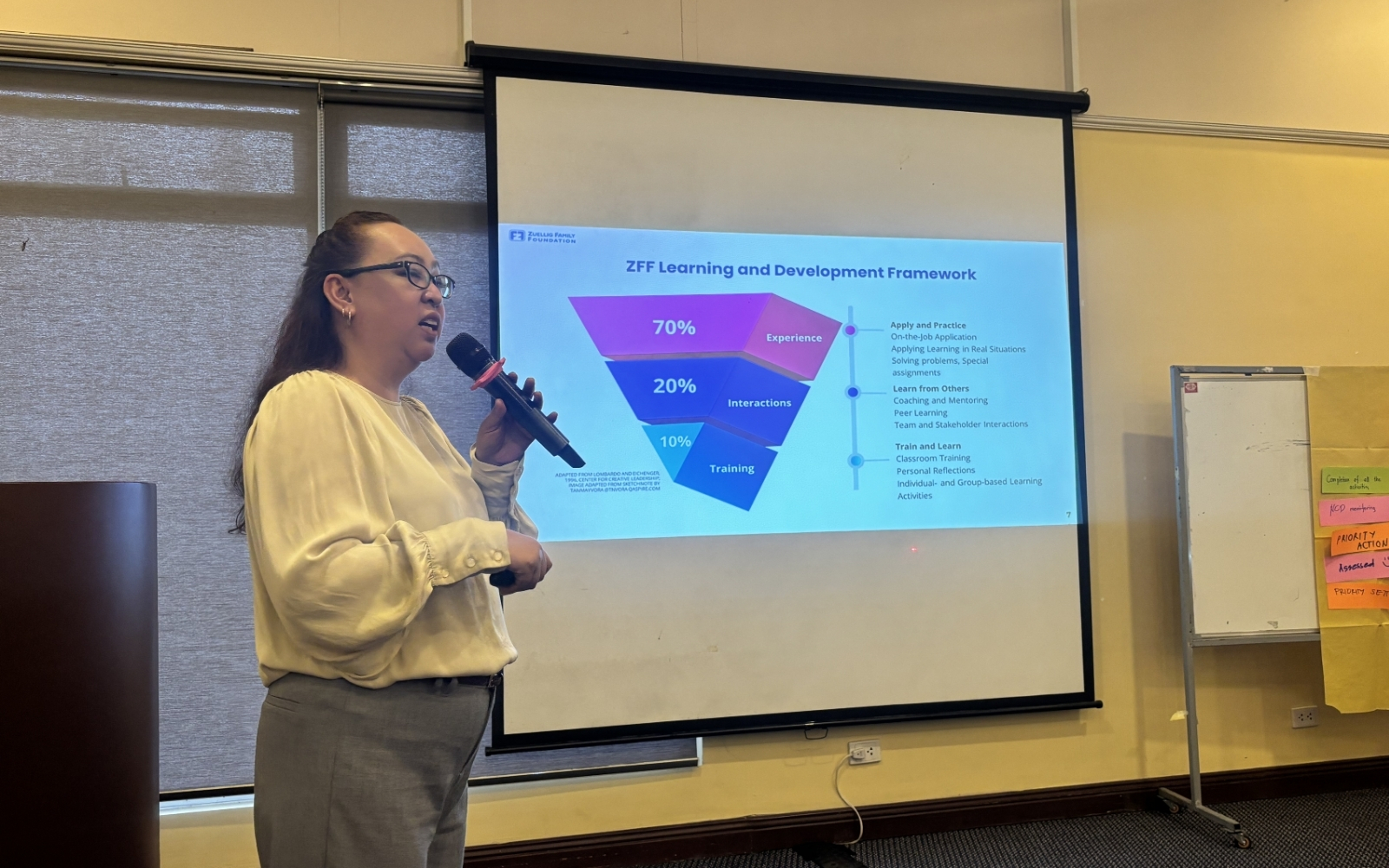
Despite the geographic and structural differences between urban Baguio and rural Benguet, participants found striking common ground. The sharing sessions revealed that both settings face similar systemic hurdles in NCD program implementation and overall UHC rollout. These shared challenges sparked action-oriented discussions and fostered a sense of unity in addressing them.
What stood out most in the reflections, however, was the deep human element driving these institutional changes. Leaders expressed genuine appreciation for how their personal leadership competencies directly influenced their LGUs’ health outputs, enabling continuous personal growth and more effective governance. A recurring theme was the immense value of empowering frontline health workers, especially Barangay Health Workers, who serve as the critical ground implementers of these programs. Ultimately, participants voiced pride in how Benguet and Baguio are steadily advancing UHC, emphasizing that every small victory along the path to health equity deserves recognition and celebration.
To sustain this momentum, the workshop concluded with concrete, actionable blueprints aimed at advancing UHC and NCD programs across all governance levels. By aligning provincial, city, and municipal strategies, participants clearly defined how higher-level governments can better support the pilot sites.
Looking ahead, the outputs from this session—assessment findings, reflections, and priority actions—will serve as a roadmap for future implementation. They will also guide targeted coaching and inform the next phases of the program, ensuring that province-wide and city-wide UHC and NCD outcomes are not only achieved but sustained.
Authors: Marienelle Hilapad, ZFF BMLGP Monitoring, Evaluation, and Learning Assistant; Krizzia Esperanza, ZFF Corporate Communications Associate
Kalinga Leaders Embark on Health Leadership Journey with Roberto R. Romulo Program
Local health officials from Kalinga’s city and municipal governments gathered on June 18, 2026 for the start of a structured reform journey that promises to reshape primary health care delivery in their communities.
The Zuellig Family Foundation (ZFF), through its Institute for Health Leadership, officially onboarded the participants into the Roberto R. Romulo (RRR) Program for Public Health Leadership and Governance through an orientation and baseline assessment activity. The program carries the name of Roberto R. Romulo, ZFF’s founding chair, and honors his legacy by empowering local leaders to take ownership of health system improvements.
Related article:
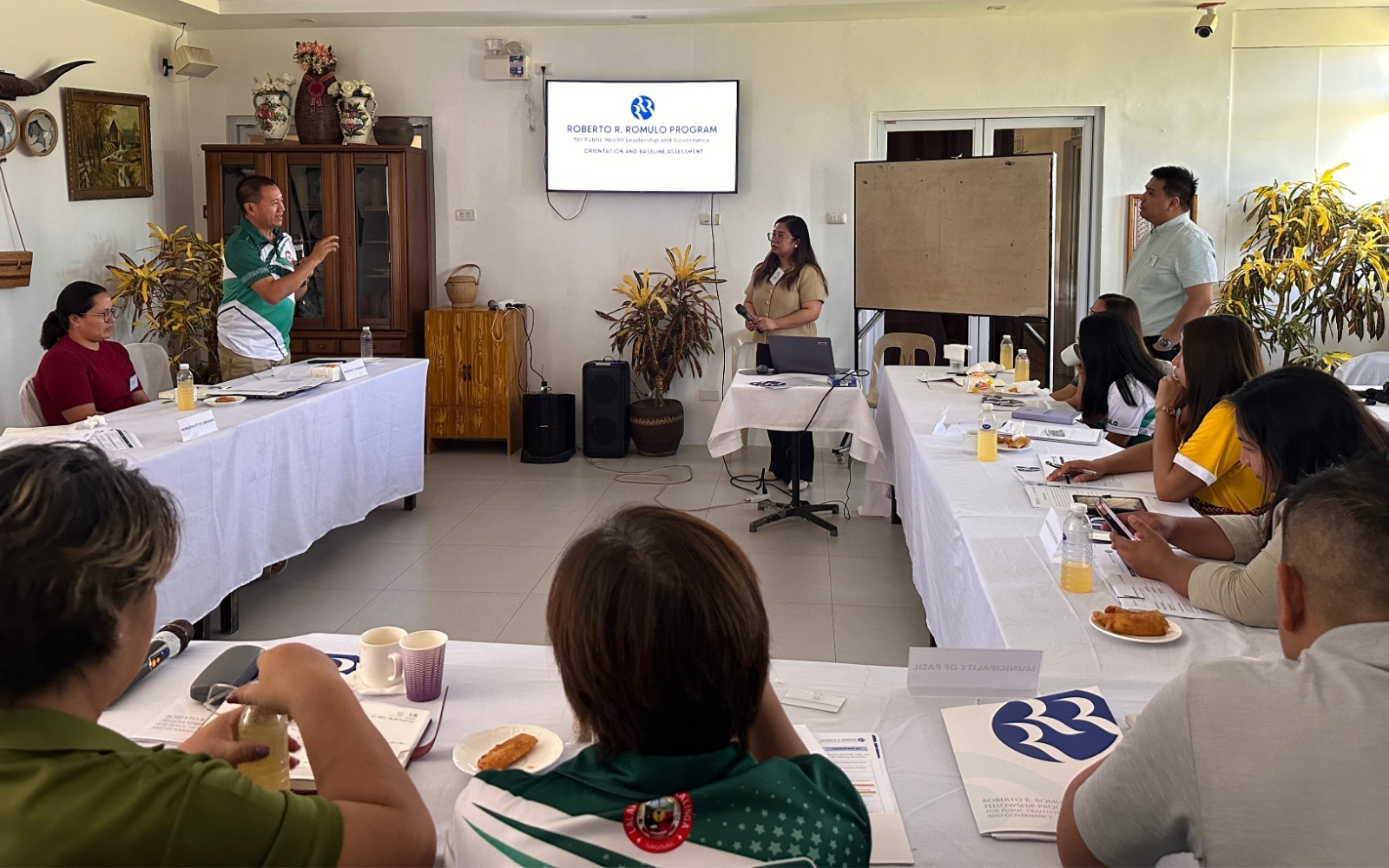
This rollout marks an expansion from the program’s 2023 iteration, which previously worked exclusively with governors and provincial health officers. Now, the Foundation directs its focus toward city and municipal health systems, the frontline of primary care delivery. Kalinga proudly serves as the pilot site for this new direction, with the Provincial Government of Kalinga and the Kalinga Provincial Department of Health partnering closely with ZFF to make the initiative a success.
During the orientation, participants explored the program’s core objectives, familiarized themselves with baseline assessment tools, and mapped out their implementation pathway. These foundational steps will guide them through a leadership development process squarely aimed at achieving Universal Health Care (UHC) targets. By strengthening governance structures at the local level, the RRR Program equips health leaders with the skills and strategies needed to build more responsive, efficient, and sustainable health systems for their constituents.
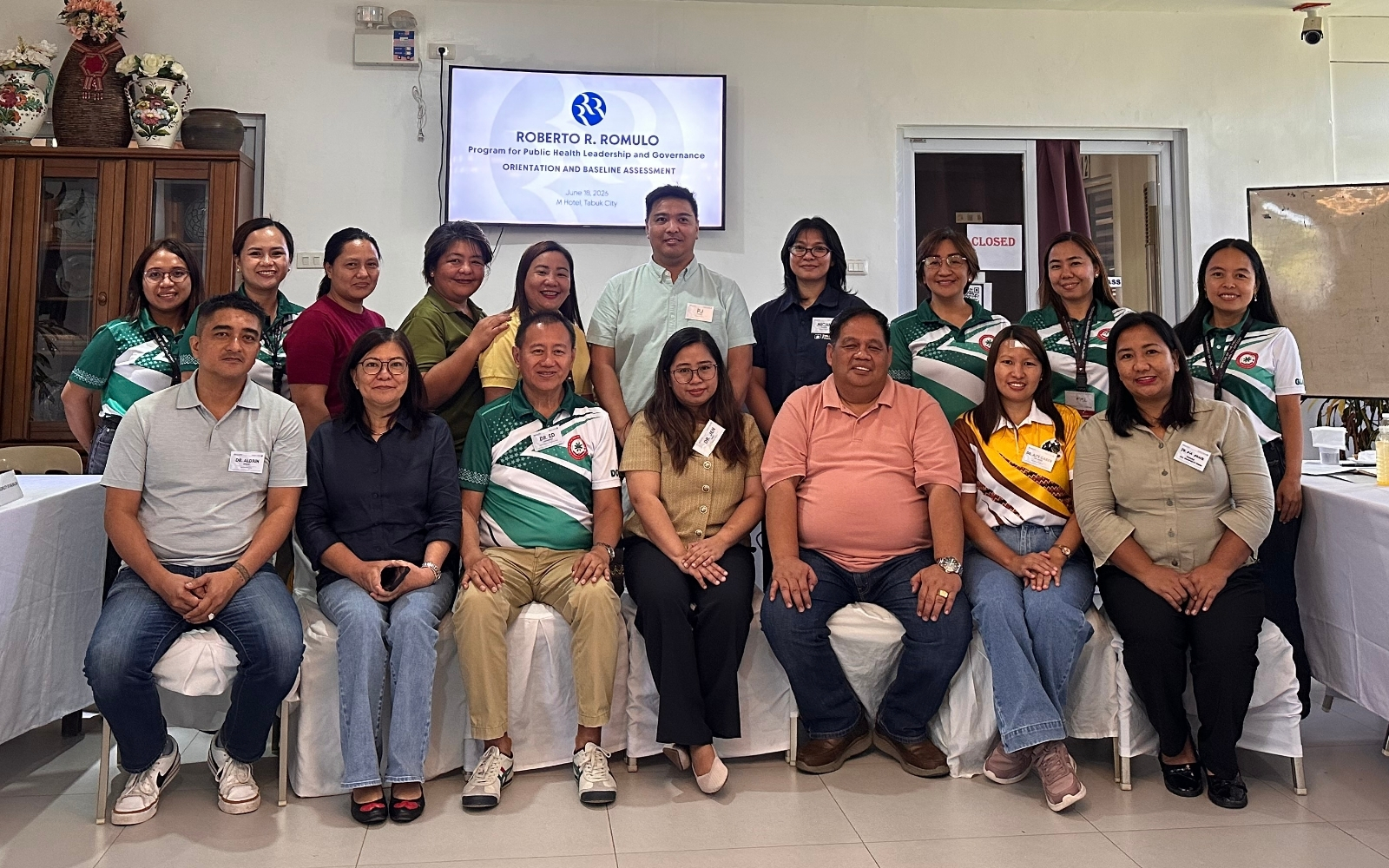
As Kalinga takes the lead in this pilot, the program sets its sights on creating a replicable model that other provinces can eventually adapt, ensuring that the lessons learned here will benefit health systems across the country.
Listening Earlier, Protecting Earlier: Lessons from Quezon City’s Efforts to Support Adolescents
Quezon City’s comprehensive approach to addressing adolescent pregnancy is beginning to show tangible results.
According to the city’s adolescent pregnancy profile, overall cases declined from 2,679 in 2024 to 2,468 in 2025. Among the most vulnerable group—younger adolescents aged 10 to 14—cases also dropped, from 100 to 89 over the same period. Yet with 28 cases already recorded in the first quarter of 2026, local leaders are clear-eyed. While progress is being made, younger adolescents remain at risk and demand sustained, focused attention.
Photo above: Dr. Christel Lachica, Adolescent and Youth Sexual and Reproductive Health (AYSRH) Manager at Zuellig Family Foundation (ZFF), presents ZFF’s AYSRH program at The Challenge Initiative Family Planning Workshop for Quezon City’s health leaders, May 18, 2026.
For Quezon City’s health leaders, these numbers underscore a critical lesson: preventing adolescent pregnancy among the youngest age group cannot be achieved through health interventions alone. It requires a coordinated, multi-sectoral response that actively engages families, schools, communities, and, most importantly, young people themselves.
Related article:
Shifting the Focus to Younger Adolescents
Historically, many adolescent-focused programs have concentrated on older teenagers. Dr. Elenita Reyes-Plata, Medical Officer IV of the Quezon City Adolescent Care Division (QCAD), notes that this pattern has highlighted the urgent need for earlier and more developmentally appropriate strategies. As the city adapts to the evolving needs of 10- to 14-year-olds, local leaders recognize that prevention must start earlier and be tailored to the unique cognitive, emotional, and social realities of this age group.
It demands that information, learning resources, and engagement methods be genuinely age-appropriate and responsive to the specific challenges younger adolescents face. It also calls for strengthening systems that can identify early warning signs and deliver timely, protective interventions.
The Power of Youth Voice
At the heart of this shift is a commitment to meaningful youth participation. Cielo Mae Viado, Population Program Officer III of the Quezon City Health Department (QCHD), captures this sentiment powerfully: “Madaming gustong sabihin ang mga youth.”
Her reflection speaks to a deeper truth. Adolescents are not merely passive recipients of services but vital partners in crafting solutions that reflect their lived realities. Creating safe, inclusive spaces where young people can voice their perspectives, share experiences, and co-design programs is essential for relevance and impact.

Building on a Strong Foundation
Quezon City has already laid important groundwork for adolescent well-being and protection. Existing initiatives include:
- Strengthening youth platforms for participation and leadership.
- Profiling and engaging out-of-school youth.
- Promoting learners’ support centers within schools.
- Establishing the QUSI Teen Network Referral Algorithm, developed in partnership with the Zuellig Family Foundation, under The Challenge Initiative-Philippines program.
These efforts have created vital support structures across schools, communities, and health facilities. However, local leaders also acknowledge opportunities to deepen and expand their impact.
Opportunities for Strengthening the Response
Several key areas have been identified for further development:
- Expanding youth engagement. Moving beyond consultation to genuine co-ownership, where adolescents actively identify problems and shape solutions.
- Enhancing parenting programs. Equipping parents and caregivers with practical skills to guide children through adolescence, foster open communication, and recognize risks before they escalate.
- Reinforcing safeguarding mechanisms. Training more teachers, community leaders, and service providers to identify vulnerability and respond effectively to child protection concerns.
- Improving data systems. Prioritizing adolescent profiling, risk-based identification, and robust child-focused databases to inform targeted, evidence-based decision-making.
Learning from Peers, Strengthening Practice
Another valuable insight from Quezon City’s experience is the importance of peer learning.
Local leaders have expressed strong interest in exchanging knowledge with other local government units, sharing promising practices, learning from innovations in different contexts, and building a broader community of practice around adolescent health and child protection.
A Clear Path Forward
Quezon City’s journey demonstrates that protecting younger adolescents demands a comprehensive, forward-looking approach, one that amplifies youth voices, empowers families, strengthens safeguarding systems, and leverages data to guide action.
Protection must begin long before a pregnancy occurs. It starts by listening to young people earlier, supporting families, building protective environments, and ensuring that every child has the opportunity not just to survive, but to grow, thrive, and reach their full potential.