From Data to Dignity: How a Bedside Visit in Kibungan, Benguet Changed a Mayor’s Approach to Universal Health Care
News | by Krizzia Esperanza
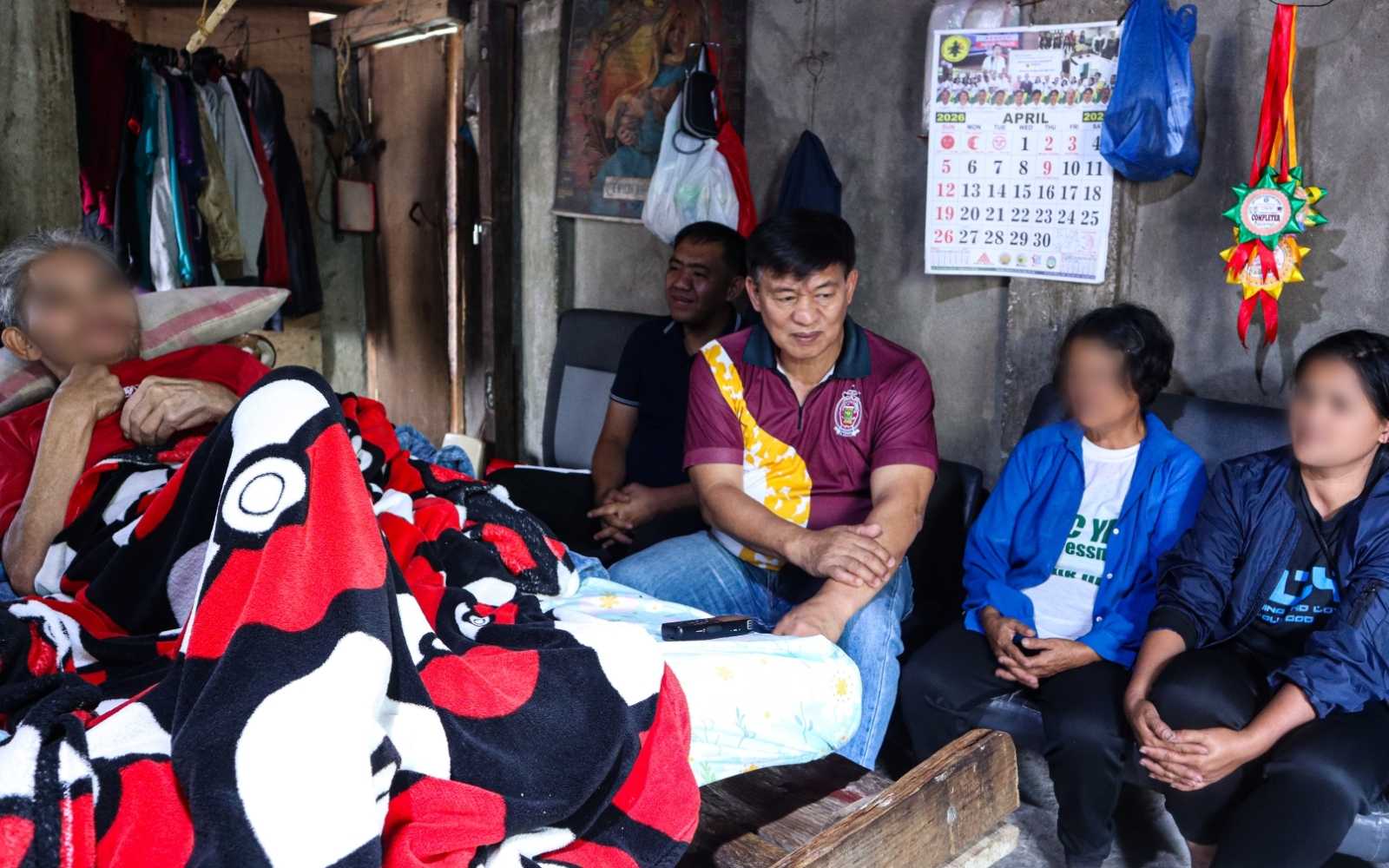
In the highlands of Benguet, where fog often obscures the mountain trails, a different kind of clarity emerged on April 28, 2026. Kibungan Mayor Agustin Tello sat beside the bed of a three-time stroke survivor: a former sayote farmer now unable to work, cared for by his elderly wife in a modest home in Barangay Sagpat. What the Mayor heard in that small room is now reshaping how Kibungan delivers Universal Health Care (UHC).
The visit is referred to as Deep Dive, a guided leadership learning activity, part of the Bayang Malusog Leadership and Governance Program (BMLGP) of the Zuellig Family Foundation (ZFF). Unlike traditional field visits, the Deep Dive immerses leaders directly into the lives of the most vulnerable, requiring them to see, listen, observe, and reflect.
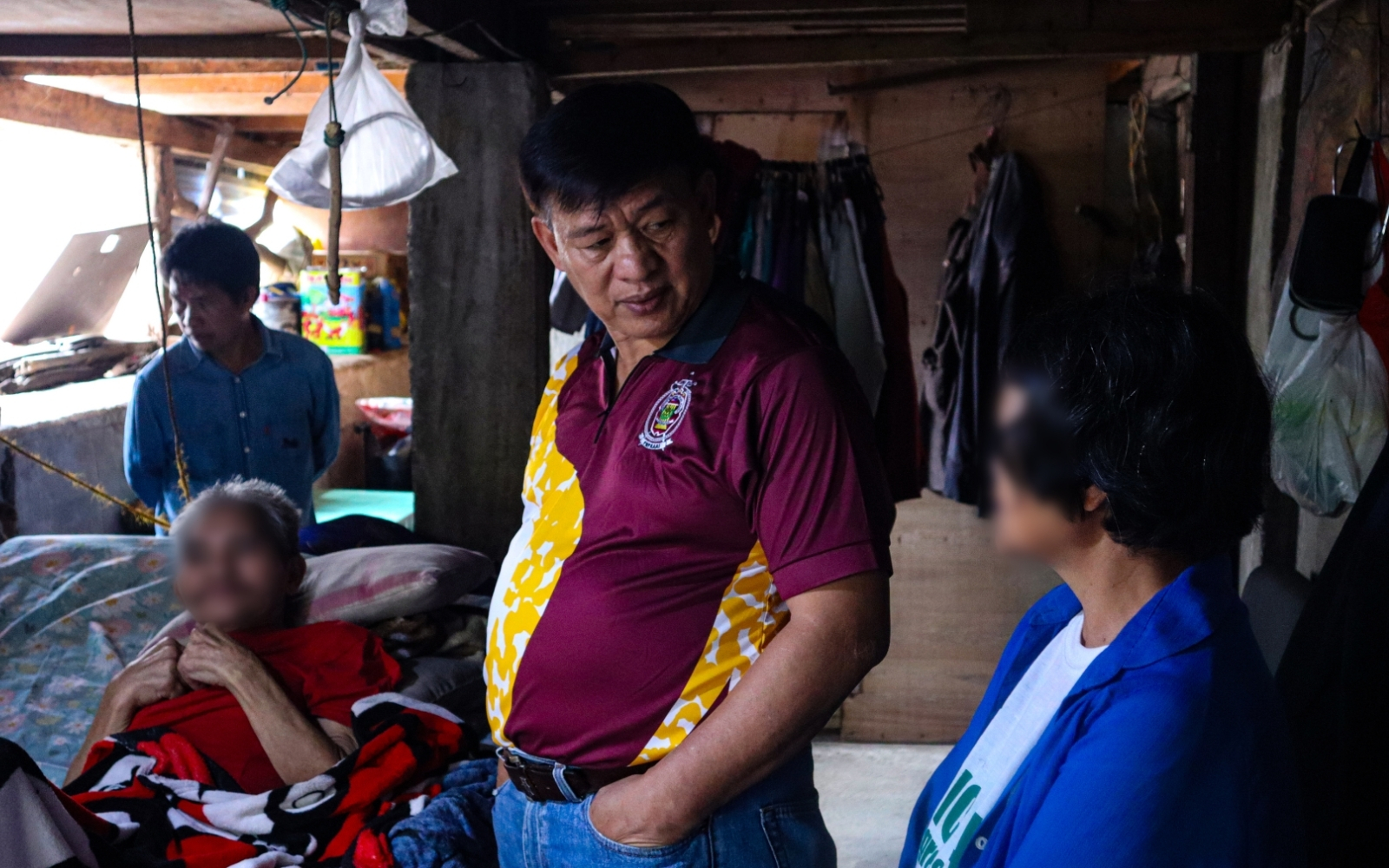
A Mayor Confronts the “Face Behind the Number”
Mayor Tello is no stranger to community engagement. His administration has long practiced consultative governance, and he has regularly visited barangays. But this visit was different. For the first time, he sat across from a family too exhausted to perform—a wife uncertain whether they even qualified for government aid, and a patient whose children, all farmers themselves, had already incurred significant debt from medical expenses. Reflecting on the experience, the Mayor admitted “iba talaga kapag face-to-face,” explaining that in group settings, people hesitate to voice shortcomings, but in a private household, the truth emerges naturally.
The revelation that the family was unaware of their PhilHealth eligibility struck the Mayor as a systemic failure. The experience affirmed that data, no matter how accurate, cannot capture the shame, exhaustion, or confusion of a family navigating a fragmented support system. As Dr. Anjelica Joy Nacnac of ZFF framed it during the processing session, the Deep Dive “puts a face [to data]. Itong numbers na ‘to ay may tao, at itong taong ito ay may kwento.”
Municipal Health Officer Dr. Hydre Nga-ew, who accompanied the Mayor, described the moment as deeply validating. For years, his team had been implementing programs for noncommunicable diseases (NCD), but sitting in that home gave emotional weight to their daily work. The visit confirmed that even small interventions were reaching patients but also revealed how much more needed to be done, particularly in rehabilitation services and medicine continuity.
The Silent Crisis: Elderly Caregivers Left Behind
Beyond the patient himself, the Deep Dive exposed the growing number of elderly residents caring for other elderly residents. As younger family members migrate to Baguio City and other urban areas for work, Kibungan’s senior citizens are increasingly left to fend for one another. Mayor Tello observed that while community ties and neighborly support remain strong, serious illness quickly overwhelms these informal arrangements. “Ang naiiwan dito sa lugar iyong mga matatanda, at usually walang magbantay kaya kawawang-kawawa sila,” he said, adding that in a few years, the municipality may need a home for the aged as traditional care structures buckle under demographic and economic pressures.
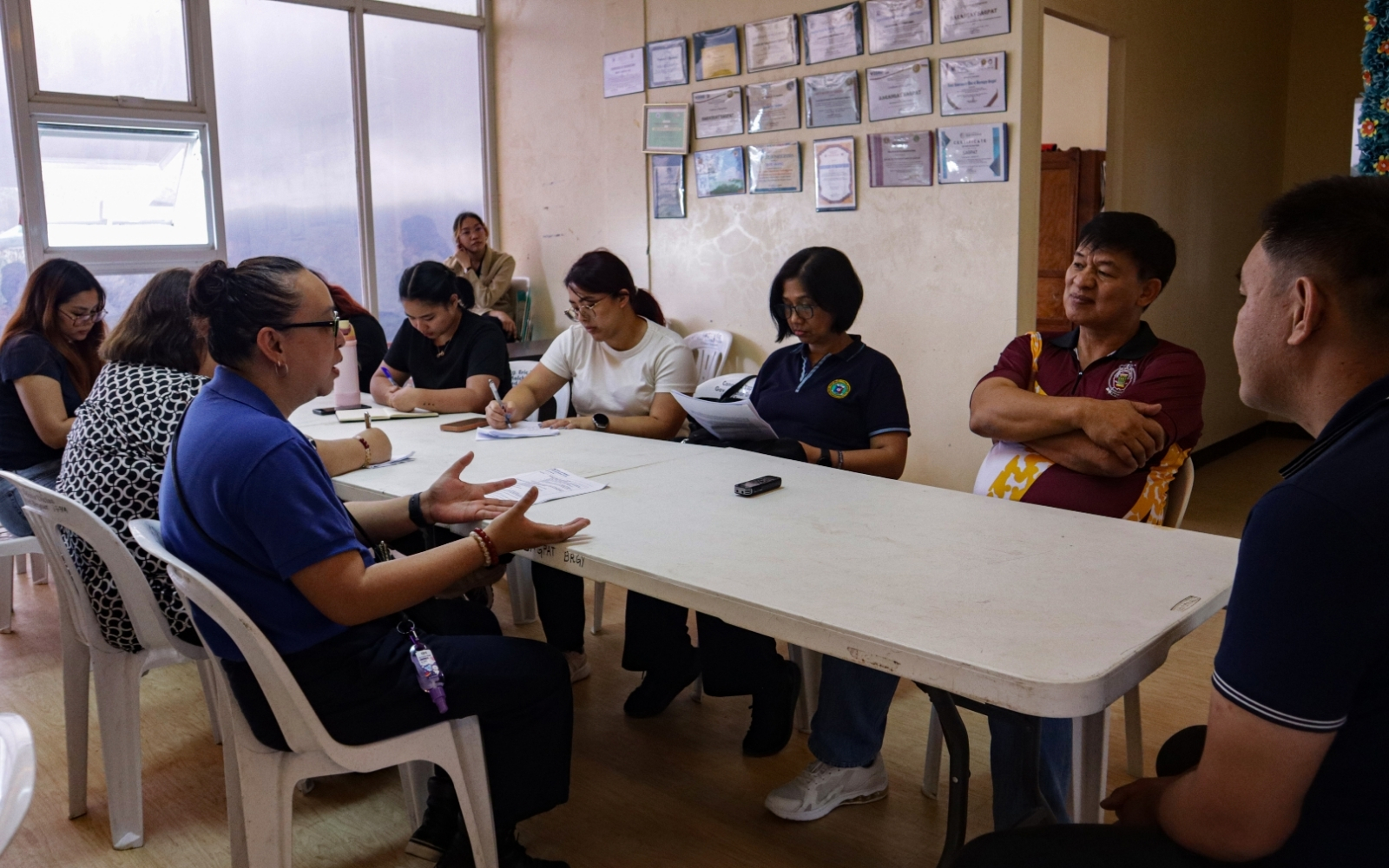
Josephine Fawayan, Development Management Officer IV of the Baguio-Benguet Provincial Department of Health (DOH) Office, amplified this concern by highlighting the double vulnerability of elderly women who serve as primary caregivers. These women, she noted, often balance caregiving with household management and livelihood activities while their spouses work elsewhere. “Care for the caregivers,” she urged, pointing out that DOH still lacks robust community-based rehabilitation programs. With only one physical therapist serving all 13 municipalities, many post-stroke patients miss the critical window for rehabilitation, leading to permanent stiffness and disability.
From Reflection to Action: A Three-Point Agenda
The Deep Dive was designed not merely to evoke empathy but to catalyze concrete action. Following the household visit and a structured processing session, Mayor Tello committed to immediate priorities aligned with his 2026 timeline. First, he will issue an executive order to integrate the work of various local government unit (LGU) committees on health, social welfare, and the like so that support systems operate cohesively rather than in isolation. He noted that while individual committees are functional, their fragmentation often results in duplicated efforts and missed opportunities.
Second, he prioritized the hiring of a municipal pharmacist to strengthen the PhilHealth Guaranteed and Accessible Medications for Outpatient Treatment (GAMOT) program. The Local Health Board had previously discussed this need, but the Deep Dive accelerated its urgency. Without a dedicated pharmacist, patients with maintenance medications for hypertension, diabetes, and other NCDs face dangerous gaps in treatment. Third, the Mayor committed to deepening community participation in health program design, implementation, and monitoring. “The community will not be part of what is being programmed if they will not be part of the decision process,” he argued. “When you are part of it, you will take care of it.” Programs imposed from above, he noted, rarely survive beyond the political term that created them.

“Health is Number One”
For Mayor Tello, the Deep Dive reinforced a philosophy he first articulated during his campaign. “Noong nagca-campaign ako, sabi ko tatlo lang ang kailangan ng bayan para mabuhay: health, education, economy,” he recalled. Without health, he argued, neither learning nor labor is possible. “Health is number one.”
He further committed to advocating with the Sangguniang Bayan for increased investment in satellite health facilities, particularly in geographically isolated areas. Some barangay health stations, he noted, lack even basic amenities like toilets and kitchens, making it difficult for health workers to serve their communities with dignity.
Dr. Catherine Chung, ZFF Local Health System Director, formally welcomed Kibungan into the network of over 700 LGUs that have completed the Deep Dive journey. The goal, she said, is to ensure that health governance is never purely statistical but always grounded in the lived realities of the people it is meant to serve.
What began as a household visit had become a blueprint for a more responsive, more humane local health system. Mayor Tello put it simply: without direct engagement, the LGU would have continued operating on assumptions. With it, Kibungan now has something more valuable than data: a story, a face, and a renewed sense of purpose.
