Ground-Level Insights on Adolescent and Youth Sexual and Reproductive Health from Paranas, Samar
The Zuellig Family Foundation (ZFF) sharpened its work on adolescent and youth sexual and reproductive health (AYSRH) by prioritizing age-specific approaches, focusing on preventing pregnancies among girls aged 10 to 14 and reducing adolescent pregnancies among those aged 15 to 19. This direction reflects ZFF’s commitment to delivering responsive, evidence-based interventions that meet the evolving needs of adolescents and local government unit (LGU) partners.
To support this work, ZFF conducted a landscape analysis to review current approaches and identify opportunities to strengthen strategies for very young adolescents. The analysis seeks to deepen understanding of existing systems, gaps, and enabling factors that shape adolescent protection and health outcomes.
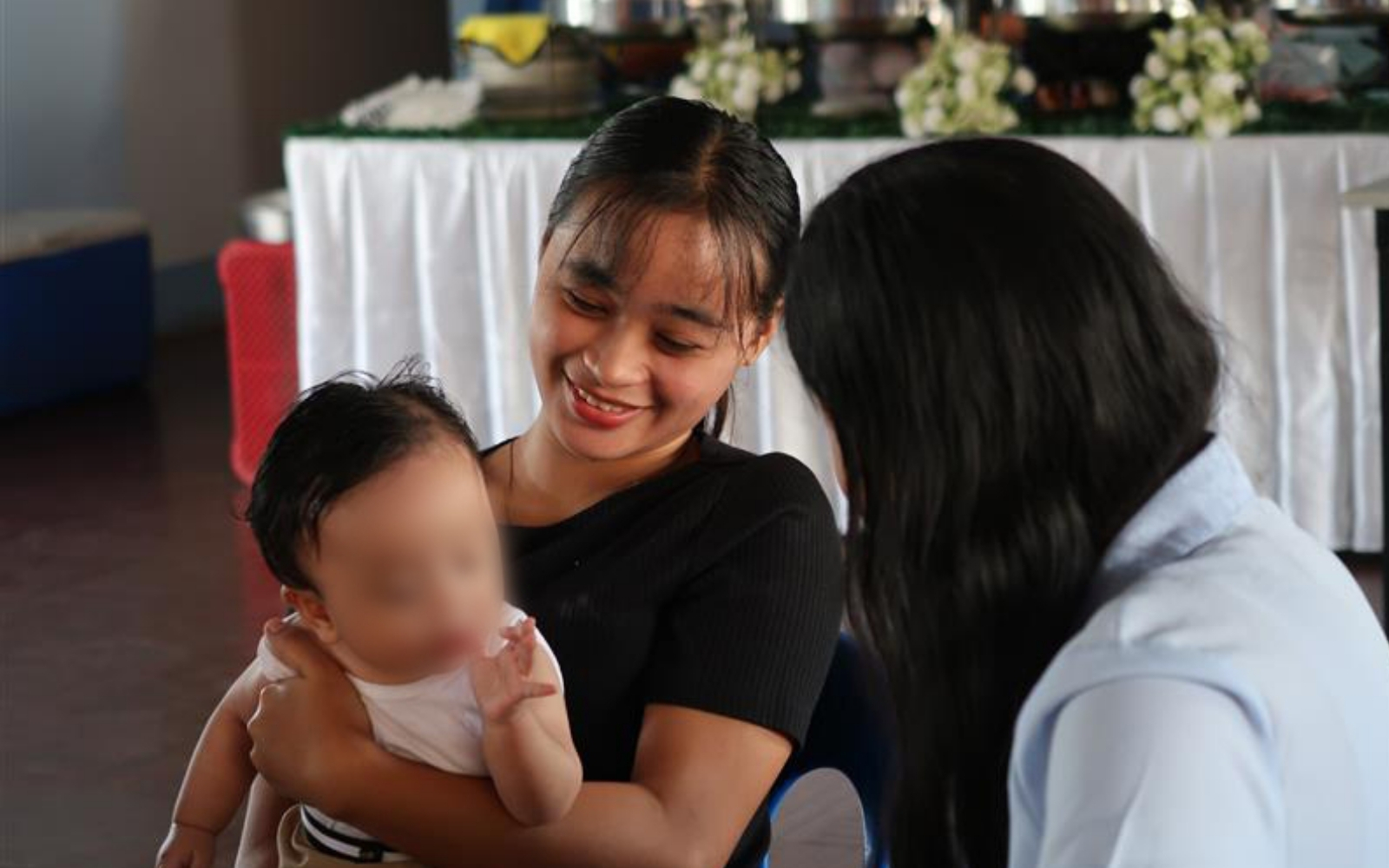
As part of this process, ZFF engaged key stakeholders and examined initiatives that contribute to adolescent protection and development. These include community-based mechanisms and organizations focused on child protection, family strengthening, and adolescent-focused programming, including efforts to support and strengthen Local Councils for the Protection of Children (LCPCs).
In Paranas, Samar, ZFF interviewed local leaders and the Paranas Peer Educators to learn from their experiences. These conversations yielded insights on effective practices, enabling factors, and challenges in preventing very early adolescent pregnancy and promoting adolescent protection at the community level. These learnings will help refine ZFF’s work on AYSRH and guide the design of future interventions.
A Local Reality: The Case of Paranas
Paranas, Samar, offers a clear window into adolescent vulnerability at the local level.
For years, many children remained unheard, and existing programs did not adequately prioritize their needs. Adolescent concerns often fell behind other local priorities—particularly livelihood programs—while health and protection issues received less attention. Service delivery also suffered because some providers remained reluctant to address adolescent concerns.
Over time, these gaps became more visible. Cases of adolescent pregnancy, malnutrition, and children at risk rose steadily—challenges rooted in persistent poverty, limited access to education, and gaps in prioritizing adolescent-focused interventions within local governance.
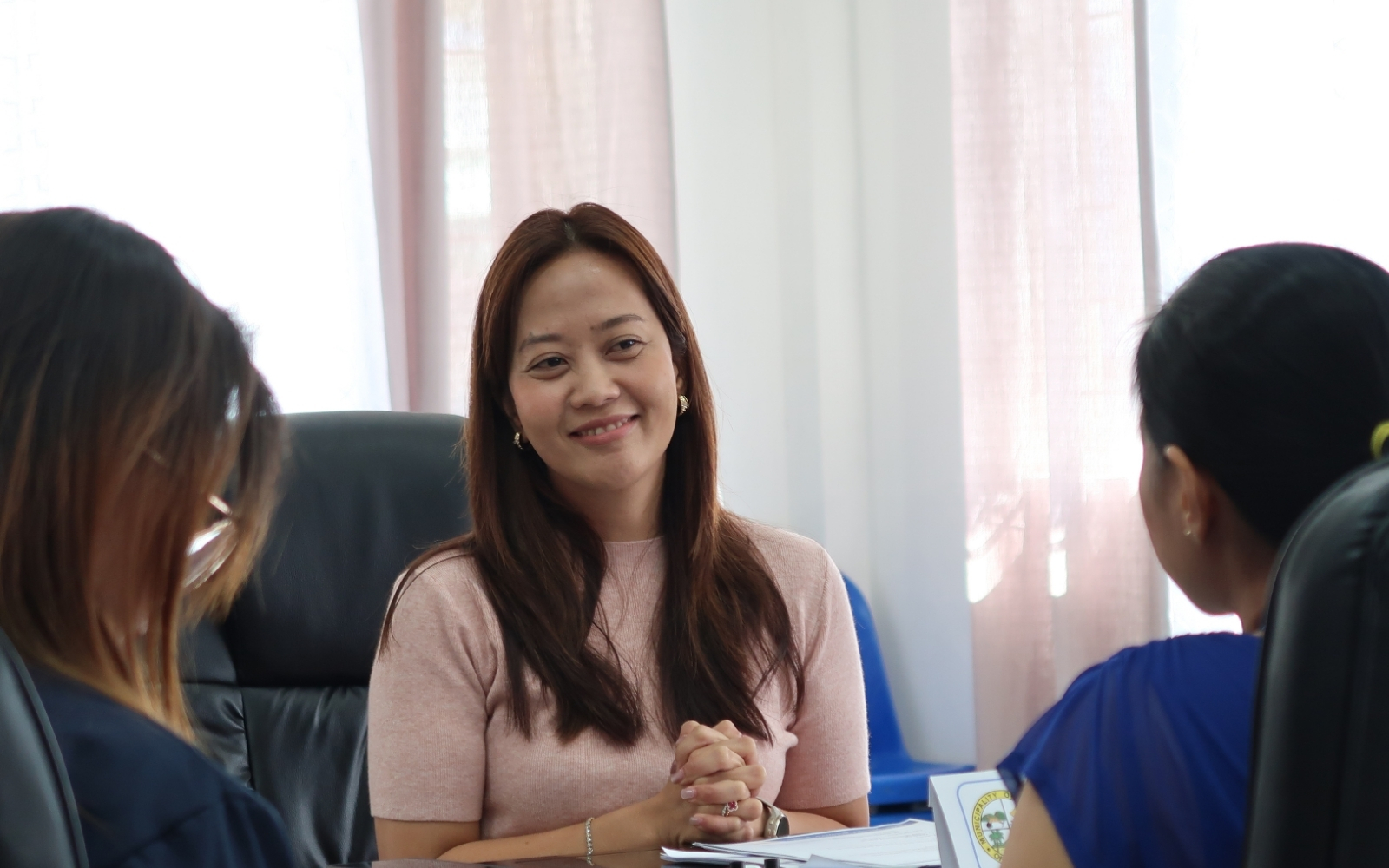
“We focused on giving more sustainable livelihood programs, as we perceived that it was the major problem. So the prioritization for programs for the youth and children was not given top consideration by the LGU,” reflected Vice Mayor Eunice Babalcon.
But emerging local data revealed alarming trends, including a surge of 80 adolescent pregnancy cases during the pandemic—placing Paranas among the municipalities with the highest incidence. The data made the urgent need for a strategic shift unmistakable.
Leadership in Action: Translating Insights into Local Ownership
For local leaders in Paranas, this situation became an opportunity to rethink how programs are designed and sustained.
Vice Mayor Babalcon emphasized: “The learnings we gained from ZFF’s Health Leadership and Management Program guided me in putting data into action. When we saw that an intervention introduced to us was effective, the local government takes full ownership. We institutionalize it through local policies, integrate it into our plans and budgets, and continuously adapt it to our community context to ensure sustained impact.”
This marks a shift toward stronger governance—where effective interventions move beyond implementation to become embedded within local systems, supported by local financing, and continuously adapted to meet evolving needs.
Voices from the Ground: Youth as Partners in Change
At the community level, Paranas also demonstrates the vital role young people play in addressing adolescent issues.
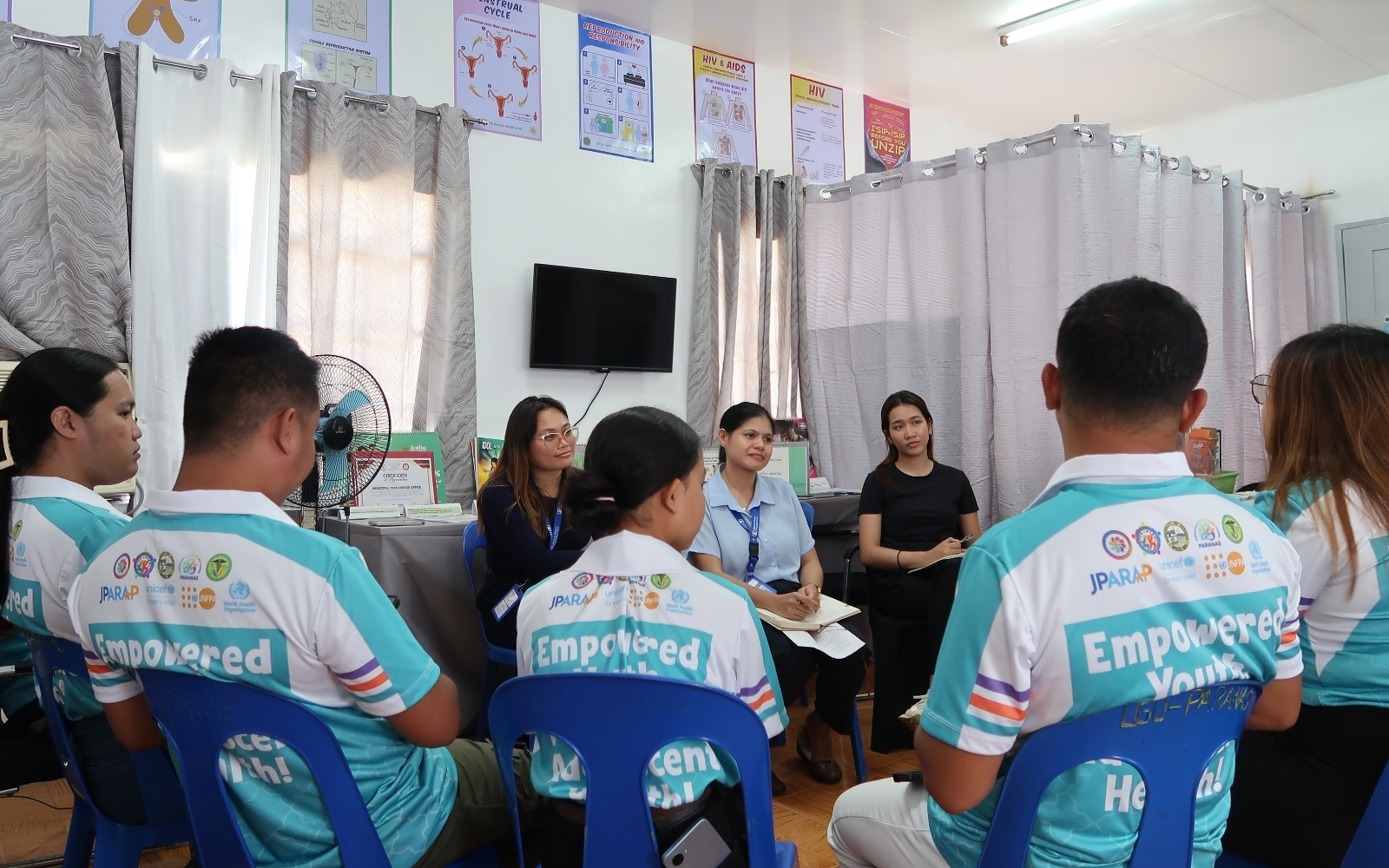
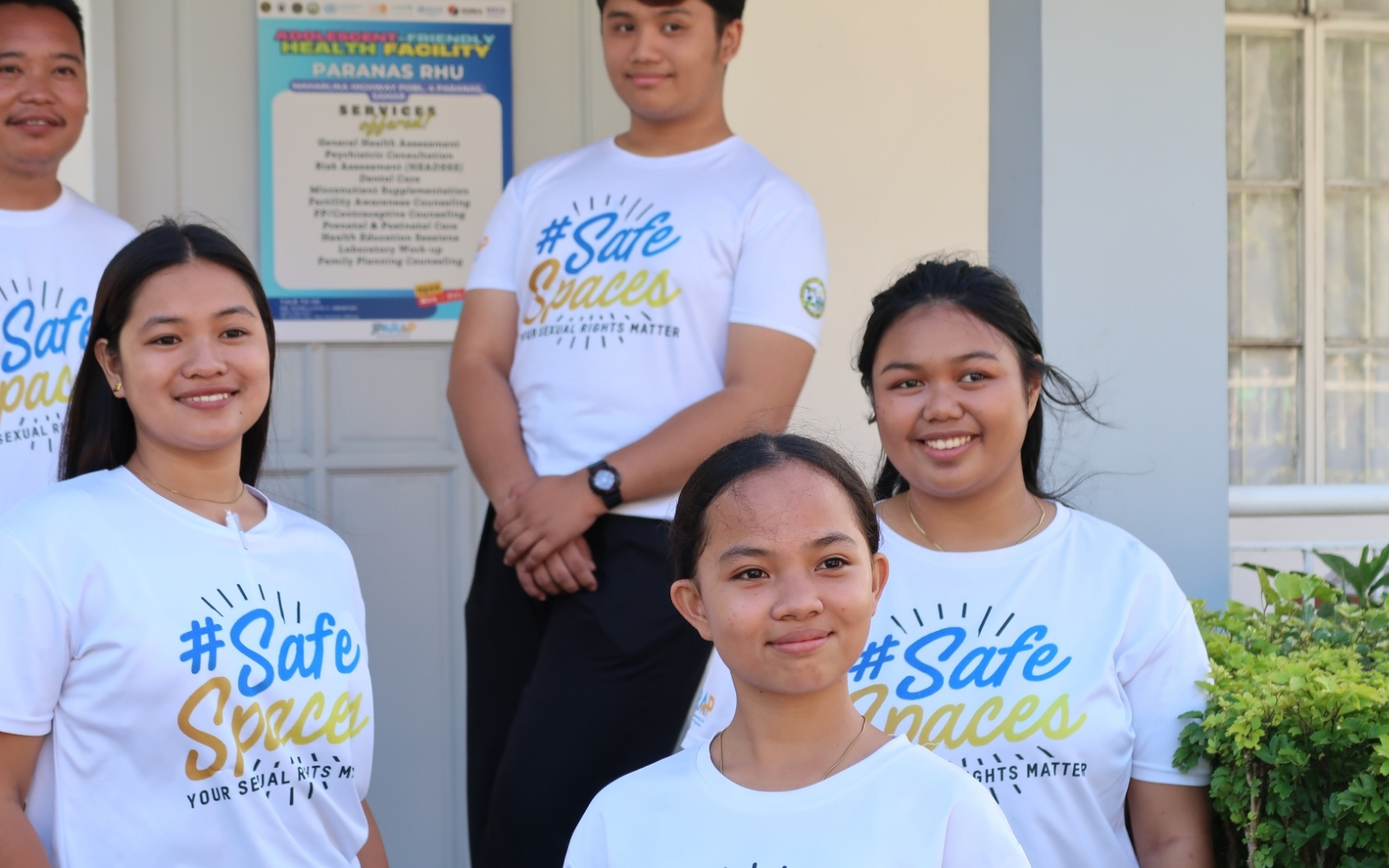
The Paranas Peer Educators, established through earlier initiatives, now take on key roles in promoting adolescent health and protection. Through barangay outreach, school-based sessions, and participation in the Baranggayan—a quarterly municipal initiative that delivers health and child protection services to every barangay—they raise awareness about adolescent pregnancy, mental health, and protection issues.
Their experiences underscore the value of peer-led approaches: young people are more open and receptive when learning from fellow youth who share their realities.
At the same time, the Peer Educators continue to navigate challenges such as stigma, resistance from some parents, limited funding, and difficulty engaging certain groups. These realities point to systemic gaps that the ongoing landscape analysis continues to explore—and reinforce the need for sustained, multi-sectoral responses.
From Learning to Action
Although the landscape analysis remains ongoing, the experience of Paranas already offers valuable lessons for developing responsive, context-specific interventions.
It shows that addressing adolescent vulnerability—particularly among 10 to 14-year-olds—requires more than isolated efforts. It demands strong local leadership, integrated systems, active youth engagement, and sustained ownership at the LGU level.
As ZFF continues to refine its AYSRH work—grounding it in evidence and local realities—learnings from communities like Paranas help shape more responsive approaches to protecting and supporting adolescents.
Author: KC Lyn Razon, ZFF AYSRH Learning and Development Associate
“No Time to Wait”: Health Leaders Push to Accelerate Digital Health in the Philippines
Health leaders convened on March 25, 2026, for a brownbag session hosted by the Zuellig Family Foundation under its Bayang Malusog Community of Practice. The session explored collaborative strategies for advancing digital health adoption in support of Universal Health Care (UHC) implementation.
Dr. Ayedee Ace Domingo, co-author of the paper “Digital Health Ecosystem of the Philippines: Current State, Challenges, and Opportunities” developed for ZFF in 2025, presented key insights. The paper maps the country’s digital health landscape and reveals that while the Philippines has a wide range of digital health systems, it still lags behind the ASEAN average in health information technology (IT) readiness. It also identifies three major barriers: incomplete digital health governance, the absence of digital health legislation, and limited financial incentives for digital health.
The session emphasized that local health systems cannot afford to delay digital transformation, especially as health financing, service delivery, and data-driven decision-making grow increasingly interconnected. However, many local implementers remain uncertain about how to anchor their digital health efforts amid evolving national directives. Dr. Domingo stressed that waiting for perfect guidance is not an option. “Our patients and we do not have the luxury to wait,” he said, underscoring the need for local systems to move forward while remaining compliant with national standards.
Attendees enriched the discussion by sharing on-the-ground realities of implementing health information systems. Key issues raised included a lack of clear implementation guidance, challenges in aligning with PhilHealth and Department of Health (DOH) requirements, unstable internet and electricity, and the need for permanent IT positions in local health offices.
One participant noted, “It’s critical to look into the local health information exchange,” reflecting a growing push among local health leaders to connect systems across facilities and achieve interoperability. The session also surfaced a shared view that digital health systems should enhance facility operations and reduce administrative burdens.
Participants also called for building digital health capacity earlier by integrating health information systems and digital health concepts into the curriculum of health-related courses.
The brownbag session brought together representatives from Aklan, Apayao, Baguio, Benguet, Batangas, Dagupan, Eastern Samar, Nueva Vizcaya, Quezon, Northern Samar, La Union, Pangasinan, Isabela, Biliran, and Ifugao, as well as representatives from DOH Centers for Health Development (CHD) Regions 1, 4A, 8, and CAR.
The Bayang Malusog Community of Practice is an initiative led by the Zuellig Family Foundation’s Local Health Systems unit. It provides a platform for collaboration and learning among health leaders as they implement UHC in their respective provinces.
Benguet Moves to Strengthen Health Financing, Improve Patient Care
The Zuellig Family Foundation (ZFF), under its Bayang Malusog Leadership and Governance Program (BMLGP), conducted a Technical Coaching session on Network Contracting Readiness and Special Health Fund (SHF) Optimization on February 18, 2026, at the Benguet Provincial Capitol. The session aimed to bolster Benguet’s readiness for network contracting and enhance health financing management under the Universal Health Care (UHC) Act.
PhilHealth Senior Vice President Renato Limsiaco led the coaching session as the primary technical coach. Azariel Jediael Abrian and John Carlo Morillo supported the session, providing technical inputs on claims performance, network contracting mechanisms, and health financing strategies.
Related articles:
- Kibungan and Kapangan’s Grand March Toward a Shared UHC Vision
- Bridging Leadership in Action: Benguet’s Mayors Reaffirm Commitment to UHC Integration
- Moving Forward with Health Reforms in Benguet
Participants included Governor Melchor Diclas, representatives from the Benguet Provincial Health Office (PHO) led by Dr. Meliarazon Dulay, officials from the Department of Health-Cordillera Administrative Region (DOH-CAR) and the Provincial DOH Office (PDOHO) Benguet, the PhilHealth Local Health Insurance Office (LHIO) Benguet, provincial finance teams, and health system stakeholders.
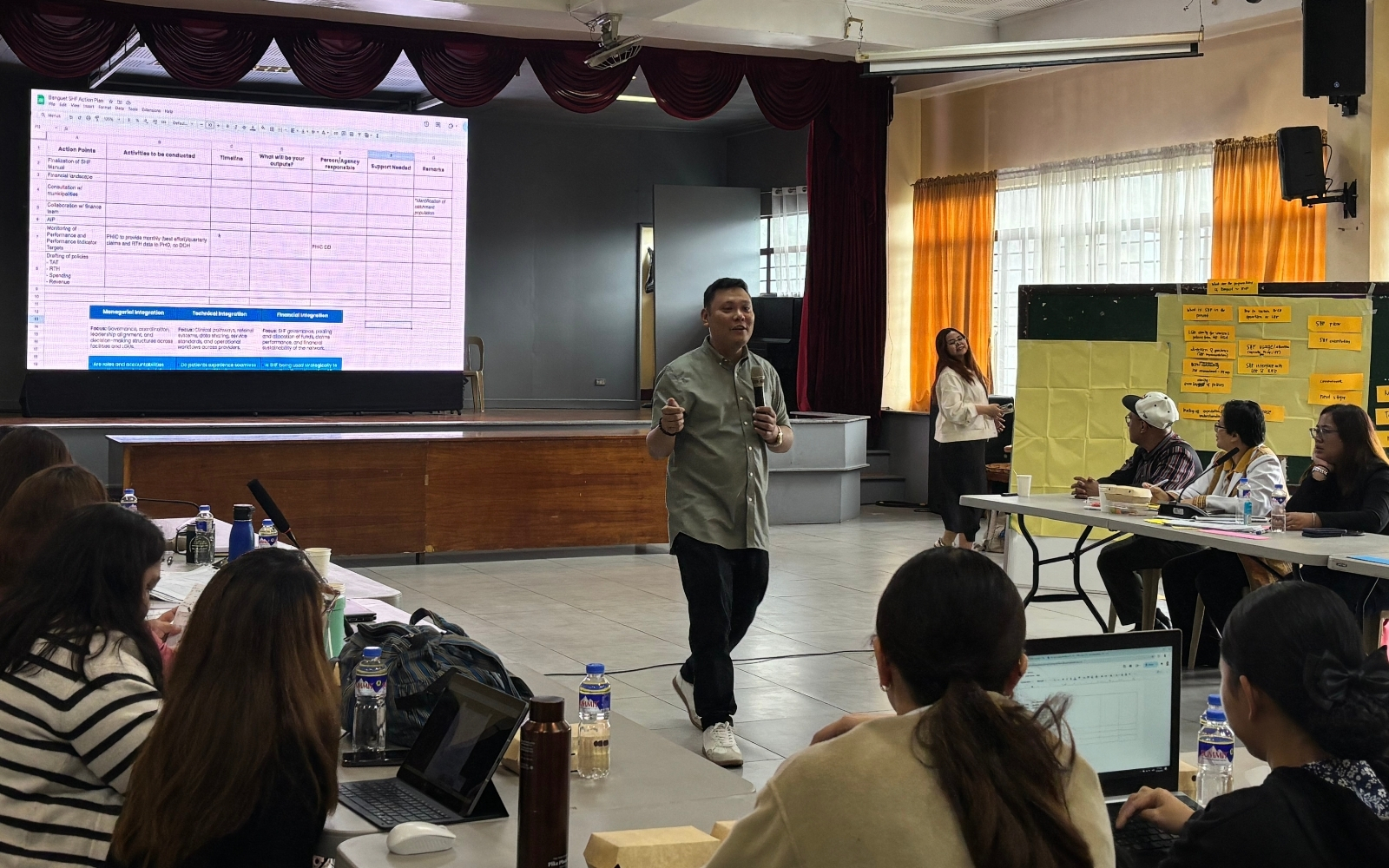
The session focused on preparing the province for network contracting under the UHC framework, strengthening claims management, and optimizing the Special Health Fund (SHF)—a financing pool that combines national and local resources to support an integrated provincial health system. Discussions emphasized the need to align governance, service delivery, and financial management across facilities to ensure effective implementation of the Provincial-wide Health System.
During the coaching session, PhilHealth representatives presented a claims performance analysis of Benguet hospitals from 2021 to 2025, revealing increasing service utilization and claims value across facilities. Participants discussed strategies to improve claims quality, reduce denied claims, and strengthen monitoring systems to ensure health financing effectively supports service delivery.
Another key discussion focused on the Special Health Fund (SHF) as a strategic financing mechanism for integrated local health systems. The SHF consolidates health financing streams to enable coordinated service delivery, improve procurement of medicines and equipment, and strengthen primary care across the province.
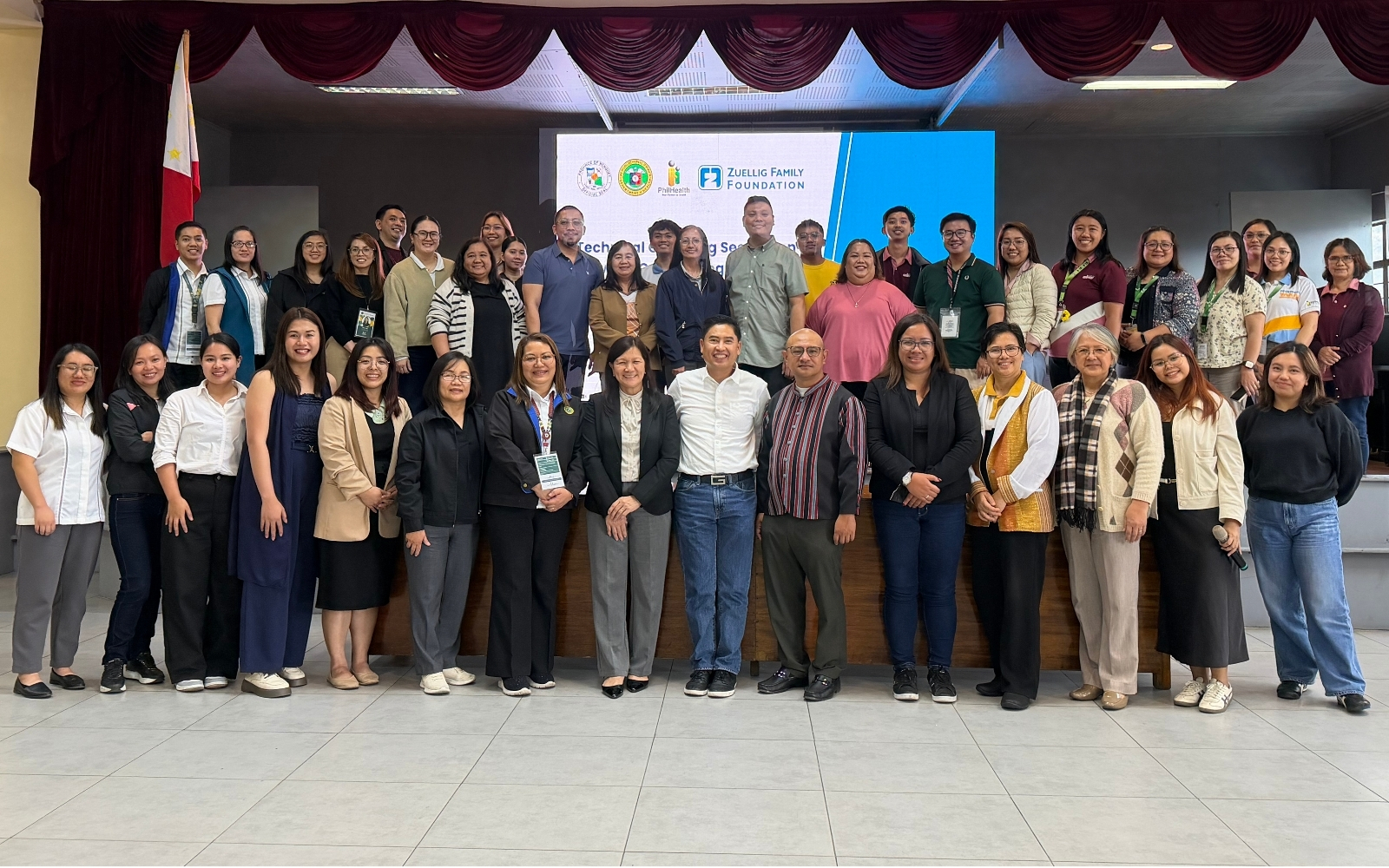
The coaching session concluded with key next steps for Benguet: finalizing the SHF manual, continuously monitoring claims performance, and conducting consultations with municipal partners to support the Provincial-wide Health System’s implementation.
In his message, Governor Melchor Diclas thanked ZFF, PhilHealth, and DOH for their technical support. He reaffirmed Benguet’s commitment to strengthening primary care and advancing health system reforms.
“We hope to begin full implementation this year for our primary care. This requires collaboration with each and every one of us,” the Governor said, noting the importance of continued partnership in moving the province’s health agenda forward.
Author: Ayeza De Mesa, ZFF BMLGP Associate
Municipalities of Kibungan and Kapangan, Benguet Receive Grants to Enhance Primary Health Care
The Zuellig Family Foundation, under its Bayang Malusog Leadership and Governance Program (BMLGP), reinforced its commitment to strengthening primary health care in Benguet through a ceremonial turnover of partnership grants to the Municipalities of Kibungan and Kapangan on February 16, 2026.
The ceremonies took place at the Kibungan Municipal Hall and Kapangan Municipal Hall, with the two municipalities serving as pilot sites of BMLGP in the province. ZFF implements the program in partnership with the Provincial Government of Benguet and the Department of Health-Cordillera Administrative Region (DOH-CAR).
Related articles:
- Kibungan and Kapangan’s Grand March Toward a Shared UHC Vision
- Bridging Leadership in Action: Benguet’s Mayors Reaffirm Commitment to UHC Integration
- Moving Forward with Health Reforms in Benguet
The partnership grants equip local government units with resources to bolster their primary health care systems at the frontline level. The grant package includes primary care instruments and equipment, health information system (HIS) support, home visit kits, and barangay health worker (BHW) kits. These resources enhance the capacity of Municipal Health Offices and Rural Health Units to deliver more responsive, coordinated, and community-centered health services.
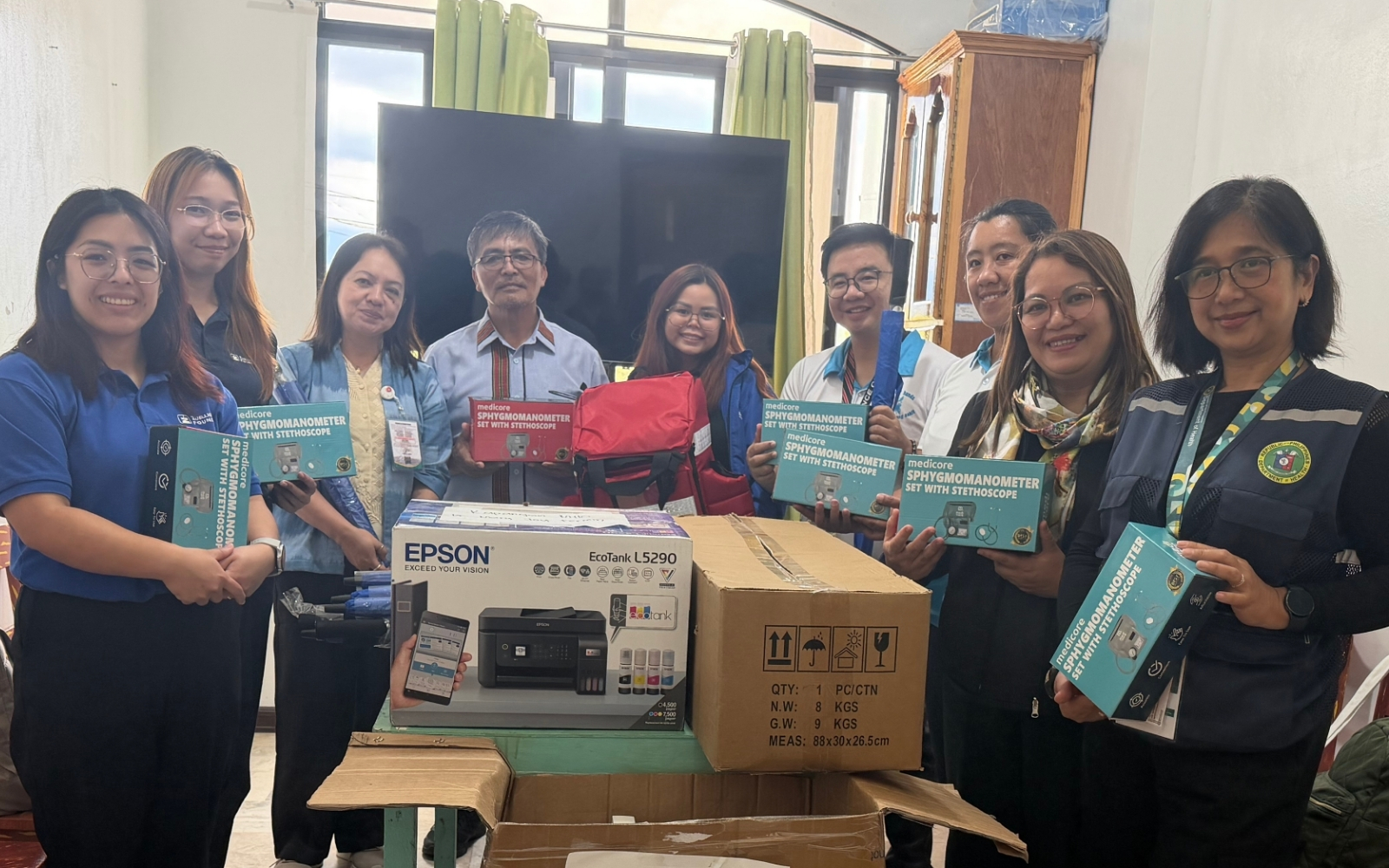
Beyond equipment, the grants aim to improve primary care delivery and local health system management. The equipment strengthens frontline service provision, while HIS support enables local health teams to track patient data, monitor priority health conditions, and base decisions on evidence. Home visit kits and BHW kits further empower community-level care by equipping frontline health workers who serve as the first point of contact for many families.
Representatives from the Benguet Provincial Health Office (PHO)—Dr. Andrew Chamson Bacuso, Rural Health Physician, and Rubelyn Tomas, Senior Health Program Officer—joined them. Representatives from the Department of Health, Dr. Mercedes Calpito, Development Management Officer V and Provincial Health Team Leader, and Jocephine Fawayan, Development Management Officer IV, also attended.
During the Kibungan ceremony, Dr. Hydre Nga-ew highlighted noncommunicable diseases (NCDs) as a key focus of the municipality’s health agenda under the program. Emphasizing the importance of data-driven governance, Dr. Nga-ew stated, “What you cannot measure, you cannot manage,” underscoring the need for strong health information systems and collective support to strengthen the local health system and improve NCD implementation.
Both Mayor Agustin Tello of Kibungan and Mayor Harris Dizon of Kapangan expressed their gratitude to ZFF, PHO, and DOH for their continued support. They also reaffirmed their commitment to strengthening local governance and empowering their communities to achieve better health outcomes.
Banner photo: Turnover of partnership grants to the Kibungan Municipal Government with Mayor Agustin Tello (sixth from the right)
Author: Ayeza De Mesa, ZFF BMLGP Associate
A Family-First Approach: Strengthening Nutrition in Eastern Visayas
Since 2025, the Zuellig Family Foundation (ZFF) has partnered with the Department of Health (DOH)-Eastern Visayas to advance Social Behavior Change Communication (SBCC) for nutrition under the Philippine Multisectoral Nutrition Project. Together, they are scaling a family-centered strategy to combat stunting across the region: the Pook Malusog Family Stunting Reduction Program (FaStR).
ZFF’s FaStR tackles stunting, a critical health issue affecting 1 in 4 children in the Philippines (2023 Expanded National Nutrition Survey). The program empowers families with a direct, family-centered approach during the critical first 1,000 days (F1KD) of a child’s life. It combines family education, support for food security, and consistent monitoring by local health workers to ensure children receive the proper nutrition they need to grow and thrive.
Related article:
From March 17 to 19, 2026, ZFF successfully conducted refresher and rollout training for the program in the municipalities of San Jose de Buan (Samar), Lope de Vega, and Mapanas (Northern Samar). The training equipped 31 Barangay Nutrition Scholars (BNSs) and Barangay Health Workers (BHWs) across the three municipalities with the skills to implement the program.
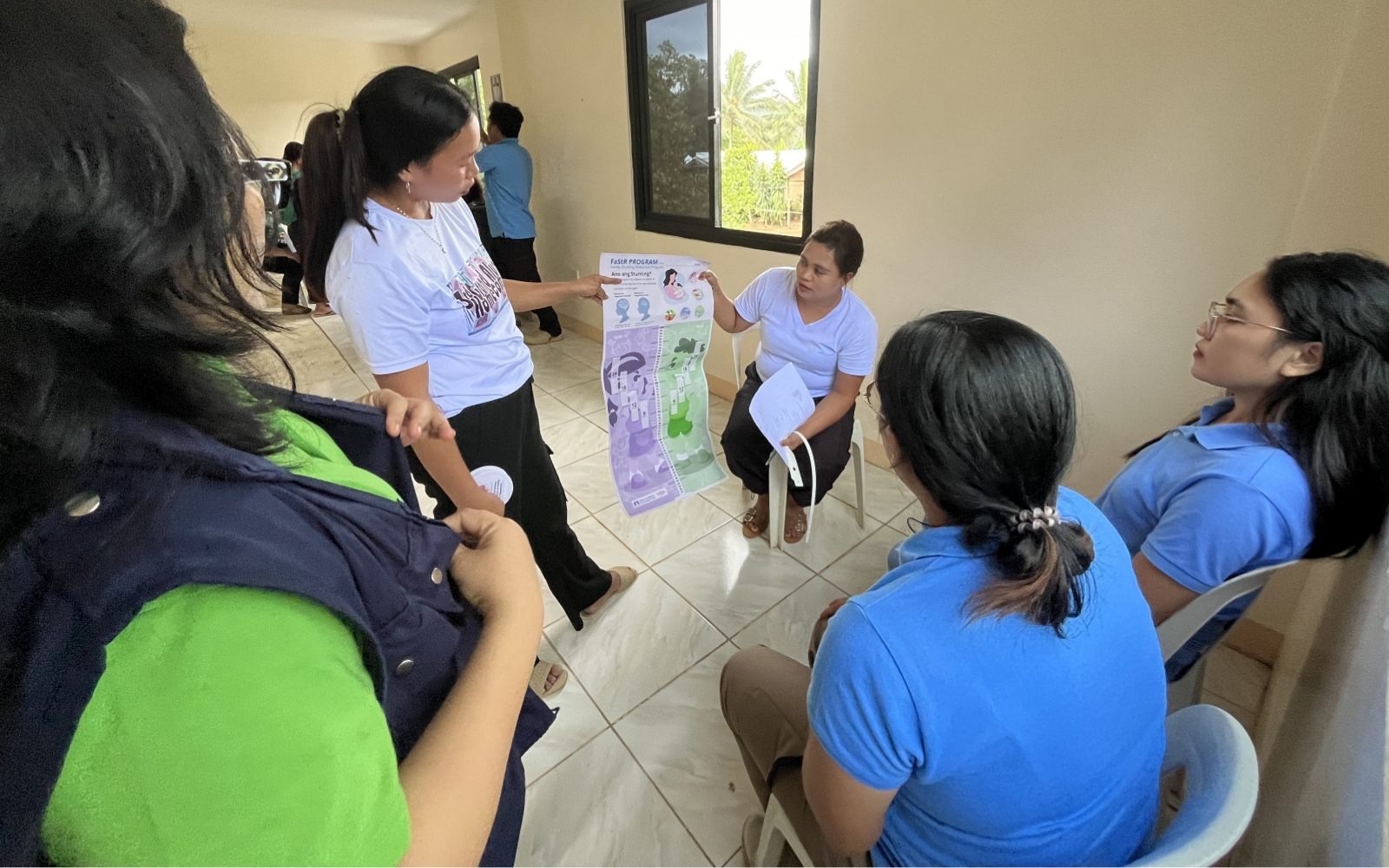
DOH-Eastern Visayas and the Provincial Nutrition Action Offices of Samar and Northern Samar provided strong support, making this milestone possible.
Following the refresher sessions, participants applied their training through community simulations and feedback activities. They visited selected F1KD families and introduced them to the program’s family modules. These hands-on activities reinforced learning and ensured the field workers are ready for implementation.
The Local Government Units (LGUs) now recognize this family-first approach as a key intervention to improve health and nutrition behaviors, directly contributing to regional efforts to reduce stunting. To conclude the activity, ZFF supported the LGUs in identifying clear next steps for rolling out the program to target households and expanding coverage to additional barangays.
Banner photo: Introduction of the FaStR chart to a family
Mayor Magalong Completes ‘Deep Dive’ to Assess Baguio Health System
Baguio City Mayor Benjamin Magalong stepped out of his usual executive role to participate in a ‘Deep Dive’ learning exercise, part of the Bayang Malusog Leadership and Governance Program of the Zuellig Family Foundation (ZFF), designed to give local leaders a grassroots perspective on the city’s health system.
Related articles:
- Baguio City Strengthens Health Finances for Universal Health Care
- ZFF Strengthens Primary Care to Advance UHC in Benguet and Baguio City
- Baguio City Advance Universal Health Plans
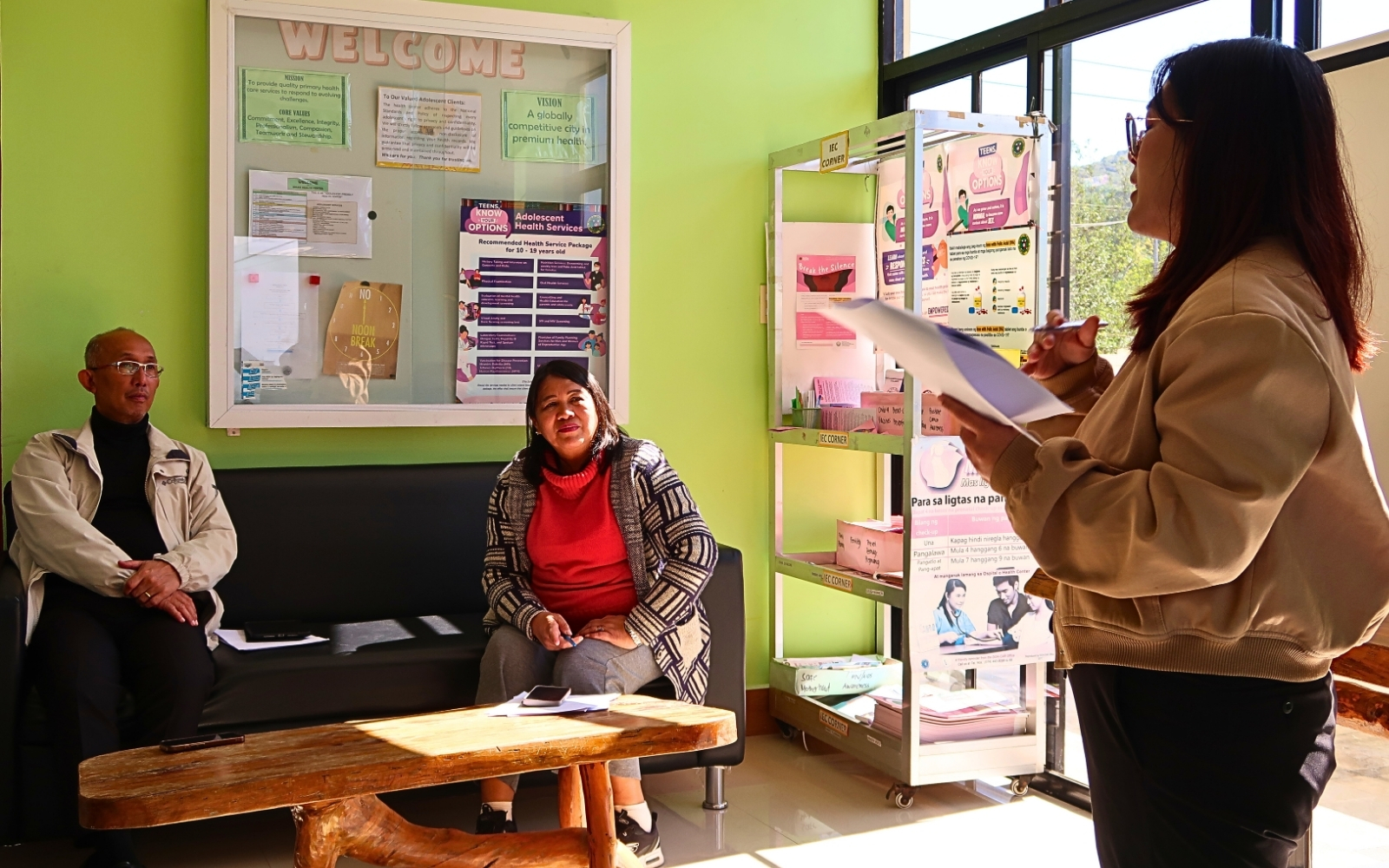
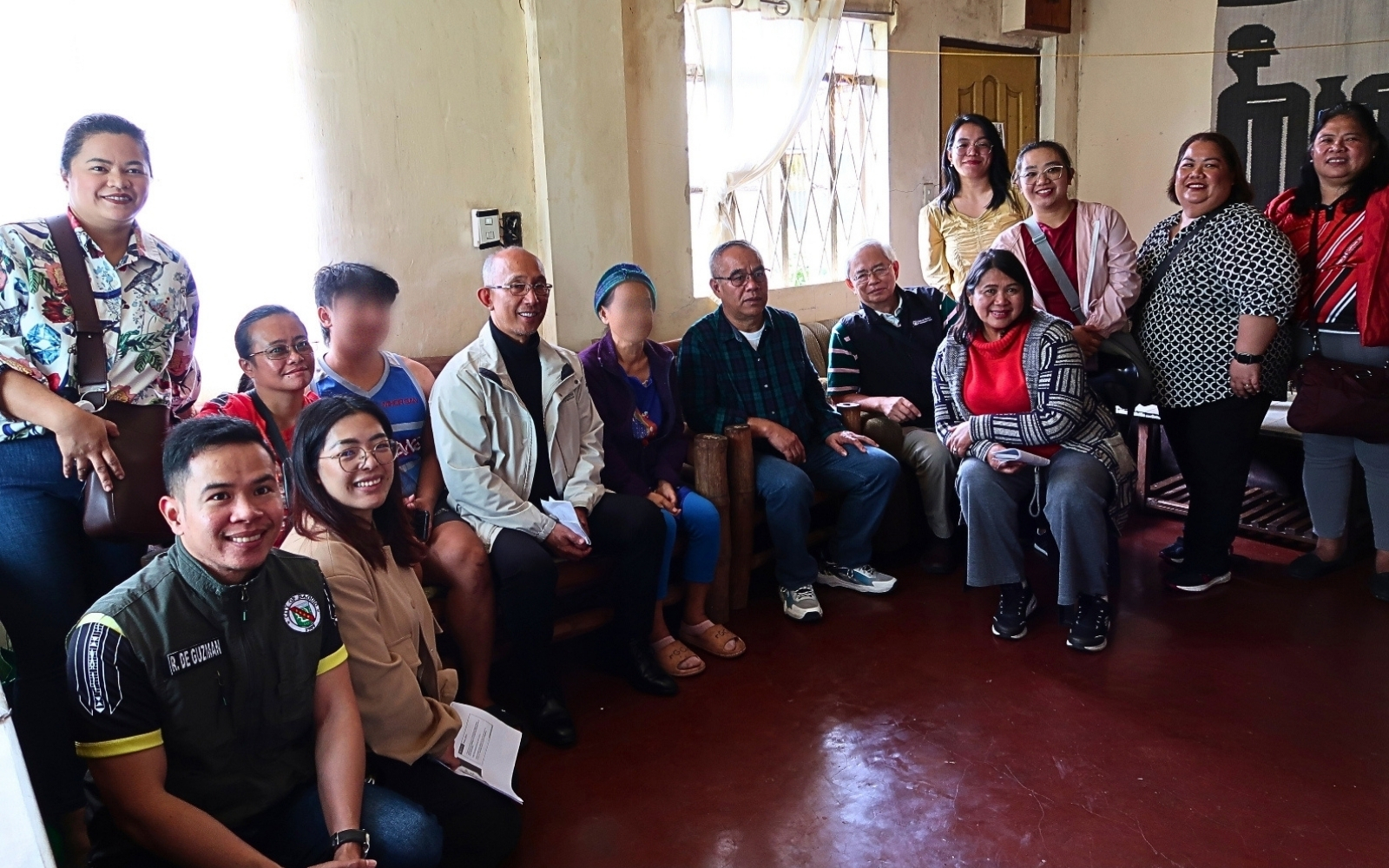
The Deep Dive, held on March 13, 2026, is an experiential process that moves leaders beyond theoretical briefings. It requires them to engage directly with the community in their own environments to observe conditions and foster a deeper understanding of health inequities, particularly among the underserved.
Mayor Magalong, accompanied by City Health Officer Dr. Celia Flor Brillantes and Barangay Irisan Chairman Arthur Carlos, began the morning with a pre-briefing before proceeding to a home visit in Irisan. There, the mayor met with a resident in their home, listening to personal health concerns and experiences with the city’s health services.
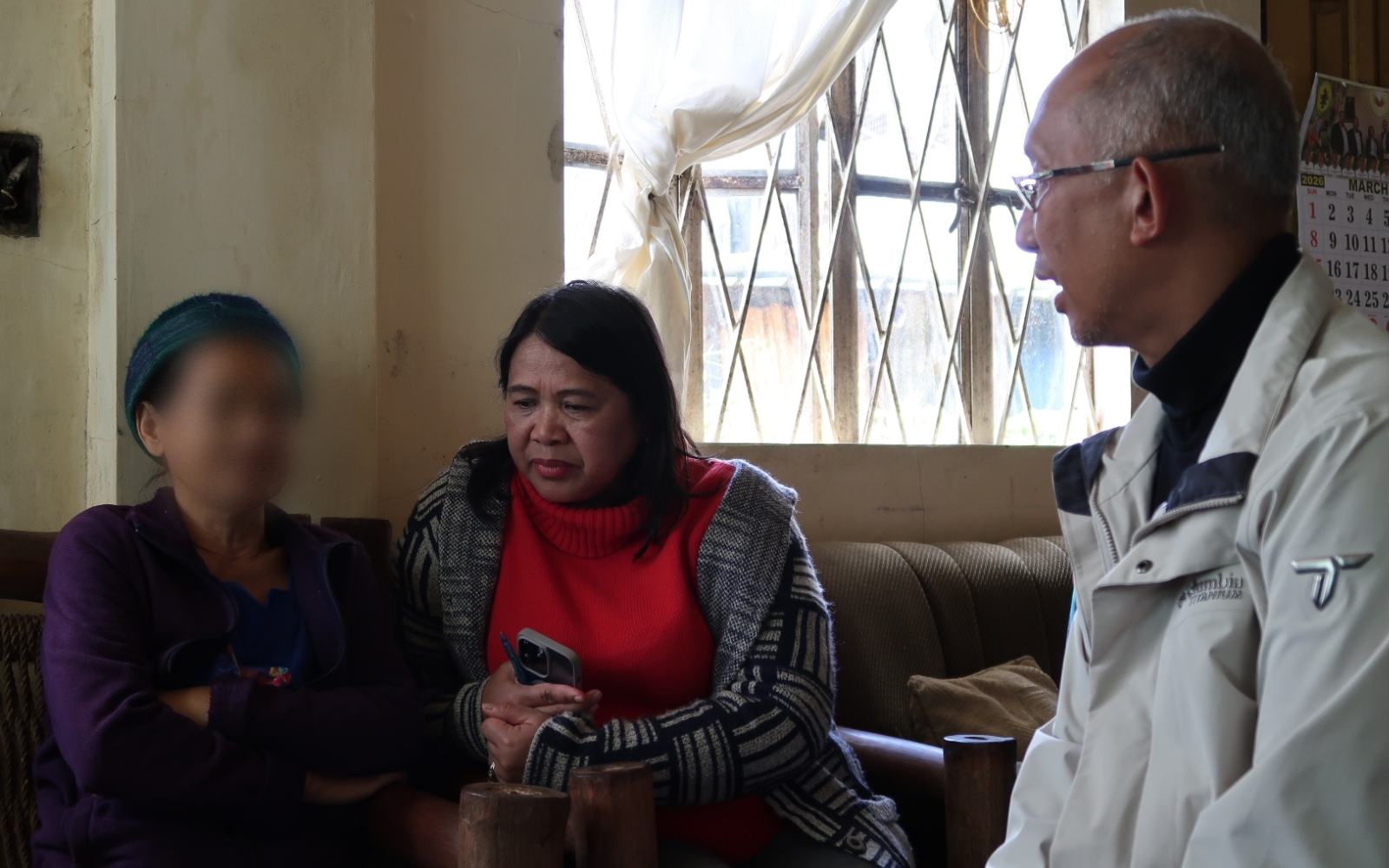
The process emphasizes intentional observation and suspending preconceived judgments. This means engaging with the citizen with “appreciation, curiosity, and wonder” to better understand the systemic barriers vulnerable populations face. While the mayor focused on this direct immersion, other members of the City Health Office simultaneously conducted a focused group discussion with the Hypertension and Diabetes (HPN and DM) Club in City Camp Central as part of the broader day’s activities.
The morning engagements were followed by an afternoon session of reflection and processing. During the synthesis, ZFF President Austere Panadero shared his key takeaways from the day’s discussions, emphasizing the need for strategic focus and better use of data.
“Ang dami pang opportunity for the health sector… Ang challenge ay, how would you know what determinant is affecting that family? In the past, kailangan mo pang mag-survey para makita mo ‘yun. Ngayon, mukhang hindi na, kasi kung nabuo mo ‘yung database mo, your system can execute that. Who needs help the most? Hindi na mahirap malaman ito,” Panadero said, pointing to Baguio’s existing smart city platform as a unique advantage.
The expected outcomes of the exercise are to strengthen the connection between city leadership and health stakeholders, and to inform more responsive decision-making for Baguio’s health system.
Baguio City Strengthens Health Finances for Universal Health Care
Baguio City health leaders met with national agencies and the Zuellig Family Foundation (ZFF) on February 19, 2026 to reinforce the financial foundation of its local health system. The technical coaching session, under ZFF’s Bayang Malusog Leadership and Governance Program (BMLGP) aimed to sharpen the city’s strategy for health financing and integrated care under the Universal Health Care (UHC) Act.
Representatives from the Department of Health-Cordillera Administrative Region (DOH-CAR), the Philippine Health Insurance Corporation (PhilHealth), and the Baguio City local government reviewed the city’s progress and readiness for integrated care delivery.
Related articles:
- ZFF Strengthens Primary Care to Advance UHC in Benguet and Baguio City
- Baguio City Advance Universal Health Plans
Building an Integrated Health System
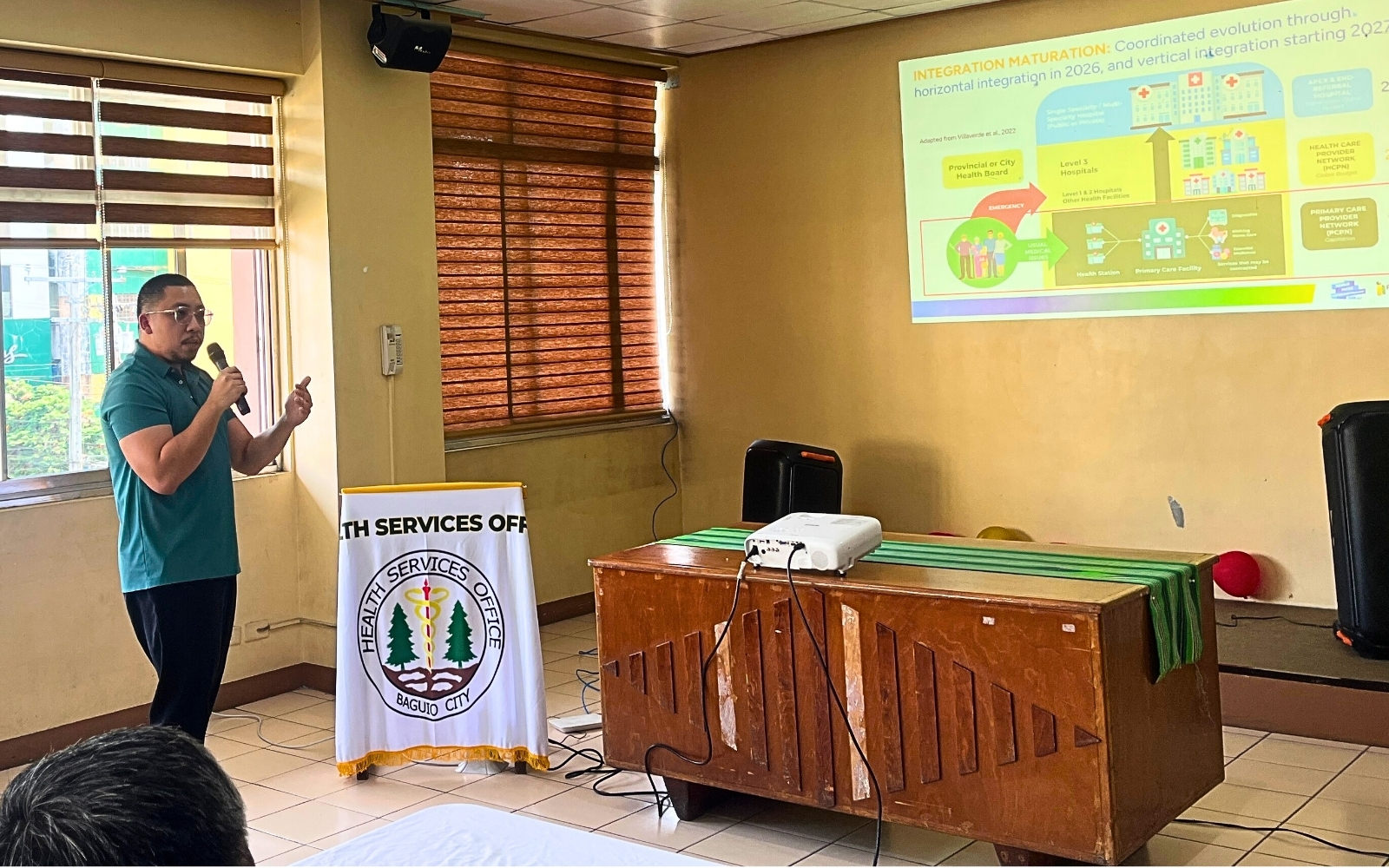
Since establishing its Health Care Provider Network (HCPN) in 2021, Baguio City has built a more coordinated local health system that connects primary care facilities, hospitals, and specialized services.
City leaders highlighted key integration milestones during the session:
- Joining the PhilHealth Primary Care Provider Network Sandbox Program
- Holding two HCPN summits to align public and private health providers
- Creating a Patient Navigation and Referral System to streamline patient movement between facilities
These initiatives directly support the UHC goal: ensuring residents receive continuous, coordinated, and quality care.
Maximizing Health Financing Opportunities
A major focus of the coaching session was improving the management of PhilHealth claims, a vital revenue source for local health facilities.
Data presented showed that about 64% of the city’s health facility claims received payment, totaling approximately Php 3.18 million disbursed from 2022 to 2026. Facilities like the Irisan Health Center demonstrated how effective claims management can strengthen facility operations and expand community health services.
PhilHealth representatives stressed that robust claims management ensures local health services fully utilize national financing mechanisms.
Strengthening the Special Health Fund
The session also tackled the Special Health Fund (SHF), which pools resources to support integrated health service delivery under UHC.
Baguio City reported a Php 200 million allocation to the SHF for 2026, demonstrating its commitment to strengthening the local health system. Participants agreed they must translate these resources into tangible service improvements. Priorities include accelerating procurement processes, strengthening financial planning, and improving coordination across implementing units.
Leadership and Governance for Health
The activity underscored the need for strong leadership and collaboration to advance health reforms.
PhilHealth Senior Vice President Renato Limsiaco provided direct technical guidance to Baguio City’s health leaders, sharing insights on optimizing financing systems and preparing for provider network contracting under UHC.
This engagement also reflects the leadership development work of ZFF through BMLGP, which helps local governments strengthen governance, improve health financing, and build more responsive health systems.
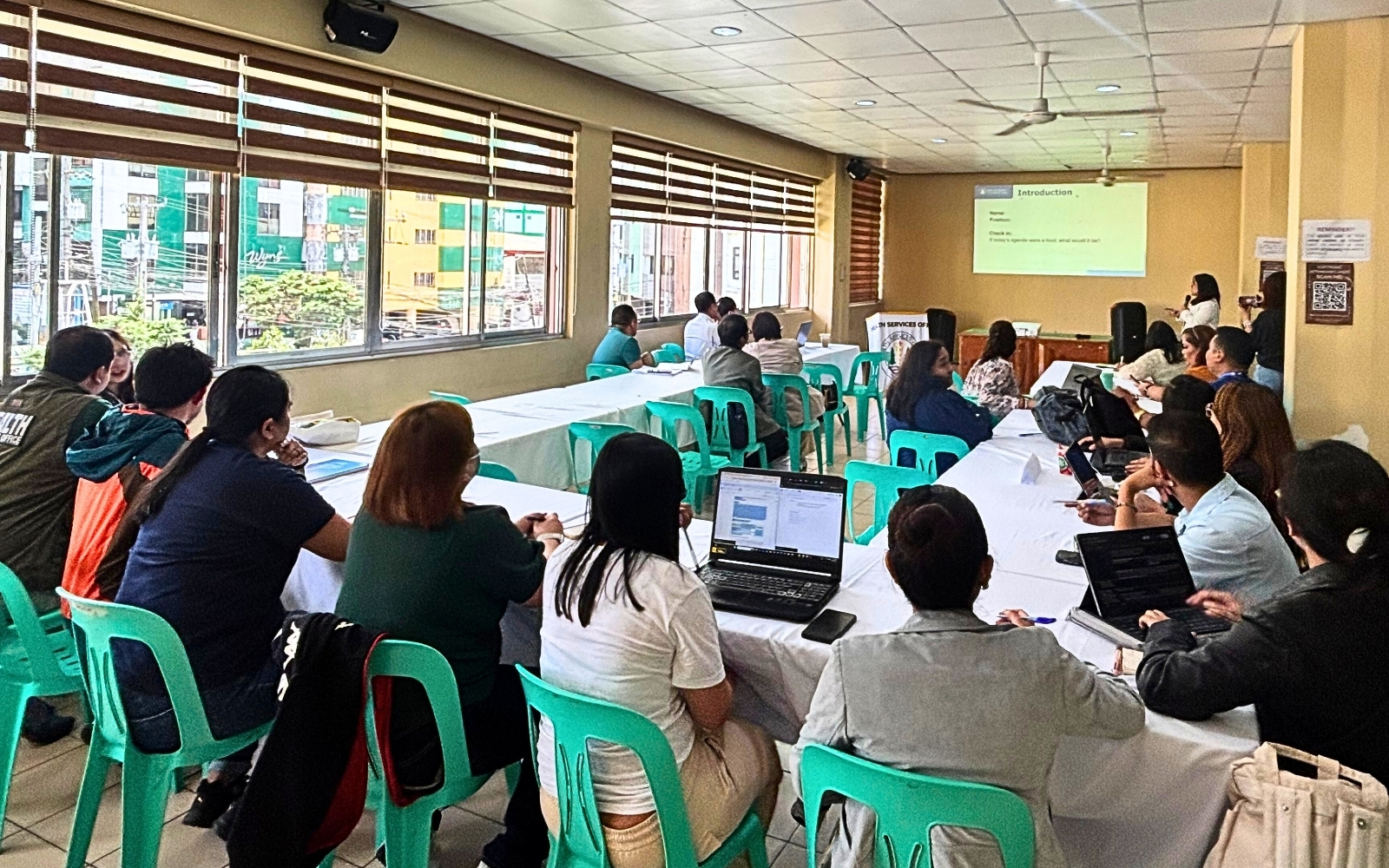
Moving Forward
As Baguio City advances its UHC reforms, local leaders identified these key next steps:
- Strengthen coordination across city departments and the Local Health Board
- Operationalize the SHF manual and financing protocols
- Resolve procurement and information technology bottlenecks
- Prepare for provider network contracting under integrated health care delivery
With strong partnerships and continued leadership development, Baguio City is well-positioned to further strengthen its local health system. By reinforcing both leadership and financing systems, the city is laying the groundwork for a future where every resident can access the care they need, when and where they need it.
Banner photo: Dr. Celia Brillantes, Baguio City Health Officer
Authors: Joan Kidatan, ZFF Local Health Systems Provincial Associate for Baguio City; Krizzia Esperanza, ZFF Corporate Communications Associate
Pasig City: Bridging Governance through a Needs and Rights-Based Information and Service Delivery Network
The nation admires Pasig City for its progressive governance. However, it faces a complex problem: while the adolescent birth rate (ABR) is declining overall, the age of pregnant girls is getting younger.
Mayor Vico Sotto acknowledges this gap. “We commend the efforts of the city officials, barangays, and partner NGOs—the programs and projects look good and promising. But we go back to the reality and recognize that there is a chink in the armor. Even if Pasig is wealthy, we still fall short.”
Related article:
Urban Flux and Hidden Inequities
Pasig’s location attracts migrants, which complicates healthcare delivery. Many young people live in precarious arrangements, missing school and health services.
Mayor Sotto calls for unity to solve this: “The Philippines is a ‘third-world country’—our resources will not be enough. But what’s great about us Filipinos is that what we lack in arms, we compensate with strength in unity.”
At the program launch in September 2023, City Health Officer Dr. Joseph Panaligan highlighted the value of partnership. “The city government will be providing its full support to this powerful and worthy endeavor… Ang pangarap mo ay pangarap ko rin (Your dream is also the dream I carry).”
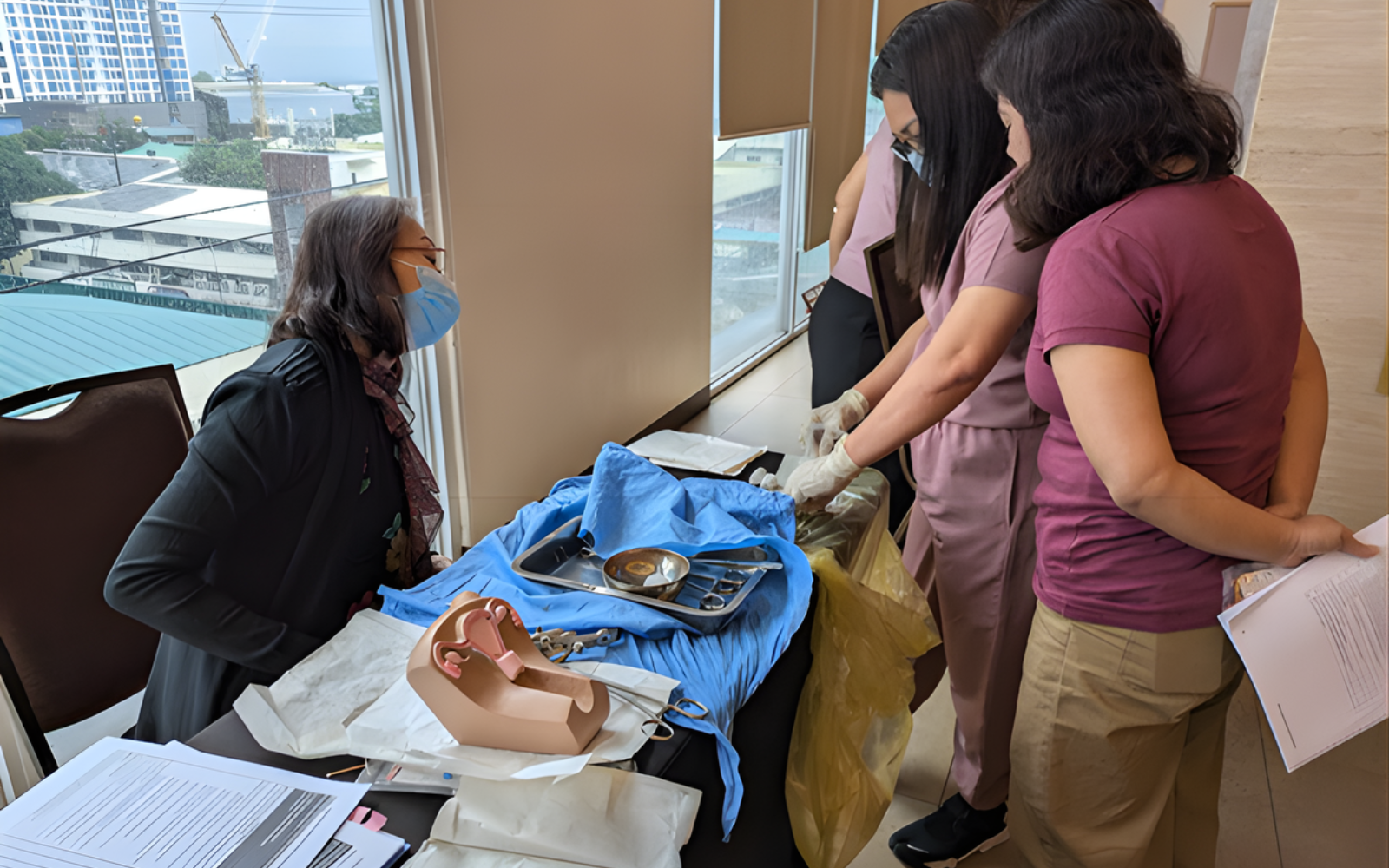
The Information and Service Delivery Network (ISDN) as a Rights- and Needs-Based Response
Pasig’s priority response is the Information and Service Delivery Network (ISDN). It breaks down silos among departments to create a coordinated safety net for adolescents, ensuring no young person falls through the cracks.
The city designed the ISDN to be both needs-based and rights-based. The City Leadership Team (CLT), established through Pasig’s engagement with the Zuellig Family Foundation (ZFF) through The Challenge Initiative (TCI)-Philippines, identified four priority issues:
- Violence against Women and Children (VAWC)
- Mental Health
- Sexually Transmitted Infection (STI) and Human Immunodeficiency Virus (HIV)
- Substance Abuse
Violence against Women and Children
The ISDN is guided by the Responsible Parenthood and Reproductive Health Act of 2012 (Republic Act [RA] 10354) and a 2021 law, RA 11648, which raised the minimum age of sexual consent from 12 to 16. When screening identifies an adolescent in a relationship with an adult, the City Social Welfare Office provides protection and manages the case.
Mental Health
Following the Mental Health Act of 2018 (RA 11036), the city empowers non-specialist providers to identify and manage mental health issues at the community level. It uses the World Health Organization’s (WHO) Mental Health Gap Action Programme Intervention Guide (mhGAP-IG) to scale up services.
STI and HIV
Anchored on the Philippine HIV and AIDS Policy Act of 2018 (RA 11166), the city’s social hygiene clinics ensure universal access to services. These facilities are adolescent-friendly, uphold strict confidentiality, and are sensitive about parental consent for minors.
Substance Abuse
Guided by the Comprehensive Dangerous Drugs Act of 2002 (RA 9165) and the Juvenile Justice and Welfare Act (RA 9344), the city emphasizes community-based rehabilitation over punitive measures for minors. The Substance Abuse Treatment and Outreach Program provides services for persons who use drugs (PWUDs), including adolescents.
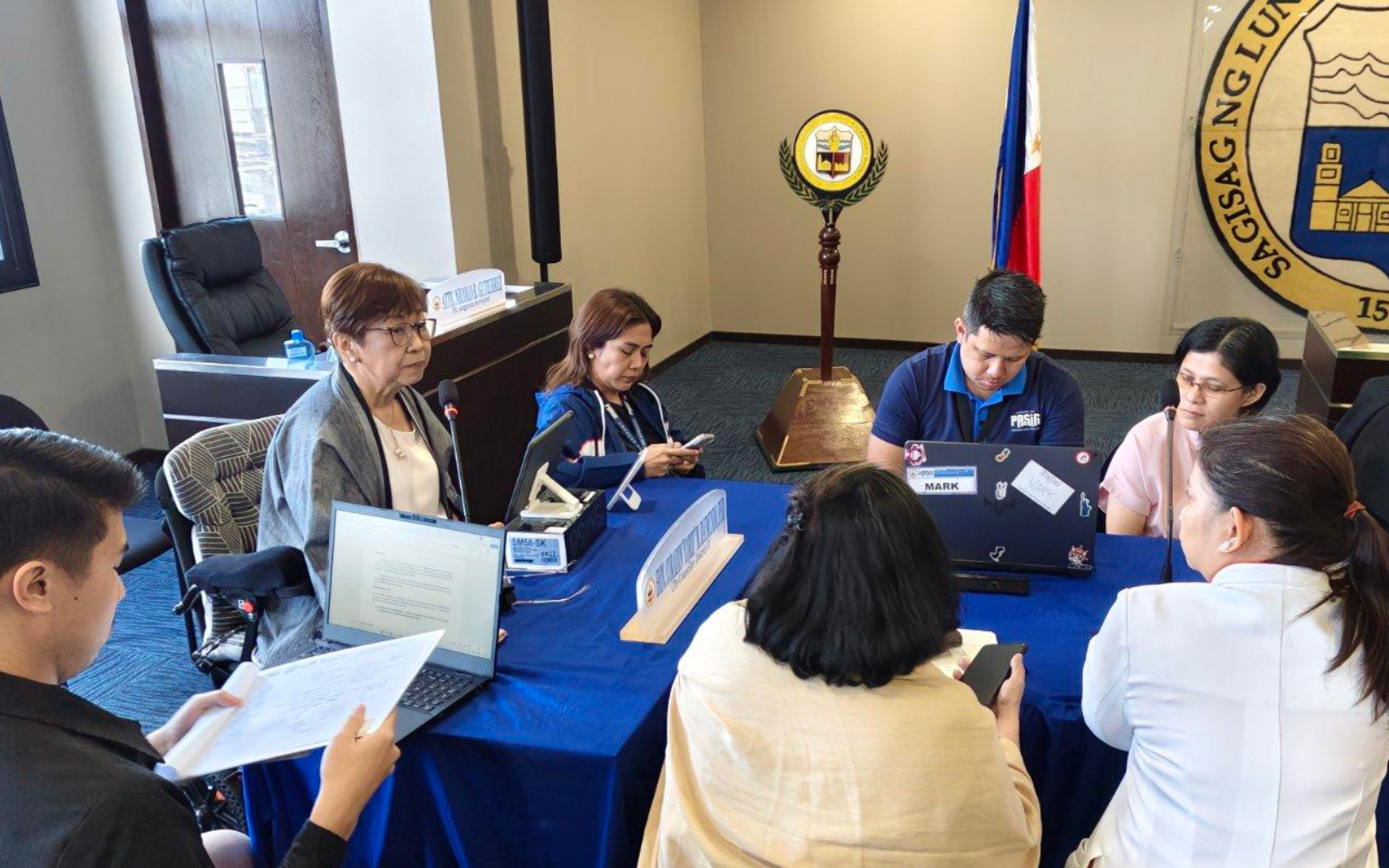
From Policy to Practice
Young people helped map out the issues and streamline office roles. This ensures continuity of care and prevents
adolescents from retelling their trauma to multiple agencies. The team applied bridging leadership: owning the problem, co-owning the solution, and co-creating across boundaries.
To earn young people’s trust, the team worked with the Sangguniang Kabataan (SK) to ensure peers delivered the information. To tackle conservative beliefs, they push for open, age-appropriate conversations.
Mark Ernest Ferrer, Adolescent Health and Development Program Nurse Coordinator, shared: “We believe that adolescents have self-determination to make responsible choices, when given accurate information, but parents also need support to guide them to have conversations about these confidently.”
Complementing Services and Messaging
Pasig trains frontline providers to deliver adolescent-friendly services. Barangay youth leaders co-develop communication plans. Assistant City Health Officer Dr. Stuart Santos noted: “We were introduced to the concept of Bridging Leadership [by ZFF and TCI]… This has resulted in the implementation of a more responsive health program, one that is truly aimed at advancing social equity.”
For Pasig, the ISDN is a litmus test. It asks whether the city’s reputation for good governance can translate into equity and care for its most vulnerable young people.
Banner photo: Communications Planning Workshop with SK Officers
Breaking Down Silos: How Quezon City Improved Adolescent Health Services
Quezon City is one of the Philippines’ most progressive cities in social development. It has consistently won awards for good governance, transparency, innovation, and climate action. Quezon City has become a national model for inclusive and environmentally conscious leadership. These achievements are significant, especially given the challenges the city faces.
In the past, departments often worked in isolation, with little awareness of each other’s programs. A teenager seeking reproductive health assistance might start at one facility only to be referred elsewhere, often without a clear handover. Many adolescents got lost in this process, falling through the gaps of an uncoordinated system. This fragmentation highlighted a key challenge: even as Quezon City kept its adolescent birth rate below target, many young people still missed out on timely care.
Then City Health Officer Dr. Verdades Linga explained their vision: “I dream of an effective and efficient system that gives our adolescents the care they need, when and where they need it—a system they can trust and rely on.”
Related article:
Building Bridges: Creation of the QUSI Teen Network
Recognizing that no single office could meet all the health needs of adolescents, Quezon City took a top-down approach. The city first passed City Ordinance No. SP-3128, s. 2021. This law, titled “An Ordinance Providing for the Prevention Programs to Address the Increasing Adolescent Pregnancy,” created the legal basis for coordinated action.
Through its Implementing Rules and Regulations, the city formally adopted the Information and Service Delivery Network for Adolescent Health and Development (ISDN4AHD). The ISDN4AHD is a network of facilities and providers across different levels that work together to offer information, training, and a core package of health and social services for adolescents. It acts as a way for various groups to collaborate and ensure their efforts are aligned.
In Quezon City, this network is called the Quezon City Unified Services and Information Teen Network (QUSI Teen Network). It includes member institutions, referral pathways, and tools to strengthen coordination, making adolescent health services more seamless and responsive.
Building the network required a full map of available services across all departments that support adolescents, from social and financial help to mental and physical health care. After identifying these services, the city streamlined them to reduce duplication and unnecessary referrals, especially for sensitive cases. To ensure clarity, they created flowcharts showing which department handles each service, what it offers, and where to refer adolescents. These pathways went through many reviews with service providers before being finalized.
Maria Cecilia Magtalas, the Population Program Supervisor, described the shift: “Before, we worked in our own bubbles. Now, through the ISDN, we know exactly who to call, where to refer, and how to follow up. It feels like we’re finally working as one team for the young people.”
Enforcing Foundations: Training Frontliners of the ISDN
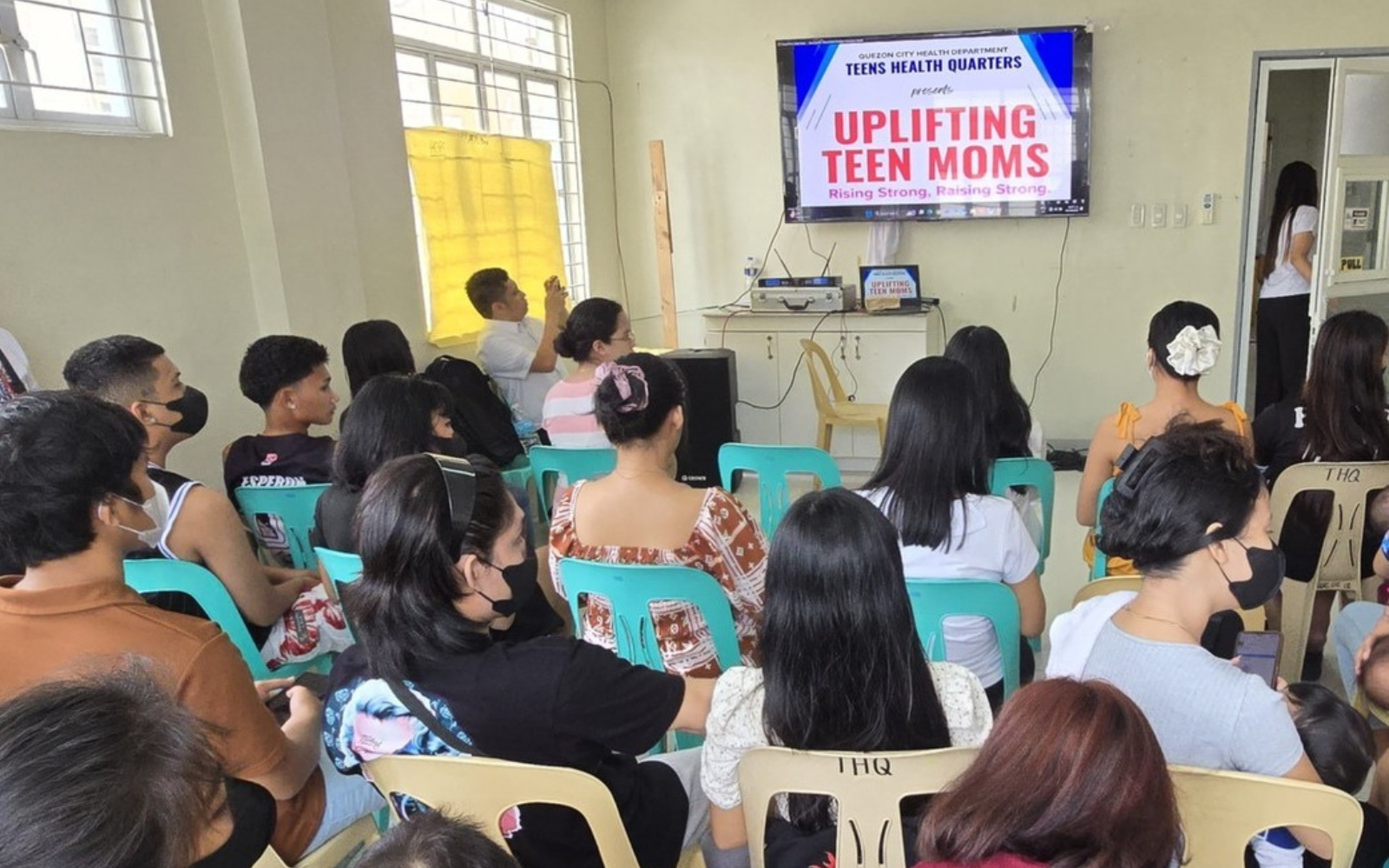
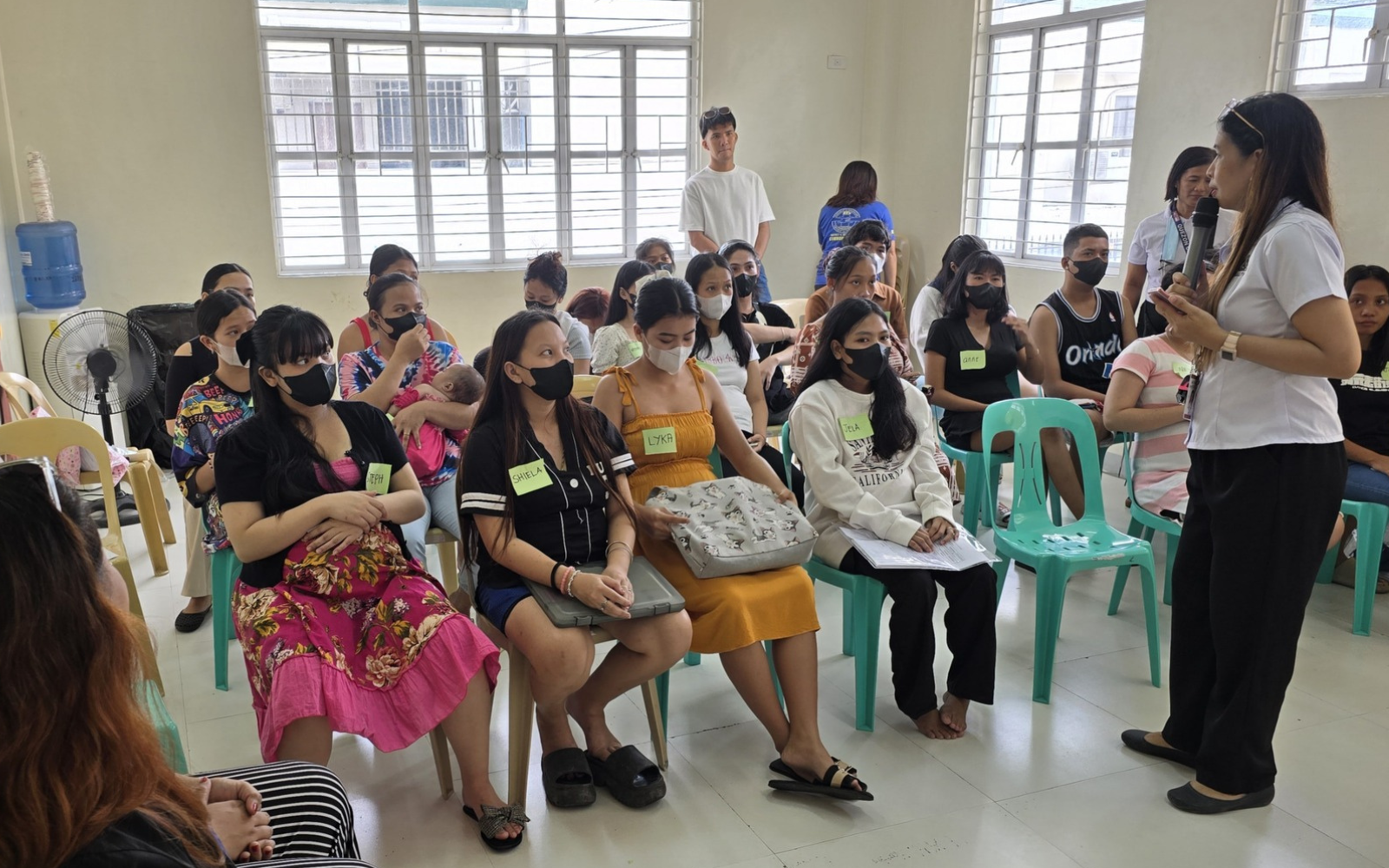
To make the referral network work, The Challenge Initiative (TCI)-Philippines, together with Quezon City’s Population Program Supervisors, created a structured training program for ISDN frontliners. Frontliners are the staff who directly assist adolescents seeking help, such as health center coordinators, social workers, and guidance counselors. The training aimed to introduce the Adolescent Health and Development (AHD) Program framework, increase awareness of adolescent issues, and build skills for managing the referral system.
The training covered several key areas. It started with an Adolescent Situationer and the Framework of the AHD Program. Next, participants learned about Managing a Referral System, including the networks and procedures agreed upon in departmental meetings. A key part was introducing the HEADSSS tool, a structured guide to assess risks in adolescents. This acronym stands for Home, Education/Employment, Eating, Activities, Drugs, Sexuality, Suicide/Depression, and Safety. It helps providers screen for other concerns and refer to the right channels.
Finally, they covered Essential Skills of a Responder, including sessions on inclusivity and sensitivity. This included discussions on Sexual Orientation, Gender Identity, and Expression (SOGIE), Data Privacy, Confidentiality, and Active Listening to ensure respectful communication.
One social worker shared how the training changed their approach: “The training changed how I see my role. Before, I just handled the concern right in front of me. Now, I know how to listen for what’s not being said and guide them to the right help.”
The Road Ahead
While the ISDN has already closed many coordination gaps, its continued success will depend on regular monitoring, ongoing training for staff, and using digital tools to track referrals. This will make the system even more efficient and responsive.
Quezon City is already seeing results. The adolescent birth rate remains within target levels, and modern contraceptive use is rising. By breaking down silos and taking progressive steps, the city has improved young people’s lives and become a model for transformed adolescent health services—showing that innovation, collaboration, and political will can drive lasting change.
Banner photo: Physicians completed training on Postpartum IUD insertion, facilitated by the Quezon City Health Department.