Cotabato’s Province-Led Push for Better Nutrition
News
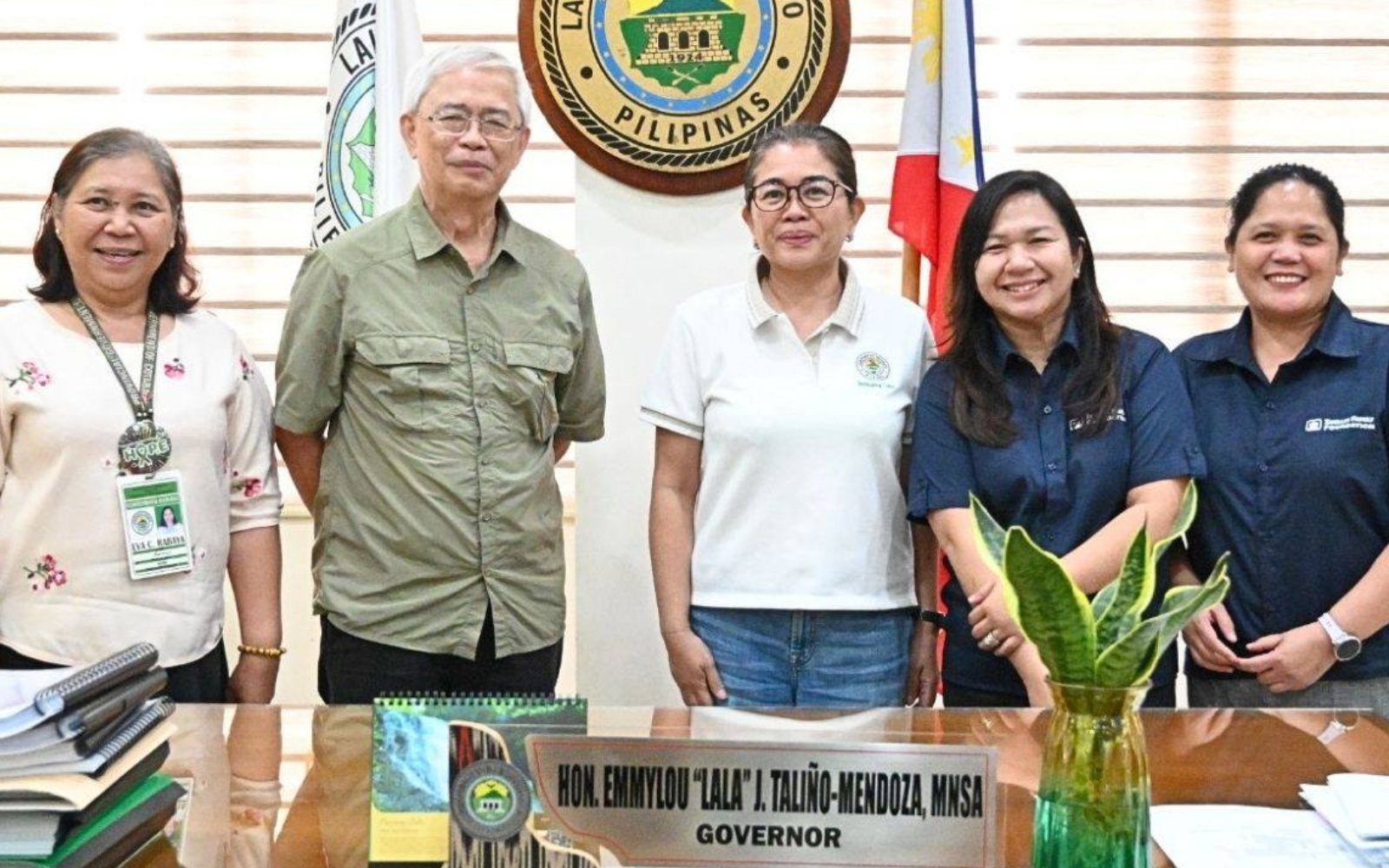
From left to right: Dr. Eva Rabiya, Cotabato Provincial Health Officer II; Austere Panadero, ZFF President and Executive Director; Governor Emmylou “Lala” Mendoza, Provincial Government of Cotabato; Dr. Joyce Ann Viar, ZFF Nutrition Director; and Rachel Paradiang, ZFF Project Manager for NutriLEAP.
Executive Coaching with Governor Emmylou “Lala” Mendoza under the Zuellig Family Foundation (ZFF)’s Nutrition Leadership and Equity Acceleration Program (NutriLEAP)
In the Province of Cotabato, leadership, data-driven governance, and local ownership are shaping the next phase of nutrition reforms.
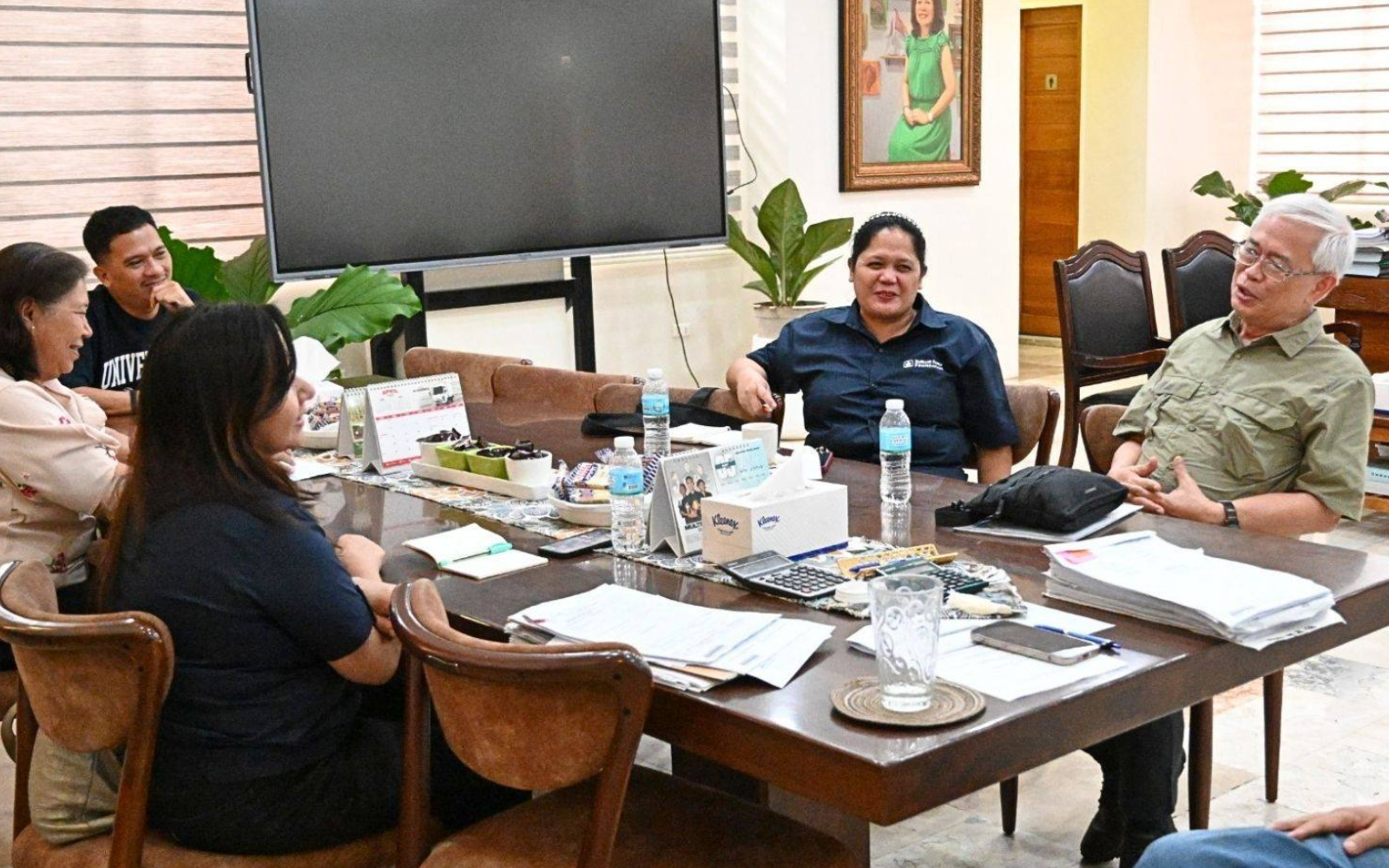
The executive coaching session last May 4, 2026 marked a pivotal moment following the province’s engagement with ZFF as Cotabato took a closer look at its nutrition systems and drilled down on key gaps for improvement. With ZFF President and Executive Director Austere Panadero as governance coach guiding the process, this year’s session focused on sharpening Cotabato’s Provincial Nutrition Action Plan (PNAP), strengthening data systems, and aligning priority interventions for the years ahead.
Related articles:
- NutriLEAP Monitoring and Coaching Visit: Strengthening Nutrition Governance in the Provinces
- NutriLEAP: A Pathway to Healthier Provinces
From Plans to Action: Treating Nutrition Plans as a ‘Bible’
Cotabato entered the executive coaching session with a strong PNAP already in place.
Governor Mendoza underscored the importance of institutionalizing the plan: “It should not just be for compliance; it should be treated like a bible.” Panadero affirmed this direction, encouraging the province to use its finalized plans as leverage for future investments: “You already have a good PNAP. Use that as the basis for your engagement… You don’t need to reinvent it because you already poured effort into it.”
Data as the Backbone of Governance
A major theme of the executive coaching was the urgent need to strengthen data systems and documentation.
Panadero noted that improving data accuracy and coordination systems will unlock Cotabato’s ability to maximize resources and scale impact: “Data really needs improvement and accuracy. Once you solve that: You can maximize your resources. You already have an advantage because you have started many initiatives. Coordination systems at the service delivery level must be institutionalized.”
The session also revealed ongoing challenges with national datasets, population projections, and poverty statistics. Governor Mendoza openly raised concerns about data reliability, reinforcing the need for local data validation and improved documentation of local innovations and outcomes.
Prioritizing Nutritionally At-Risk Pregnant Mothers and Teenage Pregnancy
A key forward-looking priority is addressing nutritionally at-risk pregnant mothers, especially amid rising teenage pregnancy. The provincial team recognized the need for stronger convergence between nutrition programs and adolescent health initiatives.
In the closing part of the session, the province identified potential next steps for partnership: support for teenage pregnancy programs and a convergence program between nutrition and teenage pregnancy. This priority reflects Cotabato’s commitment to breaking the intergenerational cycle of malnutrition by focusing on young mothers and adolescents, an area where NutriLEAP can continue to provide strategic support.
Province-Led Coordination and Systems Strengthening
A strong theme throughout the session was the importance of provincial leadership in coordinating nutrition investments and ensuring accountability.
Governor Mendoza said that programs and funding must be coordinated at the provincial level to ensure proper oversight and technical support: “It should really be coordinated through the province… Sometimes they have not even been capacitated yet, but they are already thinking of different ways to spend the money.” Panadero reinforced this province-led approach, noting that Cotabato is already ahead in preparation for the upcoming Philippine Multisectoral Nutrition Project (PMNP) implementation.
Addressing System Gaps in Child Nutrition
Despite progress, the coaching session identified a critical service gap for children transitioning from daycare to early elementary school. While programs for ages zero to five years old are strong, no single agency clearly owns nutrition for children in kindergarten to first grade.
At the national level, many different agencies share responsibility, but no single office fully owns the issue. Governor Mendoza proposed a local solution: “Maybe this should already fall under the [provincial government]… We should provide funding for that.” This reflects the province’s willingness to step in where local leadership can own the problem and bridge systemic gaps.
Sustaining Gains Amid Resource Constraints
The discussion also brought to light the realities faced by local governments, from vaccine shortages to the need to subsidize medicines and tuberculosis treatment. Governor Mendoza conveyed the province’s commitment to prioritizing health and nutrition even amid competing demands: “If your efforts are not sustained, we will just go back to zero… we redirected the budget toward vaccines, hospitals, and the people’s needs.”

Moving Forward: Transitioning to PMNP
As the NutriLEAP engagement transitions toward the PMNP, the province is focused on refining its PNAP and strengthening information systems. Governor Mendoza summarized Cotabato’s immediate priority: “We just need to improve our [PNAP] in preparation for the PMNP implementation next year.”
With a strong foundation in place, Cotabato is poised to deepen its focus on adolescent health, nutritionally at-risk mothers, and integrated service delivery. As the partnership with ZFF evolves, the province’s experience serves as a model of how local governments can lead the way in building resilient and responsive nutrition systems.
Photos from: Provincial Government of Cotabato Facebook page