Davao Oriental Confronts Malnutrition through Data-Driven Governance
News
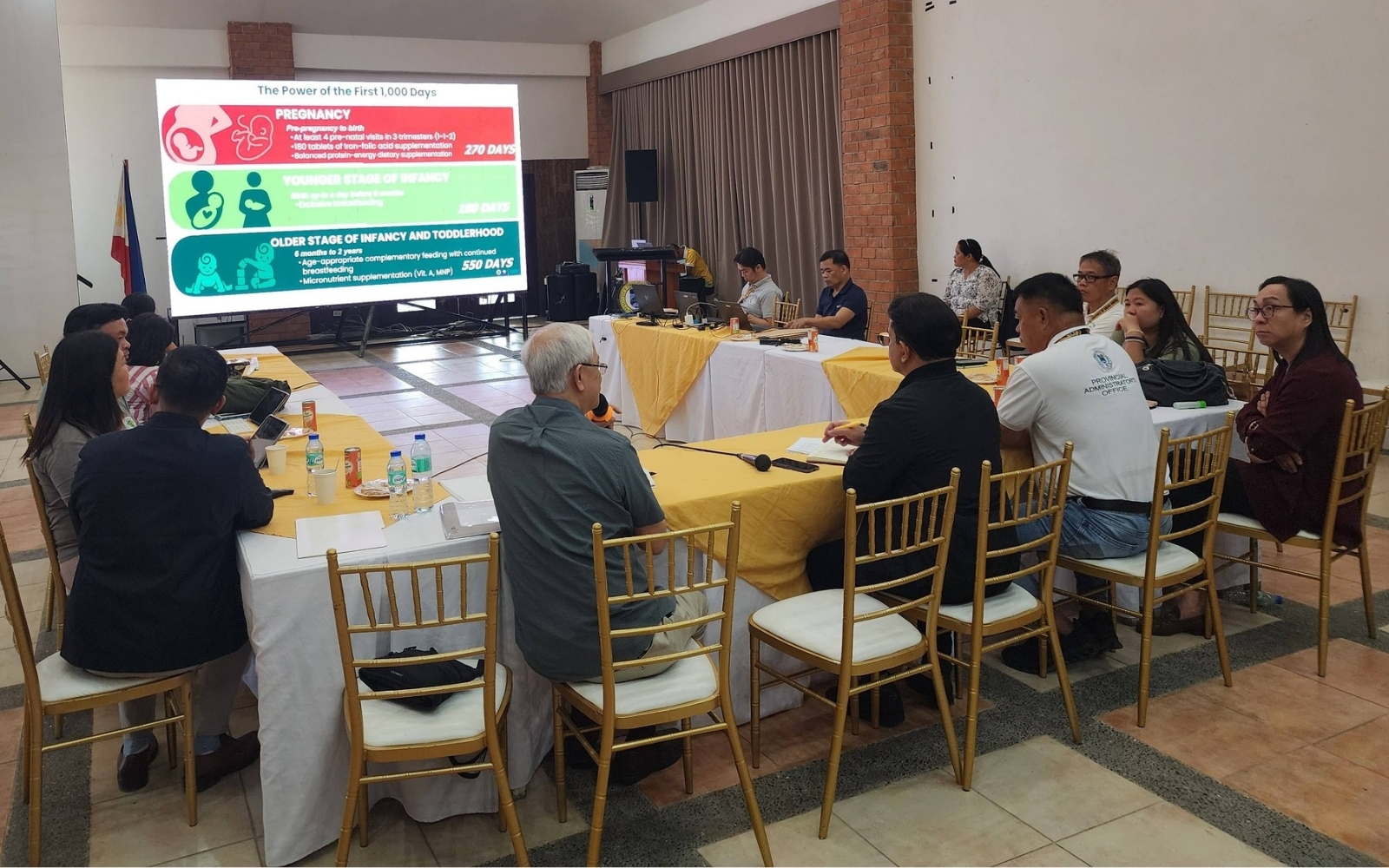
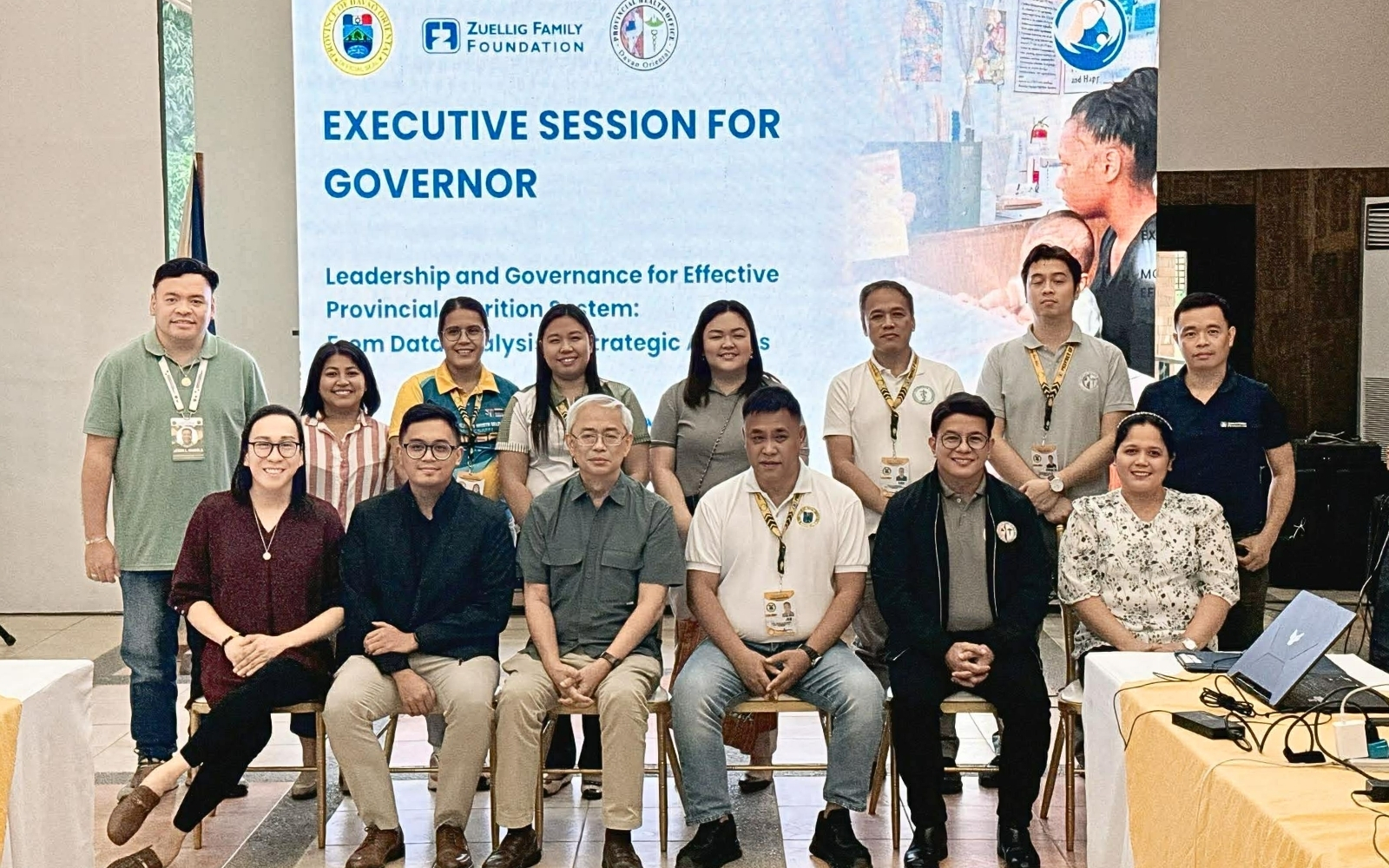
Davao Oriental has one of the lowest malnutrition rates in the Davao Region, yet nearly one in three residents lives below the poverty line. This disconnect took center stage on April 22, 2026, where Provincial Administrator MGen. Jose Eriel Niembra (PA Ret.) represented Davao Oriental Governor Nelson Dayanghirang in an executive session under Zuellig Family Foundation’s (ZFF) Nutrition Leadership and Equity Acceleration Program (NutriLEAP). The session gathered health officials and nutrition experts to present a comprehensive analysis of the province’s nutrition landscape and recommend responsive governance actions.
The Challenge: High Poverty vs. Low Malnutrition Rates
Dr. Reden Besaldo, Provincial Health Officer, presented the numbers behind the paradox. While Davao Oriental boasts some of the lowest malnutrition rates in the region, with stunting at only 4.44% and wasting at 0.64%, the socio-economic backdrop tells a different story.
Poverty incidence stands at 29.1%, nearly three times the national average. Despite a total health budget of Php 938.5 million, the annual nutrition investment has remained at Php 2 million from 2024 to 2026, translating to roughly to Php 3.33 per capita.
“We engage ourselves in this activity to better understand the current status of the province and determine how we can move forward from where we are now,” said Dr. Azin John Libanan, Provincial Government Assistant Department Head of the Provincial Health Office.
Critical Gaps in Workforce and Services
While the province meets the ratio for physicians (30 doctors) and has a Barangay Nutrition Scholar (BNS) in every village, the session revealed critical shortages:
- 116 additional nurses needed to meet the 1:10,000 ratio
- 89 additional midwives required
- 4,950 more Barangay Health Workers (BHWs) to hit the ideal 1:20 household ratio
Service delivery also showed disconcerting trends. Immunization coverage dropped from 75.8% to 60.57%, while Micronutrient Powder supplementation remains critically low at just 4.5% due to budget devolution. Furthermore, teenage pregnancy rates have risen to 16.1%, which experts labeled a significant barrier to nutrition targets.
Response to Data Paradox
Representing the Governor, Niembra acknowledged the disconnect between low malnutrition rates and high poverty incidence. He explained that while poverty limits access to nutritious food, Davao Oriental’s rural character provides families with alternatives such as growing their own food or seeking help from neighbors—advantages not available in highly urbanized areas.
Niembra assured the attendees of the Governor’s commitment: “The Governor is very positive and supportive of these initiatives. I am confident that he will fully embrace his responsibilities, being a man of action who genuinely desires a comfortable and decent life for all his constituents.”

Following the April 22 session, Governor Dayanghirang met with ZFF President and Executive Director Austere Panadero on May 1, 2026. The Manila meeting bridged the technical groundwork laid during the session with the executive action needed to move the province’s nutrition agenda forward.