Branches of Hope: A Mayor’s Story of Jamindan, Capiz
Stories | by Krizzia Esperanza
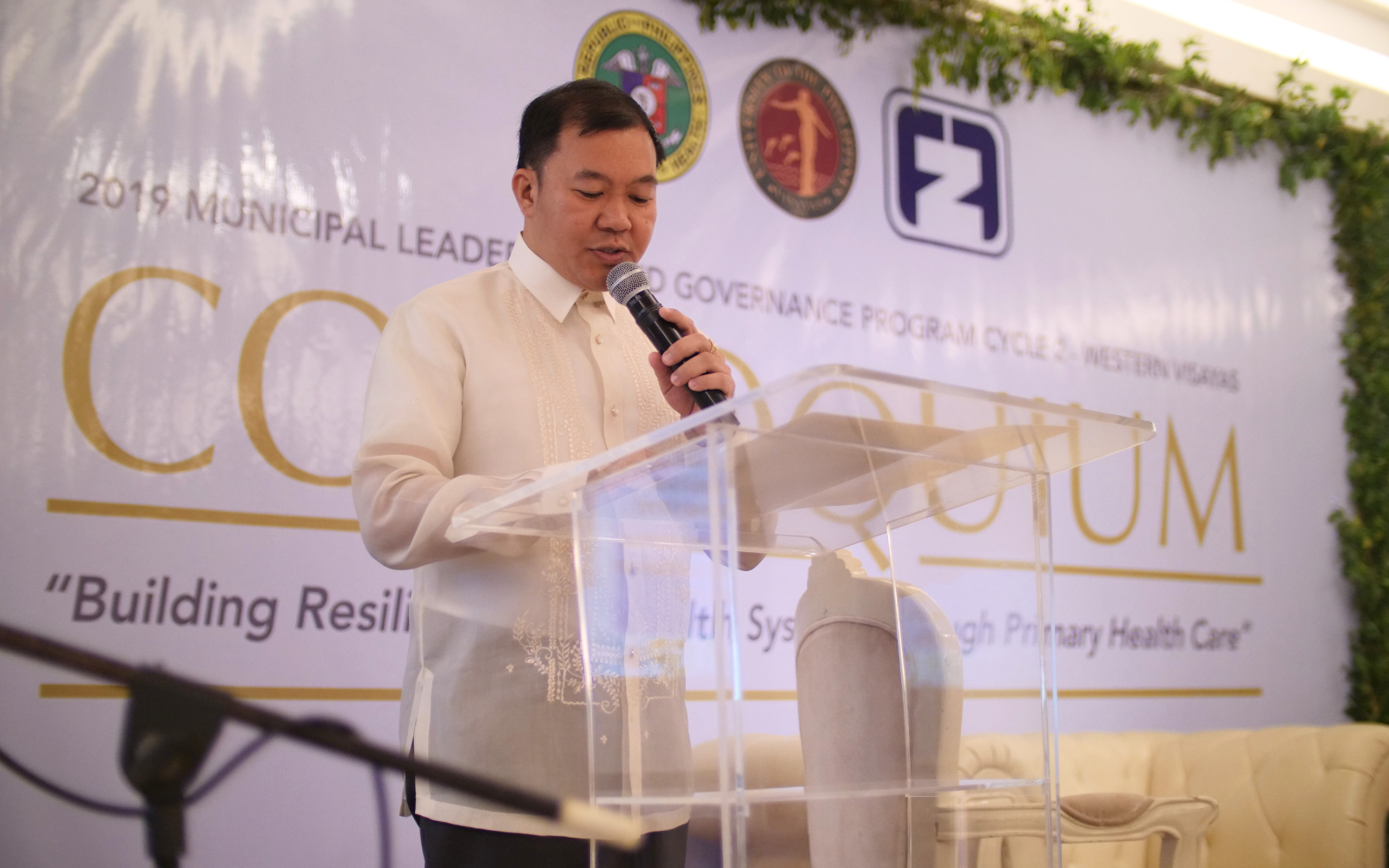
For years, Mac Artur Luces Valdemar carried the weight of public service with him, as a son, a pharmacist, and a mayor trying to respond to the needs of his people.
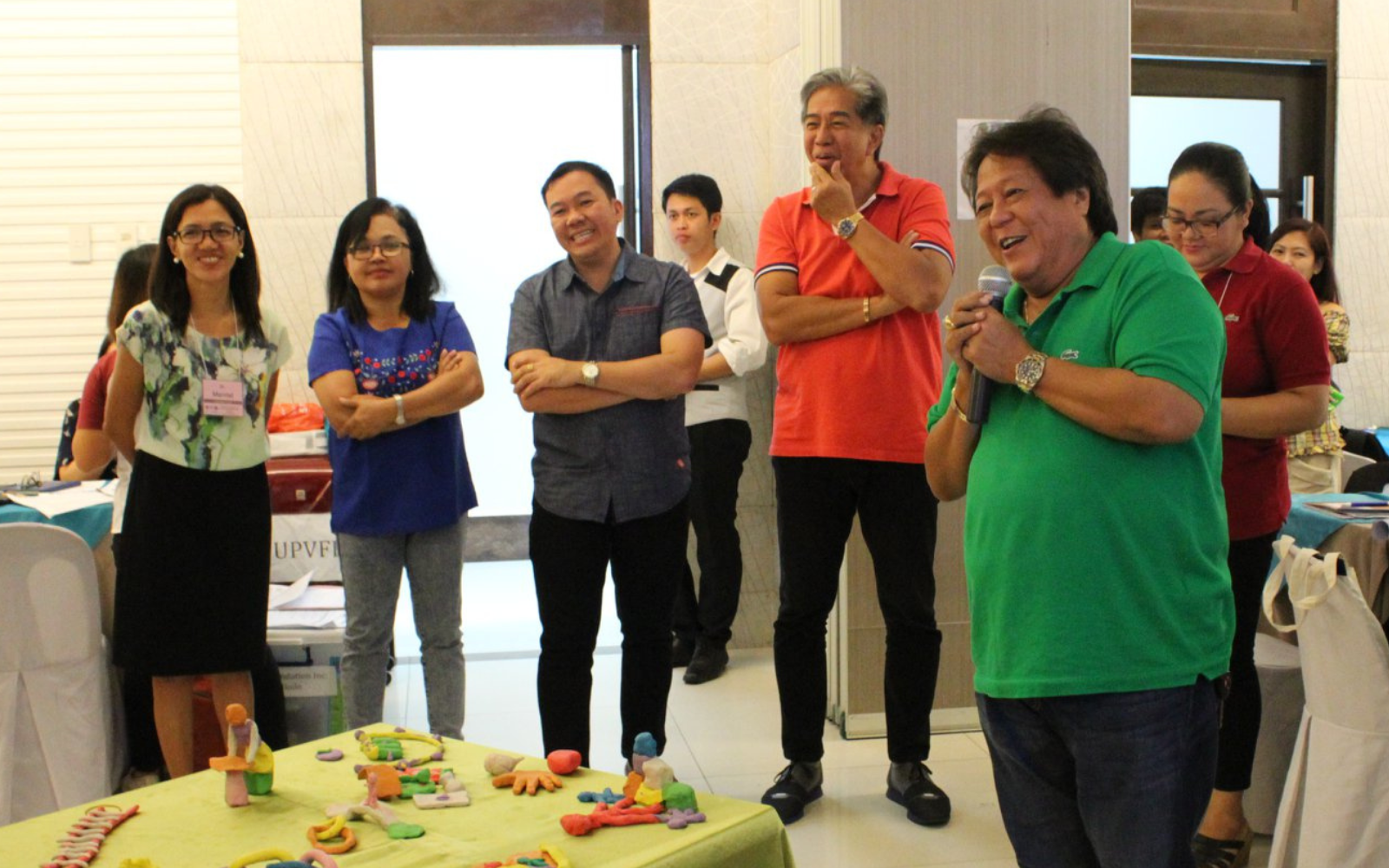
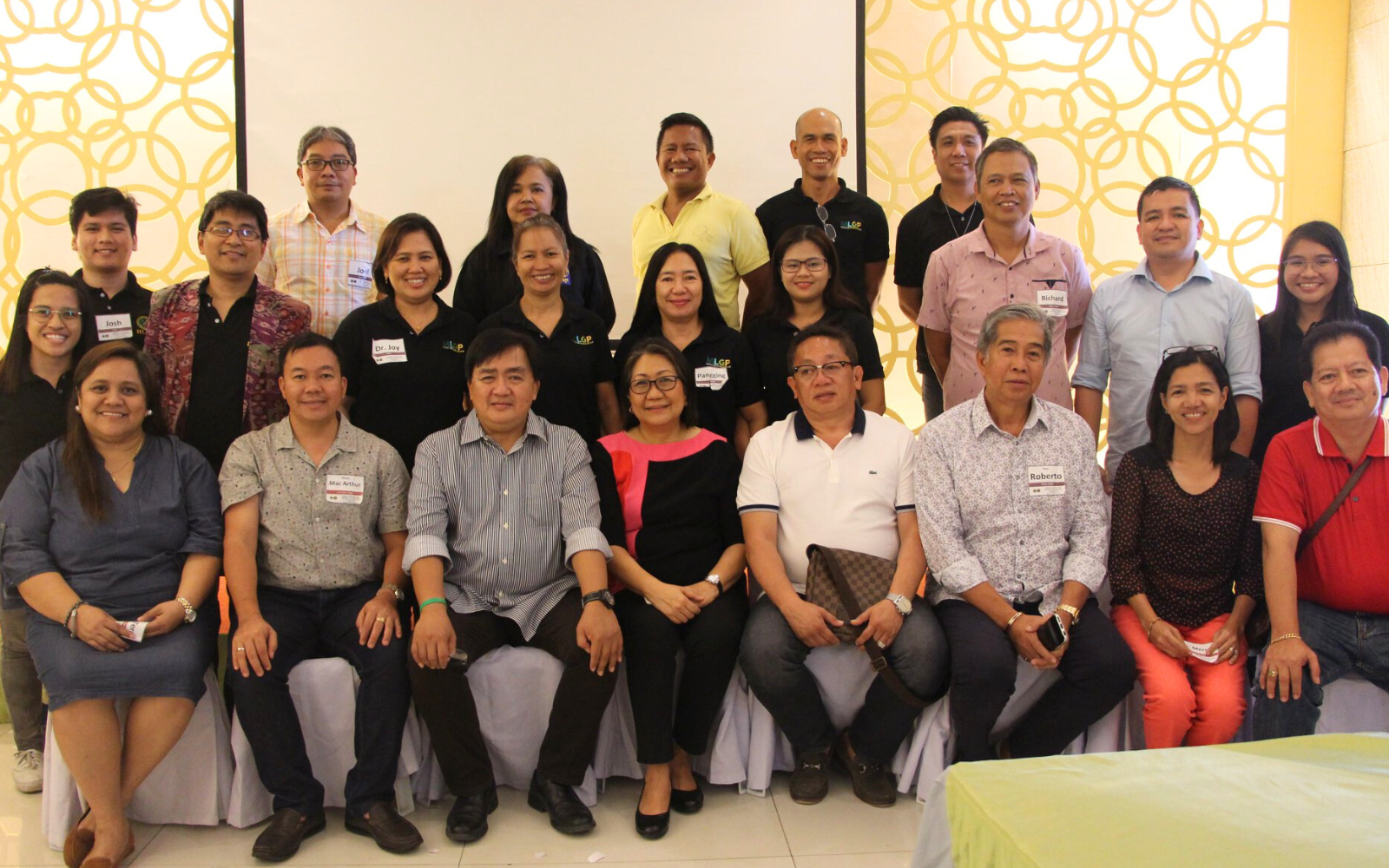
As a former mayor of the municipality of Jamindan in Capiz, he shares that a turning point in his leadership came when he participated in the Municipal Leadership and Governance Program (MLGP) from 2017 to 2019, a collaborative initiative implemented by the Department of Health (DOH), the University of the Philippines Visayas (UPV), and the Zuellig Family Foundation (ZFF). What began as just an effort to look into the local health system of the municipality became a deeper learning journey that reshaped how he understood leadership, governance, and service.
“I joined MLGP hoping to improve our local health programs,” Valdemar said. “But I left with so much more than tools and templates.” MLGP challenged him to work differently—with partners, communities, and institutions—teaching him to lead not from above, but beside the people he served. This approach, part of the Bridging Leadership framework, became central to how he governed Jamindan.
Jamindan’s identity, he often explained, is rooted in story and memory. Local lore traces the town’s name to Chieftain Amindan and the Hamindang Tree. According to elders, the tree grew from an act of sacrifice made to protect the community. Over time, it stood as a living marker of strength, endurance, and collective responsibility. From the name “Hamindang” came “Jamindan,” a reminder that the town was built not by one person, but through shared struggle and care. Like the tree that withstood storms and seasons, Jamindan grew slowly—nurtured by the hands of generations.
This story shaped how Valdemar viewed leadership. Jamindan, a landlocked first-class municipality in Capiz, is composed of 30 barangays and around 40,000 people, many living in far-flung and mountainous areas. It is home to Panay Bukidnon indigenous communities whose traditions continue to guide community life. To him, every Jamindanganon was like a branch, leaf, or root of the Hamindang Tree—each playing a role in keeping the whole strong.
When he assumed office in 2016, the health data revealed painful realities. Several barangays had no functioning health stations. Families lived with hypertension and diabetes without steady access to medicine. Animal bite cases were high, maternal care was limited, and undernutrition among children was widespread. “These weren’t just statistics,” he said. “These were stories of suffering.” His MLGP learning helped him see the numbers as human lives needing care and attention.
Guided by the MLGP roadmap, the local government placed health at the center of its work. Valdemar often returned to a simple belief: “Kalusugan ay kayamanan. Serbisyong makatao, para sa tanan.” Under this lens, Jamindan invested in health facilities and services that reached even the most remote communities. Barangay Health Stations were built and rehabilitated, and the province’s first licensed Municipal Primary Care Facility was established. Ongoing projects such as the birthing clinic and Super Rural Health Unit II were designed to serve geographically isolated and disadvantaged areas, including indigenous barangays.
Health services became more accessible and more humane. Free consultations, laboratory tests, maintenance medicines, and X-ray services were offered. A dedicated Animal Bite Treatment Center, opened in December 2020, began providing free anti-rabies vaccination. “No patient in Jamindan should skip treatment because of poverty,” Valdemar said, echoing a principle he linked back to his MLGP experience.
The influence of MLGP extended beyond health. The same data-driven and participatory approach guided programs in disaster preparedness, social protection, education, agriculture, and livelihood. Through the Serbisyong Makatao Program, a wide range of government services—from medical and dental care to legal assistance and civil registration—were brought directly to communities, free of charge. Each activity, he shared, felt “like a fiesta,” because it strengthened trust and reminded people that the government could be present and caring.
“The true measure of our success lies in the stories of our people,” he said—stories of mothers who now receive prenatal care close to home, children who stay in school because they are fed and vaccinated, and senior citizens who finally have access to free medicines.
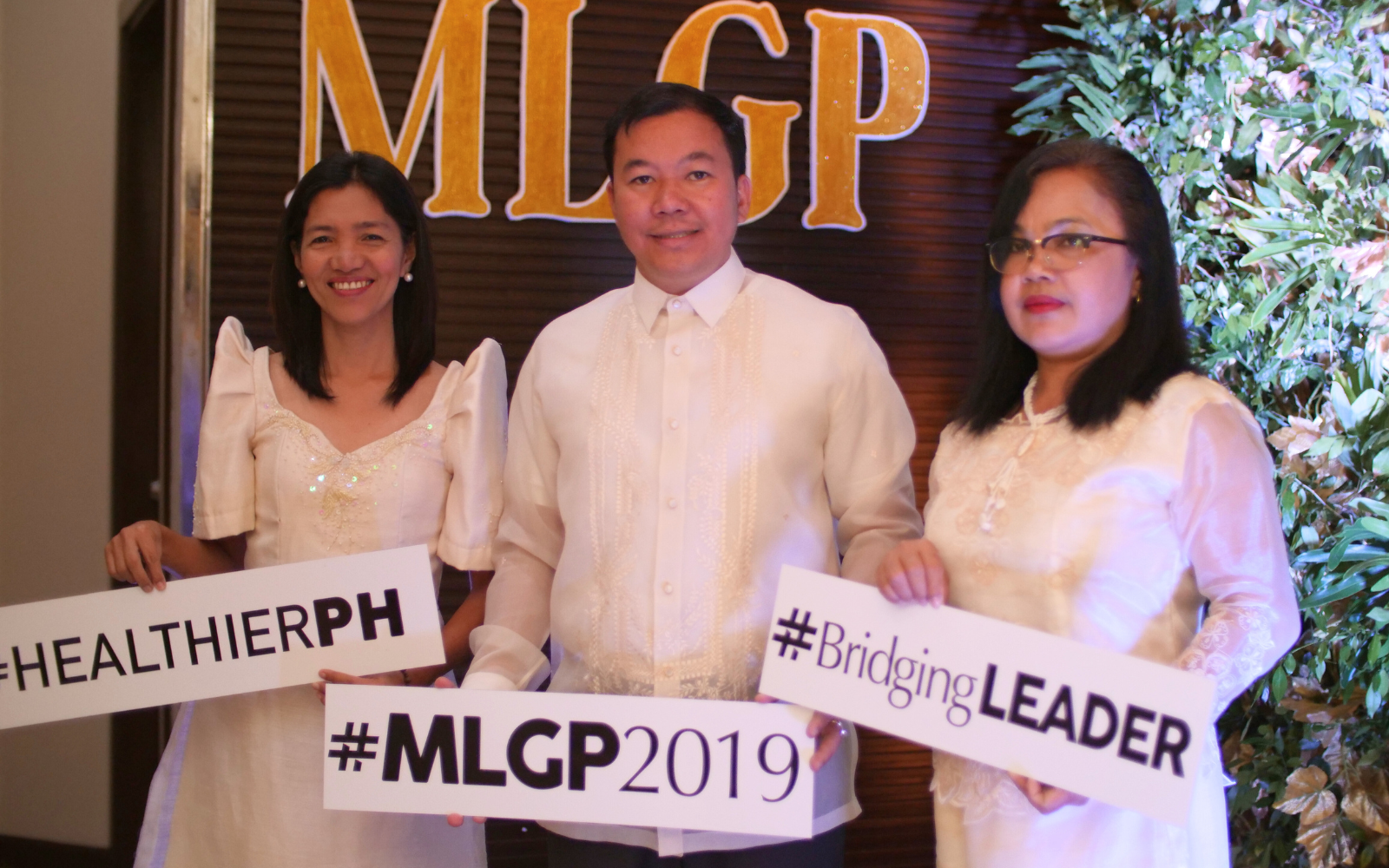
As he concluded his term, he reflected on what his MLGP journey helped make possible. “We are not leaving unfinished business,” he said. “We are leaving behind a system, a culture, and a people who now know what responsive governance looks like.” For him, MLGP was the foundation that strengthened his belief that health is not a privilege, but a right.
He continues to hold on to a vision of Jamindan much like the Hamindang Tree—deeply rooted, inclusive, and resilient. A place where no mother fears childbirth, every senior lives with dignity, and every child grows up healthy. It is a vision guided by the lessons he carries from his engagement with MLGP.
