Pasig City: Bridging Governance through a Needs and Rights-Based Information and Service Delivery Network
Stories

The nation admires Pasig City for its progressive governance. However, it faces a complex problem: while the adolescent birth rate (ABR) is declining overall, the age of pregnant girls is getting younger.
Mayor Vico Sotto acknowledges this gap. “We commend the efforts of the city officials, barangays, and partner NGOs—the programs and projects look good and promising. But we go back to the reality and recognize that there is a chink in the armor. Even if Pasig is wealthy, we still fall short.”
Related article:
Urban Flux and Hidden Inequities
Pasig’s location attracts migrants, which complicates healthcare delivery. Many young people live in precarious arrangements, missing school and health services.
Mayor Sotto calls for unity to solve this: “The Philippines is a ‘third-world country’—our resources will not be enough. But what’s great about us Filipinos is that what we lack in arms, we compensate with strength in unity.”
At the program launch in September 2023, City Health Officer Dr. Joseph Panaligan highlighted the value of partnership. “The city government will be providing its full support to this powerful and worthy endeavor… Ang pangarap mo ay pangarap ko rin (Your dream is also the dream I carry).”
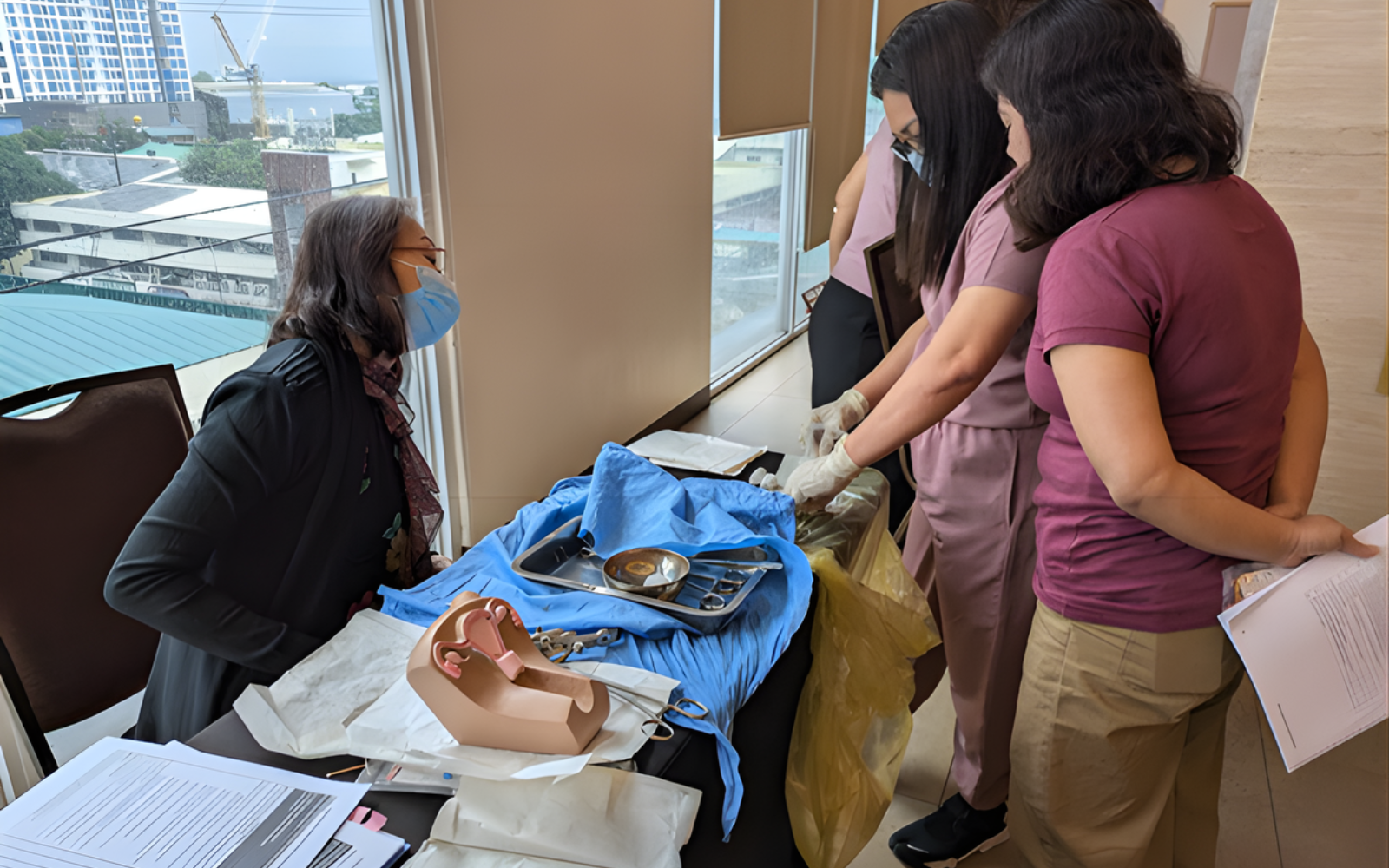
The Information and Service Delivery Network (ISDN) as a Rights- and Needs-Based Response
Pasig’s priority response is the Information and Service Delivery Network (ISDN). It breaks down silos among departments to create a coordinated safety net for adolescents, ensuring no young person falls through the cracks.
The city designed the ISDN to be both needs-based and rights-based. The City Leadership Team (CLT), established through Pasig’s engagement with the Zuellig Family Foundation (ZFF) through The Challenge Initiative (TCI)-Philippines, identified four priority issues:
- Violence against Women and Children (VAWC)
- Mental Health
- Sexually Transmitted Infection (STI) and Human Immunodeficiency Virus (HIV)
- Substance Abuse
Violence against Women and Children
The ISDN is guided by the Responsible Parenthood and Reproductive Health Act of 2012 (Republic Act [RA] 10354) and a 2021 law, RA 11648, which raised the minimum age of sexual consent from 12 to 16. When screening identifies an adolescent in a relationship with an adult, the City Social Welfare Office provides protection and manages the case.
Mental Health
Following the Mental Health Act of 2018 (RA 11036), the city empowers non-specialist providers to identify and manage mental health issues at the community level. It uses the World Health Organization’s (WHO) Mental Health Gap Action Programme Intervention Guide (mhGAP-IG) to scale up services.
STI and HIV
Anchored on the Philippine HIV and AIDS Policy Act of 2018 (RA 11166), the city’s social hygiene clinics ensure universal access to services. These facilities are adolescent-friendly, uphold strict confidentiality, and are sensitive about parental consent for minors.
Substance Abuse
Guided by the Comprehensive Dangerous Drugs Act of 2002 (RA 9165) and the Juvenile Justice and Welfare Act (RA 9344), the city emphasizes community-based rehabilitation over punitive measures for minors. The Substance Abuse Treatment and Outreach Program provides services for persons who use drugs (PWUDs), including adolescents.
From Policy to Practice
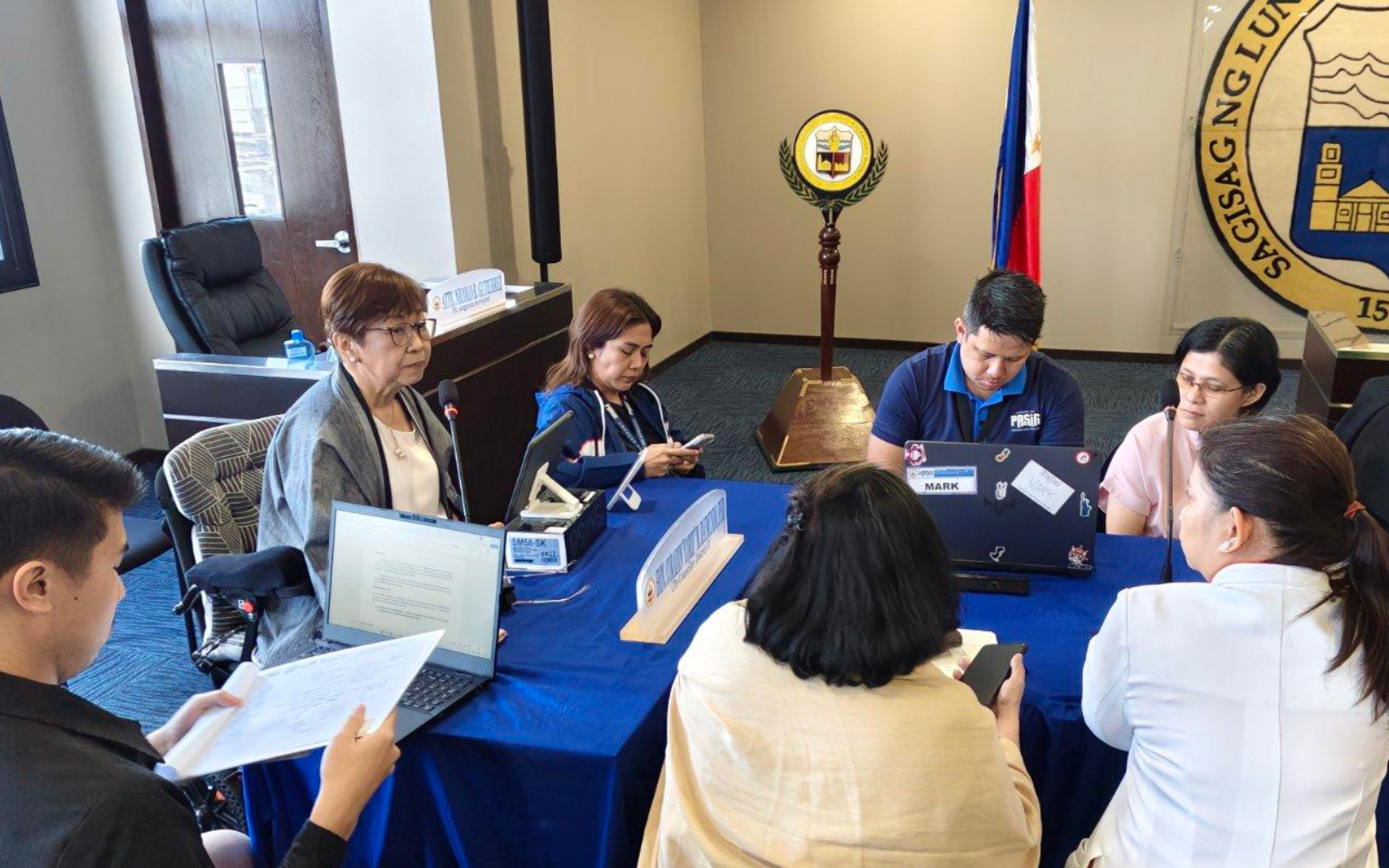
Young people helped map out the issues and streamline office roles. This ensures continuity of care and prevents
adolescents from retelling their trauma to multiple agencies. The team applied bridging leadership: owning the problem, co-owning the solution, and co-creating across boundaries.
To earn young people’s trust, the team worked with the Sangguniang Kabataan (SK) to ensure peers delivered the information. To tackle conservative beliefs, they push for open, age-appropriate conversations.
Mark Ernest Ferrer, Adolescent Health and Development Program Nurse Coordinator, shared: “We believe that adolescents have self-determination to make responsible choices, when given accurate information, but parents also need support to guide them to have conversations about these confidently.”
Complementing Services and Messaging
Pasig trains frontline providers to deliver adolescent-friendly services. Barangay youth leaders co-develop communication plans. Assistant City Health Officer Dr. Stuart Santos noted: “We were introduced to the concept of Bridging Leadership [by ZFF and TCI]… This has resulted in the implementation of a more responsive health program, one that is truly aimed at advancing social equity.”
For Pasig, the ISDN is a litmus test. It asks whether the city’s reputation for good governance can translate into equity and care for its most vulnerable young people.
Banner photo: Communications Planning Workshop with SK Officers