It Takes a Village: Lessons from Valenzuela City’s Whole-of-System Approach to Protecting Children and Adolescents
Preventing adolescent pregnancy among younger adolescents requires more than health services. It calls for communities where children are protected, families are supported, and institutions work together to respond before risks become crises.
Valenzuela City’s experience offers valuable insights into what this collective effort can look like.
Photo above: The Zuellig Family Foundation (ZFF) Adolescent and Youth Sexual and Reproductive Health (AYSRH) team tours the Valenzuela Sentro Health Hub, witnessing how the city integrates adolescent-friendly health services into its broader child protection system.
Local Civil Registry data reflect encouraging progress. Live births among girls aged 10 to 14 remained low, with five cases in 2023, none in 2024, and six in 2025. Births among adolescents aged 15 to 19 also declined substantially from 218 in 2023 to 136 in 2025. Yet city leaders emphasize that every pregnancy among younger adolescents represents a child in need of protection, making even a single case one too many.
This perspective has shaped how Valenzuela City designs its response placing child protection, rather than adolescent pregnancy alone, at the center of its interventions.
Related articles:
- Listening Earlier, Protecting Earlier: Lessons from Quezon City’s Efforts to Support Adolescents
- Ground-Level Insights on Adolescent and Youth Sexual and Reproductive Health from Paranas, Samar
One important learning from the Valenzuela City Child Protection Center (CPC) is that even the language used in adolescent pregnancy prevention can shape how children are viewed and supported. Dr. Soidemer Claire Grecia, Pediatrician and Child Protection Specialist of Valenzuela City CPC, explained, “For 10 to 14-year-olds, we should not use the term family planning because they are not expected to be planning a family—they should be studying.”
This seemingly small shift in language reflects a larger shift in perspective. Children aged 10 to 14 should first be recognized as children—with rights to protection, education, and healthy development. Framing interventions through a child protection lens helps ensure that programs, messages, and services remain developmentally appropriate and responsive to their realities.
The experience underscores an important lesson for local governments: preventing pregnancy among younger adolescents is not solely a health concern but a child protection and governance issue. Effective strategies require coordinated leadership across sectors, with health, education, social welfare, justice and communities working to prevent risk before they escalate into harm.
Across the city, this perspective is reflected in a network of coordinated initiatives involving multiple sectors.
Health services are supported by 49 adolescent-friendly facilities, adolescent health focal persons, and more than a hundred dedicated staff known as barangay population managers who are trained to help bring information and services on adolescent health closer to communities. At the same time, youth listening sessions and youth organizations provide opportunities for adolescents to express their concerns and contribute to programs designed for them.
Child protection is likewise strengthened through close collaboration among schools, health facilities, social welfare offices, barangays, law enforcement agencies, civil society organizations, and the justice sector. Schools serve as important referral points for children needing protection, while partnerships with organizations and offices such as LAMP-SINAG (Libreng Abogado Para sa Maralitang Panlungsod-Sumbungan ng Inaaping Nanay, Anak, at Ginang) help ensure legal assistance for child victims throughout court proceedings.
Prevention efforts also begin early, recognizing that safe and nurturing homes are essential to children’s healthy development. Personal Safety Lessons are introduced in daycare centers and schools to teach children about body safety, protective behaviors, and help-seeking skills. Parents and caregivers are engaged through parenting modules which the local government customized based on inputs from partner non-government organizations and the Department of Social Welfare and Development (DSWD).
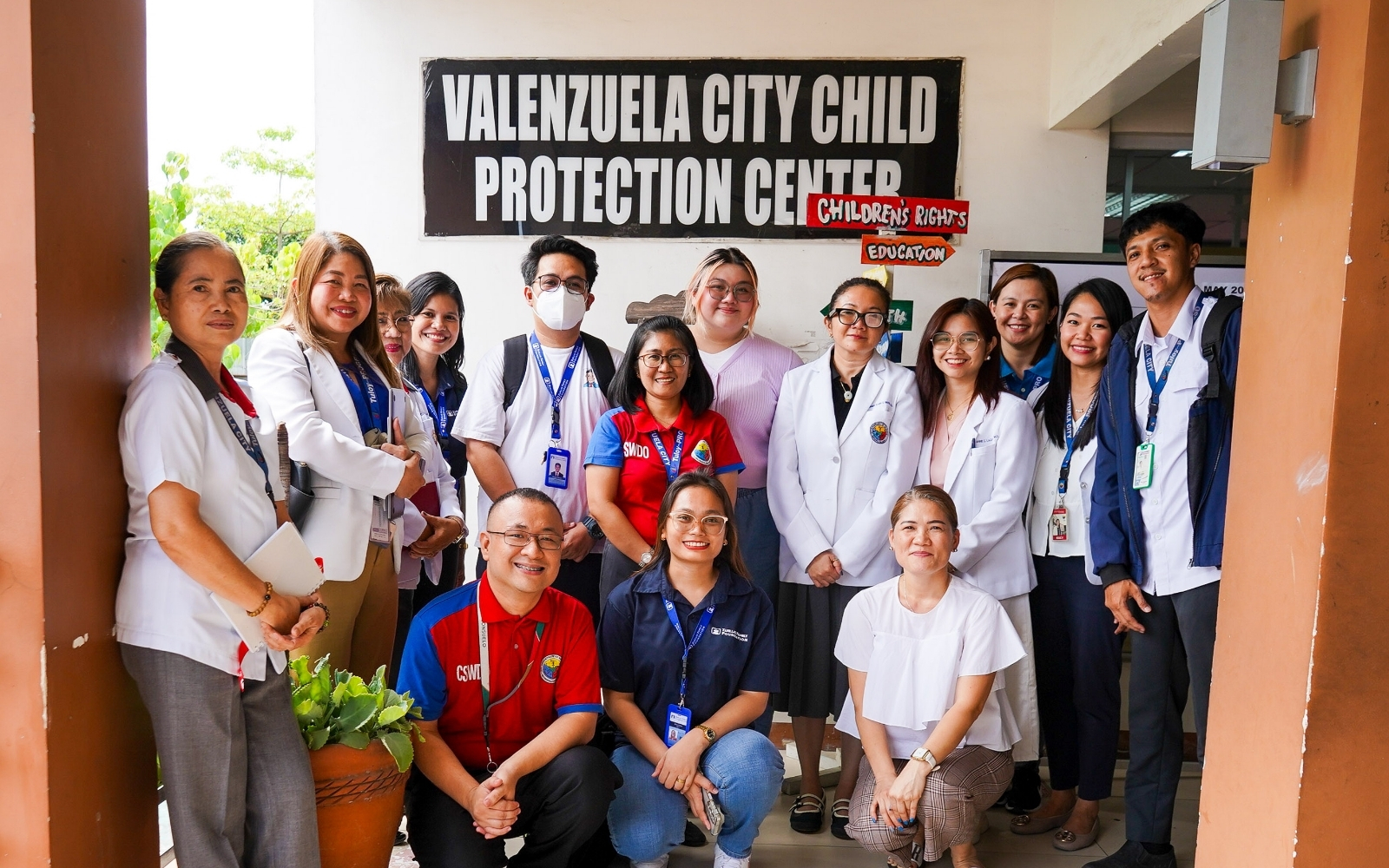 Photo above: At the Valenzuela Child Protection Center, the ZFF AYSRH team meets the people who turn the city’s whole-of-system vision into action for every child.
According to Kristina Ramos, head of the Valenzuela City CPC, “‘Pag nakalubog ka talaga dito, malalaman mo ang needs ng parents.” (Once you are fully immersed here, you will know the needs of the parents.) Parenting initiatives are taught through the Nanay-Teachers Camp in collaboration with the day care center teachers. These initiatives reflect an understanding that preventing adolescent pregnancy cannot rest on one office or one program alone. It requires a coordinated system where different sectors contribute according to their roles while keeping the best interests of the child at the center.
Valenzuela City’s experience also highlights that strong systems continue to face evolving challenges. Local leaders pointed to issues such as the influence of social media, peer pressure, migration, and the emotional demands placed on frontline workers. High attrition in learning sessions and rapid turnover among social workers require continuous innovation—from providing transportation support for participants to ensuring that critical positions are filled quickly so that services remain uninterrupted.
Rather than slowing progress, these challenges have reinforced the city’s commitment to continuous learning and adaptation. Local stakeholders continue to refine programs, strengthen partnerships, and explore new ways of responding to the changing realities faced by children, adolescents, and families.
One lesson stands out from Valenzuela City’s experience: protecting younger adolescents is not the responsibility of a single institution. It is a shared commitment among families, schools, communities, service providers, civil society, and local government.
When every sector plays its part, children are better protected, families become stronger sources of support, and communities are better equipped to ensure that every young person can grow, learn, and thrive in a safe and nurturing environment. The city’s experience reminds us that protecting children is never the work of one institution, it truly takes a village.
Author: KC Lyn Razon, ZFF AYSRH Learning and Development Associate
Building Local Champions to End Stunting in Davao Oriental
Barangay health workers, nutrition scholars, municipal health staff, and community volunteers completed a three-day Training of Trainers for the Zuellig Family Foundation (ZFF)’s Family Stunting Reduction (FaStR) Program in the Municipality of Governor Generoso, Davao Oriental. The training was conducted under the Nutrition Leadership and Equity Acceleration Program (NutriLEAP) partnership between ZFF and the Province of Davao Oriental.
A total of 40 Barangay Health Workers and Barangay Nutrition Scholars, together with 19 community volunteers from Compassion International, were equipped to serve as local trainers and facilitators. Their new role is to help families address the root causes of stunting using a family-centered approach that encourages positive behavior change.
Related article:
The FaStR Program is a practical coaching framework that helps frontline workers understand each household’s unique circumstances and guide families toward sustainable nutrition, health, and caregiving practices. Rather than focusing only on a child’s nutritional status, the program empowers families to identify their own barriers, strengthen healthy habits, and build long-term resilience.
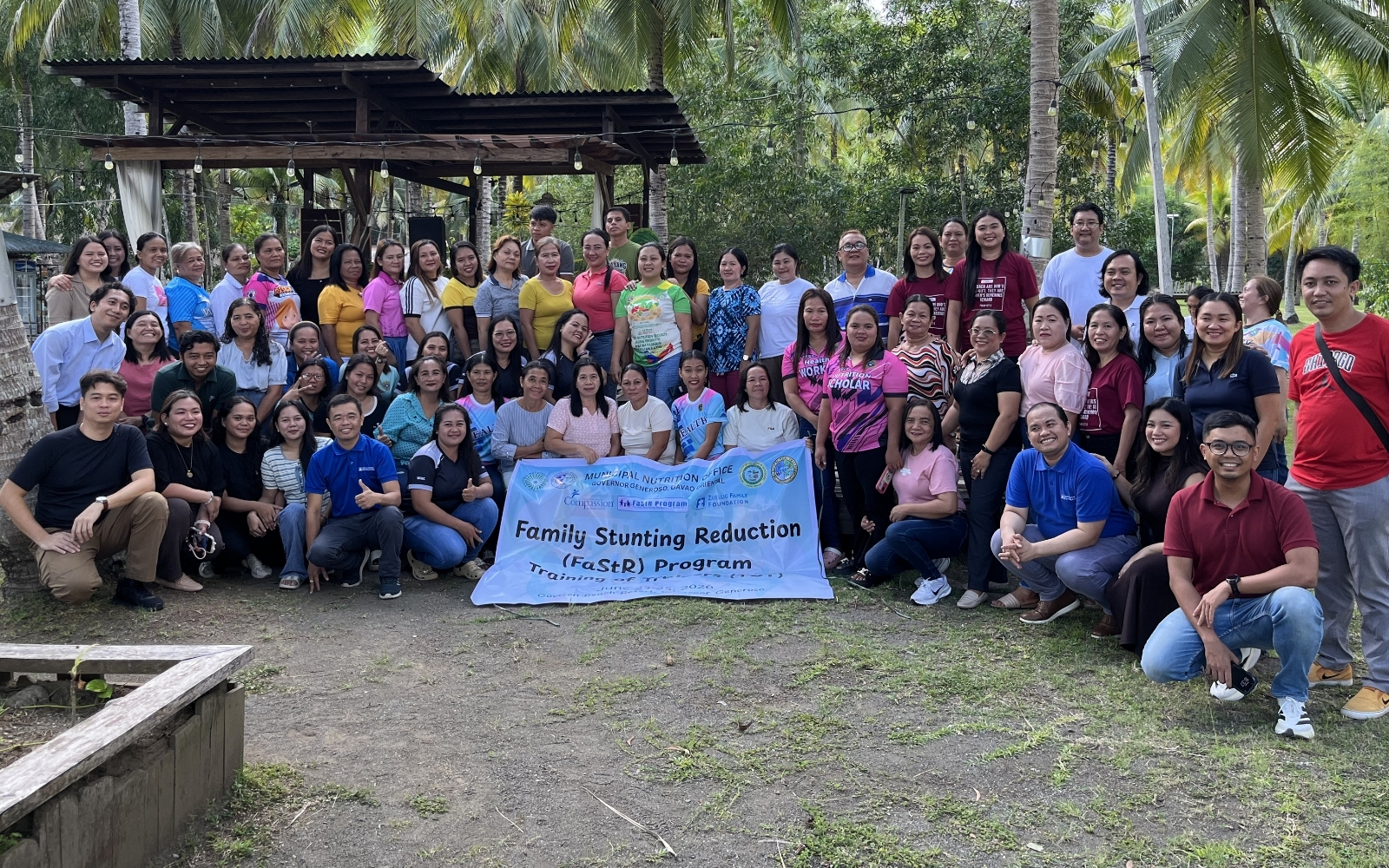 Photo above: Over 50 frontline workers and volunteers are now trained as facilitators under ZFF’s FaStR Program equipped to coach families toward better health and nutrition.
Governor Generoso was chosen as a priority municipality because it continues to have one of the highest stunting rates in Davao Oriental. The strong leadership demonstrated by Mayor Juanito Inojales and his municipal team, along with their sense of urgency, inspired a shared commitment among the Provincial Government, Compassion International, and ZFF—showing that reducing stunting is a responsibility all share.
During the training, one Barangay Nutrition Scholar shared, “[FaStR] program is not about judging families but about holding their hand so they can stand on their own.” Together, we are building local champions who will help every child and every family thrive, one household at a time.
Author: Samantha Morales, ZFF Nutrition Knowledge Management and Communications Associate
A Family-First Approach: Strengthening Nutrition in Eastern Visayas
Since 2025, the Zuellig Family Foundation (ZFF) has partnered with the Department of Health (DOH)-Eastern Visayas to advance Social Behavior Change Communication (SBCC) for nutrition under the Philippine Multisectoral Nutrition Project. Together, they are scaling a family-centered strategy to combat stunting across the region: the Pook Malusog Family Stunting Reduction Program (FaStR).
ZFF’s FaStR tackles stunting, a critical health issue affecting 1 in 4 children in the Philippines (2023 Expanded National Nutrition Survey). The program empowers families with a direct, family-centered approach during the critical first 1,000 days (F1KD) of a child’s life. It combines family education, support for food security, and consistent monitoring by local health workers to ensure children receive the proper nutrition they need to grow and thrive.
Related article:
From March 17 to 19, 2026, ZFF successfully conducted refresher and rollout training for the program in the municipalities of San Jose de Buan (Samar), Lope de Vega, and Mapanas (Northern Samar). The training equipped 31 Barangay Nutrition Scholars (BNSs) and Barangay Health Workers (BHWs) across the three municipalities with the skills to implement the program.
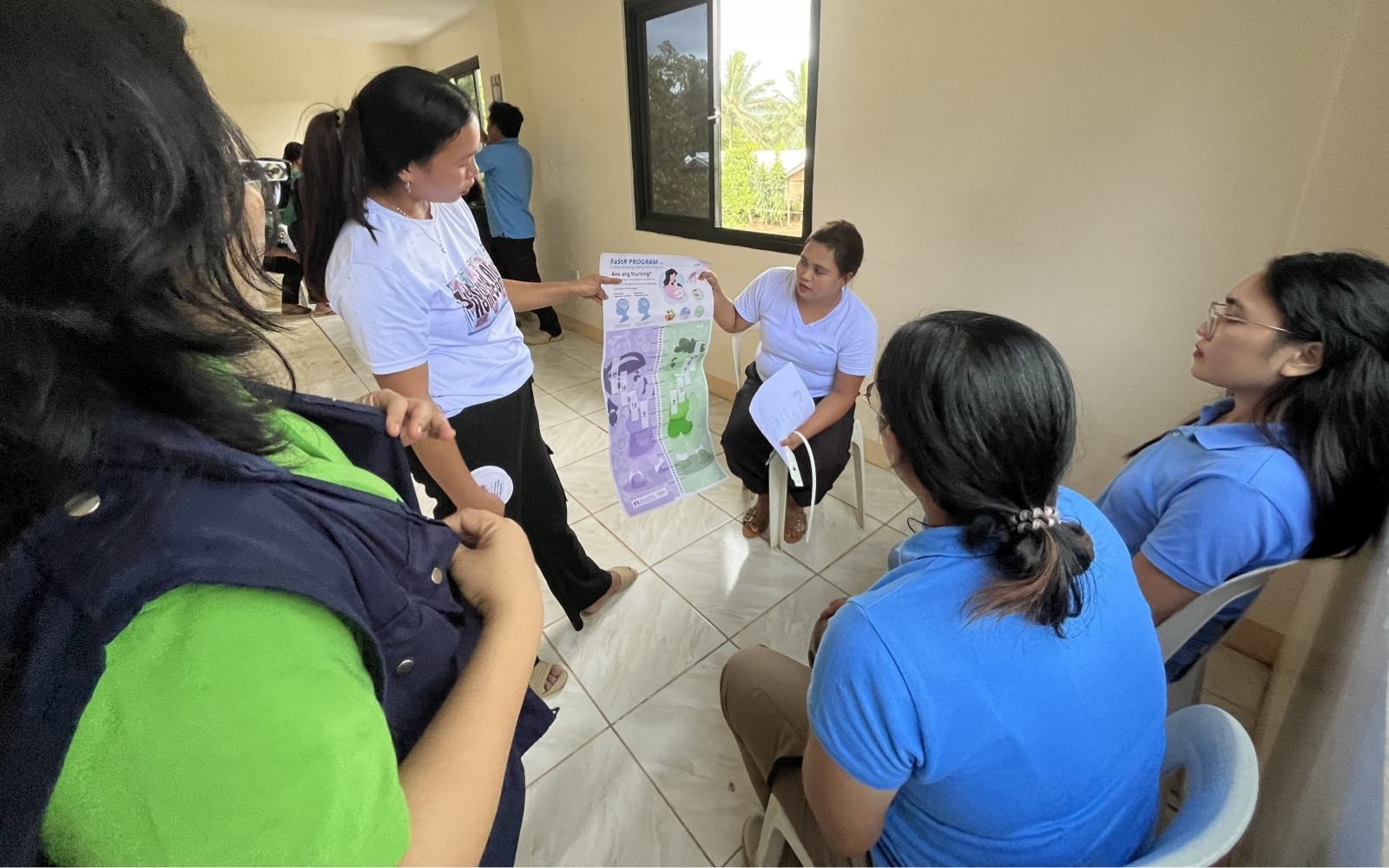
DOH-Eastern Visayas and the Provincial Nutrition Action Offices of Samar and Northern Samar provided strong support, making this milestone possible.
Following the refresher sessions, participants applied their training through community simulations and feedback activities. They visited selected F1KD families and introduced them to the program’s family modules. These hands-on activities reinforced learning and ensured the field workers are ready for implementation.
The Local Government Units (LGUs) now recognize this family-first approach as a key intervention to improve health and nutrition behaviors, directly contributing to regional efforts to reduce stunting. To conclude the activity, ZFF supported the LGUs in identifying clear next steps for rolling out the program to target households and expanding coverage to additional barangays.
Banner photo: Introduction of the FaStR chart to a family
Grassroots Champions: Barangay Health Workers Lead the Way to Reduce Adolescent Pregnancy in Lapu-Lapu
Lapu-Lapu City in Central Visayas faced a rising adolescent birth rate (ABR), increasing from 14 births per 1,000 adolescents in 2020 to 23 in 2023. At the same time, modern contraceptive prevalence rate (mCPR) dropped from 31% to 21%. Local health officials saw that, while women continued to seek services, many still relied on short-acting family planning methods. Uptake of long-acting options was growing but needed stronger community support.
To respond to the alarming numbers, the city partnered with The Challenge Initiative (TCI), a global program implemented in the Philippines by the Zuellig Family Foundation that helps local governments scale proven family planning and adolescent and youth sexual and reproductive health (AYSRH) solutions.
Related articles:
- Nine Cities Recognized as Global Self-Reliant Cities in Reproductive Health
- Lapu-Lapu City’s Path to Strengthening Family Planning and Adolescent Health
The city formed the Lapu-Lapu City Leadership Team to unite health, education, youth, and social welfare sectors. Barangay nurses and midwives then began integrating meaningful conversations into routine services. They learned that many adolescents lacked parental guidance and reliable reproductive health information, while many adult women feared modern methods because of misconceptions. These issues showed that rising adolescent pregnancies and declining contraceptive use stemmed from the same need: trusted, judgment-free health information within the community.
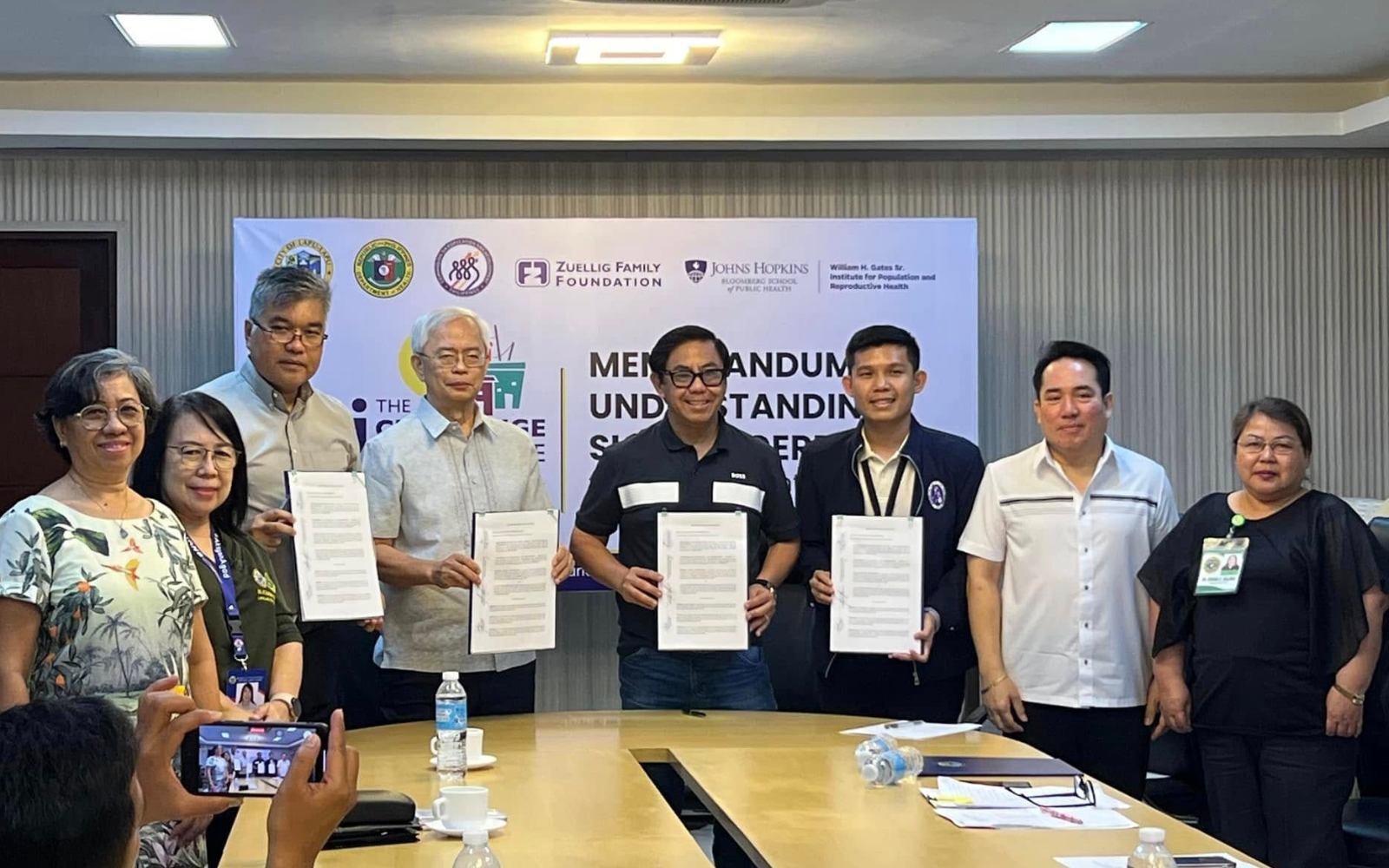
Lapu-Lapu City placed communities at the center of its strategy. Awareness efforts shifted the conversation from contraceptives alone to responsible parenthood.
Barangay Health Workers (BHWs)—trusted members of each neighborhood—played a central role. Through house-to-house visits, they profiled households, explained family planning options, and corrected myths using simple materials. BHW Coordinator Jovy Alonzo emphasized that all BHWs are trained in adolescent health and development and uphold confidentiality and nonjudgmental support. Their strong performance earned Lapu-Lapu’s BHWs the Performance-Based Incentive (PBI) Award for two consecutive years, making them PBI Champions in Central Visayas. As Nurse Grace Mary Chan-Carunggay shared, “This recognition is a testament to their exceptional service and dedication.”
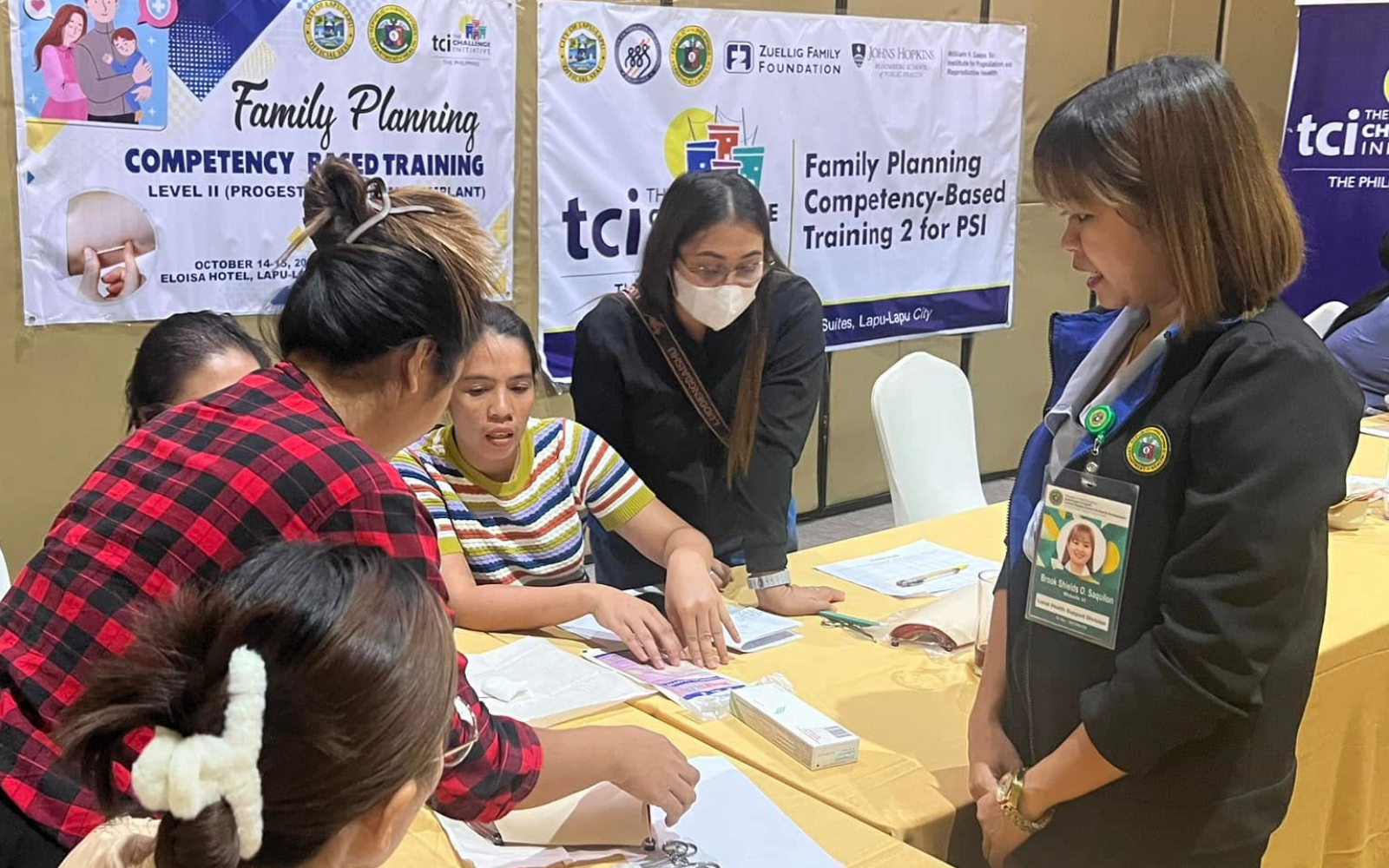
The city also strengthened its service delivery system by training more providers through Family Planning Competency-Based Training (FPCBT), especially in barangays with limited access. This allowed more health centers to offer long-acting reversible contraceptives (LARC), including the Progestin Subdermal Implant. City leaders supported these improvements by funding BHW incentives and training, conducting regular barangay visits, and ensuring data quality for planning. According to City Health Officer Dr. Agnes Cecilia Realiza, “Adolescent parents are now coming to our health centers. They no longer feel stigmatized, and they seek prenatal care, ensuring the safety of both mother and child during delivery.”
In 2024, the city recorded only one additional adolescent pregnancy case, showing early signs of progress. The drop in mCPR was largely due to data cleaning, which corrected the number of women counted in the program. Lapu-Lapu is also adjusting to the shift in national indicators—from mCPR to “demand satisfied”, or the share of women with a need for family planning who use modern methods. The City Health Office continues to improve staff capacity for accurate data use and coaching.
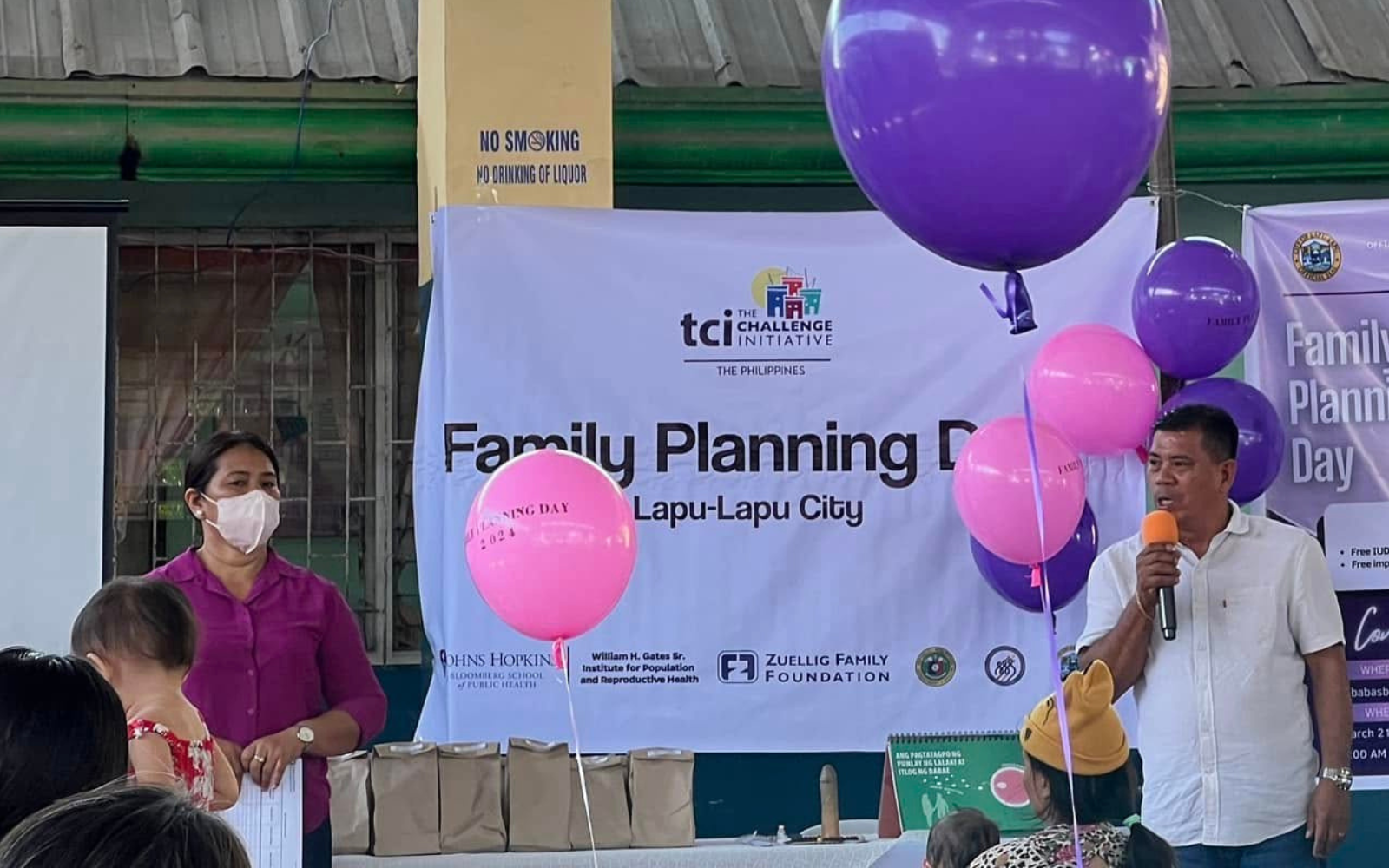
Lapu-Lapu’s experience shows the power of community-centered, data-driven leadership. By investing in AYSRH and allocating dedicated budgets, the city has strengthened the work of BHWs and sustained community engagement. With a 22% increase in AYSRH budget commitments, based on TCI-Philippines monitoring, Lapu-Lapu demonstrates that empowering frontline workers creates lasting impact—helping young people make informed choices for their health and future.