ZFF Receives Drs. Jess and Trining de la Paz Award from Ateneo de Davao University
On behalf of the Zuellig Family Foundation, Chairman Dr. Manuel Dayrit accepted the Drs. Jess and Trining de la Paz Award from Ateneo de Davao University on February 14, 2026. In his speech, he honored the couple’s pioneering spirit in community health. He recalled how, as a young intern in Davao, he was welcomed into their home, where conversations over breakfast and dinner stretched from healthcare to community life.
Related article:
“They would welcome me, and it was just like yesterday when I recall we would be seated for dinners and breakfasts in their veranda dining room in Matina, and we would be discussing all sorts of things—from healthcare, to ordinary things that happen in the country, to community health.”
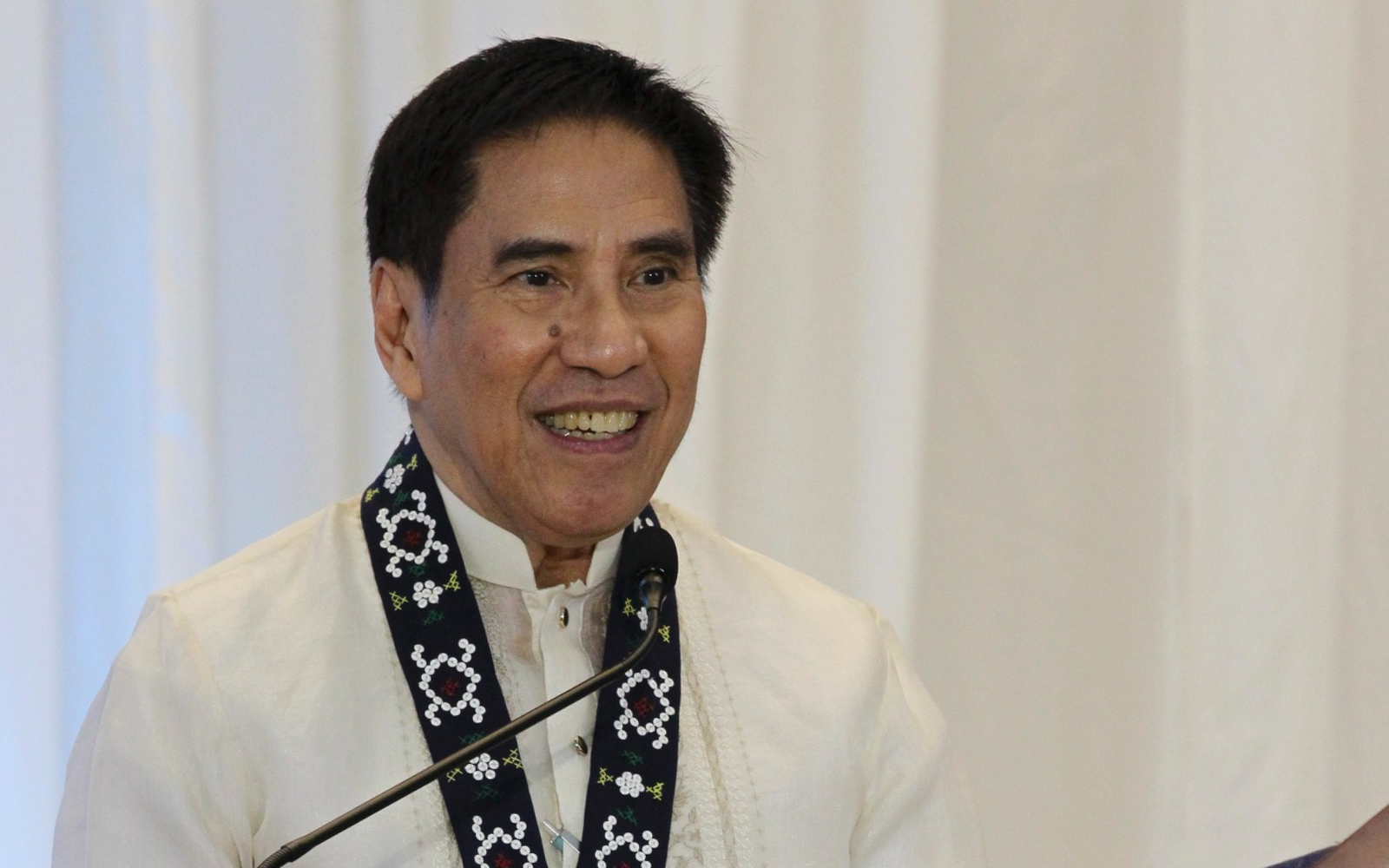
“Jess and Trining de la Paz were visionaries, and their legacy lives on,” he emphasized, noting that the recognition belongs not only to the Foundation, but to the mayors, health officers, youth leaders, and community workers who have walked with ZFF in advancing community health.
As he closed, Chairman Dayrit reaffirmed ZFF’s mission: “As we accept this award, we recommit ourselves to the values of compassion, service, and integrity.
Banner photo, from left to right: Benjamin Lizada, Chair of the Ateneo de Davao University Board of Trustees; Rev. Karel San Juan, University President; Alma de la Paz; Dr. Manuel Dayrit, Chair of the Zuellig Family Foundation; Dr. Joyce Viar, Rachel Paradiang, and Samantha Morales, ZFF Representatives; and Daniel de la Paz.
Photos from: Ateneo de Davao University
Author: Kristine Paula Bautista, ZFF Public Engagement Associate
ZFF Receives Recognition for Advancing Healthier Benguet
The Zuellig Family Foundation (ZFF) received recognition at Benguet’s SHAYAW (Stellar Health Achievements Yearly Awards) for its partnership in advancing a healthier Benguet.
Benguet conferred a Certificate of Recognition on ZFF in appreciation of the Foundation’s initiatives and continued support of the province’s HEALTHIER Benguet agenda. This agenda works to improve health across all life stages by strengthening equitable, efficient, and responsive health systems for I-Benguet communities.
Related articles:
- Kibungan and Kapangan’s Grand March Toward a Shared UHC Vision
- Bridging Leadership in Action: Benguet’s Mayors Reaffirm Commitment to UHC Integration
- Moving Forward with Health Reforms in Benguet
The Benguet Provincial Health Office (PHO) leads SHAYAW to recognize partners and local government units that contribute to the province’s health goals. The awards highlight the role of good governance, collaboration, and shared responsibility in improving health outcomes.
ZFF earned recognition for its sustained partnership with the Province of Benguet through the Bayang Malusog Leadership and Governance Program (BMLGP). Through this program, ZFF works with provincial and municipal leaders to strengthen health systems by building leadership and governance capacities.
This partnership builds on earlier efforts, including Benguet’s completion of ZFF’s Provincial Leadership and Development Program (PLDP) in 2024, achieved through the leadership of Governor Melchor Diclas and Provincial Health Officer II Dr. Meliarazon Dulay.
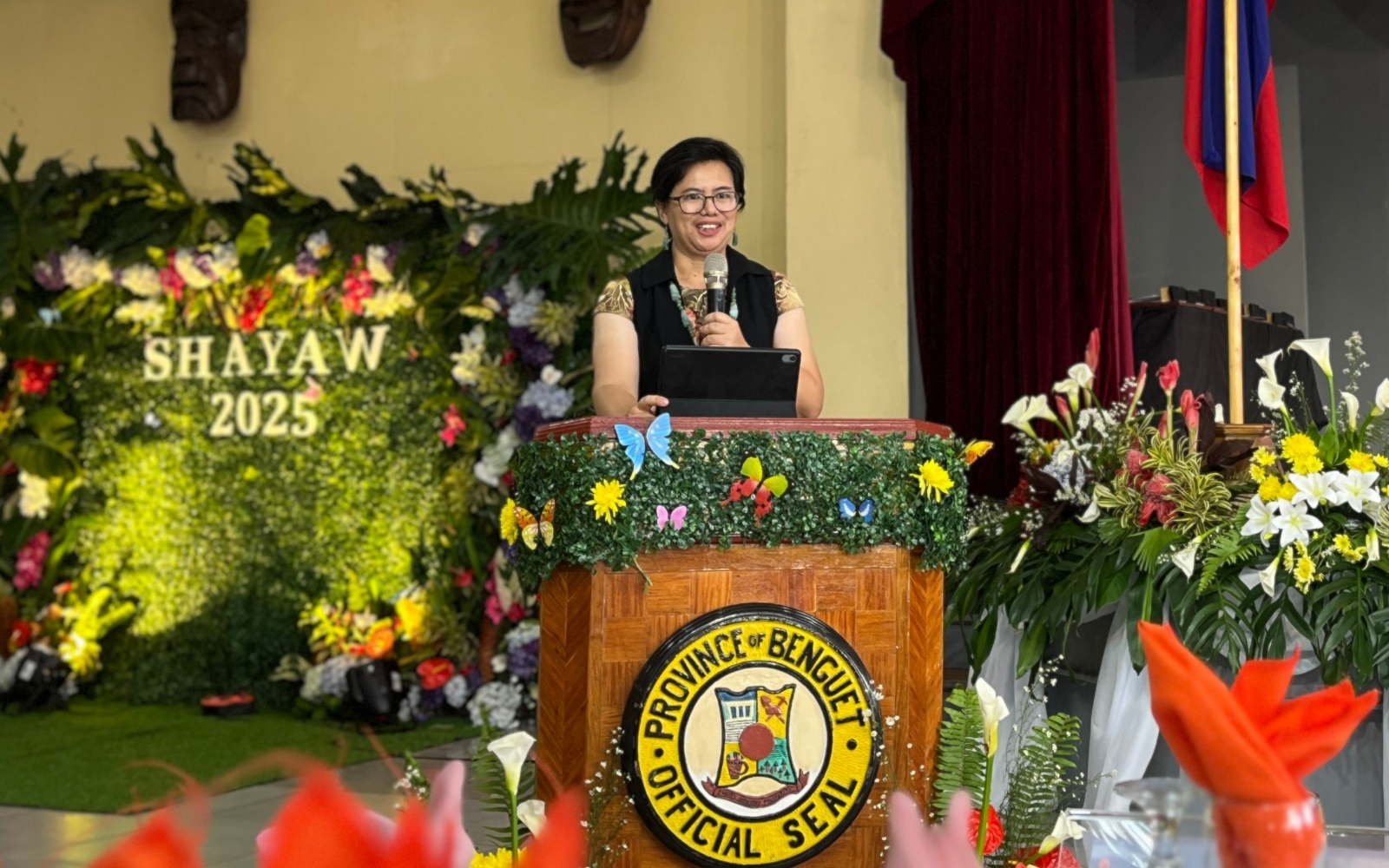
In her opening message, Dr. Dulay underscored the importance of unity and collective responsibility in advancing health outcomes, describing SHAYAW as a celebration of Benguet’s shared journey, where significant challenges are addressed through small, consistent acts of service carried out together with purpose.
The recognition affirms ZFF’s commitment to working closely with local governments and health leaders to strengthen leadership and governance for health.
Through continued collaboration, ZFF supports Benguet’s efforts to build more equitable, efficient, and responsive health systems for its communities.
Banner photo: (from left to right) Dr. Andrew Chamson Bacuso, Rural Health Physician, Dr. Jocelyn Legaspi, Provincial Health Officer I, and Dr. Meliarazon Dulay, Provincial Health Officer II, Benguet PHO; Ayeza de Mesa, ZFF BMLGP Associate; Erickson Manuel Pawig, ZFF BLMLGP Manager; Hon. Dr. Melchor Diclas, Provincial Governor, Benguet; Hon. Lady Charmain Molintas-Likigan, Sangguniang Panlalawigan Chair for Committee on Health, Benguet
Author: Ayeza De Mesa, ZFF BMLGP Associate
Kibungan and Kapangan’s Grand March Toward a Shared UHC Vision
During Module 1 of the Bayang Malusog Leadership and Governance Program (BMLGP) held on November 27–28, 2025, representatives from the municipalities of Kibungan and Kapangan in Benguet—including Kapangan Mayor Harris Dizon—came together to reflect on their leadership journeys and shape a shared vision for Universal Health Care (UHC).

By the end of the module, both groups had crafted messages that captured their hopes for their people: “Maksil ya maketing ay i-Kibungan” (Healthy and resilient people of Kibungan) and “Misyon man-aabat para sin salun-at for a healthier Kapangan” (Our mission for health—together for a healthier Kapangan).
Reflections Rooted in Community
The reflections from the group grew naturally from the Day 1 sessions, where participants explored their values, motivations, and lived experiences through the three-step Bridging Leadership framework of Ownership, Co-Ownership, and Co-Creation.
As part of the Ownership process, the group examined their “why” as leaders—what shaped them, what drives them, and how their stories connect to the health of their communities.
This grounding in personal purpose set the tone for the collective work that followed.

Bryan Alacdis, Kibinungan Municipal Accountant, explained that in their town, support for each other is deeply woven into their way of life. “Our main [quality in Kibungan] is we support each other. Awan ti milak-laksid, awan ti maibat-bati. (No one is left out, no one is left behind.)”
Dizon also connected their collective effort to a familiar cultural symbol in Benguet, the grand march, a traditional dance that brings people together across social, political, and religious lines.
In the same way, leaders from both municipalities recognized that UHC is a shared movement—everyone stepping in rhythm, carrying their role, and supporting one another.

Co-Ownership, Co-Creation, and Action Planning
On the second day, the groups moved from personal awareness to shared responsibility. Guided by the Zuellig Family Foundation’s Local Health System and BMLGP team, they practiced trust-building, stakeholder mapping, and open dialogue—activities that helped them understand the bigger system they are part of.
With this stronger sense of co-ownership, the teams drafted action plans aligned with the Benguet UHC Roadmap. These plans focused on strengthening primary care, improving coordination between offices, supporting health financing, and making sure resources are used wisely and transparently.

The two-day module ended with a meaningful moment. Participants recited the Pledge of Commitment as Bridging Leaders, affirming their promise to lead with compassion, integrity, and shared responsibility. Afterward, they joined in the grand march—a symbol of unity, community spirit, and moving forward together.
Like the grand march, the UHC journey in Benguet is a collective movement. With visions strengthened by both personal purpose and shared commitment, Kibungan and Kapangan now step forward in rhythm, carrying with them a shared hope for a healthier and stronger Benguet.
Reflections on Strengthening Local Leadership and Governance Practice
Serving as a panelist for two institutions undergoing Performance Governance System (PGS) assessments—the Local Government Unit (LGU) of Limay and Navotas City Hospital (NavCH)—offered me a rare vantage point into how governance, when taken seriously, becomes a living system that shapes culture, performance, and ultimately, the well-being of communities. These experiences, grounded in the work of the Institute for Solidarity in Asia (ISA), provided valuable insights that deeply align with the health governance principles we advance in the Zuellig Family Foundation (ZFF). They affirmed a central truth: governance is essential, and there is a replicable system that helps leaders translate aspirations into measurable progress.
Leadership Ownership as the Foundation
One of the most striking observations from both Limay and NavCH was the strong ownership shown by senior leaders. In Limay, the mayor and department heads demonstrated not only familiarity with their strategies but also a commitment to embedding these into the LGU’s day-to-day governance. In NavCH, the hospital director and management team exhibited similar dedication—an understanding that achieving proficiency under PGS is not merely a compliance exercise but a strategic shift in how the institution envisions its role in delivering quality health services.
This leadership ownership is not symbolic; it is operational. At both institutions, strategies were cascaded down to staff, creating alignment across units and ensuring that the work of frontline personnel was directly tied to broader institutional goals. This echoes one of ZFF’s long-held principles: transformation happens when leaders champion the change and empower others to carry the vision.
The Power of Multisectoral Engagement
Both Limay and NavCH demonstrated the value of multisectoral councils—a core requirement of the PGS. These councils provided governance structures with breadth and diversity, enabling a wider range of stakeholders to co-own the institution’s goals. The councils asked thoughtful questions, brought in external perspectives, and reinforced transparency and accountability.
For ZFF, this reinforces what we have long practiced in our Health Leadership and Governance Program (HLGP): sustainable health outcomes require whole-of-community engagement. The PGS experience affirms that multisectoral structures remain essential—not as peripheral advisory bodies but as strategic partners in steering direction and sustaining momentum.
Integration: A Natural Area for Strengthening

In both Limay and NavCH, one area that emerged as part of their ongoing governance journey is the need to further harmonize the many strategies, programs, and performance requirements that institutions must manage. This is not a shortcoming; rather, it is a common reality for dynamic organizations operating in complex environments. As priorities expand and new mandates are introduced, institutions are continually challenged to ensure that their strategies remain coherent and mutually reinforcing.
Similarly, the refinement of outcome measurement continues to evolve. Both institutions have already established solid foundations for tracking progress, and they are now at the stage of sharpening how these metrics can more clearly reflect the quality and impact of their work. This is a natural progression—moving from counting activities to capturing meaningful changes in the lives of the people they serve.
These insights resonate with what we observe in our work at ZFF: institutions that are growing and maturing often reach a point where aligning strategies and deepening measurement become opportunities for greater clarity and acceleration. Rather than obstacles, they signal that an organization is ready to move to the next level of governance practice.
What This Means for ZFF’s Work
My experience as a panelist affirms that the PGS model has elements that are highly relevant to ZFF’s approach to health governance. Several insights stand out:
- A structured governance framework accelerates transformation. The discipline of strategy maps, scorecards, and accountability mechanisms strengthens institutions’ ability to operationalize reforms—a lesson ZFF can integrate more deliberately in helping LGUs sustain health systems improvements.
- Cascading strategies to frontline workers must be intentional. Just as PGS requires, ZFF can encourage LGUs and health facilities to ensure that midwives, nurses, barangay health workers, and administrative staff all understand how their roles contribute to health outcomes.
- Multisectoral bodies must evolve from being consultative to being strategic partners. The PGS Governance Council offers a model for how ZFF-supported local health boards and local health teams can deepen their engagement, shift from compliance to stewardship, and anchor decisions on evidence.
- Measurement should be simplifiable and meaningful. ZFF’s metrics for health leadership and systems development can benefit from the PGS discipline of focusing on indicators that truly reflect progress and impact.
A Replicable System for Better Governance
What makes the PGS experience compelling is its replicability. While the contexts of Limay and NavCH differ, both institutions benefited from a governance system that is structured, strategic, and grounded in accountability. For ZFF, this reinforces our core belief that effective governance is not accidental—it is built, practiced, and continually refined.
As we continue working with LGUs and health facilities across the country, integrating these insights can help strengthen our approach and deepen the impact of our leadership and systems development programs. The PGS experience is a reminder that governance is not only possible, but transformative, when leaders embrace a clear system and commit to sustaining it.
Photos from: ISA
Author: Dr. Anthony Faraon, ZFF The Challenge Initiative-Philippines Chief of Party
Benchmarking ZFF city and municipal sites with the Seal of Good Local Governance health performance assessment, 2022 to 2024
This technical paper looks at how Zuellig Family Foundation (ZFF)-supported cities and municipalities performed in the Seal of Good Local Governance (SGLG) Health Compliance and Responsiveness (HCR) assessments from 2022 to 2024, and compares these results with national performance.
Building on the provincial benchmarking study released in May 2025, this follow-up analysis helps ZFF better understand where its partner local governments are progressing and where more support is needed. The findings will guide future program strategies, strengthen collaboration with local government units, and support more responsive capacity development aligned with national priorities for Universal Health Care.
Benchmarking of ZFF Cities and Municipalities with SGLG HCR_Sept2025_FINALZuellig Family Foundation’s Provincial Leadership and Governance Program Featured in 2025 Voluntary National Review
The Provincial Leadership and Governance Program (PLGP) of the Zuellig Family Foundation (ZFF) was recently featured in the Philippines’ 2025 Voluntary National Review (VNR) as a key example of how civil society and local government partnerships are helping the country achieve Sustainable Development Goal (SDG) 3: Good Health and Well-Being.
Implemented from 2019 to 2022 in the provinces of Aklan, Agusan del Sur, and Bataan, the PLGP strengthened provincial governments’ capacity to lead and manage local health systems. The program supported governors, mayors, and their health teams through leadership training, coaching, and technical assistance, with the goal of improving access to primary healthcare, particularly maternal and child health, infectious disease control, and non-communicable disease management.
Assessments conducted in 2023 and 2024 showed positive results. Maternal deaths at the provincial level declined, while skilled birth attendance and facility-based deliveries increased. These improvements reflected the provinces’ strengthened health systems and commitment to prioritizing frontline health services.
The PLGP is part of ZFF’s broader effort, in collaboration with the Department of Health (DOH), academic institutions, and development partners, to enhance local health leadership and governance. The program has since informed the design of the Bayang Malusog Program, which is now being implemented in several regions by DOH Centers for Health and Development, with academic partners, ensuring that lessons from the PLGP contribute to the nationwide acceleration of Universal Health Care.
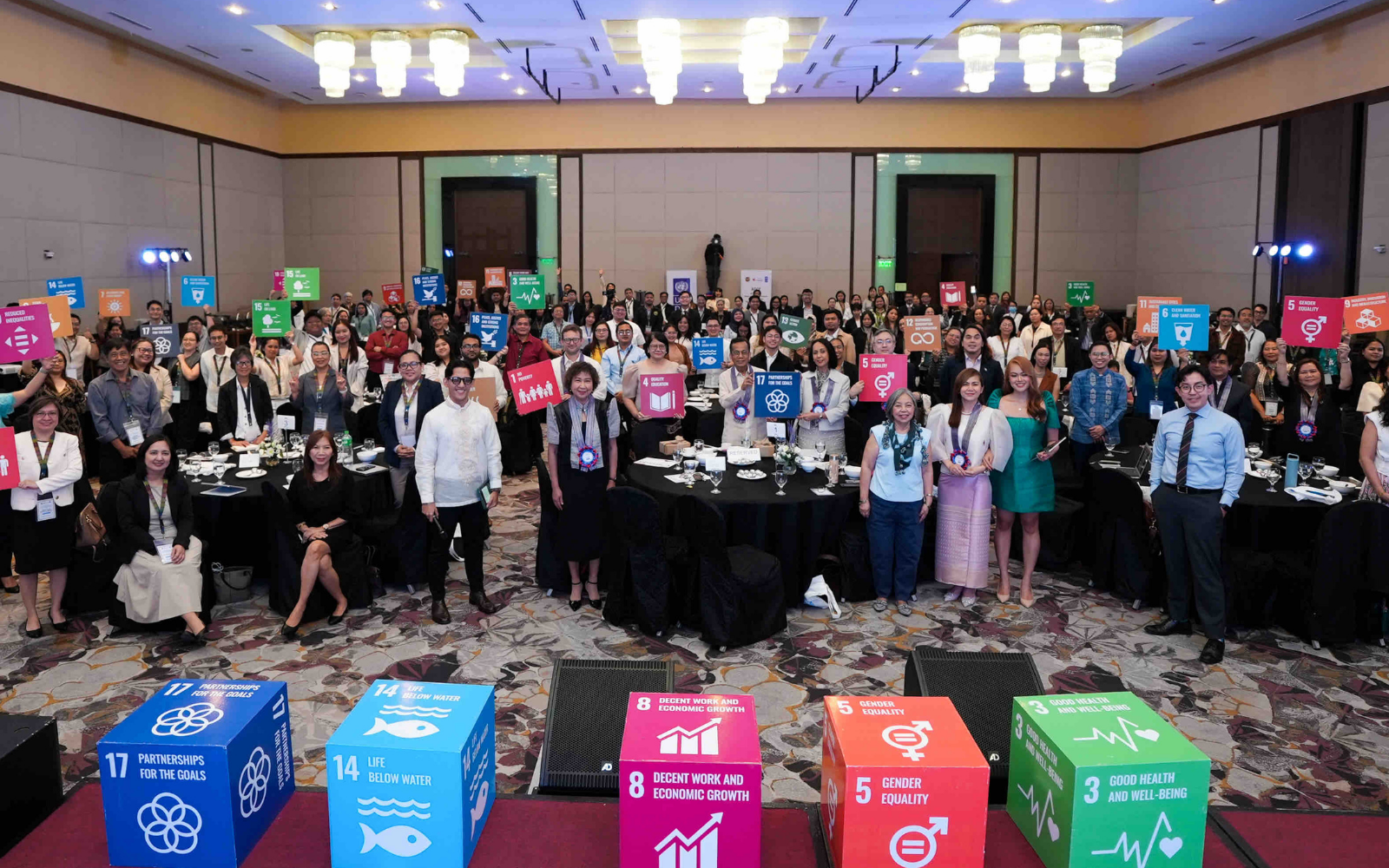
The 2025 VNR, presented nationally on August 27, 2025, provides a comprehensive assessment of the Philippines’ progress in achieving the SDGs. In his message, Department of Economy, Planning, and Development Secretary Arsenio Balisacan stressed the importance of sustained collaboration across sectors to institutionalize reforms and meet critical SDG targets.
The full 2025 VNR can be accessed here: https://sdg.depdev.gov.ph/voluntary-national-review-2025/
Zuellig Family Foundation Annual Report 2024
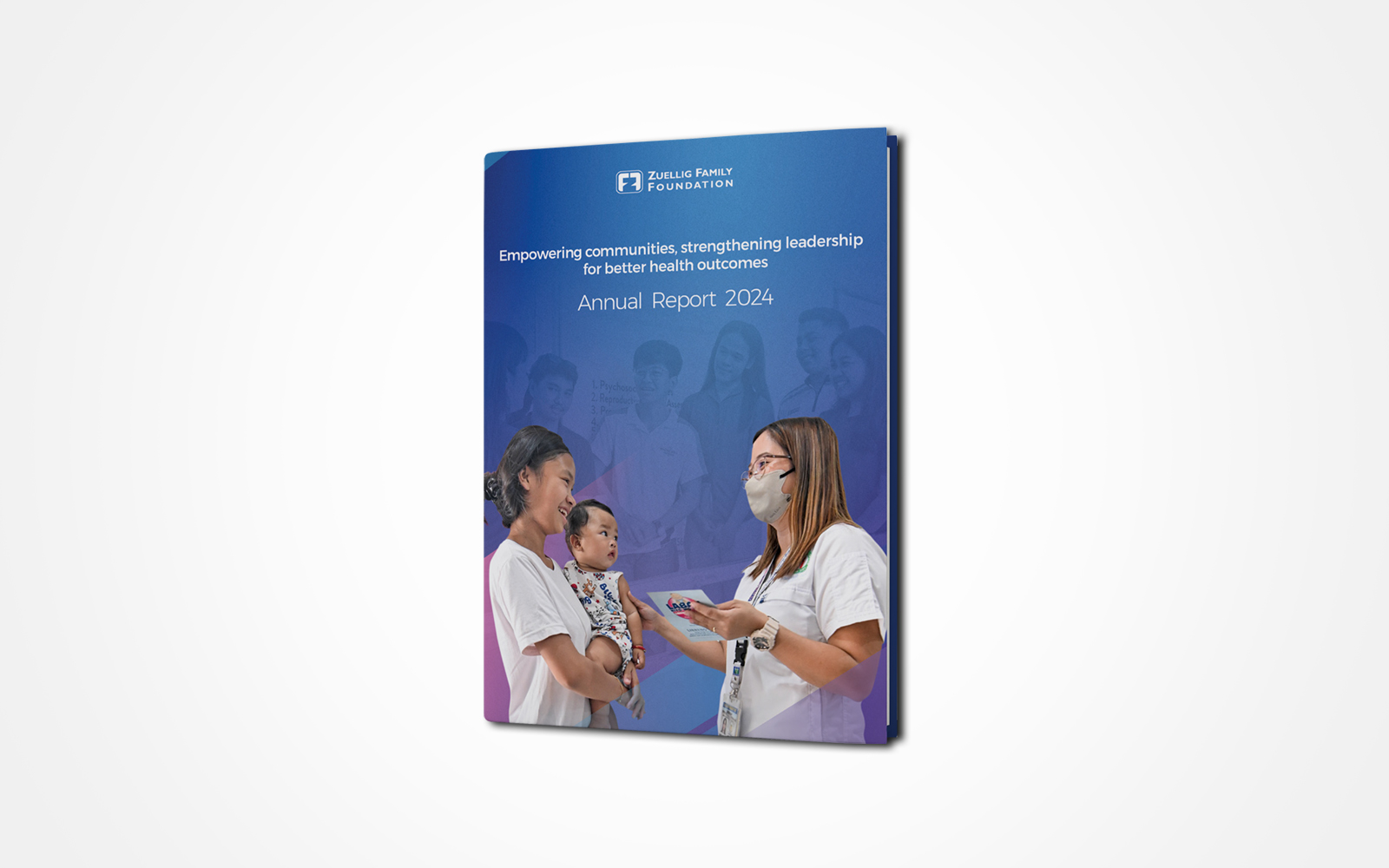
Empowering communities, strengthening leadership for better health outcomes
About the report
The Zuellig Family Foundation (ZFF) Annual Report 2024 shares stories of change, lessons learned, and milestones in improving health outcomes for Filipinos.
Our work in 2024 focused on:
2024 at a glance
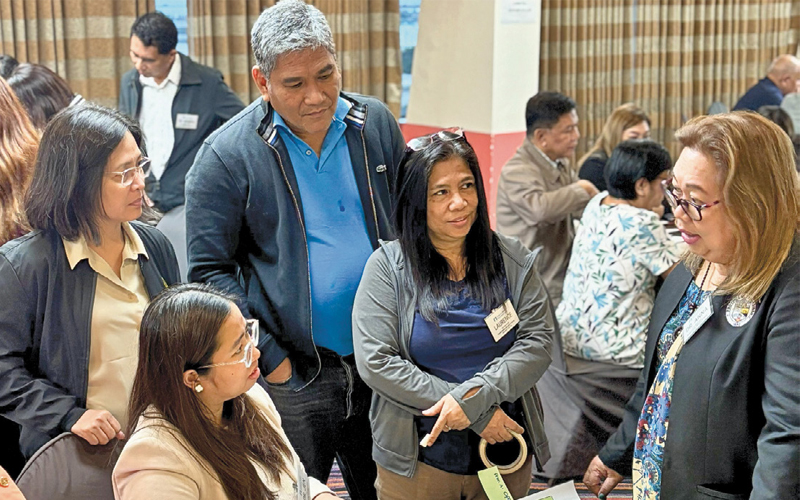
Local Health Systems
- 3.2M people registered under PhilHealth KONSULTA in partner areas.
- 100% primary care facility accreditation in almost all areas.
- UHC Champion Series shared practical lessons across LGUs.
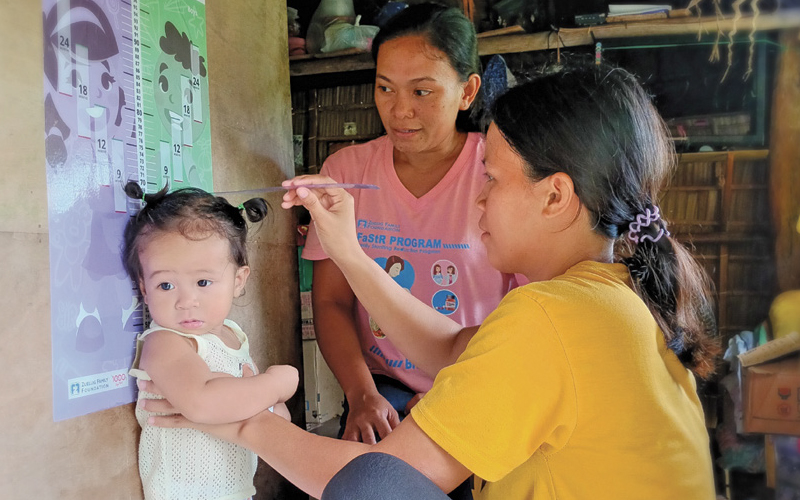
Nutrition
- Reduced stunting and wasting in Basilan, Samar, Northern Samar, Sarangani, Zamboanga del Norte, and Siargao towns.
- Launched Nutrition Leadership and Equity Acceleration Program (NutriLEAP) with the League of Provinces of the Philippines to strengthen provincial leadership.
- Rolled out the Pook Malusog Dashboard for easier, data-based decisions.
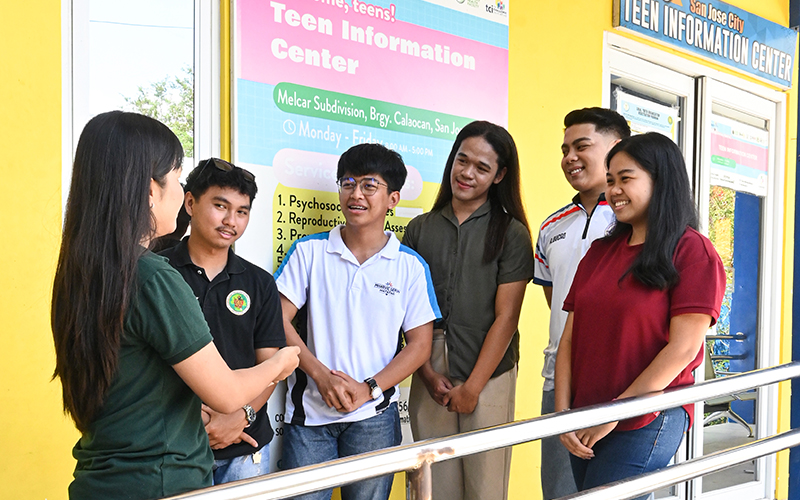
Adolescent and Youth Sexual and Reproductive Health
- 11 cities lowered the adolescent birth rate below 20 per 1,000.
- Adolescent-friendly health facilities grew to 555.
- Recognized work with partners through national and global learning events.
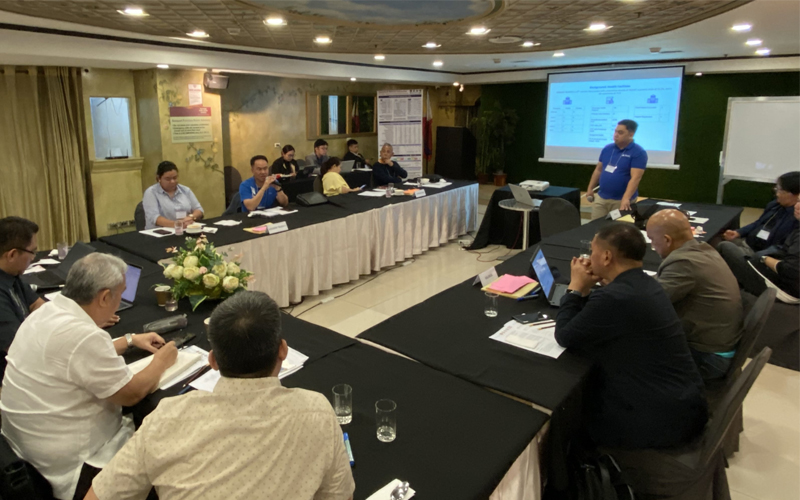
ZFF Institute for Health Leadership
- Coached and trained fellows under the RRR Fellowship to solve health system gaps.
- Worked with academic partners to scale leadership programs.
- Sustained ISO-certified learning quality and CPD accreditation.
ZFF will continue working with provinces, cities, and municipalities to accelerate health reforms, scale nutrition programs, and empower youth and communities.
Read the full report here:
ZFF Annual Report 2024Download
Download: Audited Financial Statements 2024
Baguio City Advance Universal Health Plans
Baguio City is moving closer to making Universal Health Care (UHC) a reality.
Dr. Catherine Chung, Local Health Systems Director at Zuellig Family Foundation (ZFF), noted that the city has nearly completed the accreditation of all its district health centers under PhilHealth’s Yaman ng Kalusugan Program (YAKAP). Only two centers remain, while the city is also improving its electronic medical records and preparing to operationalize contracts with three private hospitals. These steps, she said, put Baguio in a strong position to shift toward a mixed health provider network that uses both public and private facilities.
These insights came during the Executive Session for Mayor Benjamin “Benjie” Magalong on August 12, 2025, organized by ZFF through its Bayang Malusog Leadership and Governance Program.
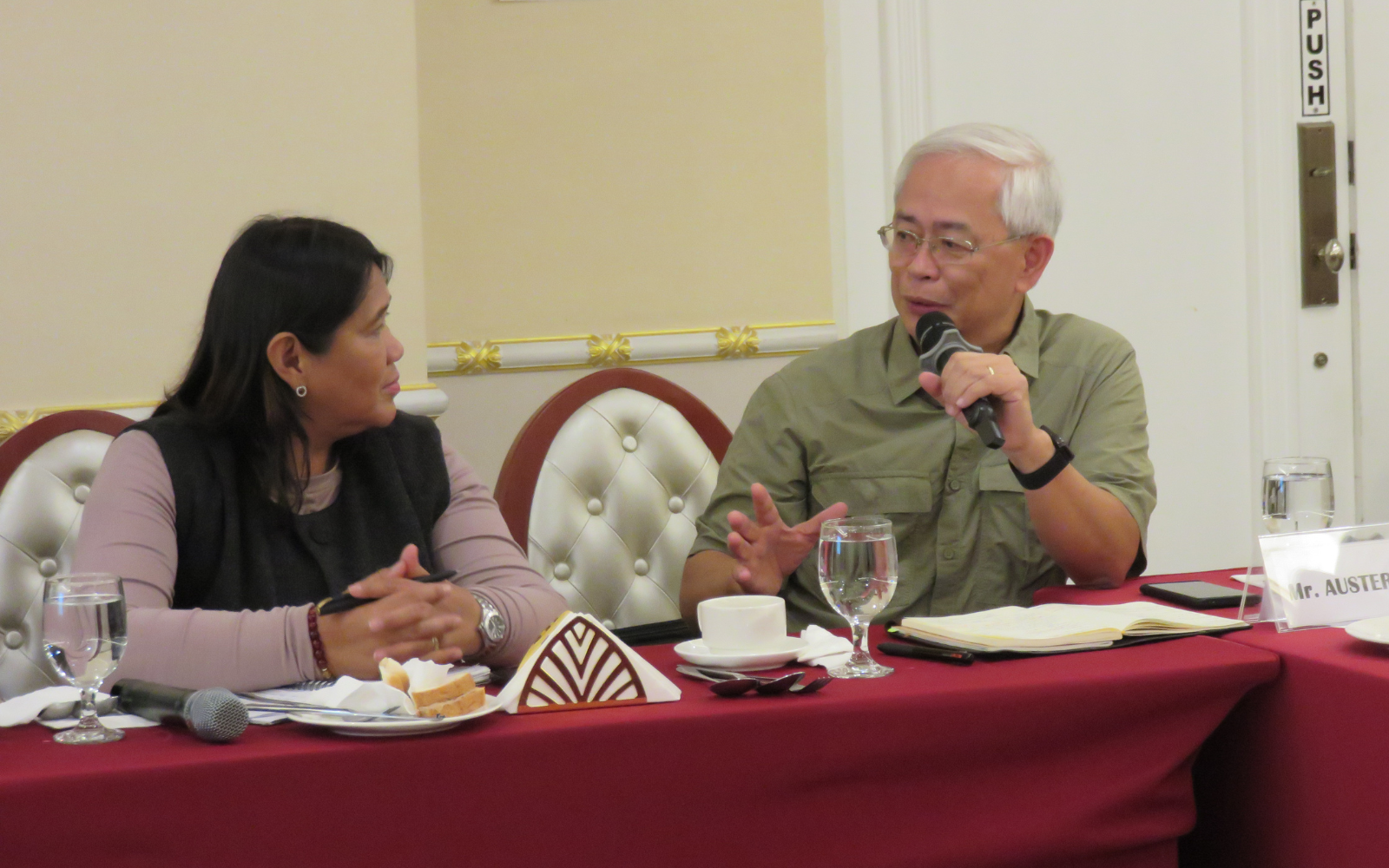
City Health Officer Dr. Celia Flor Brillantes laid out Baguio’s roadmap to UHC. PhilHealth President and CEO Dr. Edwin Mercado shared updates on YAKAP and advised the city to prepare solid contracting rules, clear fund-sharing arrangements, and even explore public-private partnership models. Austere Panadero, ZFF President and Executive Director, reminded the group of the urgency of their shared task, stressing: “We need to reach more, serve more. We need to prepare the system.” The Department of Health (DOH)-CAR also committed its full support.
Dr. Chung underscored that while Baguio is ahead, the transition will not be easy. Building a mixed-provider network demands strong governance, especially in handling contracts and finances. There is a need for local accountability systems to ensure that health funds are used properly and transparently. At the same time, she affirmed that Baguio has the right building blocks—committed leadership, technical support from PhilHealth and DOH, and active collaboration with partners.
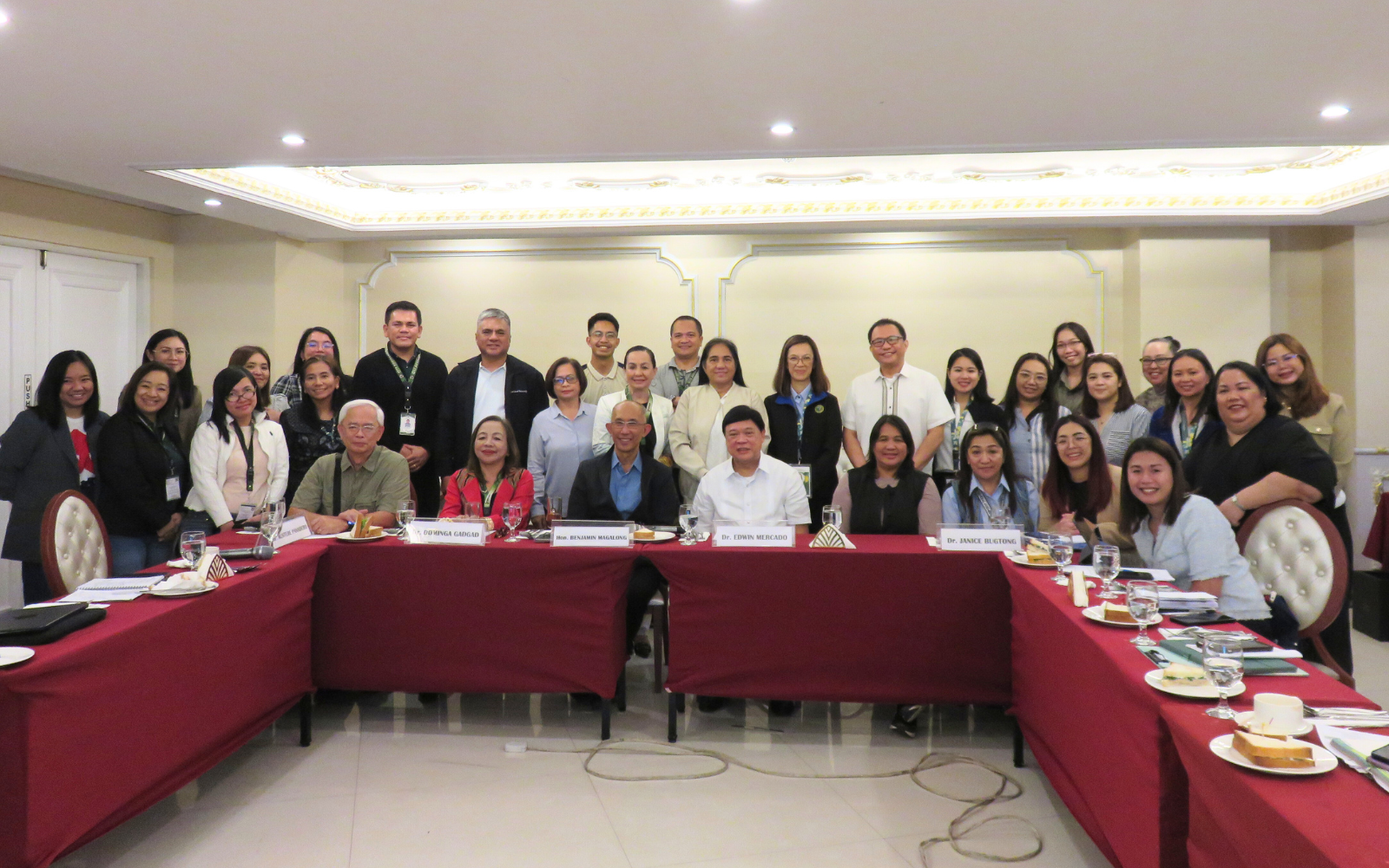
With these efforts, Baguio City is showing that local governments can lead the way in building a health system that truly works for every resident.
Coming Together for Young People’s Health and Rights on August 13 and 15
EYLGP Colloquium on Adolescent Health in Southern Leyte and Samar
On August 13 and 15, 2025, we will gather online for the Expanded Youth Leadership and Governance Program (EYLGP) Colloquium focused on Adolescent Sexual and Reproductive Health and Rights (ASRHR) in Southern Leyte and Samar.
These virtual events will bring together youth leaders, local government unit (LGU) partners, and multisectoral stakeholders to share stories and lessons from the ground. Through public narratives and forums, we will highlight how young people and local leaders are working together to improve adolescent health and rights in their communities.
Join us on Zoom:
- August 13, 1:00 p.m.: Southern Leyte Colloquium (Register here)
- August 15, 1:00 p.m.: Samar Colloquium (Register here)
What to expect:
- Stories from youth champions and local leaders
- Panel discussions with municipal and provincial health officers, youth development officers, and ASRHR focal persons
- Videos from partner LGUs showcasing their local efforts
- Insights from the Department of Health, Commission on Population and Development, Department of Social Welfare and Development, Department of Education, and Department of the Interior and Local Government
Be part of the conversation. Celebrate progress and inspire the next wave of youth leadership in health governance.